



We’re excited to introduce you to the always interesting and insightful Patrick Rea. We hope you’ll enjoy our conversation with Patrick below.
Alright, Patrick thanks for taking the time to share your stories and insights with us today. Learning the craft is often a unique journey from every creative – we’d love to hear about your journey and if knowing what you know now, you would have done anything differently to speed up the learning process.
Learning to make films has taken many years and you’re never finished learning. There is always some new skill or technology that is right around the corner.
I started making videos back in high school, before attending film school at the University of Kansas in Lawrence, KS. While living in Lawrence I cut my teeth on editing and digital filmmaking, as well as shooting on 16mm. As far as speeding up my learning process, I believe it has a lot to do with access to the technology. High school students today, have the ability to learn editing on programs like Premiere Pro and have high end cameras, which were not available when I was a teenager.
I think one of the biggest skills is the ability to successfully communicate your ideas to your crew. You have to be a strong communicator. You also have to have the ability to not only take criticism but also learn from your mistakes along the way. And finally, I always tell new filmmakers to be prepared, that way when something unexpected happens, you’re ready.
Again, I think originally my obstacles for learning were simply due to not having access to the essential tools to make a film. Over the years, these tools have become more readily available. Even iPhones can shoot a movie. Really the biggest obstacle is always finding the money to make a film, getting your film seen by a mass audience and finding a story that is compelling enough to hold their attention.
Patrick , before we move on to more of these sorts of questions, can you take some time to bring our readers up to speed on you and what you do?
I am an independent filmmaker based out of Kansas City, Missouri. I would say that while I focus a lot of my energy on directing narrative stories, I am also an editor and producer.
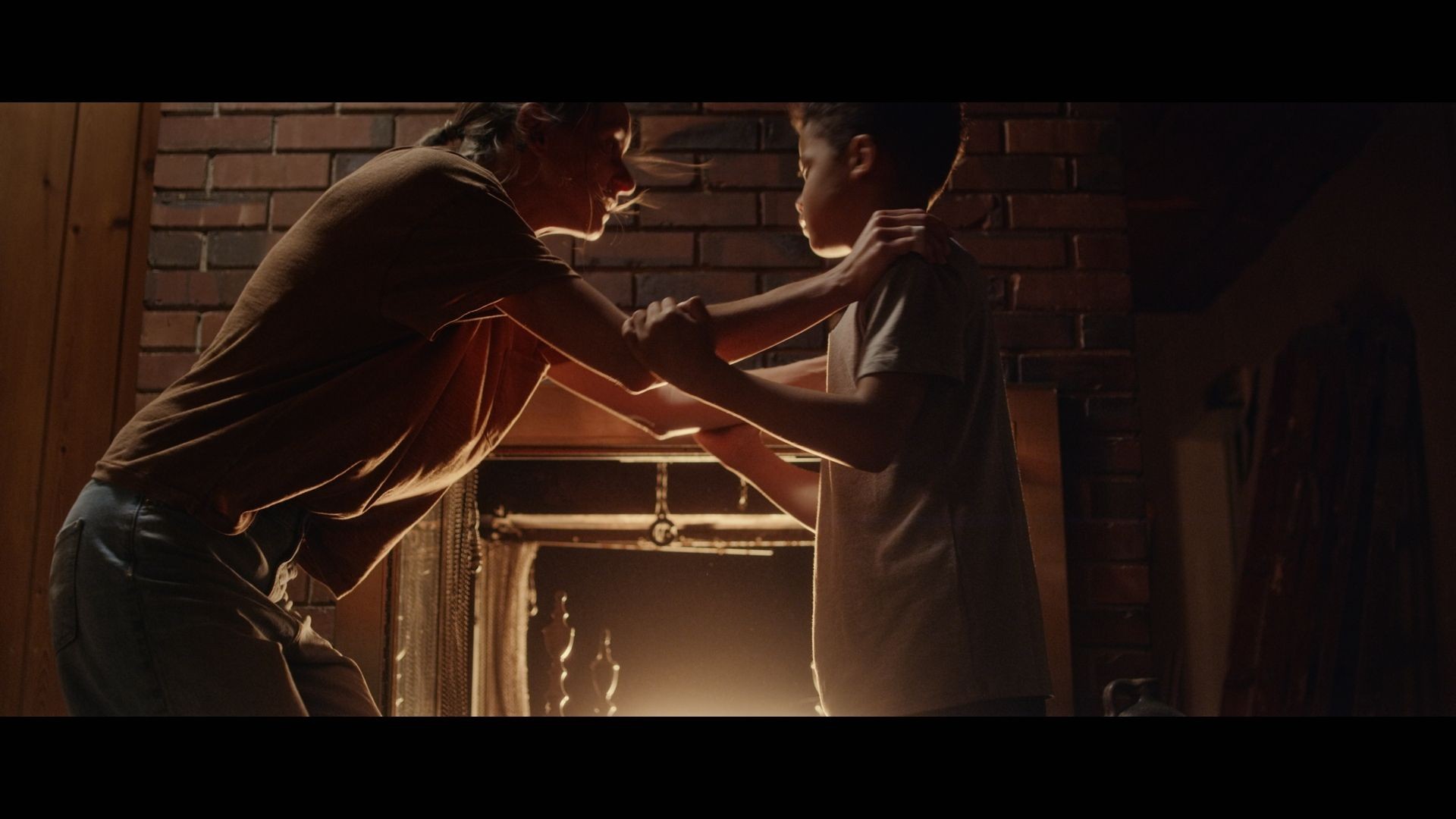
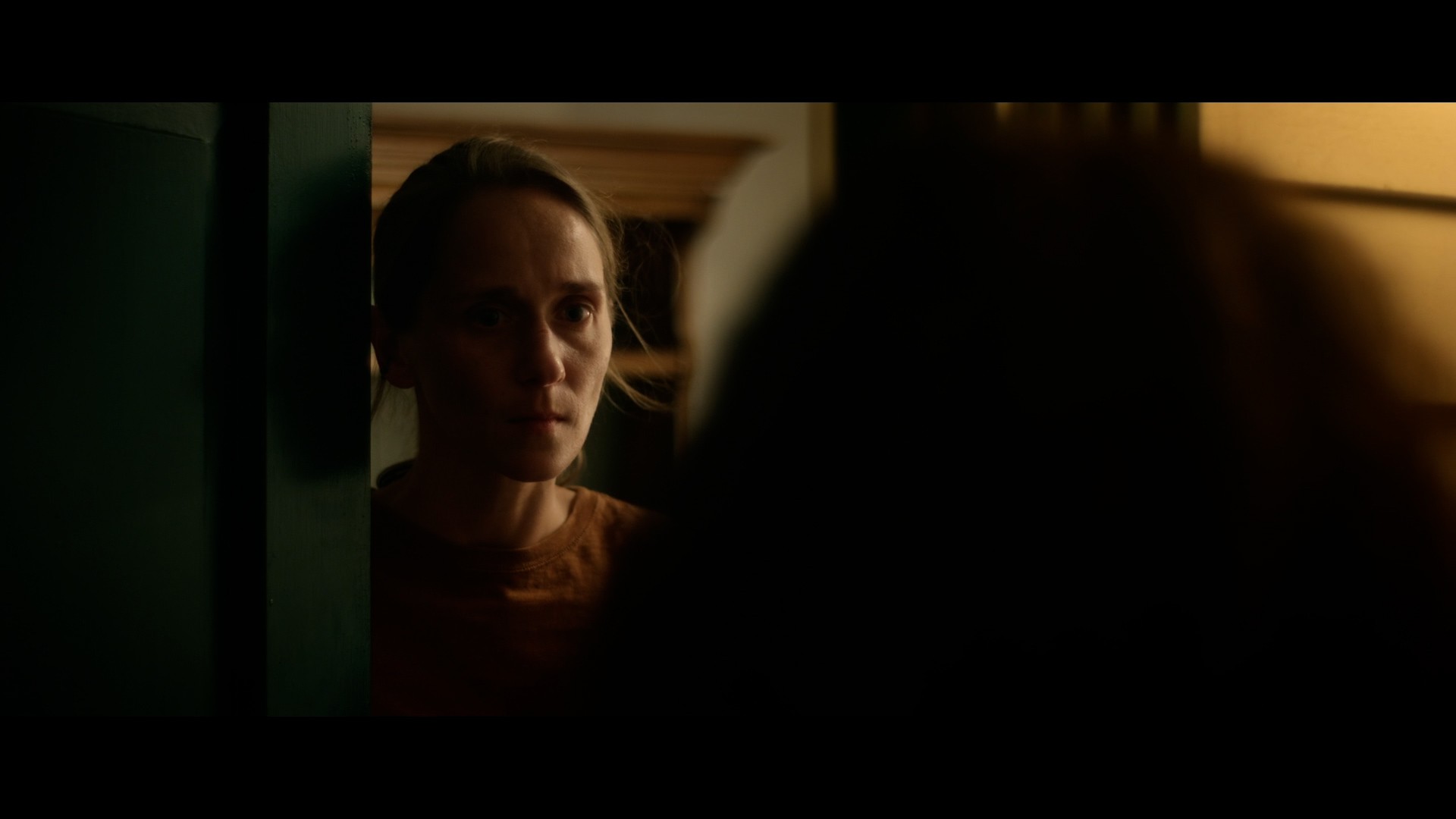
Over the years, I’ve been hired to direct short and feature films, and have gotten them distributed worldwide on digital platforms such as Vudu, Redbox, AppleTV and Amazon. They have also been featured on platforms such as Peacock, FuboTV, Paramount+, Hulu and more. My films are primarily in the horror and suspense genre and have been screened at film festivals across the globe.
I provide my skills in directing, which includes prepping the film for production, casting, storyboarding and finally guiding the project through principal photography. One of the biggest aspects of directing is solving problems along the way, whether it be with cast, crew, locations or technical roadblocks. Once filming is completed, I also edit the film and supervise post production. We then find a distributor to release and market the film on streaming platforms.
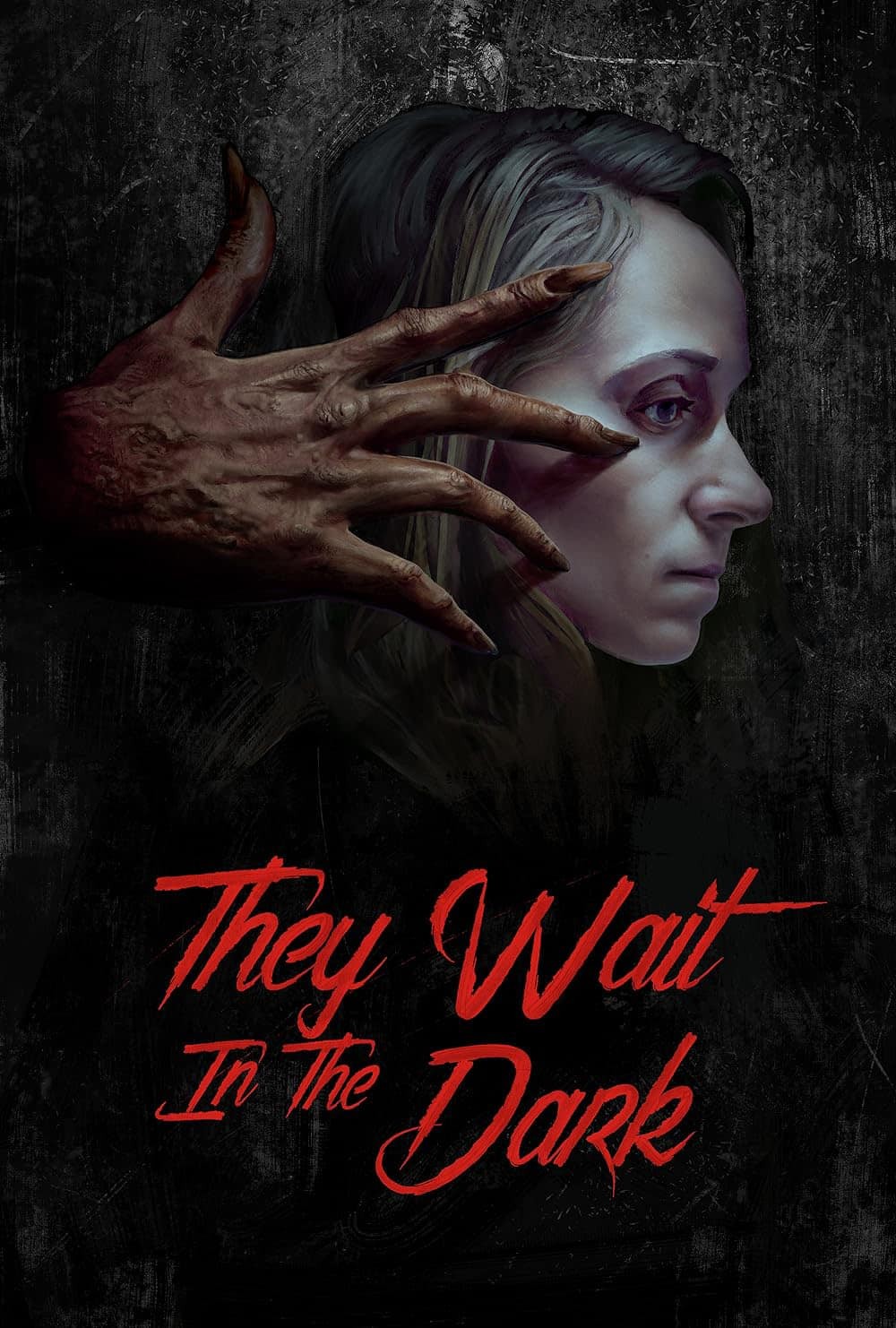
I have been proud of all my finished films, but one of my proudest moments was getting a positive review in The New York Times for my feature “They Wait In The Dark”.
What’s the most rewarding aspect of being a creative in your experience?
Making a film can be extremely challenging, so just getting the film completed and over the finish line can be rewarding. But ultimately, I do feel like it’s rewarding to see the finished product out there for people to see and hearing the reactions.
Seeing the film with a crowd can be exciting, but also extremely nerve-racking. Afterwards, hearing people discuss the story and the characters really feels good. There will always be negativity, so it’s important to focus on the positive responses.
It’s also rewarding to see the cast and crew proud of the finished product as well.
What’s a lesson you had to unlearn and what’s the backstory?
When starting out making films, there is a tendency to be too precious with what you have filmed. Early on, I would have a hard time taking notes on what needed to be changed because I would take it personally.
As you grow as a filmmaker you learn that you have to be willing to take criticism and also make changes to the film that best serves the final product. Sometimes you have to be brutal and cut stuff that isn’t working no matter how long it may have taken to film. The audience doesn’t care that a particular shot took several hours to film, so you have remind yourself that while editing.
Over the years, our films have gotten tighter and tighter in terms of editing and a lot of that comes from a willingness to trim the fat and not get too attached to a particular shot or scene.
Contact Info:
- Instagram: patrickmrea
- Facebook: https://www.facebook.com/patrick.rea.7
- Twitter: @patrickmrea
Image Credits
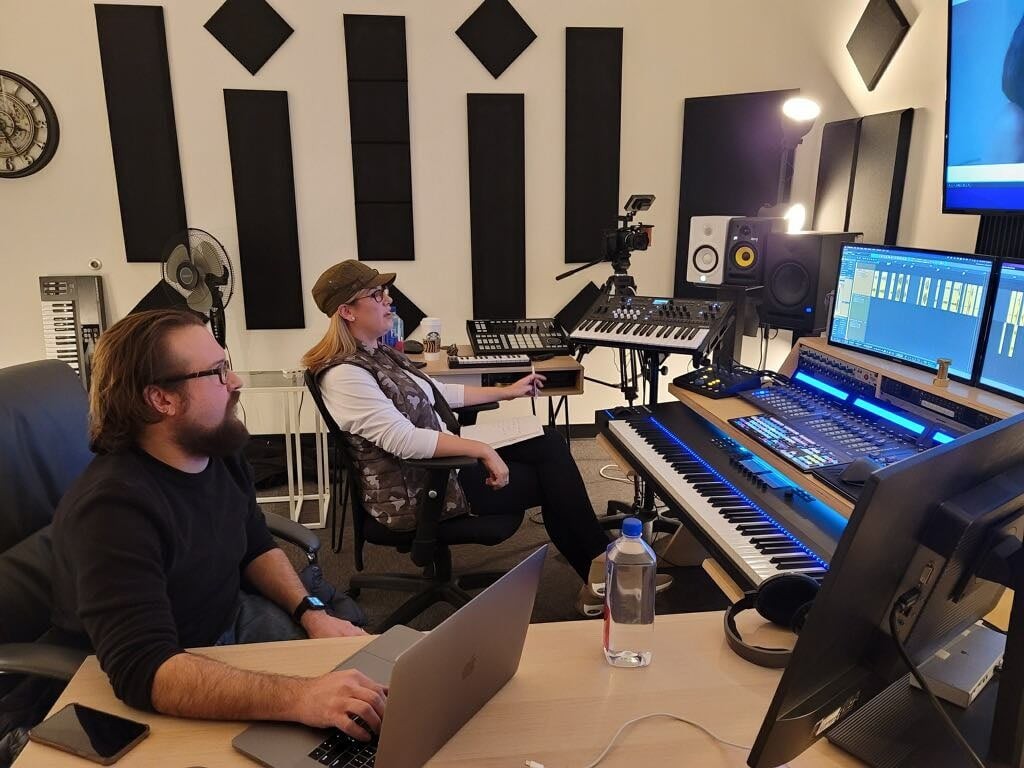
Brad Austin – Main Picture of Me