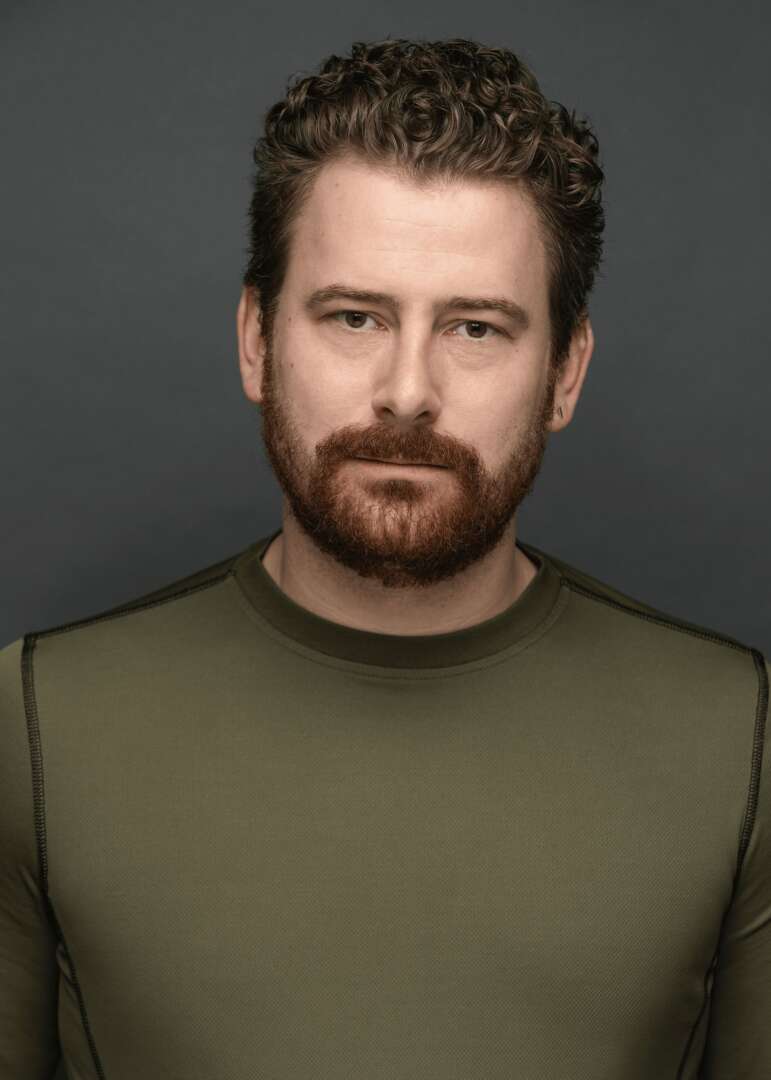

We’re excited to introduce you to the always interesting and insightful Patrick Osteen. We hope you’ll enjoy our conversation with Patrick below.
Alright, Patrick thanks for taking the time to share your stories and insights with us today. Have you been able to earn a full-time living from your creative work? If so, can you walk us through your journey and how you made it happen? Was it like that from day one? If not, what were some of the major steps and milestones and do you think you could have sped up the process somehow knowing what you know now?
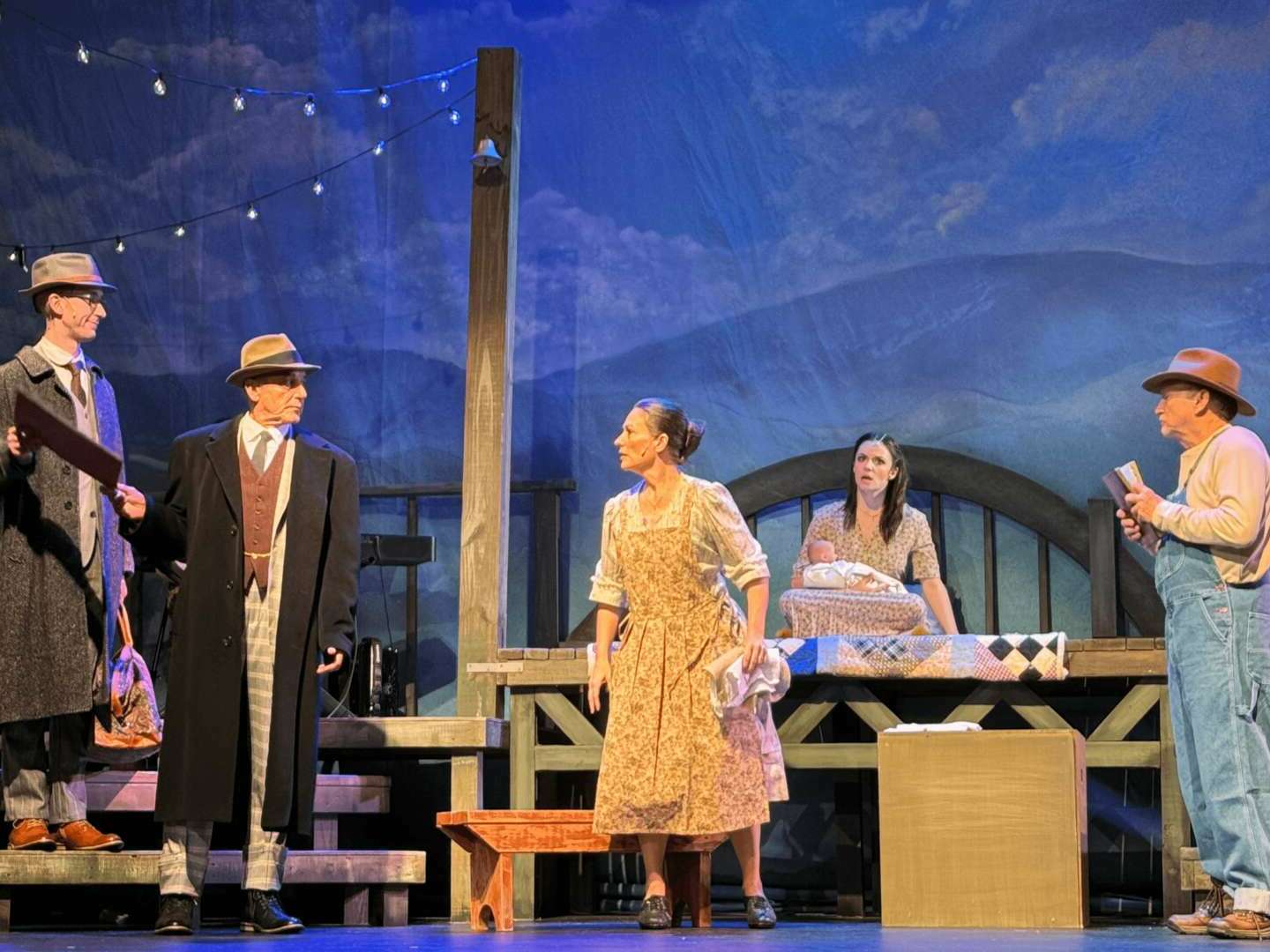
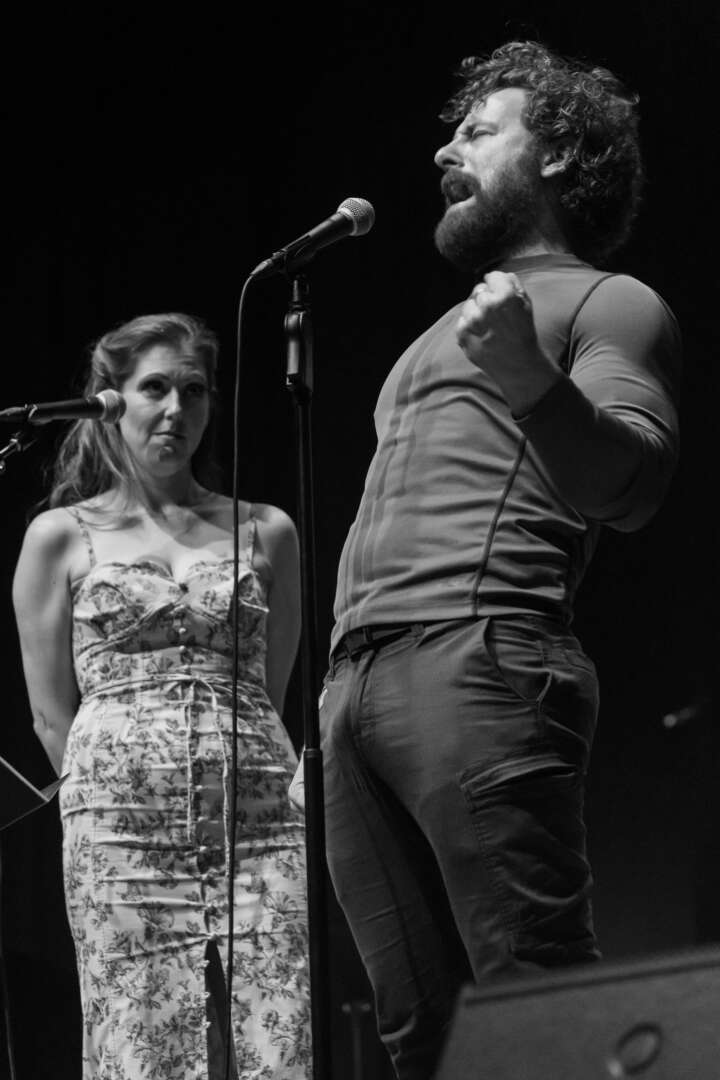
At a very young age I developed a love for performing. At a slightly older age I developed an awareness of the impracticality of supporting oneself in the performance industry. So I always assumed I would involve myself in theater as a side-gig the way I had seen the lawyers and doctors and teachers performing in community theater growing up. It wasn’t until I was looking into colleges that I took being a theater professional seriously. Once I did, I began to develop an understanding of what a rounded theater professional looked like. Through college I tried to make myself as versatile a performer as I could. I had heard of being a triple-threat and I thought that was the avenue to success. An eyewateringly fast fifteen years later, I have found that being a triple-threat isn’t enough. At least my version. So far in my theater career I’ve been a director, a producer, a writer, a puppeteer, a props master, a fight director, a choreographer, an acrobat, an actor, a singer, and, very loosely, a dancer. All in the act of supporting myself through the world of theater.
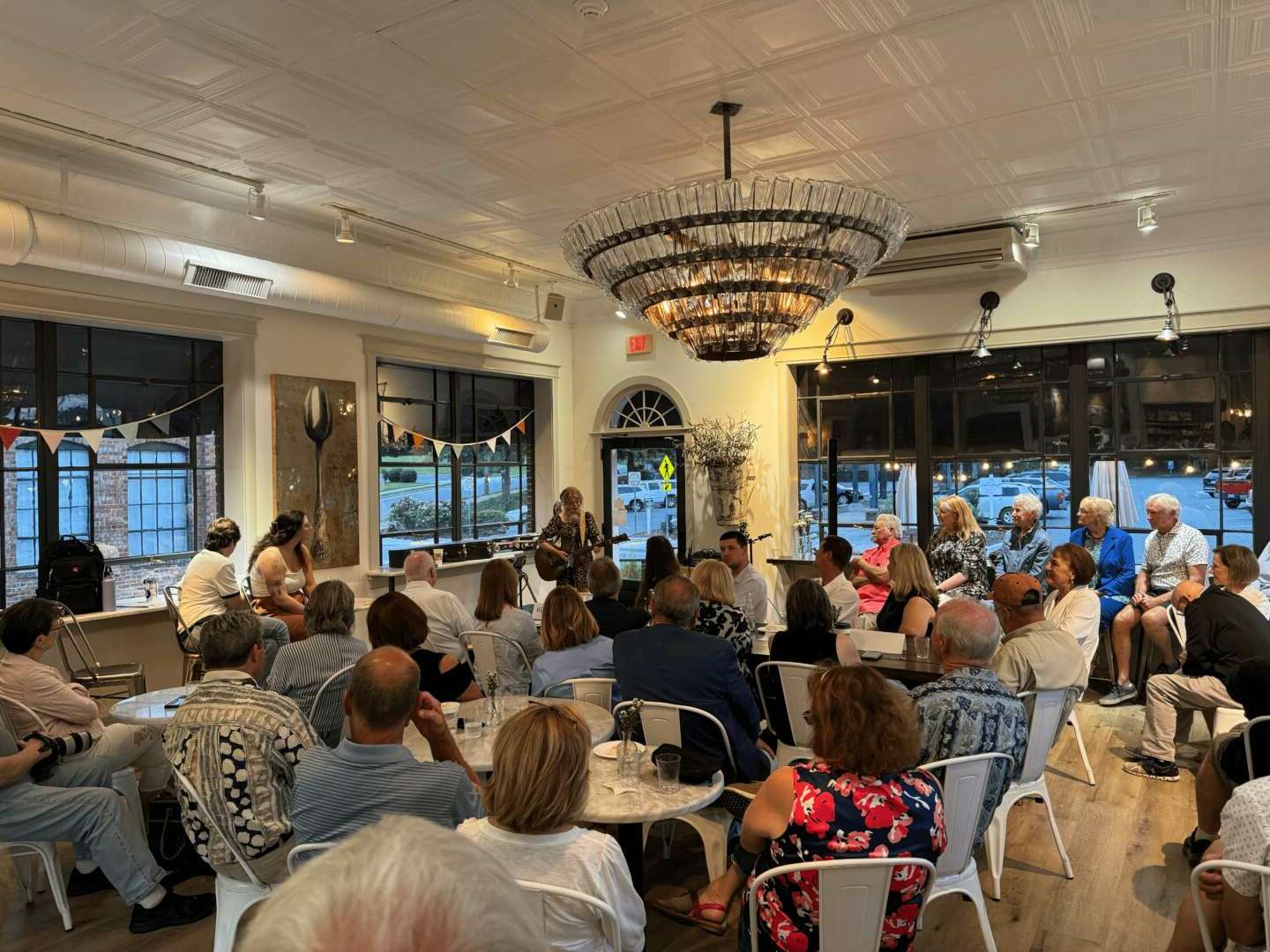
One of my goals has always been to create theater of my own. After being mostly contract worker through my 20s I began focusing more actively on being my own creative boss. Producing shows and projects that I cared about and that had a direct connection to my local community. These types of theater projects have, mostly, paid me less but mattered more. When I work extra hours on a project, it improves my community. My sweat equity is reflected in my immediate surroundings and that has given me immense satisfaction. However, that means that my job is much more logistical and administrative. It also means I can make a monthly salary and know that I am provided for.
As always, we appreciate you sharing your insights and we’ve got a few more questions for you, but before we get to all of that can you take a minute to introduce yourself and give our readers some of your back background and context?
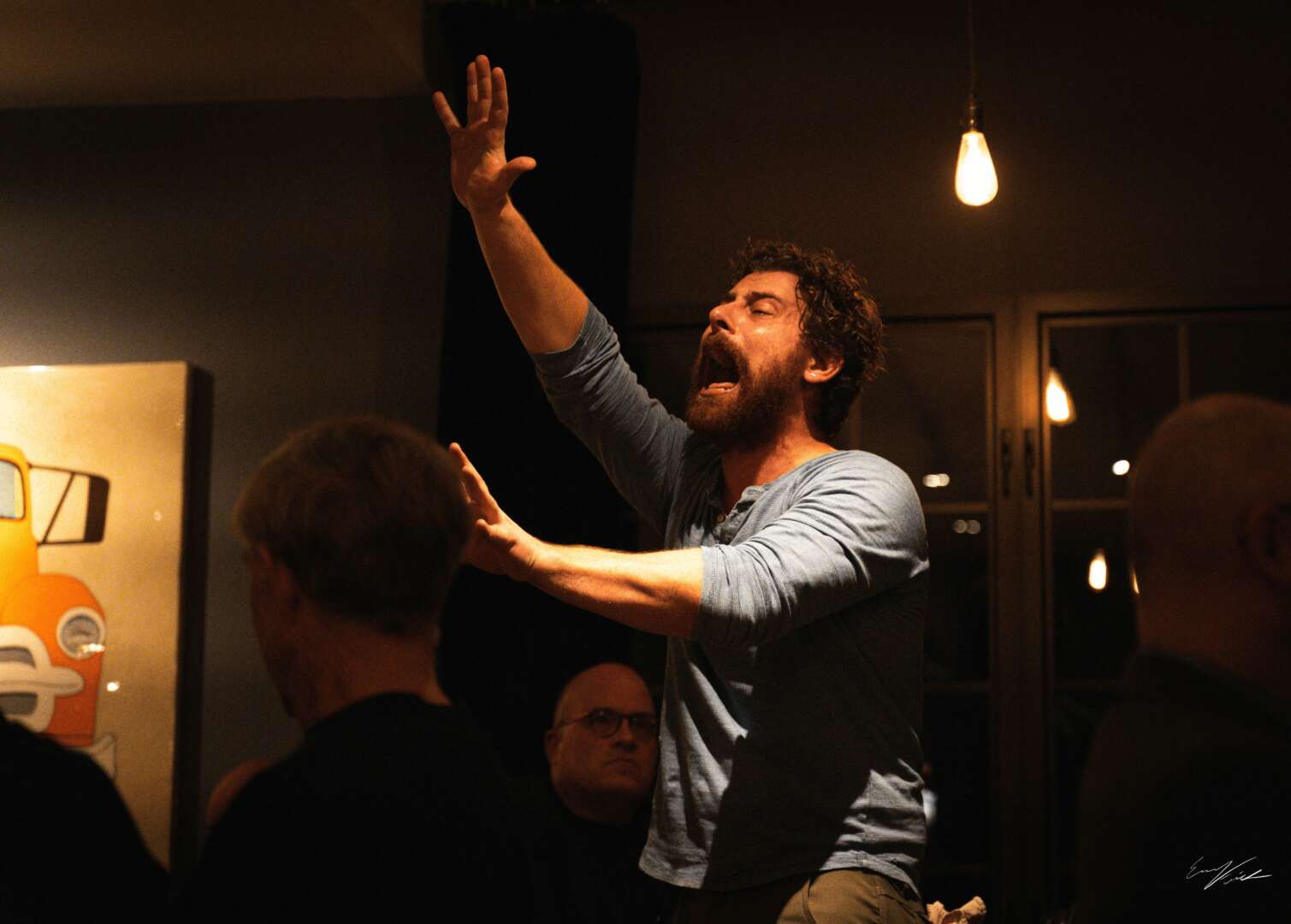
I’m Patrick Osteen. I grew up in Asheboro and got my start in church and community theater. I spent my senior year of high school at the North Carolina School of the Arts studying drama and then went into their conservatory actor training program for college. After college, I spent about a year doing regional theater before being hired as a puppeteer on the national tour of War Horse. After finishing my time with that show, I started RhinoLeap in 2015 with my dad Tom Osteen, who had retired from orthopedics several years prior. Then I was hired as a puppeteer on a Cirque du Soleil tour that allowed me to travel the world for just under three years. In 2019 I moved back to Asheboro and began working with RhinoLeap full-time. It has been profoundly gratifying to start and continue operating the first professional theater company in Randolph County and I am grateful for the opportunity to have such an influence over the development of this wonderful community.
Let’s talk about resilience next – do you have a story you can share with us?
When the pandemic struck, we lost our ability to create live programming as a source of revenue. Fortunately, we had recently brought on a cinematographer and film editor and immediately pivoted to making commercials for our local and regional businesses. That revenue stream allowed us to survive a time that many theaters did not. It also allowed us an opportunity to develop a part of our business that we never would have, had we not been forced to do so. We are now benefiting greatly from the work that we did throughout the past several years.

Learning and unlearning are both critical parts of growth – can you share a story of a time when you had to unlearn a lesson?
When a company is created, it is often a requirement for the folks inside the company to work unsustainable hours in order for the company to find its footing and reach stable operations. However, once the business begins to find that stability, it is essential that the workers readjust their work intensity so that they don’t burn out. We have been working to unlearn some of our overwork tendencies and trust that the new normal of less is a more effective long-term work strategy.
Contact Info:
- Website: https://Www.rhinoleap.com
- Instagram: RhinoLeap