

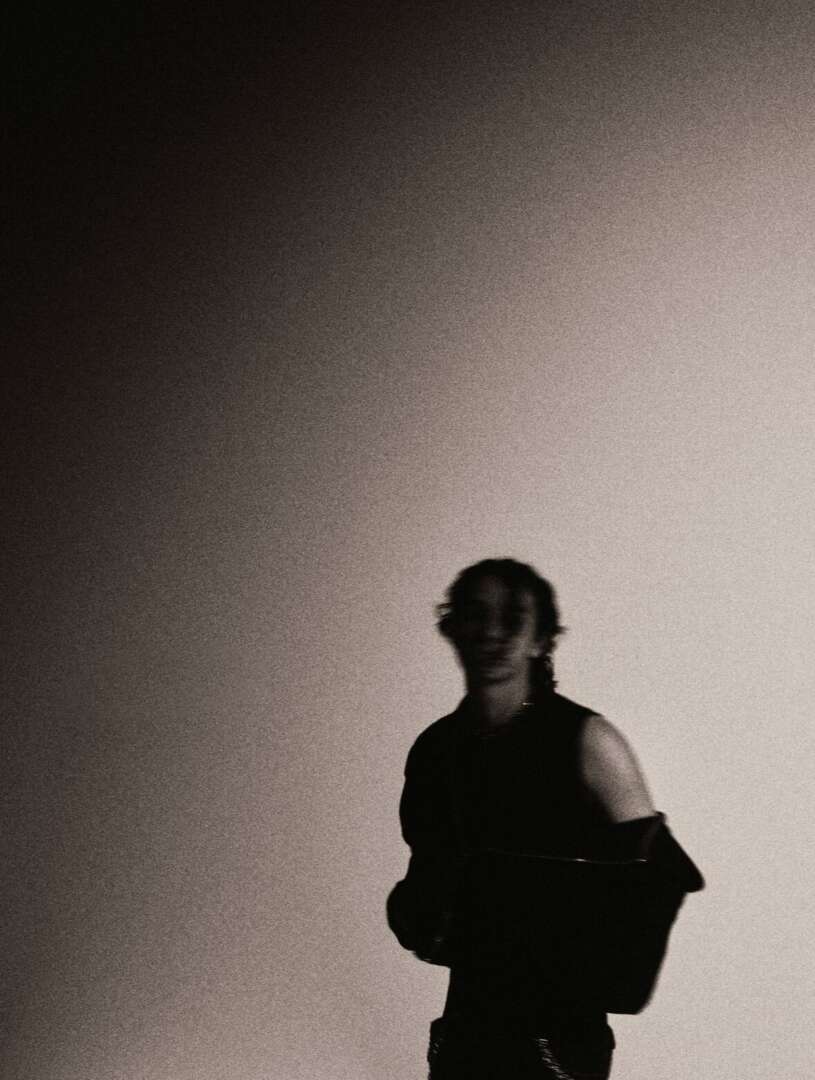

Alright – so today we’ve got the honor of introducing you to Patrick Graham. We think you’ll enjoy our conversation, we’ve shared it below.
Patrick, thanks for taking the time to share your stories with us today How did you learn to do what you do? Knowing what you know now, what could you have done to speed up your learning process? What skills do you think were most essential? What obstacles stood in the way of learning more?
A lot of it was sheer trial-and-error. I learned that there was a potential for me to do photography commercially very early on, and I had to set myself up in a way that I felt was right in reflection of who I was as a photographer at the time. I would have probably told my past self to slow down more and think intentionally with the decisions I made in regard to photography. A lot of it pertains mostly to my workflow, and I realized how much of an impact that preparation and pacing had, and felt that working more organized allowed me to improve my workflow as a whole.
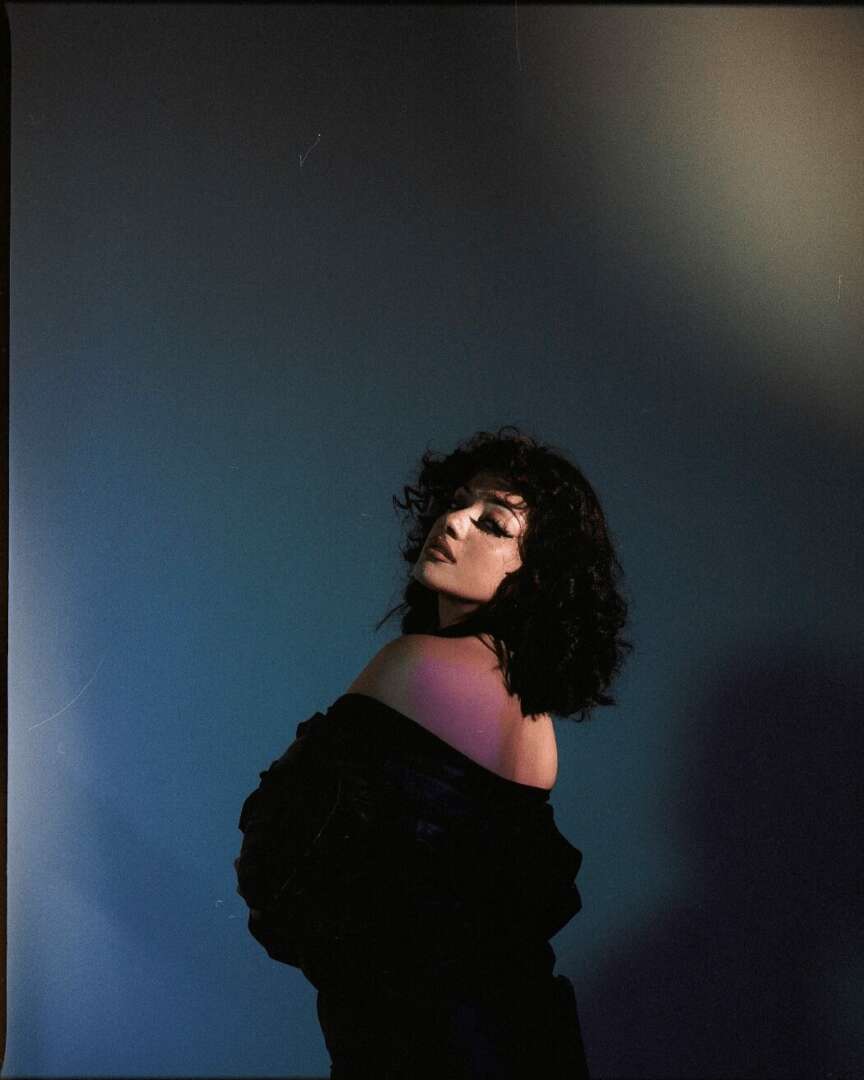
As always, we appreciate you sharing your insights and we’ve got a few more questions for you, but before we get to all of that can you take a minute to introduce yourself and give our readers some of your back background and context?
My initial experience within photography came in the form of a car meet I attended back in October of 2018 with an unused family camera, and it took off more towards my senior year of high school. Around late 2019/early 2020 was when I realized the possibilities within photography as a creative career, and was a main priority I had while returning back to college. I like to think that I was able to justify how I worked with clients in regards to the level of experience I had with my approach to it, especially knowing that I was able to still act on it with my own approach to how I wanted my work to be seen.
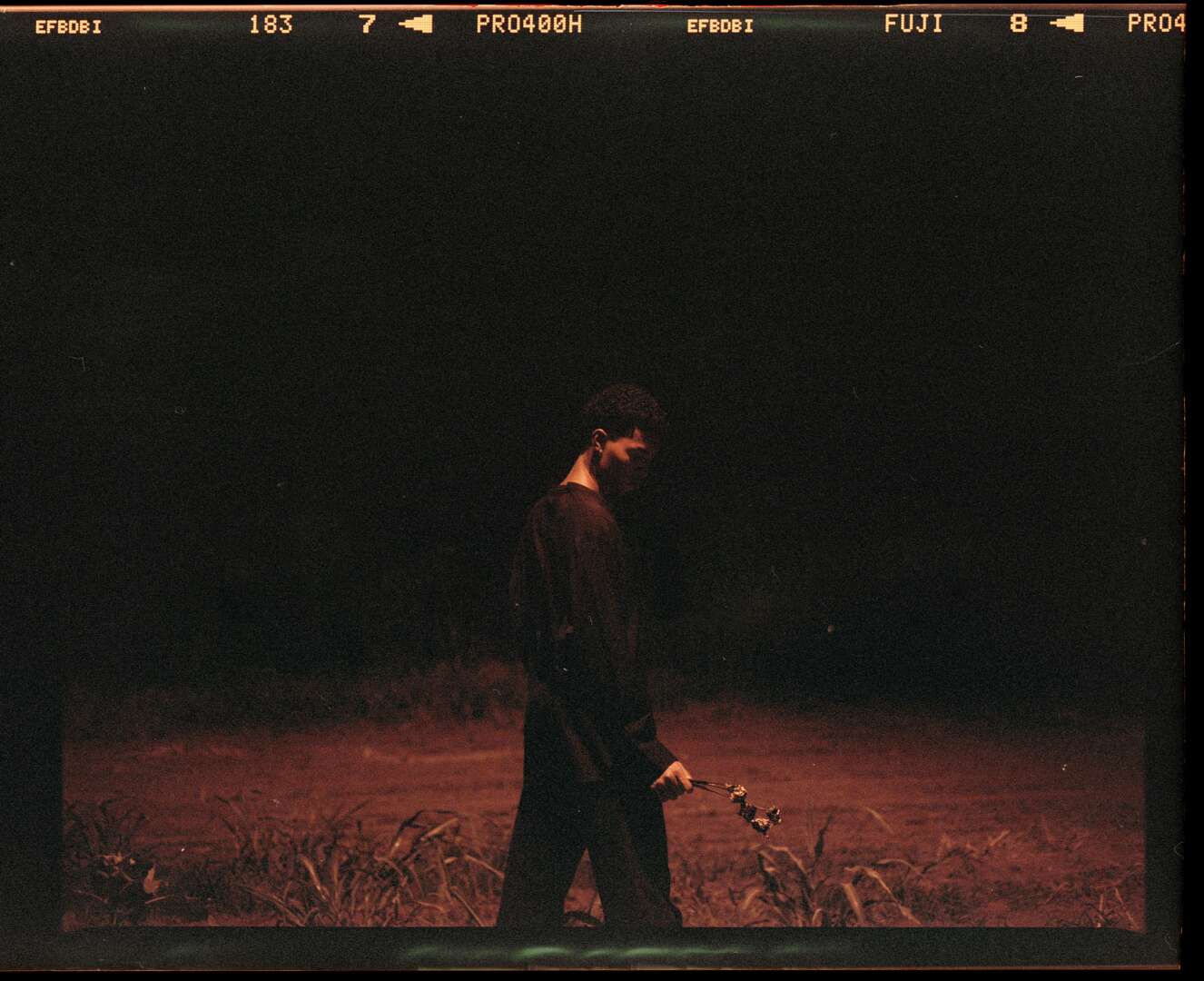
Have you ever had to pivot?
2020 was a year that I began to think critically about my own work and what I was doing, as I realized I wasn’t taking photography as seriously as up until then. I felt that my work at the time wasn’t necessarily representative of who I was as a visual artist, and mainly it was down to available resources at the time. Meeting others, especially at my university, helped a lot with understanding the decisions and nuances that other artists were making within their work. I saw how most of other people’s work stemmed greatly from their own past experiences, and found that drawing upon my own was able to make my work resonate more strongly with myself. I found that there’s certain “necessary” risks that any artist or creative should take in regards to their work if it means to discover who they themselves are, as artists. In truth, I’m still thinking critically for what my body of work is or will be in 5-10 years, but being able to be cognizant of how the photographs I make are approached from both myself and others is the first step that always makes for better results, in my opinion.
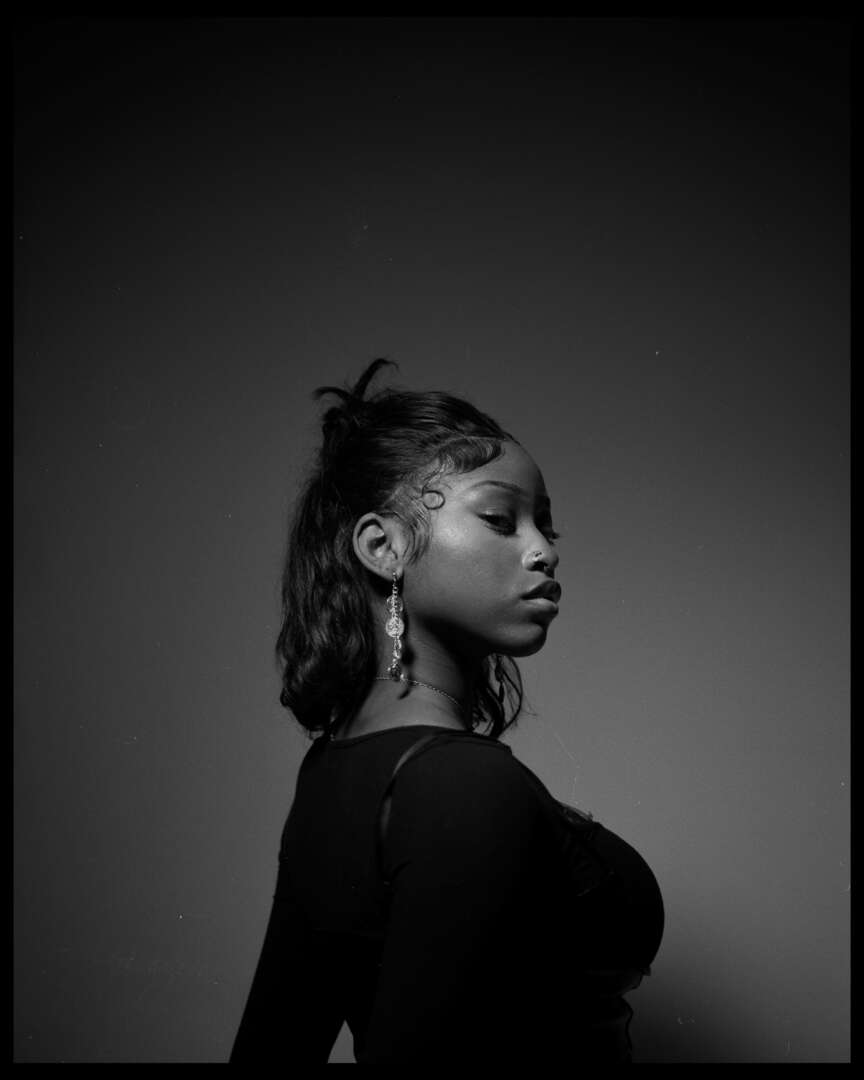
What’s the most rewarding aspect of being a creative in your experience?
For me, the most rewarding parts of working as both a photographer and visual artist is possessing a level of control in production from start to finish. A lot of my processes, especially for my own photoshoots, deal a lot in preparation for knowing the specifics of what compositions I want to incorporate, and in doing so lets me work acutely and precisely for decisions I myself can make, whether it be lighting, tone, or overall themes. A lot of the time, I end up working in-studio with no production team or other personnel, and while it can be a bit overwhelming to have to maintain multiple responsibilities while working all at once, I still find enjoyment in knowing that everything I do falls entirely on my shoulders, and lets me give intense attention-to-detail for how I want everything to culminate as a whole.
Contact Info:
- Website: raiinfalls.com
- Instagram: @____raiin
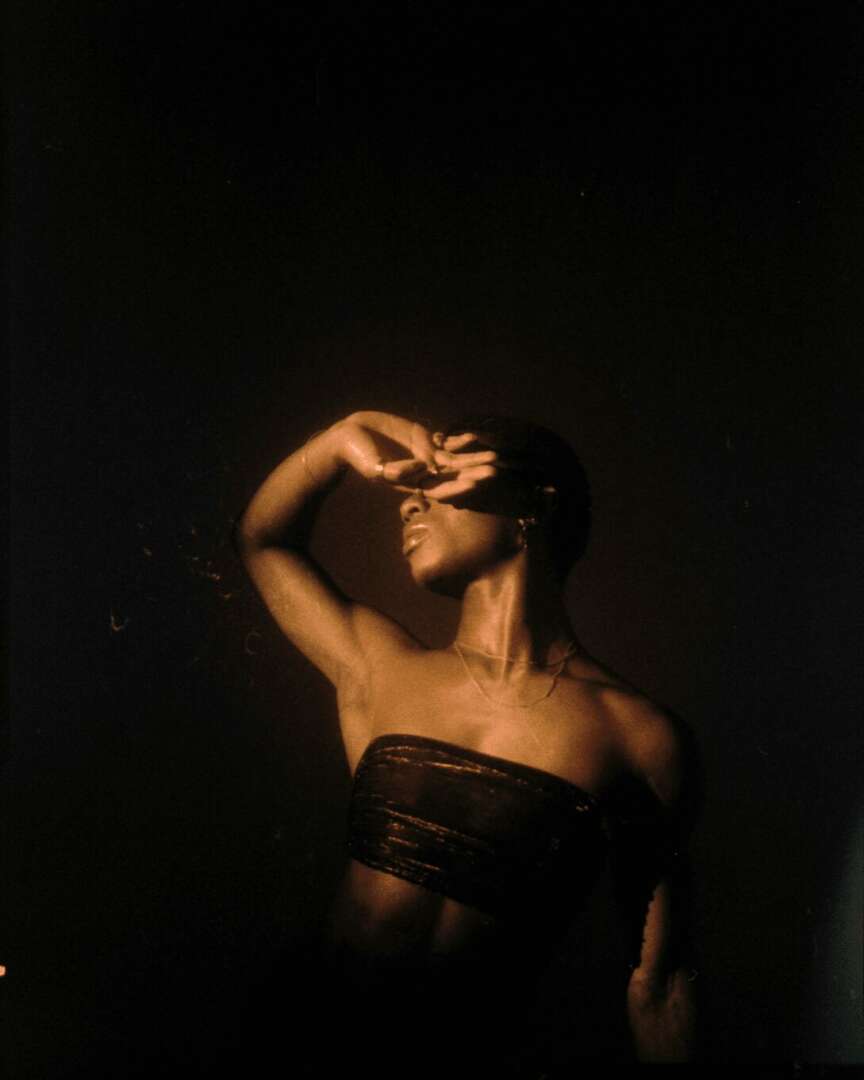
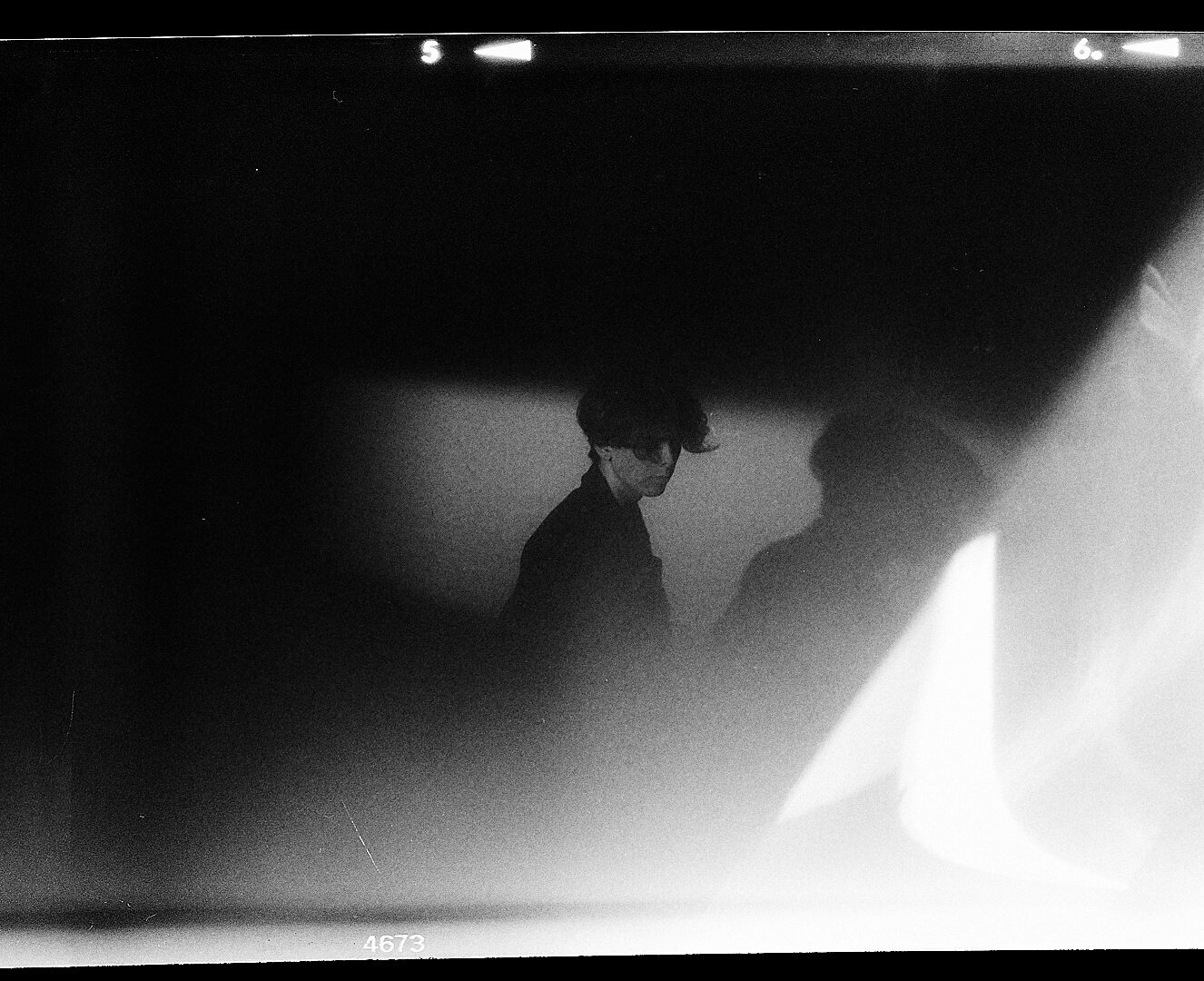
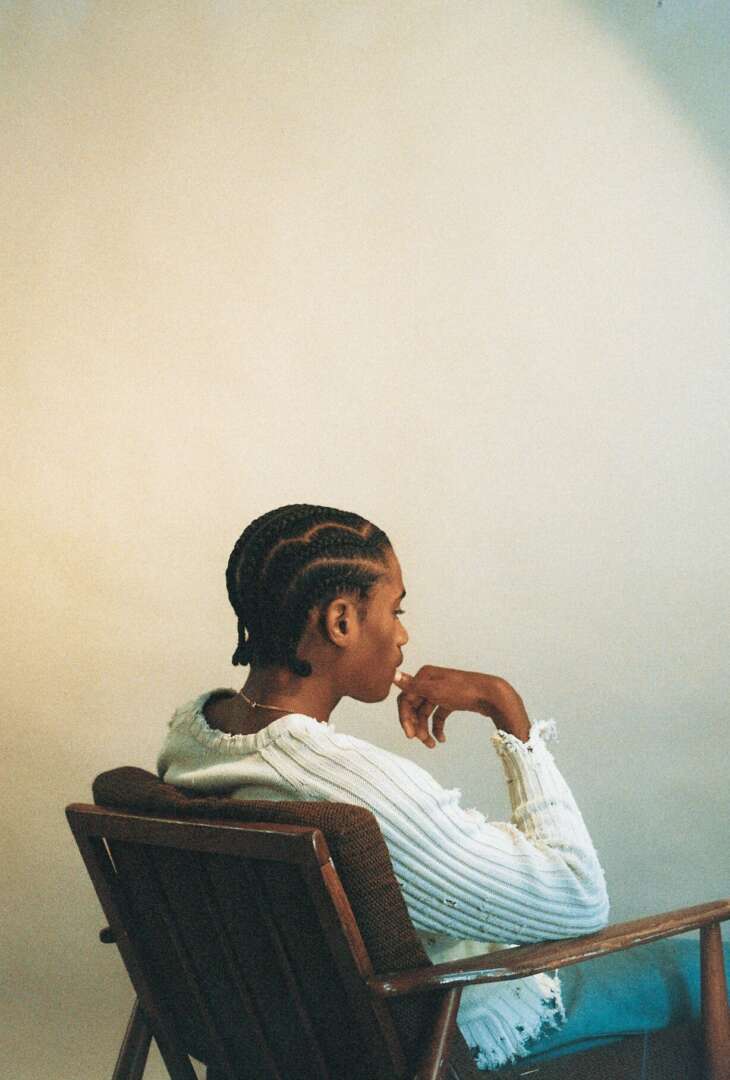
Image Credits
@jackshaupt @derrickbarnettt @asappebblez @micahnikor @keonohimai @pursuitshot @dylanstiggers