



Alright – so today we’ve got the honor of introducing you to Patrick Foley. We think you’ll enjoy our conversation, we’ve shared it below.
Hi Patrick, thanks for joining us today. Earning a full time living from one’s creative career can be incredibly difficult. Have you been able to do so and if so, can you share some of the key parts of your journey and any important advice or lessons that might help creatives who haven’t been able to yet?
I had been able to earn a living off of being a 3D artist since I graduated college. At the time, I was doing 50/50 Film and 3D Illustration freelance work. However It wasn’t until about a year after my graduation that I was able to drop the film work all together and focus on what was essentially a much less time-consuming but more profitable career. With 3D, there was no showing up to set, no making sure everyone shows up on the dot, no picking up massive and heavy lighting equipment, and much less liability. However, the fun parts stayed, as I was using 3D cameras, moving 3D lights without the weight, and directing everything myself.
I was able to boost my career and clientele network strictly off of social media and making a name for myself online. Because of platforms like Instagram, I had never even needed to whip up a resume, portfolio, or bio. Instagram was and is my main portfolio even today.
My main strength during this whole process was routine and sticking with it. Being able to sit down for hours a day, for years on end. To not only master a craft, but build a community, fanbase, and network, with my own personal work being the glue that keeps it all together.
A few straight years of constant posting, building a brand, teaching courses, and releasing digital products, has allowed me to not only make a living off of being a 3D artist, but live comfortably with very tame hours that I have control of everyday. I had not thought it was possible to make a decent living as an artist, only to find out that I would make more in this industry than any other industry I could have applied myself to.



As always, we appreciate you sharing your insights and we’ve got a few more questions for you, but before we get to all of that can you take a minute to introduce yourself and give our readers some of your back background and context?
I was in my sophomore year in college, where I was studying Film & Television at The Savannah College of Art & Design Atlanta campus. I had found myself in a unique position to become exposed to the world of 3D Illustration. Coming from a place of wielding real cameras and manually placing real lights on set, the foundation of camera/lens fundamentals, composition, and lighting was already in my arsenal.
I was exposed to 3D, specifically a program called Cinema 4D in one of my editing classes at SCAD where I noticed the program was installed in one of the editing bay’s computers. I had heard about 3D and motion graphics but never had the push to dive into them, until it was slapped right in front of my face. So as quickly as I became aware of this, I started playing around inside. Watching tutorials, creating random abstract pieces, and posting them to a dedicated Instagram account (@Patrick_4D) which would later become the sole driving force behind my new unknown career as a 3D Artist.
For the next full year, I had become mildly obsessed with this new hobby, creating at least one artwork per day, and watching hours of online content. With each new personal project, a new problem to solve, and a new piece of the software to dive into. It wasn’t until about a year later that I had picked up my first small freelance gig by a company that had found my work via Instagram.
Because this was strictly a hobby at the time, I was glad to be paid for what seemed to be fun personal work that I’d do in my free time regardless. This became a trend, and as my Instagram grew every year, the projects would roll in more frequently. The clients would become more notable, and the prices I was charging would go up. It was essentially a steady incline that would later overpower my work as a director of photography and I was starting to get paid significantly more for significantly less work.
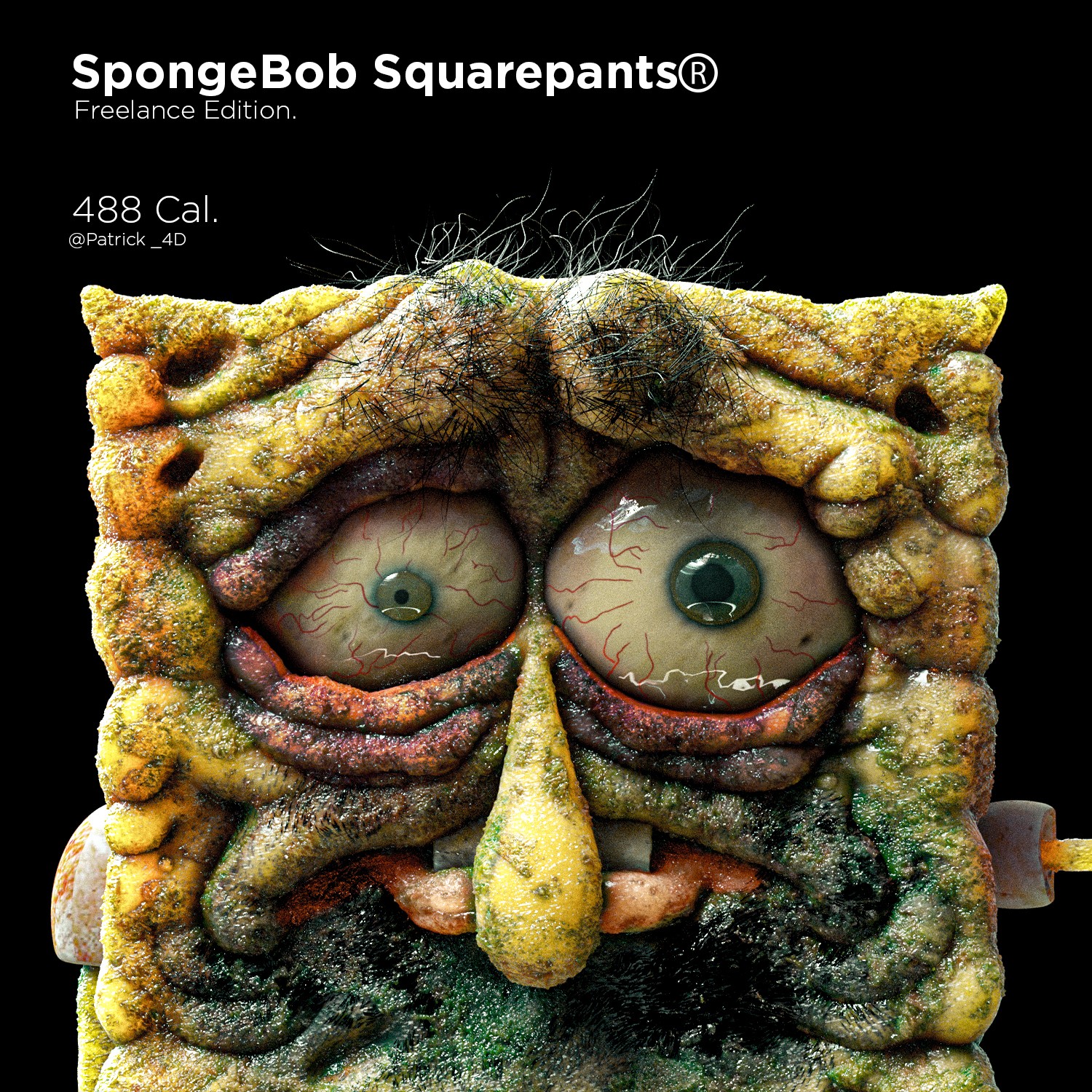
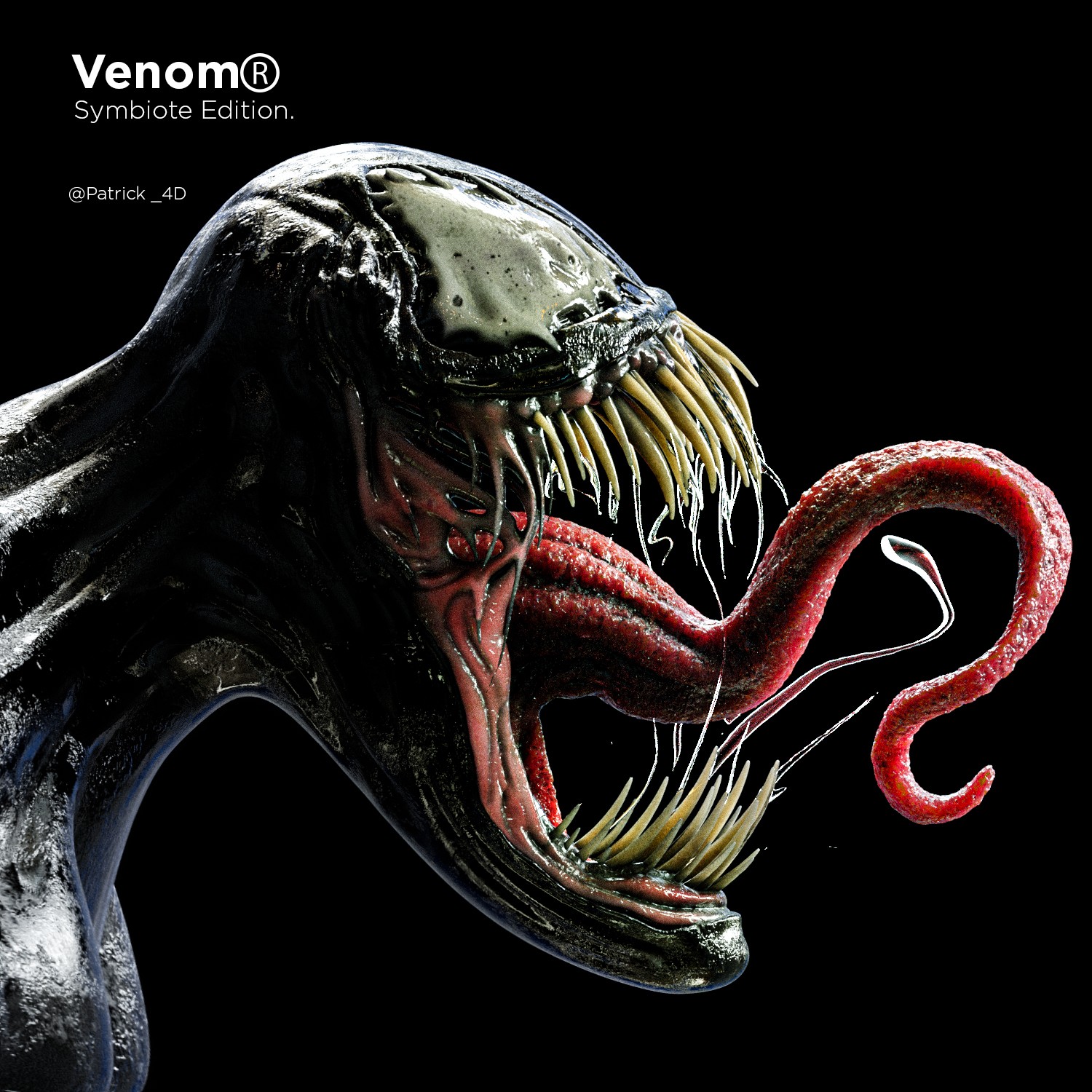

What do you find most rewarding about being a creative?
The most rewarding aspect of being a 3D artist in my position is freedom. Not only financially, but with my most valuable asset. Time. To this day, I am able to work on whichever project catches my interest, at a rate I’m comfortable with at my home studio. Rarely do I not have time to run errands, hit the gym, or have people over even on my busiest days.
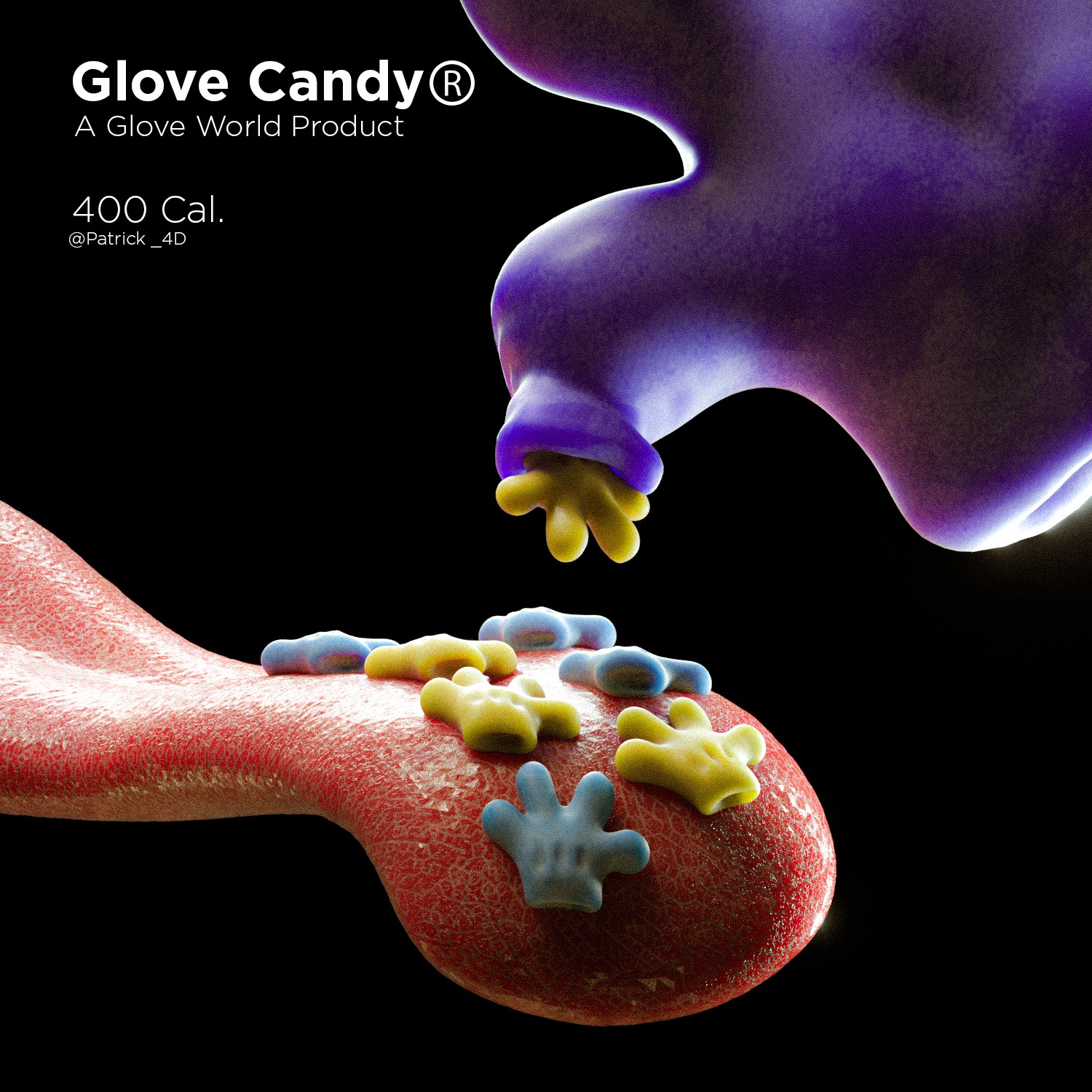

How can we best help foster a strong, supportive environment for artists and creatives?
I think I have been extremely fortunate to have come from a very reputable High School near Chicago IL (Hinsdale Central) that had offered digital video production courses and photoshop courses. However the view on becoming an artist essentially equates to being broke.
Not only should ALL elementary and high schools have access to these kinds of classes, they should be encouraged and not seen as a blow off class. It’s also extremely important to back the idea that you can be just as successful as a reputable artist, as you can any other career.
Contact Info:
- Website: https://www.patrick4d.com/
- Instagram: https://www.instagram.com/patrick_4d/?hl=en
- Youtube: https://www.youtube.com/c/PatrickFoley
- Other: TikTok – https://www.tiktok.com/@patrick_4d?lang=en Digital Products – https://patrick4d.store/