

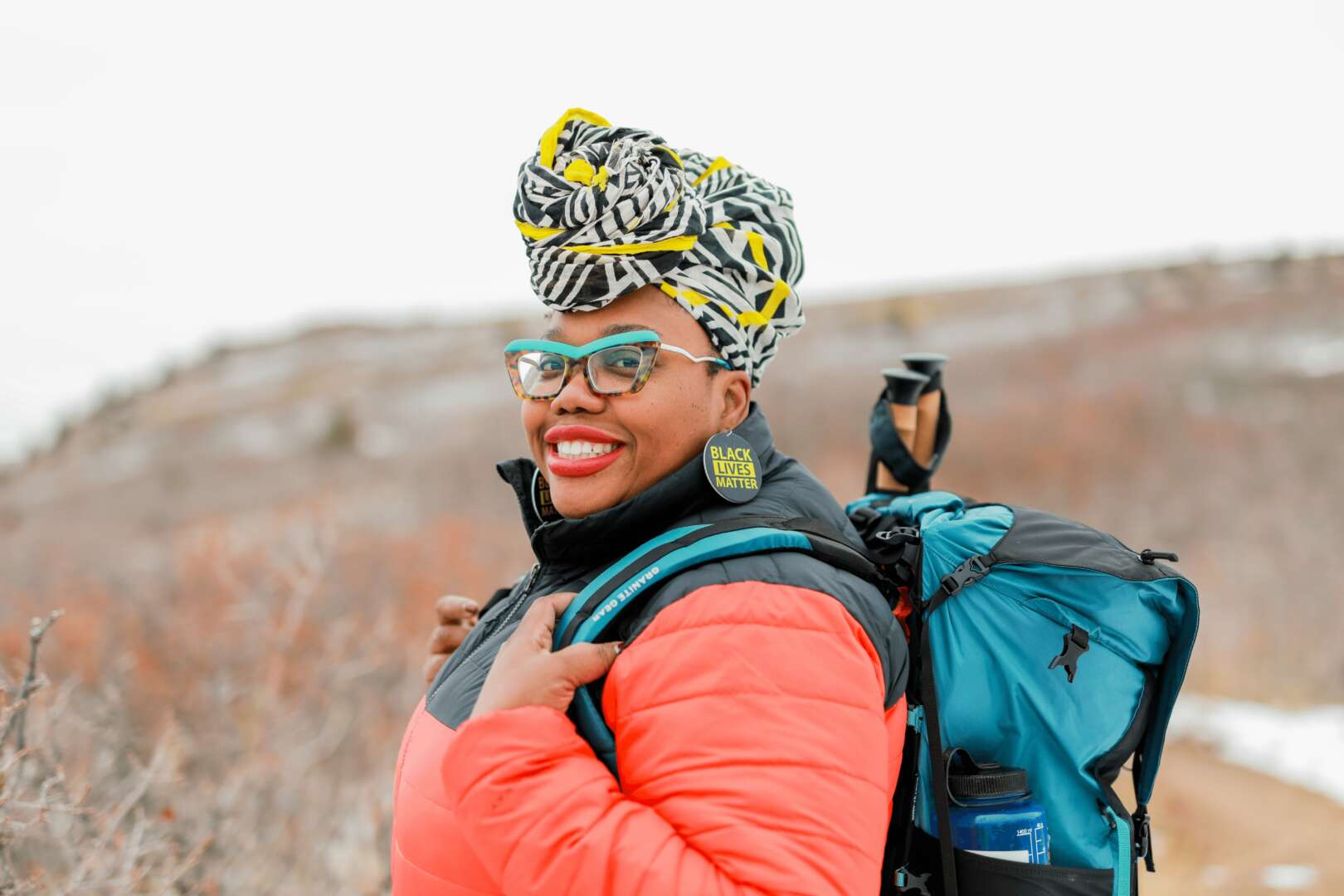

Alright – so today we’ve got the honor of introducing you to Parker McMullen Bushman. We think you’ll enjoy our conversation, we’ve shared it below.
Parker, thanks for joining us, excited to have you contributing your stories and insights. Any advice for creating a more inclusive workplace?
Creating a more inclusive workplace is not just a goal but a necessity, especially in industries like the outdoors and environmental sectors where diverse voices have historically been underrepresented. My advice for organizations aiming to foster inclusivity is to start by acknowledging that this work is ongoing and requires a deep commitment to learning, unlearning, and action. Inclusion isn’t about checking a box; it’s about embedding equity and justice into every layer of an organization.
One key strategy is to actively listen to marginalized voices within your organization. This means creating safe spaces for open dialogue, where employees feel heard and valued, and then taking concrete steps based on the feedback you receive. It’s also crucial to recognize the role of power dynamics in these conversations and work to flatten hierarchies, so everyone’s perspective is given equal weight.
From my journey, there have been pivotal moments that have shaped my view on inclusivity. Early in my career, I found myself in spaces where I was often the only person of color or one of few women in leadership roles. These experiences were isolating and highlighted the need for more intentional efforts to create environments where diversity is celebrated, not just tolerated.
One particularly impactful moment was when I was part of an organization that prioritized inclusion in its strategic planning. They didn’t just talk about diversity; they implemented policies, created support networks, and ensured that their leadership was as diverse as their workforce. This was a transformative experience for me because it showed me that when inclusivity is truly integrated into the fabric of an organization, it not only improves employee satisfaction but also drives innovation and success.
However, there have also been times where I’ve witnessed the opposite—where exclusionary practices went unchecked, and the impact was palpable. In these instances, it wasn’t just about the lack of diversity; it was about the missed opportunities for growth, both for individuals and the organization as a whole. These experiences reinforced my belief that inclusivity must be a core value, not an afterthought.
In my current work with Ecoinclusive Strategies, we focus on helping organizations navigate these challenges. We guide them in developing shared language around DEIJA (Diversity, Equity, Inclusion, Justice, and Accessibility) and in understanding the importance of meeting people where they are in their inclusiveness journey. We emphasize the importance of empathy, respect, and a commitment to continuous learning, all of which are essential for creating a truly inclusive workplace.
Ultimately, inclusivity is about building a culture where everyone feels they belong, where their contributions are valued, and where they have the opportunity to thrive. It’s a journey that requires dedication, but the rewards—for individuals, organizations, and society at large—are immeasurable.
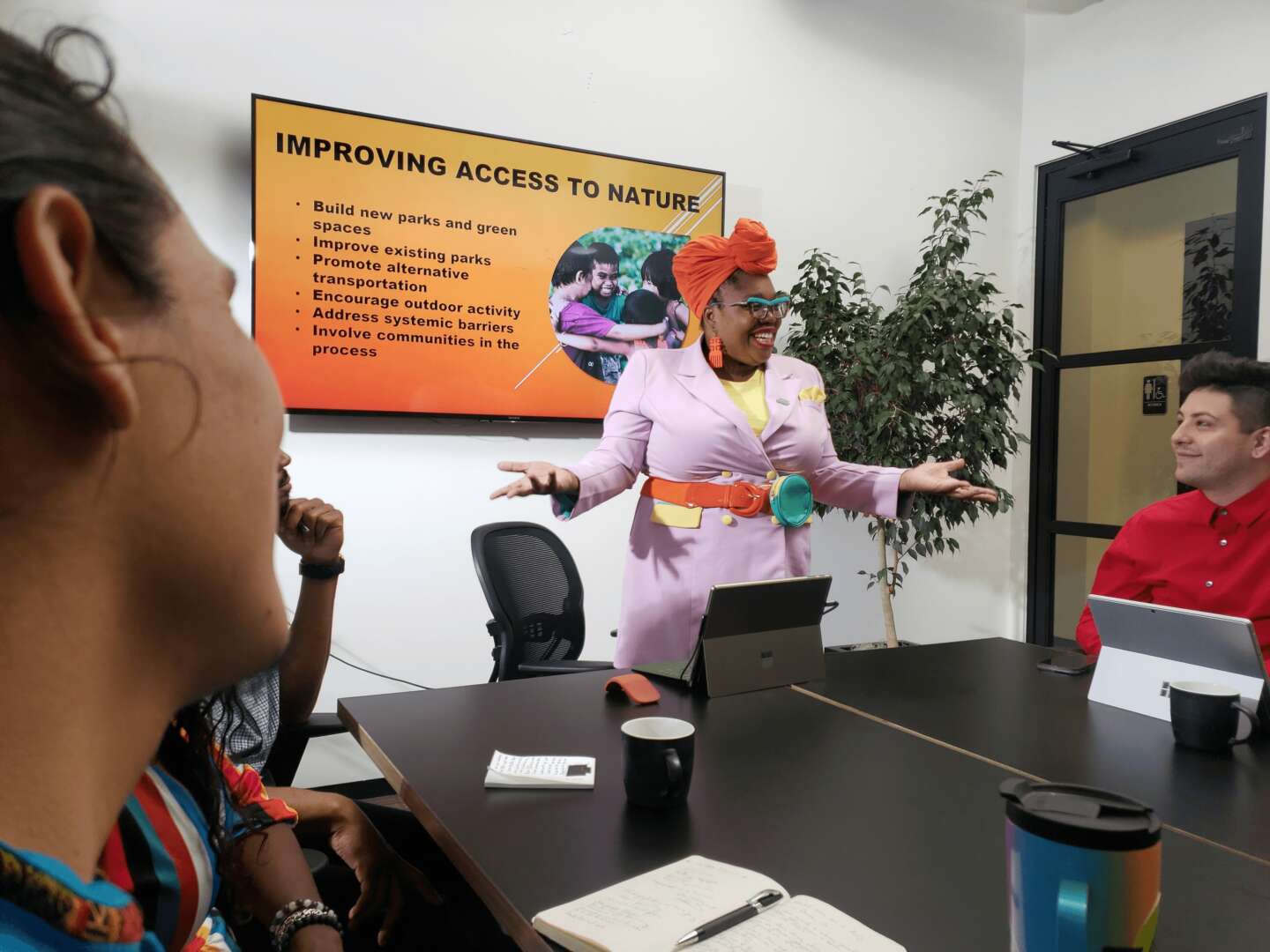
Parker, before we move on to more of these sorts of questions, can you take some time to bring our readers up to speed on you and what you do?
My name is Parker McMullen Bushman, and I am deeply passionate about creating inclusive spaces in the outdoor and environmental sectors. My journey into this industry began with a love for nature and a desire to see more diverse voices represented in spaces that have historically been exclusive. Growing up, I didn’t always see people who looked like me in outdoor settings, and this fueled my determination to change the narrative.
I entered this field through a mix of education, advocacy, and hands-on experience. My career began in science education and conservation, where I quickly realized the gap between the communities being served and the leaders at the table. This realization pushed me to dive deeper into the work of diversity, equity, and inclusion (DEI), and eventually led to the creation of Ecoinclusive Strategies, where I currently serve as the CEO and Founder.
Ecoinclusive Strategies is a consulting firm that specializes in DEIJA (Diversity, Equity, Inclusion, Justice, and Accessibility) training and facilitation. Our services are tailored to meet the unique needs of each organization we work with, whether they are in the nonprofit sector, government, or corporate world. We provide a range of services including virtual and in-person training, leadership coaching, organizational evaluations, and strategic DEIJBA planning. We also facilitate interactive workshops and roundtable discussions that help organizations build a shared understanding of how to center equity in their work.
What sets Ecoinclusive Strategies apart is our deep-rooted commitment to environmental justice and our approach to consulting, which is both collaborative and flexible. We believe in meeting people where they are in their inclusiveness journey, recognizing that this work is deeply personal and requires a balance of empathy, respect, and strategic action. I bring over 24 years of experience in outdoor recreation, conservation, science education, and nonprofit leadership. This diverse expertise allows me to offer a holistic approach to DEIJA that is grounded in real-world experience.
One of the problems we solve for our clients is the challenge of integrating DEI principles into their organizational culture in a meaningful and sustainable way. Many organizations want to be more inclusive but struggle with where to start or how to make lasting changes. We help them navigate this process by conducting thorough assessments, providing coaching, and offering interactive workshops that develop DEIJA literacy and shared language across their institutions. Our goal is to catalyze transformational experiences that lead to lasting change.
I am incredibly proud of the impact we’ve made through our work, particularly in how we’ve been able to help organizations not just talk about diversity but truly embody it. We’ve seen the results of our efforts in more inclusive hiring practices, better team dynamics, and a greater sense of belonging among employees.
Beyond my work with Ecoinclusive Strategies, I am also the Co-Founder of Inclusive Guide and the Founder of Summit For Action, platforms that further amplify the voices of marginalized communities and advocate for equity in outdoor and environmental spaces. Through these initiatives, I’ve been able to foster conversations that challenge the status quo and push for systemic change.
What I want potential clients, followers, and fans to know about me and my brand is that we are driven by a vision of a world where everyone, regardless of their identity, feels seen, heard, and valued. We are not afraid to tackle the tough conversations, and we approach this work with both passion and pragmatism. Our mission is to create spaces where diversity is celebrated, inclusion is practiced, and equity is the standard.
If there’s one thing I hope people take away from our work, it’s that inclusion is not just a moral imperative—it’s a strategic advantage. When we create spaces where everyone can thrive, we unlock the full potential of our teams, our organizations, and our communities.
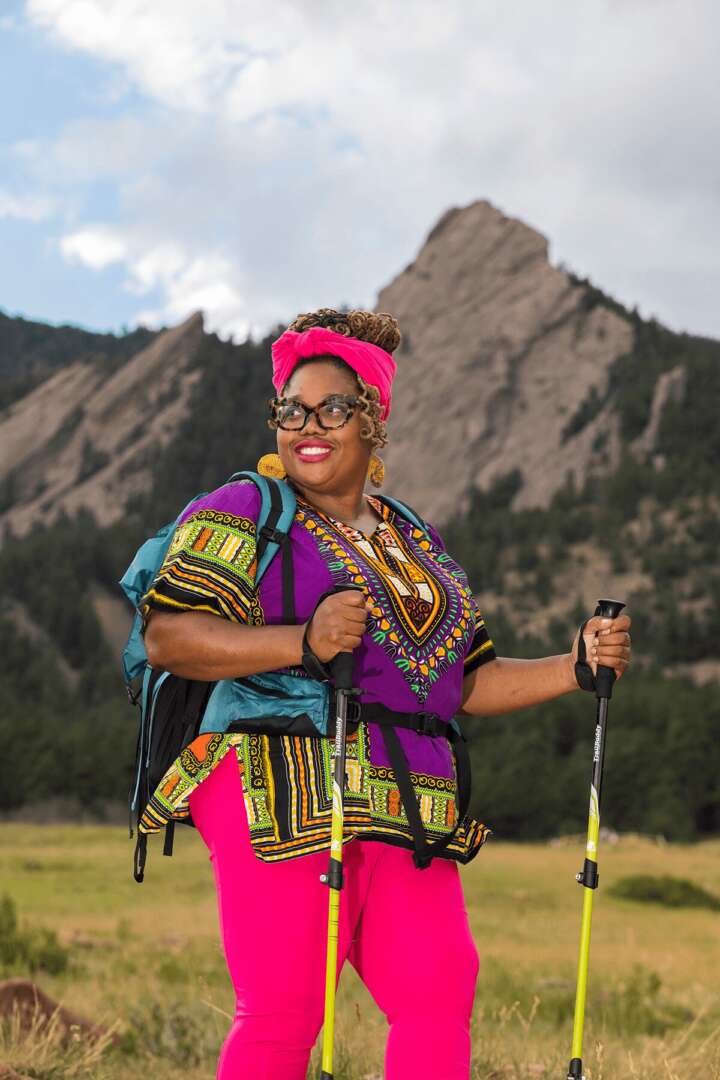
We’d love to hear the story of how you built up your social media audience?
Building my audience on social media has been an intentional journey, rooted in authenticity, consistency, and a commitment to amplifying underrepresented voices. KWEENWERK is my platform and stands for Keep Widening Environmental Engagement Narratives. When I first started, I knew I wanted to use social media as a platform to challenge the narratives around diversity and inclusion in the outdoor and environmental sectors. But I also wanted to create a space where people could see themselves reflected, learn, and engage in meaningful conversations.
The first step was finding my voice and understanding what I wanted to communicate. I knew I wanted to share my experiences, insights, and the work we were doing through Ecoinclusive Strategies, Inclusive Guide, and Summit For Action. I focused on being authentic—sharing both the successes and the challenges, and being transparent about my journey. I think people are drawn to real stories, and that’s what helped me connect with my audience on a deeper level.
Consistency has also been key. I made it a point to regularly post content that resonated with my mission—whether it was highlighting issues of environmental justice, sharing educational resources, or showcasing the work we were doing with various organizations. Over time, this consistency helped build trust and establish my presence as a thought leader in the DEI space.
Engagement has been another crucial factor. Social media isn’t just about broadcasting; it’s about building a community. I made it a point to interact with my followers, respond to comments, and engage in conversations that extended beyond my posts. This two-way communication helped create a sense of community and belonging, which I believe has been a significant factor in growing my audience.
Collaborations and partnerships have also played a role in expanding my reach. By partnering with other organizations and individuals who share similar values, we’ve been able to amplify each other’s messages and reach wider audiences. These collaborations not only increased visibility but also enriched the content we were able to offer our followers.
For those just starting to build their social media presence, my advice is to start with a clear understanding of your purpose. Know what you want to communicate and who you want to reach. Authenticity is crucial—people can tell when you’re being genuine, and that’s what will draw them to you.
Don’t be afraid to experiment with different types of content, whether it’s videos, live streams, or collaborations. See what resonates with your audience, but also make sure it aligns with your brand and mission. Consistency is key, so try to maintain a regular posting schedule, but don’t sacrifice quality for quantity.
Engagement is another critical aspect—remember that social media is about building relationships. Take the time to respond to comments, join conversations, and engage with other accounts. Building a social media presence is as much about listening as it is about speaking.
Finally, be patient. Building an audience takes time, and it’s important not to get discouraged by slow growth in the beginning. Focus on creating value for your audience, stay true to your mission, and the followers will come.
What I’m most proud of is that my social media platforms have become spaces where people feel seen, heard, and inspired to take action. It’s more than just numbers or likes—it’s about fostering a community that’s committed to making the world a more inclusive and equitable place.

What else should we know about how you took your side hustle and scaled it up into what it is today?
Yes, my side hustle definitely evolved into my full-time career, and it’s been an incredible journey. It all started with a passion for diversity, equity, and inclusion (DEI) work, and a deep-seated belief that the outdoor and environmental sectors needed to become more inclusive and accessible to everyone. Initially, this was something I worked on alongside my primary job in science education and conservation, but it quickly became clear that this work needed more of my time and energy.
I began by offering DEI workshops and consultations on the side, primarily for organizations that I had connections with through my main job. These early experiences were both eye-opening and validating. I realized that there was a significant demand for this type of work, and that I could have a real impact by helping organizations navigate their DEI journeys.
One of the key milestones that helped transition this side hustle into a full-time career was the founding of Ecoinclusive Strategies. Establishing this consulting firm allowed me to formalize the work I was doing and expand my reach. It was a big leap, but it felt like the right time. I had built up enough experience, and the feedback from my early clients was overwhelmingly positive, which gave me the confidence to take the plunge.
Another major milestone was the recognition I received within the industry. In 2022, I was named one of Outside Magazine’s 20 Most Influential People in the Outdoor Industry. This acknowledgment not only validated the work I was doing but also significantly increased my visibility. It opened doors to new opportunities and collaborations that helped scale the business.
As the demand for our services grew, so did our contract team. Building a diverse team of professionals who shared my commitment to environmental justice and DEI was another critical milestone. This allowed us to offer a broader range of services and take on larger projects, further solidifying our place in the industry.
Scaling the business also involved diversifying our offerings. Beyond traditional DEI workshops and consultations, we began to offer leadership coaching, strategic planning, and virtual training. We also started to facilitate roundtable discussions and organize mini-conferences through our Summit For Action model. Each of these expansions was a significant step in growing the business and reaching new audiences.
What I’m most proud of is the impact we’ve been able to make. We’ve helped countless organizations not just talk about diversity but truly integrate it into their culture and operations. Seeing the tangible changes in these organizations and knowing that our work has played a part in that transformation is incredibly rewarding.
For anyone considering turning a side hustle into a full-time career, my advice is to start by building a solid foundation. Make sure you’re passionate about the work and that there’s a real demand for what you’re offering. Don’t be afraid to take risks, but also be strategic about your growth. Celebrate the milestones along the way, no matter how small they may seem, because they all contribute to your journey.
Looking back, I can see how each step, each risk taken, and each challenge overcome has led to where we are today. It’s been a journey of growth, learning, and constant evolution, and I wouldn’t trade it for anything.
Contact Info:
- Website: https://ecoinclusive.org
- Instagram: https://www.instagram.com/kweenwerk/
- Facebook: https://www.facebook.com/kweenwerk
- Linkedin: https://www.linkedin.com/in/parker-mcmullen-bushman-54b3877/
- Other: https://www.summitforaction.org/
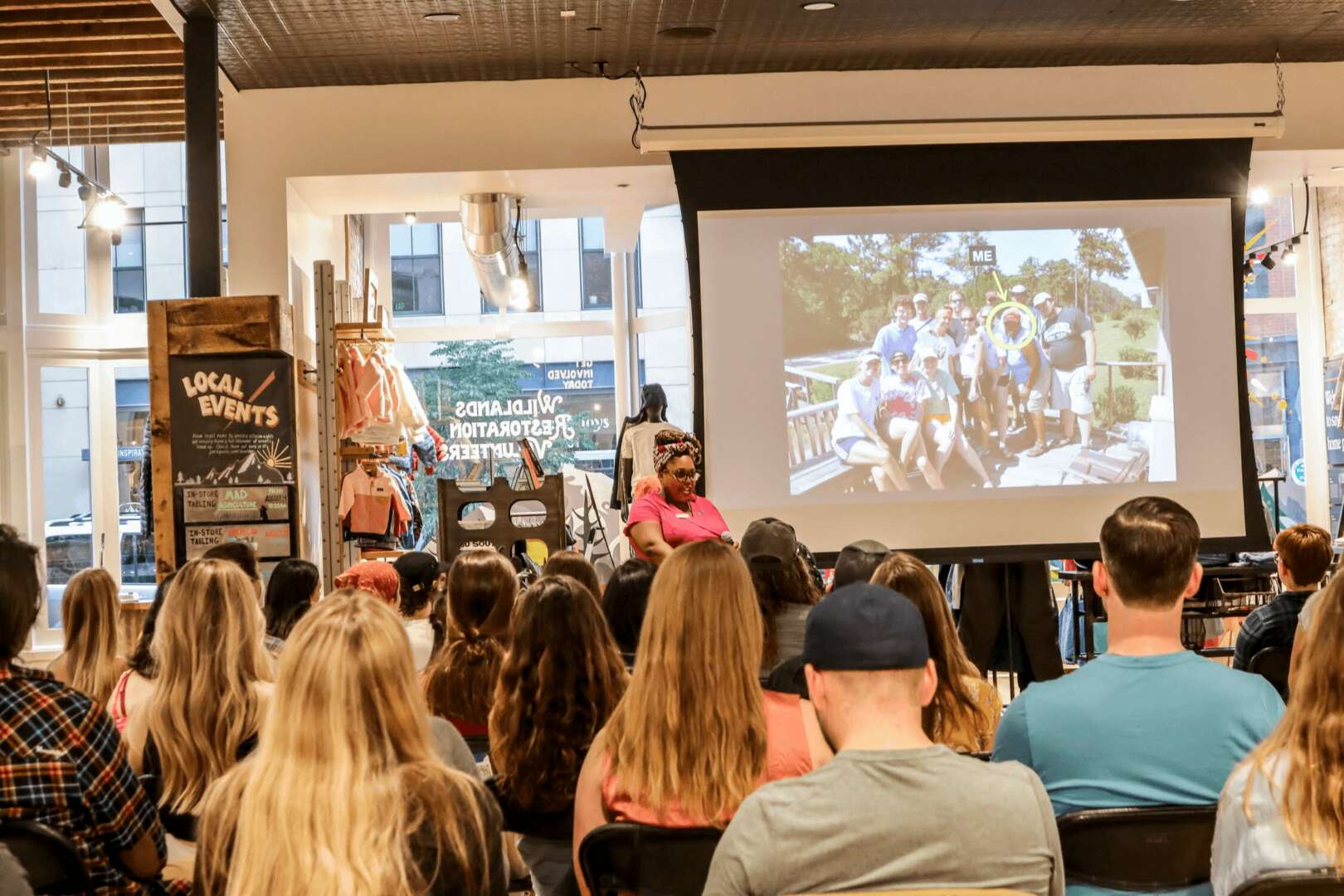
Image Credits
Chermetra – Female Shoota , Sarah Banks, @MPRPHOTO.CO