

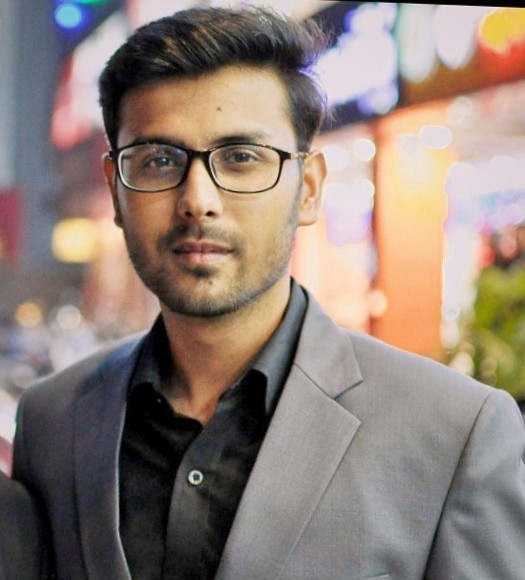

We caught up with the brilliant and insightful Paras Juneja a few weeks ago and have shared our conversation below.
Alright, Paras thanks for taking the time to share your stories and insights with us today. Let’s start with education – we’d love to hear your thoughts about how we can better prepare students for a more fulfilling life and career.
Being educated in an Indian schooling environment, I always felt that the education system was missing emphasis on practical life skills and emotional intelligence alongside traditional academic subjects. While subjects like math, science, and literature are undoubtedly important, they often neglect essential skills such as financial literacy, communication, problem-solving, and resilience.
By integrating these practical life skills into the curriculum from an early age, students would be better equipped to navigate the complexities of the real world, whether it’s managing personal finances, fostering healthy relationships, or adapting to unexpected challenges. Additionally, learning about emotional intelligence and mental well-being through programs focused on mindfulness, self-awareness, and empathy can help students develop stronger interpersonal skills, resilience, and overall happiness.
It is equally important to be street smart than being “book smart”.
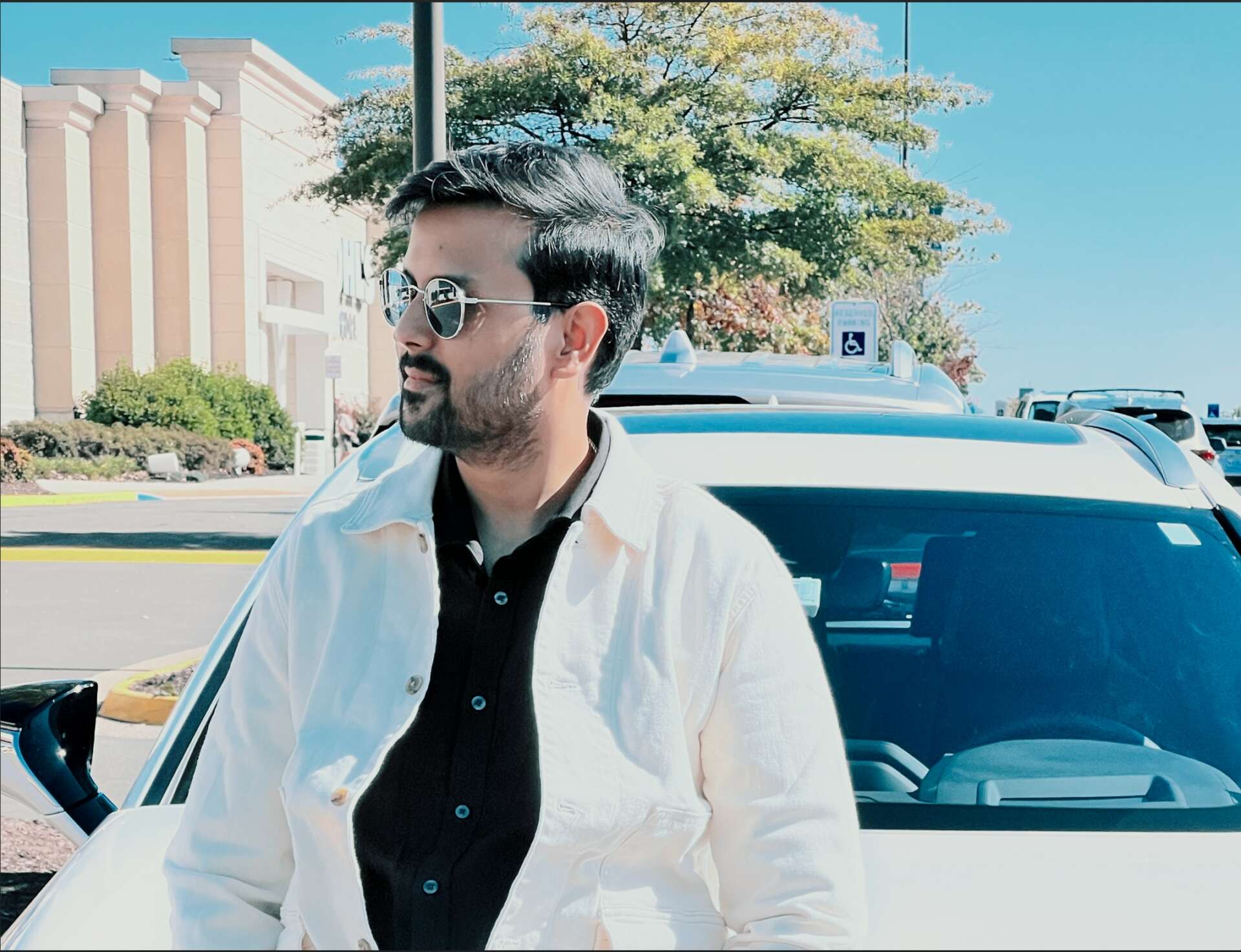
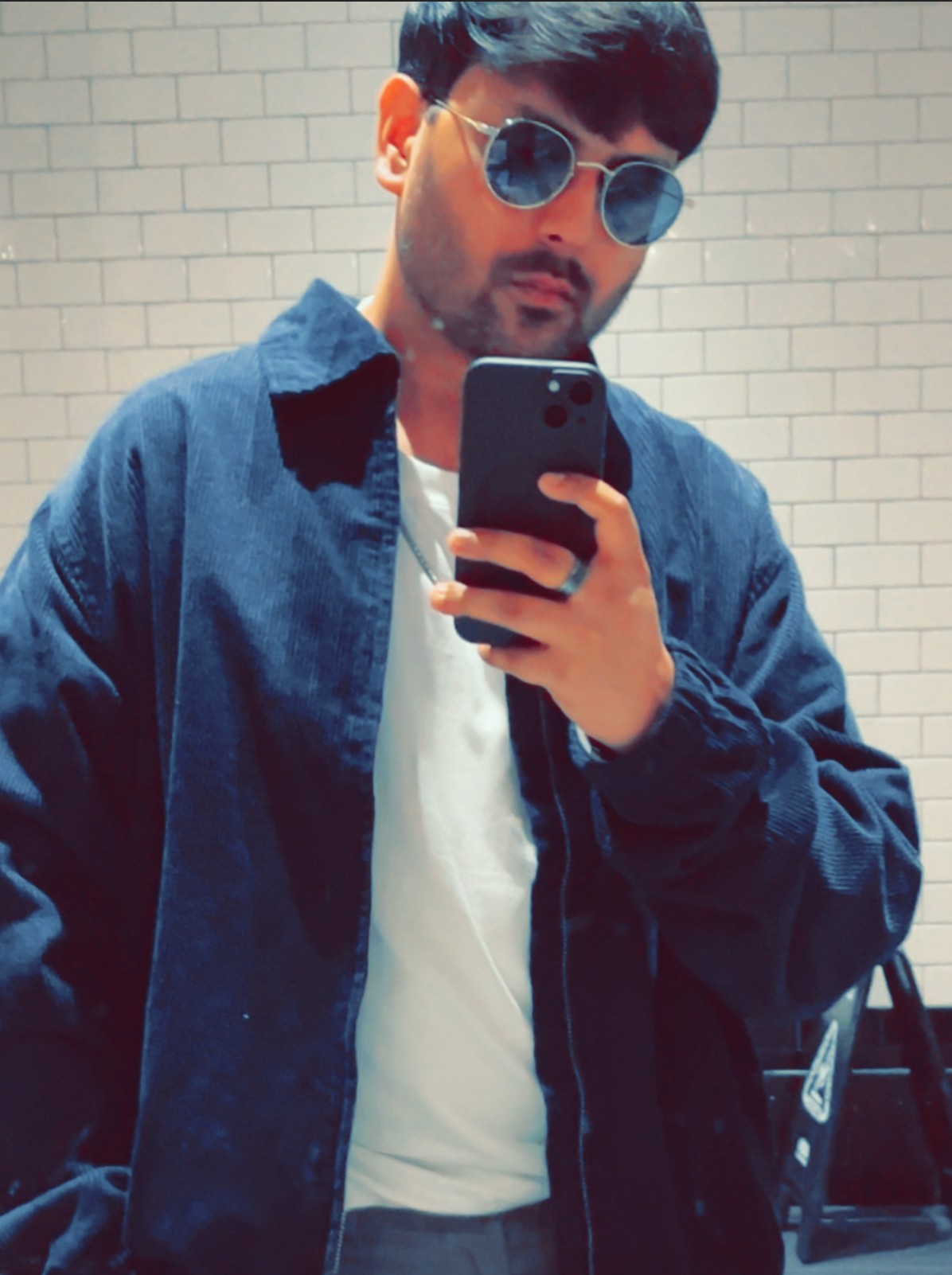
Paras, before we move on to more of these sorts of questions, can you take some time to bring our readers up to speed on you and what you do?
The quote by Edward Hopper, “If you could say it in words, there would be no reason to paint,” resonated deeply with me and pushed me towards a career in the creative industry. From a young age, I’ve been captivated by visual art in all its forms, whether it be through movies, posters, paintings, or video games.
My journey as a Designer began in 2020 when I secured my first remote position as a Graphic Design Consultant for a Robotics Company. Despite the challenges posed by the COVID-19 pandemic, I embraced the opportunity to contribute to B-2-C communication, focusing on email campaigns and social media content. While the role often demanded quantity over quality, it taught me invaluable lessons in time management, efficiency, and exposure to corporate dynamics.
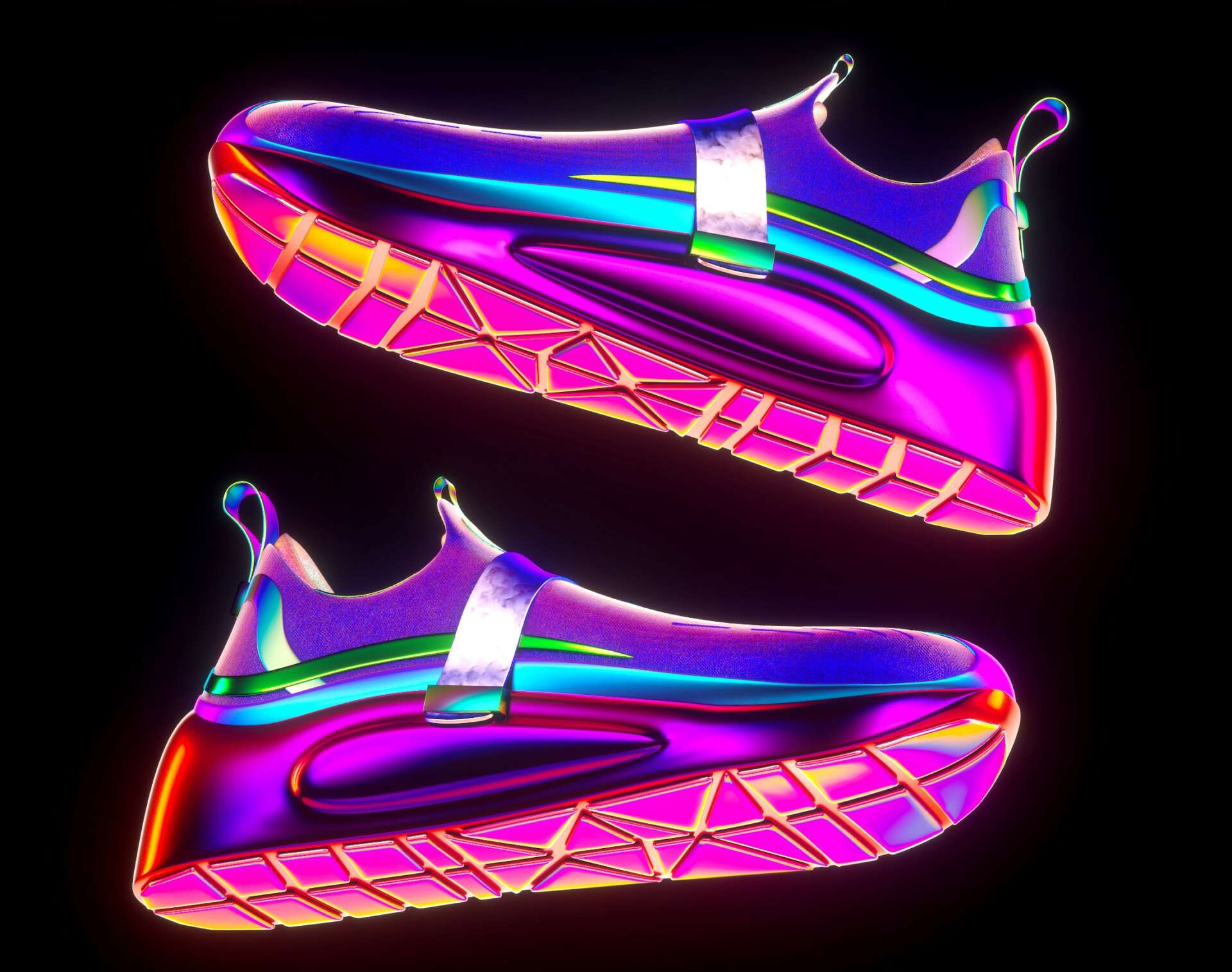
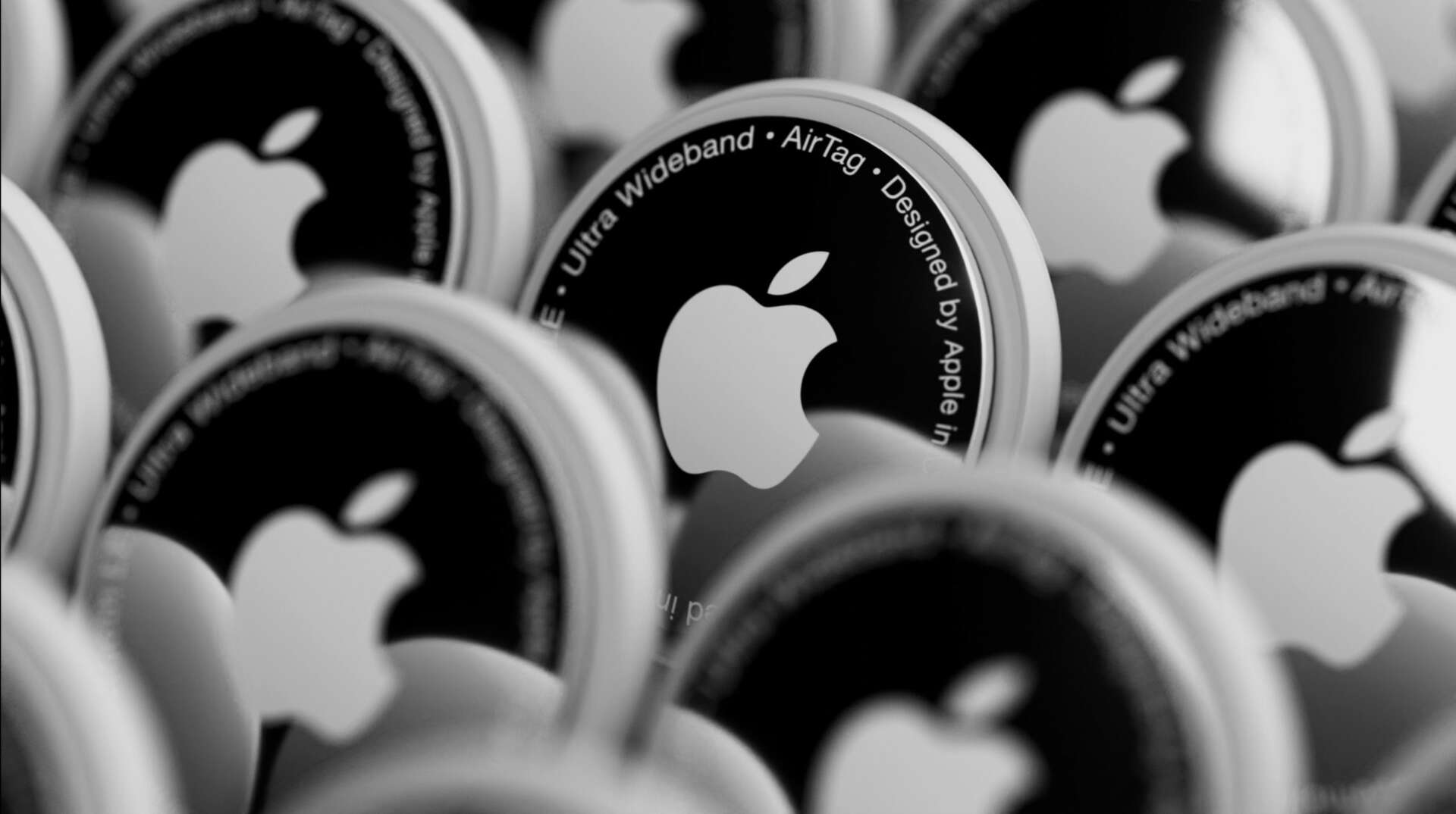
Seeking greater creative fulfillment, I transitioned to a startup called Fox My Box, where I assumed a leadership role in 3D Motion Design projects for brands like Apple, Razor, Dyson, Shure, Logitech, and more. Despite a lower salary, the experience gave me the chance to manage big projects on my own, delivering top-tier results. Additionally, I took on responsibilities in mentoring and training recruits in areas such as CMF and 3D Rendering.
Determined to elevate my career, I set my sights on relocating to the United States. While maintaining a full-time role, I dedicated myself to participating in award briefs and securing publications to strengthen my case for an O1-B Visa. After a year of relentless effort, I won over 40 advertising awards such as Clios, Webby People’s Choice Award, NYX, Graphis New Talent, Vega, Muse, D&AD New Blood, and many more. I was also featured in numerous online publications, ultimately leading to the successful acquisition of the O1 visa.
Today, I proudly stand as a seasoned professional designer based in Virginia, USA, boasting over four years of experience in the creative industry. As a freelance Graphic and Motion Designer, I offer comprehensive design solutions encompassing advertising, marketing, and branding services to my clientele, aiming to deliver impactful and innovative designs that resonate with audiences.
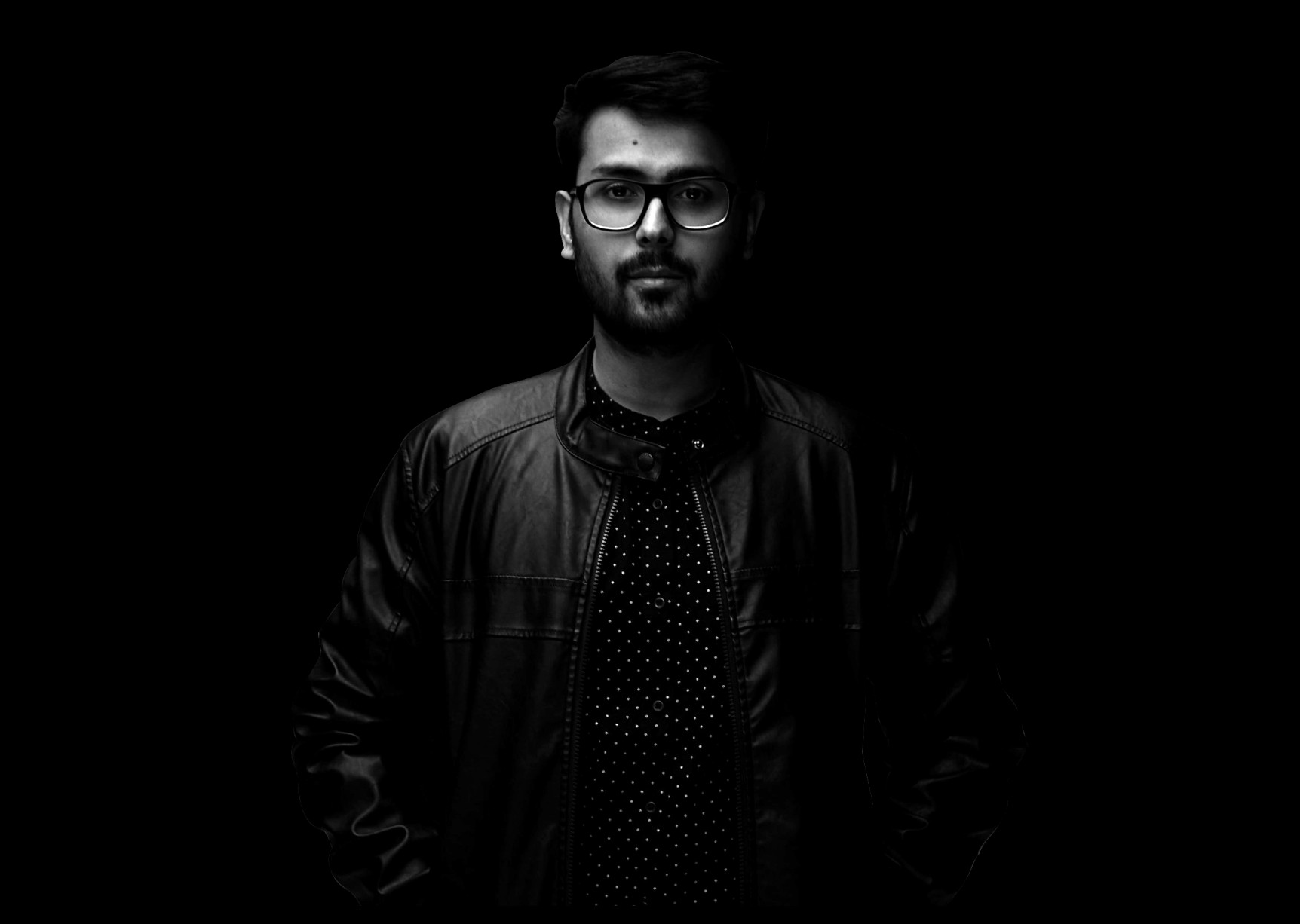
Is there something you think non-creatives will struggle to understand about your journey as a creative?
Non-creatives may struggle to understand the deep personal connection creatives have with their work. For us, creativity is more than just a job or a hobby—it’s an expression of our identity, thoughts, and experiences. The creative process itself can be unpredictable, requiring freedom and experimentation. Sharing our work also exposes us to vulnerability, as we open ourselves up to criticism and judgment.
The creative process itself can be complex and unpredictable. Ideas don’t always flow smoothly, and creative blocks are a common occurrence. Non-creatives might struggle to understand the need for periods of incubation and reflection, or the importance of experimentation and failure. Creativity often comes in environments of freedom and exploration, which can be at odds with more structured or linear approaches to problem-solving.
What’s a lesson you had to unlearn and what’s the backstory?
As a designer, I had to unlearn the pursuit of perfection in every project. Initially, I believed flawless execution equaled success, but this mindset led to frustration and burnout. Through experience, I realized perfection is subjective and unattainable. Embracing imperfection and focusing on the creative process has led to more fulfilling work and impactful designs.
The backstory behind this realization comes from my early experiences in the field, where I encountered numerous challenges and setbacks while striving for perfection. I would spend hours tweaking designs, obsessing over minor details, only to find that my efforts didn’t always translate into better outcomes. This cycle of perfectionism often resulted in missed deadlines, burnout, and a lack of fulfillment in my work.
Contact Info:
- Website: https://parasjuneja.com/
- Instagram: https://www.instagram.com/paras_juneja/
- Linkedin: https://www.linkedin.com/in/paras-juneja-314109179/