
Alright – so today we’ve got the honor of introducing you to PANKAJ ZANKE. We think you’ll enjoy our conversation, we’ve shared it below.
Alright, PANKAJ thanks for taking the time to share your stories and insights with us today. Have you ever experienced an industry-wide U-Turn? Tell us about it?
Having spent years in the workers’ compensation insurance trenches, I’ve seen a dramatic shift in how we handle claims management, risk mitigation, and overall operations. Traditionally, the industry was bogged down by manual processes. Adjusters spent countless hours buried in paperwork, risk assessments were subjective and often based on intuition, and fraud detection relied on laborious investigations.
The arrival of Artificial Intelligence (AI) marked a turning point. Initially, there was a wave of skepticism. Were adjusters on the verge of being replaced by machines? Could complex claims be entrusted to algorithms? However, the potential advantages were simply too compelling to ignore.
Today, AI is a revolutionary force. Automating tasks, leveraging data for risk assessment, and employing advanced fraud detection algorithms are no longer science fiction – they’re the new standard practices shaping the workers’ compensation landscape.
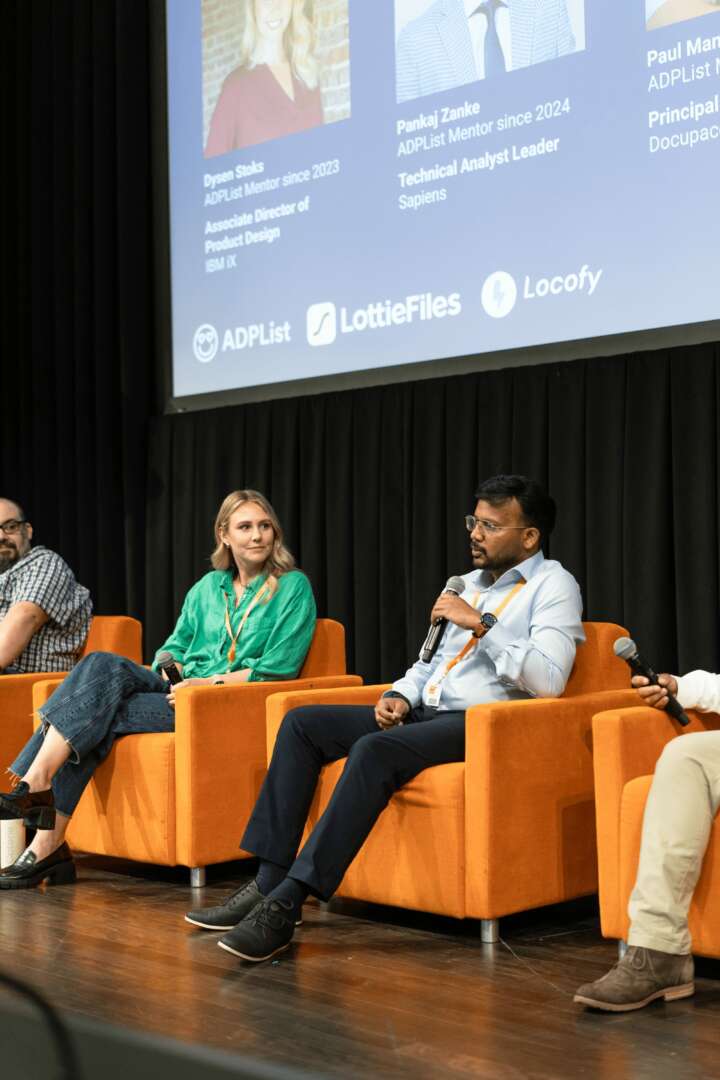
PANKAJ, before we move on to more of these sorts of questions, can you take some time to bring our readers up to speed on you and what you do?
I bring over 15 years of experience as a data-driven leader, passionate about using analytics to unlock actionable insights that drive business growth. I’ve guided product development, increased customer retention, and optimized operations by leveraging BI tools and techniques to translate raw data into actionable intelligence. My expertise extends beyond analysis, encompassing proven success in Business Intelligence, Business Analytics, Application Architecture, Legacy System Modernization, and Product Development, expert-level skills in legacy system modernization and business data modeling, and the ability to write automation algorithms for streamlining business workflows. I further leverage AI/ML to generate predictive analytics and enhance decision-making in the Health Care, Retail, Energy and Insurance industry. My commitment to innovation is evident in my published research papers, patents and industry presentations, alongside a dedication to knowledge sharing through mentorship. Recognized for achievements and fueled by a passion for the future, I’m eager to leverage data to shape the future of business intelligence.
Let’s talk about resilience next – do you have a story you can share with us?
For one of my insurance clients, a legacy system replacement project pushed my resilience to the limit. Their in-house system lacked capabilities for real-time and big data processing, struggled to adapt to changing customer demographics, and relied heavily on outdated APIs and manual data entry with legacy scripting languages. This posed a significant challenge when integrating with Sapiens’ modern CoreSuite, a cloud-based, AI-powered solution.
My approach involved leveraging industry-leading tools like SoapUI Pro and Custom-built architecture for end users to create automated batch scripts that mimicked user workflows and validated data exchange between the multiple data warehouses and systems. Additionally, I collaborated with the development team to build a comprehensive business intelligence model and an end-to-end business workflow model. Where necessary, we implemented custom APIs to facilitate seamless communication between legacy systems and data source. By championing API and web service automation, we streamlined over 500 business scenarios.
This strategy not only ensured flawless data migration but also laid the groundwork for future integrations and increased system scalability. The project’s success, with its significant automation and efficiency gains, demonstrates my ability to adapt to complex technical challenges and deliver innovative solutions within the business analysis domain.
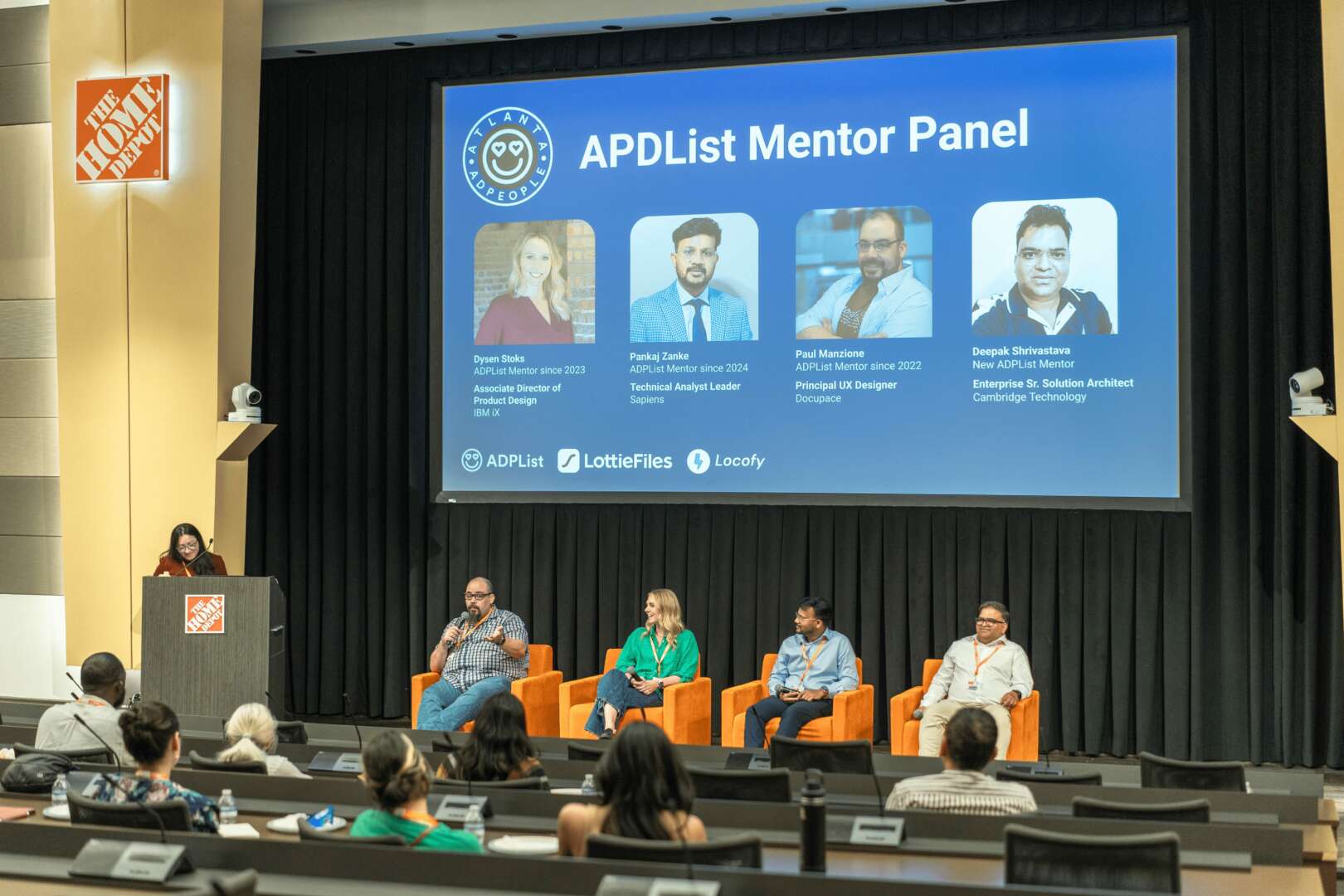
Do you have any insights you can share related to maintaining high team morale?
Maintaining high morale in a team requires a multi-pronged approach focused on trust, empowerment, and a positive work environment. Open and honest communication is crucial. Regular team meetings and one-on-ones create a safe space for feedback and build trust. Publicly acknowledging individual and team achievements, like the 20% cost reduction achieved in a past client project, goes a long way. Setting clear goals, like streamlining workflows in another client’s system, keeps everyone aligned and motivated. Empowerment comes from offering professional development opportunities and delegating tasks based on strengths. In one client’s project, this meant leveraging SoapUI Pro expertise for some team members, while others focused on user interface design. Finally, promoting collaboration and a healthy work-life balance creates a positive environment. Team-building activities and recognizing small wins, like the 70% increase in system proficiency achieved for another client, keep spirits high. By incorporating these elements, you can build a resilient and successful team that thrives together.