

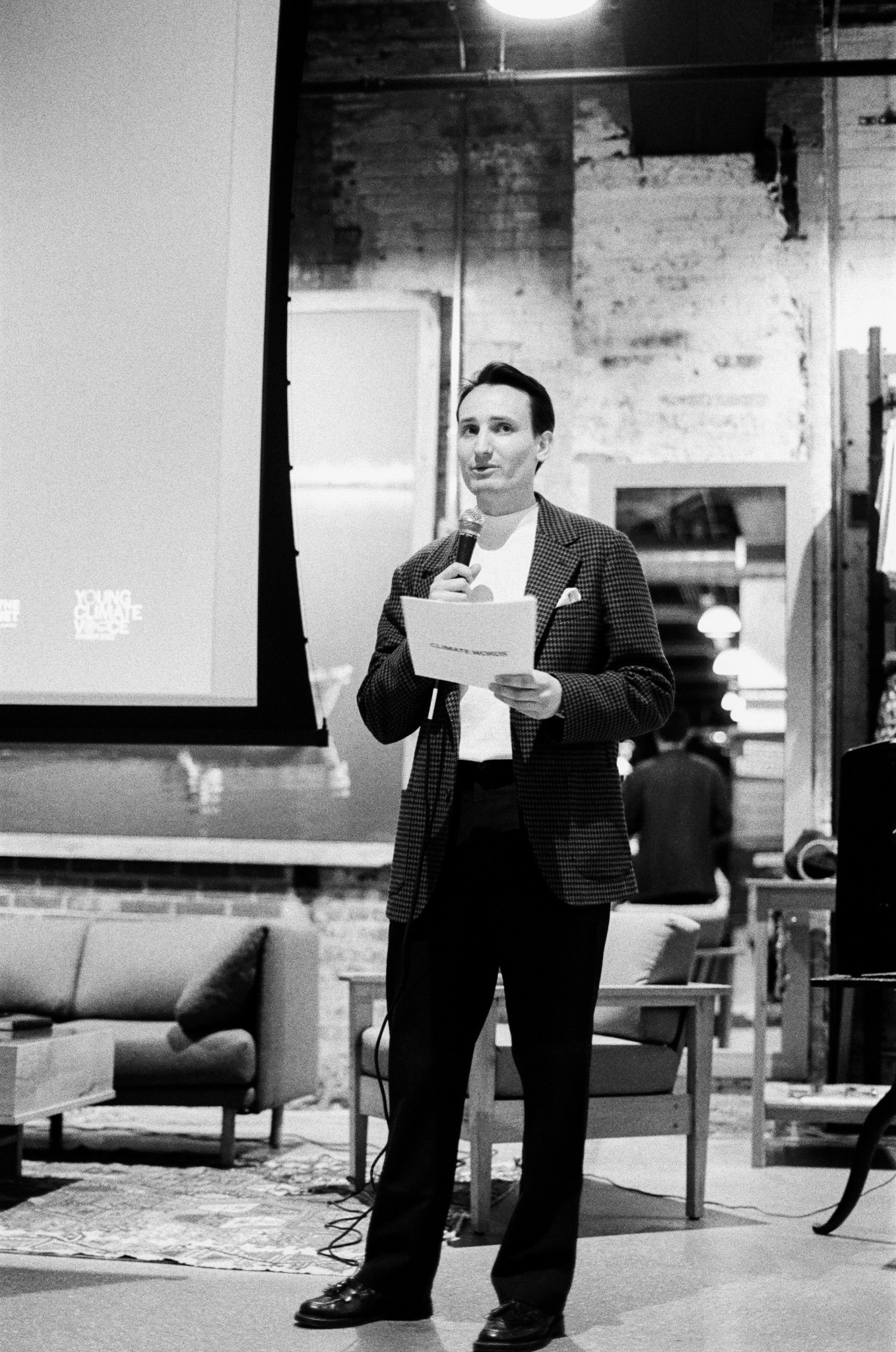

We recently connected with Pamela EA and Valentin Abend and have shared our conversation below.
Pamela and Valentin, appreciate you joining us today. Let’s jump right into how you came up with the idea?
Pamela: We noticed at the United Nations Climate Conference in Glasgow (COP 26) that words were being misused for greenwashing and political messaging and their true definitions were taken out of context.
Valentin: This coincided with Pamela’s Masters in Photojournalism at UAL when she was using her capstone project to highlight overlooked voices in the youth climate movement, focusing on frontline climate justice activists working on global issues.
Generating a creative solution, despite the challenging restraints of the lockdown period, Pamela interviewed 21 youth climate activists around the world with questions about why they were doing the work they were doing, and what they wanted to see as results of the upcoming—and promising—COP 26. Digital portraits were taken and overlaid with projections of the natural environments most important to each individual, a photo series that was later selected to be exhibited at the conference, each portrait alongside its message.
This was an act of bringing those voices into the core of the negotiation space and including their perspectives despite their inability to attend.
Pamela: What we realized is that there were various words and terms in these messages, which we found to be uncommon in everyday language, yet communicated something crucial about the life-changing environmental challenge or solution at hand.
We became concerned about how the entirety of a concept be communicated if its own descriptive words were not understood? How could the needs of the situation be met if they could not be properly communicated?
Can you talk a bit more about this pivotal moment?
Pamela: COP26 was definitely a pivotal moment for us, as we had been working on campaigns for many months. Our joint projects, including a photo series, led us to believe that Climate Words would be a valuable initiative. As we engaged with the photo project (link the Atmos article about the project: https://atmos.earth/youth-climate-activism-cop-26-virtual/), we pondered two guiding questions: How can we bridge the gap in climate communication? And how can this project continue beyond the conference?
Valentin: We realized that our carefully planned campaigns would have limited impact if audiences didn’t grasp the key terms. Organizing protests and media events was futile without shared language. How could we motivate civil society to push decision-makers if we lacked the right words?
A prime example was the term “1.5,” which resonated throughout the Glasgow negotiations. While slogans like “1.5 to stay alive!” energized the streets, to many, this term could seem abstract. Even if understood as a reference to temperature, its significance might be lost. The IPCC states that 1.5 °C is the maximum global temperature increase allowed compared to pre-industrial levels before crossing catastrophic tipping points. For youth climate activists, understanding this limit is crucial. The 2015 Paris Agreement aimed to keep the temperature rise below 2 °C, but by 2018, the IPCC established that 1.5 °C is the safer ceiling. By 2021, the climate movement sought to ensure global leaders aligned their actions with this limit. For young people concerned about their futures, witnessing powerful adults fail to protect safe temperature limits is devastating. We wanted cooperation and action to feel meaningful.
Pamela: Yet, we observed troubling dynamics: fossil fuel lobbyists sowing confusion, politicians promoting empty climate finance plans, and scientists being sidelined. These conferences often felt performative rather than impactful. innovation and optimism are everywhere, as climate change affects everyone. Each person, regardless of their background, can make a difference. The challenge lies in transforming concern into action. We start small—one word can initiate change.
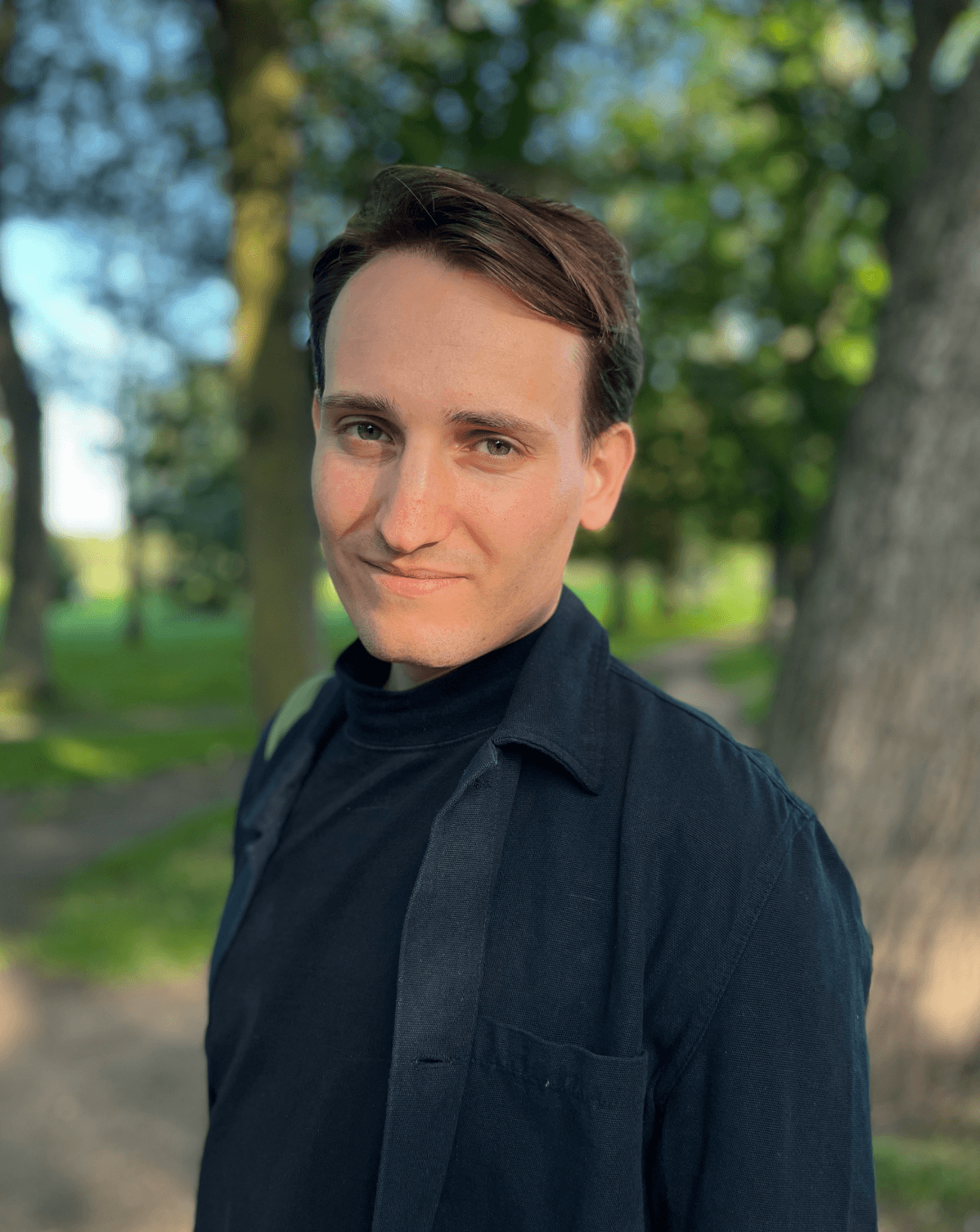
As always, we appreciate you sharing your insights and we’ve got a few more questions for you, but before we get to all of that can you take a minute to introduce yourself and give our readers some of your background and context?
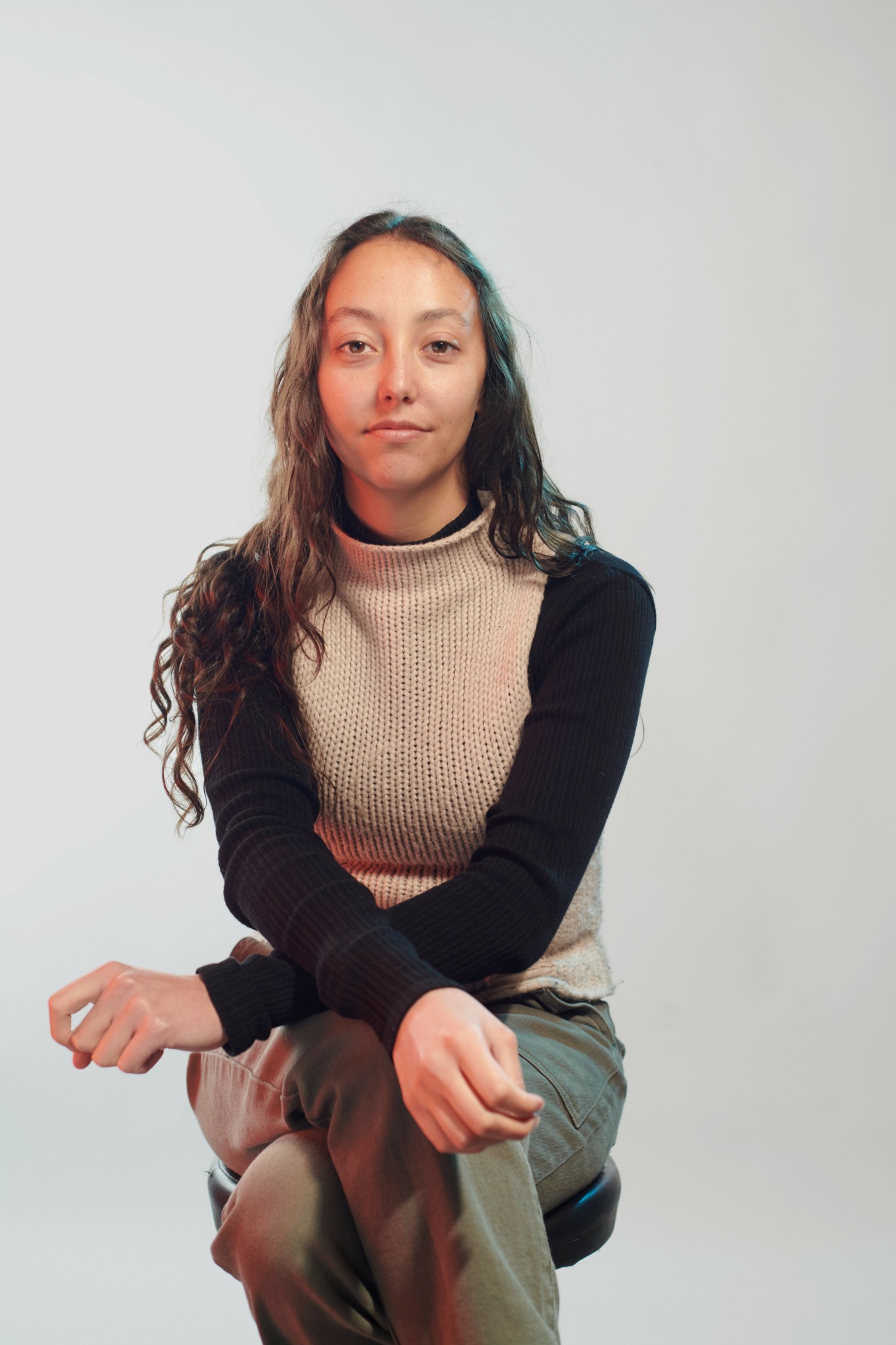
Pamela: I have held a camera in my hand practically since I learned how to walk. Growing up as an avid traveler, I’ve always had it in my DNA to see the world through a special lens, with extraordinary care for the voices and stories of those I encounter. To enhance my skills in photography, I studied design, which allowed me to communicate visually in a more powerful way.
Valentin studied and trained in architecture, where he developed skills for creative project management, later learning tools to form inclusive organizing systems. He became an extraordinarily young professor, sharing his knowledge and expertise. Together, our experiences make for an ideal combination in capturing, communicating, organizing, and presenting the words and stories of the climate lexicon.
Valentin: Pamela successfully launched Latinas Por El Clima, a network of climate activists addressing the intersection of gender and the environment in dangerous regions of Latin America. She also participated in coalitions promoting environmental protection and human rights. Meanwhile, I began teaching a university course on design and climate action in New York, and worked on the Polluters Out campaign, aimed at countering the fossil fuel industry’s influence in climate negotiations.
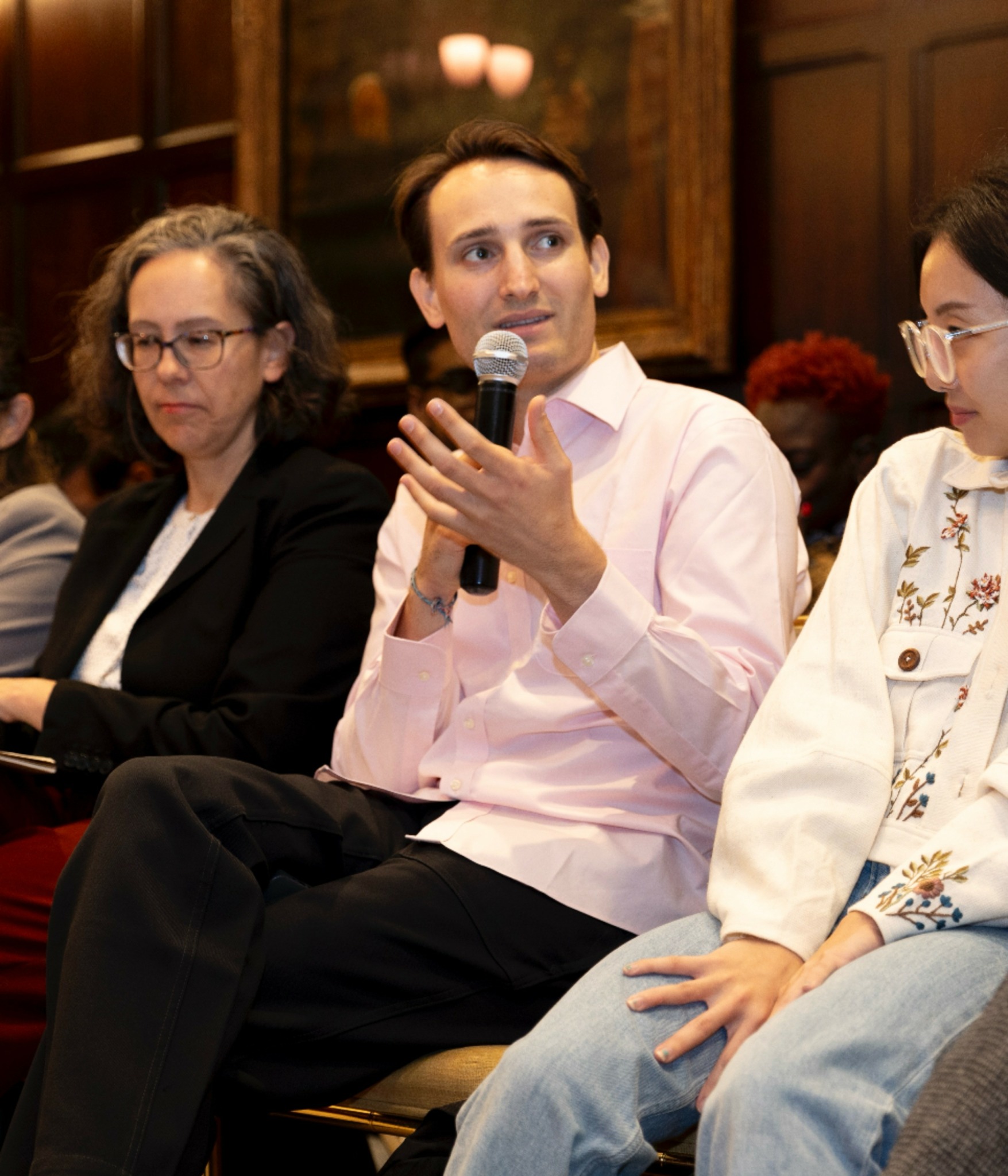
Can you tell us about what’s worked well for you in terms of growing your clientele and what is it that you offer them?
Valentin: Our target communities are individuals and organizations concerned about the environment, regardless of age, background or professional field.
What’s worked best has been in person events in which we facilitate panel discussions with integrated space for meaningful engagement with the audience. This has been the most successful space to reach new audiences.
We offer a growing lexicon of climate-related terms across 21 categories, featuring expert definitions supported by peer-reviewed research. Additionally, we provide a curated database of insightful books and conduct interviews with authors to explore their word choices related to climate. Our resource, accessible at climatewords.org, is free for anyone with internet access.
Pamela: We collaborate with brands like Arc’teryx and Patagonia to enhance climate literacy in outdoor sports and engage with institutions like The Explorers Club and the Solomon R. Guggenheim Museum to promote workshops for educators and teens. Through partnerships like Swissnex for the Planet, we deliver discussions and publications aimed at inspiring action and change. Our goal is to empower audiences to make a difference in their lives, fostering a sense of community and shared purpose in addressing climate issues.
What do you think is the goal or mission that drives your creative journey?
Pamela: Our mission is to empower action through climate literacy.
Valentin: The goal is to provide people with the vocabulary arsenal they need to bring the planet to the table—to their table. We want people to feel able to stand up for an environment and have a sense that they have clear words to make their message more granular, visual, specific and actionable.
To close us out, what achievement are you most excited by?
Valentin: I am most proud of our team. We are 25 individuals from around the world, representing 13 countries: designers, researchers, writers, videographers, explorers, and even architects. Our team is proof of the outcome that sticking to an idea can create. Together we have reached tens of thousands of people. We have designed courses and interview series, publications, talks, and an entire website database! We started with nothing, and we energized everyone in our team. We have an excellent team of 5 advisors, and a network of contacts willing to help us. We have found pro bono support, grants and genuine care.
Pamela: Ultimately, our project is able to bring diverse profiles and topics together around a common table for engaging dialogue. We are able to strip back biases and talk about meaning. We know our place in the movement. There are provocateurs, hammers, negotiators, makers, calculators… We are facilitators. We bring information together, and we are building a thought system that is beyond this party versus that party or this policy over that. We open meaning, and in that create space for finding common ground.
Contact Info:
- Website: https://www.climatewords.org/
- Instagram: https://www.instagram.com/climatewords/
- Linkedin: https://www.linkedin.com/company/climatewords/posts/?feedView=all
Image Credits
Climate Words