



We caught up with the brilliant and insightful Palash Gandhi a few weeks ago and have shared our conversation below.
Palash, thanks for joining us, excited to have you contributing your stories and insights. Let’s kick things off with a hypothetical question – if it were up to you, what would you change about the school or education system to better prepare students for a more fulfilling life and career?
To better prepare students for a rewarding career and fulfilling life within the film industry, there are several areas in which the educational system could be enhanced. While the current system excels at providing foundational design knowledge, it can further benefit from expanding practical, real-world experiences. Through global exposure and guest lectures from industry professionals, students are gaining valuable insights into the various facets of filmmaking and the techniques involved. However, the education system must continuously evolve to stay aligned with industry standards and emerging technologies, ensuring students are equipped to thrive in an ever-changing landscape.
While theory is important, many film programs place a heavy emphasis on it, leaving students with limited opportunities to engage in hands-on projects. Greater focus should be placed on offering real-world, on-set experience and fostering collaborations with industry professionals. This kind of practical engagement would give students a more comprehensive understanding of how the industry functions.
Incorporating long-term internships as a core component of film education would bridge the gap between academic learning and professional careers. These internships would provide invaluable on-the-job training, industry networking, and direct mentorship from seasoned professionals across various filmmaking disciplines. Currently, many students find it difficult to transition into the industry due to a lack of practical knowledge and industry connections. Several of my classmates have opted to pursue different career paths after investing significant amounts of money in film education, primarily because they were unable to break into the industry.
I, however, was fortunate to have gained practical knowledge through my prior experience studying architecture, which later facilitated my transition into the film industry as a set designer. This pragmatic experience has proven to be invaluable and has allowed me to build industry connections more quickly. For students seeking to enter the industry, this type of practical exposure is critical in fostering both professional development and meaningful relationships.
Great, appreciate you sharing that with us. Before we ask you to share more of your insights, can you take a moment to introduce yourself and how you got to where you are today to our readers.
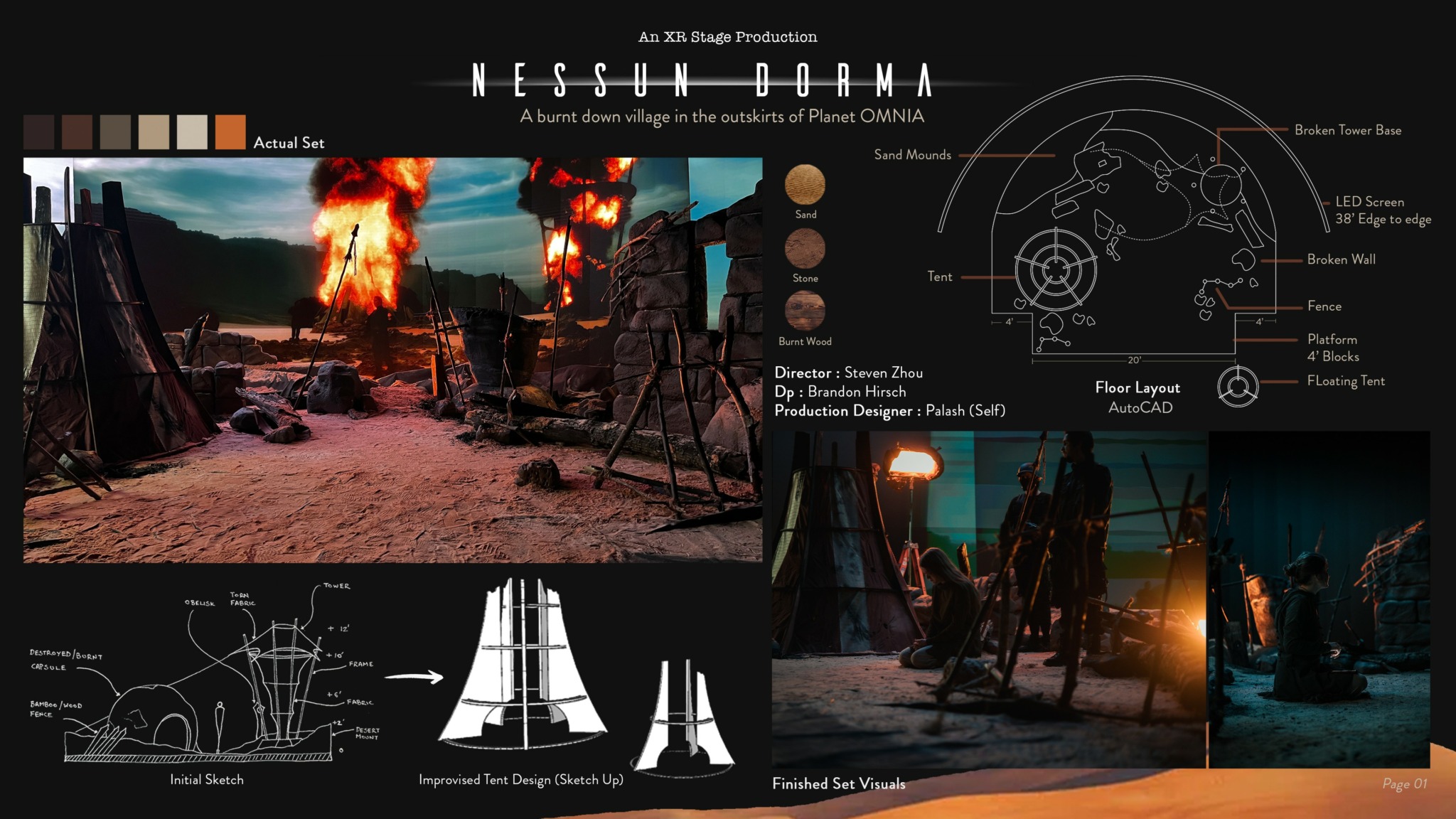
I am a designer with a passion for creating spaces that tell stories, transforming them into unforgettable experiences for the audience. With a deep appreciation for design, I graduated in 2018 with a degree in Architecture from Mumbai, India, and later pursued my Master’s in Production Design at the Savannah College of Art and Design. This journey has not only refined my artistic abilities but also broadened my creative perspective, allowing me to merge my architectural foundation with the dynamic world of visual storytelling in filmmaking.
I draw inspiration from renowned architect Ludwig Mies van der Rohe’s words: “God is in the details.” In the fast-paced world of Production Design and film, where time and resources are often limited, the challenge of creating immersive worlds within tight deadlines is constant. The process of designing environments that maintain architectural authenticity while aligning with the narrative’s essence is both demanding and exhilarating. Striking a balance between precision and creativity makes the entire experience both surreal and thrilling.
Transitioning from an architectural background into the film industry has been an exciting and transformative journey. Before pursuing my Master’s, I had the privilege of working for over four years in the Indian film industry as an assistant to the Production Designer, which gave me invaluable, hands-on experience. Taking risks has always been a driving force in my life, enabling me to view the world from different angles and embrace new challenges. Reflecting on my path, I’ve come to realize that the details I craft are vital to storytelling. Every element, from props to architectural spaces, contributes to the characters’ narrative, revealing how they interact with and experience their environment.
Designing for film requires a unique balance of creativity and practicality. One of the most important lessons I’ve learned is how to weave a story through multiple layers of design. Looking back on my work, I feel immense pride in the designs I’ve created and am deeply grateful for the guidance of my mentors, who have shaped my journey and helped refine my craft.
What do you find most rewarding about being a creative?
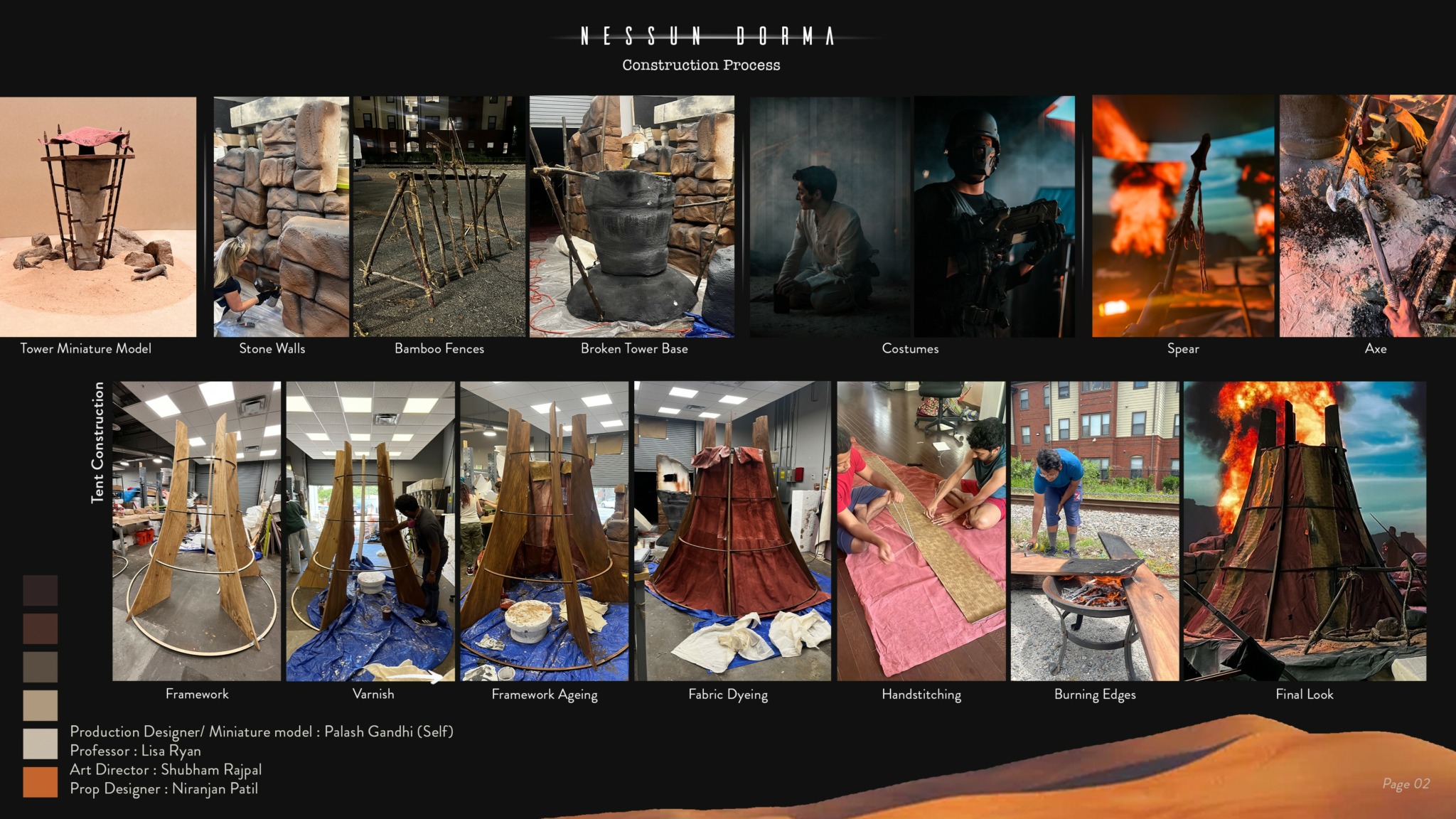
The most fulfilling aspect of being a designer in the film industry is undoubtedly witnessing your work come to life on the big screen, where it is recognised globally. The worlds we create are imbued with the emotions and narratives of the characters, transforming the set into an essential part of the story. While a set is always a temporary creation, built specifically for the duration of the shoot, the process of dismantling it can be bittersweet. Yet, the overwhelming satisfaction of seeing it immortalised on screen far outweighs the loss. Designing a set not only unites a diverse group of talented individuals but also inspires continual innovation, motivating me to craft something fresh and unique with each new project.
We often hear about learning lessons – but just as important is unlearning lessons. Have you ever had to unlearn a lesson?
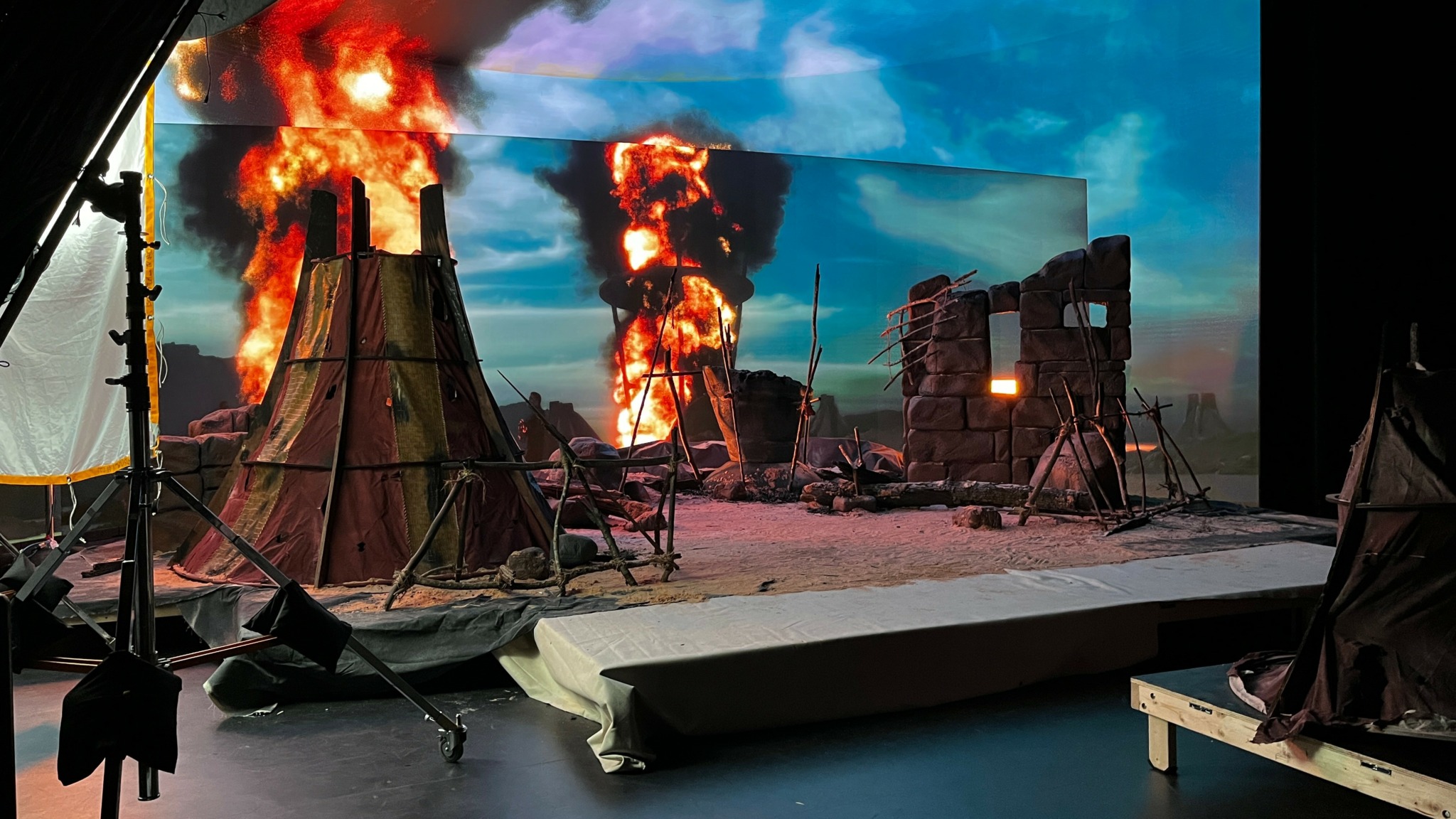
One of the most crucial lessons I had to unlearn when transitioning from Architecture to Set Design in the film industry was understanding that sets are not merely detailed spaces but are designed with the camera’s perspective in mind. Unlike architectural design, where the experience of a space is fully immersed and felt in its entirety, set design requires a more selective approach. In filmmaking, the set is often broken down by removing or altering parts of the space that won’t be seen on screen to accommodate camera movement, rigging, and other technical needs. This shift in mindset was essential for creating functional environments that support the storytelling while optimizing the space for the film’s production requirements.
Contact Info:
- Website: https://palashgandhi.myportfolio.com
- Instagram: https://www.instagram.com/palashgandhi23/
- Linkedin: https://www.linkedin.com/in/palash-gandhi-4266a3258/
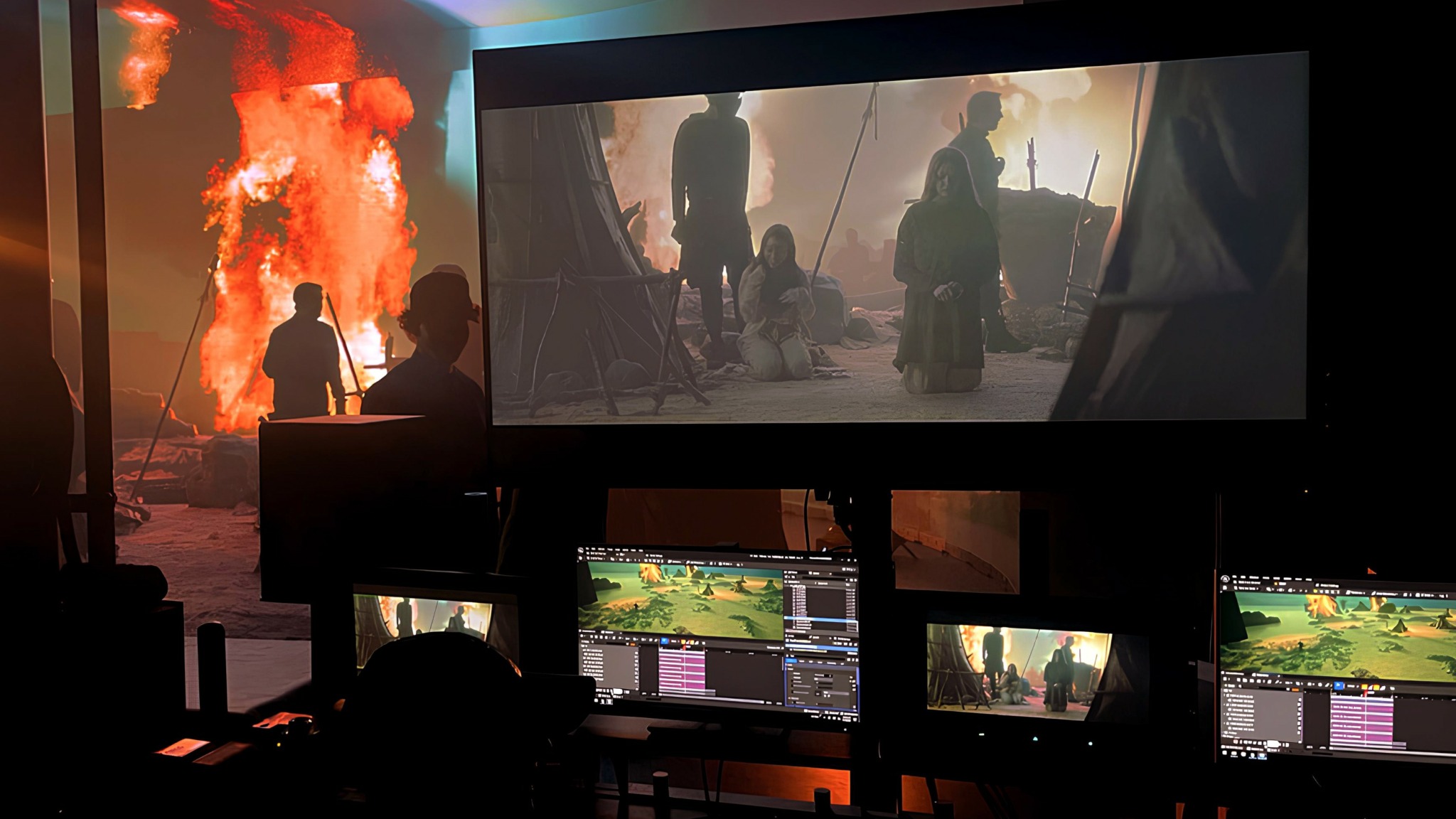

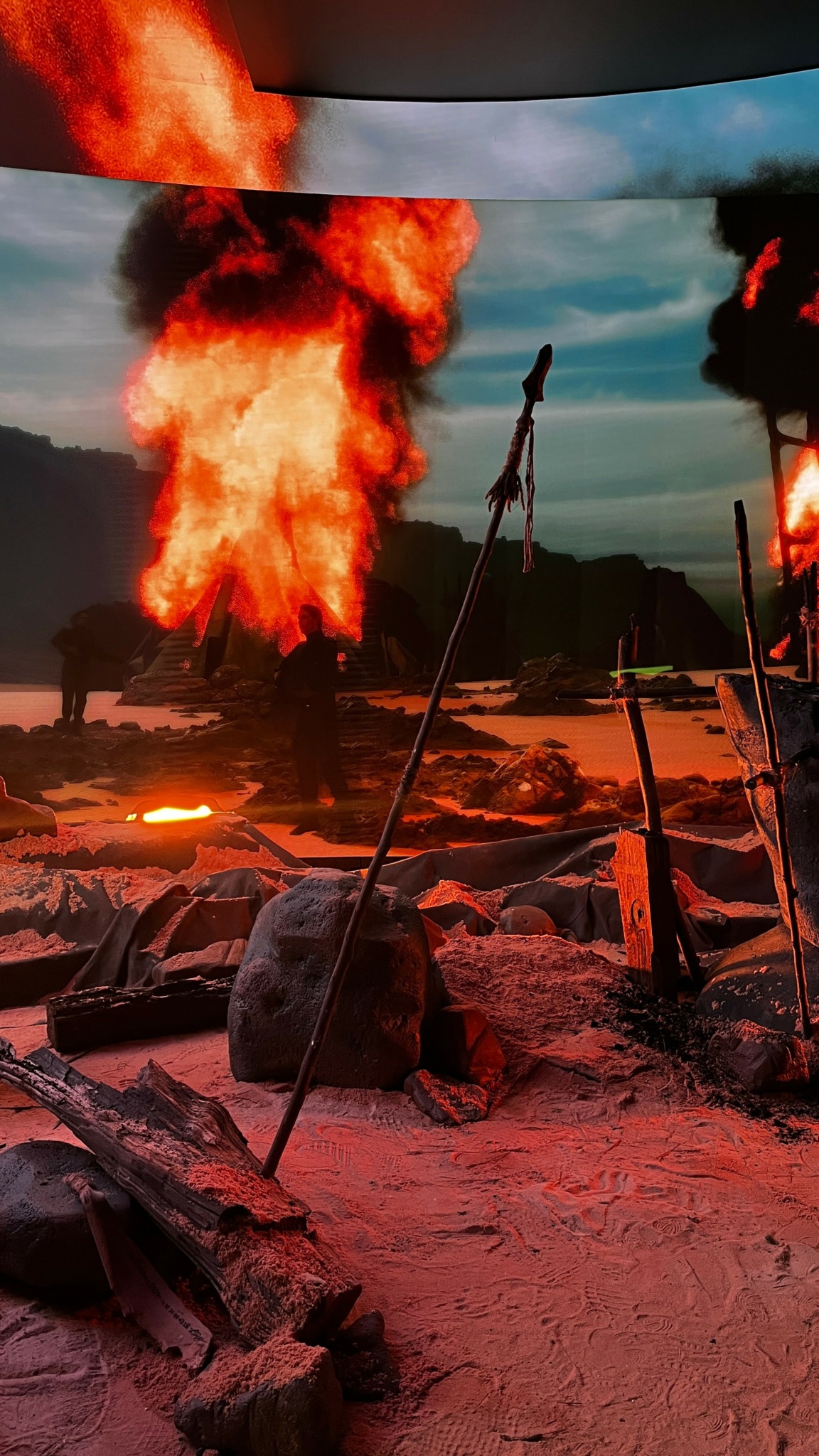
Image Credits
Director : Steven Zhou
Cinematographer : Brendan Hirsch
Production Designer : Palash Gandhi
Art Director : Shubham Rajpal
Prop Designer : Niranjan Patil
Professor : Lisa Ryan
An XR Production at SCAD