


We were lucky to catch up with Pako Pablos recently and have shared our conversation below.
Alright, Pako thanks for taking the time to share your stories and insights with us today. Can you talk to us about a project that’s meant a lot to you?
One of the most meaningful projects I’ve ever worked on is the first-ever National Digital Art Contest that bears my name.
The backstory is deeply personal.
I grew up in a time when creativity didn’t have a clear path. I was an athlete before I was an artist, and when I migrated to the U.S., I worked warehouse jobs, nightclubs—anywhere I could—to survive while holding onto my creative vision. Digital tools weren’t considered “real art” back then. They were often dismissed, especially in institutional and cultural spaces. Yet those very tools became my bridge—my way to tell stories, build opportunities, and create a global career when traditional doors were closed.
Years later, after my work had traveled to cities like Tokyo, London, New York, and Los Angeles, and after receiving recognition from both cultural institutions and governments, I realized something important: access is still the biggest barrier. Talent exists everywhere, but platforms don’t.
The National Digital Art Contest was born from that realization.
This wasn’t just about launching a competition. It was about legitimizing digital art at a national level, inside spaces that historically hadn’t made room for it. Partnering with institutions like the Cámara de Diputados, Espacio Cultural San Lázaro, universities, and international collaborators was intentional—it sent a clear message: digital artists belong at the highest tables of culture, education, and policy.
What makes this project especially meaningful is who it’s for.
Students, emerging artists, and creators who may never have imagined their work being seen, judged, and celebrated nationally. Artists working at the intersection of art, science, technology, and AI—exactly where the future is heading.
For me, this project closed a circle.
I was once the kid experimenting with tools, unsure if what I was doing would ever be taken seriously. Now, I get to be part of building a system that tells the next generation: your creativity is valid, your medium matters, and your voice deserves a platform.
That’s why this project isn’t just meaningful—it’s legacy work.


As always, we appreciate you sharing your insights and we’ve got a few more questions for you, but before we get to all of that can you take a minute to introduce yourself and give our readers some of your back background and context?
I’m Pako Pablos, an internationally recognized multidisciplinary artist, prolific fine artist, creative director, and cultural connector working at the intersection of art, sport, technology, and social impact.
My path into this world wasn’t traditional—and that’s exactly what defines my work.
I was born in Guadalajara, Mexico, and before art became my primary language, I was a professional athlete who represented Mexico’s National Basketball Team. Sport taught me discipline, resilience, and how to perform under pressure—skills that later became foundational in my creative career. When I moved to the United States, I experienced the realities many immigrants face: adapting to a new culture, working physically demanding jobs, and rebuilding from zero while holding onto a creative vision that wasn’t yet fully formed.
Digital art became my bridge.
At a time when digital tools were often dismissed as “not real art,” I leaned into them. I studied graphic design, worked nights in high-profile nightclubs, reinvested everything I earned into my first computer and digital tablet, and began experimenting relentlessly. What started as survival evolved into a visual language—bold, cinematic, emotionally driven, and culturally grounded—that could live across galleries, fashion, film, sport, and technology.
Today, I’m also known as a highly prolific fine artist whose work is actively sought after by elite athletes and global celebrities for its provocative cultural commentary, sharp hot take on contemporary culture, and unmistakable visual language. My work doesn’t aim to decorate walls—it challenges narratives, captures moments in time, and reflects culture back to itself with honesty and urgency.
My work has been exhibited internationally in Tokyo, London, Los Angeles, New York, and Shenzhen, and has been recognized by major cultural institutions and global platforms. One of my most widely known works, “The Promise,” became part of the cultural narrative around LeBron James and his commitment to Cleveland and later formed part of the cultural ecosystem surrounding Space Jam: A New Legacy. I’ve been a TEDx speaker, received a Doctorado Honoris Causa, and was honored with an official Day of Pako Pablos proclamation by the City of Escondido, California—recognitions that speak to cultural relevance and long-term impact.
What I do today goes far beyond making images.
I provide creative direction, visual storytelling, fine art production, brand collaborations, and large-scale cultural initiatives for brands, institutions, and governments seeking to engage culture authentically. I help translate abstract values—identity, legacy, innovation, community—into powerful visual and experiential narratives. At the highest level, I solve the problem of relevance: how to create work that resonates emotionally, travels globally, and leaves a lasting imprint.
One of the clearest examples of this impact is the first-ever National Digital Art Contest in Mexico, a historic, government-led cultural initiative organized in collaboration with the Mexican federal government, national cultural institutions, universities, and international partners. This was not a private competition or a niche program—it was a nationwide platform, backed at the highest institutional level, designed to officially recognize digital art as a legitimate and vital artistic discipline in Mexico. The contest opened doors for students, emerging artists, and established creators across the country, placing digital art inside one of the most important cultural and governmental spaces in the nation and setting a precedent for future policy, education, and cultural investment.
What sets me apart is perspective.
I understand discipline from sport, structure from design, emotion from fine art, and scale from working directly with governments and global brands. I move fluently between grassroots culture and high-level decision-makers. I don’t just execute ideas—I help build systems, shape platforms, and create long-term cultural infrastructure. The national art contest in Mexico is a direct reflection of that philosophy.
What I’m most proud of is not a single artwork or accolade—it’s impact. Seeing artists gain national visibility, students feel validated, institutions evolve, and culture expand because of something I helped build. My brand stands for possibility: the belief that creativity, when taken seriously, can influence policy, education, and society at large.
What I want people to know about me is simple:
I’m not interested in trends—I’m interested in legacy.
I don’t just create art—I create movements, platforms, and cultural moments that elevate voices and redefine what’s possible.
That’s the work. That’s the mission.


We’d love to hear a story of resilience from your journey.
One moment that clearly defines my resilience happened long before the awards, exhibitions, or recognition.
When I first arrived in the United States, I wasn’t an “artist” yet in the way people see me now. I was an immigrant trying to survive. I worked in a warehouse in Otay, doing physically demanding labor—lifting heavy bags, long hours, repetitive work—while carrying a completely different dream in my head. At that time, creativity felt distant, almost impractical. There were no guarantees, no safety net, and no clear path forward.
One day, my father visited me at work.
Instead of telling me to quit or find something easier, he took photos of me working in that warehouse—sweaty, exhausted, covered in dust. I didn’t understand it in the moment. Later, he told me something I’ve never forgotten: “One day, you’re going to look back at these pictures and feel proud—not because of the job, but because of what you survived.”
That moment stayed with me.
I kept going. I worked nights in San Diego nightclubs, saved every dollar, and reinvested everything into my creative practice. Over time, art in a variety of forms—fine art, digital work, design, and storytelling—began to open doors for me. The real shift happened when I finally recognized the value of my work and gave myself permission to ask questions, start conversations, and pursue opportunities instead of waiting to be discovered.
There were many moments where quitting would have made sense—but I didn’t. I chose to believe that the struggle was temporary, but the vision was permanent.
Years later, standing inside government buildings in Mexico helping launch the first-ever National Digital Art Contest, seeing my work collected by athletes and cultural leaders, and being recognized by cities and institutions, I finally understood what my father meant. Those warehouse photos weren’t about suffering—they were about proof.
Proof that resilience isn’t loud.
It’s showing up when no one is watching.
It’s believing in your worth before the world confirms it.
It’s having the courage to ask for opportunity when you know you’re ready.
That experience shaped everything I do. It’s why my work carries urgency, honesty, and purpose—and why I’m committed to building platforms so others don’t have to start from the same place I did.


Is there mission driving your creative journey?
Yes. There’s a very clear mission driving everything I do.
My goal is to expand the definition of what creativity can do—not just as self-expression, but as a tool for opportunity, access, and cultural change.
For a long time, creativity was framed as something decorative or optional. My own journey taught me the opposite. Art—in many forms—became the way I survived, the way I built a career, and the way I opened doors that weren’t designed to open for someone like me. Once I understood the value of my voice and had the courage to ask for opportunities, creativity stopped being just what I made and became how I moved through the world.
That realization shapes my mission today.
I create work that reflects culture honestly—sometimes beautifully, sometimes uncomfortably—but always with intention. Whether it’s fine art collected by athletes and cultural leaders, large-scale collaborations, or national initiatives like the first-ever government-led National Digital Art Contest in Mexico, the goal is the same: to legitimize creativity at the highest levels and use it to build platforms for others.
I’m driven by the idea of legacy over relevance.
I want my work to do three things:
1. Create cultural conversations that matter now.
2. Open doors for artists and creatives who haven’t been given access yet.
3. Build systems and institutions where creativity is treated as a serious, powerful force—alongside sport, business, education, and policy.
Ultimately, my mission is to make sure the next generation doesn’t have to wait for permission to be seen. If my journey proves anything, it’s that creativity—when taken seriously—can change lives, influence institutions, and reshape culture. That’s the work I’m committed to.
Contact Info:
- Website: https://Www.pakopablosstudios.com
- Instagram: pakopablos
- Facebook: Pakopablos
- Linkedin: Pakopablos
- Twitter: Pakopablos
- Youtube: Pakopablos
- Yelp: Pakopablos


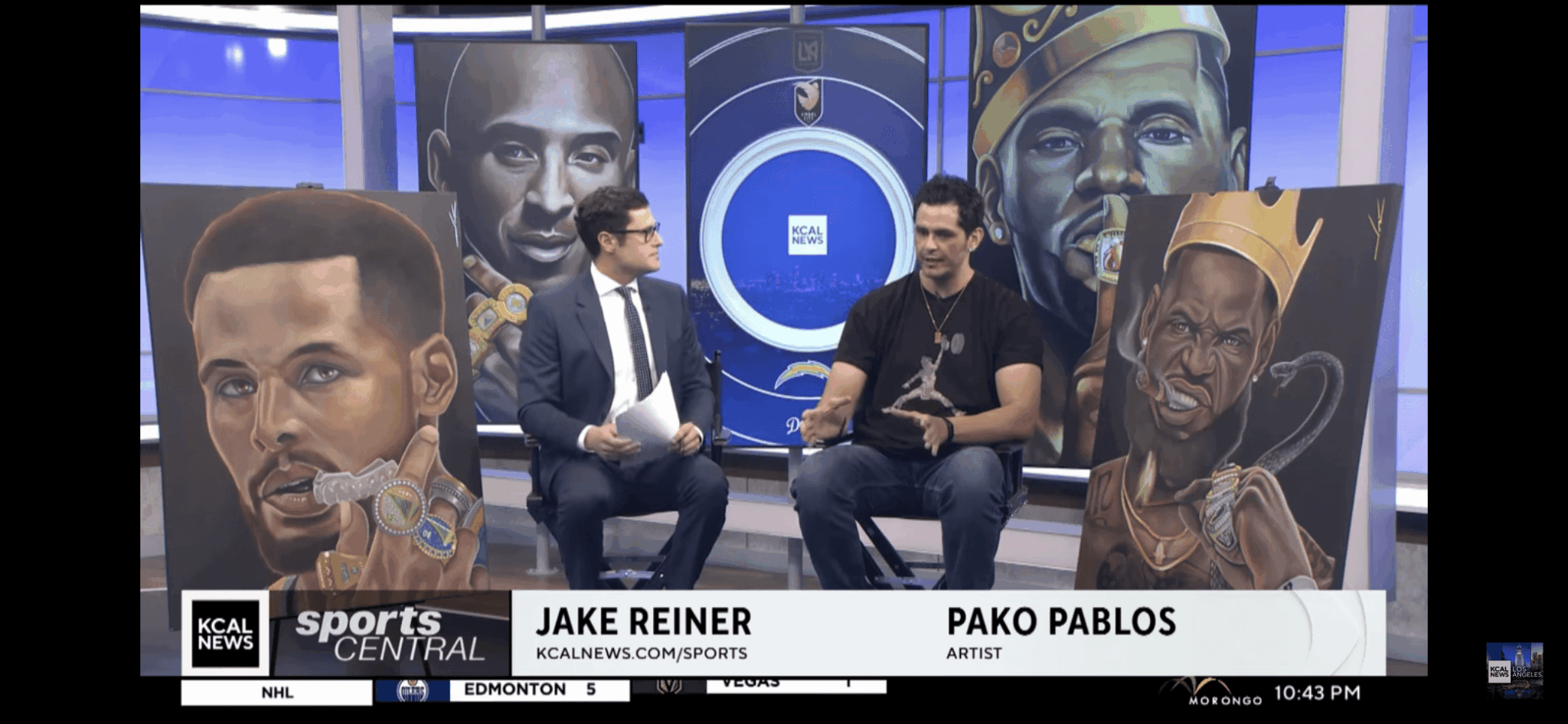


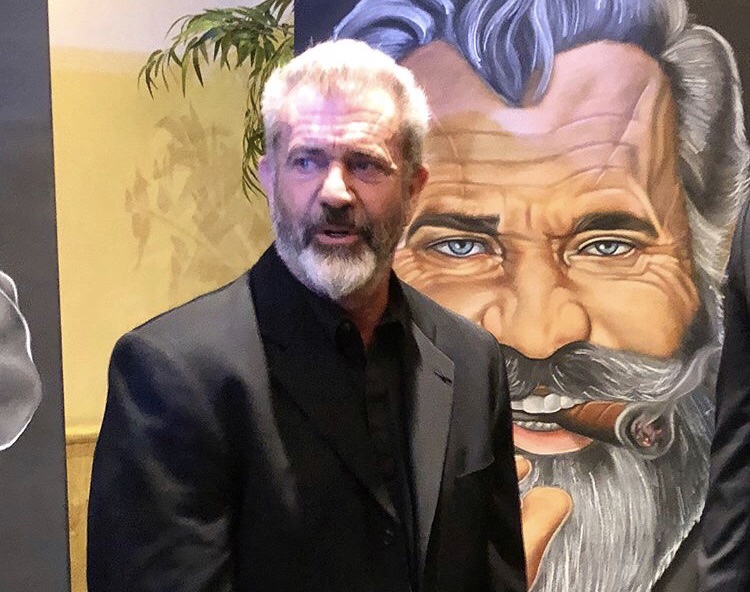


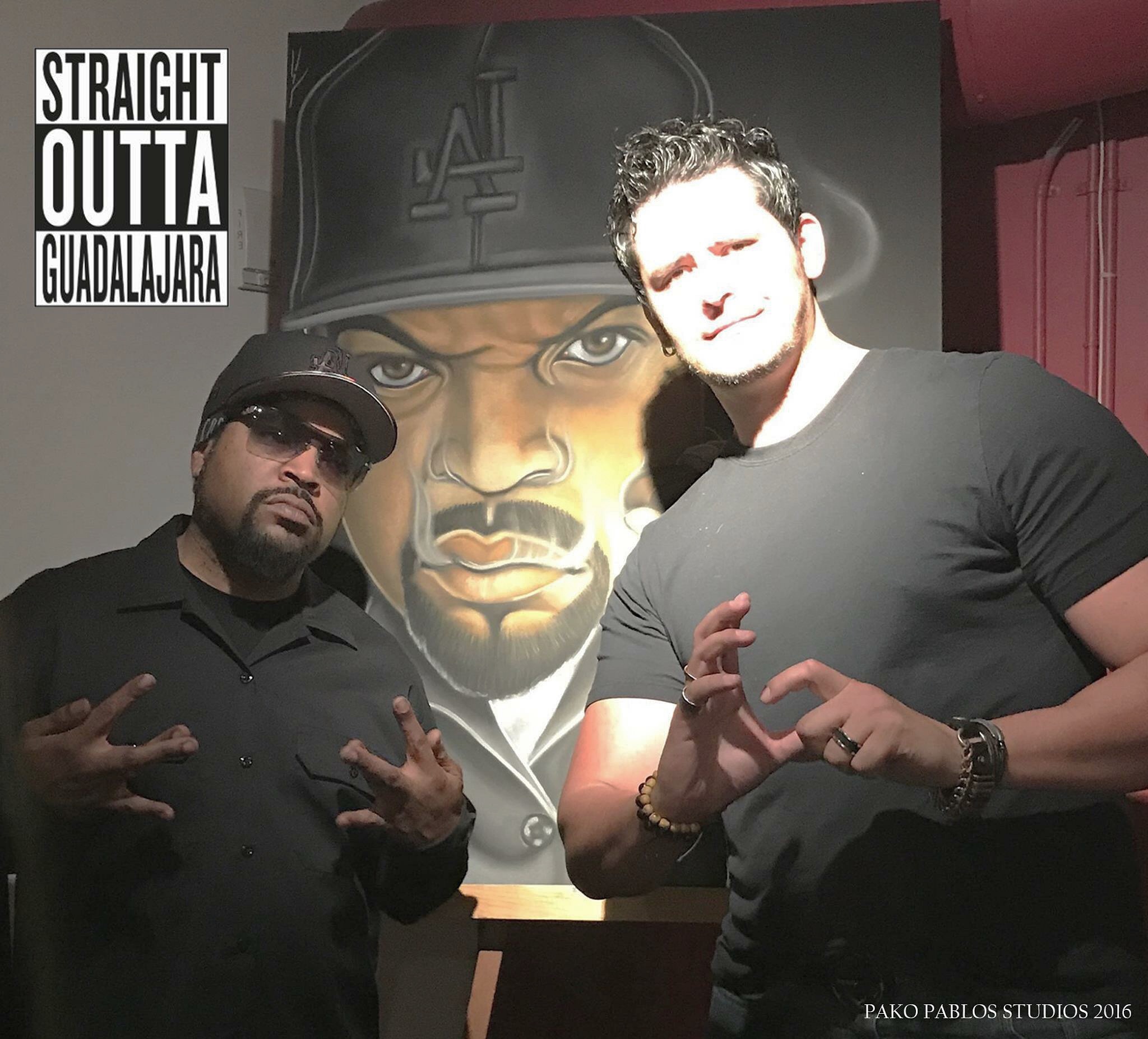


Image Credits
Joseph Marsh(serramesa productions)