

We recently connected with Otis McClure and have shared our conversation below.
Otis, thanks for joining us, excited to have you contributing your stories and insights. Do you have a hero? What have you learned from them?
One of my heroes in the field of art and design is Bob Ross. He is the main reason why I got into art in the first place. I remember being a kid and seeing him on TV, wondering, jokingly, ‘Who is this white guy with this afro? He’s super cool!’ Watching him paint, I always admired how gentle and encouraging he was while crafting a masterpiece. He assured viewers that it was okay to make mistakes, referring to them as ‘happy little accidents,’ and encouraged kindness towards oneself, both on and off the canvas. Bob also pointed out the inherent beauty in art, emphasizing that everything was art. In researching his background, I was amazed to learn that before becoming an artist, he spent 20 years in the Air Force, retiring as a Master Sergeant—what a contrast! This reinforced the concept of pursuing one’s passions, instead of conforming to others’ expectations.
Aside from Bob Ross, my grandfather, Charles McClure Sr., is another significant hero in my life. He gave me my first job at the age of eight, mowing lawns, and instilled in me the values of hard work, dedication, family, and staying true to oneself despite adversity. Witnessing my grandfather nurture his business provided a powerful example of what is possible through perseverance and integrity. He was a man of ethics, integrity, and respect. In the absence of an active father figure, he not only stepped in but also raised the bar, gifting me with a quality of life that has had a lasting impact.”
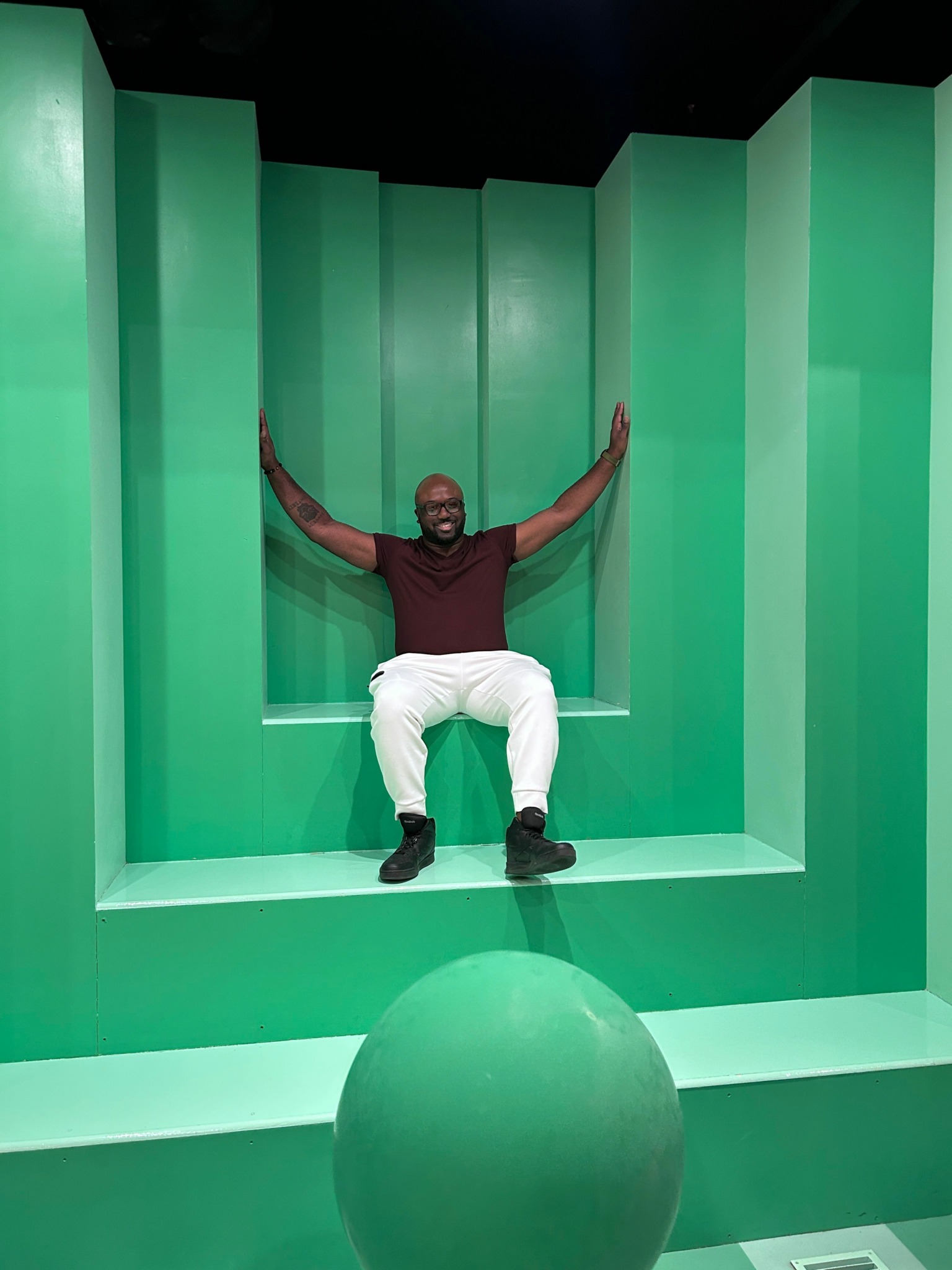
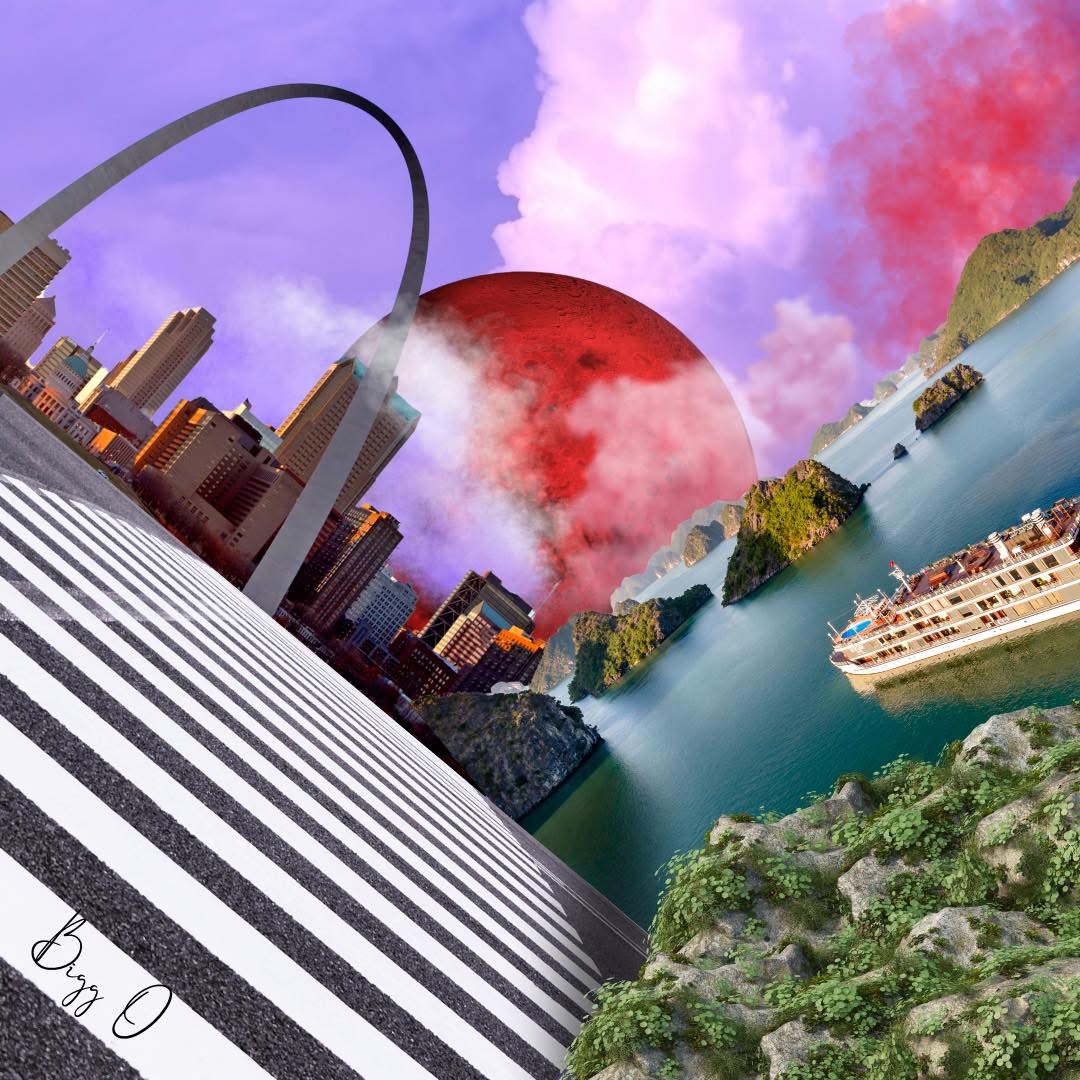
Awesome – so before we get into the rest of our questions, can you briefly introduce yourself to our readers.
My artistic journey began in the prehistoric era of age 7 or 8, with cave paintings… I mean, stick figures, and a lot of tracing. Growing up as a 90s kid, my creative fuel was pure, uncut cartoon and anime: Dragonball Z, Darkwing Duck, Yu Yu Hakusho, Street Sharks (yes, Street Sharks), and Pokémon. I’d grab any paper and blunt (pencil) object I could find and trace those characters, then “remix” them into my own masterpieces. And I’m not gonna lie, my Dragonball Z stick-figure comic was basically the Citizen Kane of the genre. Beyond drawing, I was basically the MacGyver of elementary school, crafting cut-out birthday cards, origami cranes that probably couldn’t fly, and Christmas ornaments that were… unique. If it was in the house, I could transform it into something. My magnum opus? A birthday diorama for my mom. Since we were basically professional movie-goers, I turned a shoebox into a mini-theater, complete with a drawn alien invasion scene from Independence Day (on the “screen”) and pop-up seats for the audience. Think shadowbox, but way more ’90s kid’ DIY. So yeah, art and creativity were basically my superpower from day one.
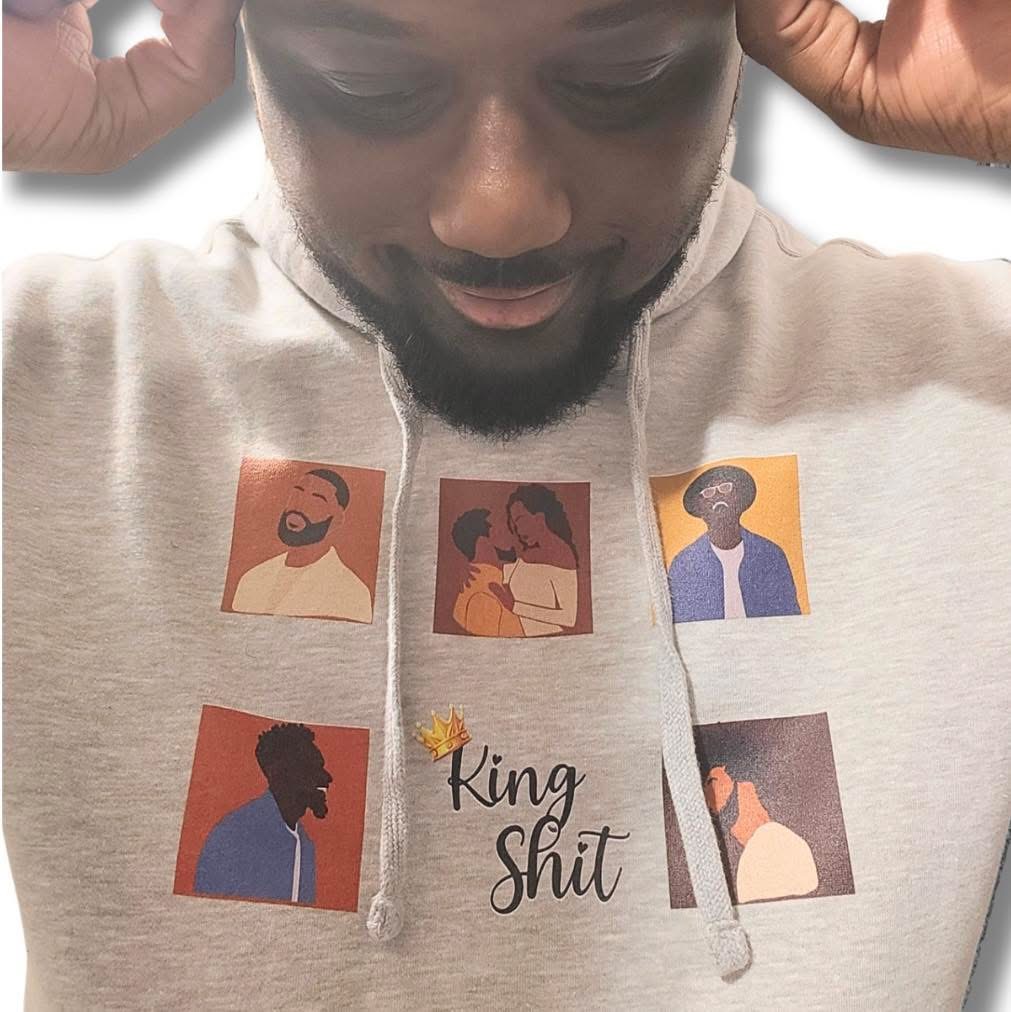
My imagination was a runaway train, and drawing and crafting were how I emptied the tanks.Then, life happened, and the art took a bit of a backseat. But it was always lurking, like a creative ninja in the shadows. Fast forward to October 2021: I was trapped in the soul-crushing abyss of a job I loathed, and while desperately searching for a lifeline on the internet, I stumbled upon Canva. It was like discovering fire but for design. I started playing around, then went full-on design ninja, devouring every YouTube tutorial I could find. Around the same time, I dabbled in Photoshop, but Canva and I? We just clicked. Since then, I’ve unleashed my designs on an unsuspecting public via Etsy, selling everything from calendars that may or may not have helped people keep track of time to T-shirts, phone cases, and coffee mugs and even my own mental health coloring book- Color Your Calm. More recently, I’ve been wielding Canva and Photoshop like a design samurai, trying to slice my way into the world of advertising and marketing.”
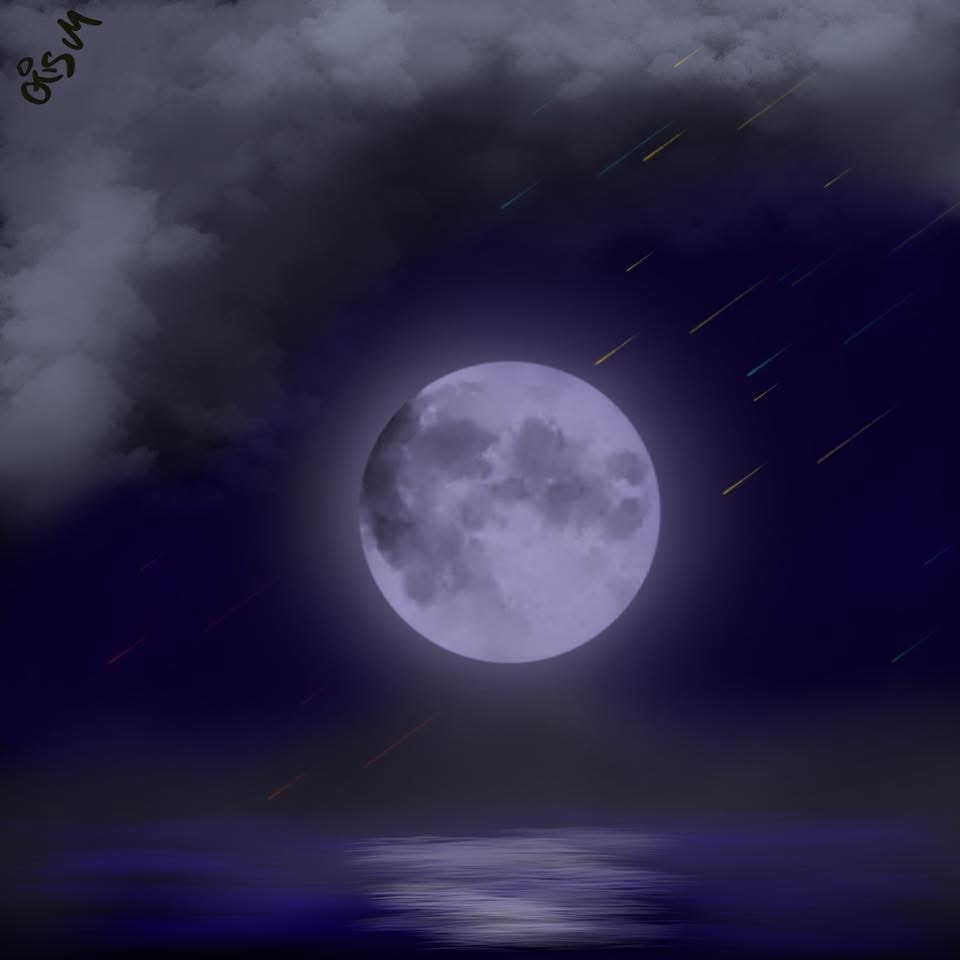
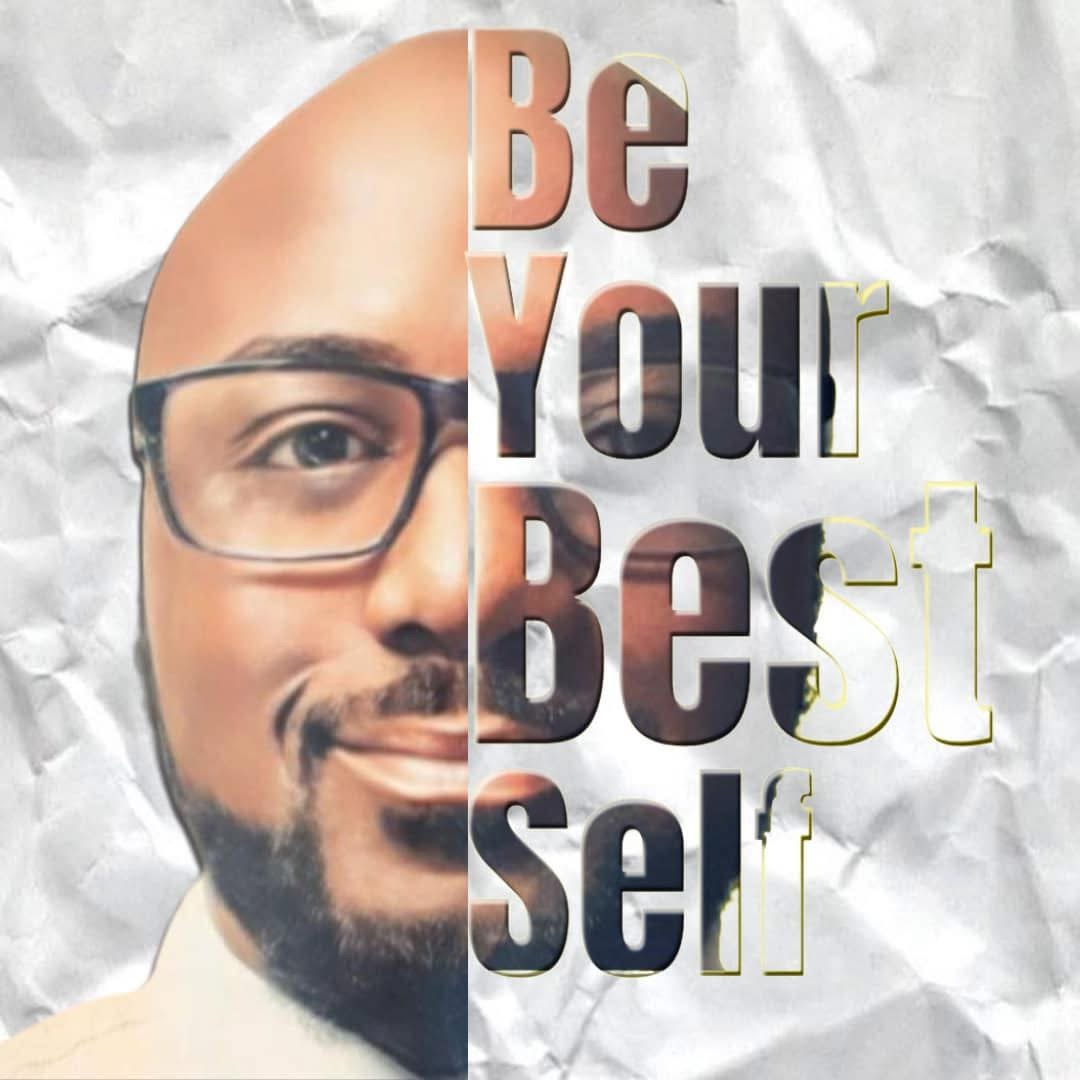
For you, what’s the most rewarding aspect of being a creative?
For me, the true reward of being creative lies in the profound satisfaction of a client witnessing their vision come to life in the final product. I see the creative process as a collaborative act of construction: the client provides the blueprint, and I assemble the pieces. Their input, ideas, and concepts are integral to the work, shaping the drawing, painting, or printed piece as much as my own technical skills. I deeply value this collaborative dynamic, understanding that there are no inherently ‘bad’ ideas, only ideas waiting to find their perfect application. Ultimately, the most fulfilling aspect of my work is seeing that moment of connection, where the client’s vision resonates in the completed piece, and their satisfaction reflects the success of our shared creative journey.

Is there something you think non-creatives will struggle to understand about your journey as a creative?
I think non-creatives often misunderstand that while creativity is a gift, it’s not the only ingredient for success in a creative field. Creativity alone won’t guarantee the level of success one desires. Every creative person’s journey is unique; overnight success can happen, but it’s not the norm, and that’s perfectly okay. True success for a creative involves cultivating that gift through dedicated self-care, discipline, and goal setting, combined with a commitment to continuous learning and strong emotional intelligence. Many non-creatives only see the finished product, the surface level of achievement, without realizing the complex and demanding work that lies beneath.
Contact Info:
- Instagram: @biggo_designs
- Facebook: Otis McClure
- Other: https://linktr.ee/customcorner314