

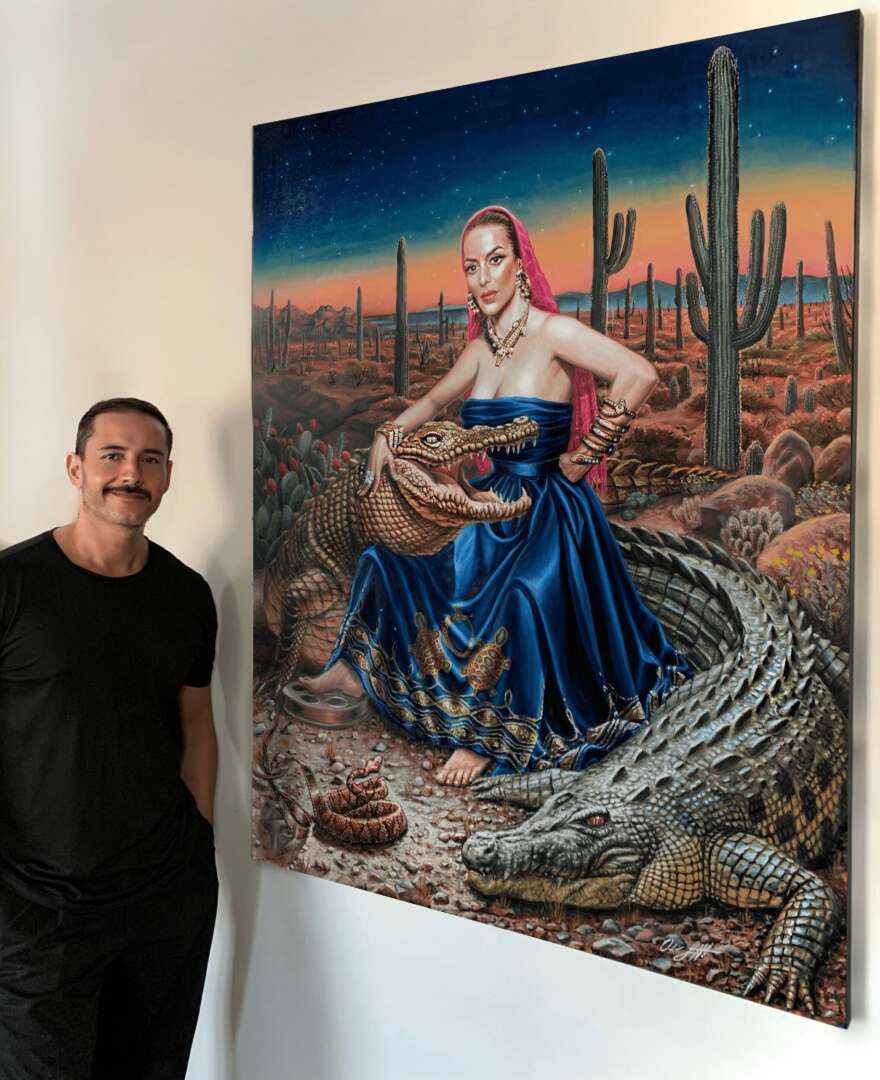

We were lucky to catch up with Oskar Laffont recently and have shared our conversation below.
Oskar, looking forward to hearing all of your stories today. Can you take us back in time to the first dollar you earned as a creative – how did it happen? What’s the story?
i started exhibiting and selling my work from a very young age. My first exhibition was at the lobby of my elementary school, I must have been around 8 years old, which felt very important to me as without really meaning to, I was announcing to everyone around me that I had a serious interest in the arts. My age caught people’s attention and I was able to a second show at an art insitute in my hometown, and that’s where I sold my first piece. It was a pastel of Don Quijote, inspired by the one of illustrations by Gustave Doré. I was very young so the moment was somewhat bittersweet as I loved that painting and wanted to keep it, but I was so grateful that it was considered good enough by anyone in order to be purchased and be hung on their wall, it was the encouragement I needed to keep going and start learning more about my craft, something I’m still doing today. I have a vague recollection of the buyer, an older gentleman in his 80’s, I remember shaking hands with him briefly, if I could track him down today I would love to thank him for encouraging me to keep going and making me feel useful, sending me into the this journey
Oskar, before we move on to more of these sorts of questions, can you take some time to bring our readers up to speed on you and what you do?
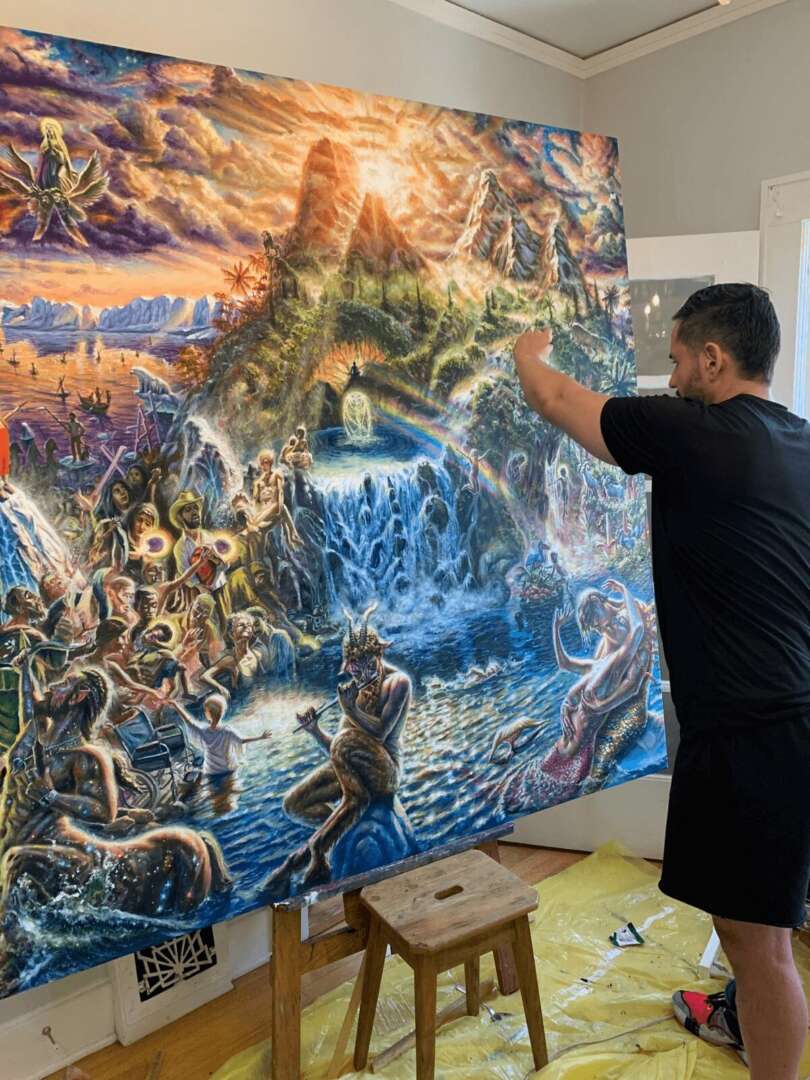
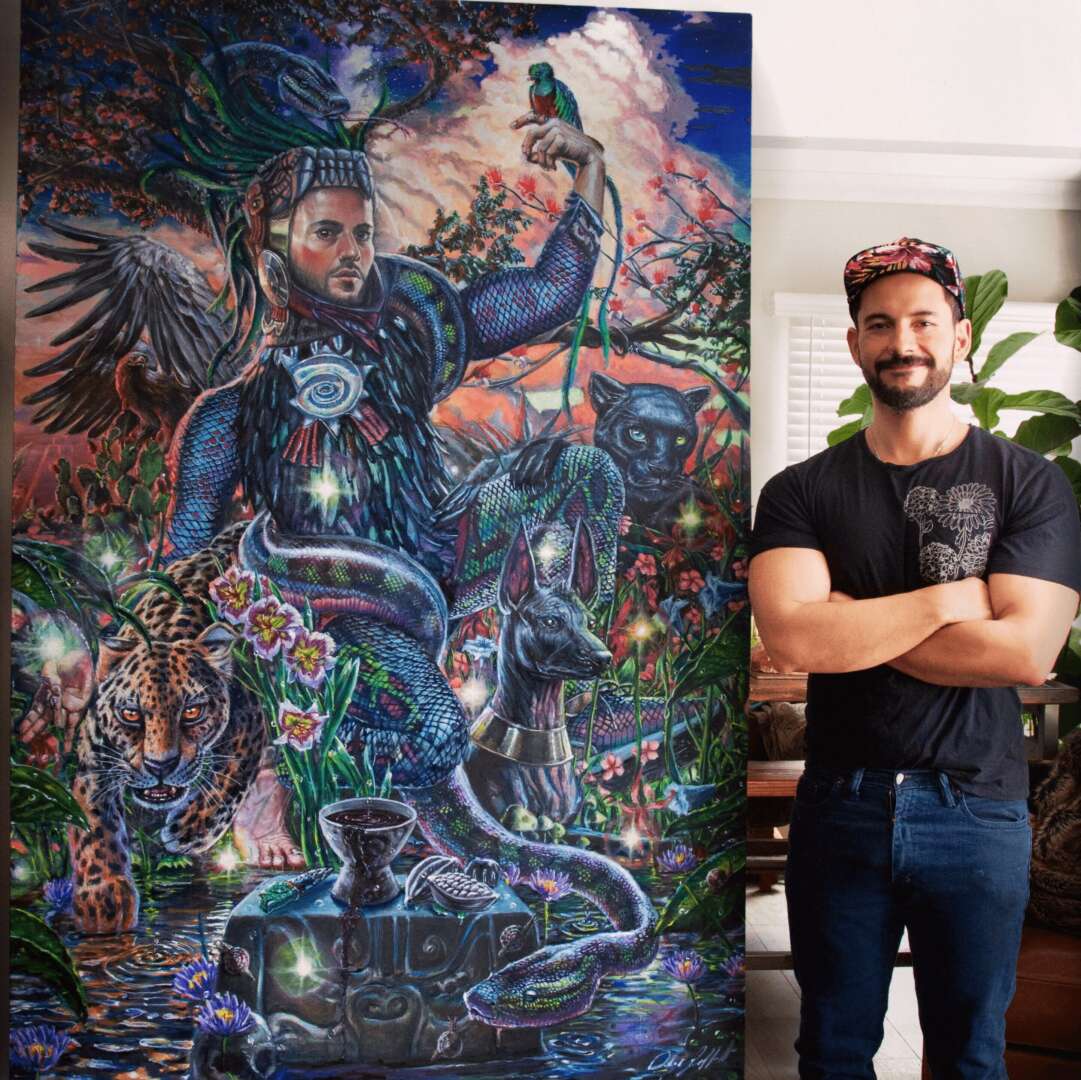
I have been painting for over 30 years. I got into art at a very early age, probably since preschool when I would draw cartoons for my peers in our lunch break, I would have a small queue of kids requesting their favorite tv characters, this caught my teachers attention and urged my parents to enroll me in painting classes, which they did. Only a couple of years later I had my first amateur show, and things started rolling from there.
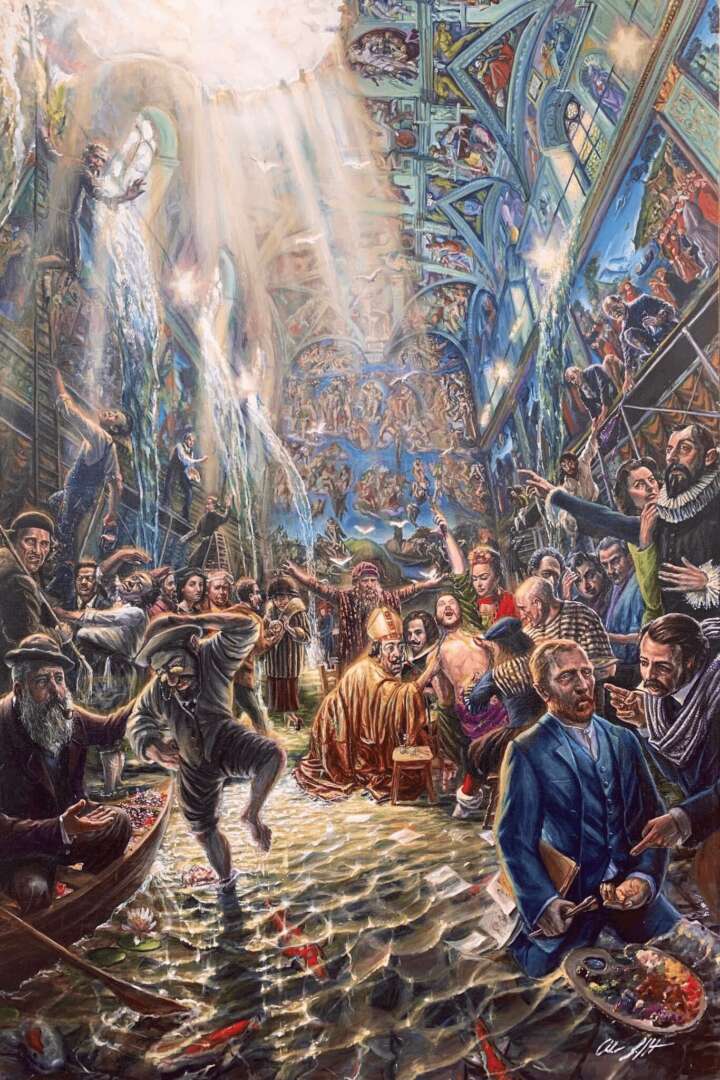
I was always interested in Surrealism and the Renaissance, particularly the work of Leonardo and Michelangelo. I vividly remember being shown a book on the Sistine Chapel and being blown away by the majesty of the work. I knew then that I wanted to dedicate myself to art, in order to provide the feeling of turning through those pages to others.
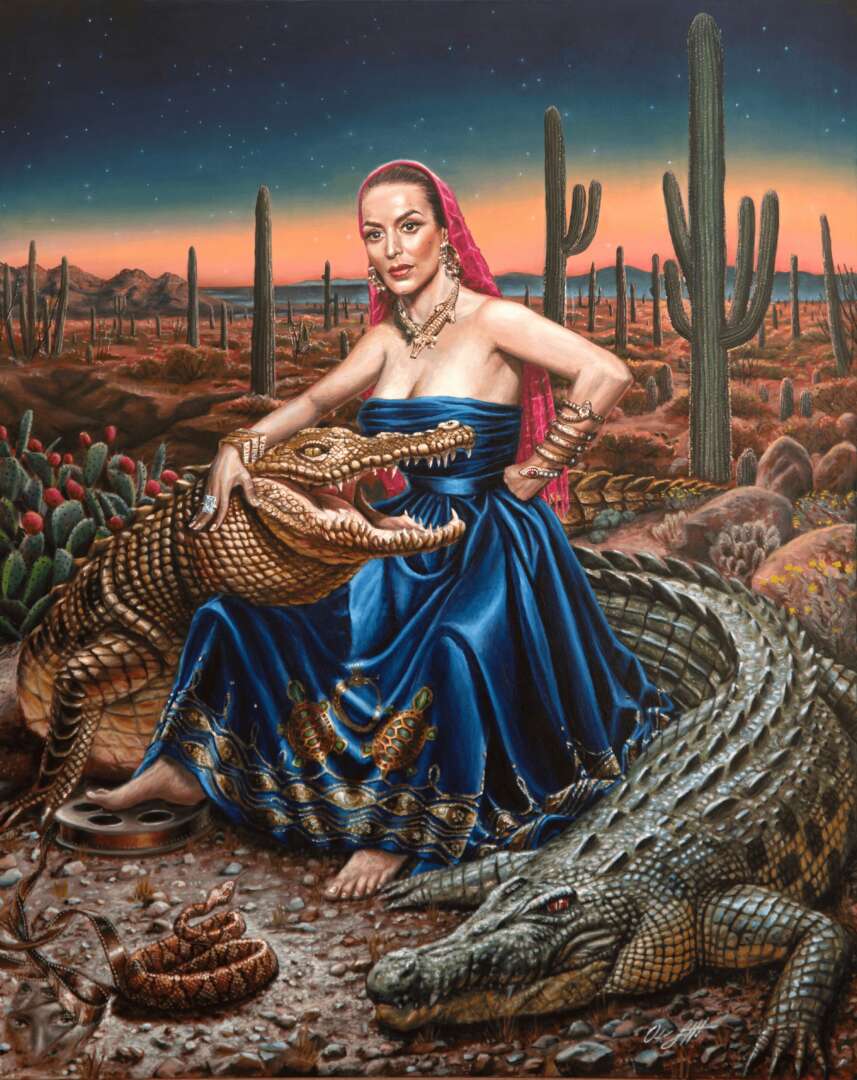
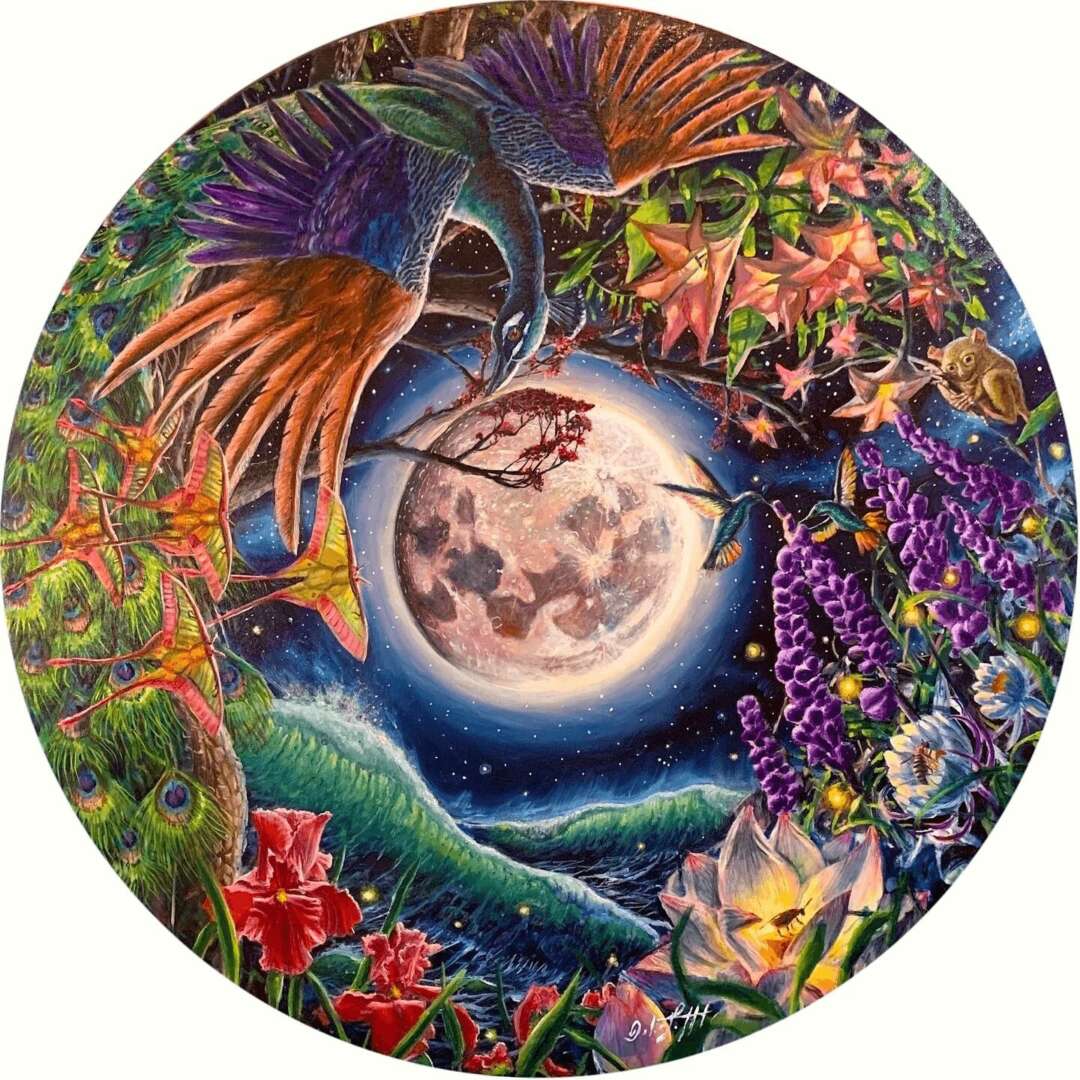
Today my work is still inspired by the Old Masters, with a contemporary techniques and themes, esoteric symbolism and my exploration of various cultures around the world have informed my style. I work and teach mainly in oil, but also work with pastels, acrylics, and mixed media. I guess that what sets me apart from my peers is how personal is my work, and that I am a mexican painter with formal training in Europe, therefore I have more academic approach to figurative painting and history of art in general. I enjoy portraiture and the human figure, I also mentor a few artists on a one -to-one basis.
What I would like people to know about my work, and of painting in general, is that is an ongoing discipline that takes years of preparation. In our current age of AI art, the general public seem to dismiss that painting is at it’s core a physical and intellectual process in which the artist engages with creatively and spiritually through many hours a day, layer by layer, within the context of the painter’s practice, thus divorcing ourselves from that experience in favor of an instantaneous computer generated render is a completely different thing. There’s as much of a difference between AI renders and painting as there is from painting and photography, or film, etc.
Learning and unlearning are both critical parts of growth – can you share a story of a time when you had to unlearn a lesson?
I had to completely reassess my relationship with money. I was brought up in a rather conservative household in which money was considered the root of all evil, and growing up I learned to look at income inequality as the reason why there is so much poverty, war and suffering in the world. This yucky feeling is something I had to unlearn for myself, as whether I like it or not, I operate in a capitalist society and money can also be used for doing great good in the world and helping others. I feel this is something that many artists struggle with, most of us are not natural salespeople, and even though creating art can be time-consuming, we are constantly put in situations where our work is devalued by people that don’t realize how much goes into it, asking us to work for free or hustling us to take our prices down to the point where making a living out of what we do becomes virtually unsustainable. My suggestion for anyone that finds himself in that situation is to keep going. the negative voices never go away, but along your path you learn resilience, because the prize is in the joy of creating art, everything else is a much lesser secondary consideration.
What’s the most rewarding aspect of being a creative in your experience?
Just the realization that what I do has a value and a purpose in the world. And that can be someone as simple as brightening someone’s day, to witness how your work resonates with someone I don’t personally know on a primal level to me is what magic is made of. Us artists can make ourselves so vulnerable in the content we share but also vulnerable to scrutiny and criticism from anybody. While its important to be able to consider criticism to grow, its even more important to exercise discernment. I also finding it extremely rewarding to help other artists develop.
Contact Info:
- Website: https://www.oskarlaffont.com
- Instagram: https://instagram.com/ozzyla
- Facebook: https://facebook.com/Oskarlaffontofficial
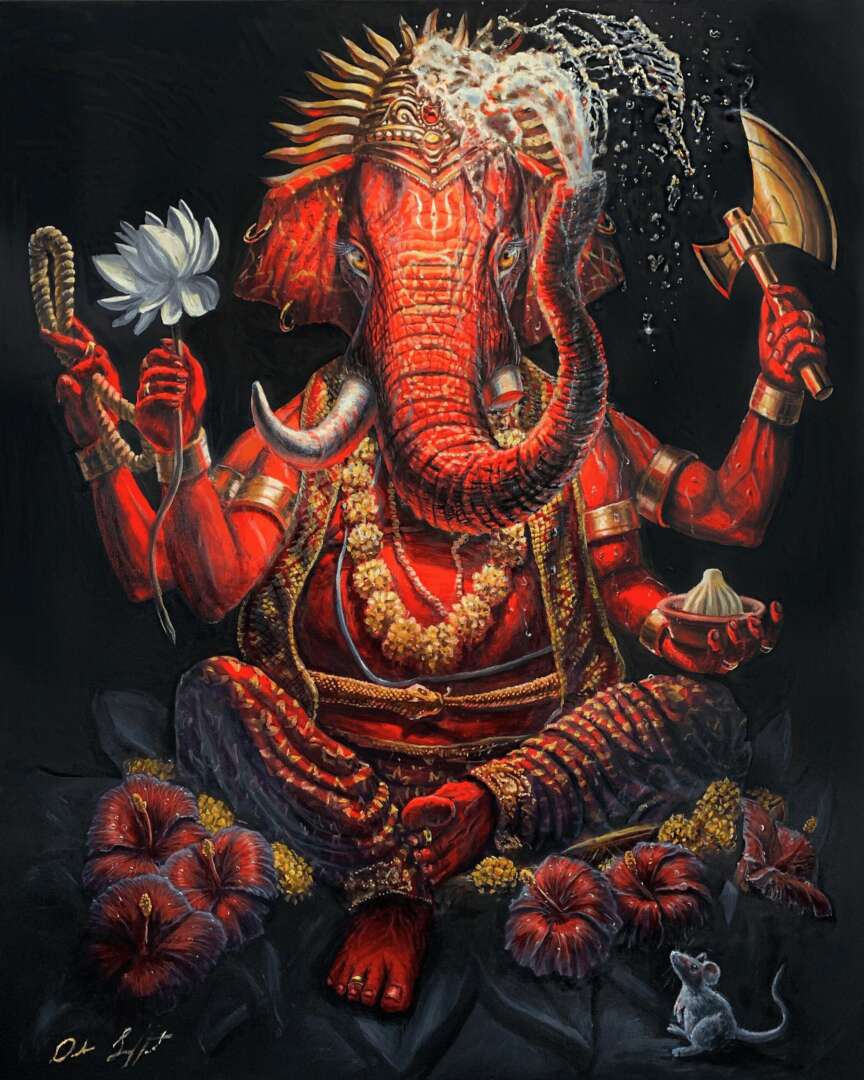
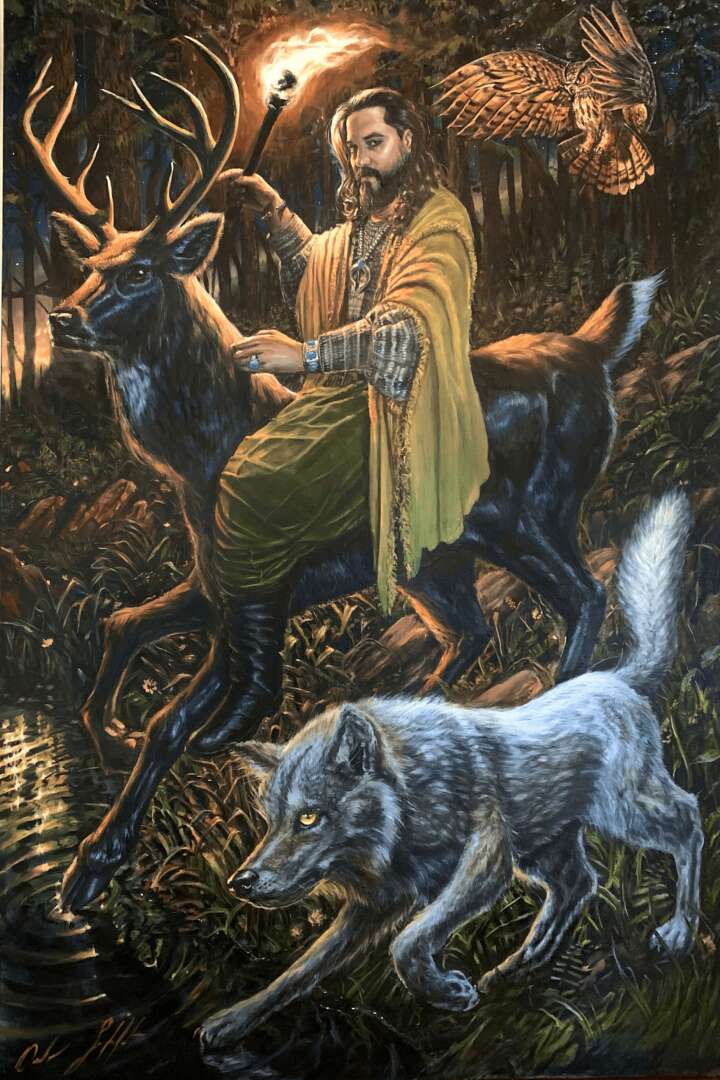
Image Credits
Copyright Oskar Laffont