
We caught up with the brilliant and insightful Oluwaseun Omotayo a few weeks ago and have shared our conversation below.
Alright, Oluwaseun thanks for taking the time to share your stories and insights with us today. Let’s go back in time to when you were an intern or apprentice – what’s an interesting story you can share from that stage of your career?
One Lesson I Learned from Previous Internships
The excitement I felt when I received my first internship offer quickly faded when I began working and realized, a few weeks in, that I wasn’t sure what I wanted to gain from the experience.
I knew it was important to secure an internship before graduating, and getting a return offer would alleviate some of the pressure during recruiting season. Beyond that, though, I was lost.
This is a mistake I’ve seen many other students make; entering an internship without a clear career plan. Looking back, I wish I had developed one.
A career plan for my internship would have addressed key questions like:
– Why am I interning with this specific organization?
– What are some skills I’d like to leave with?
– What areas do I want to grow in by the end of this experience?
– How can I take actionable steps to achieve this growth?
– When should I check in with my manager about my career goals?
While it’s great to aim for a return offer (and I was fortunate enough to receive one), I now realize that having a well-thought-out plan would have made my internship experience much more valuable.
By having a clear sense of direction, I could have been more focused, taken ownership of my growth, and built stronger relationships with my colleagues and managers. A plan would have helped me get more out of the experience; not just in terms of securing a job offer, but in developing skills, gaining confidence, and feeling more in control of my future.
So, if you’re about to start an internship, take the time to create your own career plan. It’s an investment in yourself that will pay off long after the internship is over.

Great, appreciate you sharing that with us. Before we ask you to share more of your insights, can you take a moment to introduce yourself and how you got to where you are today to our readers.
I spent some years working as a product manager at an e-commerce company. During my time there, I came to realize just how challenging it can be for people, particularly early-career professionals, to find the right job opportunities. I started sharing open positions with my network, hoping to help people take their next steps.
As I connected with more individuals, I uncovered a common theme: many were struggling not because they lacked the skills, but because they simply didn’t know about the opportunities available to them. That’s when Put Me On was born; our mission is to bridge the gap between talent and opportunity by increasing access through awareness.
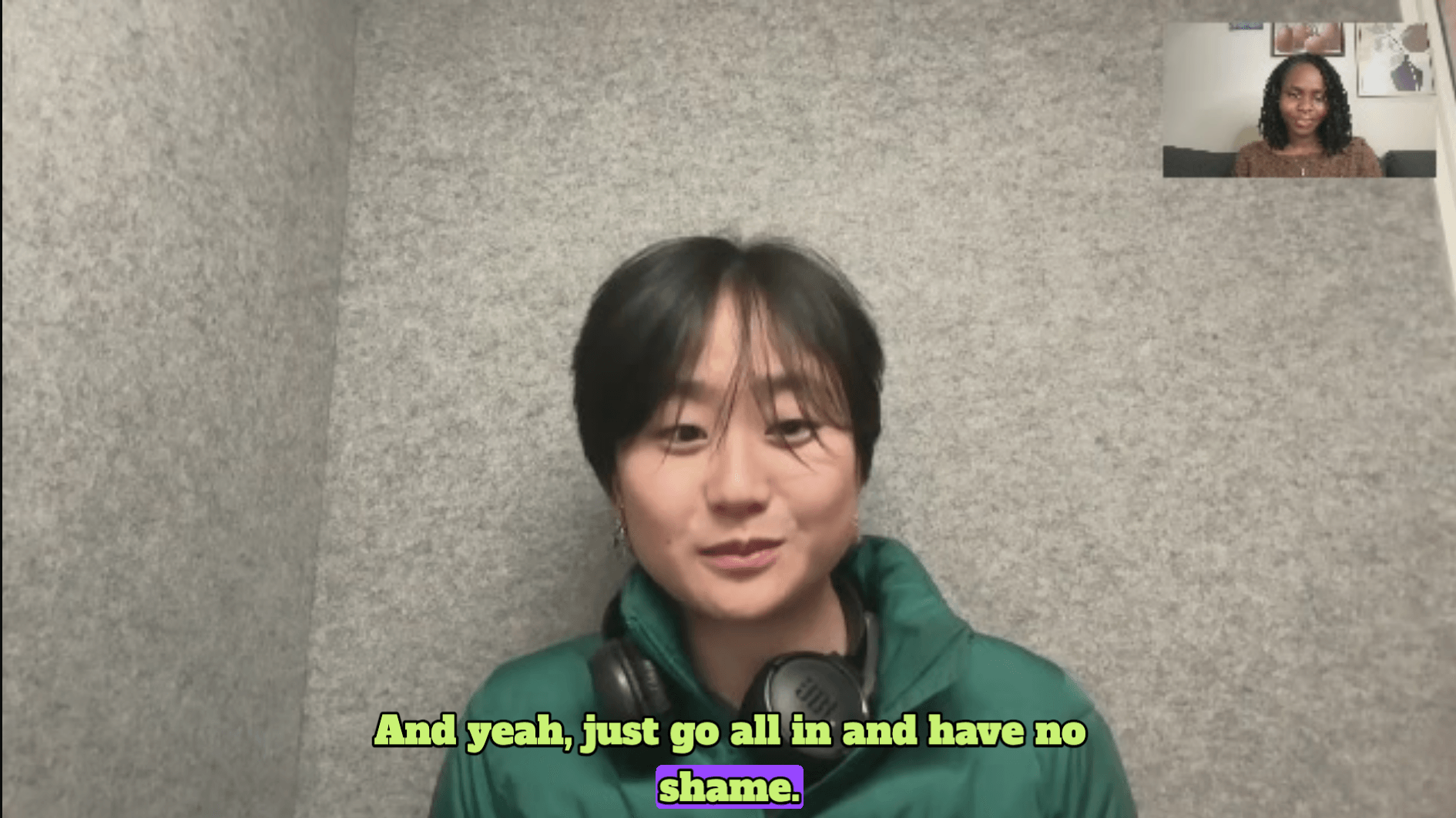
At Put Me On, we curate and share a wide range of opportunities: whether internships, jobs, or career development resources, specifically aimed at helping students, early-career professionals, and underrepresented groups. Our team works hard to highlight paths that might otherwise go unnoticed. We’ve even launched a YouTube series where we spotlight individuals who have navigated challenges and successfully achieved their goals, hoping to inspire others and show that success is possible, no matter where you start.
As we continue to grow, our focus remains on creating a world where access to resources and opportunities isn’t a barrier for those who are putting in the work. We believe that with the right knowledge and guidance, anyone can unlock their potential and achieve their career goals.
What sets Put Me On apart is our commitment to not just sharing opportunities, but actively empowering people by providing actionable advice and a sense of community. We’re here to make sure everyone has the tools they need to succeed.
At the end of the day, I’m most proud of the difference we’ve already made in people’s lives—whether it’s helping someone land their first job or showing them that their dream career is within reach. Our goal is simple: to create a future where opportunities are open to all, regardless of background or circumstances.
Can you tell us about a time you’ve had to pivot?
When I went to college, I was set on earning a computer science degree, convinced that becoming an engineer was my path. Having competed in national and international robotics competitions for years, I was certain engineering was where I belonged.
Throughout college, I also volunteered as a coach and judge for robotics competitions, staying connected to the field. But then, during one of my college classes, I accidentally discovered the world of product management (PM). It was a chance encounter that changed the trajectory of my career. I found myself fascinated by the balance of technology, strategy, and customer experience that PMs navigate daily Without hesitation, I decided to explore this new field and applied for a product management internship.
To my surprise, I loved it. I spent the rest of my college years working in product management roles. Each internship helped me hone skills that seemed unrelated at first—like writing clear and thorough documentation. It turned out that my background in robotics, where I had to keep detailed engineering notebooks to document projects, was a huge asset in product management. The ability to document and communicate complex ideas effectively became one of my core strengths.
After graduating, I landed a full-time product management role, and I’ve been in the field ever since. But life has a way of bringing things full circle. A few years into my PM career, I had the chance to judge a robotics competition organized by a Fortune 500 company. It felt like a full-circle moment—one where I realized that no skill is ever truly lost. The technical knowledge and experience I gained from robotics competitions were still valuable and directly applied to my PM work.
Lesson Learned: My pivot taught me an important lesson: don’t be afraid to change direction, even if it means stepping away from what you initially thought was your calling. Embrace the skills you’ve gained along the way because they often come full circle in unexpected ways. The ability to adapt and apply your strengths across different areas can open doors you never imagined.
Any stories or insights that might help us understand how you’ve built such a strong reputation?
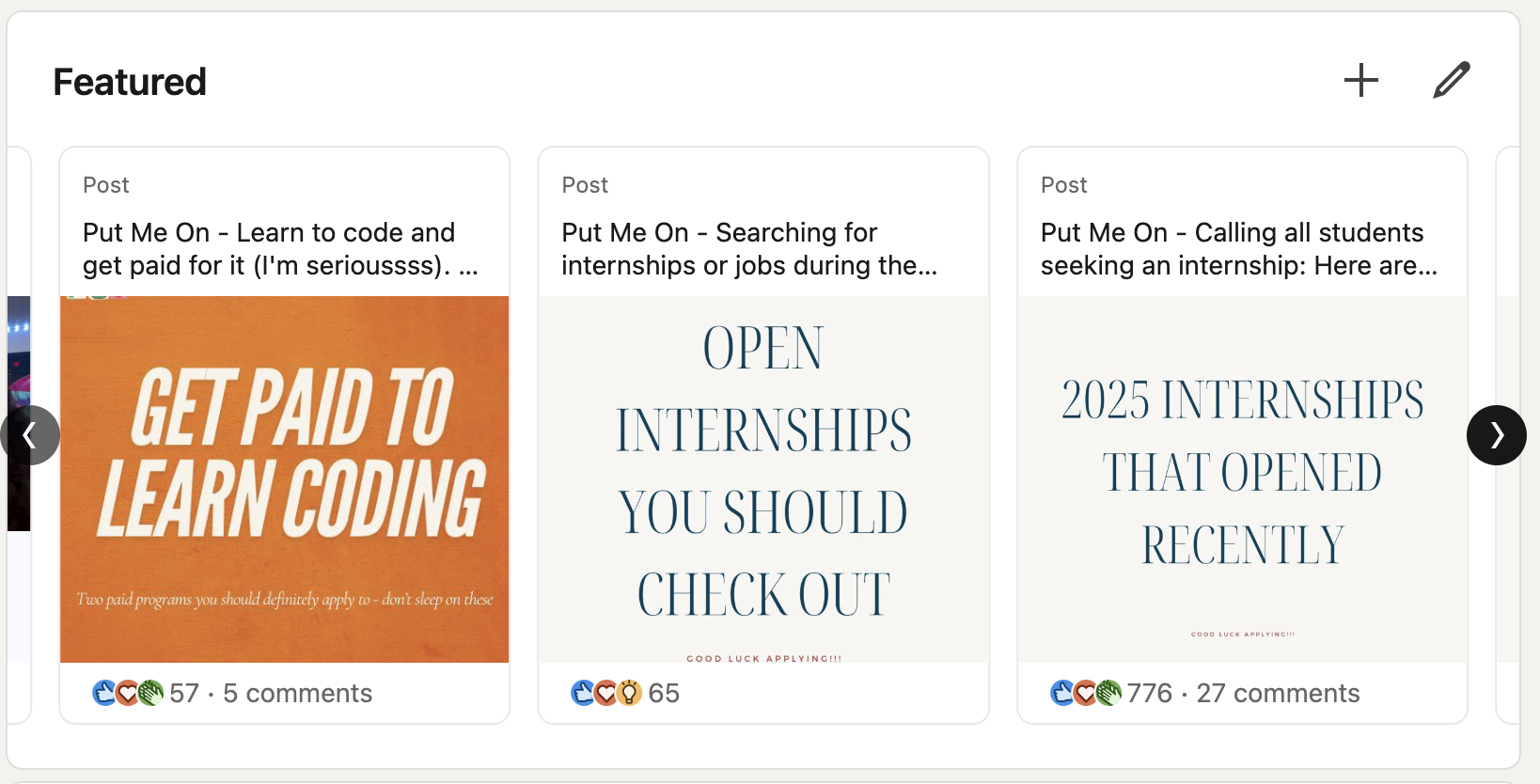
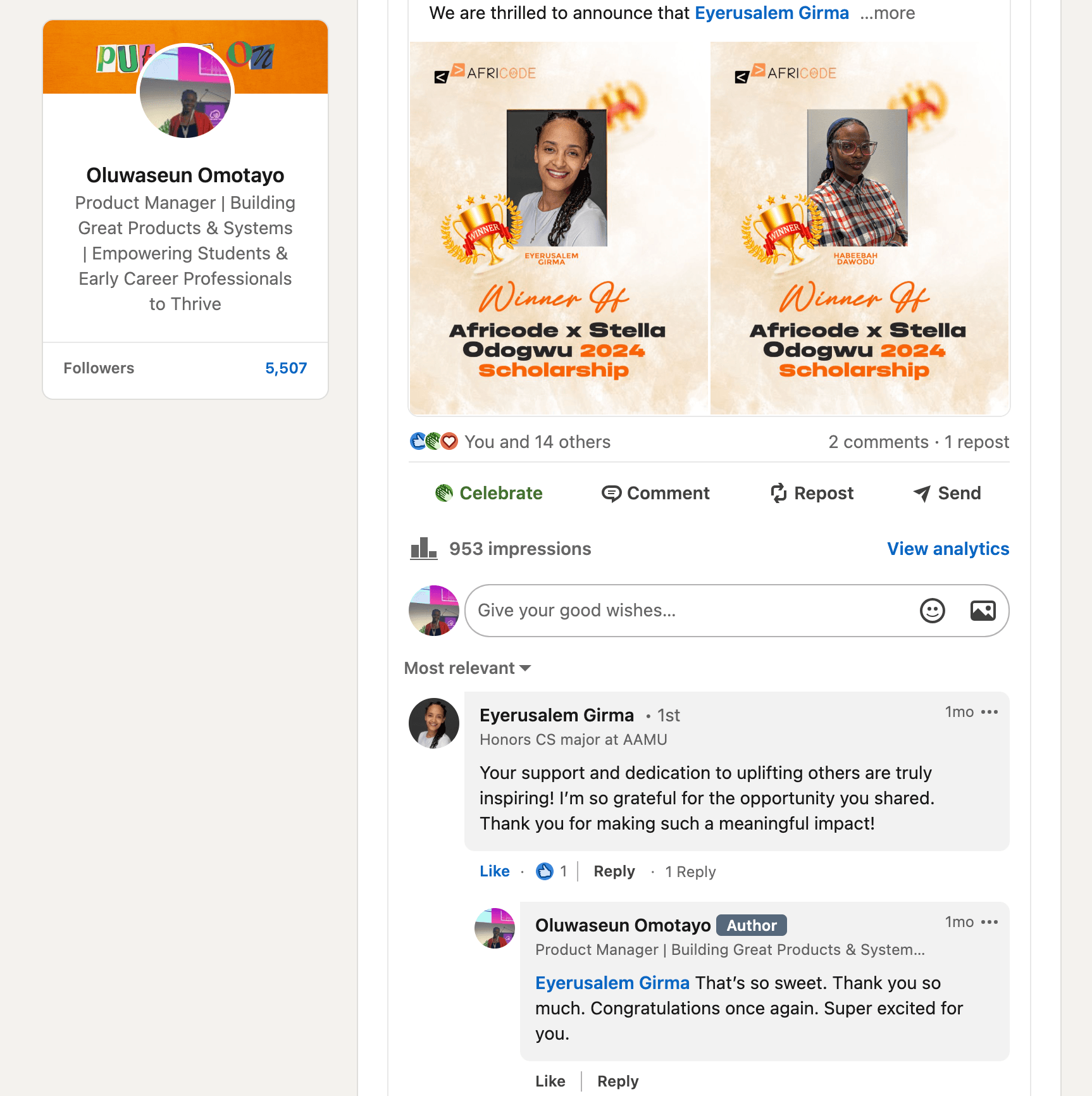
One of the most important factors that has helped build the reputation of Put Me On is the simple act of consistently showing up. When we first started, we didn’t have the luxury of massive resources or a large team. What we had was a clear mission and the commitment to show up every day; through social media posts, sharing opportunities, and connecting directly with our community.
From the beginning, we focused on providing value without expecting anything in return. By consistently sharing job opportunities, career resources, and advice, we were able to build trust with our audience over time. At first, it was small wins—helping someone land their first internship or sharing a piece of advice that made a difference. But these small actions added up, and people started to recognize Put Me On as a go-to resource for career opportunities and guidance.
As we continued to show up week after week, we built meaningful relationships with our followers. Our community grew because we stayed true to our mission and kept delivering value. The people who benefited from our resources began sharing Put Me On with their networks, and word-of-mouth became one of our strongest tools for growth.
That consistent presence led to bigger opportunities. As our reputation grew, so did opportunities for collaborations and partnerships. People knew they could count on us, and that trust led to more visibility and growth.
Contact Info:
- Instagram: https://www.instagram.com/putmeontoo/
- Linkedin: https://www.linkedin.com/in/oluwaseunomotayo/
- Youtube: https://www.youtube.com/@PutMeOn1