

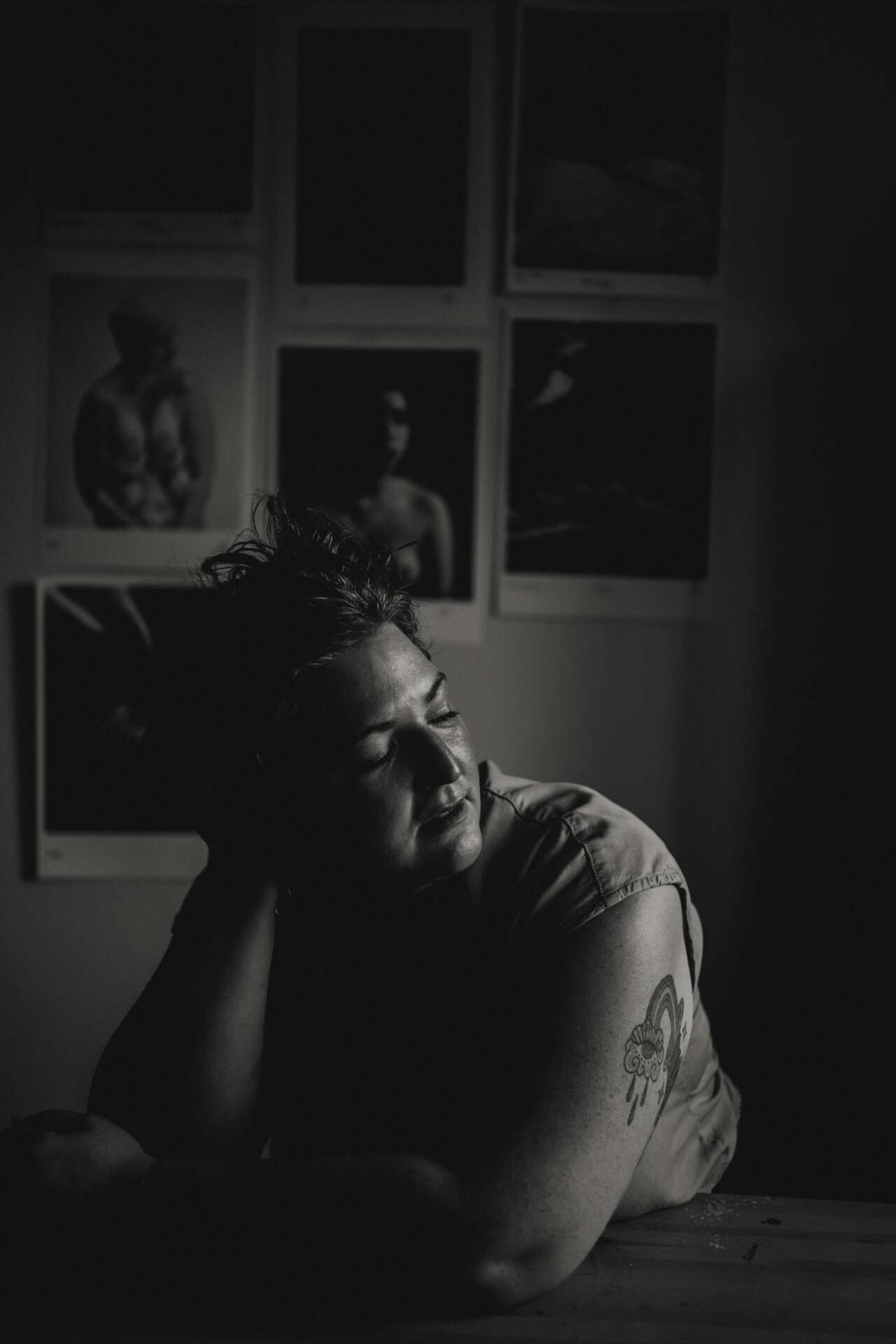

We were lucky to catch up with Olivia Phare recently and have shared our conversation below.
Olivia, looking forward to hearing all of your stories today. What’s been the most meaningful project you’ve worked on?
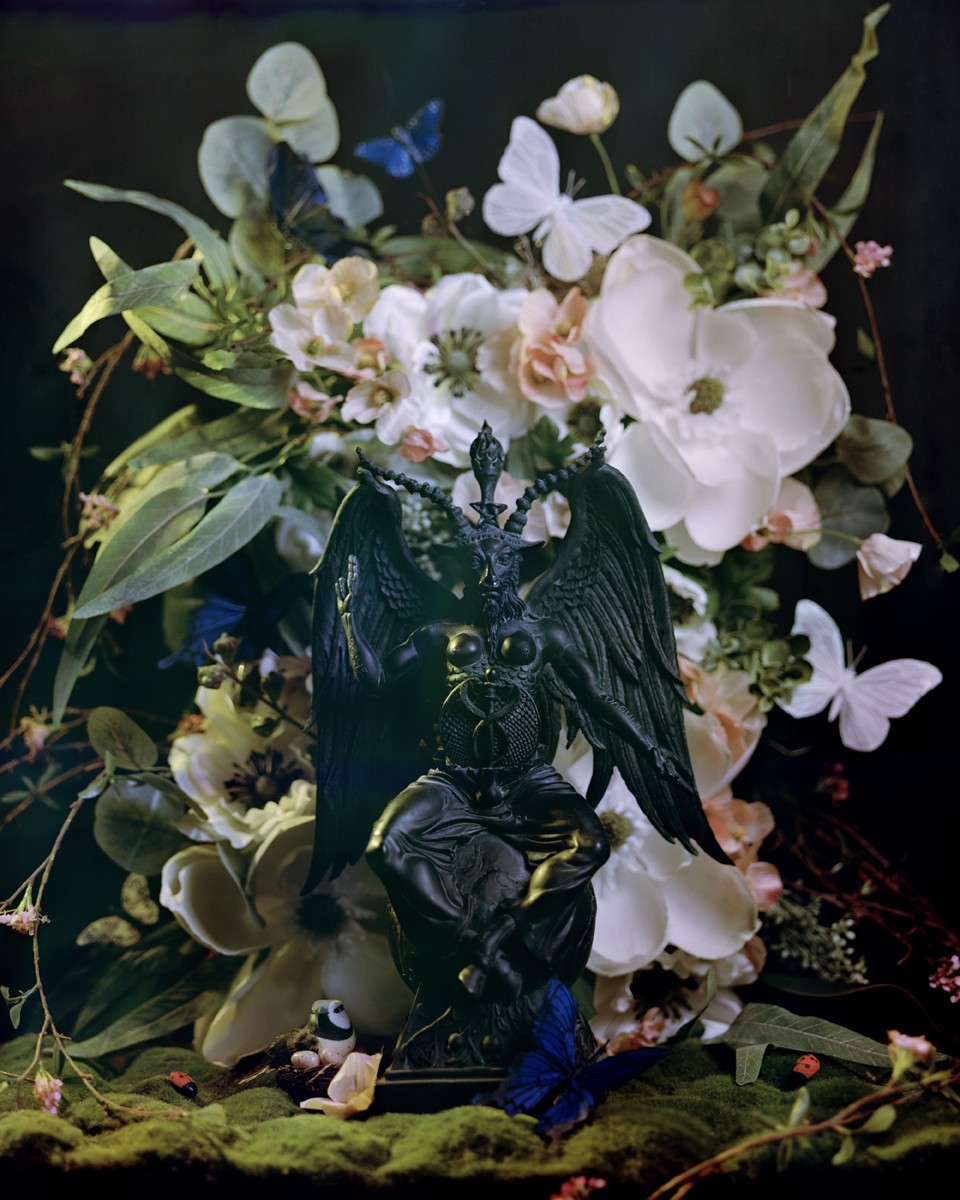
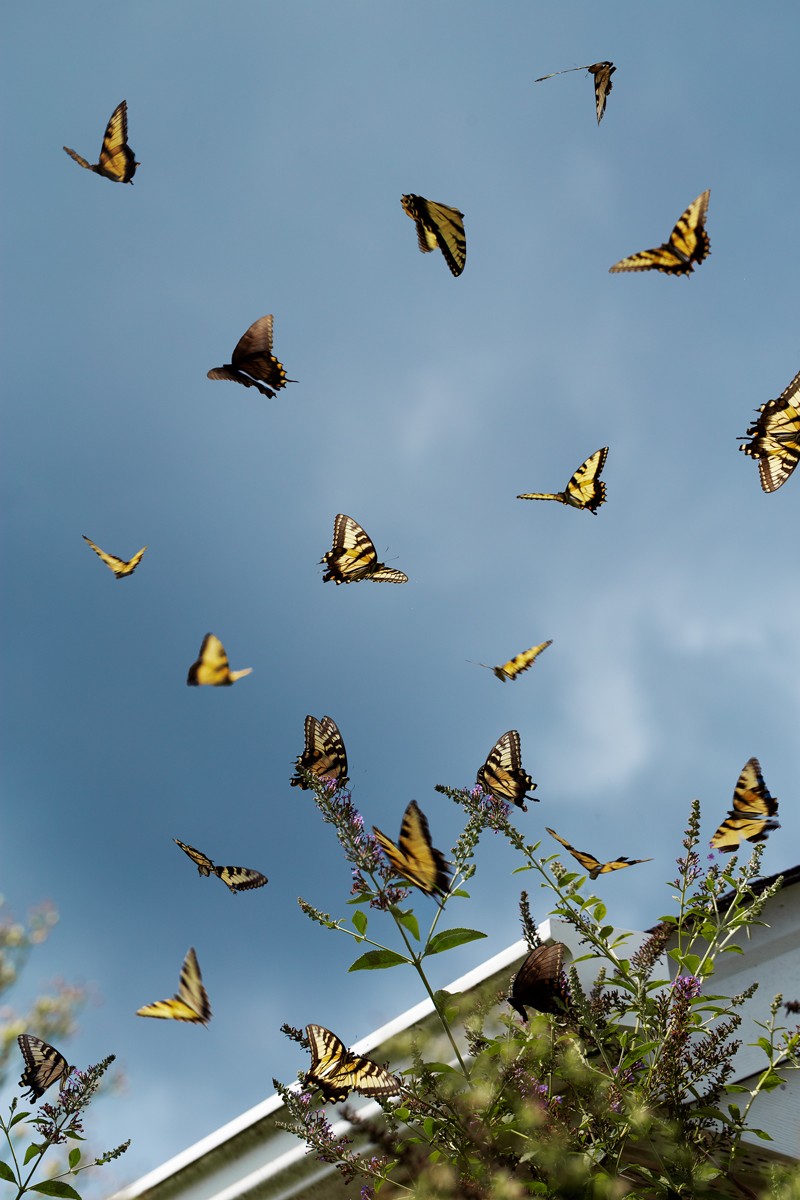
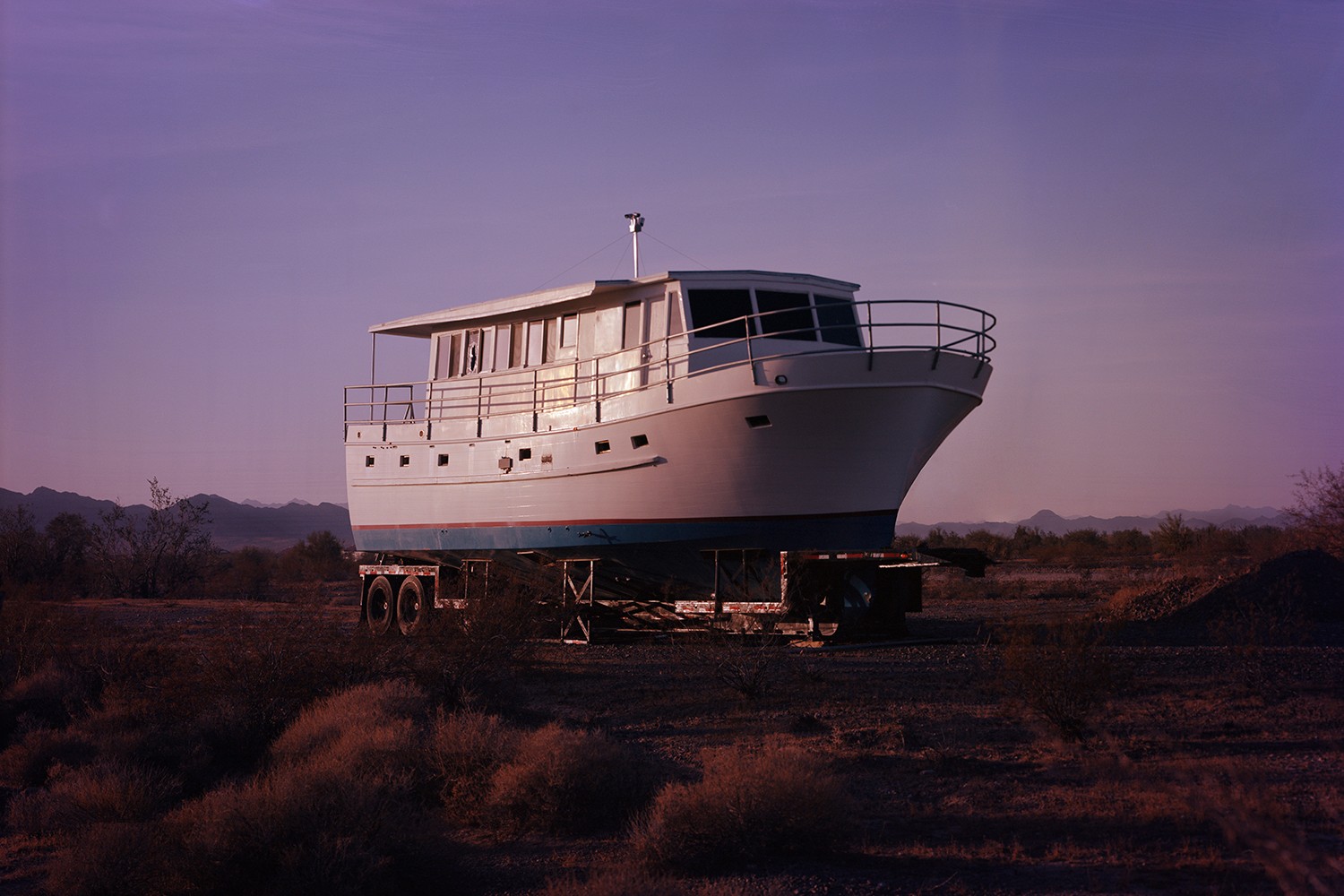
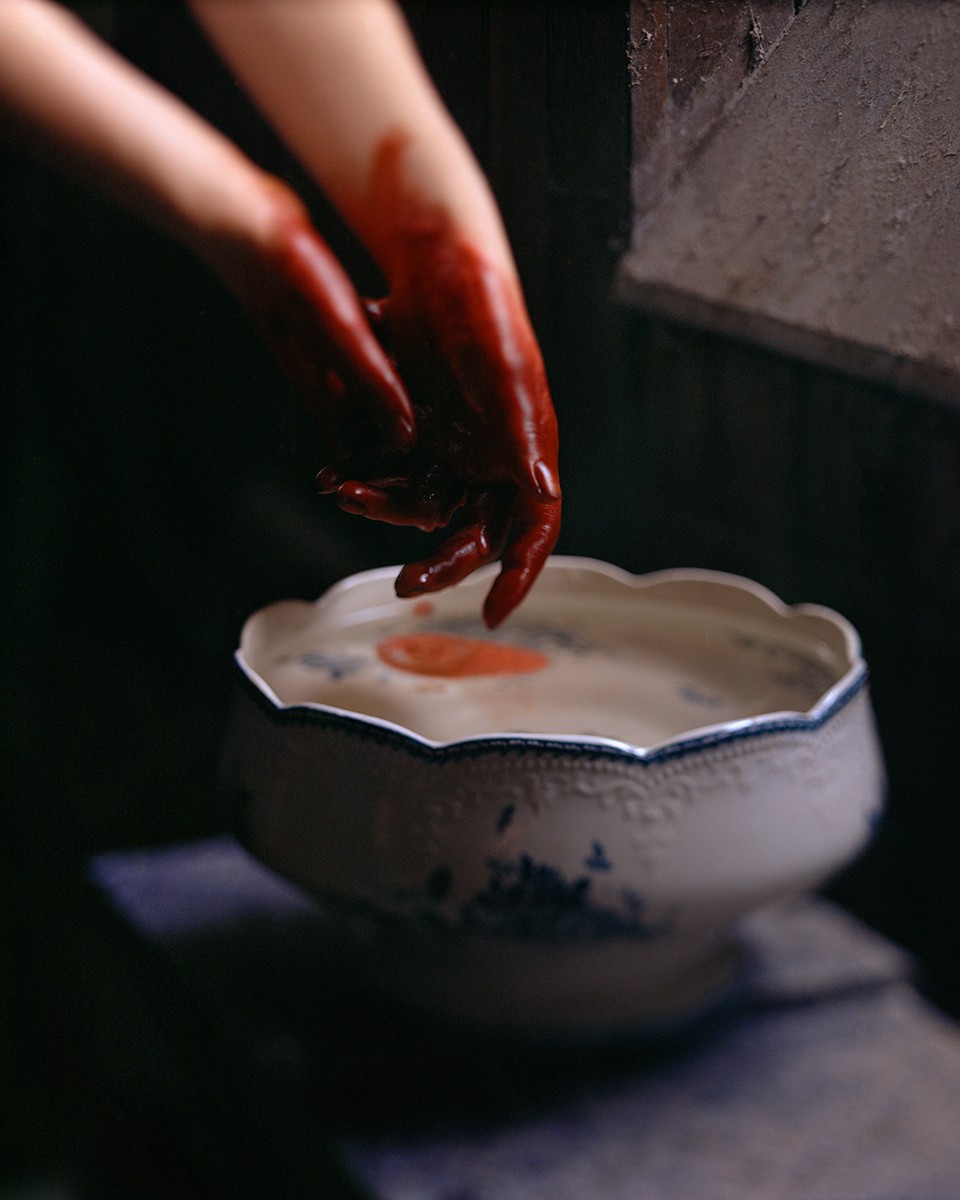
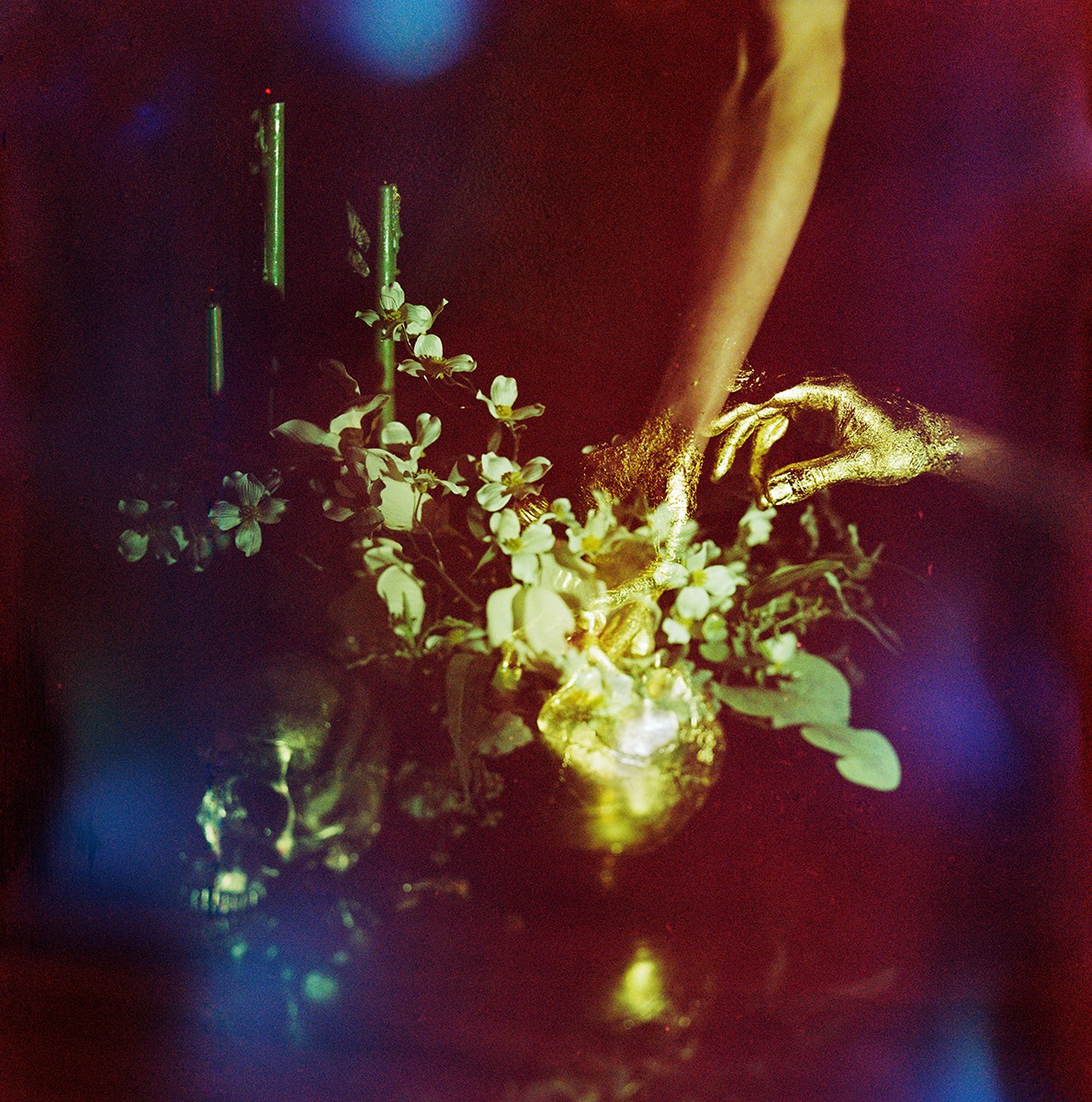
Genesis is a photographic series about the origins of my unbelief, the Biblical myth, and my family’s myths. It’s the place I’ve gone to work through the fall out of my deconversion from Christianity at the age of 29 and the subsequent rift that developed in my family as a result.
I grew up in a conservative, evangelical family which planted a church when I was 9 years old. It was full of congregants who were extremely devoted to the Bible and my dad’s theological teachings about it. Living in that kind of tight knit community made it hard to develop any real sense of perspective about the world, and what I believed to be true about it. So, as you might expect, I adopted my parents’ beliefs which included overtly patriarchal ideas like purity culture and the gender binary along with more covertly racist and nationalistic ideas.
Then, one day, my perspective shifted. On a train ride, I came across a podcast episode on purity culture — the Christian tradition involving abstinence only education through shaming messages about remaining, “sexually pure.” They spoke about the damaging effects it can have on developing adolescents into their adult lives, and reminded me about the way cult communities can use sexual ethics to control their members. All of a sudden I was like, “Oh my god! I think I’m in a cult!” It was a radical transformation right there on the train.
That’s when I started working on Genesis. I needed a place to process what I was going through. Every day I was uncovering some problematic idea I believed at the same time that my departure from Christianity was causing an ever growing chasm between me and my family. I felt like I was unraveling, and it all found it’s way into my work. Genesis is both confession and accusation blended into one.
Awesome – so before we get into the rest of our questions, can you briefly introduce yourself to our readers.
I begged my parents for a camera to take Myspace pictures of my friends when I was 15, but I really didn’t do much of that when I finally got one. Instead you could find me in the backyard, macro-mode flipped on, trying to capture some interesting angle on a flower. I became obsessed with the artistry of photography, but more importantly, I became obsessed with the way you could tell a story through an image.
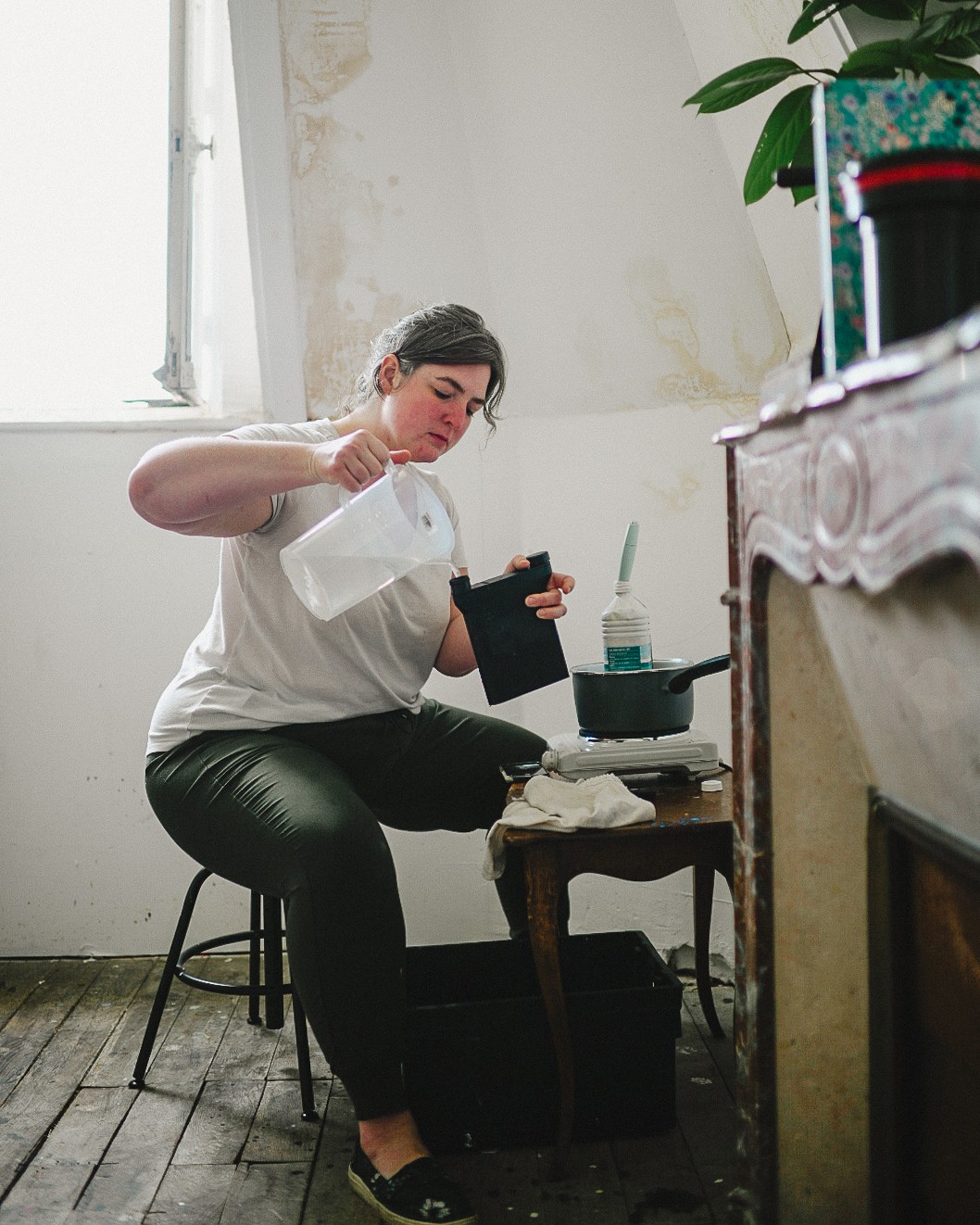
In high school I got involved with the school newspaper and yearbook before going on to study Fine Art Photography and Film at Virginia Commonwealth University. At the time I was a portrait and event photographer, which I did for the better part of a decade. That experience solidified my strengths as a photographer and storyteller, but I felt like I had more to say… personal stories I wanted to tell. So, in 2018 I closed my business and began focusing on conceptual fine-art work full time.
I use personal stories because I believe that the personal is political and our stories are the things that unite us together. They forge bonds of understanding between each of us in a way that requires progress both socially, politically, and personally. The camera has been my way to share those observations and encourage thoughtful conversation in hopes that they might affect social and political change.
What do you think is the goal or mission that drives your creative journey?
When I was in college a professor of mine always said, “Fear is the beacon,” or, put another way I’ve heard it, “Fear precedes me on the path.” As an artist, I choose to go toward fear because fear is an indicator of the work that will really push me both personally and artistically. It’s the place where I will have to call on courage and vulnerability in order to draw viewers into a conversation with the work and to make the best pieces I can without becoming didactic.
What can society do to ensure an environment that’s helpful to artists and creatives?
An ecosystem requires a diversity of life in order to thrive, and that’s something that the art world desperately needs. Of course the, “art world,” has no shortage of diversity, but the representation of unique voices from living artists at institutional levels like museums and universities is woefully limited. This is a societal failing. Artists need things like universal basic income, childcare, food security, housing security, education and healthcare in order to have the freedom to create and compete on more visible platforms. So without social programs like these, we will continue to have a shortage of Black, POC, indigenous, female, disabled, and LGBTQIA+ voices present in public discourse.
Society can change this by supporting progressive policies that will not only help artists, but which have been shown to reduce violence and drug addiction wherever they’ve been implemented.
Contact Info:
- Website: Oliviaphare.com
- Instagram: @livmakeswork
Image Credits
Olivia Phare and Krista Teeling.