
We’re excited to introduce you to the always interesting and insightful Oliver Kiisa. We hope you’ll enjoy our conversation with Oliver below.
Alright, Oliver thanks for taking the time to share your stories and insights with us today. What was the most important lesson/experience you had in a job that has helped you in your creative career?
Each project I’ve participated in has allowed me to grow and broaden my skillset. For a great producer, in my opinion, you must be able to wear many hats. You need to understand the visual medium and wear the subjective hat when developing the script. Then you need to be objective with numbers for budgets and financing, and also have a logistical mindset to organize the project. But the most important skill is leadership.
When I first started my producing career as a late-teenager, I remember struggling to lead teams of 20-30 people. I was so focused on doing everything myself that I didn’t delegate tasks. This led me to burn out quickly and be easily agitated. From the crew’s point of view, I didn’t allow them to challenge themselves. So, after wrapping and starting the edit, my schedule freed up, and I allowed myself to critically analyze what I did right and wrong, and how I can change my approach in the future.
Later, while I was working on Christopher Nolan’s Tenet, I was amazed by the efficiency of such a large production with hundreds of crew members across dozens of departments. I had bosses who were on their feet every hour of every day, juggling multiple priorities in a time-constrained environment. No matter how stressful a day was, I was always willing to go the extra mile and support them in any way I could, because they were great examples of exceptional leadership. It gave me a vision for myself of the leader I want to be. Afterward, when the pandemic hit and everything was locked down, I had the time to research and learn more about leadership skills.
So, I signed up for a day-long leadership class that required me to fill in an extensive personality report. I needed to learn my weaknesses and strengths, so I can best define my leadership style. It provided me with the basics to put into practice once I returned to work. Then, throughout the years of producing films and working on other Hollywood productions, I’ve refined my approach to managing people.
The leadership course introduced me to the strategy of leading from the front. So, I still have the urge to do everything myself, but with time and experience, I now also know what I need to handle and what I can delegate to others. Allowing others to tackle challenging tasks not only helps them grow but also showcases my trust in them, which makes the entire process more collaborative and goal-oriented. The most important side of leadership is not just project or crew management, it’s the soft skills that will define everything. I know it took me time to figure out and refine said skill, and I know I will learn a ton more in the future. By reflecting on my earlier career and projects to where I am now, I strongly believe that the effort I put into developing my leadership skillset has also allowed me to move on to produce bigger projects.
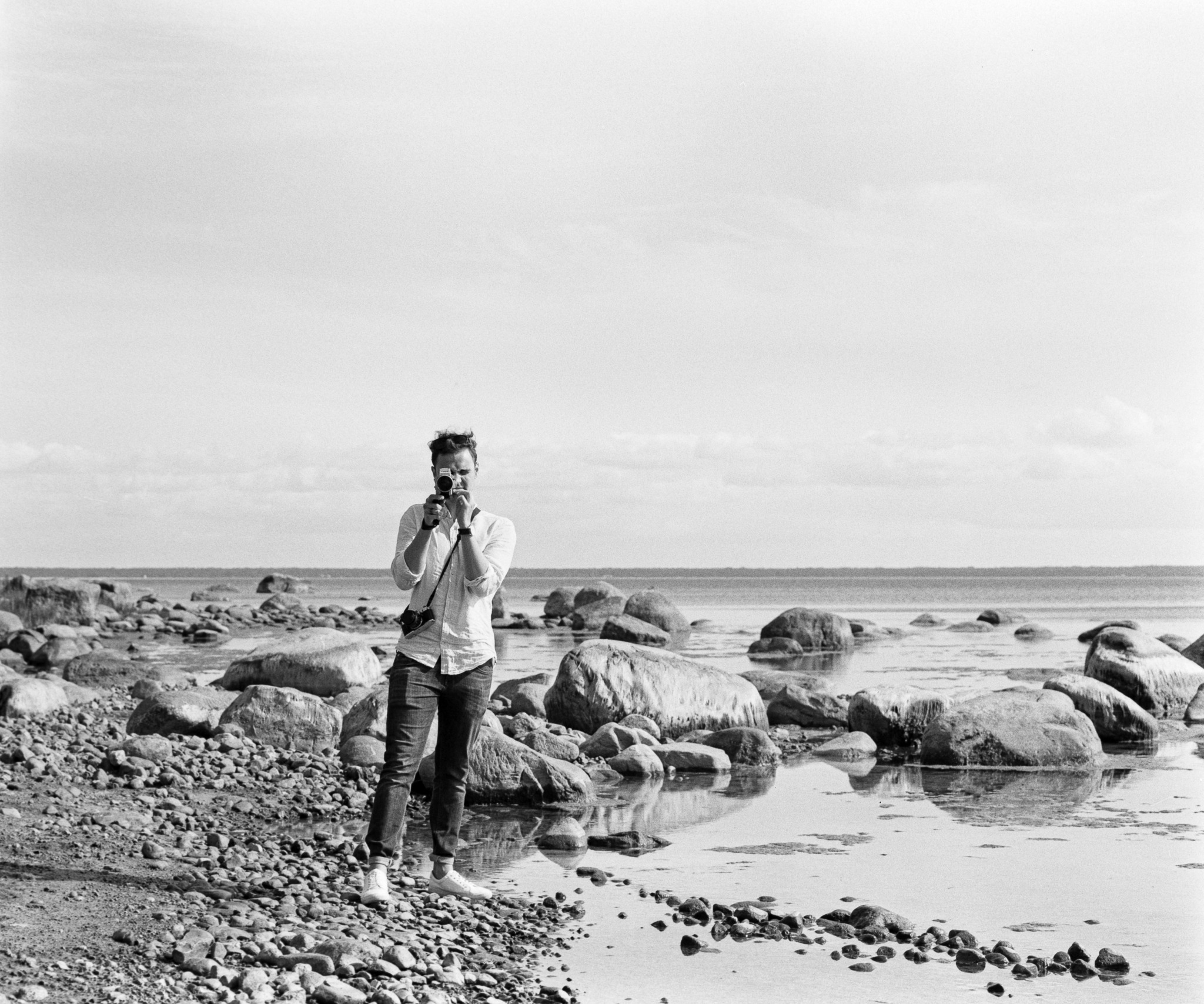
As always, we appreciate you sharing your insights and we’ve got a few more questions for you, but before we get to all of that can you take a minute to introduce yourself and give our readers some of your back background and context?
I grew up in Tallinn, Estonia — a small Baltic country where my passion for filmmaking developed at an early age. My parents had collected stacks of US film cassettes during their time abroad, from Aliens and E.T. to Jurassic Park and Point Break. I didn’t speak English yet, so I gravitated toward action and thriller films, where emotion played out through movement, tension, and silence more than dialogue.
After my first year of high school, I realized I was drawn to the magic behind the camera. That summer, back in Estonia, I marched into a local production house, Nafta Films, asking for set experience. The next day, I was on the call sheet for a Mercedes-Benz commercial. I proved myself to be a resourceful member of the production team when I found and secured a key location for a commercial just a couple of days before filming took place.
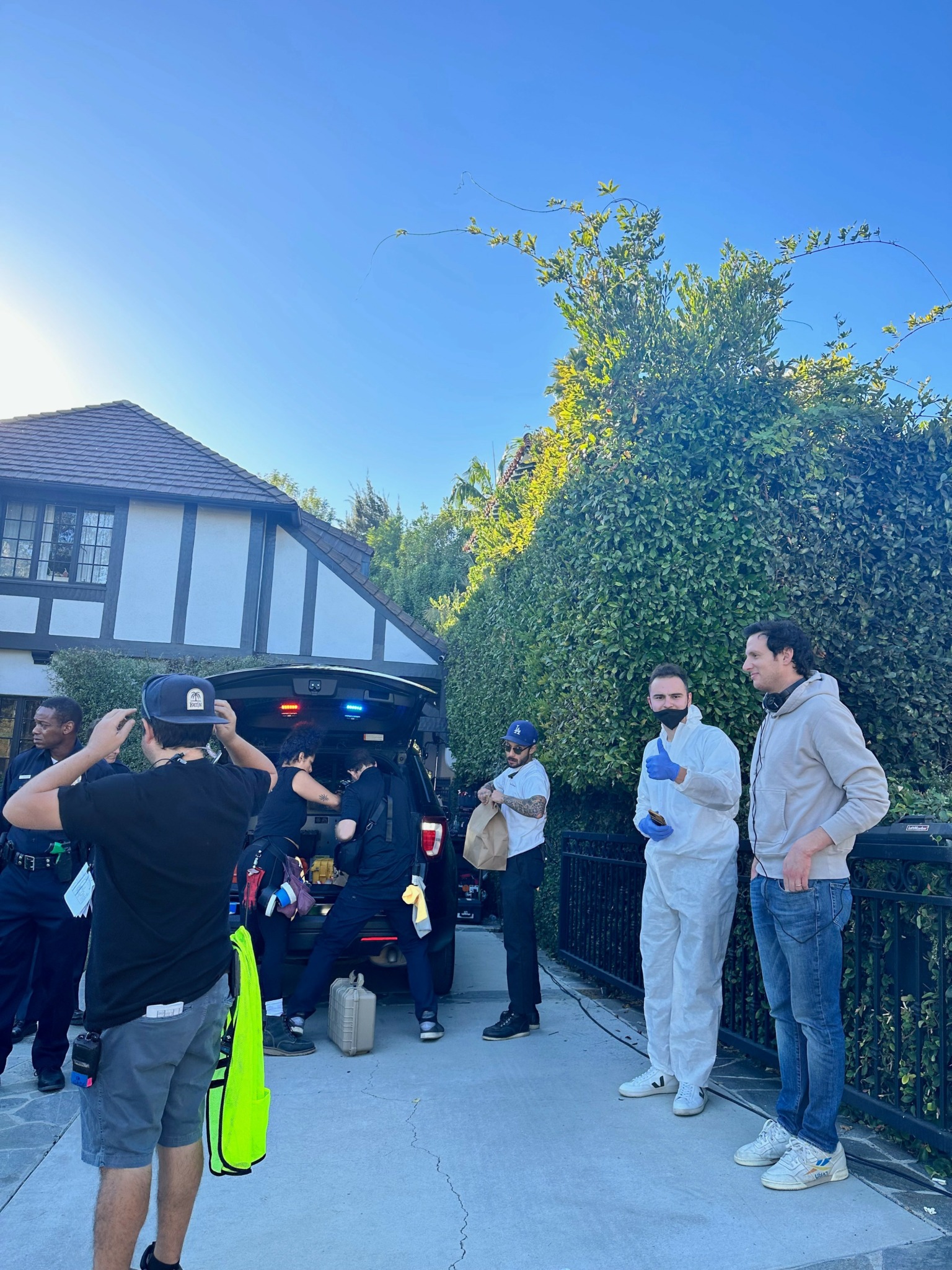
My career took a turn in 2019, when Christopher Nolan’s epic Tenet was to be shot in my hometown. I was at home once again for spring break when I learned the news. So, I pushed and networked until I was onboarded for the Estonian segment. It was my first Hollywood experience, and it opened doors for me once I had returned to London to continue my undergraduate degree. I was lucky to continue expanding my professional experience on other large productions such as Fast & Furious 9, Mission: Impossible, and The Diplomat.
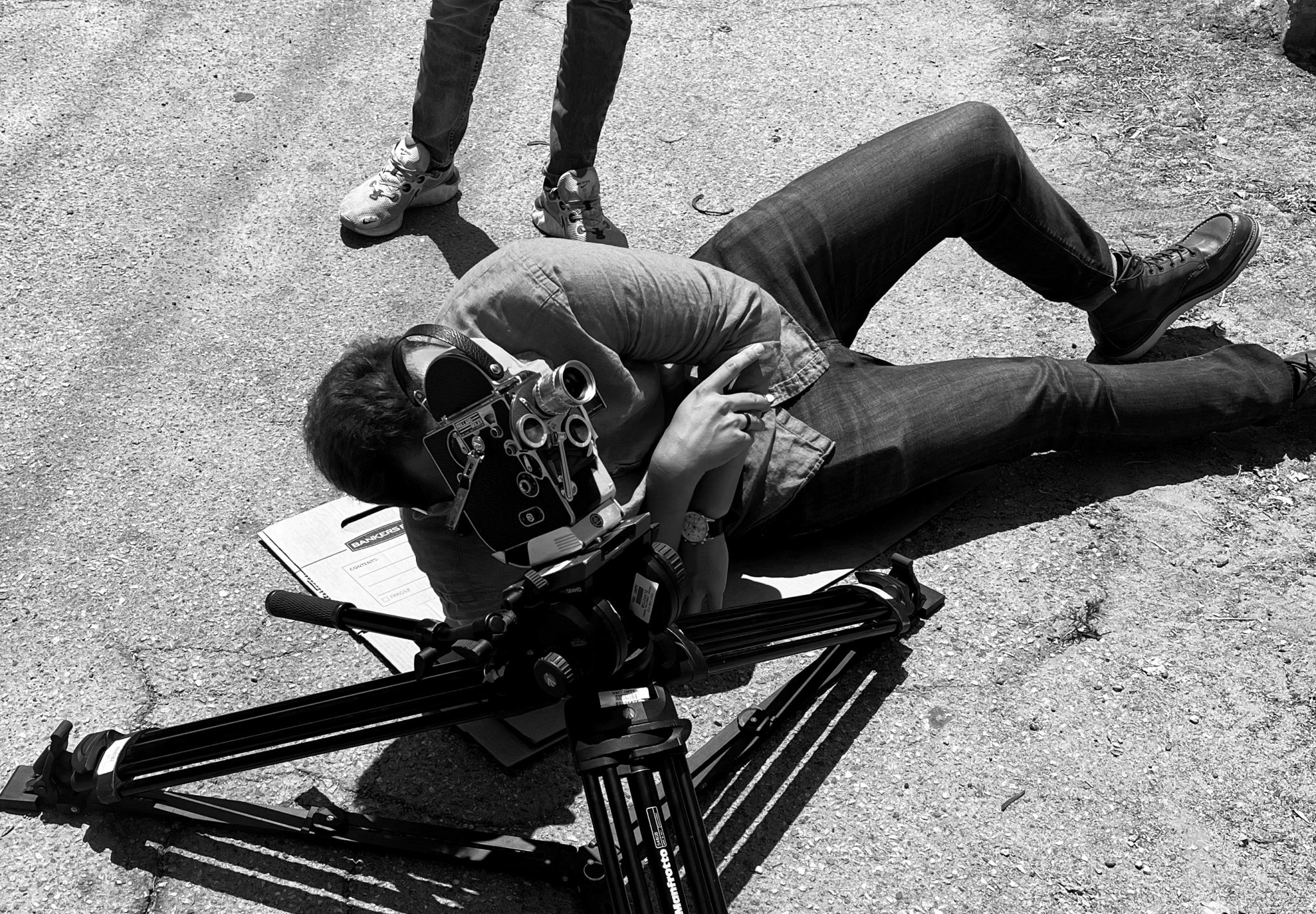
When the world went into lockdown in 2020, I returned to Estonia and rejoined Nafta Films, as they were gearing up to shoot a trilogy of medieval crime thrillers, Melchior the Apothecary. On the production, I joined a two-man team and co-produced the behind-the-scenes film by conducting interviews, filming B-roll on Super8, and editing the footage. It was my first unscripted project — a crash course in adaptive storytelling and marketing strategy.
After graduating from my bachelor’s degree, I was looking for opportunities to learn the business and the art of producing. I successfully applied to USC’s Peter Stark Producing Program, chaired by Oscar-winner Ed Saxon, who produced films like Silence of the Lambs, Philadelphia, Adaptation, and more. Outside of class, I worked in development at companies like Plan B, Esmail Corp, and Madison Wells. The program gave me invaluable insight into the industry’s inner workings and introduced me to creative leaders like Michelle Brattson, Jeffrey Korchek, Janet Graham Borba, Jeff Melvoin, and Jessica Sharzer — all of whom shaped my taste in films, goals, and the way I approach producing today.
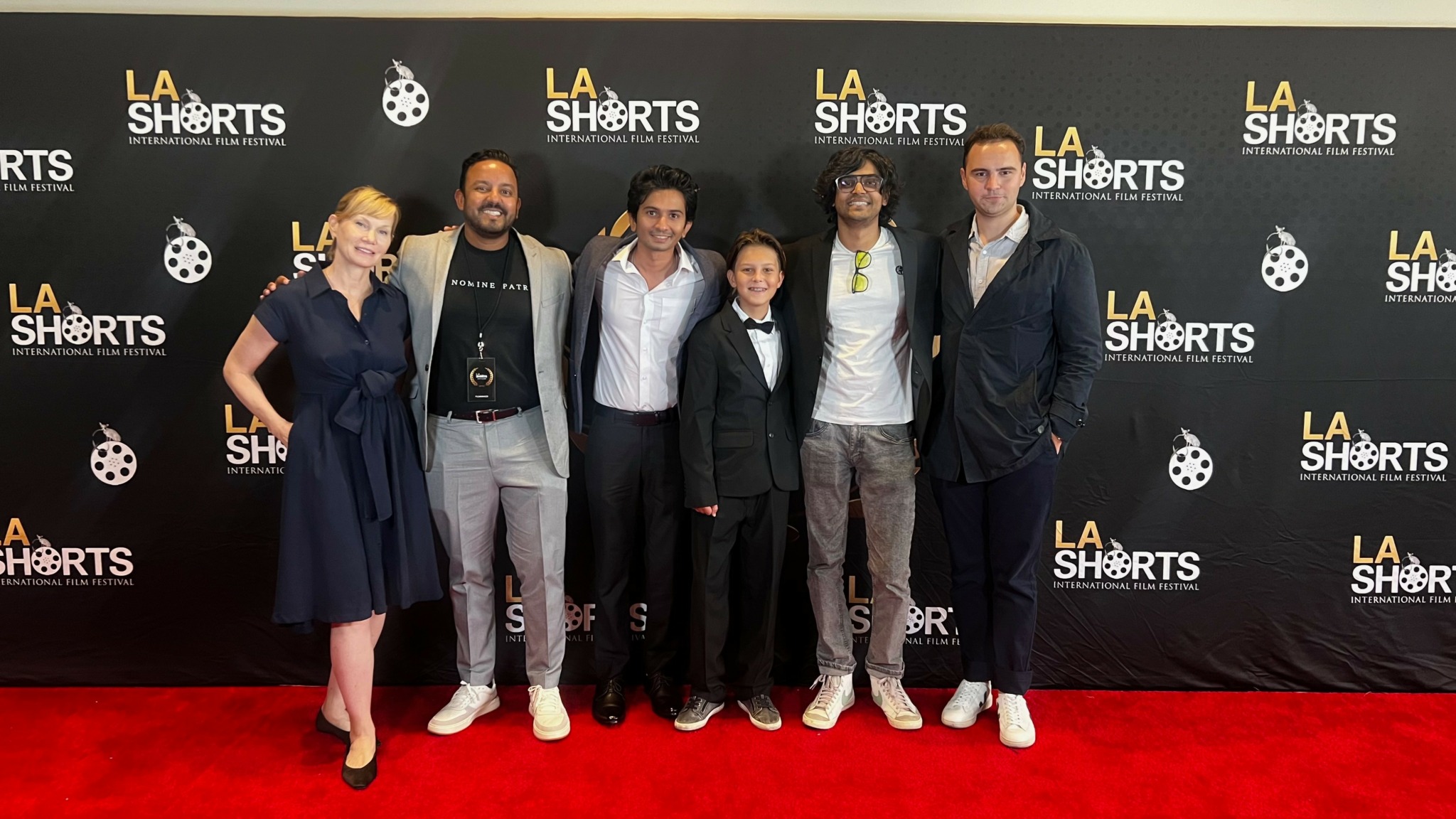
Over the past few years, I’ve produced short films selected for festivals including the Catalina Film Festival, Pasadena Film Festival, LA Shorts, and Indie Short Fest. I also continued collaborating with Estonian partners, recently helping edit and deliver a travel series to one of Estonia’s biggest networks, TV3.
Today, I’m focused on developing character-driven feature films to produce for global audiences that offer the thrill of an emotional rollercoaster, the spectacle of visual wonder, and a lingering sense of satisfaction.
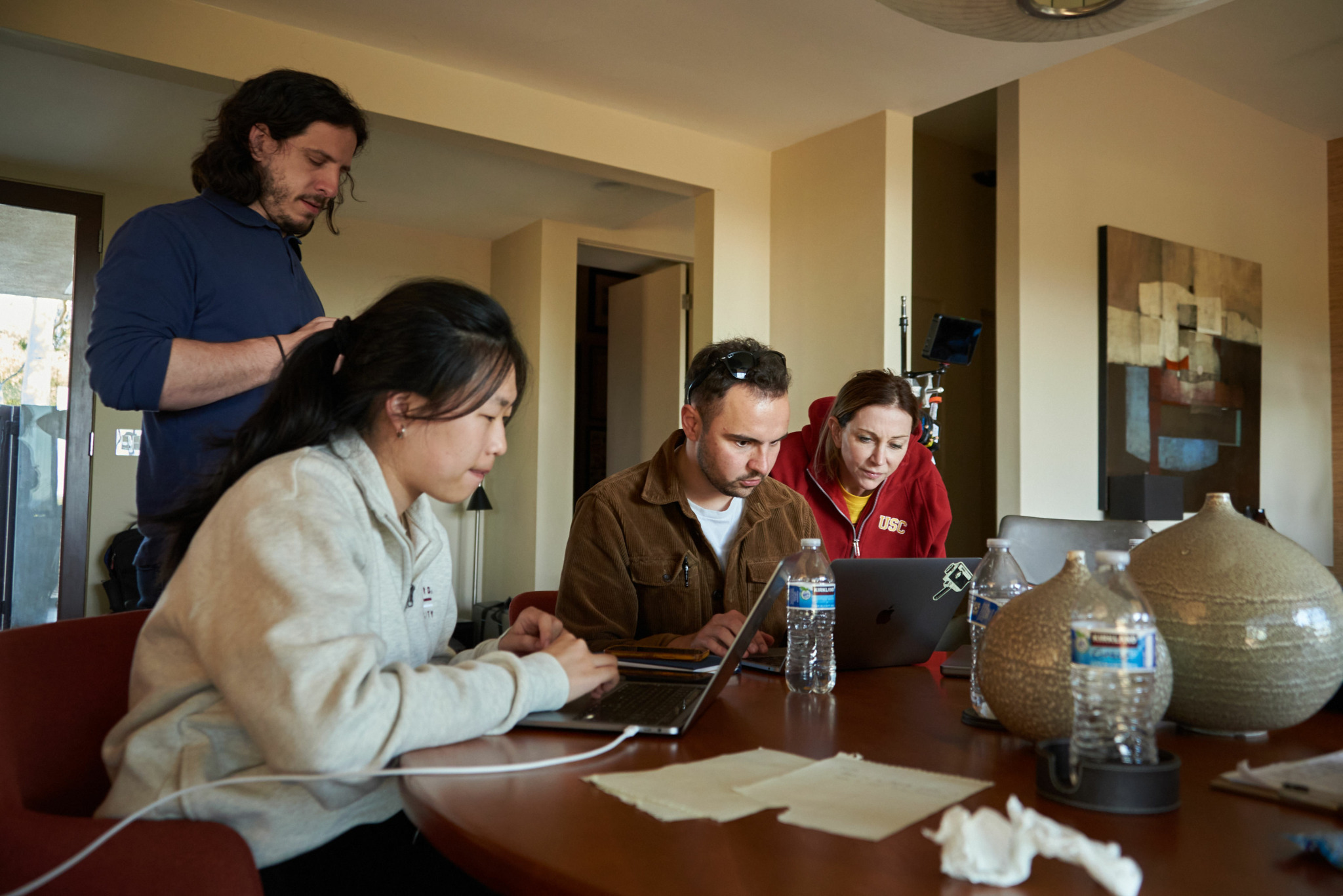
What do you think is the goal or mission that drives your creative journey?
I have always loved larger-than-life stories and films. I’ve always loved films where I leave the theatre thinking: “That was an awesome experience!” The goal is to produce blockbusters for global audiences that offer a satisfying experience, either happy or tragic. I enjoy world-building and films with a unique world that are grounded in our reality. For example, 2049 Blade Runner or Interstellar – they are fictional stories in fictional universes, but they carry a sense of realism. The sense of “it could be a real world.”
On a more intimate scale, I’m drawn to films that explore tragic characters in surreal yet entirely plausible worlds. Stories like Good Time, Nightcrawler, and Leon resonate with me because they’re grounded in realism while centering on obsessive, morally complex characters we might overlook in everyday life. These films inspire my work, including a feature I’m developing with a U.S. writer, which examines the psychology of obsession, the tragedy of losing control, and the collision of clashing philosophies.
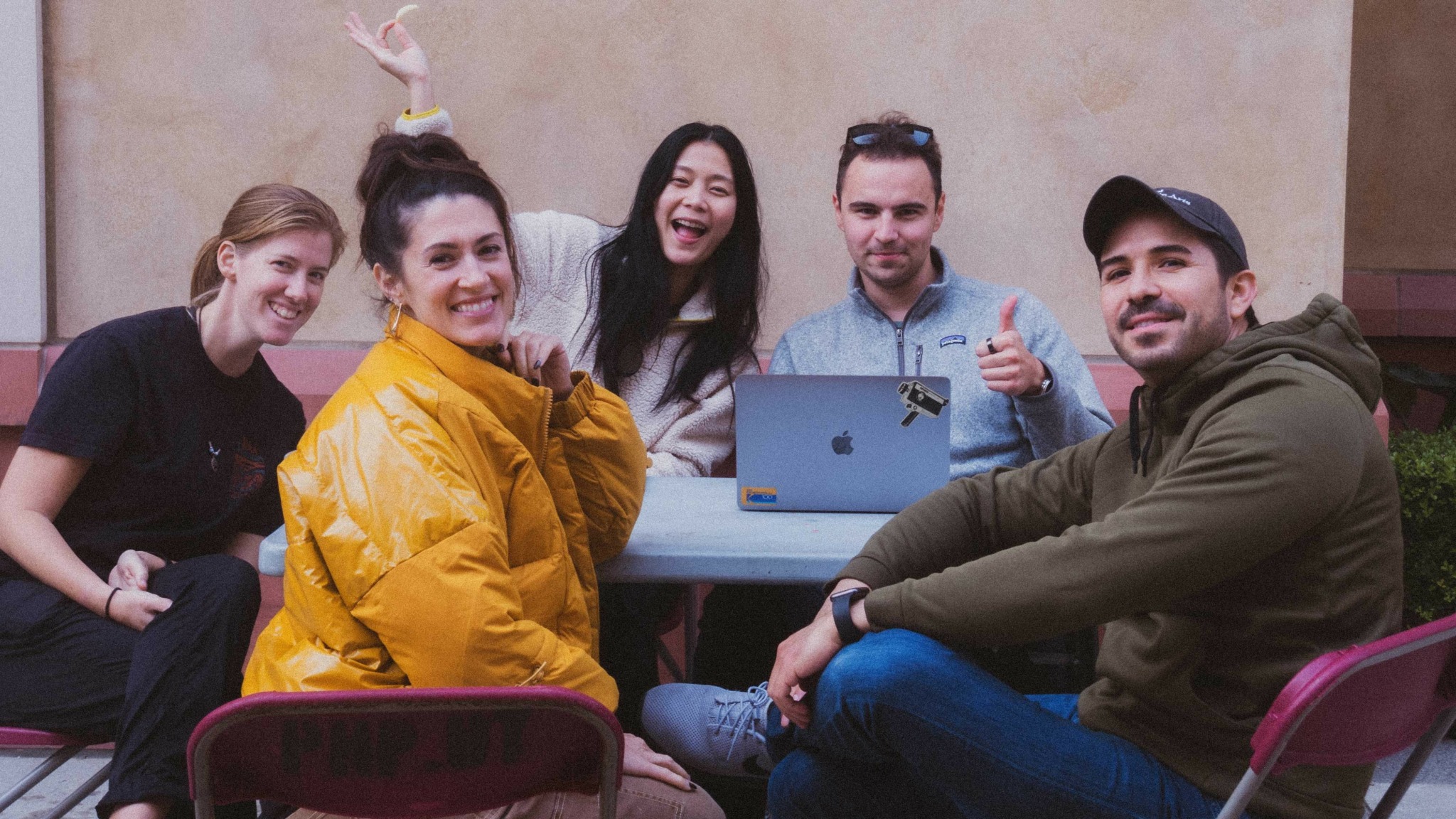
What’s the most rewarding aspect of being a creative in your experience?
For a producer, the job is to prepare for the worst and hope for the best. During shoot preparations, I like to worry; therefore, I put a lot of attention to making sure that every plan is ironclad and that there’s a solution for every potential problem. I juggle and oversee a lot of tasks: casting, crewing, insurance, contracts, finding and securing locations, equipment, payroll, transportation, budget, and more. People will be looking at me and the director for answers, so I also have to make quick decisions that have both long-term and short-term effects. It can be stressful at times, but if I do my job well, then the first day of filming feels like clockwork. Most of the crew is on set, doing their own thing, and the 1st Assistant Director controls and manages the set. It feels like a weight has been lifted off my shoulders because I had been anxious about disruptions.
The most rewarding aspect is seeing the editor’s first cut of the film. Up until this moment, everything we do is based on our subjective interpretation of the script. I always try to have multiple meetings early on so we can all be on the same page, but there’s a part of me that worries how some crucial details might get miscommunicated. Therefore, I overcommunicate ideas to eliminate that worry.
Seeing the first edit is a beautiful moment where the fruits of everyone’s labour come together. For me, preparation is the most stressful time of a project. So, this moment reflects months of work I’ve shared with collaborators, and it reinforces my love for the medium.
Contact Info:
- Instagram: https://www.linkedin.com/in/oliver-kiisa/