



We caught up with the brilliant and insightful Olessi Nar a few weeks ago and have shared our conversation below.
Olessi, thanks for taking the time to share your stories with us today Do you feel you or your work has ever been misunderstood or mischaracterized? If so, tell us the story and how/why it happened and if there are any interesting learnings or insights you took from the experience?
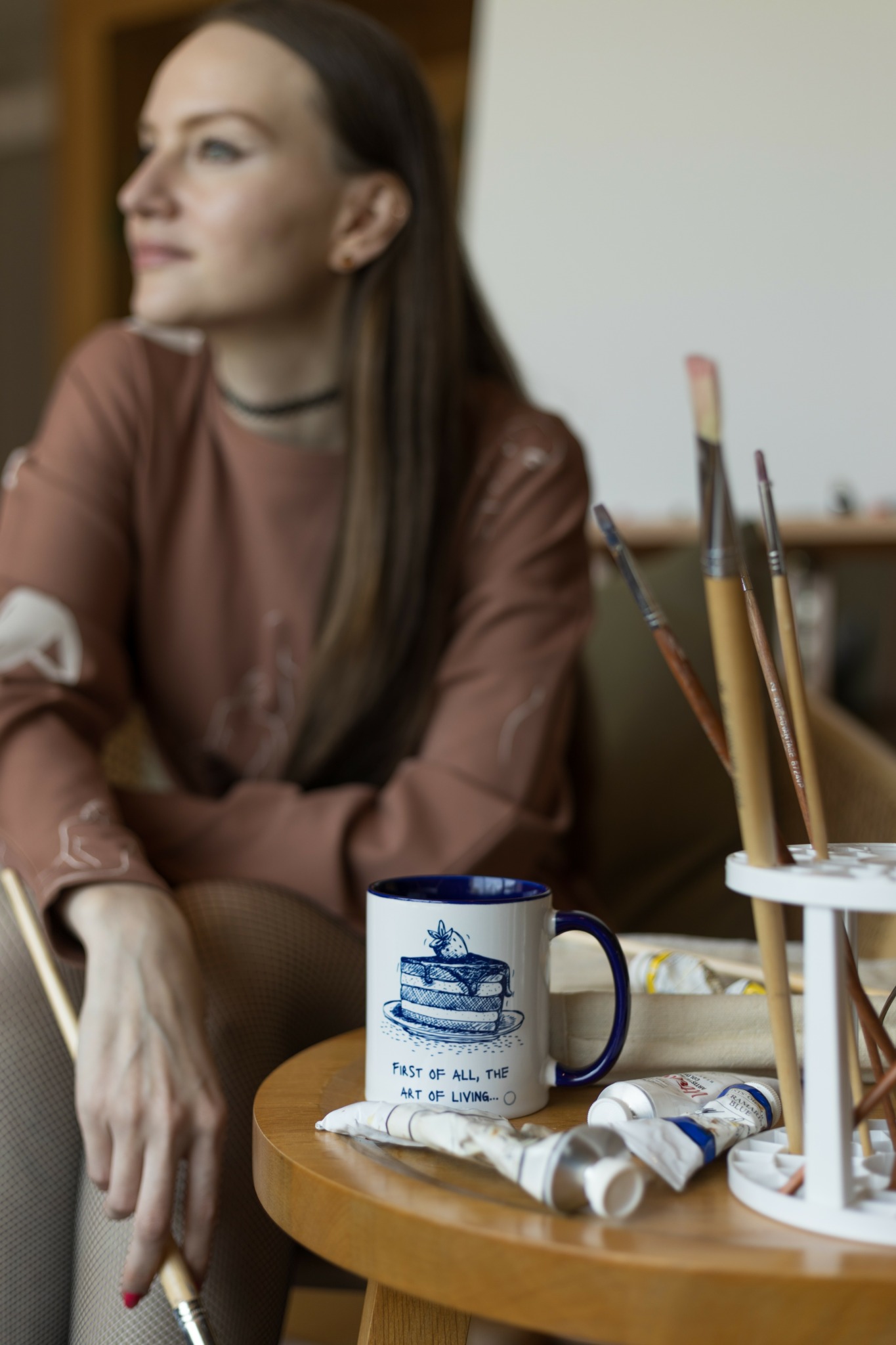
Occasionally my work is misunderstood or mischaracterized due to my age and appearance. As a young female artist, there is an assumption that it must lack depth or intellectual rigor. The stereotype that certain looks correlate with superficiality, combined with a pervasive cultural expectation of a suffering artist, has led to my work sometimes being dismissed as merely decorative. This has deepened my understanding of how societal biases can obscure more complex readings of art, particularly when they diverge from established ideals. It has also reinforced my commitment to disappointing the usual expectations and inspiring new ones.
As always, we appreciate you sharing your insights and we’ve got a few more questions for you, but before we get to all of that can you take a minute to introduce yourself and give our readers some of your back background and context?
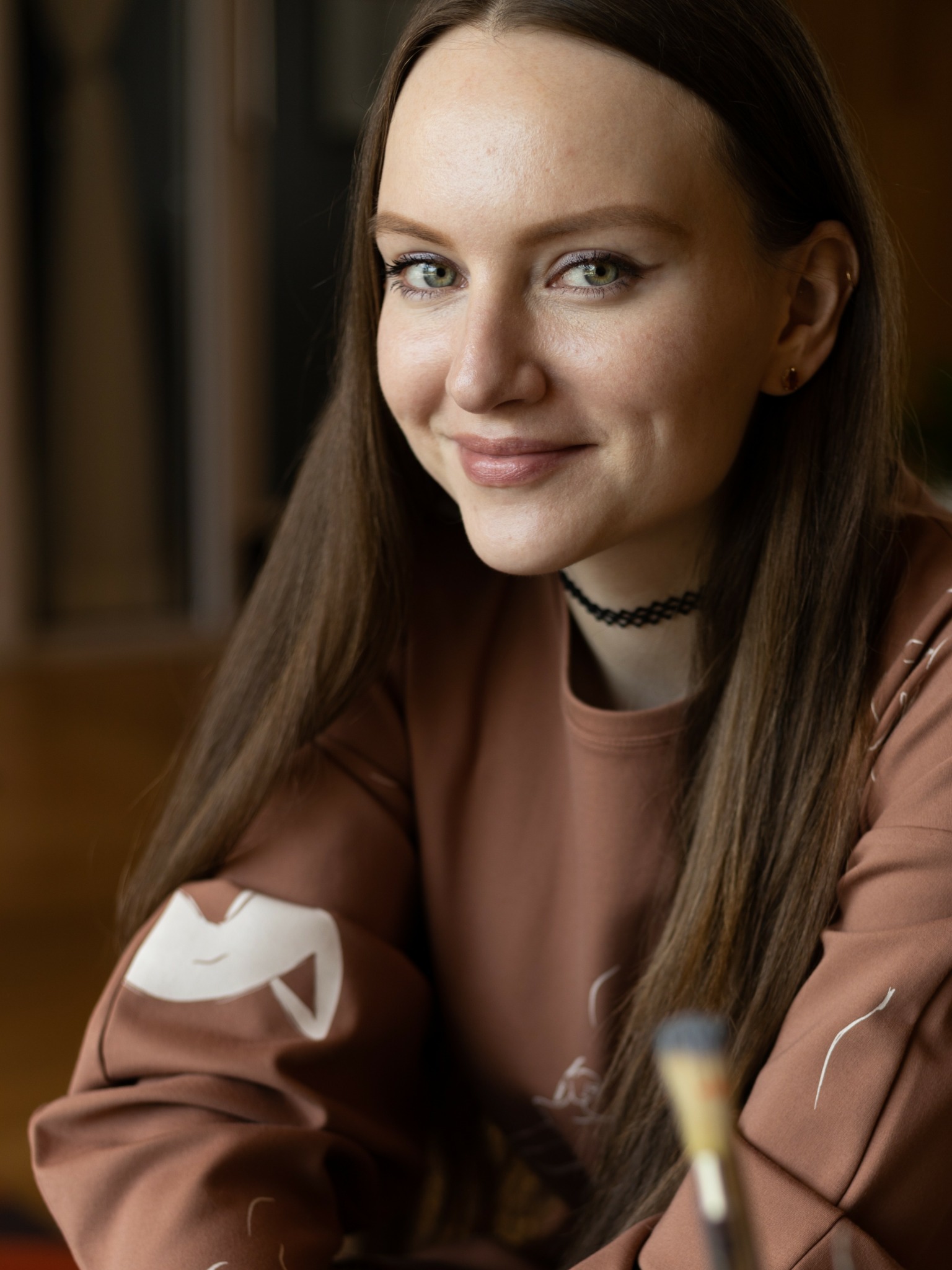
I’m a multidisciplinary artist based in New York City and Jersey City. My art practice includes painting, drawing, sculpture, photography, and music. Each body of work contributes towards the exploration of the human condition. I was classically trained as a pianist from the age of seven, and later enrolled in Running Start, a dual enrollment program in Washington state, where I took college courses while earning both high school and college credits simultaneously. It was there that I decided to continue following the creative path after taking different courses and exploring various fields, including accounting, medicine, and psychology. I was then accepted to the Savannah College of Art and Design to continue my degree. After gaining work experience in the fashion industry and marketing, which informed my art practice—particularly in human behavior, motivations, and identity creation—I rented an art studio space on Broadway in New York and focused on my studio practice.
Is there something you think non-creatives will struggle to understand about your journey as a creative? Maybe you can provide some insight – you never know who might benefit from the enlightenment.
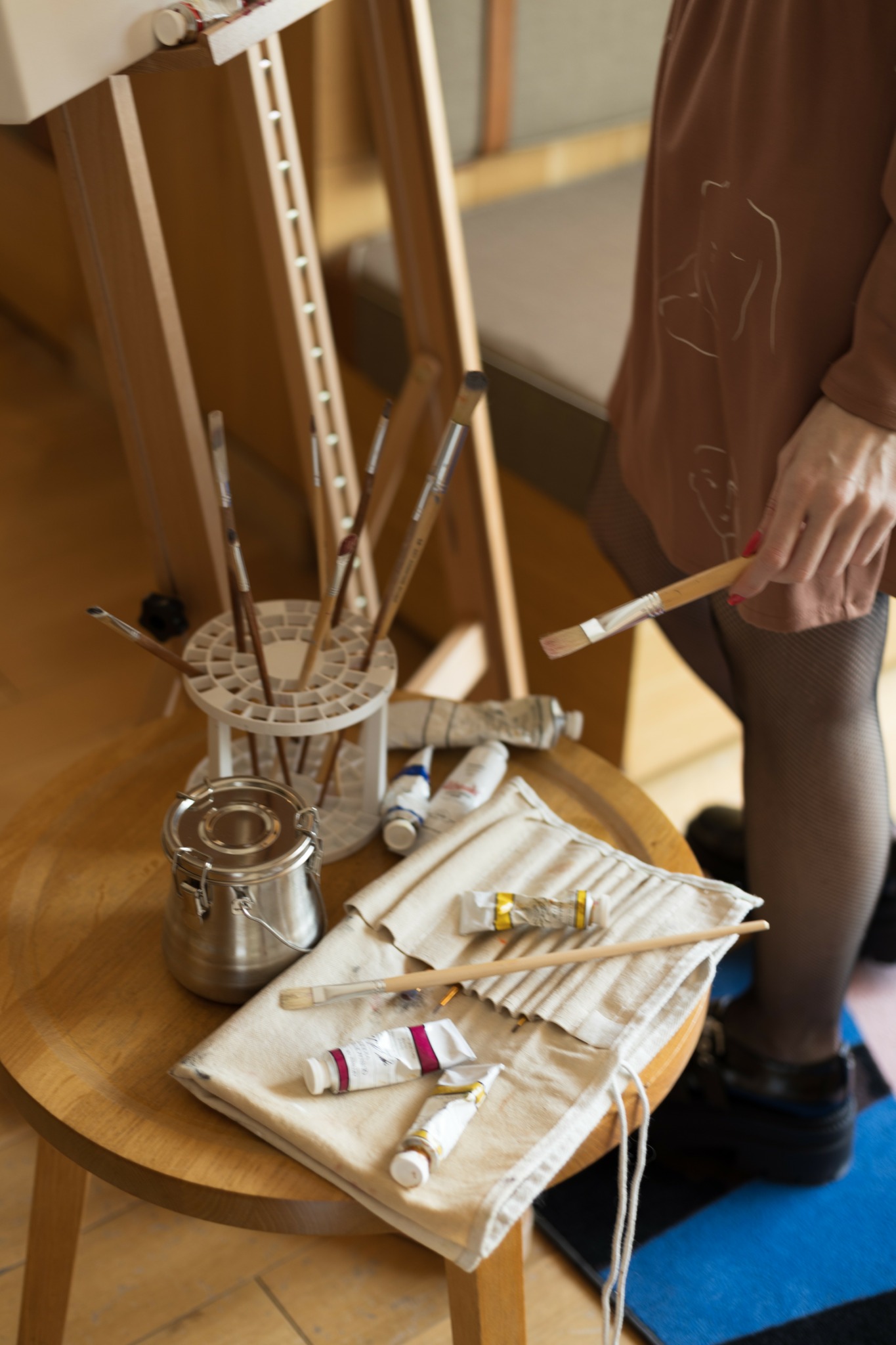
Non-creatives often struggle to relate to my view on chaos. I don’t see it as something to fear but as a great opportunity for transformation. Many people avoid the unknown because it can be destabilizing, but as an artist, I thrive in that space. This openness to the unfamiliar is a key trait among creatives, tied to our curiosity and willingness to explore new ideas and perspectives, even when it seems risky or unsettling. For me, diving into the unknown is where the most authentic and transformative work happens, and it’s in those moments of uncertainty that I feel most alive.
Can you share your view on NFTs? (Note: this is for education/entertainment purposes only, readers should not construe this as advice)
Digital art still represents a relatively small part of the overall art market. NFTs and AI-generated images tend to align more with illustration, commercial art, and the gaming industry. Currently, they don’t integrate as seamlessly with the art world or the historical tradition of fine art. However, many artists have found interesting ways to use digital technology as a tool, a process, and sometimes a concept, rather than as the final medium.
Contact Info:
- Website: https://olessinar.com
- Instagram: @olessinarstudio
- Youtube: @olessinar
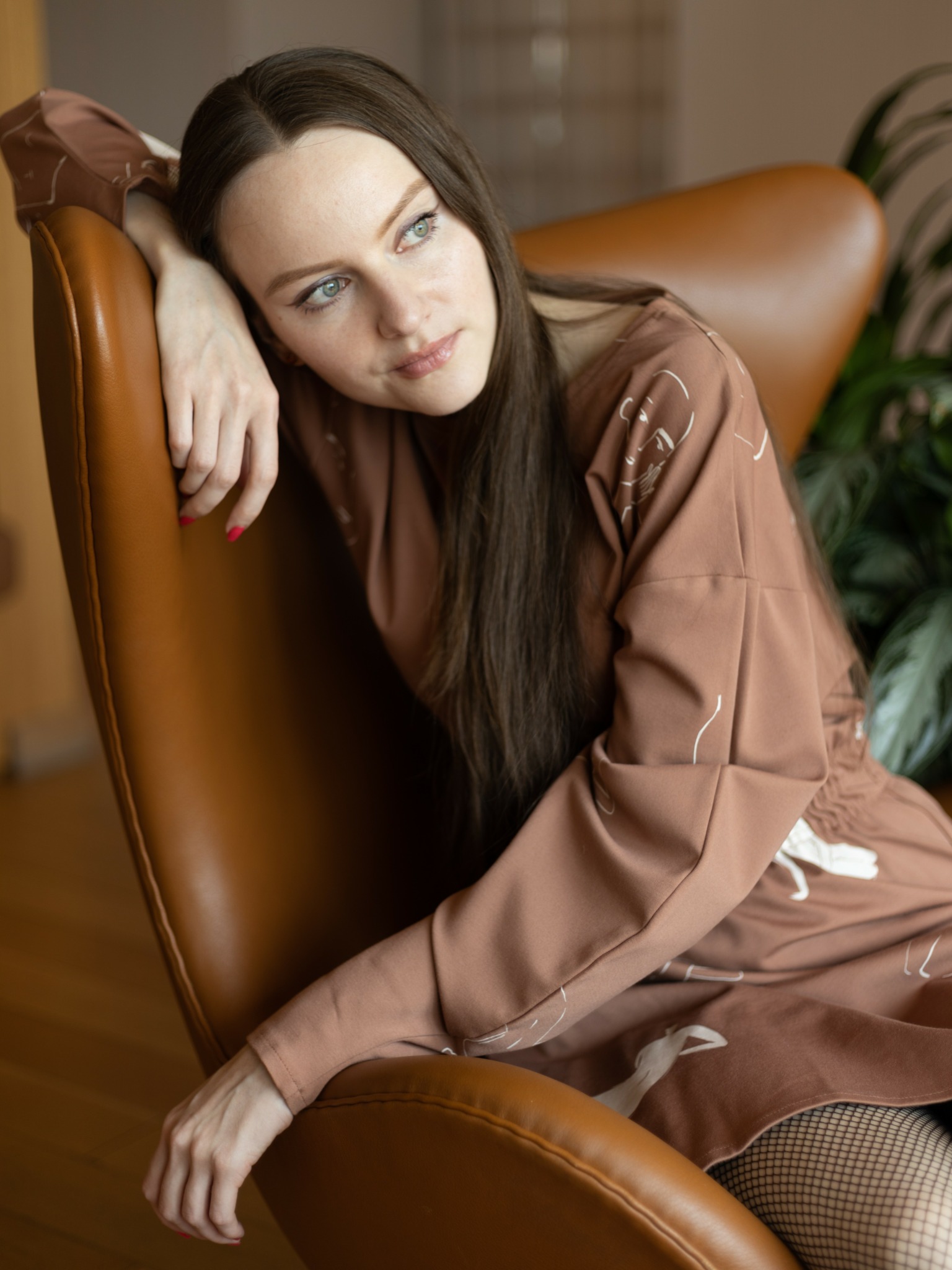
Image Credits
Anastasiya Buha