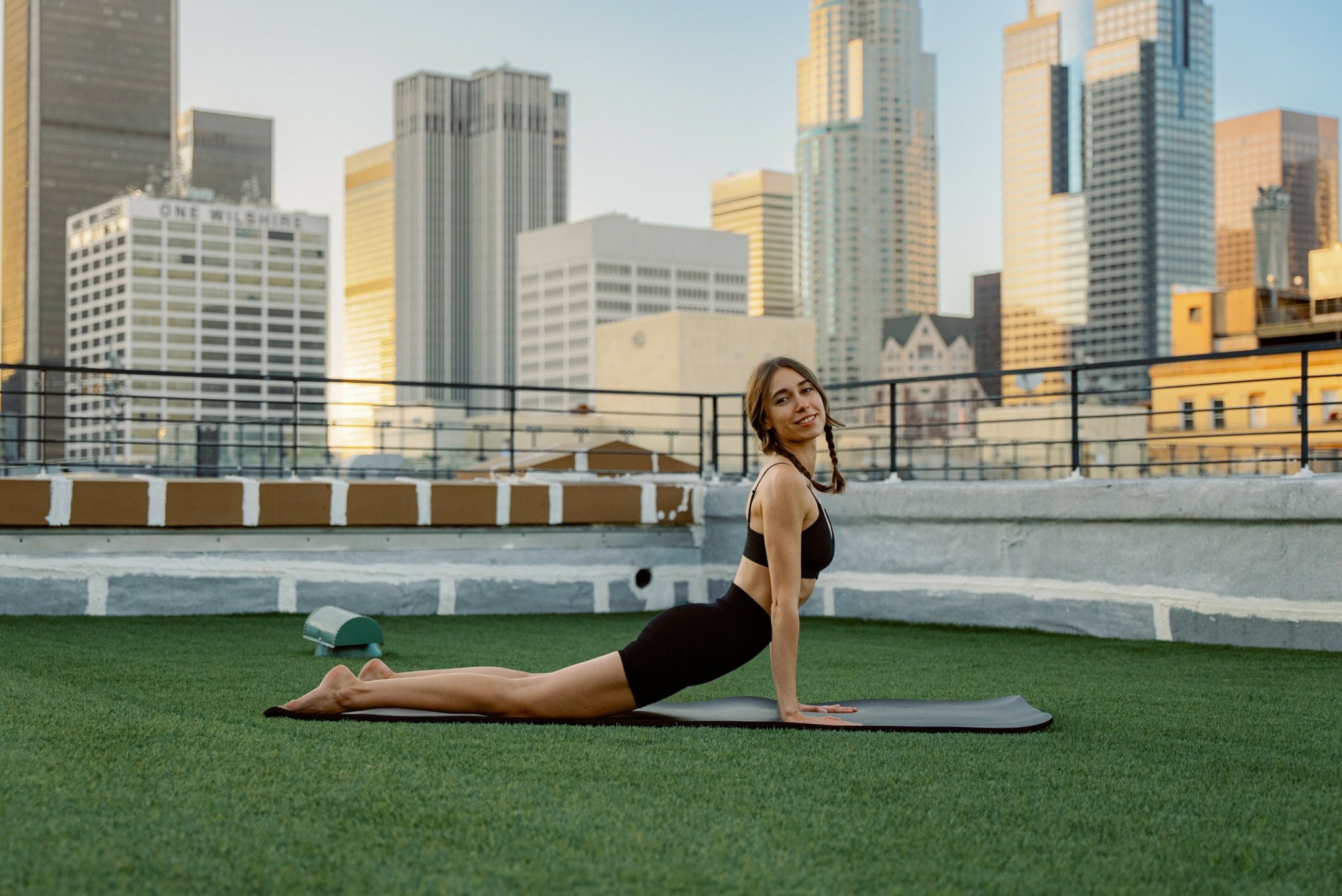

We recently connected with Olesia Chesnitskaia and have shared our conversation below.
Alright, Olesia thanks for taking the time to share your stories and insights with us today. Can you recount a time when the advice you provided to a client was really spot on? (Please note this response is for education/entertainment purposes only and shouldn’t be construed as advice for the reader)
When I was living in my home country, I worked for a large fitness studio network. Over time, as is often the case, I started to notice the same clients coming to my group classes regularly. One woman, who attended my classes two to three times a week, once came up to me and asked, “Olesia, do you think I’m doing the exercises correctly? Is my technique okay?”
Overall, her technique was fine, but I could see during the sessions that she was getting very tired – her movements made it clear. I asked her why she was asking about her form, and she said she was training regularly but wasn’t seeing any results. As her instructor, it pained me to hear this, so I decided to dig deeper.
I asked her what her main goal was with her workouts. She told me she wanted to lose weight and tone up. After talking more, I found out that she wasn’t just coming to my hot Pilates classes three times a week. She was also attending stretching classes once a week, fitboxing, and TRX training. Since even our Pilates classes were quite intense, this added up to four to five high-intensity workouts every week. On top of that, she was constantly trying different diets for weight loss. She even had her hormones tested, but the results showed no issues. She was genuinely frustrated and stressed because, despite all her efforts, her weight and body fat percentage hadn’t changed.
My first piece of advice to her – which you don’t hear often from a trainer – was, Train less. It was clear that her body was in a constant state of stress from all the overtraining and restrictive diets. She wasn’t giving herself enough time to recover, which led to constant exhaustion. In that state, it’s almost impossible to achieve good results.
My second piece of advice was, Stop dieting. Instead, I encouraged her to focus on healthy eating principles rather than starvation. I even sent her a picture of the Harvard Healthy Eating Plate, which is such a simple and effective tool for understanding the balance of proteins, fats, and carbs in a diet. I told her she could absolutely treat herself to sweets now and then – there’s no need for strict bans.
I suggested she stick to three workouts per week, choosing the activities she enjoyed the most, and focus on eating a balanced diet.
Six months later, she had completely transformed – not just physically, but mentally as well. She seemed lighter, happier, and more at peace.
The moral of the story? Your fitness journey doesn’t have to be exhausting. Train in a way that brings you joy, and eat in a way that’s nourishing and sustainable.
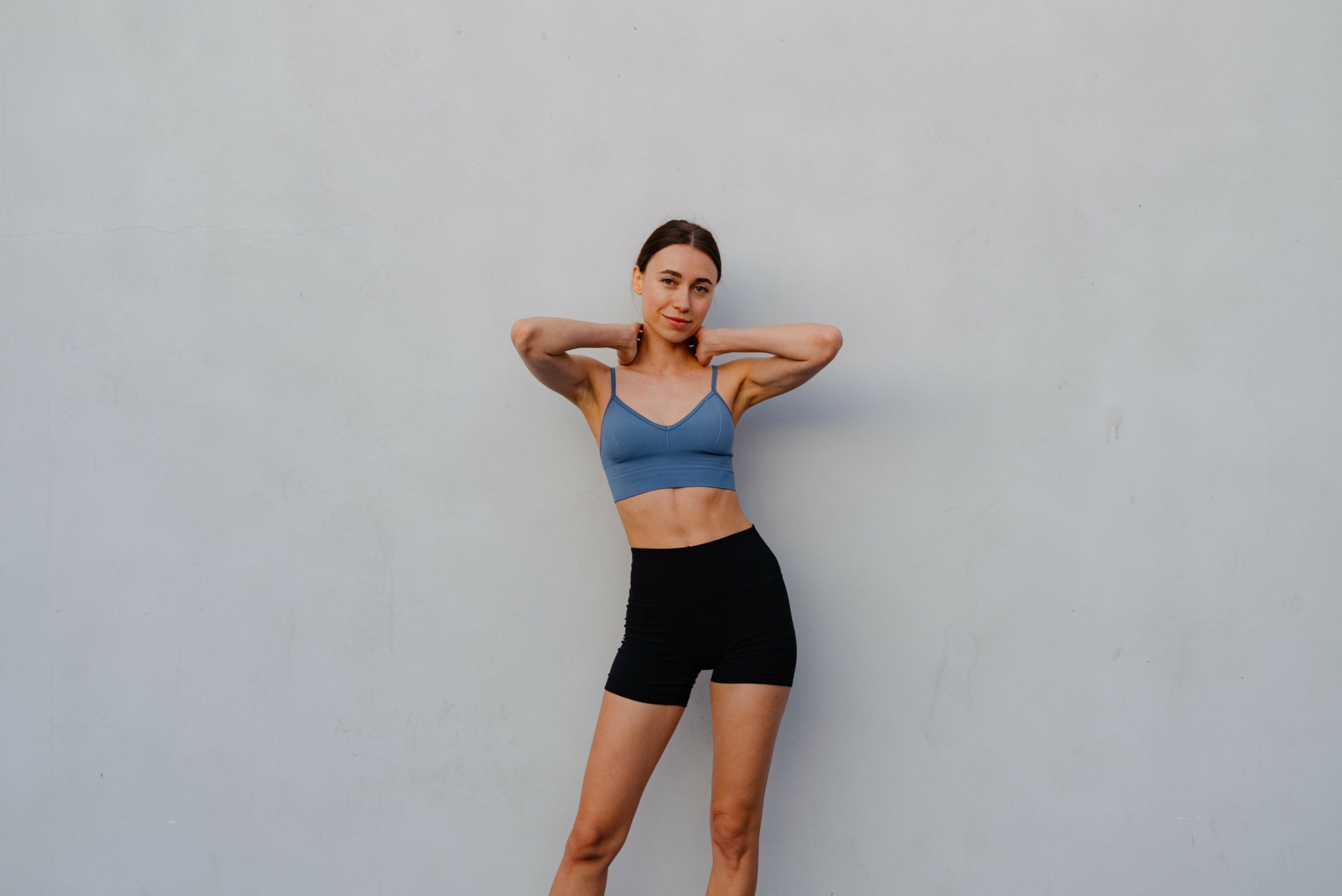
Olesia, love having you share your insights with us. Before we ask you more questions, maybe you can take a moment to introduce yourself to our readers who might have missed our earlier conversations?
I’ve been working as a Pilates instructor for almost six years now. Before that, I was an office worker. Unfortunately, it took me a while to figure out what I truly wanted to do – what brings me joy and inspiration.
Since childhood, I’ve always been connected to sports in some way: acrobatic rock and roll, track and field, and later, dancing. I’ve always loved movement and enjoyed working with the body. But after graduating from university (with a degree that had nothing to do with sports), I followed the “traditional” path and started looking for an office job in a company. As a result, I wasted years doing something I didn’t enjoy – and on top of that, I ruined my posture!
Eventually, I felt a strong urge to start dancing again, so I joined a dance studio. Over time, my dance instructor left the dance field and started teaching Pilates. That’s when I tried Pilates for the first time. It gave me a completely new feeling in my body – I could activate muscles that seemed to have been asleep before. It also taught me incredible focus on movement, which helps clear my mind of unnecessary clutter. That’s how my journey as a trainer began. I started learning Pilates, and soon I became an instructor myself. And for me, the learning process never ends! In this field, there’s always something new to discover.
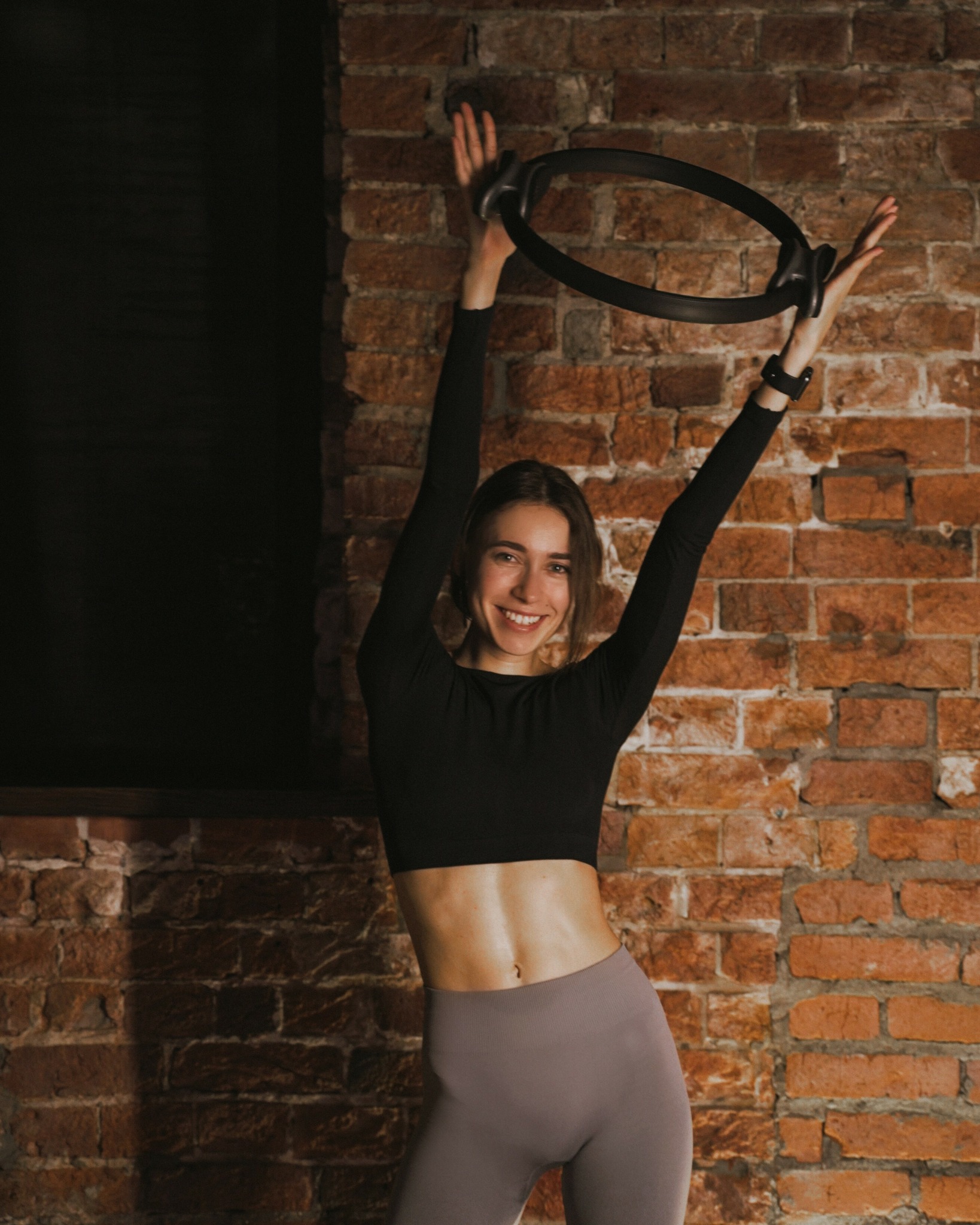
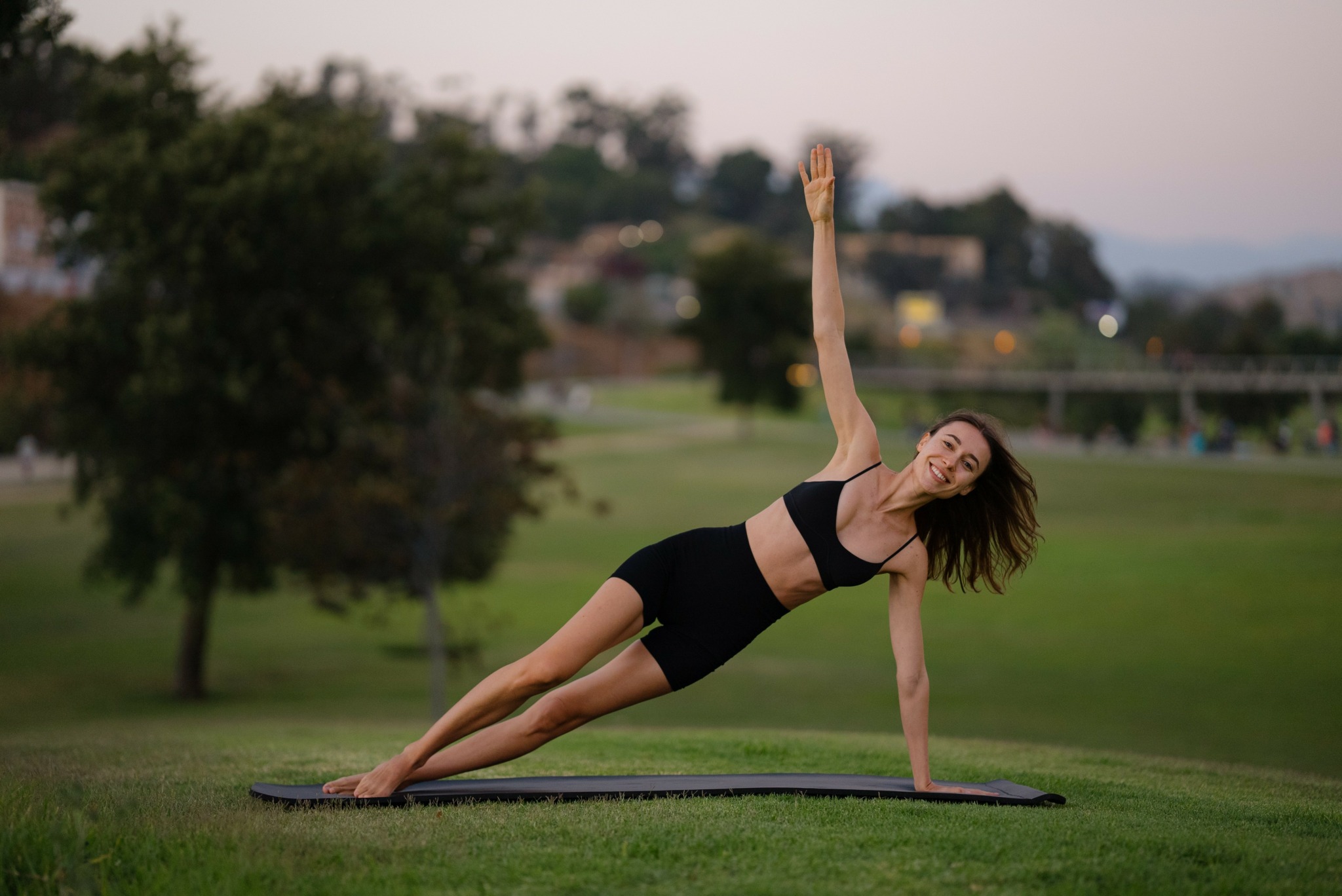
These days, I teach not just Pilates. My workouts are a mix of Pilates, fascia training, stretching, and functional training. When working one-on-one, I tailor the program to suit the client’s needs, always focusing on biomechanics principles. My sessions are gentle – not in the sense that they’re always easy, but in the way I guide clients toward their goals without exhausting them. That’s why beginners or people with restrictions or health issues often come to me. I also work with those who’ve burned themselves out on “killer” workouts and realized they need something different for their bodies.
Actually, beginners are my favorite type of clients. I love helping people discover new sensations in their bodies, and it’s easiest to do that with beginners. It’s incredibly rewarding to see someone who used to be far from fitness not only start training regularly but also enjoy it, notice positive changes in their body, and feel great about it. That’s something I’m really proud of.
If you could go back, would you choose the same profession, specialty, etc.?
Yes, definitely, I would choose the same profession. I just wish I had listened to myself earlier and dove into fitness and Pilates, instead of wasting time on a job where I couldn’t see my future. But I guess it was meant to be this way, so I could become who I am now.
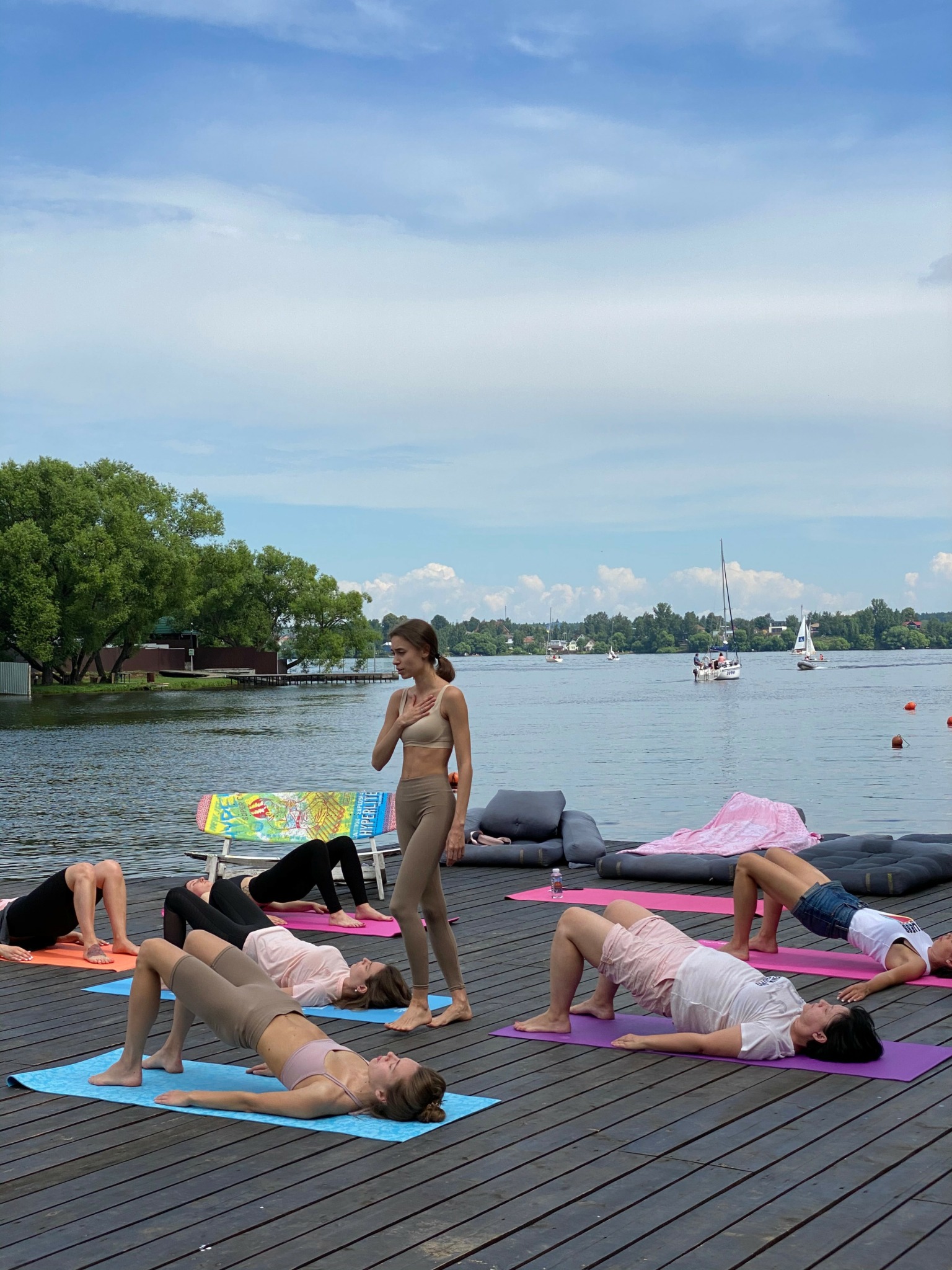
Training and knowledge matter of course, but beyond that what do you think matters most in terms of succeeding in your field?
It’s important to be able to connect with people, notice their mood, and build a good connection with them. Some people love to chat during a session, while others prefer to focus without extra conversation. This skill is key for both one-on-one training and group classes.
Charisma and a sense of humor are just as important. Plus, you need to know how to explain complex things in simple terms. Trust me, no one wants to sit through boring lectures about biomechanics during a workout. You need to share information, but in a way that’s clear and easy to understand.
Contact Info:
- Instagram: https://www.instagram.com/olesayi/