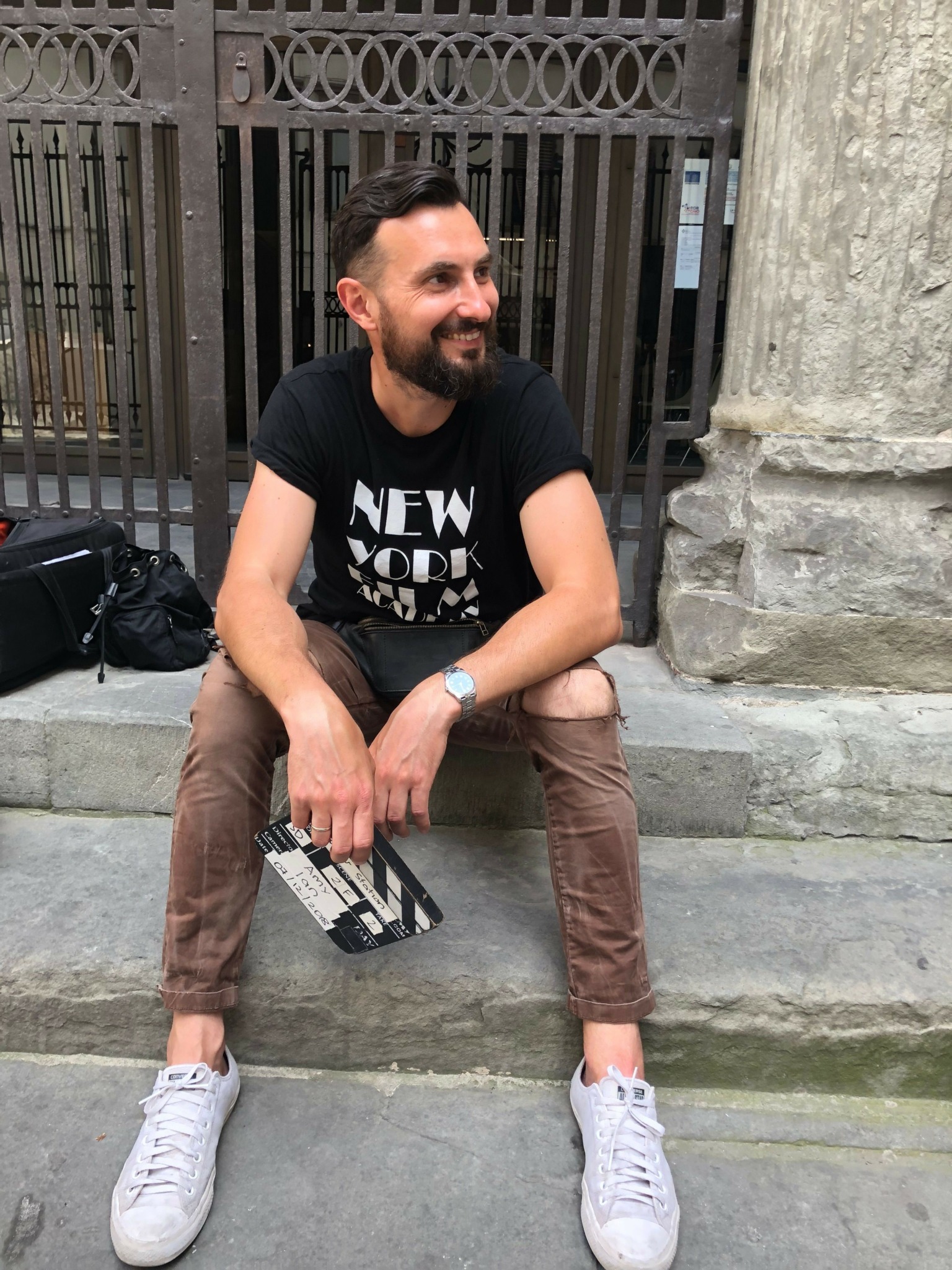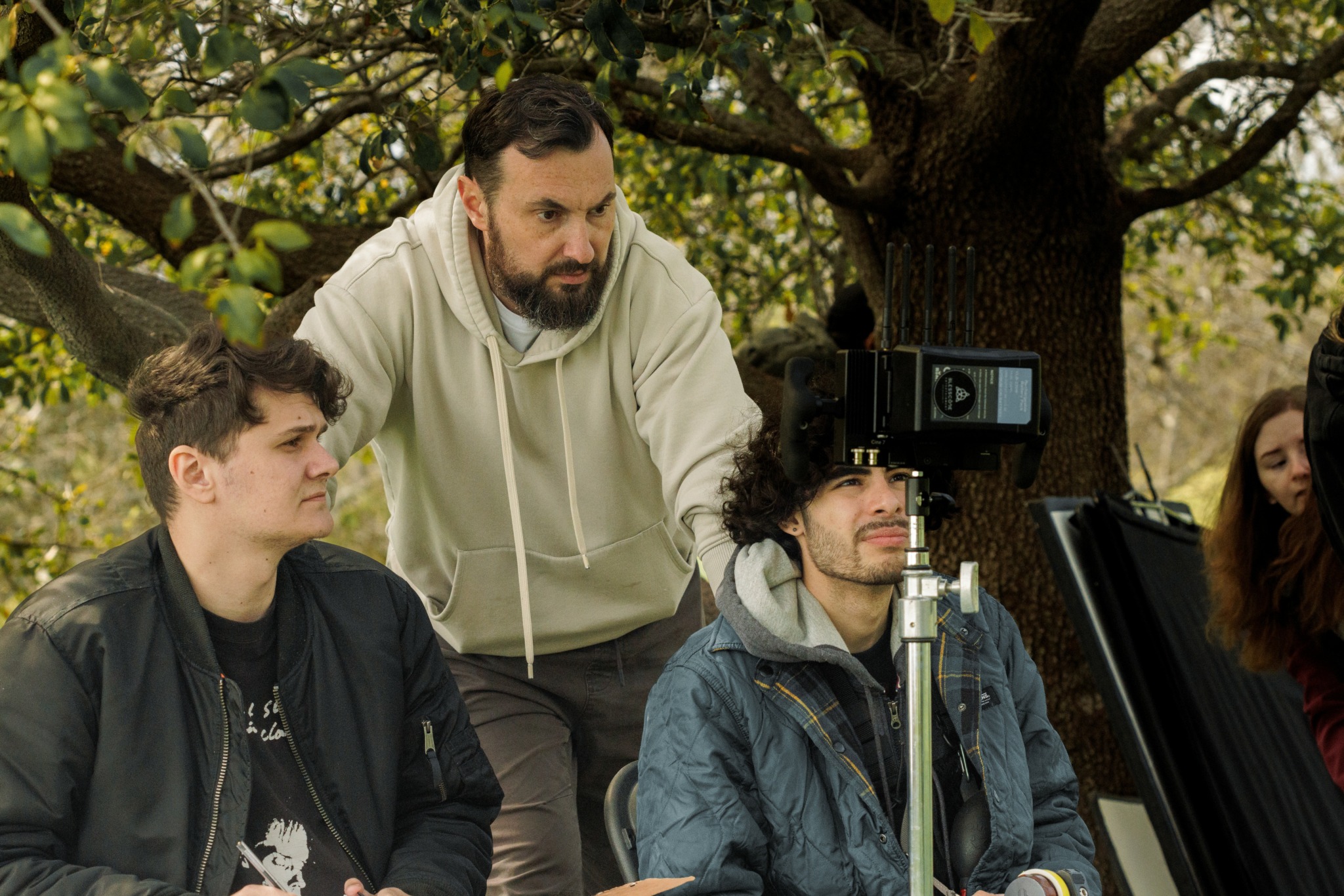

Alright – so today we’ve got the honor of introducing you to Oleksandr Bugela. We think you’ll enjoy our conversation, we’ve shared it below.
Oleksandr, thanks for taking the time to share your stories with us today We’d love to hear about a project that you’ve worked on that’s meant a lot to you.
I created a short film about a homeless Vietnam War veteran who is looking for his son, and I dedicated this work to everyone in Ukraine who has developed PTSD as a result of the ongoing war — and to the Ukrainian people as a whole.
Right now, as a producer and film director, I’m developing a feature-length film that explores artificial intelligence as a force capable of overtaking humanity not through violence, but by infiltrating the subconscious — shaping our emotions and inner landscapes on a level far deeper than simply providing comfort or creating conditions where resistance becomes impossible.
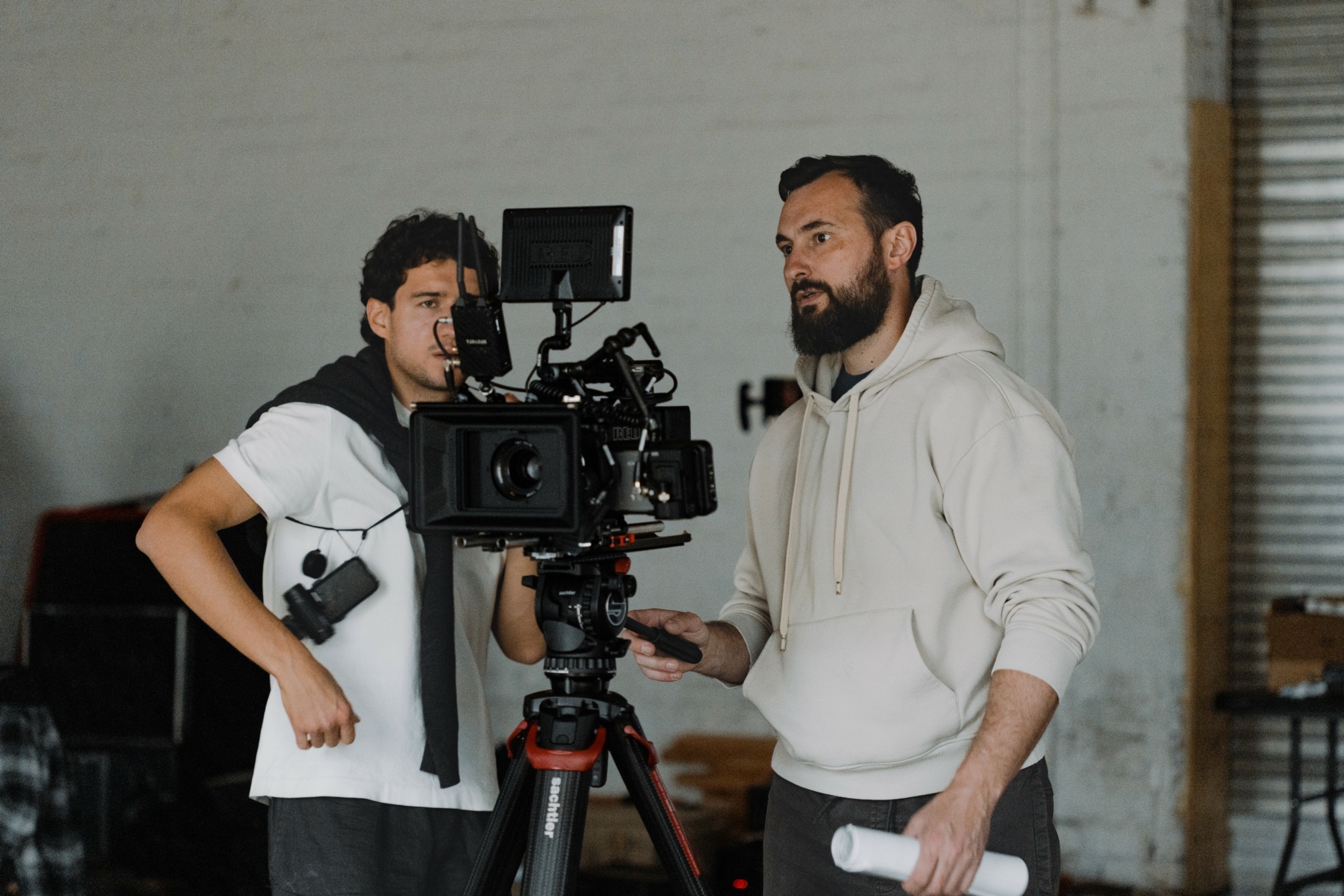
Great, appreciate you sharing that with us. Before we ask you to share more of your insights, can you take a moment to introduce yourself and how you got to where you are today to our readers.
My name is Oleksandr Bugela. I started my professional journey as a television producer in Ukraine, and over the years I’ve expanded into directing and producing short films, and now a feature film. On TV I ran major projects — I joined the team on the channel “Inter” in 2015, produced shows like “Chorne dzerkalo”, and in 2018 one of my children’s programmes, “Snigur i Yalynka”, won the national “Teletriumph” award for Best Children’s Programme.
Around that time, I realized that I wanted more than television: I wanted to tell stories with more cinematic scope. I graduated from New York Film Academy in LA as Master of Fine Arts with honors, and later achieved international recognition for my short film Lost In Memories, which became eligible for the Oscars at the LA Shorts International Film Festival.
Today I provide creative services that span television production, film directing and producing, and strategic consulting around media content. I help clients and collaborators define a strong narrative, execute it with production quality, and bring it to platforms with reach. In practical terms: if you want a television show that engages large audiences, I deliver that. If you want a short or feature film with festival potential, I deliver that too. And if you’re a brand or a media company looking to build a compelling content structure, I support the process end-to-end.
What problems do I solve? Many clients have a concept or message but lack the infrastructure or cinematic mindset to deliver it. I bridge that gap: I bring the discipline of television production and the artistic ambition of cinema together. I help align creative vision with practical delivery, so that the final product is both professionally polished and emotionally resonant.
What sets me apart is this duality: I understand big-scale production logistics (deadlines, budgets, teams) while simultaneously keeping a filmmaker’s sensitivity to story and audience engagement. I’ve worked in high-pressure television environments, and I’ve transitioned into film festival territory — so I can handle both worlds.
I’m most proud of the fact that I’ve maintained creative integrity throughout. From children’s television to intense short films, I haven’t abandoned the core ambition: to tell stories that matter, that move people. And I’m proud that industry peers, in Ukraine and internationally, recognise my work — not just as entertainment, but as meaningful media.
What I want potential clients, followers to know is this: if you engage with me, you’re working with someone who values both quality and meaning. My brand isn’t about mass production of content, but about thoughtful storytelling that reaches, resonates and lasts. Whether you’re a broadcaster, a brand, a filmmaker or an individual with a story to tell — I am here to build the project together, from concept to screen.
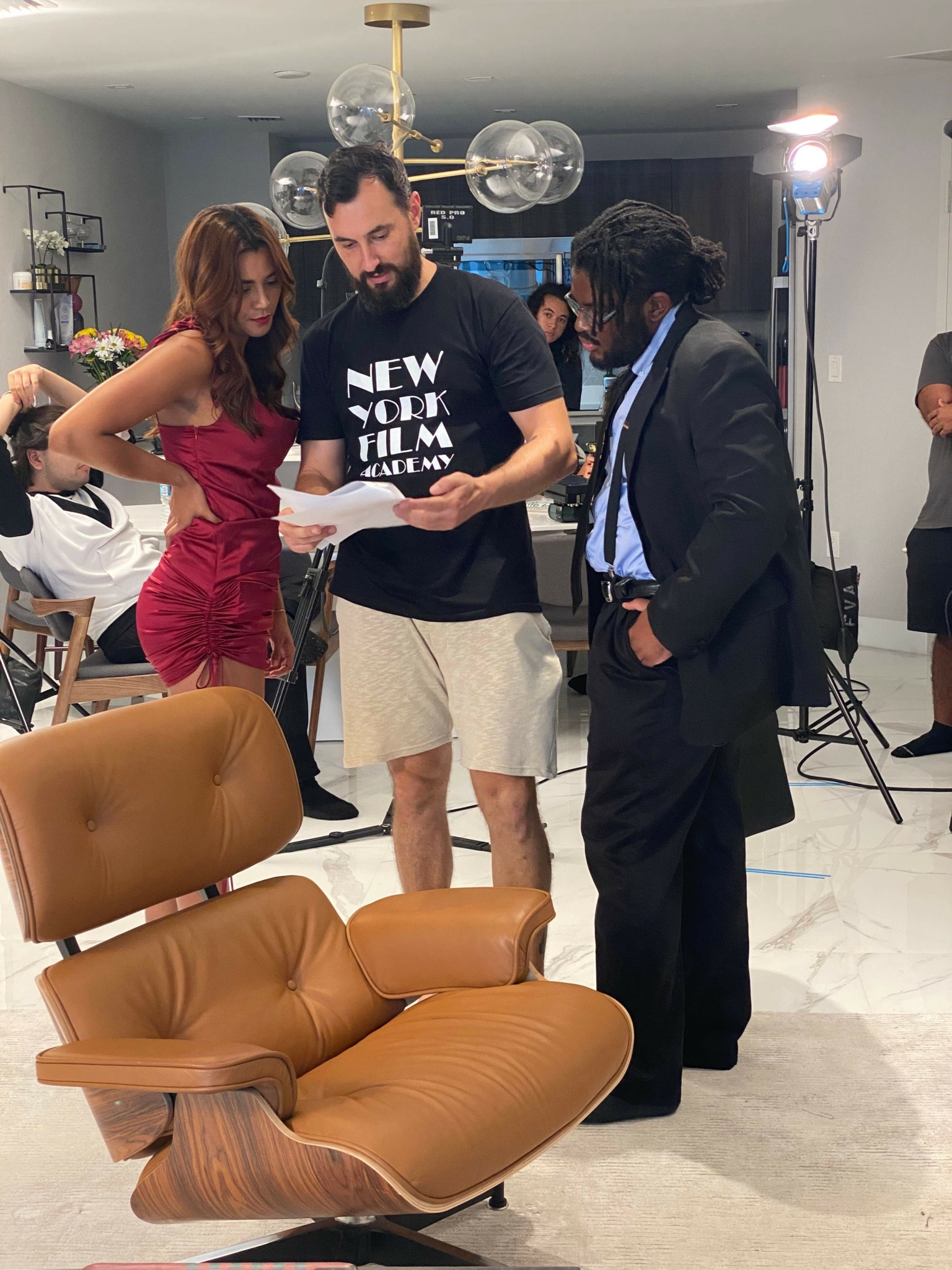
Is there mission driving your creative journey?
Absolutely. The core of my creative mission today is to tell stories that reflect the emotional and psychological landscape of the Ukrainian people. I’m deeply interested in how individuals and communities carry trauma, how they survive it, and how those invisible experiences shape our identity. Much of my work now is rooted in exploring these themes — whether through the lens of post-traumatic responses, childhood wounds, or the subconscious patterns we develop to cope with difficult realities.
I’m also fascinated by the intersection between storytelling, the subconscious mind and therapeutic practices like hypnotherapy. My current projects in pre-production all reflect that interest: they either focus on Ukrainian experiences or explore the inner worlds people carry as a result of trauma. For me, cinema isn’t just entertainment — it’s a way to surface what usually stays unspoken.
And there’s a broader mission behind it. Ukraine is still living through a war, and we’re still fighting for a just peace. In times like this, every Ukrainian has a responsibility to contribute however they can. Some people defend the country on the frontline. Others volunteer, rebuild, teach, or provide psychological support. I create films. That’s my way of helping — by telling the stories that need to be heard, preserving our experiences, and bringing global attention to what Ukrainian people are living through.
If my work can help someone feel understood, or help the world understand us a little better, then I’m doing what I’m meant to do.
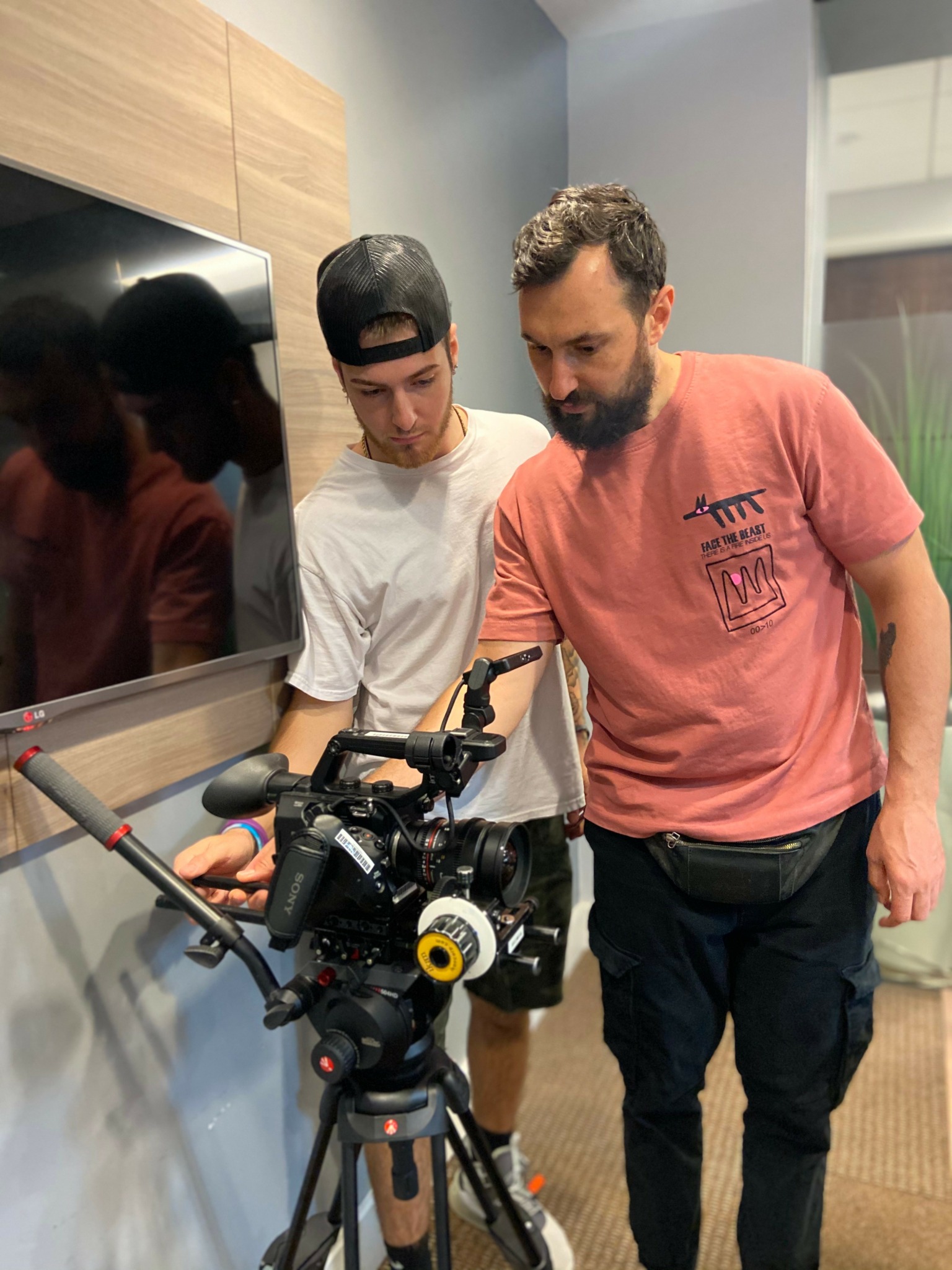
How can we best help foster a strong, supportive environment for artists and creatives?
I believe society can support artists and a healthy creative ecosystem in very practical ways. It starts with choosing to engage with art. Go to the cinema. Attend theatre shows. Visit galleries. Buy artwork. Support emerging musicians by listening to licensed recordings instead of pirated ones. These are small actions on the surface, but they make a real difference.
Another important step is choosing what we give our attention to. Independent films, local productions and projects made outside of large studio systems need audiences even more than big franchise blockbusters. When people choose the film that makes them think — not just the one with the largest marketing budget — they directly support filmmakers like me and many others who are trying to tell meaningful stories.
And, of course, share what resonates with you. Post about the film you watched, the music you discovered, or the art you saw in a gallery. Word of mouth is incredibly powerful. Every mention helps young and independent artists reach new audiences.
A thriving creative ecosystem isn’t built only by the artists — it’s built by the people who show up for their work. Each ticket, each stream, each repost is a form of support. And together these small gestures create the foundation that allows new voices to grow.
Contact Info:
- Instagram: https://www.instagram.com/bugela/