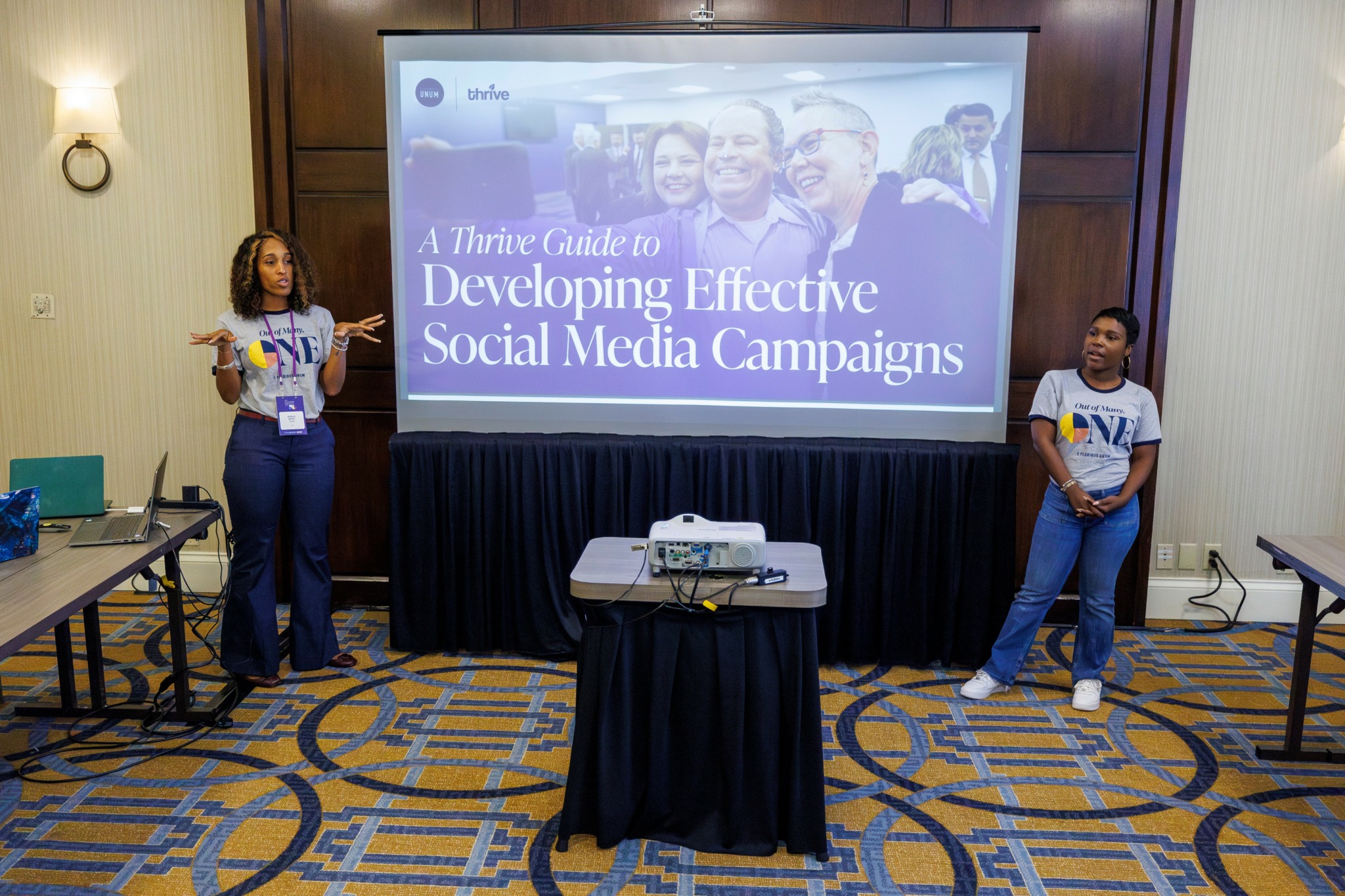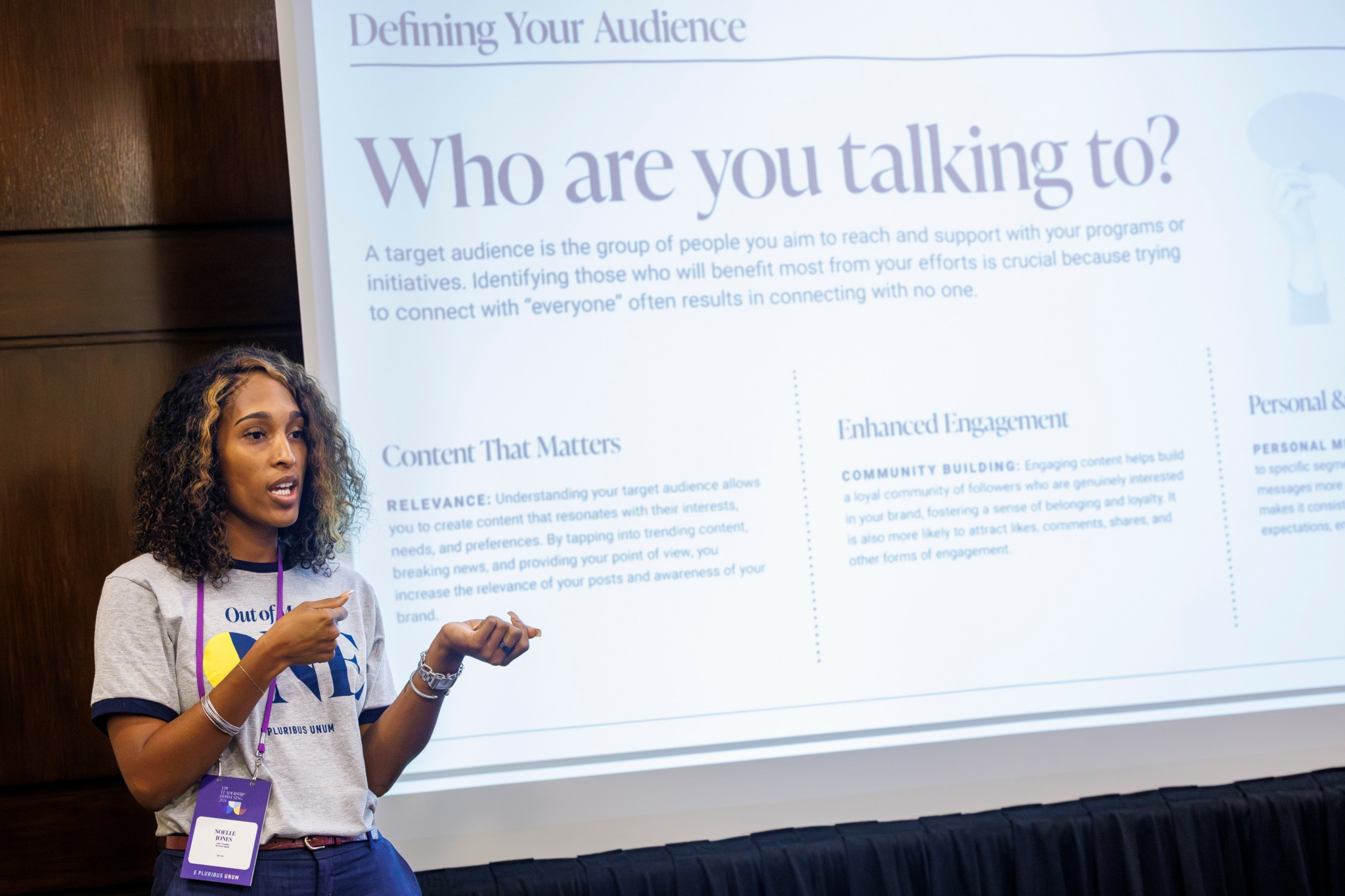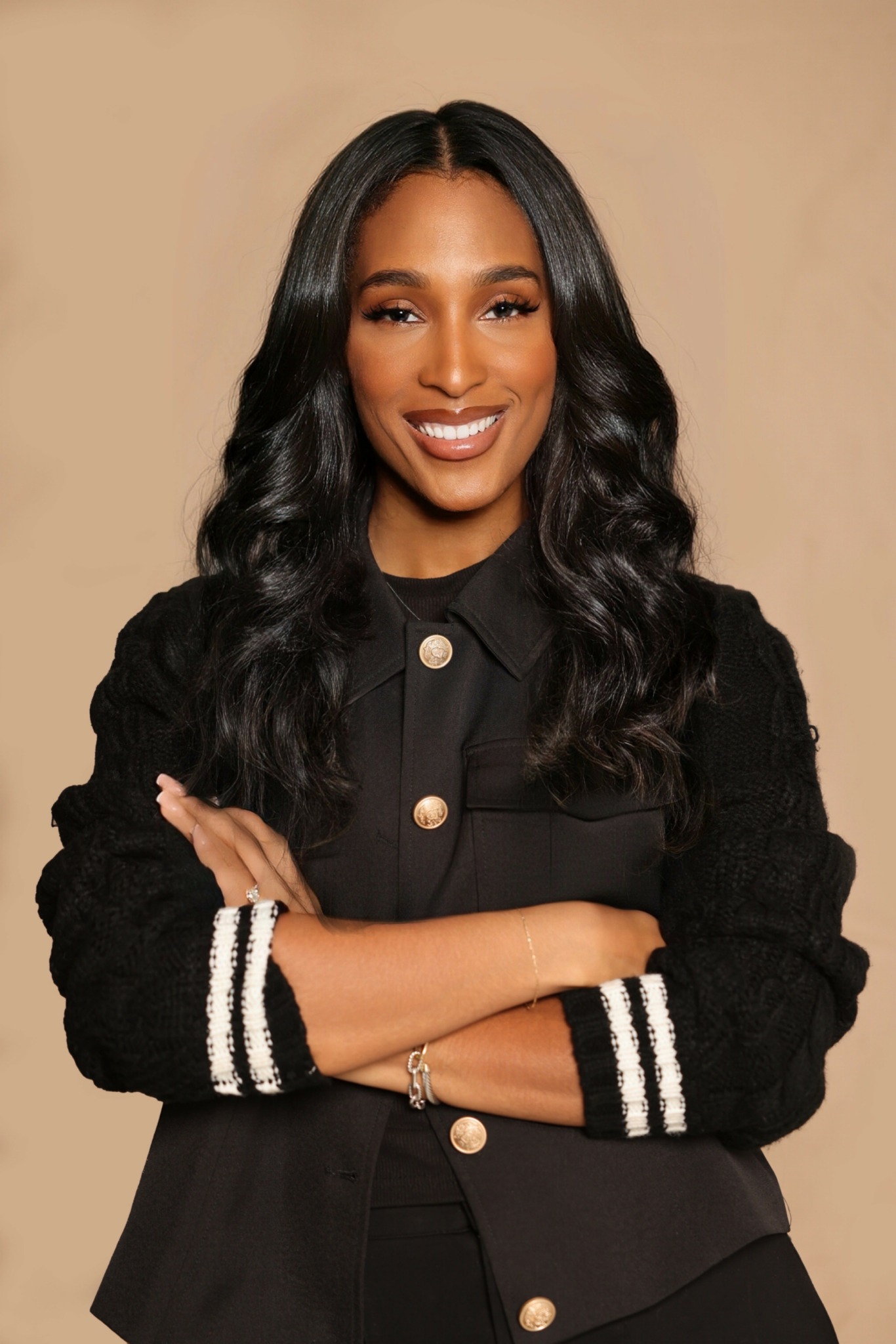

We were lucky to catch up with Noelle Jones Aladesuyi recently and have shared our conversation below.
Noelle, looking forward to hearing all of your stories today. Risk taking is something we’re really interested in and we’d love to hear the story of a risk you’ve taken.
Risk-taking isn’t a one-time thing for me. It’s the baseline. If I had to name the most life-changing risk I’ve taken, it’s becoming an entrepreneur and, more specifically, when I decided to fully step into it.
It was October 2020. We’d been in quarantine for months. The world felt paused, but at the same time, everything felt urgent. I was working full-time as a PR Manager at a well-known agency, and at night, I was building my own. I worked in my business and on it. I was tired, but energized in a way that felt different.
Around that time, my business partner and I landed what was our biggest “yes” then. A statewide civic engagement organization, founded by a globally recognized politician and social justice leader. The work was centered on expanding voting access and equity across Georgia during a critical election year. By day, I was building corporate PR plans. By night, I was building something that felt like purpose.
The work we were doing after hours didn’t just perform. It moved. You could see it, feel it. It wasn’t just making a difference; it was making the difference, in real time, for real people. At the same time, the Black Lives Matter movement was at the center of everything. Every brand, every company, every person was being forced to reckon with what they stood for. And I could see clearly that the work I was building with We Thrive Media mattered. Not in a surface-level way, but in a way that actually shaped culture and community.
But we were at capacity. Fully. The work kept growing, and so did the pressure. I started asking myself a very simple question: What would happen if I gave this my full day instead of my leftover hours?
I always knew I wanted to go full-time eventually. But I didn’t have everything figured out. I didn’t have a perfect plan. No clean roadmap. Just momentum, instinct, and knowing that waiting might actually be the bigger risk. So, I quit.
The next day, I stepped into being the founder and CEO of We Thrive Media, fully. I had savings and gave myself about six months to figure it out. To build a team, to understand how to actually scale an agency, because the truth is, nobody hands you a manual for that.
I bet on myself and six years later, that bet has paid off in ways I couldn’t have mapped at the time. We hit our first million-dollar year. We’ve built a roster of clients that includes some of the most recognized companies and organizations in the country. And more than that, we’ve built work that actually matters. But that was just the first risk.
One of the biggest ongoing risks has been hiring full-time employees. Because that’s not a one-time decision, it’s a daily responsibility. You’re carrying people, their livelihoods, their growth, while still building something that isn’t guaranteed.
What I’ve learned is that risk doesn’t have to be reckless to be bold. I’m very intentional. I think through the best-case and worst-case scenarios. I plan. I pressure test. Sometimes it’s a full leap, sometimes it’s just a step or even a toe in the water to see what’s possible. But every time, I trust my judgment.
And that’s the real return on risk. Not just the outcome, but the confidence you build in yourself. Knowing whether it works exactly how you planned or not, you’ll figure it out.
And you’ll land on your feet.
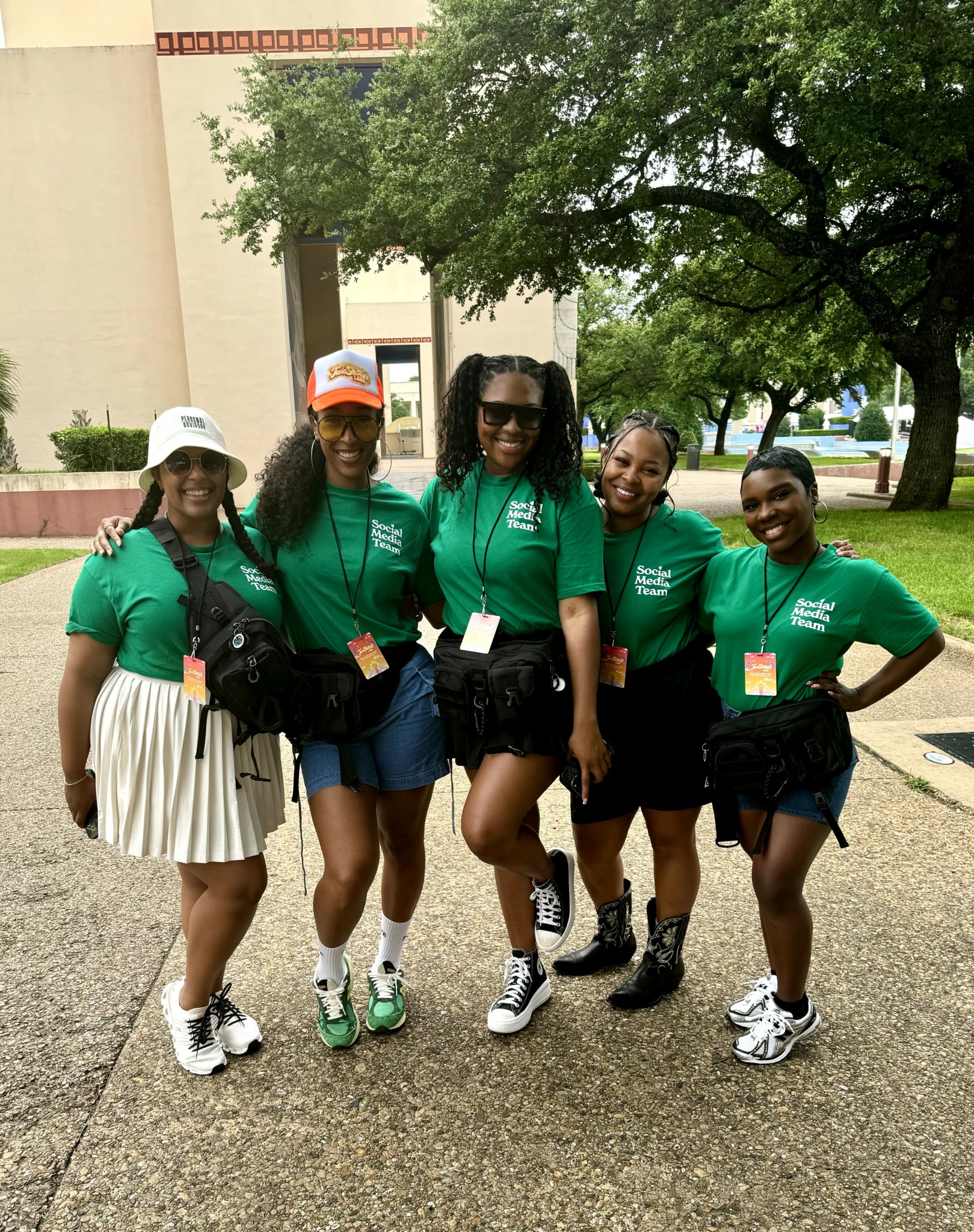
Noelle, before we move on to more of these sorts of questions, can you take some time to bring our readers up to speed on you and what you do?
I’m Noelle, Founder and CEO of We Thrive Media. I didn’t stumble into this work. I built my way here. My foundation is in public relations and marketing. I came up inside agencies, working on national brands, learning how influence is shaped, how narratives are built and how decisions get made behind the scenes. It taught me how to move strategically. How to see the full picture.
However, the longer I stayed, the more I started to notice what was missing. The work looked good. It performed well and it checked every box it was supposed to check. But it didn’t always feel right. It didn’t always connect in a way that was real or lasting. And more than that, I couldn’t ignore the gap between who was shaping culture and who was actually being trusted to lead the work.
So much of what drives culture, especially in digital spaces, comes from Millennials and Gen Z. From our language, our behaviors, our creativity, our communities. But in many rooms, those same voices are still treated like a reference point instead of the authority.
For me, as a Black woman, that gap felt even more pronounced. We’re often at the center of what’s influential. But not always at the center of ownership. Of leadership. Of decision-making. That realization didn’t discourage me. It clarified things. We Thrive Media was born from that clarity.
What started as something I was building on nights and weekends quickly became something I couldn’t ignore. Because it wasn’t just about doing the work differently. It was about building something that reflected a different perspective entirely. Today, our work lives across digital, social, influencer, and creative. But at its core, it’s about connection. About helping brands show up in culture in a way that actually resonates, not just performs. And a big part of that comes down to who we are.
We are led by Millennials and powered by Gen Z. Not as a tagline, but as a truth. These are the generations that shape what moves in the world. What people pay attention to. What they trust. What they ignore. We don’t study culture from the outside looking in. We’re inside of it. We understand the nuance, the speed, the shifts, the unspoken cues. We know when something feels aligned, and when it feels like a miss. That proximity gives us a different kind of authority. One that can’t be manufactured. But beyond the work, “Thrive” has always meant something deeper to me.
It’s about purpose. It’s about building something that creates space where there wasn’t enough of it before. Especially for women. And specifically for Black women. In an industry that often celebrates our influence but doesn’t always elevate our leadership, I wanted to build something that moved differently. Something that didn’t ask for permission. Something that didn’t wait to be included.
I wanted to build the table.
To create an environment where our perspective isn’t an afterthought, it’s the starting point. Where we lead, we decide, we shape. Fully. That intention is woven into everything. The way we hire. The way we build teams. The way we think. The way we show up for our clients. I’m proud of what we’ve built. The growth. The milestones. Crossing into a million-dollar year. Partnering with some of the most respected brands and organizations in the country.
If I’m being honest, what I’m most proud of is the alignment. We’ve built something that feels as strong internally as it looks externally. Our work has substance and it carries weight. It reflects the people and communities it’s meant to reach.
Because at the end of the day, this was never just about building an agency. It was about building something that proves you can lead with culture, with purpose, and with excellence, all at the same time.
And not only belong in the room, but redefine it.
How did you put together the initial capital you needed to start your business?
It was actually very simple. I didn’t raise capital when I started my business. And if I’m being honest, I wish I had understood more about funding earlier on. But like a lot of young entrepreneurs, I bootstrapped. I used my W-2 income from my full-time job to fund the business, and once the business started generating revenue, most of that went right back into it.
It was a cycle. Earn, reinvest, build. Repeat.
At the time, it made sense. My overhead was low. We were fully digital. No product costs, no physical space, no major equipment. Just strategy, execution, and a lot of discipline. So I didn’t feel like I needed outside capital. I felt like I could build my way there, so I did.
But ten years in, I see it differently. Over time, I’ve accessed capital in other ways, through lines of credit, loan programs like OnDeck and Newity, and eventually through investors. And what I’ve learned is that funding isn’t just about access, it’s about timing, strategy, and understanding what your business actually needs.
I think a lot of founders get caught up in the idea of raising capital before they fully understand their own operations. There’s this perception that every business needs to raise big money to be legitimate or scalable. And that’s just not true. Every business requires capital, yes. But not every business requires investors.
There’s no one-size-fits-all approach. The right path depends on your model, your margins, your growth goals, and your industry. What works for a product-based startup is not the same as what works for a service-based agency. And if you don’t understand that early, you can end up chasing capital instead of building something sustainable.
Looking back, I probably bootstrapped longer than I needed to. I could have accelerated certain things with the right funding at the right time, but I don’t regret it. There’s something about building a business with your own money that changes how you move. It creates a different level of accountability. A different level of discipline. You’re not spending casually. You’re not building loosely. Every decision has weight, because it’s yours.
You have real skin in the game and that kind of pressure, while uncomfortable at times, builds a kind of resilience and resourcefulness that you can’t shortcut. If I were to do it again, I would still invest in my own business. But I would pair that with a more strategic approach to capital earlier on. Not chasing it, but understanding how to use it as a tool.
Because funding shouldn’t define your business, but when used well, it can absolutely accelerate it.
What’s been the most effective strategy for growing your clientele?
The most effective strategy for growing my clientele has been simple, but not easy. Relationships.
I’ve always believed that life moves at the speed of relationships, and that’s been especially true in my journey as an entrepreneur. In the early days, before I had a full portfolio, before I had a team, before I had proof points I could point to, all I really had was my word and my network. And they said “yes” anyway. My personal network was my starting point. They believed in what I told them before I could fully show them. They trusted me as a person before I had the business built out behind me. Those early “yeses” weren’t just opportunities; they were acts of trust. And I’ve never taken that lightly.
Because of that, I’ve always understood that as an entrepreneur, your character and your business are deeply connected. Your reputation is part of your strategy. How you show up, how you follow through, how you treat people, all of it compounds over time. On the professional side, I’ve never approached relationships as transactional. I’m not interested in just delivering a service and moving on. I want to understand the people I’m working with. Who they are, what they care about, what they’re trying to build. Because when you understand people, you produce better work.
You create work that actually reflects them. That helps them shine. That their teams feel proud of. And that kind of experience doesn’t just end when the project ends; it turns into long-term relationships, referrals, and opportunities you can’t plan for. A lot of our growth has come from that. Word of mouth. Referrals. People bring us into rooms we weren’t in yet, because someone trusted us enough to vouch for us.
I’ve always said, ” Do good work and the money will follow. And for me, that hasn’t just been a saying, it’s been a strategy. When you consistently overdeliver, when you build trust, when you stay connected to your network as you grow, your business expands in a way that feels both organic and sustainable.
So if I had to distill it down, it’s this:
-Grow your clientele through trust.
-Protect your reputation.
-And never underestimate the power of people who believe in you early.
Contact Info:
- Website: https://wethrivemedia.com/
- Instagram: https://www.instagram.com/wethrivemedia/
- Facebook: https://www.facebook.com/wethrivemedia
- Linkedin: https://www.linkedin.com/company/we-thrive-media/
- Other: https://www.linkedin.com/in/noellealadesuyi/