



Alright – so today we’ve got the honor of introducing you to Noël Wan. We think you’ll enjoy our conversation, we’ve shared it below.
Noël , thanks for joining us, excited to have you contributing your stories and insights. Can you talk to us about how you learned to do what you do?
I started playing the harp when I was four years old, so my journey so far in learning my craft has actually been the majority of my life. Starting so young has its benefits but isn’t without drawbacks. Those benefits include being able to pick up technical skills quickly, developing a strong foundation in rhythm–crucial for playing in orchestras–and generally being able to absorb a lot of knowledge from my teachers. Even though this isn’t a skill per se, I was lucky that my parents were really supportive of my musical education and gave me opportunities to study with really inspirational harp teachers all around the world. Without these teachers, I would not have been able to get as far as I did with my early musical successes. However, I hit one of the drawbacks while I was in college, which was that I didn’t know why I wanted to play the harp. I had focused so much on proficiency that I never stopped to think about my artistic identity or brand, so in my mid-20s, I spent a lot of time figuring out what I valued and how I could bring that into my craft.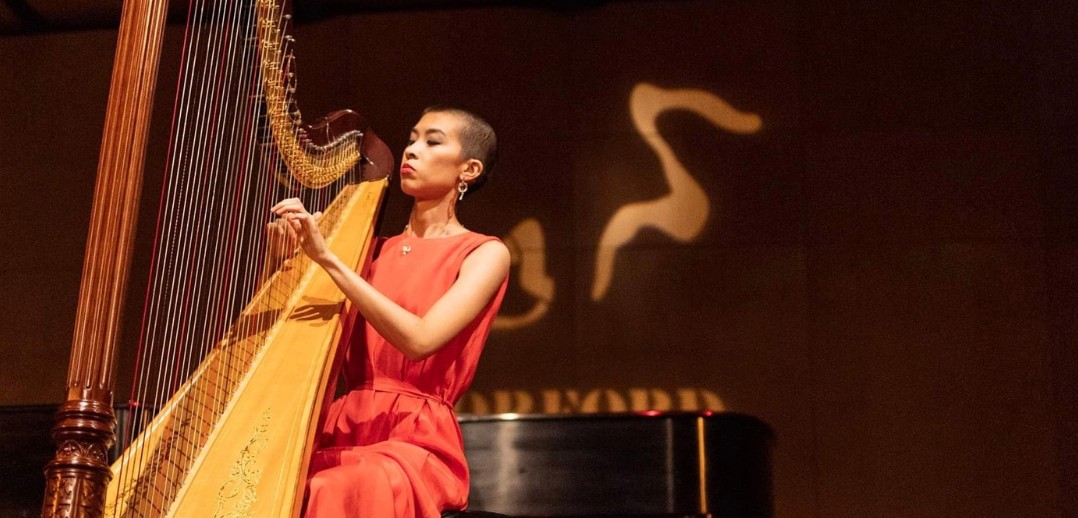
Noël , before we move on to more of these sorts of questions, can you take some time to bring our readers up to speed on you and what you do?
I am a classically-trained harpist who performs, teaches, and occasionally writes! I started studying the harp when I was four years old–with a teacher in the California Bay Area, which is where I am from–and had the privilege of playing for teachers all around the US and from Canada, France, Germany, the Netherlands, Taiwan, Japan, and Australia. When I was 16, I won my first big international harp competition and that same year, I started college as a music major at the University of Illinois at Urbana-Champaign.
Thirteen years and three degrees later, I am now the Assistant Professor of Harp and Entrepreneurship at Florida State University, where I direct the harp program and teach courses on music entrepreneurship. My passions are 1) being a performer who shows audiences how classical music can relate to us in our most personal moments, 2) mentoring students who identify both as creatives and innovators in their field, and 3) writing about the interesting philosophical connections between music and society.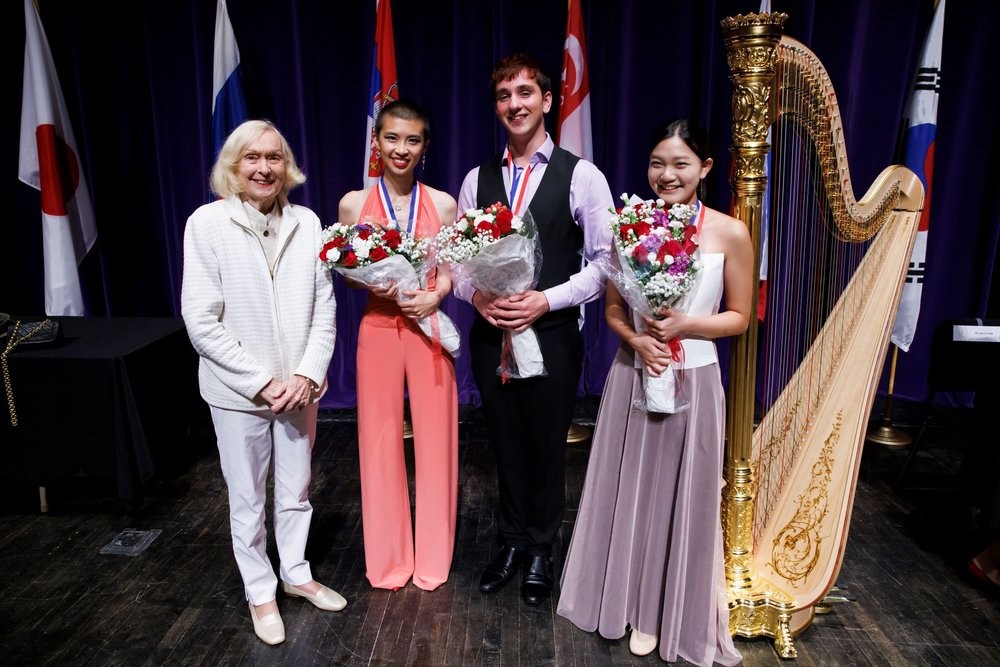
Is there mission driving your creative journey?
One important goal of my creative journey is figuring out the impact of my work. As a musician who likes to think philosophically, I constantly wonder about the ethics of what I do; not in sense of “good” and “bad,” which is more related to morals, but in the sense of what kind of change occurs as a result of my actions. What kind of entrepreneurship and harp teacher do I need to be to have an impact on my students’ lives? How do I encourage my students to, in turn, bring positive change in the world through their creativity? How does the art I make leave an impression on my audiences in ways that adds thoughtfulness and meaning to their lives?
These are the questions that fundamentally inspire my journey as a creative.
We’d love to hear a story of resilience from your journey.
Growing up, my teachers encouraged me to enter harp competitions as a way of improving my skills as a harpist. So, even before I decided to pursue music professionally, I was competing in big national and international competitions; I won some, placed in some, and straight up didn’t even pass the first round for others. It’s safe to say that music competitions were a huge part of my childhood, and my dream was to win one of the two biggest international harp competitions. The one in Israel–I competed twice, making the semi-finals both times–and the other in Indiana, I also competed twice–the first time, I didn’t even pass the second round, and the second time, I won the competition.
The reason I use this story as an example of resilience is that it took me 13 years to finally reach my goal. During that time, I had to confront a lot of negative things–awful performances, rejections, losses, performance anxiety, moving to a new country with no job prospects, conflicts in my personal relationships, even family tragedies–that I slowly worked through to improve myself and my craft. While I was prepared to move on without my life without achieving that childhood dream, I also knew that dream wouldn’t be possible if I didn’t even try. 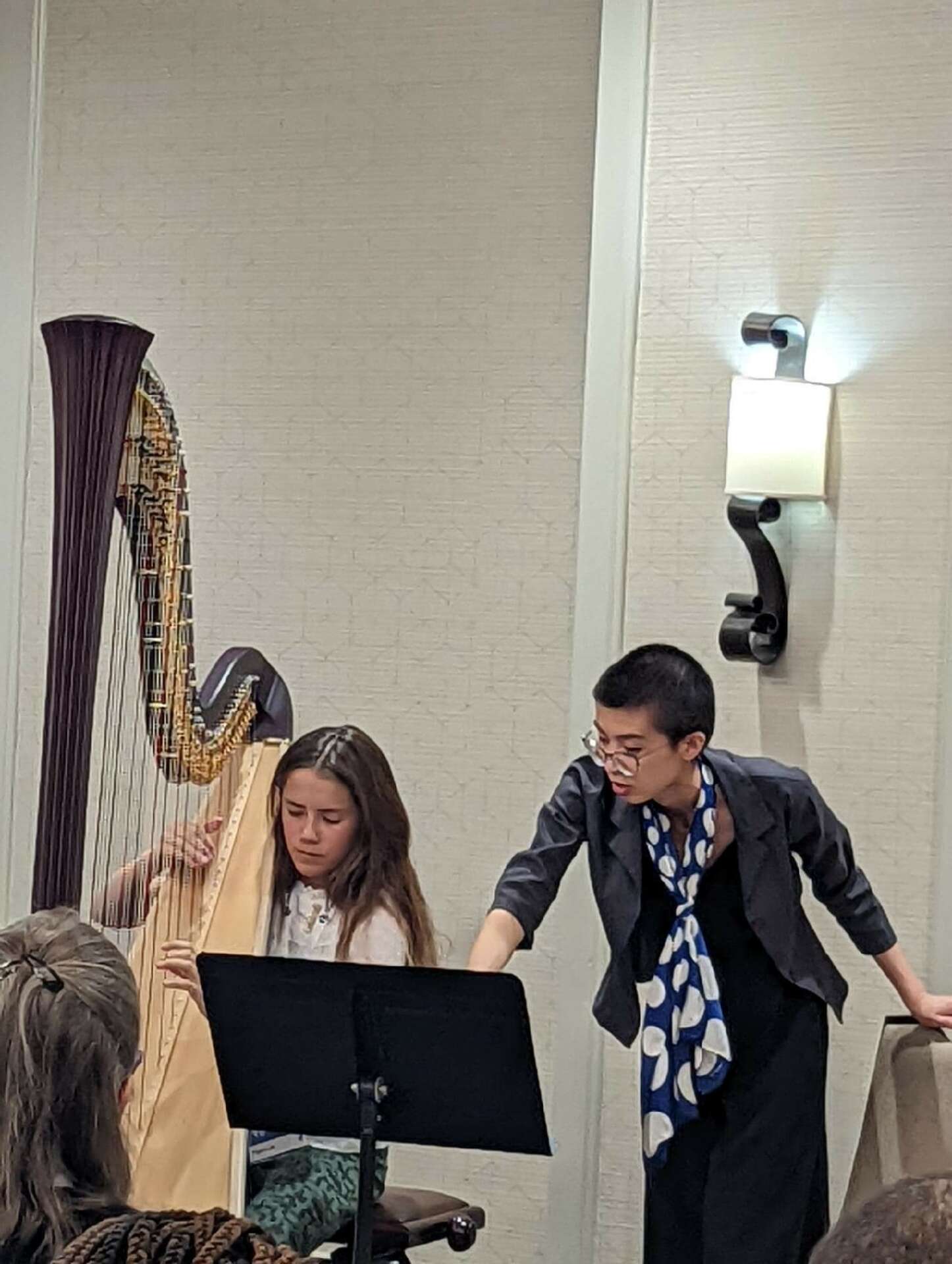
Contact Info:
- Website: https://www.nywharp.com
- Instagram: https://www.instagram.com/nywharp
- Youtube: https://www.youtube.com/user/noelwan94/featured
Image Credits
Orford Musique, Virginia Harp Center, USA International Harp Competition