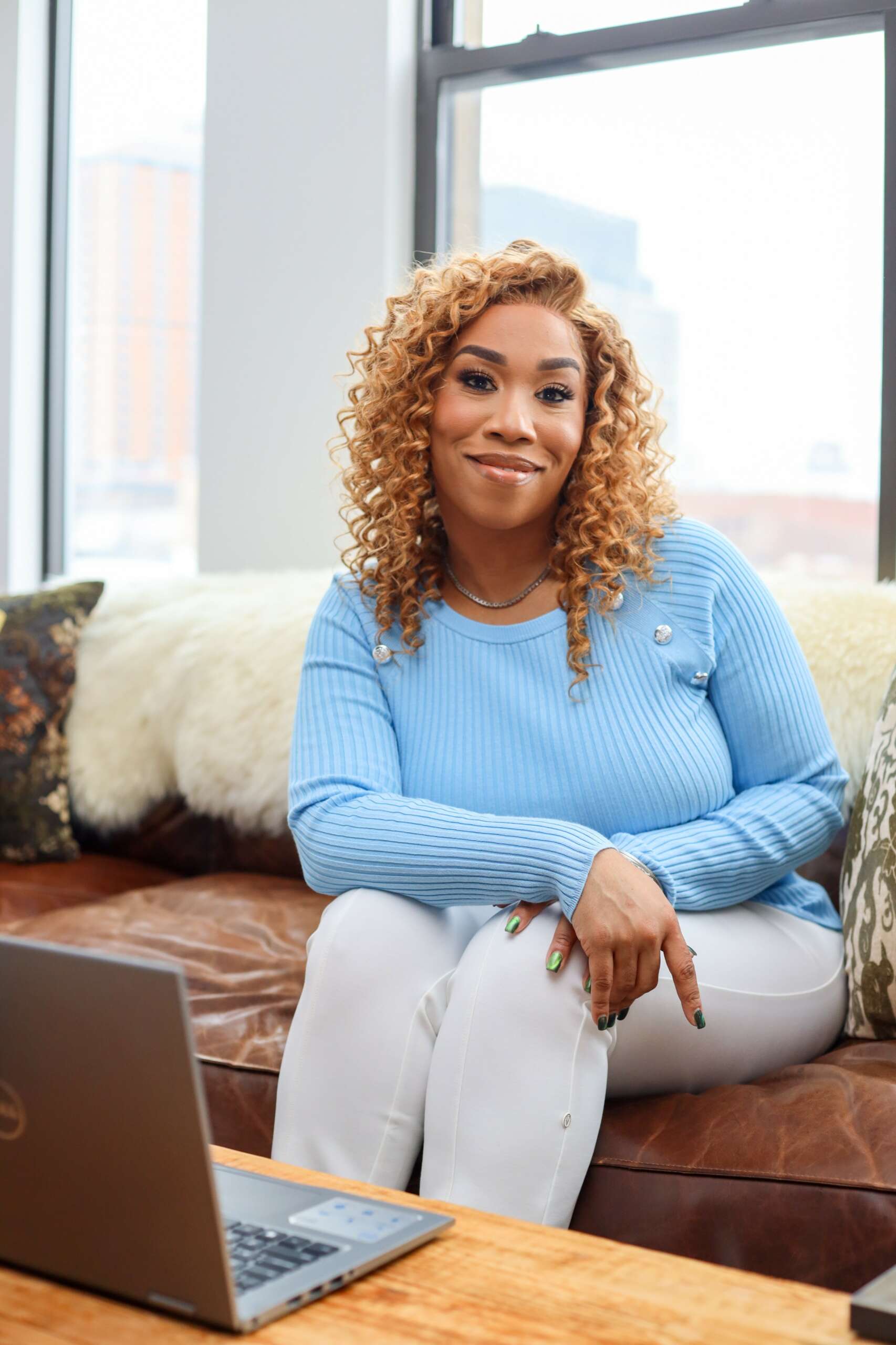

We were lucky to catch up with Noderea John recently and have shared our conversation below.
Noderea, thanks for taking the time to share your stories with us today How did you get your first job in the field that you practice in today?
My first job in the field of social work was at the NYC Domestic Violence Hotline, where I worked as a victims advocate. I had just graduated with my associate’s degree in Human Services, and I was incredibly grateful for the opportunity to step into this role. It felt like the perfect chance to begin my career in human services and put my education into practice.
Interestingly, I didn’t start as a full-time advocate—I began as a student intern at the hotline. During my internship, I provided crisis intervention, crisis counseling, safety planning, and connected victims of domestic violence to essential resources, including placements in DV shelters. The work was both challenging and rewarding, and I immediately knew this was the type of work I wanted to do long term.
There was never a dull moment at the hotline. The phones rang constantly, and every call brought a new story, a new challenge, and a new opportunity to help someone in crisis. I never knew who I would be speaking with or what their situation might be, which kept me on my toes. This job required me to think critically and empathize deeply at all times. Listening to victims share their stories of abuse, while simultaneously providing support and resources, gave me a whole new perspective on domestic violence—its complexities, its impact, and the importance of having trained professionals available to help victims navigate their situations.
The training I received on the job was invaluable. It equipped me to handle difficult conversations, understand the dynamics of domestic violence, and provide victims with meaningful support. This role helped me develop both professionally and personally, teaching me the power of listening without judgment and the importance of immediate intervention.
Before being hired as a full-time advocate, however, I remember how difficult it was to find my first job in the human services field. Now, I may be showing my age here, but this was before the era of smartphones and all jobs offering online job applications. Back then, I relied on newspaper job listings, networking, and word of mouth. Yet, the answer was always the same: “We can’t hire you unless you have experience.” It was incredibly frustrating—I constantly wondered, how would I ever get experience if no one was willing to give me a chance?
That’s why I was so grateful when, at the end of my internship, I was offered a full-time position as an advocate. I felt a wave of relief and excitement, knowing I could finally get paid for doing something I loved while also building my résumé and gaining experience.
Looking back, that job was the perfect starting point for my career. It gave me the skills, knowledge, and confidence I needed to grow in the field of social work. It also shaped my perspective on advocacy, crisis intervention, and the profound impact we can have on people’s lives when we meet them at their most vulnerable moments.
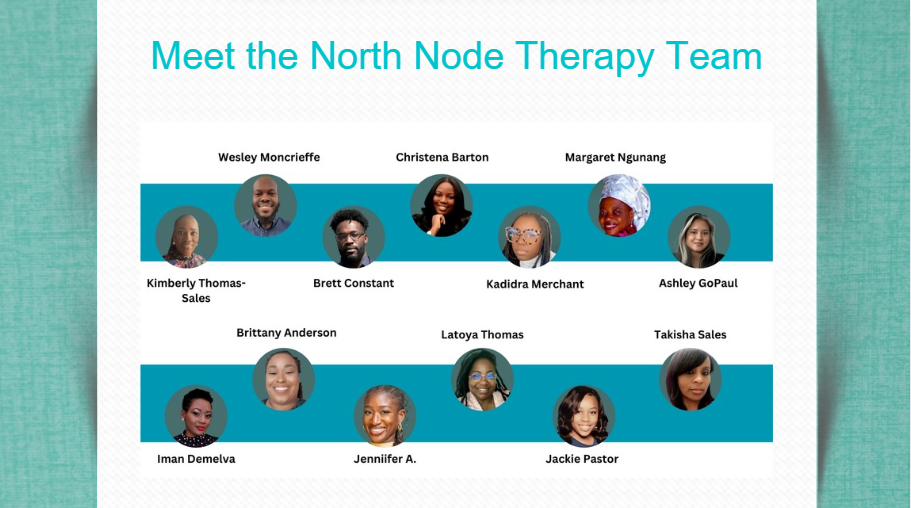
Because of my own struggles finding a job as a new graduate, I’ve made it a priority in my current practice, North Node Therapy, to offer job opportunities to students who complete internships with us. I never want them to face the same frustration and roadblocks I did early in my career. When a student intern demonstrates dedication and a willingness to learn, I make it a point to welcome them as part of my team if I have an open position. It’s incredibly rewarding to help the next generation of social workers begin their journeys, just as I was once given the chance to start mine.
I am forever thankful for the opportunity to work at the hotline, and it’s a role that continues to influence my leadership, mentorship, and commitment to creating pathways for others in the field.
As always, we appreciate you sharing your insights and we’ve got a few more questions for you, but before we get to all of that can you take a minute to introduce yourself and give our readers some of your back background and context?
Thank you for the opportunity to share my story. My name is Noderea (Nah-dairy-Yah) John, and I’m a Licensed Clinical Social Worker (LCSW) with a deep passion for helping individuals, couples, and families navigate life’s challenges and find healing, growth, and fulfillment. I built a group practice, North Node Therapy, that offers a range of therapeutic services, including individual therapy, couples counseling, family therapy, and group therapy, with a focus on empowering our clients to overcome obstacles, build resilience, and live more meaningful lives.
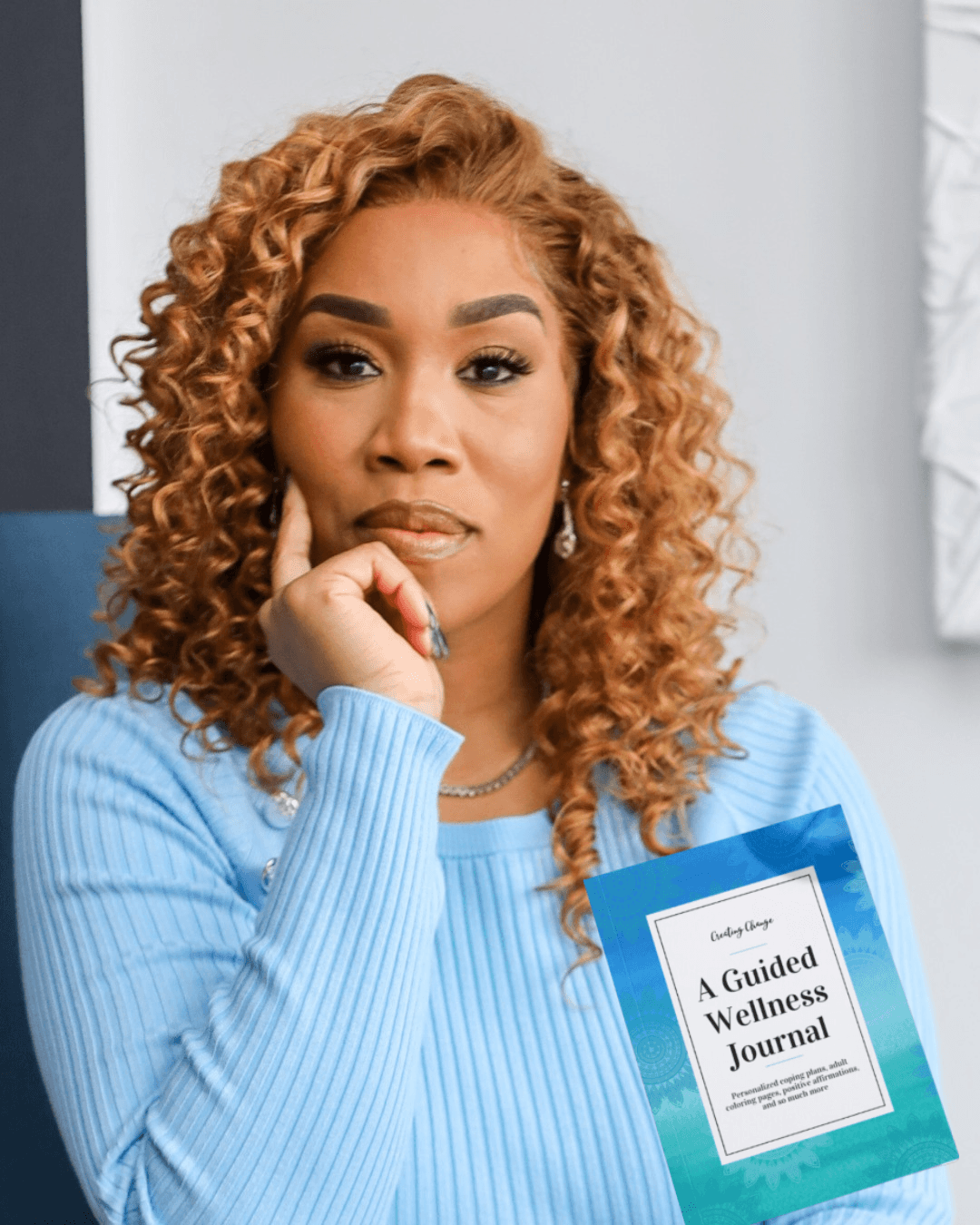
As part of my commitment to supporting clients both in and outside of therapy, I’ve also created the Creating Change Guided Wellness Journal. This journal was designed to help individuals take the tools and insights gained in therapy and apply them to their everyday lives. It’s a resource for anyone looking to foster self-reflection, explore their emotions, and take actionable steps toward personal growth. The journal includes prompts, exercises, and strategies to encourage mindfulness, improve emotional regulation, and help clients stay connected to their goals outside of sessions. It’s one of the projects I’m most proud of because it reflects my desire to make mental health care accessible and actionable, even beyond the therapy room.
How I Got Into This Field:
My journey into social work and mental health began with a deep sense of compassion and a desire to make a difference in people’s lives. Growing up, I was always the person friends and family turned to for support. I was also the kid who was constantly in trouble for talking too much in class! I discovered early on that I enjoyed talking to others, had a natural ability to empathize, and could help others feel understood.
I was drawn to the field of human services and mental health because I wanted to turn that natural ability into a career that could truly change lives.
I started my career with an associate’s degree in Human Services, and my first professional experience was working as an advocate at the NYC Domestic Violence Hotline. That role was incredibly formative, as it gave me hands-on experience supporting individuals in crisis, providing safety planning, and connecting them to life-saving resources. It was there that I realized the profound impact I could have by helping people navigate some of the most difficult moments in their lives.
From there, I pursued further education and training to deepen my knowledge and skills, eventually becoming an LCSW. Today, I am proud to have transitioned my solo practice into a group practice, that accepts most insurance plans, that reflects my values, experiences, and commitment to making mental health care accessible and impactful.
What We Do at North Node Therapy:
At North Node Therapy, we offer a range of services, including individual therapy, couples counseling, family therapy, and group therapy, all delivered with a client-centered and strengths-based approach. We focus on clients who are experiencing:
Anxiety and Depression: Helping clients identify and manage the root causes of their emotional distress while building coping skills to improve their daily lives.
Relationship and Marital Issues: Guiding couples through communication challenges, trust issues, and intimacy concerns to strengthen their connection and rebuild trust.
Trauma and Abuse Recovery: Supporting individuals in healing from past trauma, whether it’s related to domestic violence, childhood experiences, or other life events.
Life Transitions: Helping clients navigate significant changes such as parenthood, career shifts, relocation, loss, or personal growth journeys.
We are also proud to offer The Creating Change Guided Wellness Journal, which complements the therapy process by giving clients tools to continue their work outside of sessions. The journal encourages self-reflection, mindfulness, and personal accountability, helping individuals deepen their understanding of themselves and stay consistent with their goals. Whether someone is new to therapy or further along in their healing journey, the journal provides a structured yet flexible framework for growth.
What Sets Us Apart:
What sets North Node Therapy apart is our empathic, non-judgmental approach and commitment to providing culturally sensitive care. As a woman of color, I understand the unique challenges that BIPOC communities face, and I created a safe and inclusive space for our clients to feel seen, heard, and understood.
I also believe my unique combination of professional experience, personal insight, and cultural awareness sets me apart. Having worked in both crisis intervention and long-term therapy settings, I’ve developed a deep understanding of how to meet clients where they are—whether they are in immediate crisis or seeking to unpack patterns that have been holding them back for years.
Additionally, my own journey of overcoming challenges has made me deeply empathetic toward my clients. I’ve walked the road of professional growth from intern to business owner, and I understand what it’s like to feel uncertain or stuck. My work is guided by the belief that everyone is capable of change and growth, and I take great pride in empowering my clients to achieve that for themselves.
What I’m Most Proud Of:
One of the things I’m most proud of is my commitment to supporting the next generation of mental health professionals. My own struggles to find my first job in human services taught me how important it is to create opportunities for others. At my practice, I’m proud to offer jobs to new graduates who complete internships with us, ensuring that they can build experience and confidence without facing the same frustrations I did.
I’m also incredibly proud of the Creating Change Guided Wellness Journal. I designed it with the intention of helping people extend the benefits of therapy into their daily lives. Seeing clients use the journal to reflect, grow, and find clarity has been one of the most fulfilling aspects of my work. It’s a reminder that healing and growth don’t just happen during therapy sessions—they happen in the small, intentional moments we create for ourselves every day.
Finally, I’m proud of the positive impact my team and I have had on our clients. Hearing someone say, “I feel like I’m finally being heard for the first time,” or “I now feel equipped to handle life’s challenges,” reminds me why I do what I do. The transformations I witness—both big and small—are what fuel my passion for this work.
What I Want Readers to Know About Me and My Practice:
At the heart of my practice is a commitment to creating a space where clients feel safe, supported, and empowered. Therapy is not a one-size-fits-all process, and I tailor my approach to meet the unique needs of each individual, couple, or family we work with. My goal is to help my clients find clarity, build resilience, and achieve the change they’re seeking in their lives.
Whether through therapy or tools like the Creating Change Guided Wellness Journal, I want my clients to feel equipped with the resources and confidence they need to create meaningful change.
For anyone considering therapy, I want you to know that reaching out is a courageous first step—and one that can lead to profound growth and healing. Whether you’re navigating a specific challenge or simply want to better understand yourself and your relationships, therapy is a tool that can transform your life.
Thank you for taking the time to learn about me and my practice. I’m grateful for the opportunity to do this work and to be a part of my clients’ journeys toward greater well-being.
Learning and unlearning are both critical parts of growth – can you share a story of a time when you had to unlearn a lesson?
Something I had to unlearn in order to grow was the habit of trying to figure everyone out. For years, I wore the “therapist” hat in my personal life, constantly analyzing, solving, and supporting everyone around me—friends, family, anyone who needed a listening ear or help with problem solving. On the surface, it felt like I was being helpful, but in reality, I was pouring so much of myself into others that I had little left for me.
It took me a while to realize how consumed I had become by everyone else’s needs, emotions, and struggles. I thought I was doing the right thing by always showing up, always listening, and always trying to fix what felt broken. But what I didn’t see at the time was how much it was taking away from my own personal growth and development. I was so busy unpacking other people’s baggage that I never stopped to unpack my own.
The breaking point came when I realized just how drained and disconnected I felt from myself. My energy was scattered, my goals were neglected, and my own happiness was placed on the back burner—all because I was trying to carry everyone else’s emotional weight. I had to pause and ask myself: *What about me?* That question became the catalyst for change.
Unlearning this pattern wasn’t easy. It meant stepping out of my comfort zone and challenging deeply ingrained habits. It meant learning to set boundaries—not just with others, but with myself. I had to remind myself that I wasn’t responsible for fixing everyone’s problems, and that constantly being in “therapist mode” in my personal relationships wasn’t healthy for anyone. I had to give myself permission to say no, to protect my time and energy, and to prioritize myself unapologetically.
In this process, I discovered the **power of becoming a self-centered woman**—and how dynamic and transformative that shift could be. For so long, the phrase “self-centered” carried negative connotations for me. It sounded selfish, and I had been conditioned to believe that putting myself first meant neglecting others. But I learned that being self-centered isn’t about selfishness—it’s about **self-prioritization**. It’s about recognizing that I matter, that my needs and desires are valid, and that my well-being is just as important as anyone else’s.
When I started centering myself in my own life, everything began to change. I stopped feeling guilty for protecting my energy. I stopped shrinking myself to make space for others. And I started showing up for myself in ways I had never done before. I poured the energy I used to spend “figuring everyone out” into figuring out *me*. I got clear on my goals, reconnected with my passions, and created space for my own personal growth and fulfillment.
The most beautiful part of this transformation was realizing how it impacted the people around me. By focusing on myself, I was able to show up in my relationships in a healthier, more authentic way. I wasn’t constantly running on empty, and I wasn’t overstepping by trying to “fix” others. I learned to trust that the people in my life could navigate their own journeys while I stayed focused on mine.
Becoming a self-centered woman has been one of the most dynamic shifts in my life. It has taught me the importance of boundaries, the power of self-care, and the freedom that comes with prioritizing my own joy. It’s a daily practice, but one that has made me stronger, more confident, and more fulfilled.
Unlearning the need to constantly analyze and fix others didn’t just help me grow—it transformed the way I see myself and my place in the world. I’ve learned that by centering myself, I can show up for others without losing myself in the process. And perhaps most importantly, I’ve learned that my own happiness is worth protecting and prioritizing, no matter what.
Since starting my journey of being a self-centered woman, every time that I notice myself slipping back into my old habit of becoming overly consumed by someone else’s issues, I ask myself, “isn’t there some area of my life that could benefit from this level of attention from me?” and then I redirect my energy to that area of my life that needs me.
If you could go back, would you choose the same profession, specialty, etc.?
When I first entered the field of social work, I was broke. For many years, I would look at my paycheck and think to myself, *”Is this really the paycheck of a woman with a master’s degree? Is this truly my life?”* Unfortunately, low pay is an all-too-common reality in the field of social work, despite the immense emotional labor and responsibility that comes with the job. It was a tough pill to swallow, especially when I compared my education and expertise to friends in other fields who were earning significantly more.
There were moments when I questioned my choice—when the stress of financial insecurity collided with the emotional demands of the work. Social work isn’t a profession you enter for money, and that reality can sometimes feel disheartening. But even on the hardest days, I was reminded of why I chose this path. It’s the clients who trusted me with their pain and allowed me to walk alongside them on their journey toward healing. It’s the survivor of domestic violence who found the strength to leave. It’s the couple who learned to rebuild trust. It’s the client who told me, “For the first time, I feel like someone actually hears me.”
Those moments fueled me. They reminded me that this work is more than a job—it’s a calling. And while my paycheck didn’t always reflect the effort or impact of my work, my heart was full because I knew I was making a real difference in people’s lives.
Over time, I realized that while I couldn’t change the systemic issue of low pay in social work, I could take charge of my own career. I made a decision to build my private practice, not just to sustain myself financially, but to create a space where I could do the work I loved on my own terms. Through my practice, I’ve been able to marry my passion for helping others with financial stability. It has allowed me to align my income with the value I bring to my clients and has given me the freedom to create a life that reflects my dedication to this field.
If I could go back, would I choose the same profession? Absolutely. Yes, there were challenges. Yes, the pay was frustrating. But I have no regrets. Social work has shaped me into the person I am today. It has taught me resilience, compassion, and the power of human connection. It has shown me that meaningful work can bring a sense of fulfillment that money alone cannot provide. And now, I’ve built a career where I don’t have to choose between my passion and my financial well-being—I have both.
I would choose social work all over again, because while the journey hasn’t always been easy, it has been deeply rewarding. The lives I’ve touched, the lessons I’ve learned, and the growth I’ve experienced have made every challenge worthwhile. I am proud of where I’ve come from, what I’ve built, and the work I do every day. This profession, despite its flaws, has given me purpose, and I wouldn’t trade that for anything.
Contact Info:
- Website: https://www.northnodetherapy.com
- Instagram: https://www.instagram.com/northnodetherapy/
- Facebook: https://www.facebook.com/northnodetherapy/
- Linkedin: https://www.linkedin.com/in/noderea-john-lcsw-143919139/
- Youtube: https://www.youtube.com/@therapyandmelanin