

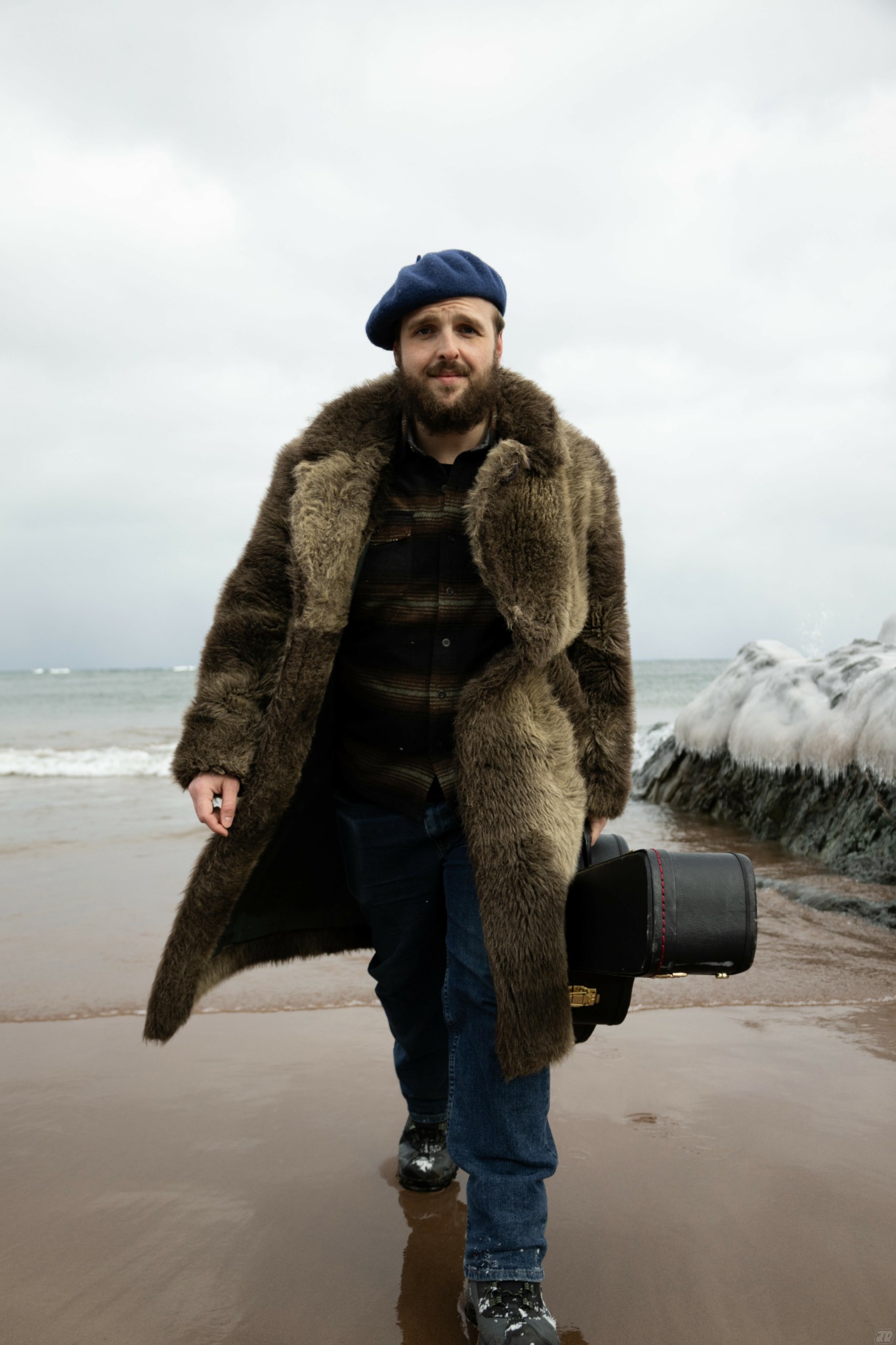

Alright – so today we’ve got the honor of introducing you to Noah Bauer. We think you’ll enjoy our conversation, we’ve shared it below.
Alright, Noah thanks for taking the time to share your stories and insights with us today. Can you open up about a risk you’ve taken – what it was like taking that risk, why you took the risk and how it turned out?
One of the biggest risks I’ve taking is abandoning the security of safe, steady jobs in order to establish a fulltime career in music. I’d wanted to do music for my whole life, but was routinely counselled to pick a reliable and realistic career path, so for many years, I acquiesced. I learned music as a hobby, beginning with piano in 3rd grade and then percussion in middle and high school band. For career preparation, I tried to figure out a career path that didn’t sound soul-crushing, then went to college to get a degree and join the work force. Brainstorming and imagining countless career paths throughout grade school, and then dabbling in a diverse sampling of college courses, I still struggled to find anything that sounded realistic, livable, and enjoyable simultaneously. I bounced around between majors for a couple years, then in my third year of college, I started getting more deeply into music. I began learning guitar, songwriting, and jamming with friends, which fanned the flames of my passion, so I decided to switch to a music major against all pragmatism. I quickly realized that the music program was more of a curriculum for training band teachers and standardized music education, rather than a place to hone in on musical individuality and finding my own voice, so a semester or two after, I left the program to try my hand at others.
Between that discovery and running out of financial availability to continue my university education, I dropped out. I did dead-end jobs for a few years to get by and developed my musical voice and abilities on the side. Eventually, I got a job at a local environmental non-profit and went back to school for Environmental Studies & Sustainability, so that all the money and debt tied up in my college education wouldn’t be for naught. My other biggest passion besides music is for the Earth, which had developed exponentially during the last few years, so it seemed like the only other thing I could get behind to finish schooling. During my second era of college, I began to play concerts monthly at a local kombucha brewery, Superior Culture. With the non-profit, my career with them started as outdoor environmental work (i.e. tree planting and trail building) that I adored, then I moved to the energy office and performed energy efficiency assessments, household weatherization, and solar panel installations for low income families. I learned a great deal and was glad to be doing important work, but missed the outdoor aspect that connected me directly with the Earth. COVID-19 hit, and my position became primarily a desk job for the duration of the pandemic, conducting online energy assessments, I get stir-crazy with desk jobs, so I decided to shake things up. A pillar of sustainability (and existential connection/purpose) is self-sufficiency, so one of my big dreams is to build my own home someday. I joined a carpentry union with the hopes of learning the skills to build houses.
By this time, society had gotten back to full operation and I began playing 3-5 concerts a month, as well as hosting a weekly open mic night at the aforementioned kombucha brewery, Superior Culture. The processes of union induction were advancing slower than anticipated, so I was primarily living off of savings and the live music I was playing. Once I could begin working, the work ended up being much less consistent than planned, due to little work being offered to the inexperienced (though the program was designed to be fulltime training for 4 years of any experience level). I was hobbling by financially for a few months trying to jumpstart the fulltime carpentry career path, until it dawned on me that I had begun paying my bills with exclusively music. The notion seemed preposterous that music could provide a living at a local, almost completely unknown, phase. I had never even considered it before. Once I had unknowingly stumbled into a trial run and was met with success, I decided to cut ties with the conventional jobs that society expected of me and forge my own way with music. With safety nets and steady paychecks removed from the equation, I tightened my belt (and became even more minimalistic with my spending habits) in anticipation of the struggles of living off of art at a local level. I began reaching out to more and more venues than the 3-4 I had grown to playing at post-COVID. Over the months that followed, I started getting gigs at even more and more venues, with some becoming regular slots.
The riskiest thing about this rapid transition into full-time music was the massive learning curve on many separate fronts. Being my own boss and having no other employees, suddenly, for the first time in my life, every single task had to be done by me to keep the enterprise afloat. There’s so much more to a livelihood of music than writing songs, playing concerts, and hauling gear. I had to step into the roles of my own booking agent, graphic designer, social media manager, promotions and marketing manager, sound tech, accountant, etc. There were so many hats to wear, yet no coworkers or bosses
anymore to help shoulder the business’s needs. Some of these roles I had dipped my toes into already, while doing a few gigs on the side, but it wasn’t more than scheduling a couple of gigs a month at a couple of venues. I had only personal social media accounts at the time as well, so it had all been a very hands-off approach previously. With the rapid expansion of obligations to turn my music into an actual career, I had to learn to fill all of those roles urgently, yet with no prior experience (or even interest) for many of the roles. Through trial-and-error (and occasional advice from local and regional musician friends) I kept taking wild stabs at filling all these different roles, to very mixed results. Before long, my trial-by-fire had given me enough experience to get a barebones foundation laid. I scheduled as many gigs as I could find at as many venues as I could manage, created business social media accounts on Instagram and Facebook, designed and posted fliers all over town (to advertise availability for private events, like weddings and grad parties), put out regular monthly schedules, progressed ambitiously at guitar and whistling, expanded my repertoire of both covers and originals, tried to get some live music videos online, and so on.
Just as soon as I got a foundation laid though, a terrifying obstacle threatened my career’s entire present and future, all stemming from a foolish, unrelated mistake. I had begun doing regular cold water immersion in Lake Superior. I went in for several minutes every day in October and November, but then missed a few weeks in December while traveling, which stunted my body’s tolerance. I was also just pretty new to cold water immersion at the time, that being the first season I started doing it routinely (and lake temperatures had much lower to go still), so I didn’t have a full working knowledge yet. When I went back in a few weeks later, I stayed in longer than usual 10-15min, since I was celebrating the winter solstice at the beach with some friends and we were there a while, just chatting and hanging out. I was used to briefly numb fingers and toes after a few months of doing cold water immersion, but when I got out that day, my entire hands and much of my arms were completely numb. This anomaly induced a great deal of worry, so I quickly left the group and went to go sauna. I was too panicked about fixing the situation to remember the proper first aid do’s-and-don’ts, so I got the sauna very hot and held my hands above the rocks to speed up the de-numbing process. As sensation slowly returned to my body, it didn’t return to my fingertips. My fingertips were completely numb. The rapid temperature shift for my hands had caused nerve damage in the extremities. I had no idea if it would be temporary or permanent, and no healthcare to find out, as I had recently left the safe careers with healthcare to do music and hadn’t set up an alternative yet. With all numb fingers, playing guitar felt alien to me and also problematic, causing worry that the tiny metal strings boring into my fingers might only reduce chances of a possible recovery. I stopped playing guitar in the hopes that the situation would resolve over time. Dread and hopelessness filled my whole existence for a time, worrying that if it was permanent my music career would be forfeit and my joy in playing music would be forever estranged. Weeks rolled on with no sensation and no guitar playing. Physical health had become another massive piece of the career risk. With music as my primary job though, I had no choice but to keep gigging.
I had started my music career on exclusively guitar, since that is the instrument all my completed compositions were written on, even though I’d been a pianist for twice as long. Piano had fallen out of practice over the years as guitar took over as my primary instrument, so I had a greater fluency and knowledge, in most respects, on piano, but was woefully rusty in comparison. I also had a vastly smaller repertoire on piano, since guitar was the only instrument I gigged with, as well as having the forefront during the years where I was the most serious about music. I had to instantaneously pivot to playing piano to keep my business afloat, which required massive amounts of practice to unbury my piano skills from years of collecting dust, and to have a large enough repertoire to gig with. I learned hundreds of songs within a few weeks and practiced for dear life. The first handful of gigs were dicey, with so much new material on an instrument I was still recovering on, but I crawled through and improved. My fingers eventually did recover, allowing me to play guitar again, though not until about 2 months later. It was a scary and dark time, albeit self-inflicted. 2 months without guitar, the massive career pivot to piano, and the uncertainty of recovery were nightmarish throughout. Once I had made it to the other side, I quickly realized this period had really been a blessing in disguise. I had put 2 years worth of piano practice into 2 months and expanded my repertoire from 30-50 songs (mostly sheet music that wasn’t useful for gigging) to 200-300 songs. Within a month or two of extreme preparation, I established piano as another viable gigging instrument, which changed the game for diversifying my offerings. Many more opportunities cropped up, once piano could be offered to clients as well. Over time I began gigging about 50/50 between the two, which allowed me to advance quickly and stay polished at each of them, while having more fun switching things up. Even the most hopeless moments, sometimes, can be spun into second winds and new strengths, with proper flexibility to the circumstances. I now see that health crisis as a blessing in disguise, since it reunited and greatly advanced me with piano, as well as allowing my business to cater to a much greater number of clients.
I feared my success wouldn’t last though, being fully tethered to the income of my music career, yet without having any studio albums, very little music online, and no merchandise to supplement my income. It was an embarrassingly evident void in my business for all to see. It was a miracle I was even keeping things afloat, with so few music samples to offer to potential clients and with no products to sell. I tried increasingly to get live footage up, so as to tread water for the time being. The problem there was, I only had a phone with microphone issues to record shows with, so the audio would sound very washed-out and distant. Even with more music added into my online portfolio, I still felt uneasy, because it wasn’t at professional quality standards. It was a quick and messy patch to tide me over until I could get something better in its place. There were a few big reasons why I hadn’t recorded a studio album up to this point. I had been saving up for several years to accumulate professional-quality instruments and musical gear, and had only got the last important upgrades during that time. Another big reason, is many of the songs I had written were composed with a band sound in mind. I was waiting to release an album until having a band, but with a limited pool of musicians in the small town I live in (and an unorthodox music vision), forming a lasting band that resonates with my musical aspirations has always been an elusive task.
Now that I was doing music as my primary income source, I knew I couldn’t afford to wait any longer before making an album, so my solo career finally received my full attention. The songs that felt like they really need a band to shine were set aside, the others were fleshed out as far as I could take them without accompaniment. During live shows, I’d begun to get bored of just strumming through solo sections of songs without any lead parts, and would long for a band, so there could be some lead element to fill the void. Once I’d committed my gaze towards my solo act though, it made me reexamine my options for how to create a fuller experience. I tested out the notion of doing some simple whistling melodies to fill the lead parts of songs, which immediately felt like a massive step up. After further experimentation, whistling became an integral part of my act. I began to develop a very novel style, having no examples or reference points I knew of to inform my sound with. I had heard whistlers do song melodies before, but didn’t know of anyone using it for improvisational soloing, so I mimicked what I’d like to hear for a guitar solo or a horn section, etc., until it became something I’d never heard anything quite like before. With no band, a new capacity to do lead and rhythm simultaneously, and a repertoire now set up to function without accompaniment, I decided to do my first album with a minimalistic approach. Even without a band, I could’ve done a studio album with accompaniment easily enough, but that seemed chaotic, inefficient, and now unnecessary.
With the vision in place, I charted a course for the album project. I had spent several years composing and refining my songs endlessly while developing as a songwriter and guitarist, to the point where they feel very dear to me, so I didn’t want to sell them short with a patchwork attempt at putting them onto an album. To do them proper justice and to put out a high quality album, not some ragtag stepping stone that quickly becomes obsolete, I needed the funds to pull it off. I launched a Kickstarter campaign to raise $5,000, another big risk, since I’d only receive the funds if I reached the total goal and I had very few followers on any of my social media accounts. If I didn’t reach the goal, all the work put into the Kickstarter would be in vain and my project’s failure would be broadcast to the fullest extent of my online and social reach, as it needed to be promoted as widely as possible during the fundraising process. The days passed slowly and stressfully as I worried if the project would succeed. This also happened to coincide with a second health crisis. I had throat issues that seemed at first like a sore throat, but after several weeks of constant discomfort, I became worried that I had vocal damage from all the gigging, which is often difficult to treat and with very long recovery times. If the Kickstarter happened to be a success, I was supposed to begin recording within the following month though, and due to the crowd-sourced funding and Kickstarter policies, deadlines are considerably less flexible than self-funded projects. The throat issues coinciding with my impending debut album added immensely to the worries. Very fortunately, the Kickstarter goal was met in the last few days and even ended at 113% funded. The throat issue, later suspected to be a particularly nasty and enduring case of pharyngitis, went away after about 2 months, only causing a few weeks of delay on the recording process. Over the next several months, the album was completed and released, and CDs and other merch were manufactured. Business obstacles aren’t gone, but a much stronger foundation has now been laid finally. Life still keeps throwing frequent curveballs in my path towards maintaining and growing a stable music career, sometimes almost sending the whole thing crashing down in the process, but I wouldn’t take back risking a music career for all the stability in the world. Most of the accompanying duties aren’t glamorous or enjoyable, financial stability is tenuous, and definitive progress can seem like a mirage or pipe dream, but music is where I feel at home – and where I feel I’m spending my life correctly. Maybe people are right that music isn’t a safe career path. Maybe my house of cards will topple and I’ll be forced to go back to another soul-crushing day job in time, but until then, every single day I get to do music instead is a victory. Every single day is a triumph of life and purpose. The struggles, defeats, and the risks mean nothing in the face of that. These are the days I live true.
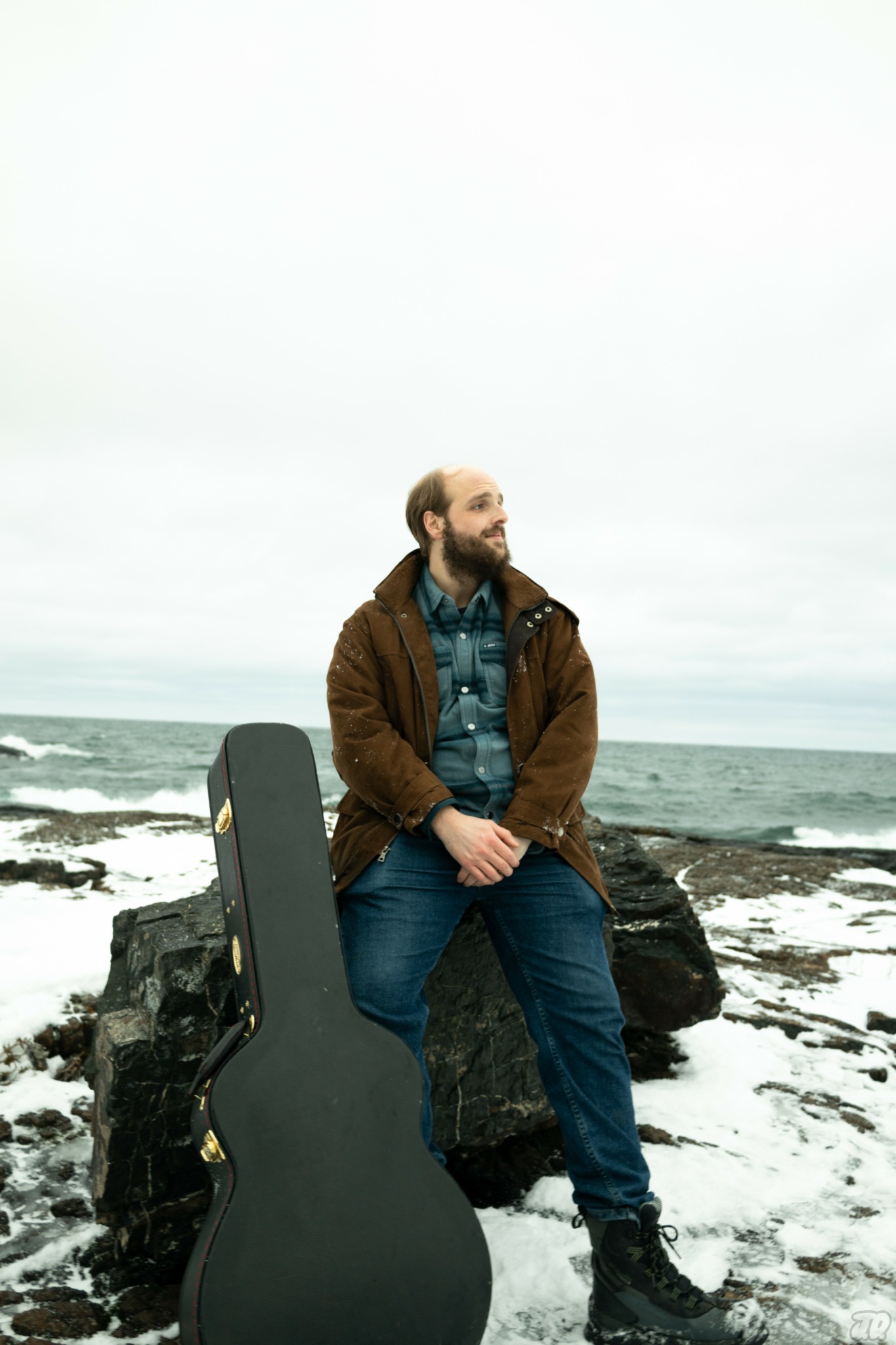
As always, we appreciate you sharing your insights and we’ve got a few more questions for you, but before we get to all of that can you take a minute to introduce yourself and give our readers some of your back background and context?
I got into the music industry, because music has always been a monumental passion in my life. I’ve played music from a young age, starting piano lessons in 3rd grade. I’d always dreamt of doing music for a living, I just didn’t think of it as an immediately possible career path until a few years ago, when I found out by accident that the concerts I was playing locally were paying my bills single-handedly. What I think sets me apart, is I offer music in as many forms as I can. I write songs that blend a great many genres together, so my music is able to be received by people of diverse musical tastes. I cover dozens of different genres, play concerts on both piano and guitar, have a song bank of roughly a thousand songs to pull from, switch my setlists at every show, and improvise extensively as well, allowing me to fit the desired mold for all kinds of venues and events. That extent of versatility, while not wildly uncommon, certainly isn’t the standard in much of the music industry either. I’ve also been told my style of whistling sets me apart from other musicians. The products I currently offer are digital downloads, CDs, T-shirts, stickers, and chord sheets for my original songs. I also teach music lessons on occasion. I’ll soon be offering cassette tapes of my album as well, and am planning on doing a vinyl release for my album sometime in the next couple of years. Another service that I offer is commissioned songwriting. People can hire me to write a song in a certain style and about a topic of their choice.
I’m most proud of the diverse musical background I have and how atypical my original songs are as a result. It’s no secret that there’s been a lot of very derivative music in the industry over the last several decades, so I am proud that the original music I bring to the table is truly unique and definitively an extension of myself. I want people to know that I write many of my songs to try to provide insight into making the world a better place, taking care of the Earth, and replacing the systems of oppression. I want my songs to be beacons of hope, vulnerability, truth, healing, and solidarity, and I want them to be calls to action and inspire people to help in the fight for a world that prioritizes the health and well being of all life on Earth. I’d like people to know that I pour my heart out in the songwriting process and in my live shows, trying to bring all of the passion, earnestness, excitement and creativity I have to offer. I want my songs and concerts to be lively and raw, so that they can resonate on the deepest level with people, offering a visceral human experience in a world that can be so often be numbing or unfulfilling. I want my music to uplift people and help us chart a course towards a brighter future.
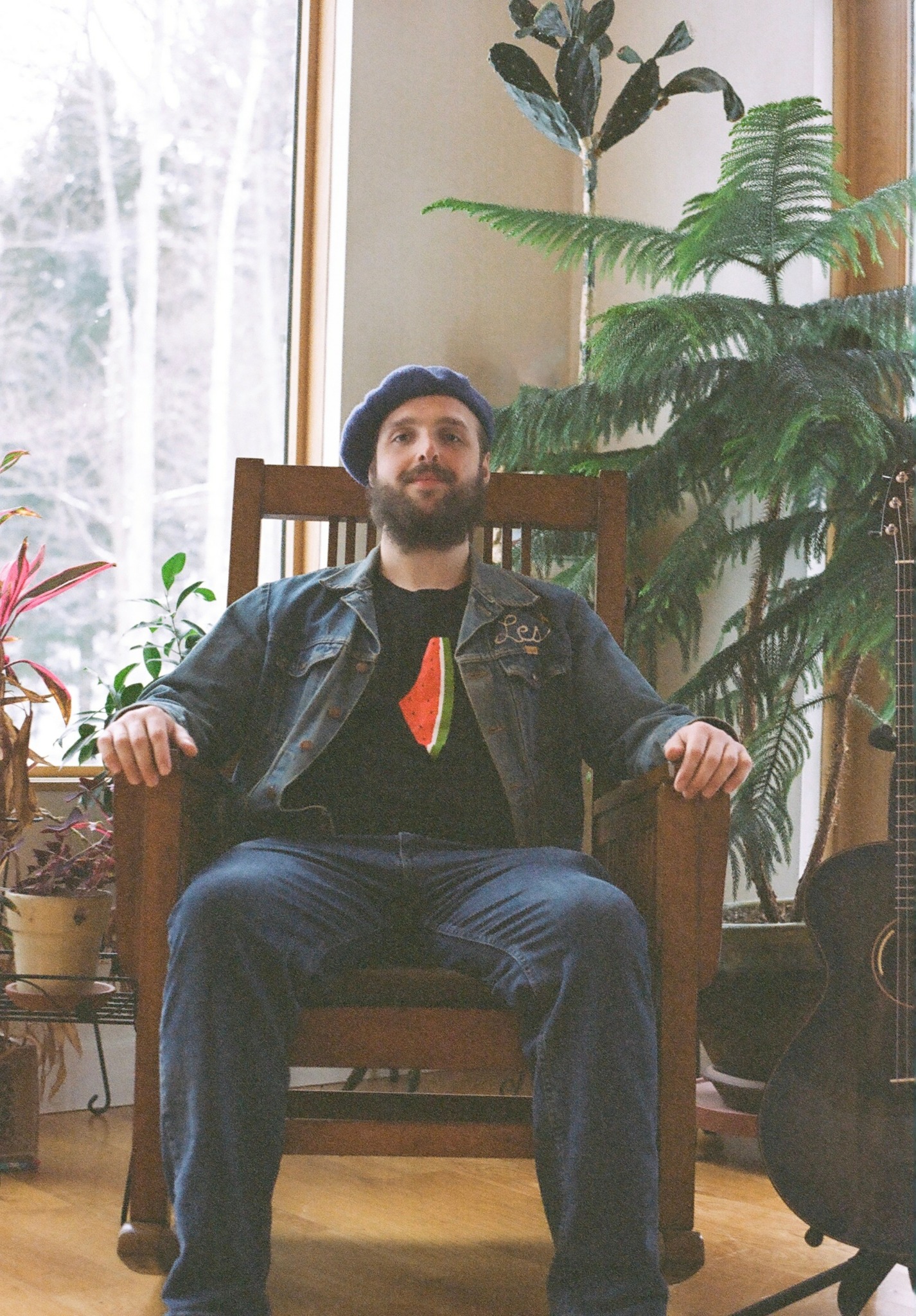
How can we best help foster a strong, supportive environment for artists and creatives?
The music industry was never an easy one to make a comfortable living in, but it has only gotten harder over the last few decades. With the rise of streaming, artists make a small fraction of the CD and record sales that they used to. They also make almost no money at all from streaming services. Another modern development that has made the music industry much more prohibitive, in some regards, is the rise of social media. With follower counts so easily accessible, venues, festivals, booking agents, etc. can see exactly how far-reaching an artist’s music is and what sort of audience pull they can expect from booking them. Until reaching the desired follower counts, opportunities are very limited, though it’s incidentally hard to raise follower counts with limited opportunities. The biggest challenge with the modern music industry and the rise of streaming giants is that people have access to more music than ever before. The music industry is so heavily saturated with options of who and what to listen to now, so audiences are diluted across a vast ocean of music. We are now competing for people’s ears with almost every song ever released, when it used to be the infinitely smaller amount that they personally owned or had access to.
With all that in mind, the best thing society can do to support artists is to share their posts and music on social media (and with friends/family/coworkers/etc. in real life), like and comment on their posts (to boost visibility), feature their music in your posts and stories, show up to their concerts, buy their merch and music (instead of just streaming it), tip artists, hire or recommend them for private events, book or request them at venues and festivals, encourage venues without live music to try it out, etc. Not everyone is in a position to do every single one of these things, but that is a fairly comprehensive list on the best way to support musical artists in the modern age, so if there’s any that are achievable for yourself, I encourage you to aim for these practices with the artists you’d like to support. And keep in mind, the smaller artists need much more help than the bigger artists who’ve already reached significant success in the industry. Big artists already have massive outreach and virtually endless opportunities, it’s the smaller ones that need the boost much more.
Another big thing to help career musicians is not to disrupt the live music trade by offering to play shows for no money or just for free drinks. Many people who do music as a hobby want to have a little fun playing some live music and don’t care about pursuing it as a livelihood, so they’ll offer free shows or will play for free drinks. They don’t mean any harm by it and they deserve to play live music too, but it causes significant issues for musicians who do it for a living. Many venues will try to save money by filling their live music schedule with these free performers, taking gigging opportunities away from the musicians who need it to pay their bills. That can also drive down pay rates, where professional musicians have to slash their rates to still get hired when there are people willing to pay for free. That’s the difference between the arts and many other professions, people enjoy doing arts so much that they’re just as eager to work without receiving any pay. There’s nothing wrong with doing music as a hobby, or wanting to play live music as a fun endeavor, the way to prevent harming career musicians though is to stick to gigs that are always unpaid like open mic nights or to still charge a rate for concerts at venues that typically pay for music. Even if you don’t care about getting money and just want to play live, it’ll keep you from undercutting professional musicians. And besides, there’s no harm in making a little money too while you’re having fun.
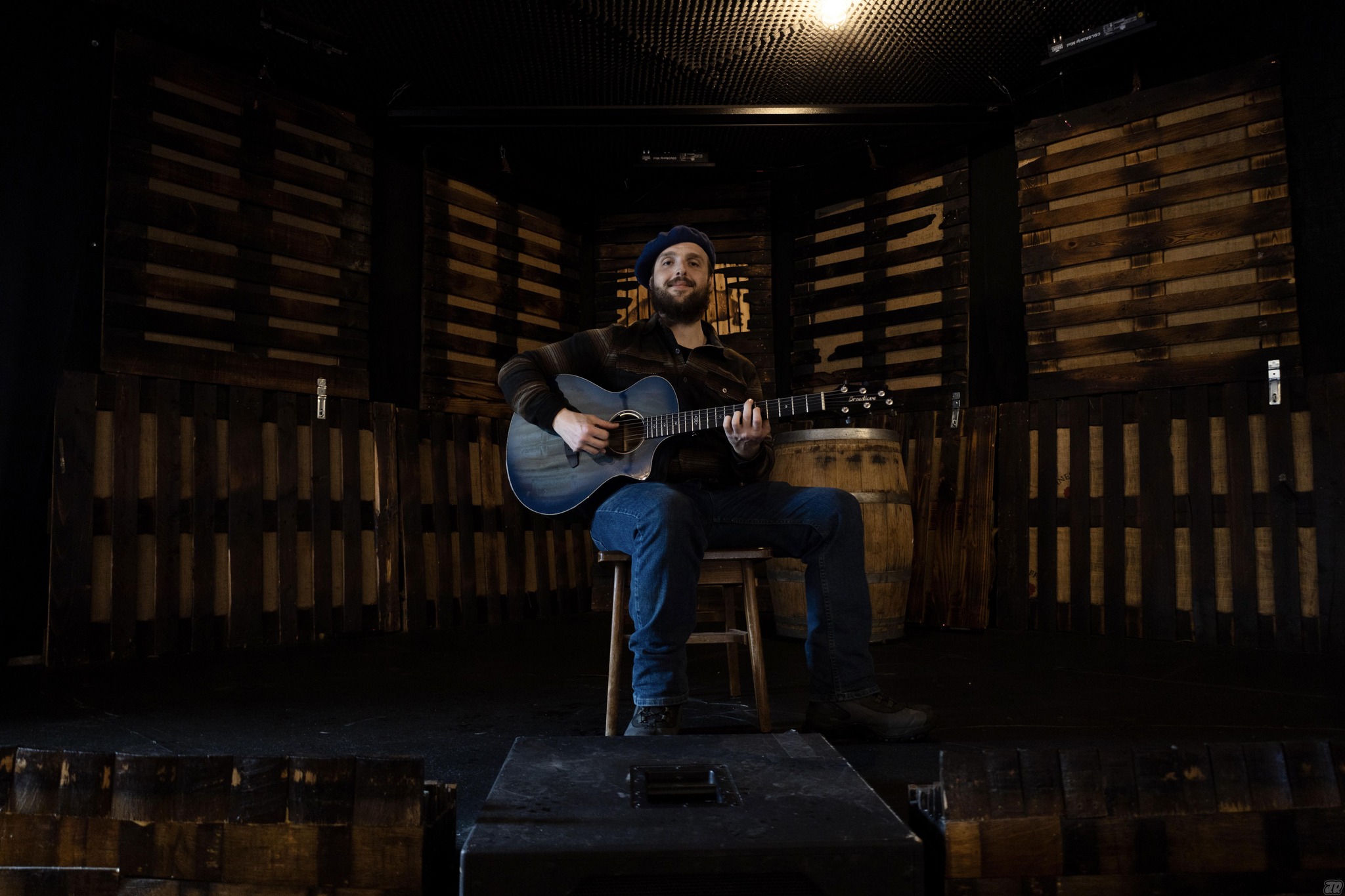
Is there mission driving your creative journey?
My goal with my music is to spread the idea that the Earth is a super-organism, and all people, animals, plants, etc. are just cells in the Earth’s body. The health of the planet and the health of all the other cells determines our own. I believe many of the problems the world faces will start to resolve themselves when enough people realize how deeply interconnected we all are as a planet and how we need to foster the well-being of each other and all life on Earth very soon to avert existential disaster. When we prioritize the health of the planet and all life on Earth, then we will be able to usher in a golden age where we are free from climate disaster, ecosystem collapse, mass extinction, wars, genocides, exploitation, oppression, racism, patriarchy, etc. These terrible things are symptoms of the greed, selfishness, individualism, and xenophobic mentalities that have been systematically conditioned into the masses and employed by the ruling class of our planet. People disconnected and divided are far easier to control. We’ve tried to address the symptoms, but there are too many (and they keep cropping up) while the source of the problems is still almost entirely unaddressed. Understanding we are just interdependent cells in the body of Earth, along with all the other humans and species, will help to uproot the source of these issues. Once the source has been treated, this new paradigm should start to unravel the symptoms in the process. People will start to take better care of the world around them, since they will know it is all an extension of their own health and well-being. I make music about a lot of things, but this is the most prevalent topic in my songwriting and the one I’ve dedicated my life to being a messenger for.
Contact Info:
- Instagram: https://www.instagram.com/noahthedroplet/
- Facebook: https://www.facebook.com/p/Noah-Bauer-100088050186850/
- Other: Bandcamp:
https://noahbauer.bandcamp.com/album/lunitidal-intervalSpotify:
https://open.spotify.com/artist/1ynhnfvztcUJpP86K3EhLA
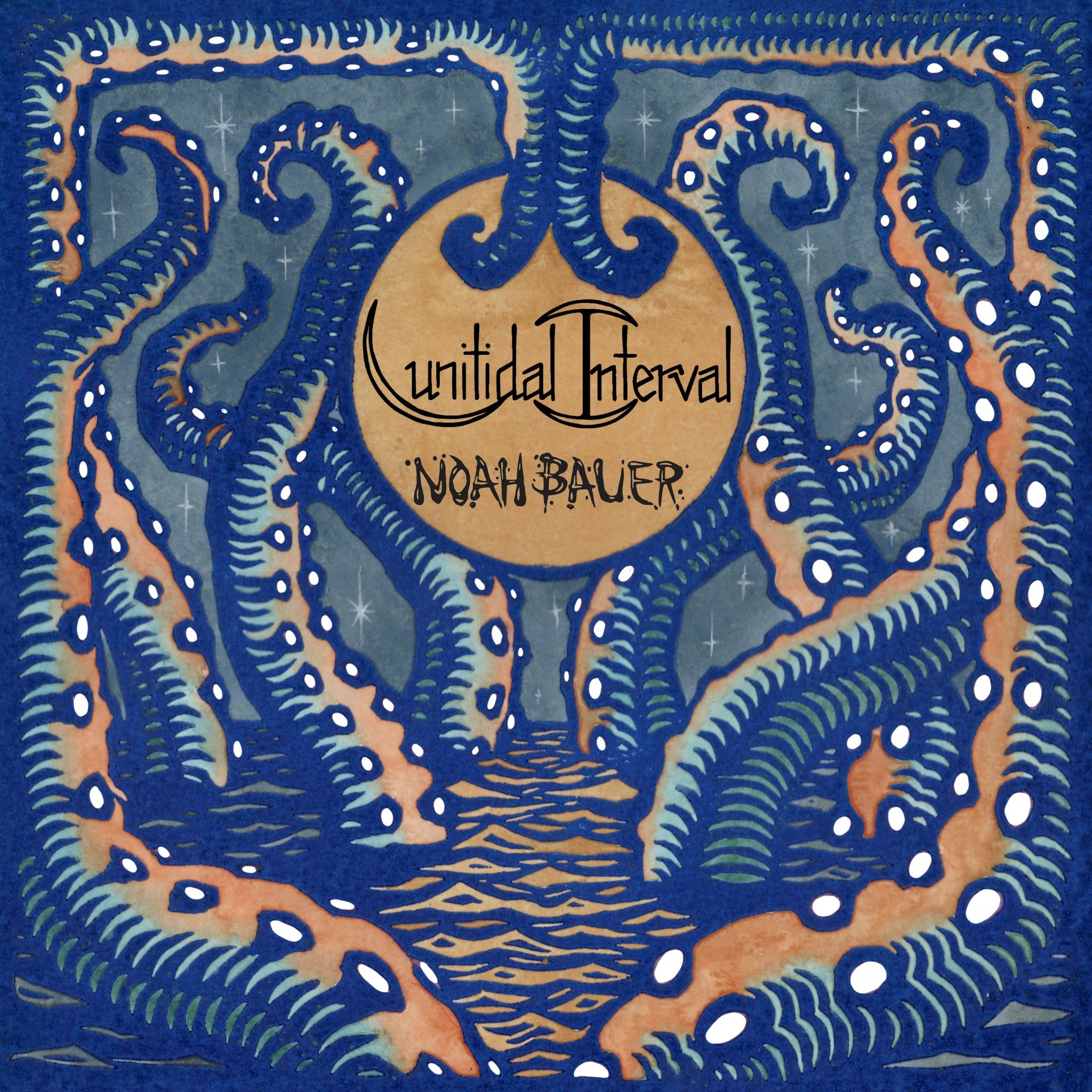
Image Credits
Jacob Darner