



We were lucky to catch up with Nina Clapperton recently and have shared our conversation below.
Nina, looking forward to hearing all of your stories today. What’s the best or worst investment you’ve made?
The best investment I made in my business was actually investing money into it. It sounds like such a simple thing, but for 4 years, I was trying to bootstrap the whole operation. The only thing I purchased was my domain name and hosting, and I went with the most budget option out there, which meant that I often spent more time dealing with technical issues. It was only when I realized I was either going to have to go back to law school or really make this entrepreneurial thing work that I gave myself permission to invest money in online courses and tools that would allow me to scale my business. It was only 7 months later that I had my first $10,000 month!
I definitely learned to take the risk. I’m such a budget girl and I get so fearful around spending money, especially if I don’t know that the success is guaranteed. It felt like a huge risk to invest in this business that, at that time, had just been a time suck with 0 hopes of income on the horizon.
But I kept telling myself that it was me betting on my future – and that law school would cost a hell of a lot more, so a few thousands dollars were just gonna be a drop in the bucket comparatively.
In the end, I’m so glad I spent the money, because I learned a lot within those courses, the tools sped up my output massively, and I finally had financial incentive to make this thing profitable. Before, I could just blame it on me not spending money on it. Now I had 0 excuses and I needed to make it work.
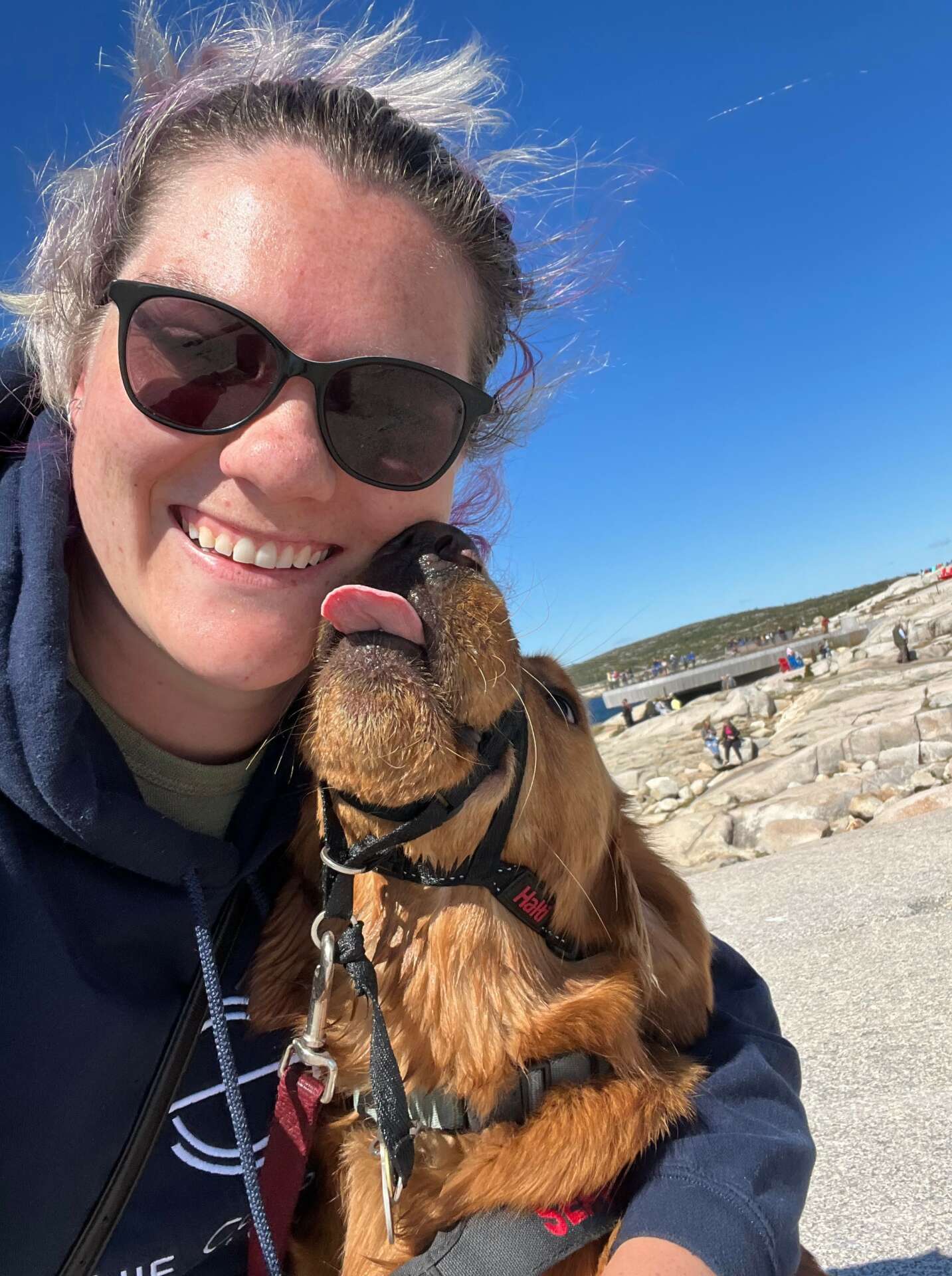

As always, we appreciate you sharing your insights and we’ve got a few more questions for you, but before we get to all of that can you take a minute to introduce yourself and give our readers some of your back background and context?
I’ve never known what I wanted to do in life. I think a lot of people have a clear path in mind at some point, even if it’s not the one they end up on. I always loved writing, but I was told time and time again that writing isn’t a career. I’d either need to pick a new option or sleep on my sister’s couch for the rest of my life. So I basically let people steer me towards law school because it was there. My family are mostly lawyers, so I guess it seemed like a no brainer.
After my undergrad, I applied for law school and then spent a year in Europe. I felt more like myself in that year than I ever have. And when I got my acceptance and a scholarship to law school the same day I got a stale Starbucks cookie, and I was more excited about the cookie, I knew I needed to figure something else out.
I launched my travel blog a few months later while on a layover in Toronto on my way to move to New Zealand for a year.
I worked 120 hours a week on the blog, while working for the New Zealand government, and loved every minute of it even as the blog stopped growing and continued to make $0.
Fast forward a few years to the pandemic when I was back in Canada after having to leave the UK where I was doing a Masters degree, I realized that I needed to stop being ashamed of this blog. I kind of downplayed it and made it sound like a hobby to anyone who asked about it – which wasn’t many people since I hid it. I needed to actually invest the time and money into it.
I made a lot of mistakes over that year – namely, not investing in anything concrete. I jumped around from Tiktok to Instagram to SEO to Pinterest every few days, with no real idea what was going to work. So I basically self sabotaged until nothing worked.
By the end of 2021, I gave myself an ultimatum. I had 1 year to make my blog earn $2k a month at least, or I’d have to ditch it and go back to law school.
That gave me the incentive to buy courses and learn what I should actually do to grow a blog, do SEO the right way, and monetize my site. By July 2022, I made my first $10k from it!
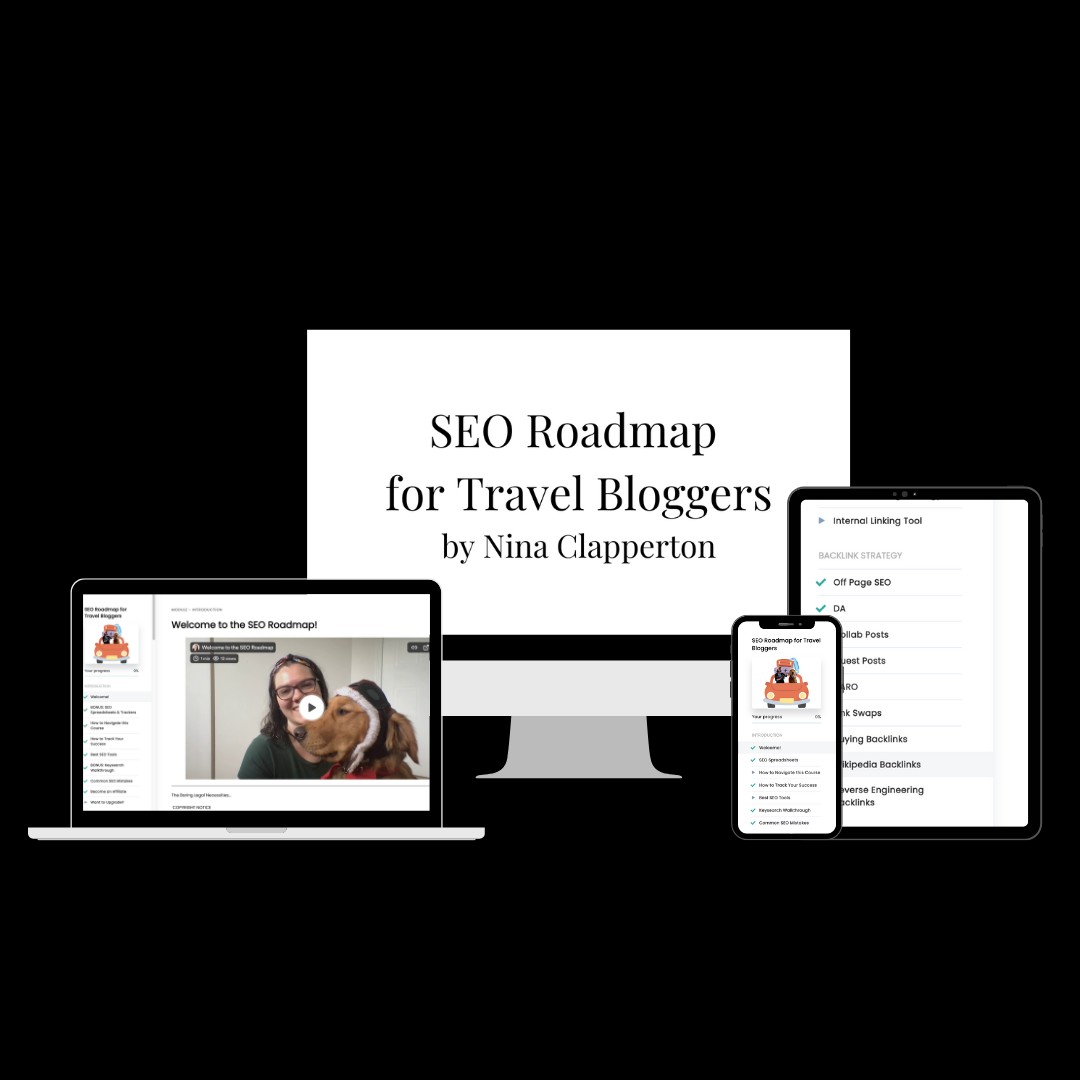
Now I run a few blogs, including She Knows SEO, where I teach others how to grow profitable blogs with SEO, affiliate marketing and digital products. I sell courses related to AI and SEO that help bloggers create content that ranks on Google and brings in thousands of their ideal audience every month. I also occasionally do blog coaching, but I only open it a few times of year to my email list.
How’d you build such a strong reputation within your market?
A lot of people start their business before they have clients, but I did the reverse. While I was on my journey to grow my travel blog with SEO, I was getting fed up with the bad advice I saw people sharing in free Facebook groups for my industry – just tired advice that I knew from experience didn’t work. So while I was on Zoom meetings for my full time job, I would scroll through these Facebook groups and give free advice.
It got to the point where I was getting 20 requests a week for 1:1 coaching with me, and I hadn’t even achieved what I would have called “success” from my own blog yet.
I knew that I didn’t have the bandwidth to do all the 1:1 work. I’m an introvert who has severe hermit tendencies. But I wanted to help people. So I learned how to create digital products and courses so I could do just that.
I didn’t charge people for that first help – I didn’t even really know I could have at the time. I just wanted to ensure people got the best advice possible about what was actually working.
And to this day that’s my marketing strategy that has helped me sell out coaching within 48 hours every time I’ve offered it, and made me over $50k in one day from a product launch.
I call it the “Costco free sample policy”. People need to know that they like the egg roll before they buy 800 of them. So give them a taste for free so they know that what you’re selling works.
Sure, there will always be the people who just take the freebie with no intention of buying. But they weren’t gonna work with you anyway. The ones who do want to work with you will feel even more secure in paying for your services because they know you’re legit.
Any advice for managing a team?
This is going to be a bit counterintuitive but don’t hire a team just because other people tell you it’s the next step. I hired writers because it’s what everyone who runs a blog does. But writing is my favourite thing to do. Now I had someone else doing the fun stuff while I had to spend all my time editing and formatting those articles I paid for to get them live.
That made me a horrendous boss because I would avoid their emails and be grouchy with my edits.
Figure out your zone of genius first, and delegate what’s outside of that or what you cannot physically handle solo.
My next tip is to hire excellent people.
A lot of small business owners try to hire the cheapest person for the job, which often means a beginner. You’re going to pay in time for that.
I did this with a beginner assistant for a while, and was out of my mind regularly with how much training was involved, how much hand holding there needed to be when I felt I should be doing other stuff, and how many emails they’d send asking clarifying questions.
I wasn’t in a position to hire and train someone. What I needed was an experienced person to come in and hit the ground running with only a couple training sessions.
I think hiring the right team is huge for management and morale, because it’ll impact your ability to connect with them in a positive way.
Some things that have helped me be a better manager:
* Regular check ins. I don’t want to micromanage, but I also don’t want anyone feeling abandoned. So every 2 weeks I send a “how’s it going?” email.
* Regular praise. When someone does something well, tell them! So many bosses forget this. People like hearing they’ve done a good job.
* Figure out their zone of genius and lean into it. My VA is amazing at organization where I’m a disaster, so any time I have something complex I’ll send it her way first for her to get an organizational system set up, then she’ll send me my touchpoints. It makes my life so much easier and it’s something she’s amazing at.
* When you hire people, ask how they learn and how they like to receive feedback. If someone learns via videos, send them videos. If someone learns via checklists, give them checklists. I also note down how they best respond to feedback so I can ensure I’m delivering it in a constructive way for that person to handle and actually implement.
Contact Info:
- Website: https://sheknowsseo.co
- Instagram: https://instagram.com/ninaclapperton
- Facebook: https://facebook.com/groups/seofortravelbloggers
- Twitter: https://twitter.com/ninaclapperton
- Youtube: https://youtube.com/@sheknowsseo
Image Credits
All taken by me