
Alright – so today we’ve got the honor of introducing you to Nina Ameri. We think you’ll enjoy our conversation, we’ve shared it below.
Nina , thanks for taking the time to share your stories with us today Let’s start with something countless entrepreneurs have had to figure out on the fly – how have you dealt with the rise of remote work?
When I first started out as an attorney, remote work was unheard of, especially in my field. At every firm I worked at before, everyone was expected to show up to the office and work. It didn’t matter if they were sick or not feeling well. As a result, I always felt like I was chained to my desk and confined to my office.
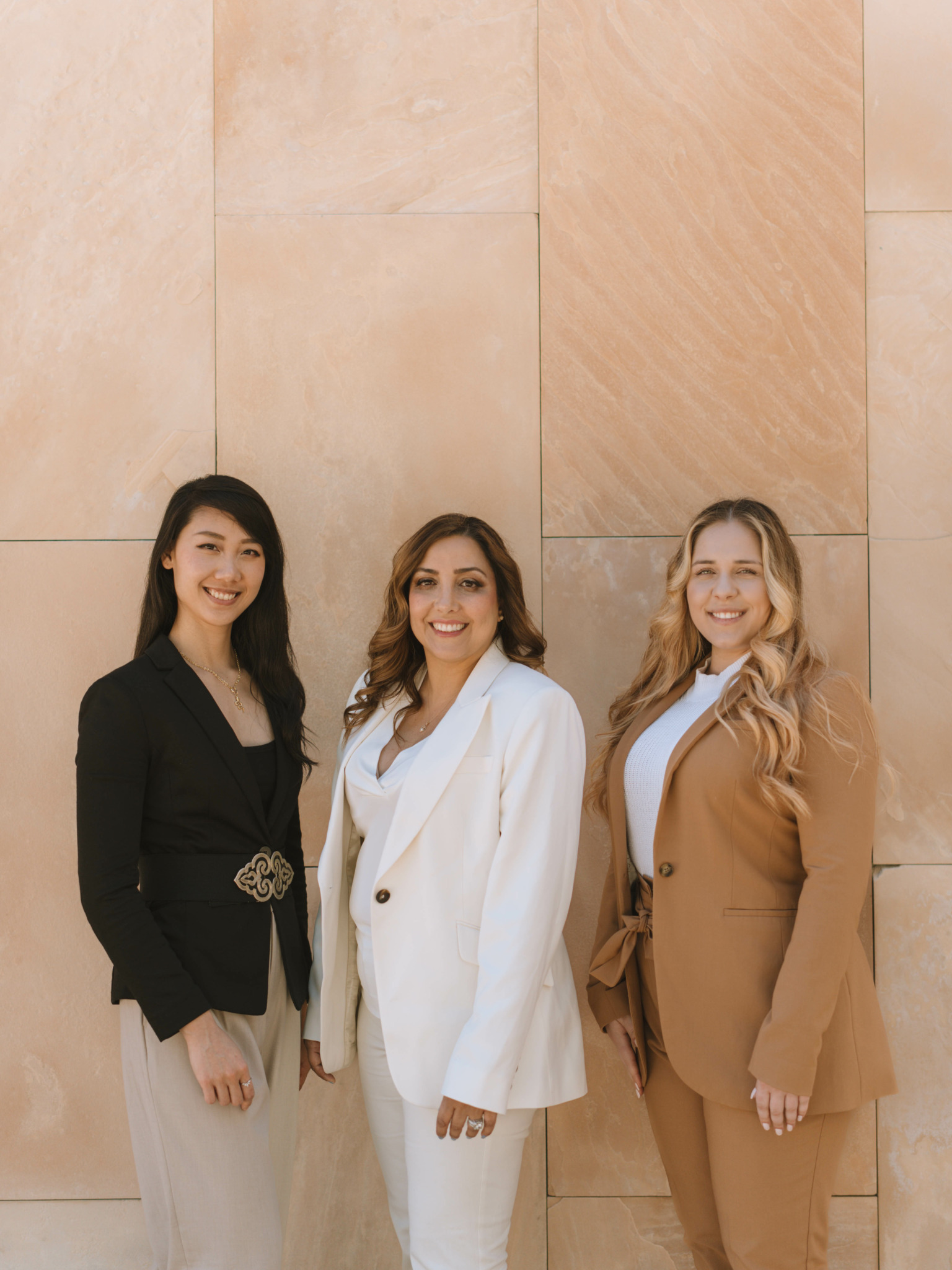
Now, post-pandemic, more and more firms are offering hybrid, or fully remote positions. My firm is entirely cloud-based, meaning we have no physical offices, and my team members are all fully remote. Even though this is a pretty drastic change from before, I feel like my productivity has remained the same. I have the flexibility to go to coffee meetings and lunch meetings, and whatever time I spend in front of my computer, I do it meaningfully and efficiently. It actually feels like I get more done, spending 2 hours in front of my computer now, than I did back then, sitting at my desk for 8 hours.
With that being said, we are a small firm and being fully remote means we don’t see each other regularly. Despite this, fully remote work does not have to be isolating. I talk to my team almost every day to make sure we all stay connected, and I also plan days for us to just hang out. We all like to try different types of cuisine, do activities like hiking and pickleball, and I’ll even book spa days for us to relax and get massages. Being fully remote can be tough, especially when your “office” is also your home, so self-care is so incredibly important. Considering how prevalent burn-out is in our industry, I try to encourage my team to take care of their physical health and their mental health.
Nina , before we move on to more of these sorts of questions, can you take some time to bring our readers up to speed on you and what you do?
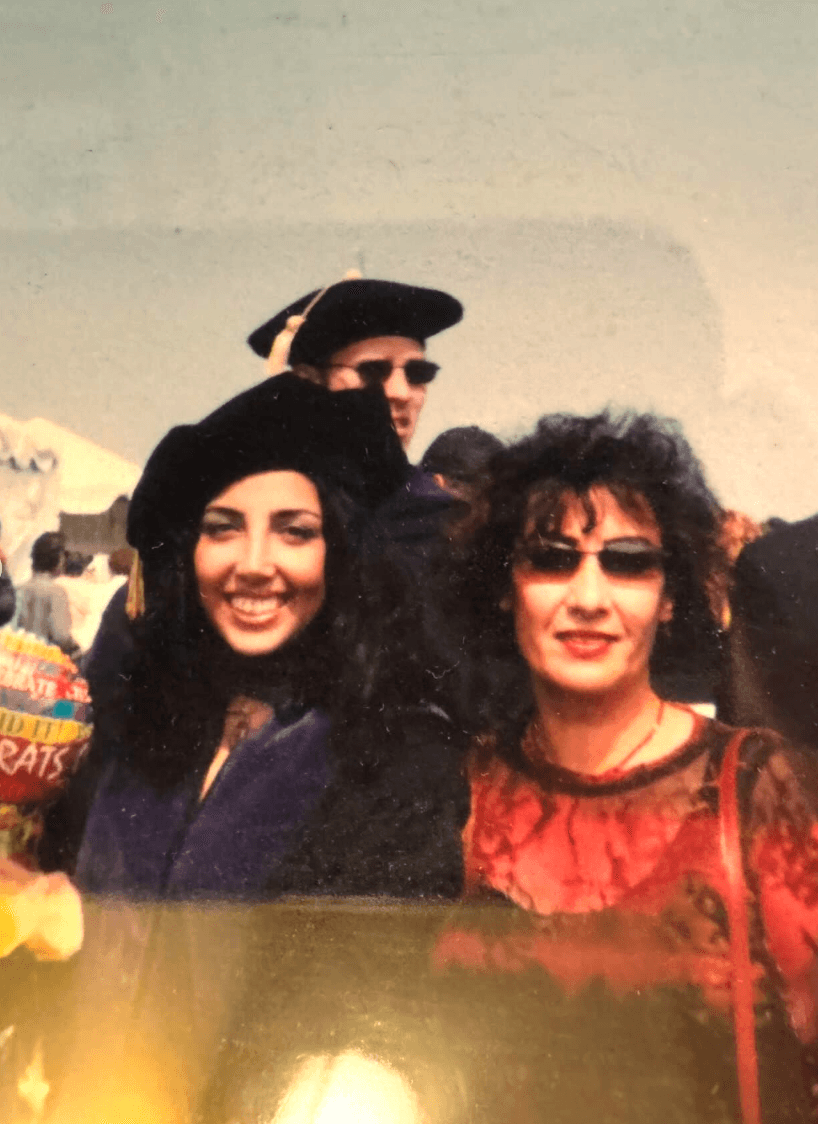
I am an entertainment attorney and as I mentioned before, my firm is entirely remote. I am, however, based in Beverly Hills, but my clients are all over the place, from California, Texas, to even Singapore.
Since I was a young girl, I knew I wanted to work in entertainment. My father was in the film and TV business, both in Iran and in the US, and I grew up in Los Angeles, so I was exposed to the entertainment industry at a very young age. As enamored as I was with Hollywood, being able to actually work in the industry seemed like a pipe dream since I wasn’t much of a creative or artistic person. What I lacked in creativity, however, I made up for in advocacy. As I got older, I realized that my strengths lay in writing and advocating for others. And so, I pursued becoming an entertainment attorney.
My whole business is centered on protecting creative individuals who want to share their vision with the world. I mainly represent those who work in the independent film industry, like producers, writers, and directors, but I’ve recently expanded to other parts of it. Now, I work with a wide array of creatives, like podcast hosts, digital brands, social media influencers, authors, and webcomic creators.
The bulk of our work is transactional, meaning we help many of our clients by drafting and negotiating complex entertainment agreements like Option/Purchase Agreements, License Agreements, Distribution Agreements, and Brand Ambassador Agreements. However, our work doesn’t stop there. We advise our clients through various stages of their business or production, and we also help them protect their intellectual property by filing for trademarks and copyrights and drafting cease and desist letters.
At the end of the day, we are there to help our clients tell their story or share their vision.

How about pivoting – can you share the story of a time you’ve had to pivot?
During COVID-19, the entertainment industry essentially came to a stand-still. Movie theaters were closed, production was halted, and it was not certain to anyone what the near future held. As someone whose entire practice was centered on entertainment, I had to do something for my firm to survive.
So, I did what everyone else was doing – I pivoted.
Considering the state of the industry, many of my clients no longer had a need for me to negotiate or draft agreements. Others, however, took this time as an opportunity to focus on the stories that they always wanted to tell, but never had time for. With productions put on pause, filmmakers now had more time for development, so I pivoted my practice to helping them lock down pre-existing intellectual property. This I did by drafting and negotiating agreements like Option Agreements, Shopping Agreements, and Life Rights Agreements.
During this time, I also expanded my practice to encompass the practice area of intellectual property. Many of my clients had been putting off filing their trademarks or copyrights for quite some time. When the pandemic occurred, they finally took a step back to evaluate their brand and portfolio and determine what needed to be done. As a result, I started getting inquiries about filing trademarks, filing copyright registrations, and responding to office actions from the USPTO. With my strong background in intellectual property and previous trademark experience, I was able to pivot and expand my practice to accommodate the needs of my clients.
What’s been the most effective strategy for growing your clientele?
The strategy is quite simple – provide quality work and communicate.
One of the biggest complaints is that lawyers never respond or return phone calls, or that they use too much legalese and are difficult to understand. It’s incredibly frustrating to be left in the dark about something you care about, so we always try to respond to our clients within 24 hours, and we keep them in the loop of what is happening. When we do explain something to them, we simplify it so they actually understand their situation and make informed decisions.
Another thing we do is reach out to our old clients every quarter, just to check in on them. We check in on their family, their business or project, and how they’re doing in general. Often times, an attorney-client relationship is very transactional. They hire us to do something, we do it, they pay us, and the matter is closed. I never liked how cold or impersonal it felt, so our approach is to think of ourselves more as their doctor. We check in every once in a while to see how they’re doing. If there’s a way for us to help them, they’ll let us know, but if not, at least we’re up to date with their wellbeing. Maintaining that personal connection with our client is what helps us better represent them.
Contact Info:
- Website: https://amerilawpc.com/
- Instagram: https://www.instagram.com/amerilawpc/
- Facebook: https://www.facebook.com/profile.php?id=100057229279123&sk=about
- Linkedin: https://www.linkedin.com/in/nina-ameri-esq-3825635/
- Twitter: https://x.com/amerilawpc
- Youtube: https://www.youtube.com/channel/UCQfVPzdBRcf74W7cetV0nVQ
- Other: https://www.tiktok.com/@amerilaw