We’re excited to introduce you to the always interesting and insightful Niles Thiselton. We hope you’ll enjoy our conversation with Niles below.
Niles, looking forward to hearing all of your stories today. Alright, so one thing we think people don’t talk about nearly enough is investments – either time or money. What’s one of the best or worst investments you’ve made and what did you learned from the experience?
Like many creators, we often have numerous ideas swirling around in our heads, pondering questions like, ‘What if I did this?’ or ‘What if I tried that?’ However, the fear of risk often holds us back. Is it a risk of our time? A financial risk? One effective way to mitigate these concerns, especially during rapid prototyping, is by owning the means of production. No, this isn’t a quote from Karl Marx; it’s a practical approach. Specifically, consider investing in the machines necessary to create your products. While some machines can be prohibitively expensive, we’re fortunate to live in an era where maker machines are increasingly accessible. From tabletop CNC machines to 3D printers, the initial costs have dropped significantly in recent years. Personally, I purchased my own 3D printer in May 2020, coinciding with the start of my 3D modeling journey. Suddenly, my barrier to entry for creating physical toys and products plummeted. Instead of shelling out $15,000 for a small batch of vinyl toys, I could model my designs and hit ‘print.’ Voilà! A real-life prototype emerged before my eyes, allowing me to test the market and gauge success. The investment? A mere $300 for the printer and perhaps $12 in resin. Of course, there’s a catch: this approach can be a double-edged sword. While it’s an excellent testing ground, fulfilling larger orders can be challenging if your products are essentially handmade. Nonetheless, it’s a valuable step before sending your finished product off for mass production with greater confidence.
Niles, love having you share your insights with us. Before we ask you more questions, maybe you can take a moment to introduce yourself to our readers who might have missed our earlier conversations?
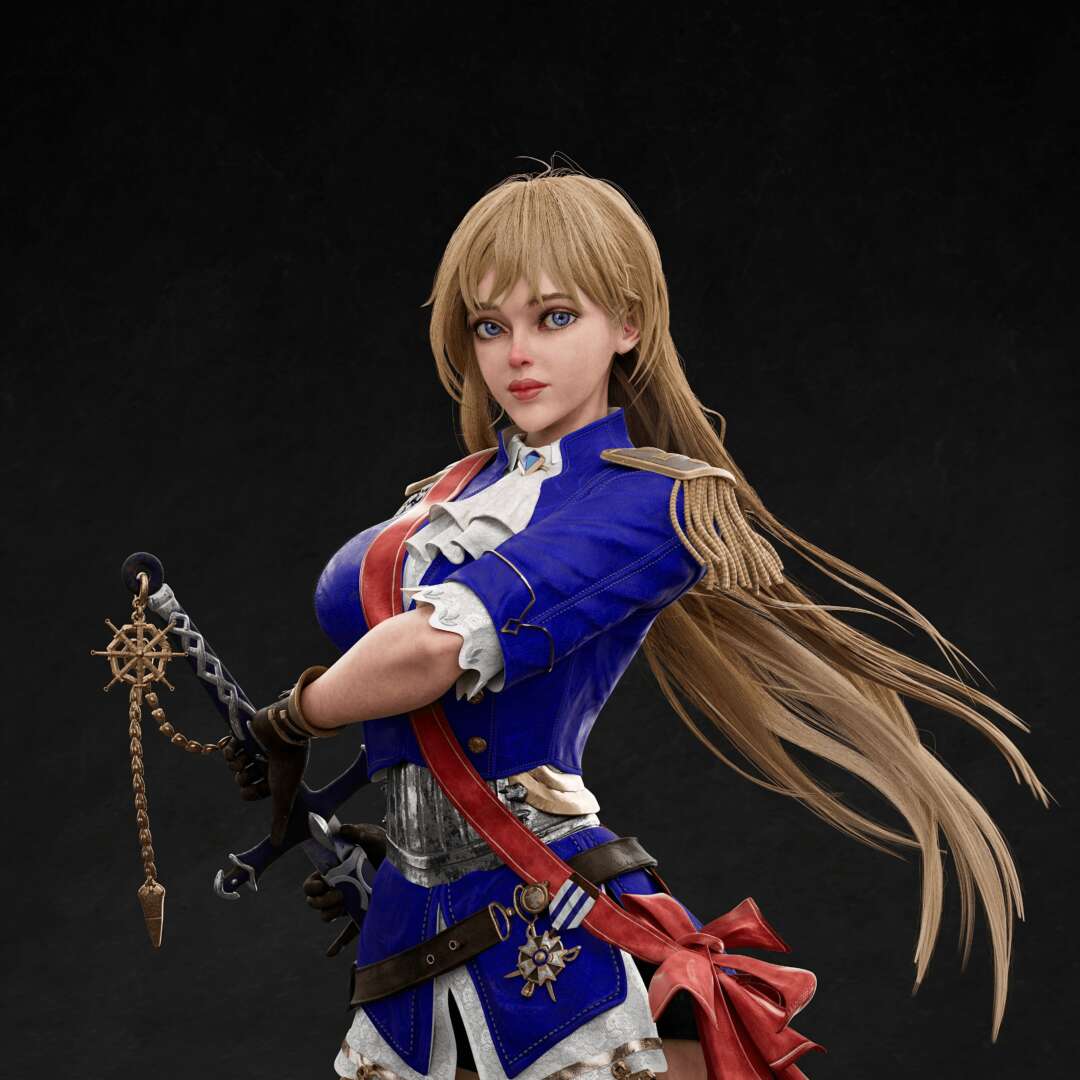
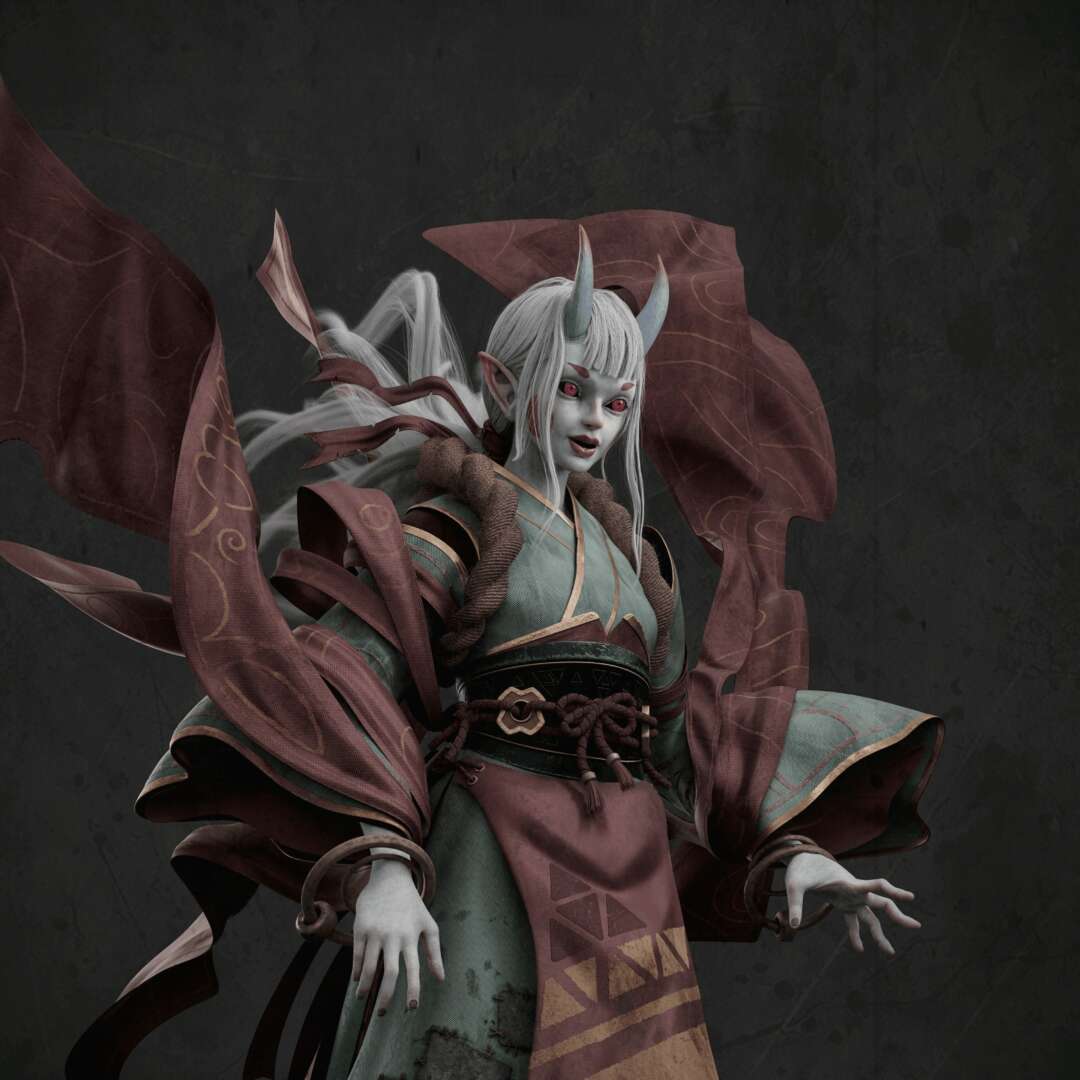
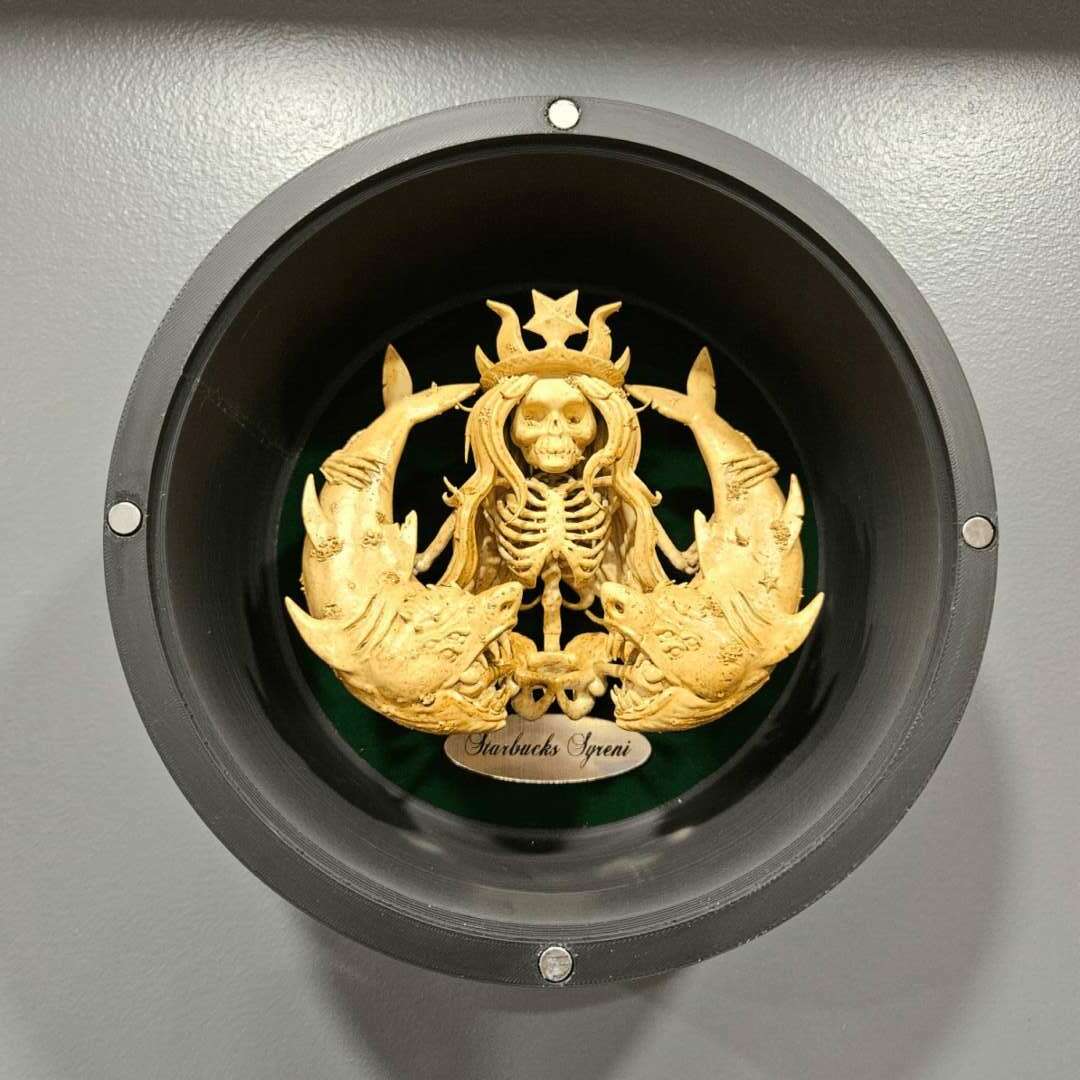
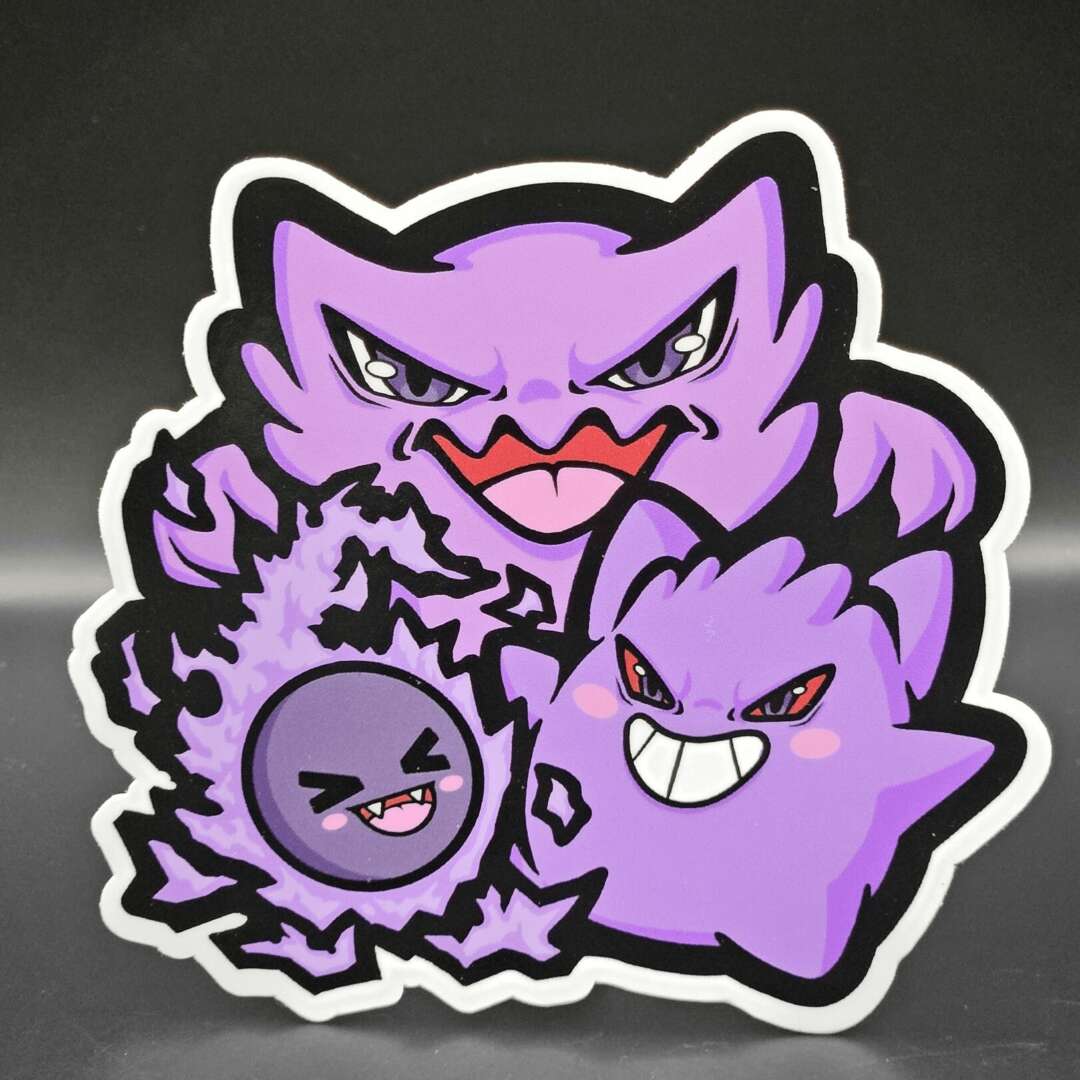
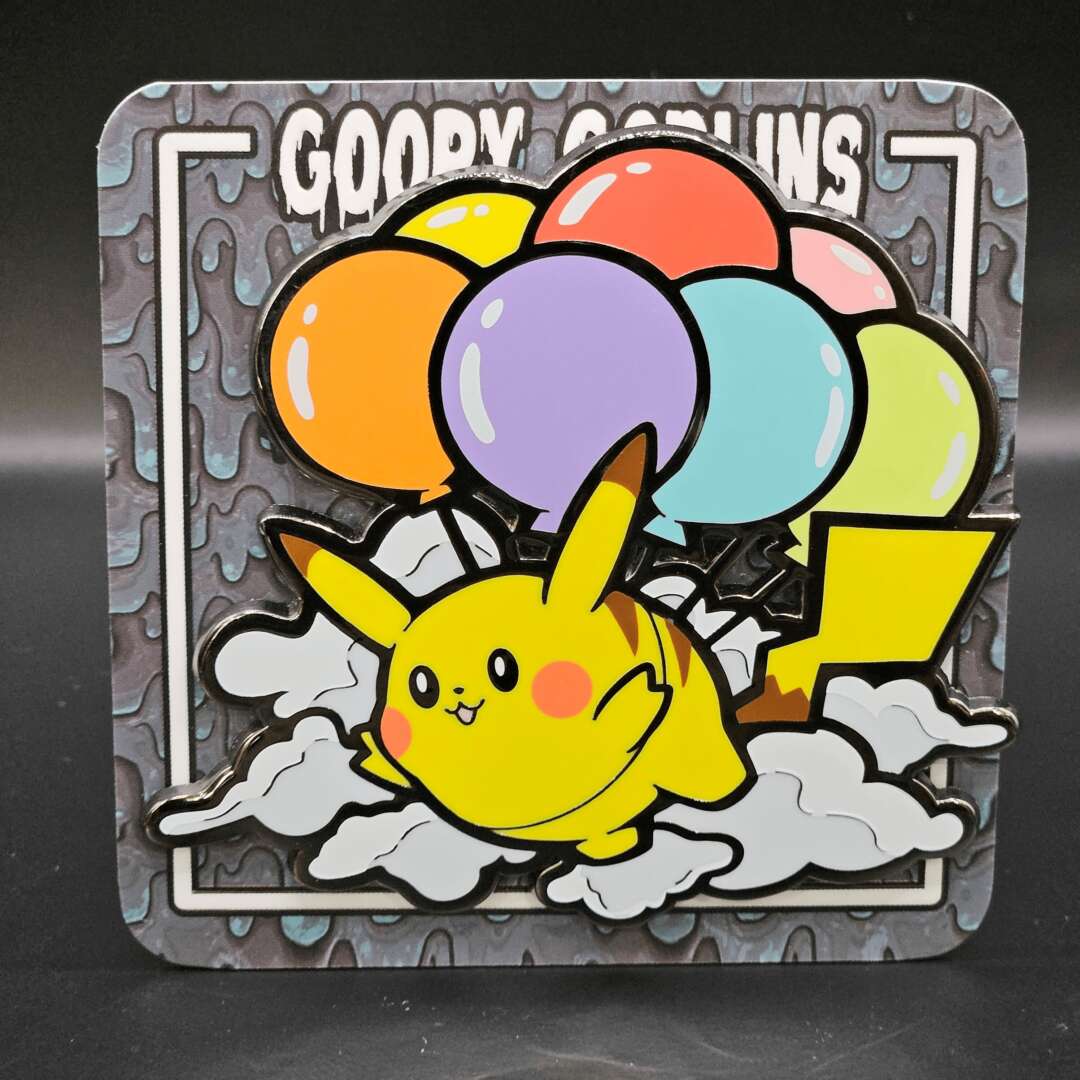
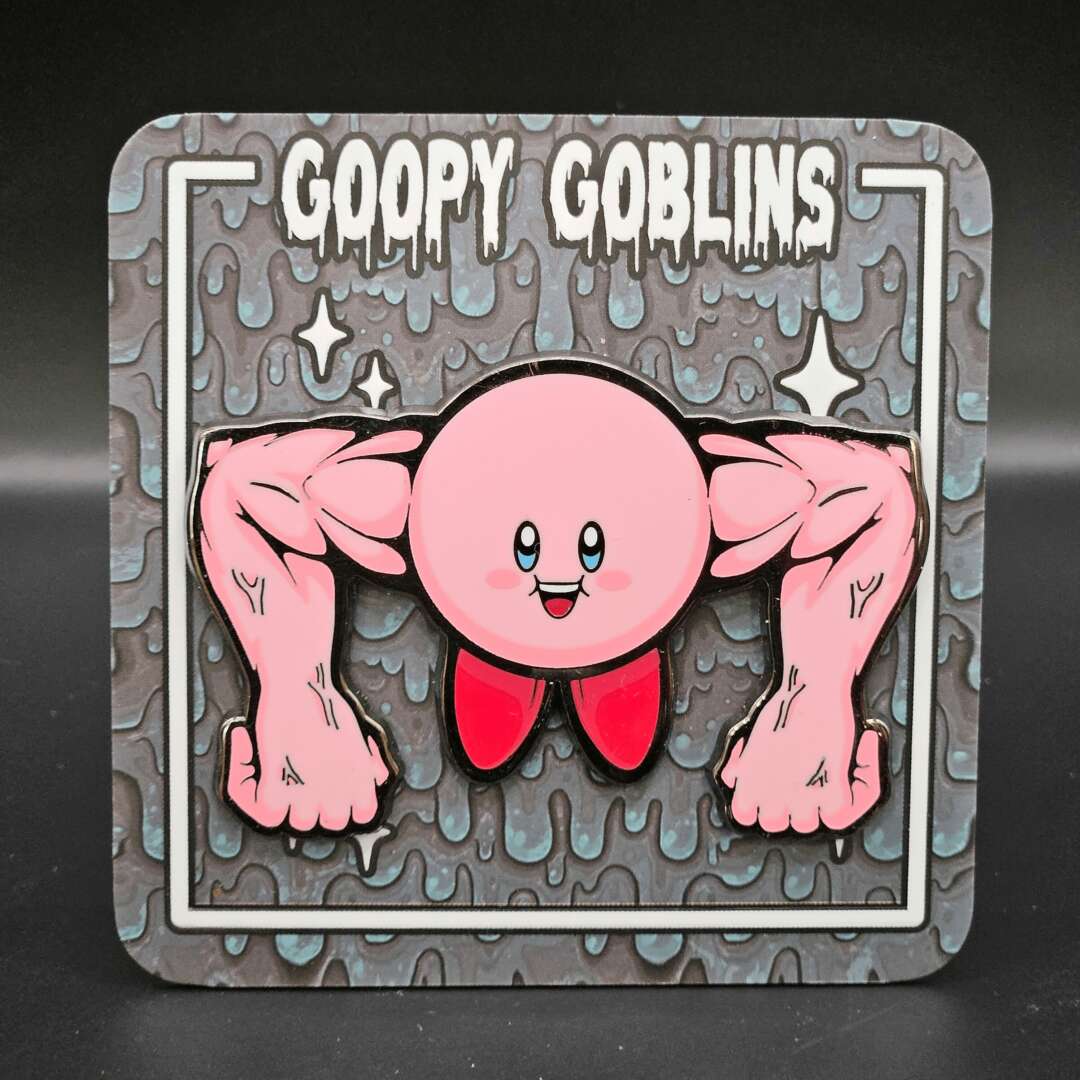
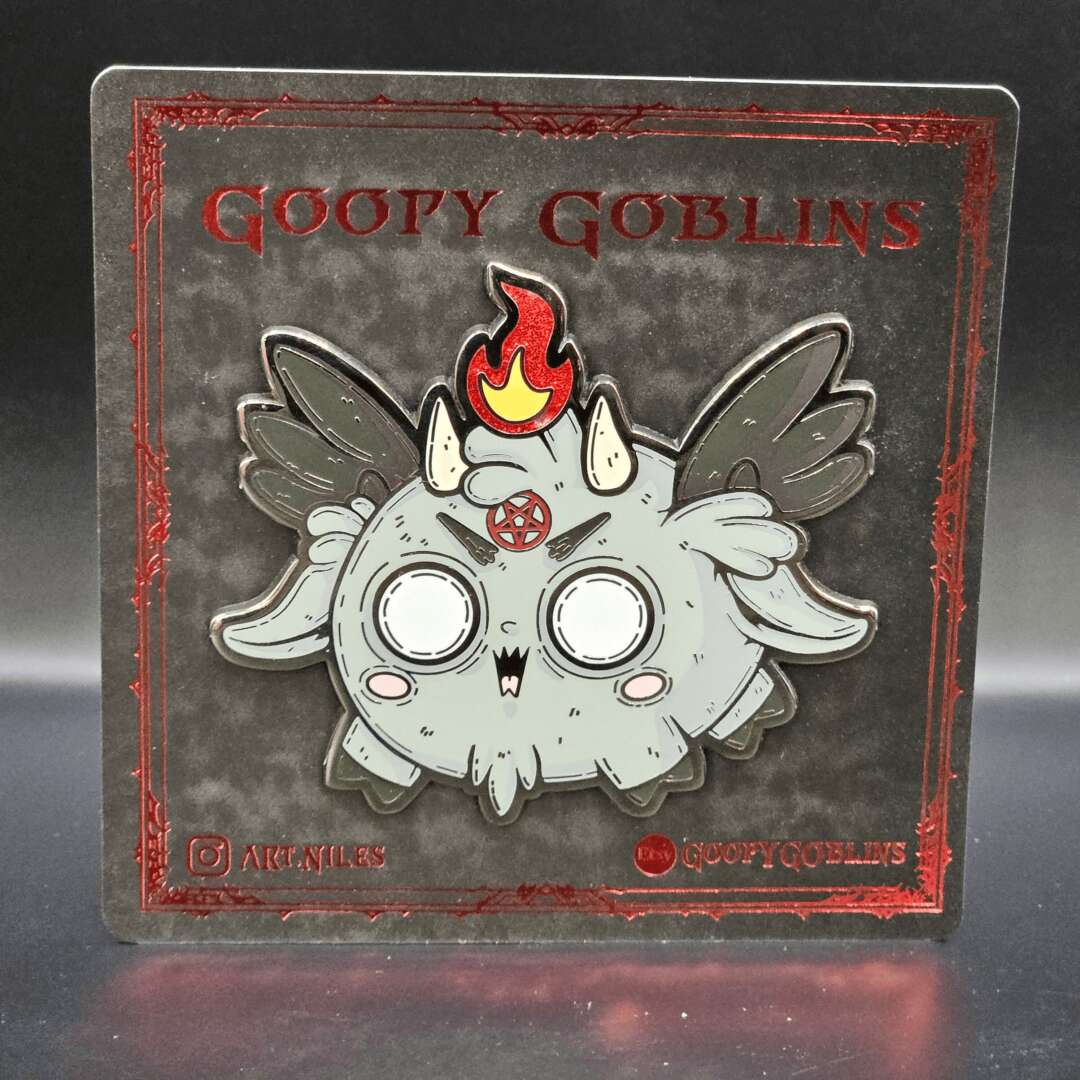
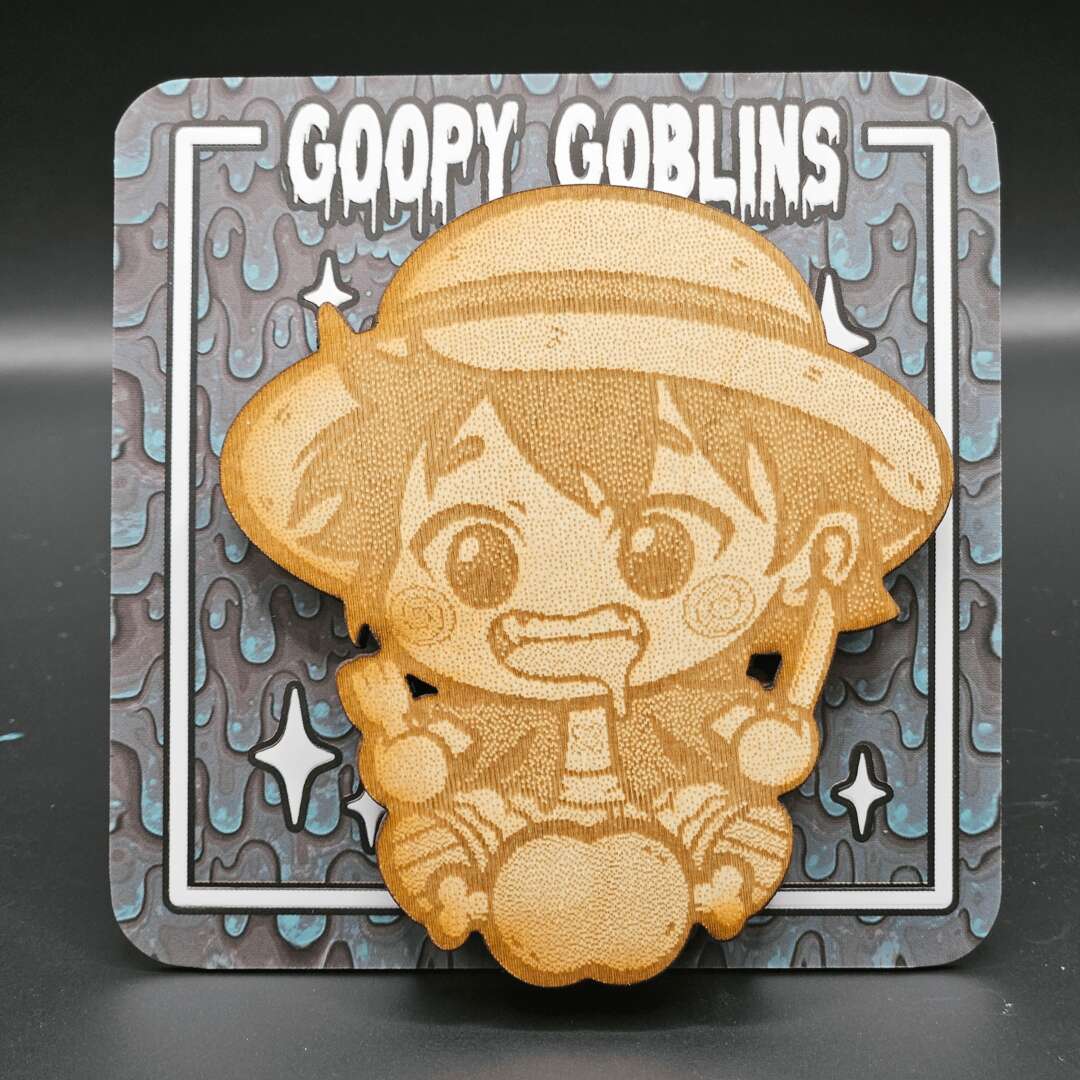
I’m known as ‘Goopy Goblins’ online, and I work as a 3D modeler and illustrator. My passion lies in spooky-cute aesthetics and anime culture. Currently, I sell 3D fantasy taxidermy models, and I’m actively building an enamel pin and sticker shop. However, establishing and growing this shop requires a significant financial investment. Despite being relatively new in my artistic career, I take pride in my unique blend of 3D modeling skills and illustration. In a field predominantly dominated by talented 2D illustrators, I’ve achieved one of my dreams: creating toys and 3D products. Thanks to 3D printing, that dream is now within reach
How about pivoting – can you share the story of a time you’ve had to pivot?
During the pandemic, when I was 19 and only one and a half semesters into art college, my experience was abruptly cut short. We shifted to online classes, and my in-person studio sessions turned into half-baked online education that I was paying serious student loans for. As the semester came to a close, I faced a decision: the pandemic showed no signs of ending, and my school remained fully online. Yet, they charged the same tuition for virtual classes as they did for in-person ones. Faced with this financial burden, I made a pivotal choice—I dropped out of art school and enrolled in Animschool, an online trade school. Unlike my previous experience, Animschool is taught by industry professionals from Dreamworks, Netflix, and Pixar, rather than failed former art students turned teachers. This shift transformed my life. I received top-notch education, honing my 3D skills over three years—all at a fraction of the cost of my previous housing expenses at the art college.
Do you sell on your site, or do you use a platform like Amazon, Etsy, Cratejoy, etc?
One of the ways I generate additional income is by selling unused 3D models that I’ve created on platforms like Cults3D or other 3D printing marketplaces. It’s essentially getting paid for digital files, and the best part is that it costs you virtually nothing to create them. However, there’s a catch. While you can state that your work cannot be used for commercial purposes, enforcing that restriction is challenging. Since it’s a digital file, once someone has access to it, they could theoretically undercut you by reselling it or even selling your work in person at a retail store without your permission. Technically, there’s a risk involved. However, in my opinion, the likelihood of that happening, while not zero, is still worth the free income source—especially for budding artists experimenting with 3D modeling.
Contact Info:
- Website: https://www.etsy.com/shop/GoopyGoblins
- Instagram: https://art.niles