
We recently connected with Nikki Ono and have shared our conversation below.
Hi Nikki, thanks for joining us today. Do you have a hero? What have you learned from them?
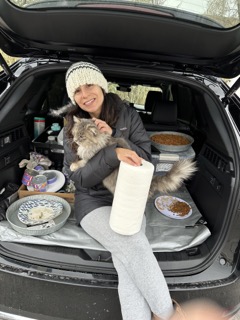
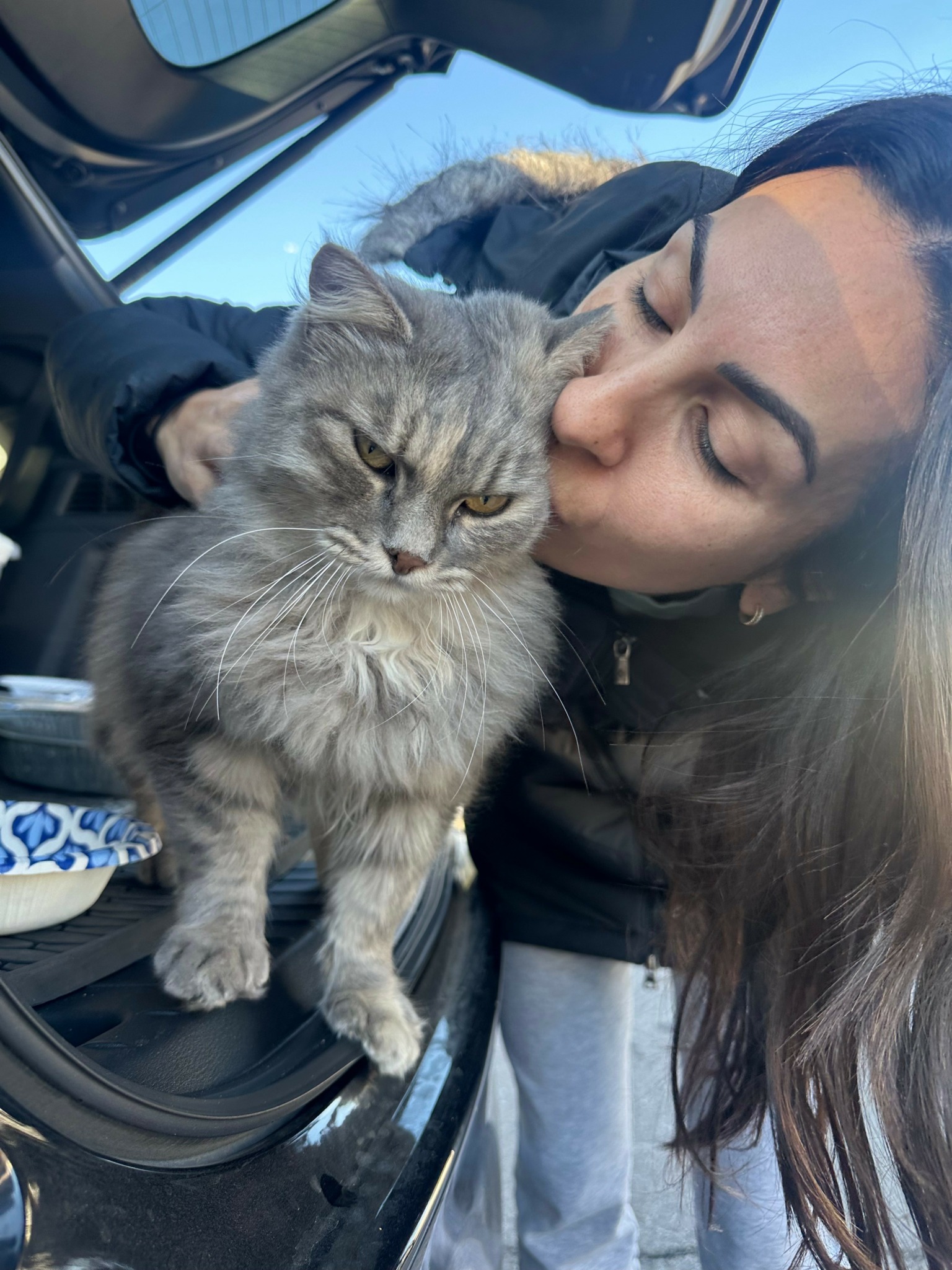
My hero is and always will be my mom. From a very young age, she taught me the power of compassion. We didn’t have much—on welfare, no car, moving around constantly—but my mom would always find a way to help. She carried cat food in her backpack as we walked, and we would feed homeless cats we encountered. Despite our struggles, she never said no to helping an animal in need. That experience instilled in me the belief that you should do whatever it takes to accomplish your goals, while staying humble, grateful, and compassionate.
I now have a tattoo on my arm that says ‘Live with Compassion,’ a daily reminder of the lessons my mom taught me. Whenever I lose my patience or struggle to understand someone, I think about the fact that we all have our own stories. Everyone is a child of someone—a parent, a grandparent—and we never really know what someone else is going through. That’s why I believe it’s so important to show kindness to all living things. My mom’s example has shaped who I am today, and I’m grateful for her influence in my life.
Nikki, before we move on to more of these sorts of questions, can you take some time to bring our readers up to speed on you and what you do?
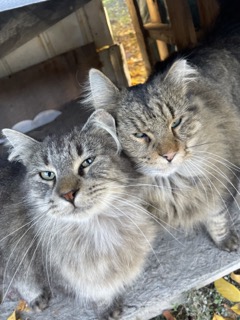
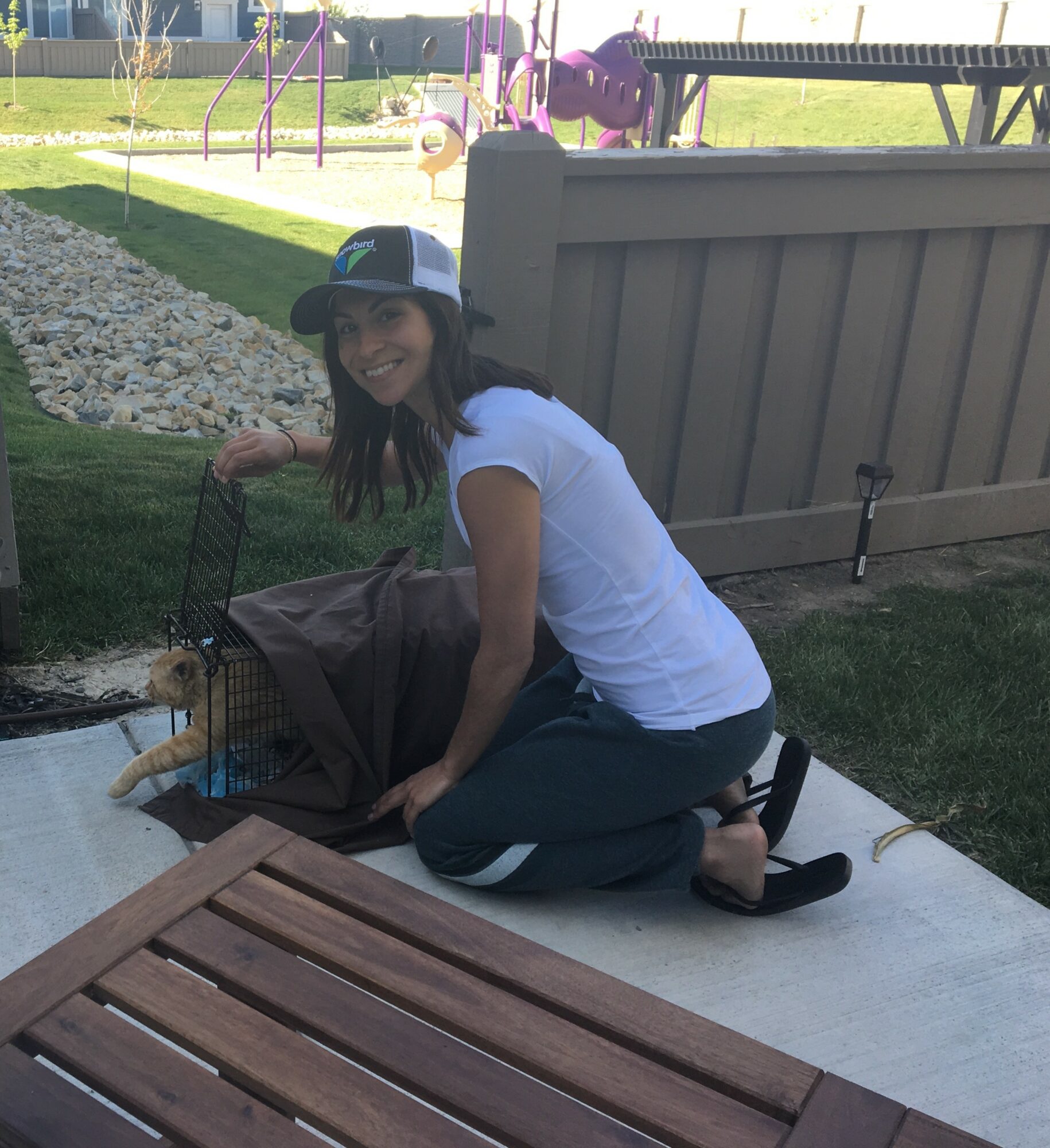
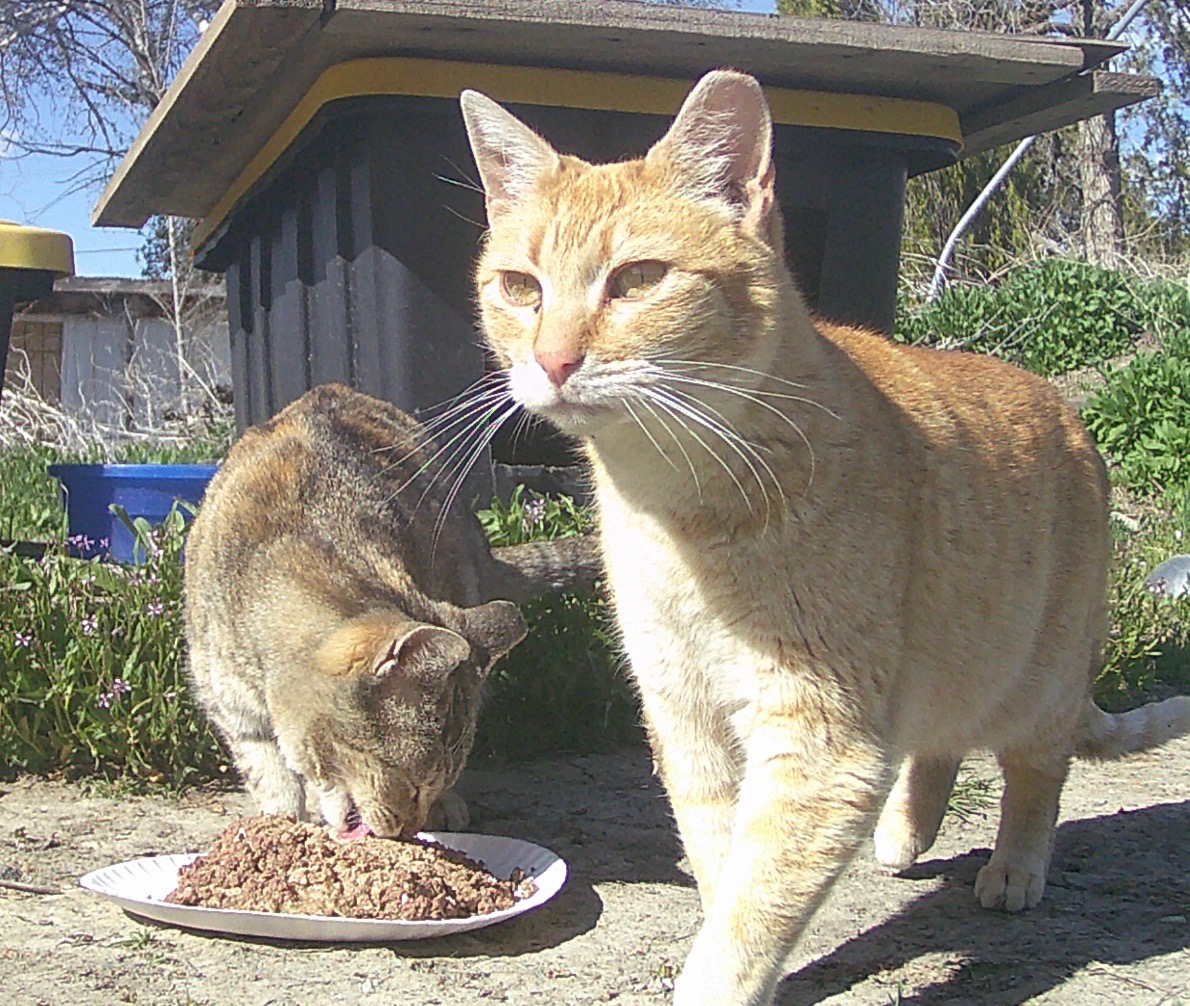
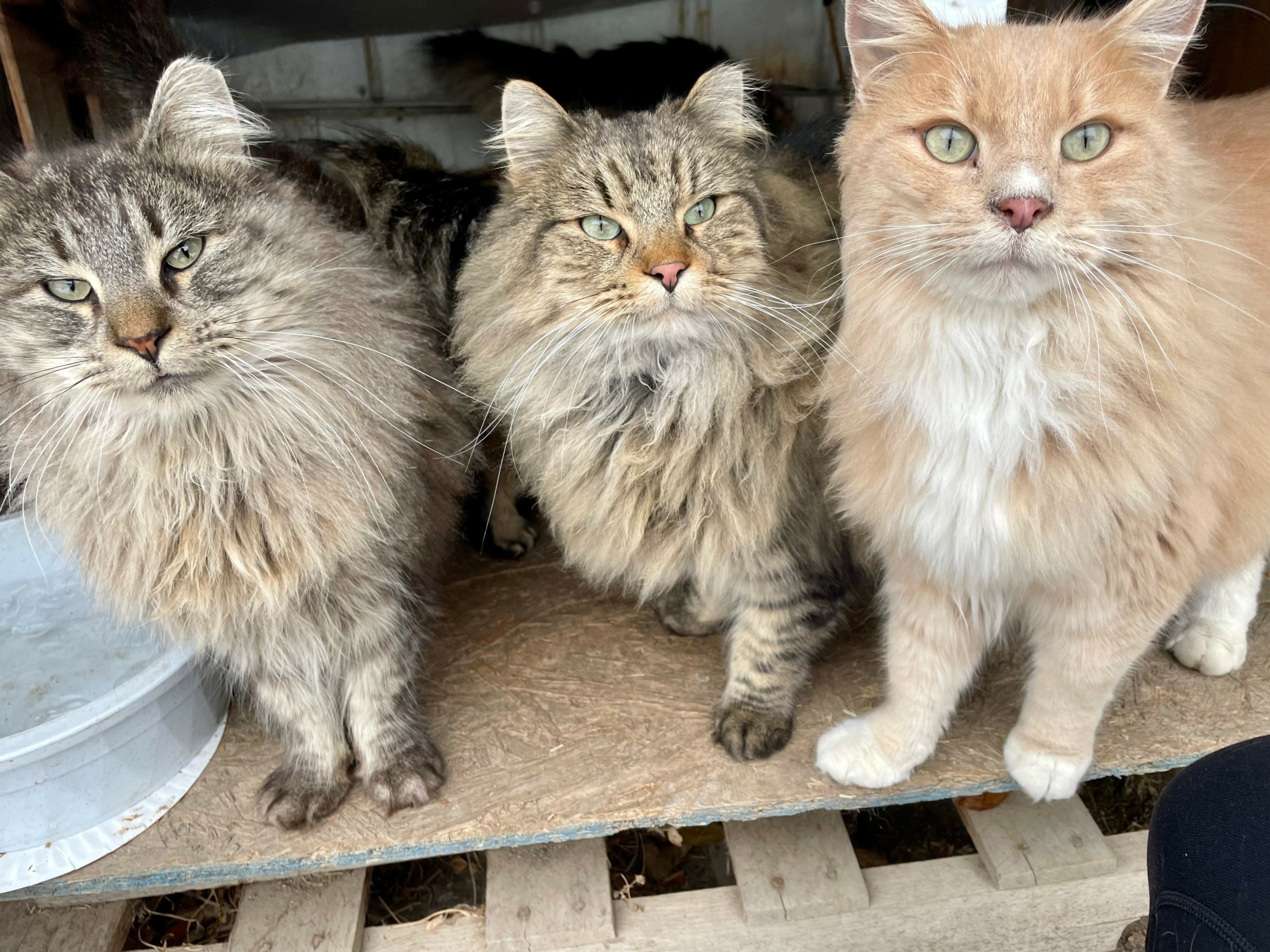
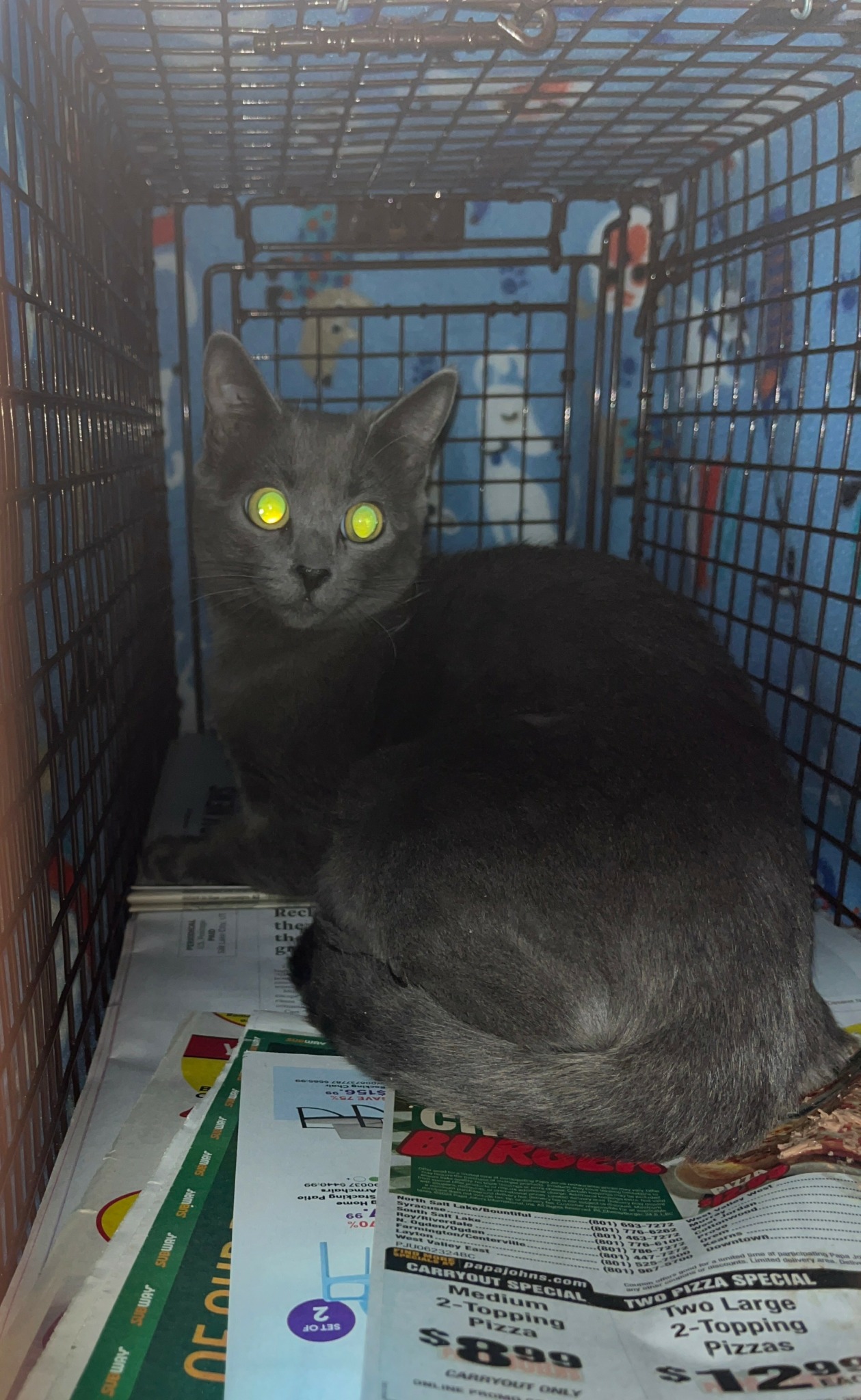
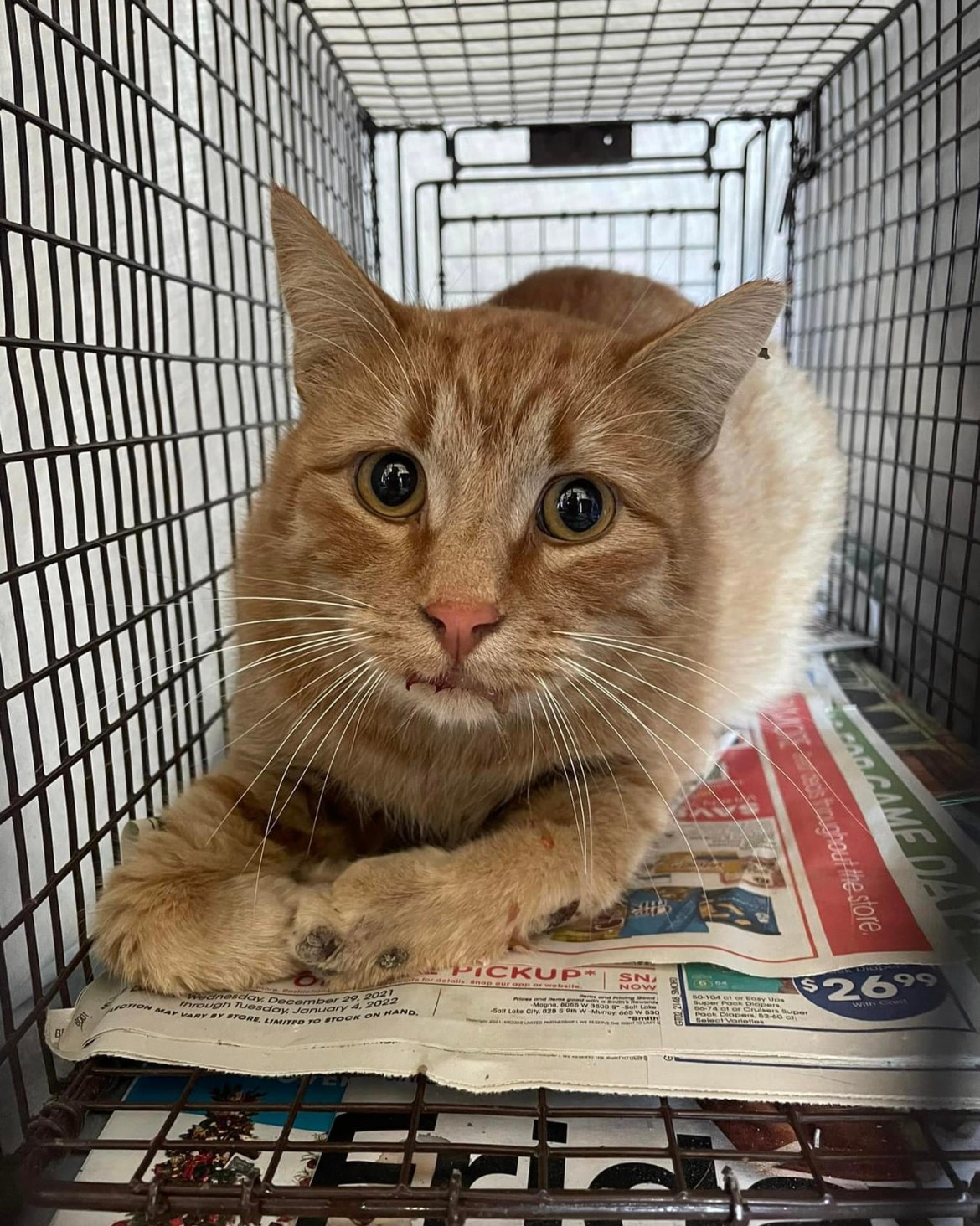
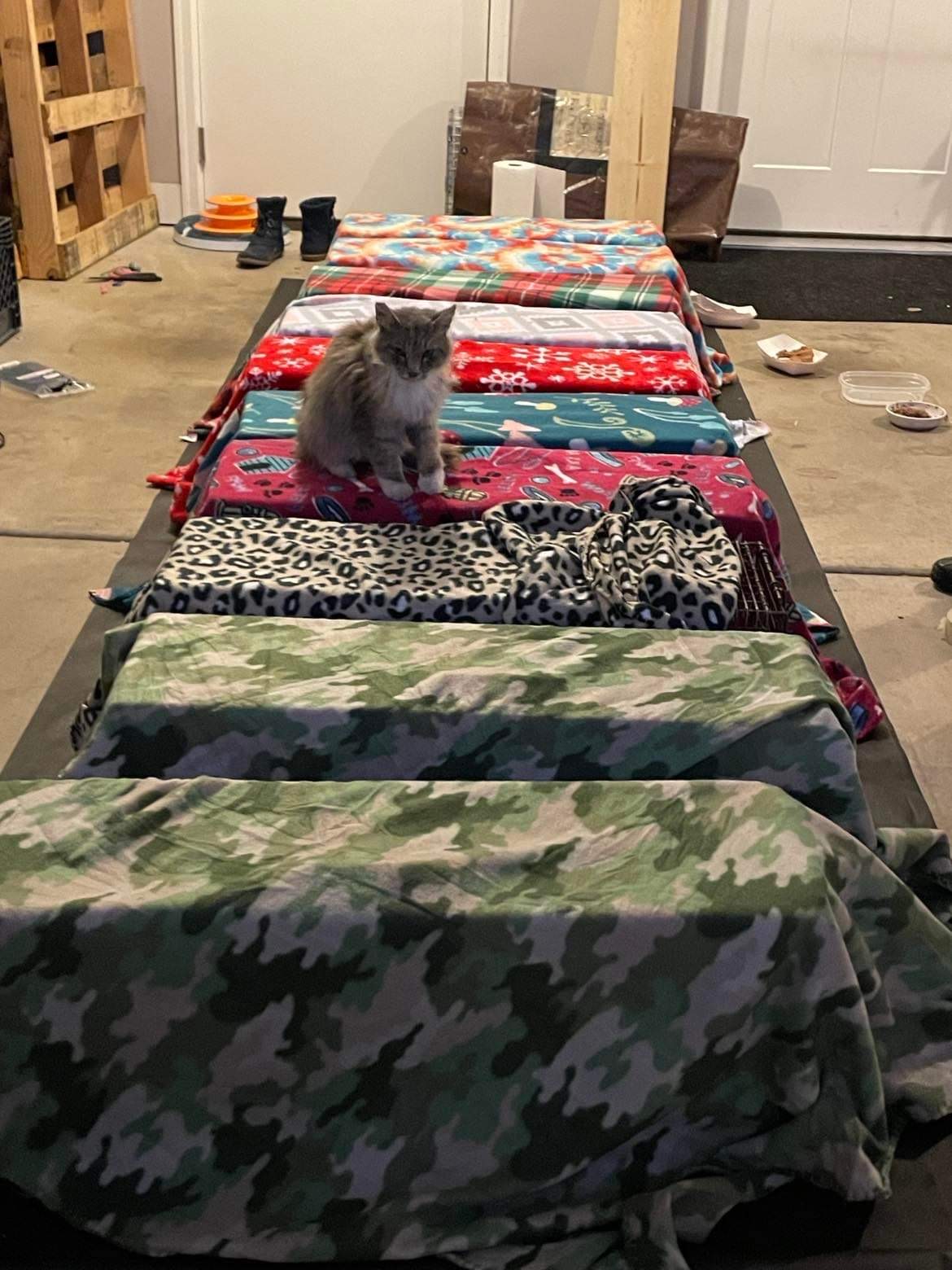
It all began when my husband and I moved into our townhome in January 2018. From my living room window, I could see a group of cats and kittens across the street. I felt a deep sense of compassion for them and knew I had to do something. I reached out to Best Friends Animal Society, and they suggested I try TNR (Trap-Neuter-Return), though I had no idea what that involved at the time. After borrowing a trap and watching a video, I was feeling nervous and scared to tackle this alone, so I sought help from a group of volunteers on Facebook. Fortunately, a few women offered their support right away. My first colony consisted of 17 cats and kittens—about 7 or 8 of them were kittens, and we managed to get them into rescue. The rest were trapped, neutered, spayed, and returned. From that point, I became their caregiver, providing food and winter shelters.
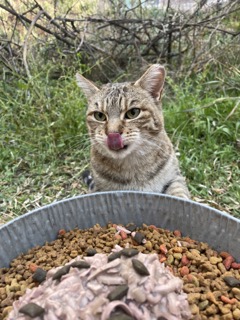
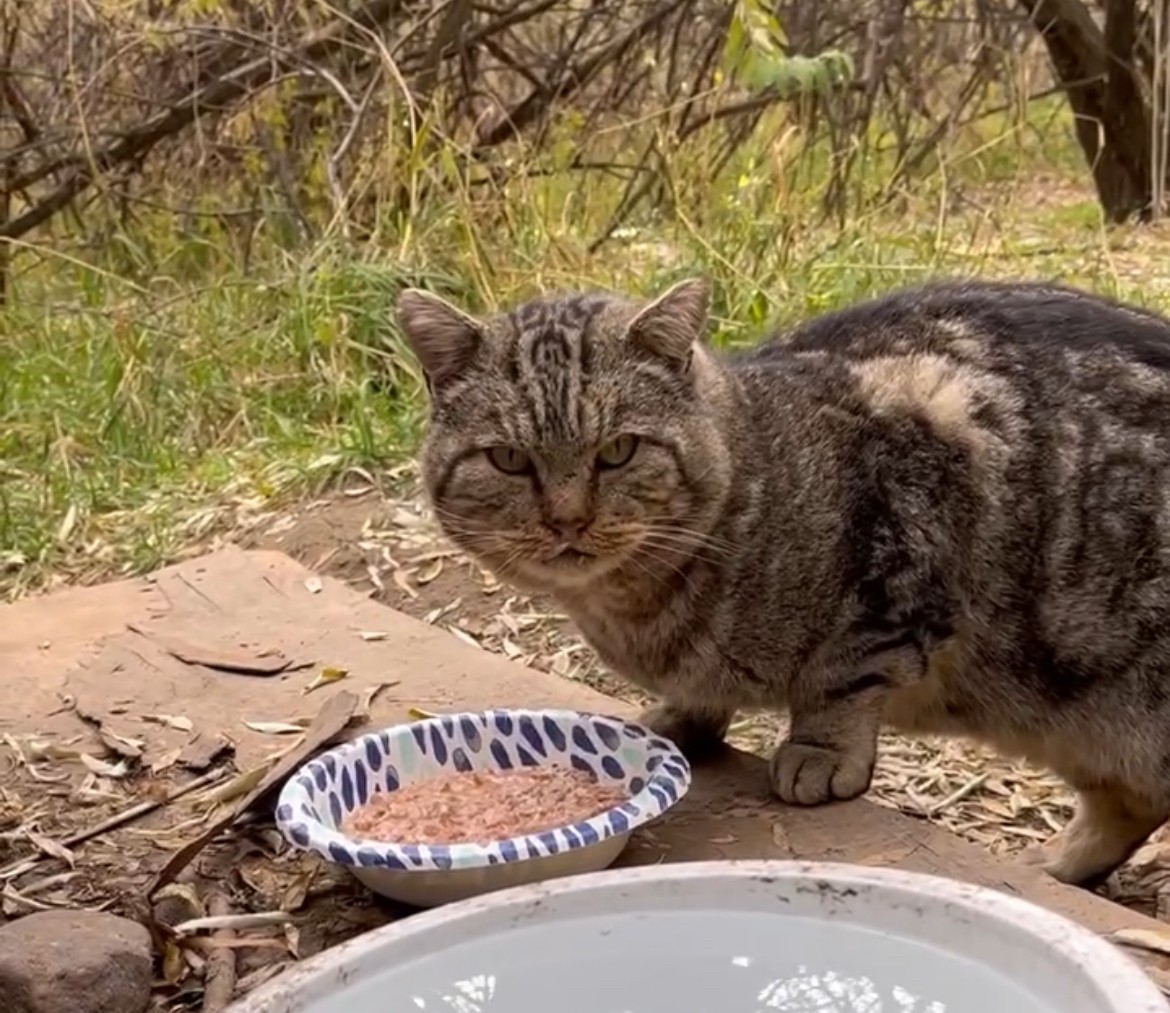
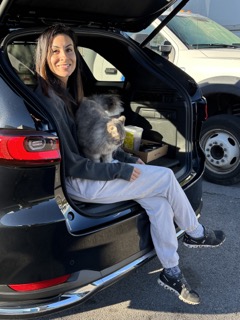
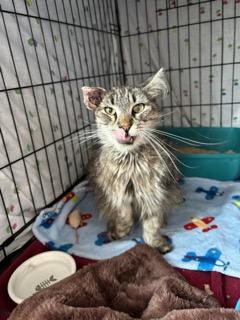
As I continued to learn about other feral and homeless cats in my community, I worked with fellow volunteers to trap and feed more colonies. Today, I manage four colonies in three different towns, feeding around 53 cats daily with help from a few dedicated volunteers. At one point, I was feeding over 60 cats, but some have passed over the years. In addition to caring for these colonies, I have seven cats in my home, all of whom were once part of colonies but couldn’t be released due to illness or injury.
I’ve learned that the idea that feral cats can’t be tamed is simply not true. Several of the cats I’ve cared for have been successfully socialized, with some living happily in my home or being adopted. TNR is not just about trapping and fixing; it’s also about the preparation, patience, and ongoing care required to make this process easier for both the cats and volunteers. It’s a challenging but rewarding journey.
TNR and animal rescue are far from smooth. There are constant challenges: funding the food for all these cats, finding new locations when we’re asked to leave feeding spots, dealing with overcrowded rescues when kittens are found, and making heart-wrenching decisions about injured cats. It’s emotionally draining for all of us volunteers, and compassion fatigue is a real struggle. Yet, we press on, because these cats didn’t ask to be born into this situation, and we want to do what we can to ease their lives. The issue is far more widespread than many realize—there are thousands of community cats in every town, many of them invisible to the public because they are too fearful of humans. Despite feeding these cats for years, I can only pet a handful.
All of this work is entirely volunteer-based, and I pay for everything out of my own pocket. Since 2018, I’ve trapped hundreds of cats, preventing countless kittens from being born and saving many lives. However, there are still so many more that I can’t help due to limitations in time and resources. I truly believe that more people need to step up and support these efforts through volunteering and donations. The thing I’m most proud of is the lives I’ve helped save and the number of kittens I’ve prevented from being born into these difficult circumstances.
Looking ahead, my goal is to continue advocating for animals and raising awareness about the needs of feral and community cats. I want to inspire others to live with compassion, and while I don’t post often on social media due to time constraints, I am always grateful for any support or help that comes my way.
Let’s talk about resilience next – do you have a story you can share with us?
One of the most challenging aspects of participating in TNR is dealing with the overwhelming sadness. There are so many heartbreaking moments, whether it’s seeing a sick cat suffering or knowing that there are countless more out there that need help. There have been countless times when I’ve felt like giving up—when I’ve been struggling to pay for food for the cats, or when the constant sadness and emotional toll have left me exhausted.
But in those tough moments, I remind myself why I keep going: for every cat I help, I’m giving that one a better life. I may not be able to save them all, but each life I touch makes a difference, and that’s what keeps me going. If I let the sadness take over, I wouldn’t be able to help anyone. Resilience, for me, means pushing through the heartache, staying focused on the lives I can save, and continuing to fight for those who need it most. Every small victory, every life improved, keeps me moving forward.
We’d love to hear the story of how you built up your social media audience?
Building an audience on social media has definitely been a challenge, especially since I’m not naturally drawn to it. I don’t post often, but when I do, I try to focus on sharing educational content or things that truly matter to me, like the work I do with the Feed & Fix Foundation and the care of community cats. One thing I’ve learned is that consistency and patience are key when growing your social media presence. It’s easy to get frustrated, especially when progress feels slow or setbacks arise, but it’s important to stay focused on your mission.
One of the biggest lessons I’ve had to learn is the importance of showing my face and being vulnerable. It’s uncomfortable at first, but in order to be an authentic voice for the cats and for the work I do, I have to put myself out there. I’ve learned that people connect with real, human stories, and by sharing mine, I’ve been able to build a small but engaged community that understands and supports my cause. My advice to anyone just starting out is to be patient, stay true to your purpose, and don’t be afraid to be vulnerable. It’s the personal connections that will make your audience grow and thrive.
Contact Info:
- Website: https://feedandfix.org
- Instagram: https://www.instagram.com/feedandfix/
- Facebook: https://www.facebook.com/feedandfix
- Linkedin: https://www.linkedin.com/company/feed-fix-foundation/