


We caught up with the brilliant and insightful Nihan Tasbasi a few weeks ago and have shared our conversation below.
Alright, Nihan thanks for taking the time to share your stories and insights with us today. Are you happy a creative professional? Do you sometimes wonder what it would be like to work for someone else?
I would consider myself a happy creative professional. Of course I sometimes wonder what it would be like to work for someone else, I would be lying if I said no. However, this question often comes down to a distinction between a regular job and being a creative professional. I think it is generally unhealthy to separate so-called ‘regular’ jobs from creative or artistic work. Artistic or creative labor is still labor that takes energy and time, not to mention that there is often real creativity in everyday jobs. To be successful in anything, you must have a ‘regular’ practice. It is the regularity of the regular job that is usually thought of as opposed to creative work, but I think this view no longer makes sense. As I learn more and more about myself as an artist and a professional, what is important to me is being accountable to myself. In any line of work, it is critical to feel a sense of ownership and satisfaction in what you’re doing. In my own work, I take a tremendous amount of pride in small successes and the everyday execution of mundane tasks. As my creative practice becomes more regular, I feel more confident and capable.
As always, we appreciate you sharing your insights and we’ve got a few more questions for you, but before we get to all of that can you take a minute to introduce yourself and give our readers some of your background and context?
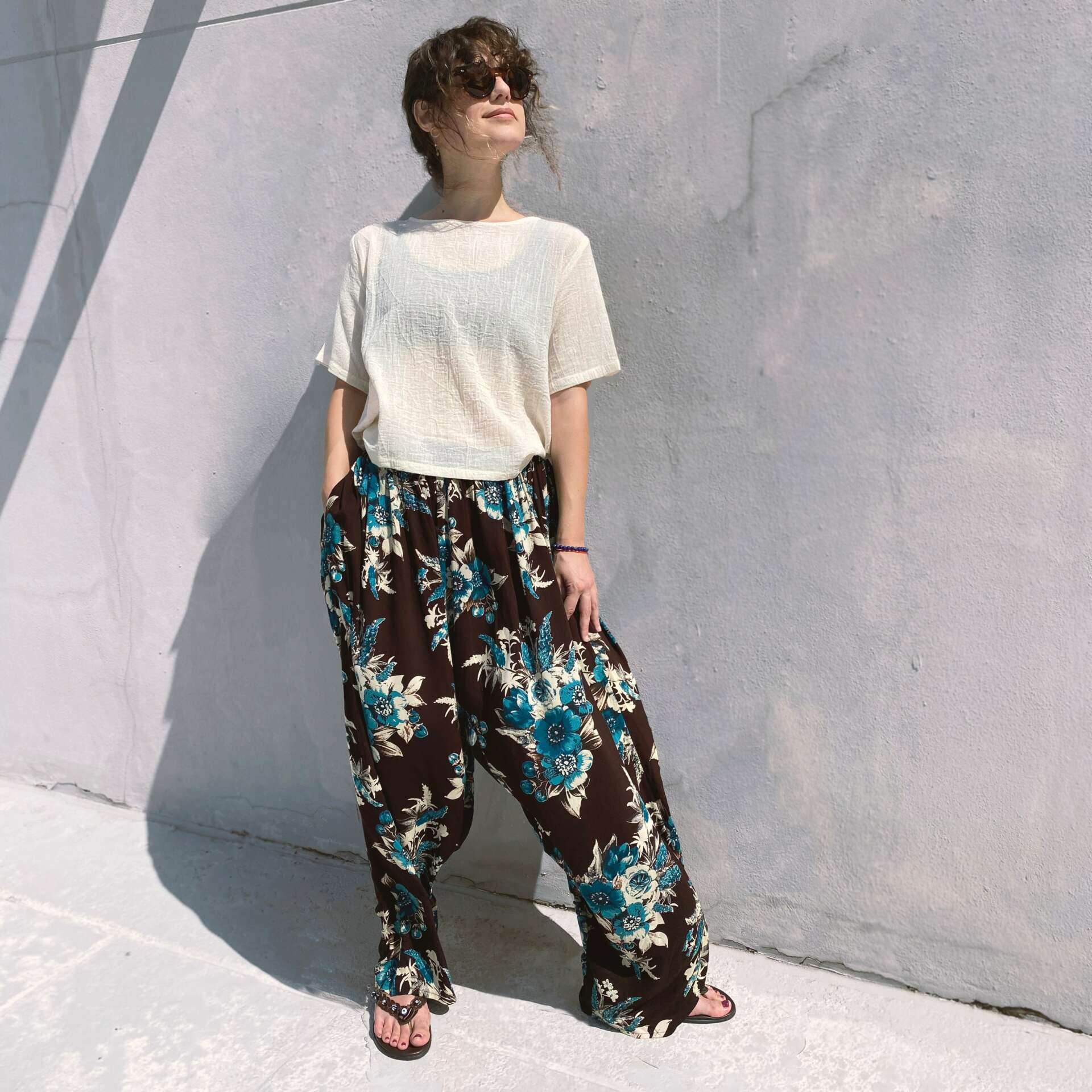
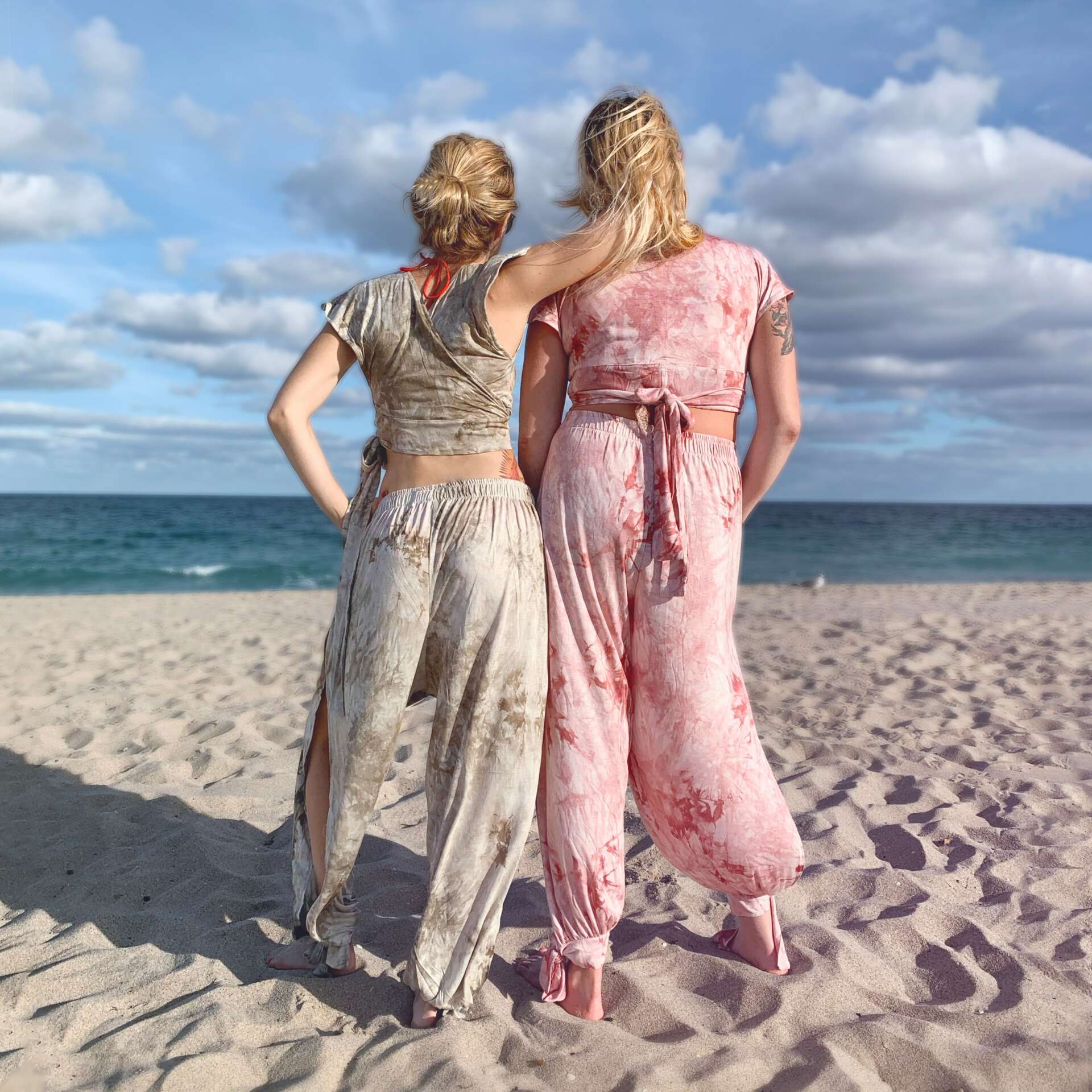
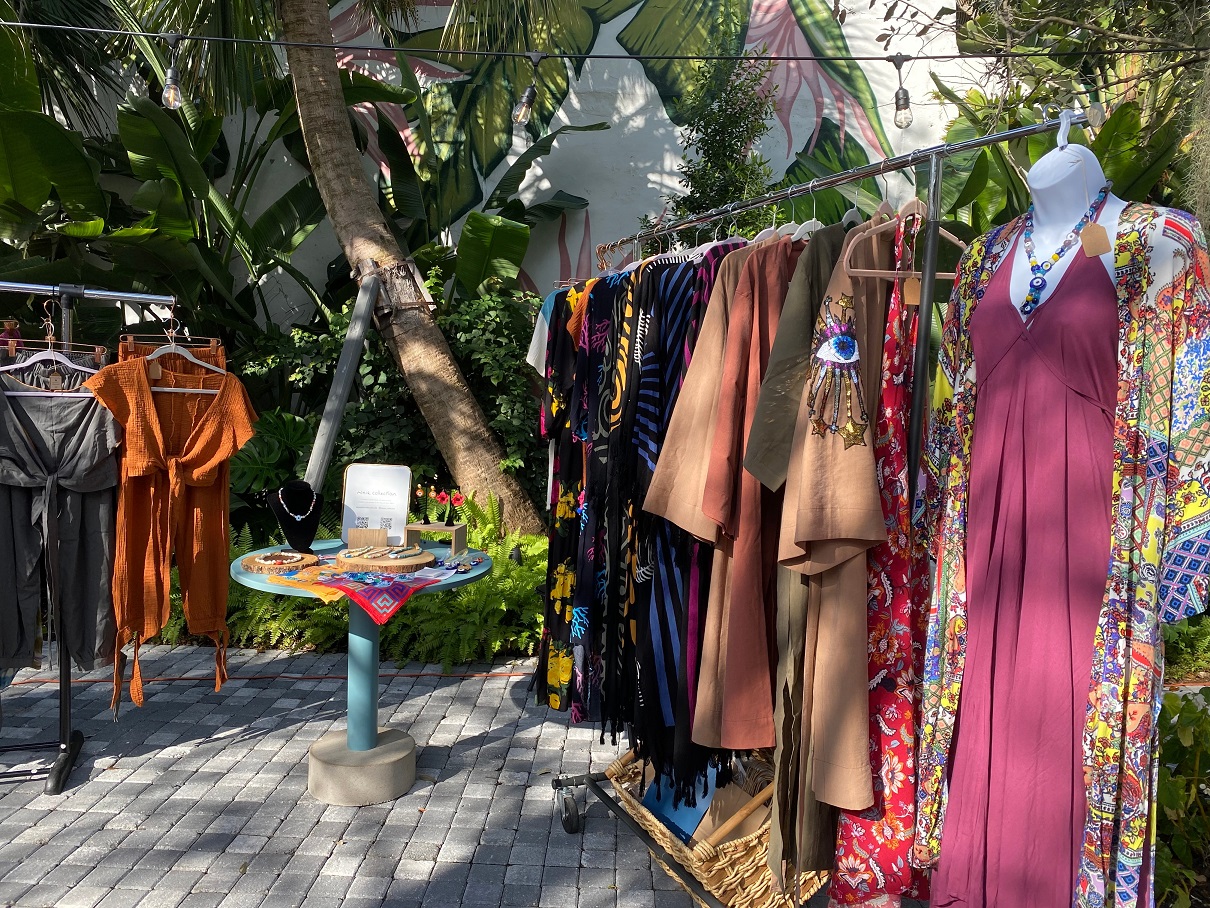
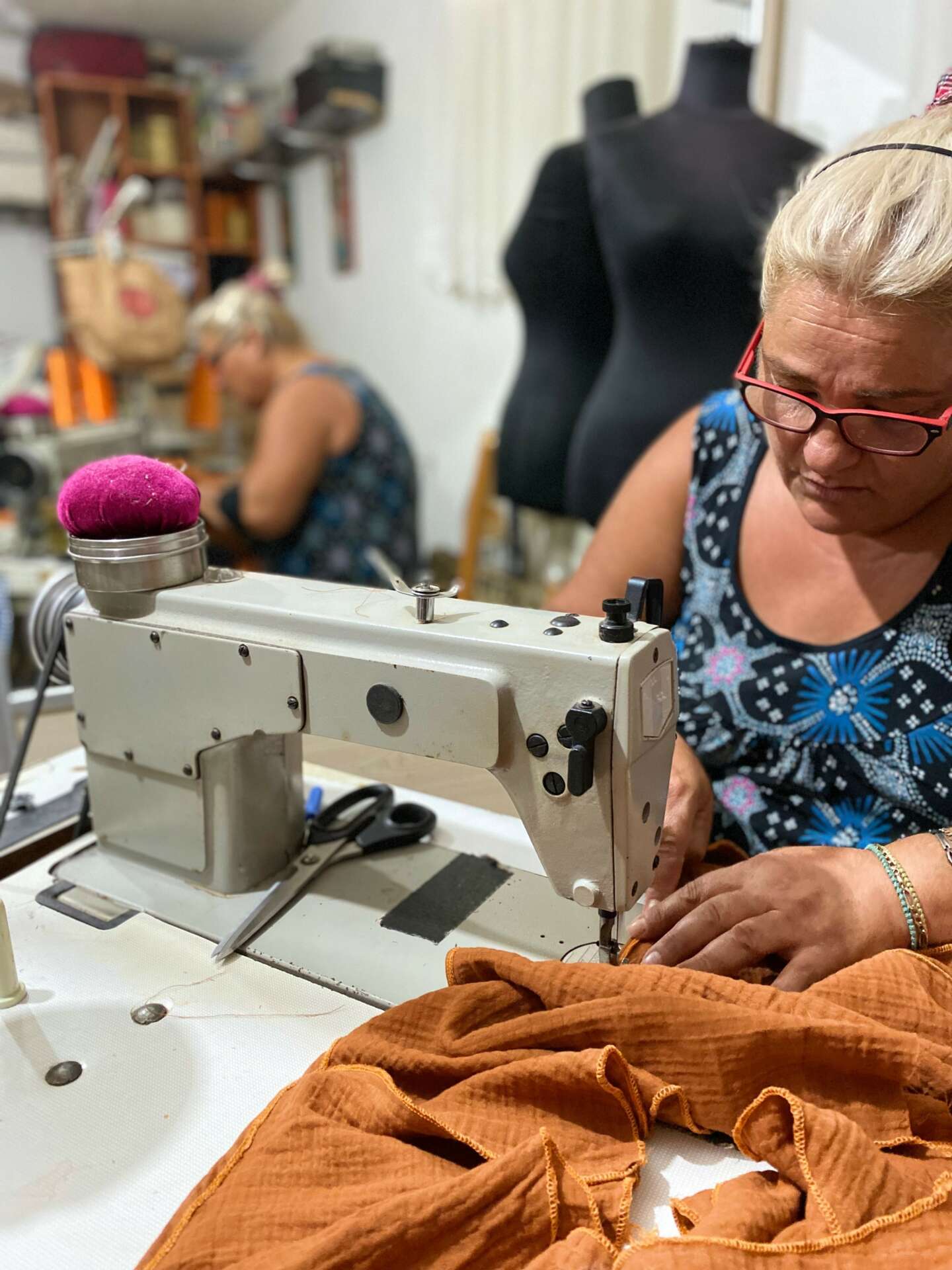
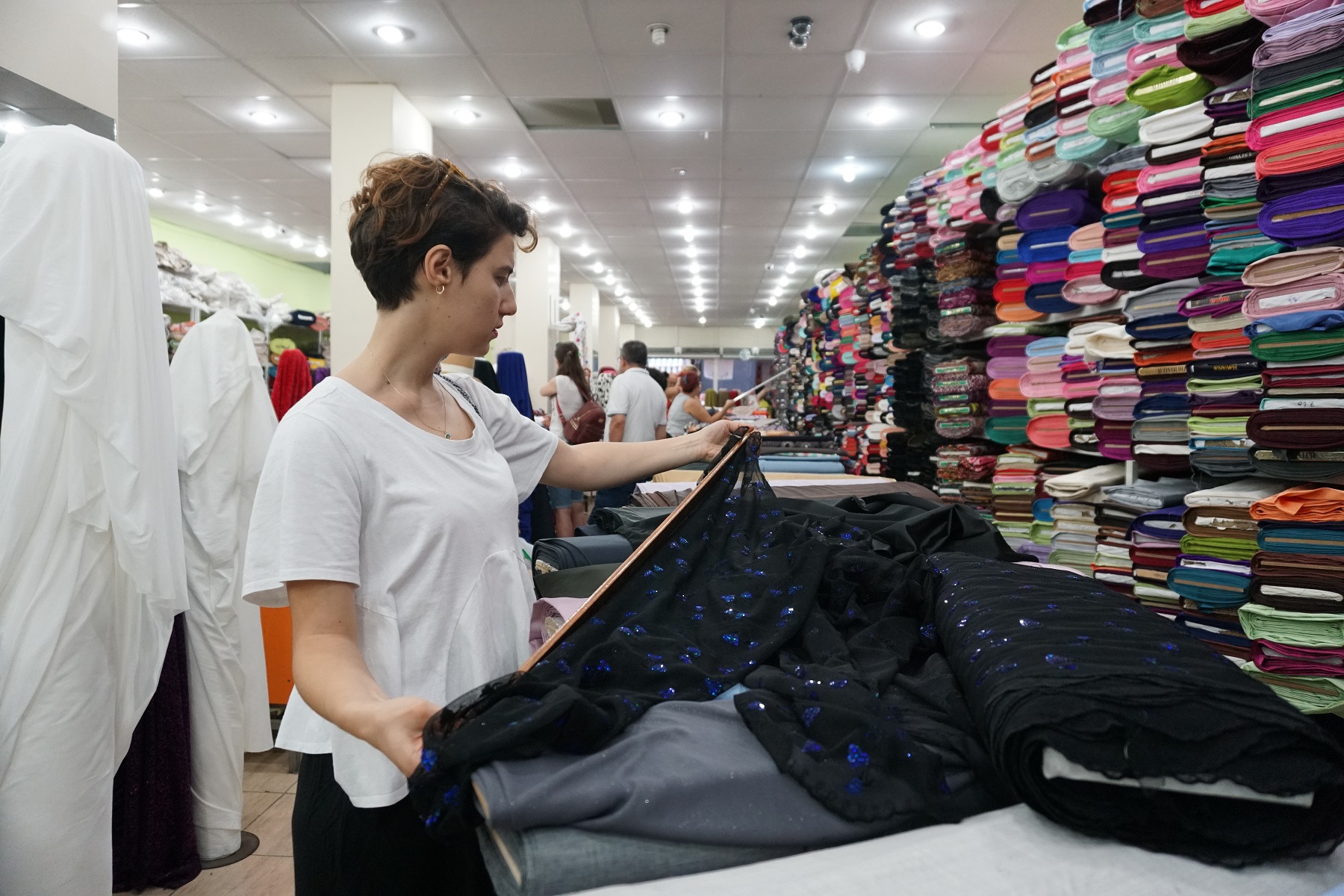
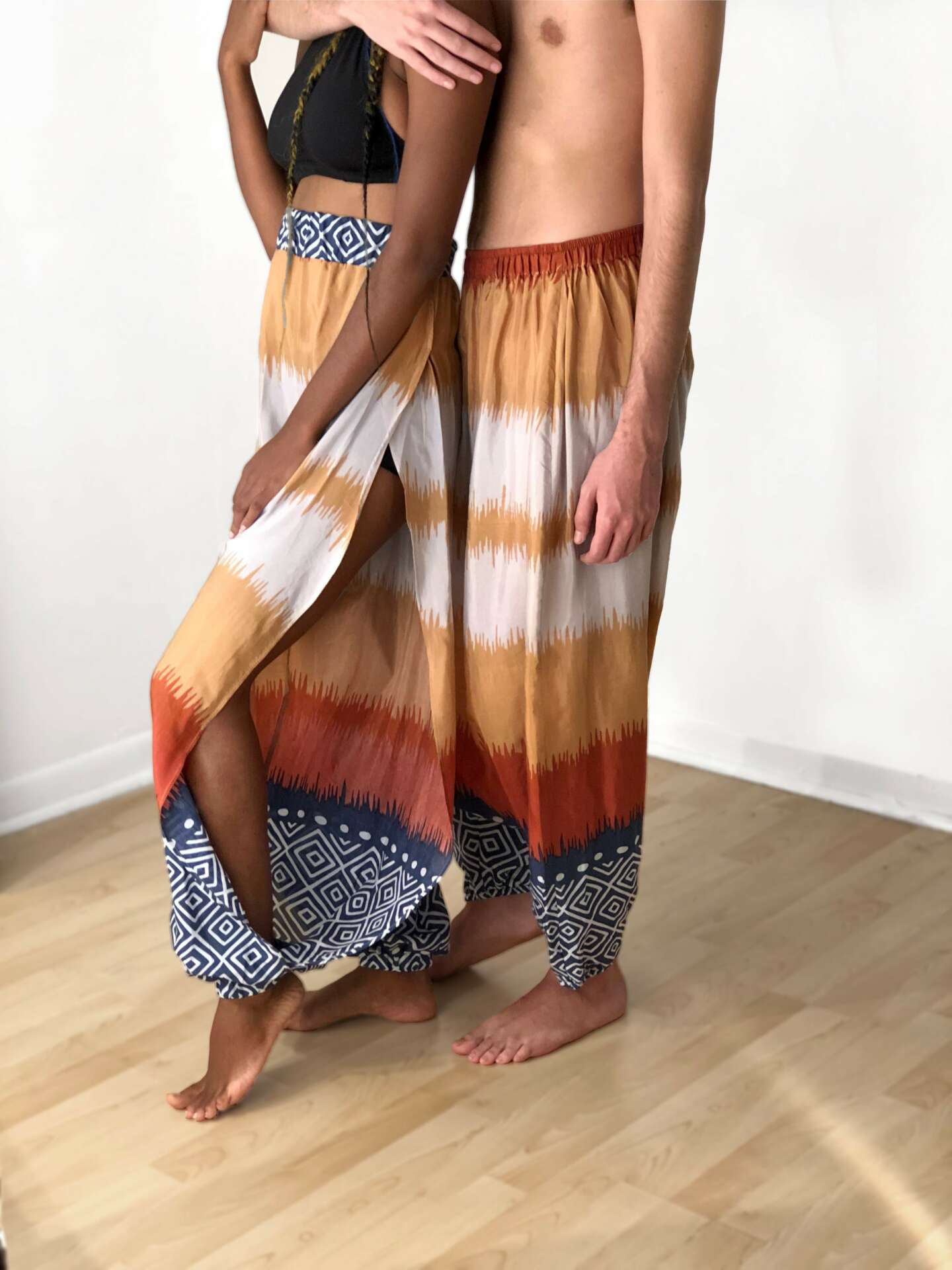
My artistic practice was mostly based on my personal and cultural experiences. I was mostly working in video and performance as my primary media. After my MFA degree, my artistic practice changed in important ways. I became more interested in dealing with larger concerns and somehow finding new forms to bring solutions and collective support to the things I care about. So I started my business Minik Collection. My personal interest in traditional fabrics and fiber arts made me look into alternative fashion opportunities. Turkey is one of the biggest hubs for fast fashion production globally, and I wanted to somehow respond to this fact by bringing traditional Anatolian dress to a more conscious concept using the folk craft knowledge of Turkish women artisans. I began designing pants that reference traditional garments and used reclaimed fabrics from the textile industry in Turkey. I started to work with women craft workers who use their traditional domestic skills and many other individual makers and small producers. I was very strict and stubborn in my approach to production and managing the quality of my products at the beginning, but in time I learned to find different ways to be creative and conscious in the process. For example, recently I have begun exploring the use of natural dyeing on Turkish traditional fabrics as well as returning to more simple pieces conceived as art works and altogether using my clothing as a canvas for practicing my art. I believe that I have found my own ways to still be able to be creative and practice my art as my business. In the near future I am looking forward to bringing my creative art practice into the digital medium and my practice on textiles that can be exhibited together in a creative and productive way.
How can we best help foster a strong, supportive environment for artists and creatives?
As a society we need to demphasize individualism and competition in general and move toward systems of care and collective support. Universal basic income, equitable access to healthcare and housing, and transition to a sustainable energy paradigm are all what I consider minimum societal changes that would begin to create the possibility for everyone to thrive.
What’s the most rewarding aspect of being a creative in your experience?
For me, the most rewarding aspect of being an artist is the sense of openness and possibility that you are forced to practice everyday. Each problem, solution, opportunity, and experience can become the raw material for new ideas and perspectives. Art itself and finding an audience that can connect with your work is the reward.
Contact Info:
- Website: www.minikcollection.com
- Instagram: @minik_collection