

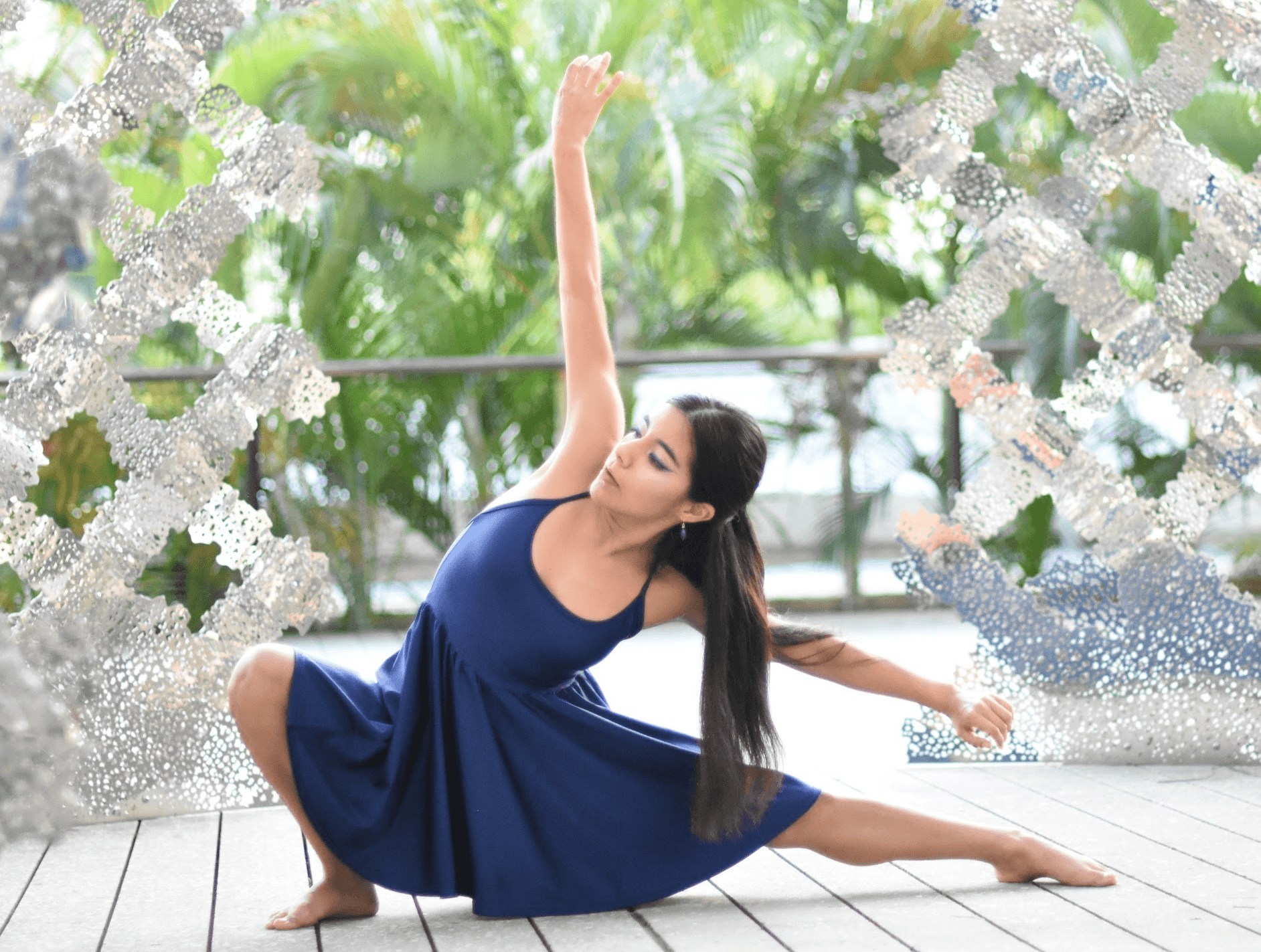

We recently connected with Nicole Pedraza and have shared our conversation below.
Alright, Nicole thanks for taking the time to share your stories and insights with us today. What’s been the most meaningful project you’ve worked on?
One of the most meaningful projects I’ve been a part of was my performance residency at the Deering Estate, an art museum and nature preserve in Miami, FL. The residency was all about community engagement, collaboration, and creating a contemporary dance piece that explored the parallels between nature and human relationships. Growing up in that area, there weren’t many accessible performing arts opportunities for my family. I knew early on that I wanted to dive deeper into contemporary dance, but there weren’t affordable options beyond the ballet training I was familiar with. So, for my residency, I made sure there was a free community component, giving people a chance to explore how movement, nature, and different artistic disciplines influence one another.
To bring this vision to life, I hosted a free movement workshop open to people of all ages and backgrounds at the Estate. It was such a meaningful experience because the community got to immerse themselves in nature, research, and creativity through movement. We also played with interactive visual elements, translating them into a new art form while reflecting on what it means to be a Creative. What made the workshop even more special was the mix of participants—artists from various disciplines, families, professional dancers, and even musicians I would later collaborate with for the performance.
The final performance itself had a unique touch—the live sound score featured the dancers’ voices, which created this intimate and personal atmosphere. The interdisciplinary nature of the work really highlighted how art can mirror the interconnectedness and complexity of nature. This residency became a springboard for more collaborations, including an environmental dance film, additional workshops, and future performances.
One aspect that stood out to me was being able to provide paid opportunities for local BIPOC contemporary dancers and collaborate with local musicians, all while introducing contemporary dance to a new environment and audience. The performance took place outdoors, which was both beautiful and challenging as a choreographer.
This project taught me a lot and sparked ongoing collaborations with the dancers and musicians involved. A staff member from the Estate even teared up during the performance, saying they were deeply moved by the whole process. That kind of connection is what made this project so meaningful for me, and it left me feeling excited for what’s to come.
As always, we appreciate you sharing your insights and we’ve got a few more questions for you, but before we get to all of that can you take a minute to introduce yourself and give our readers some of your back background and context?
Hi! I’m Nicole Pedraza, a contemporary dance artist based in Miami, FL. My work thrives on cross-disciplinary collaborations with music, technology, and visual art. I wear a lot of hats—dancer, choreographer, teaching artist, and arts administrator. As a first-generation Latina of Nicaraguan and Mexican descent, my heritage plays a big role in shaping my perspective as a movement artist. My background in classical dance, combined with my personal experiences, has helped me develop a movement style that’s both grounded and elegant, with fluidity and precision woven through intricate patterns.
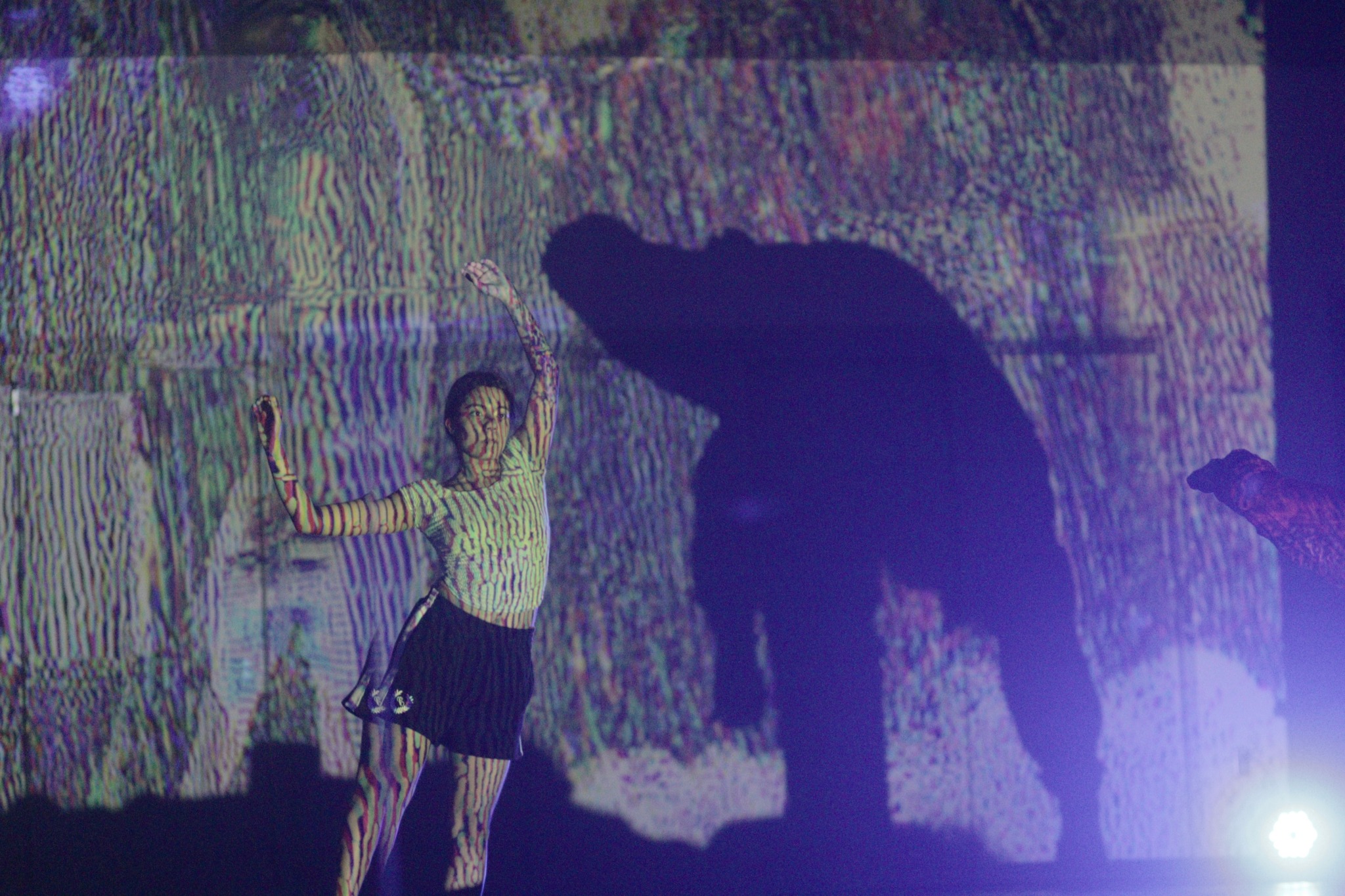
I’ve been dancing since I was 5 and went on to graduate from New World School of the Arts’ high school and college programs, earning a BFA in Dance in 2021. One of the things that brings me the most joy is collaborating with tech, visual artists, and musicians to create immersive experiences that push boundaries and challenge stereotypes. This past summer, I was lucky enough to be selected for Jacob’s Pillow’s inaugural ChoreoTech Lab, where I got to experiment with new technologies alongside other artists who share a passion for multidisciplinary work. It was an incredible experience, and the connections I made there were just as valuable as the knowledge I gained.
Through my collaborative work, I’ve been fortunate to receive funding from Locust Projects, The Peace Studio, and the New World School of the Arts Alumni Association. I also co-created an environmental dance film called “Caracoles En Cemento,” which was selected for film festivals in Chile, Puerto Rico, Miami, and West Palm Beach.
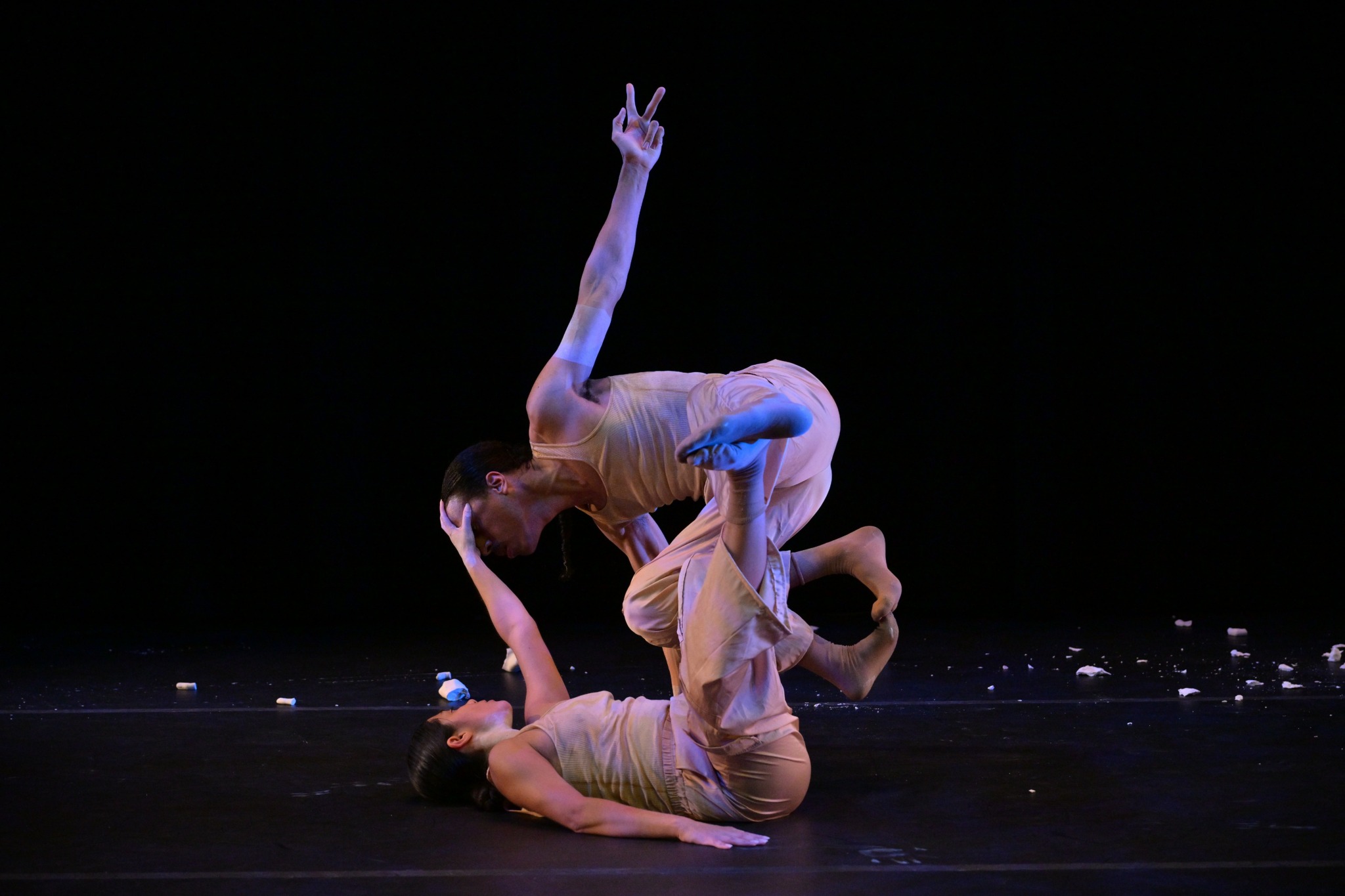
Right now, I’m dancing with Syncopate Collective, a contemporary dance company, and Zest Collective, which focuses on modern and ballet-based work. I’ve also danced with Mike Tyus & Co, Volta Collective, Peter London Global Dance Company, and more. As a freelance dancer, I’ve performed improvisational gigs with live musicians in art galleries and venues like The Floyd Miami, Sweat Records (with musician Diego Melgar), and the Intercontinental Hotel (with visual artist Mirta Gomez Del Valle), to name a few.
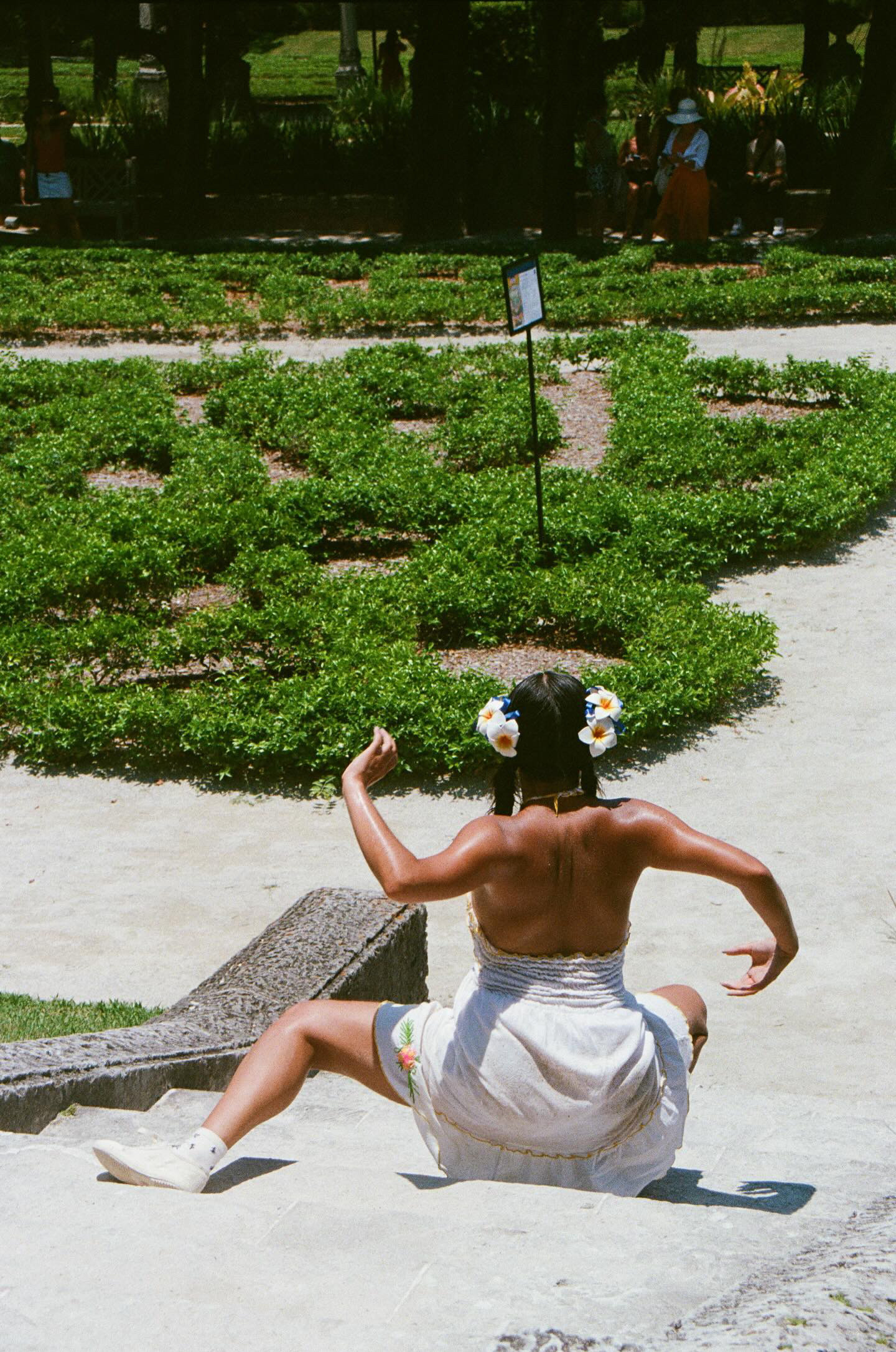
As a choreographer and director, I’m passionate about working with other BIPOC artists who understand the cultural nuances and complexities I bring into my work. My choreography is often presented in public spaces or nature, bringing contemporary dance to new audiences while fostering a connection with Miami’s natural beauty. My work has been shown at places like Perez Art Museum Miami, The Kampong National Tropical Botanical Garden, Vizcaya Museum and Gardens, and the Deering Estate.
Teaching is something I hold close to my heart. Since 2017, I’ve taught ballet, pointe, jazz, and contemporary to students of all ages. While I usually teach at conservatory-level studios, I also love hosting workshops for people of any age and background, even if they have no dance experience. I currently teach open contemporary classes for Syncopate Collective, providing professional contemporary dance training to our community that needs it!
In my arts administration role, I’m the Education and Outreach Coordinator at a performing/cultural arts center, where I manage a youth dance program aimed at overcoming financial barriers. I also help organize free masterclasses, workshops, field trip performances, and a yearly youth arts festival for kids and families of all abilities. The skills I’ve developed in this role have been a huge help in my creative work as well.
At the heart of everything I do is the desire to tell stories that matter, spread awareness, and showcase vulnerability through my art.
Any resources you can share with us that might be helpful to other creatives?
Definitely! There are a few things I wish I’d known about earlier in my creative journey that would’ve made a big difference:
Being an Individual Artist and Grants/Fellowships: I didn’t realize how many funding opportunities were actually out there for individual artists to create their own work. In conservatory dance schools, our training derives from the idea of becoming the perfect dancer to work in a dance company. I did not realize that I could propel myself as an artist, creative individually and take leadership over my own artistic career.
There are grants and fellowships specifically for emerging creatives that can give you financial support to develop your projects. I wish I’d known where to look, like specific websites or even niche organizations tied to my work.
Artist Residencies: They’re great for giving you time and space to focus on your art without distractions, but reading the specifics of each residency is key. This one is a hard one to balance if you also rely on outside work financially. However, they often come with networking opportunities and the chance to collaborate with other artists, which can lead to some amazing new projects.
Collaborative Networks: Connecting with other creatives from different disciplines—musicians, technologists, visual artists, you name it. It’s through those kinds of collaborations that some of my best work has come to life. Ironically, I thought I would make these connections in art school, but I mostly found them through socializing at other unrelated jobs and mutual friends.
Free or Affordable Software: There are so many tech tools, like Touchdesigner, Blender and Unreal Engine, that I wish I’d started learning earlier to facilitate my performance. A lot of them offer free or discounted versions for artists, and they can really help take your work to the next level. I am learning a lot from a fellow collaborator and friend!
If I’d known about these resources earlier, I feel like I could’ve moved forward more confidently. I often think about how my trajectory would differ with these tools and I love sharing them with the community. I always recommend emerging artists explore these kinds of opportunities as soon as they can!
How can we best help foster a strong, supportive environment for artists and creatives?
To really support artists and help create a thriving creative ecosystem, I think we need to focus on funding, affordability, arts education, diversity, and collaboration.
Artists need financial support, whether through grants, residencies, or fellowships. It’s hard to focus on creating when you’re worried about making ends meet. Governments, private organizations, and even businesses could step up and provide more opportunities for artists to get the backing they need to bring their work to life.
We also need to talk about fair pay. Too often, artists are expected to work for free or for “exposure.” That needs to change. If society really values the arts, we need to make sure artists are paid fairly for their time and talent.
Affordable spaces! It’s crucial to have accessible places where artists can work, perform, or showcase their art. Whether it’s a studio, gallery, or theater, these spaces are often out of reach financially for many artists. Communities could help by offering low-cost or free creative spaces, even temporary ones in public areas.
We also need to prioritize arts education. It’s important for young people to have access to the arts from an early age, not just as an extracurricular but as part of the core curriculum. Dance is known to help mentally, socially, and emotionally, and is such a great tool for kids to feel connected to their bodies and community. This creates a future generation that appreciates and values creativity, which is vital for keeping the arts alive long term.
Another big one is collaboration. Encouraging artists to work with people in other fields can lead to exciting, boundary-pushing projects. Public and private partnerships that bring different disciplines together can spark creativity and lead to new funding and exposure for artists.
On top of that, we should promote diversity in the arts. It’s important to make sure that underrepresented voices—whether BIPOC, LGBTQ+, women, or disabled artists—have platforms and resources. The more diverse perspectives we bring into the arts, the richer the creative landscape becomes.
Lastly, public support and engagement is key. People can help by attending performances, buying art, sharing creative work on social media, and just generally showing up for their local arts scene. The more the public engages with and appreciates the arts, the stronger the creative community becomes.
Treating art as an essential part of society—not just a luxury—could go a long way in making sure artists thrive.
Contact Info:
- Website: nicolepedraza.my.canva.site
- Instagram: nihuhow
- Other: https://vimeo.com/nicolepedraza
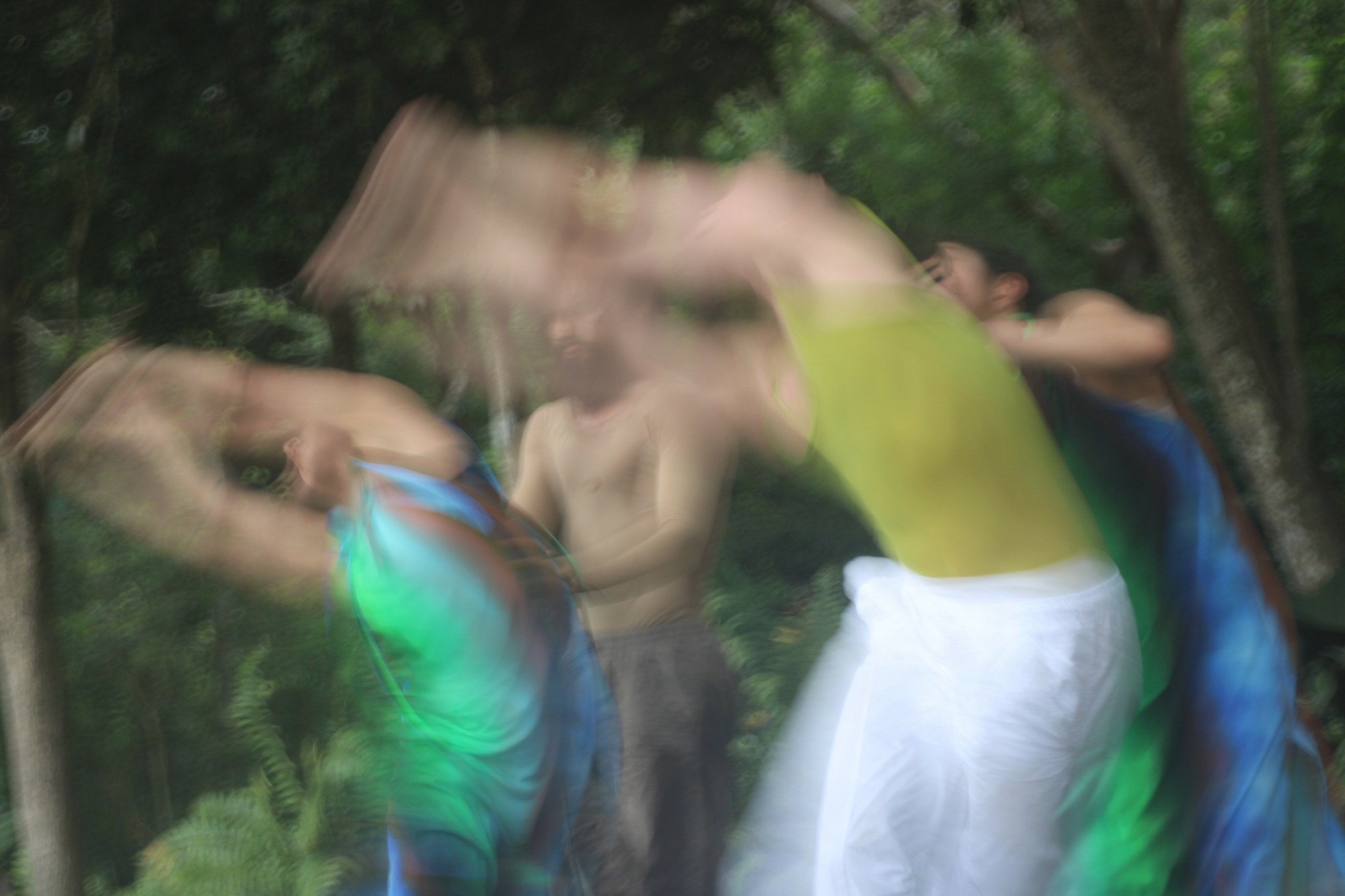
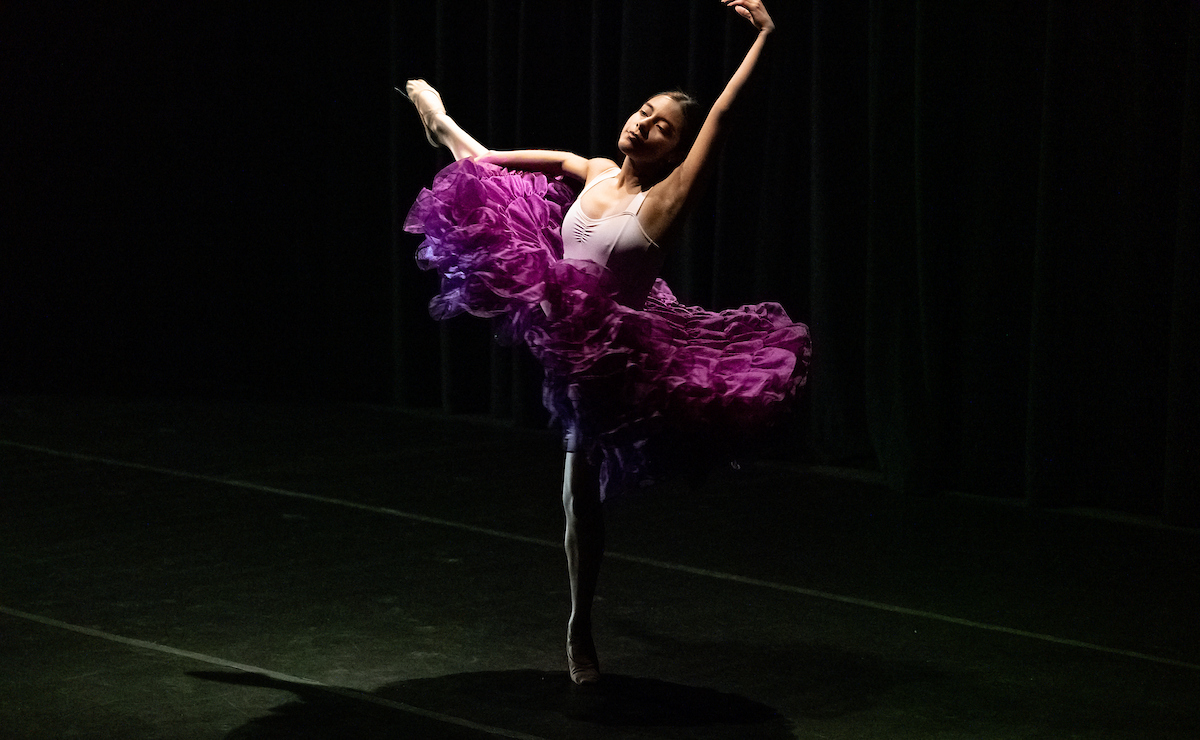
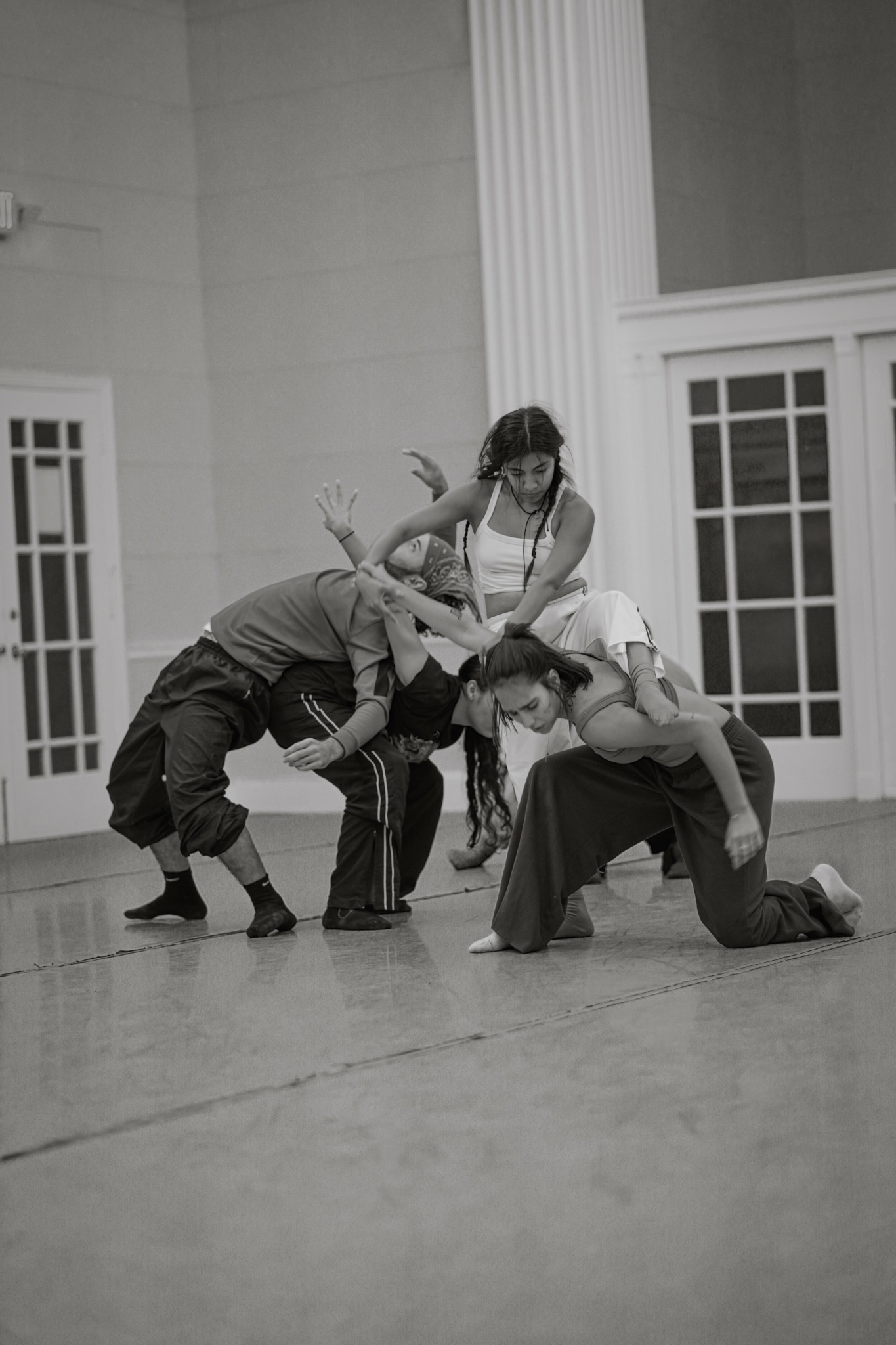
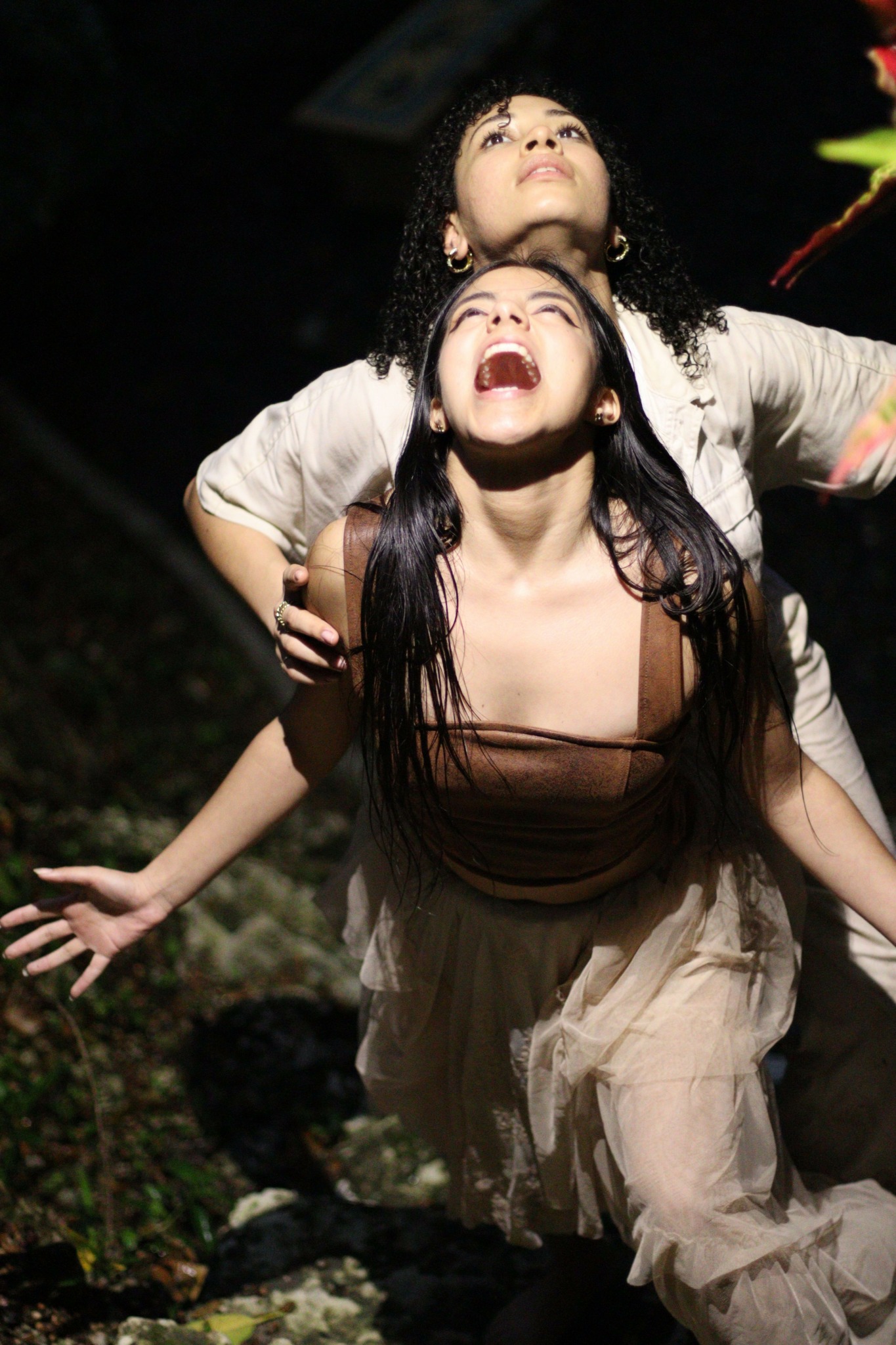
Image Credits
Main Image: Photography by Diago León Lang at the Perez Art Museum featuring artwork by Teresita Fernández. Solarium (Sanctuary), 2019. © Teresita Fernández