


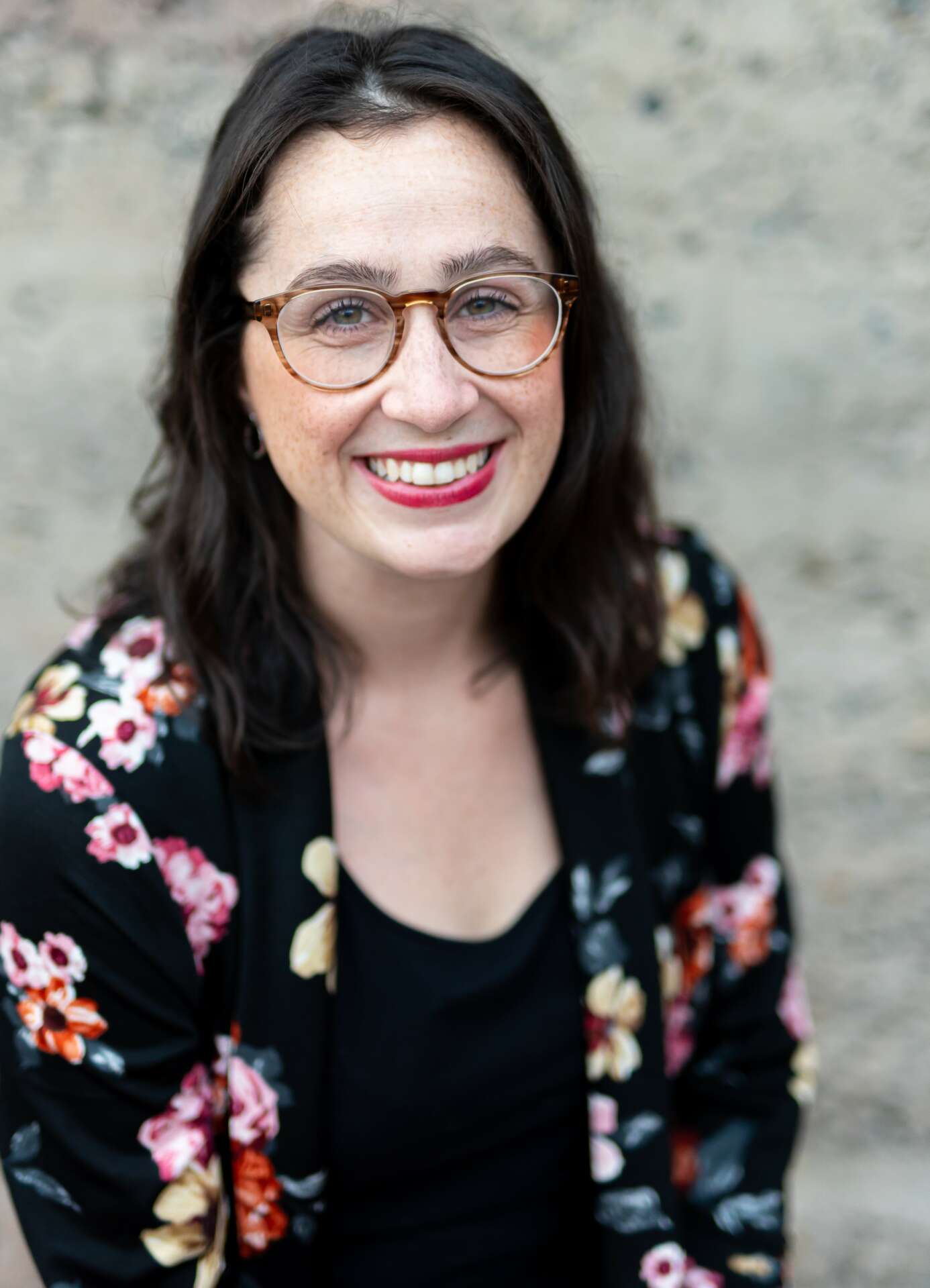
 We were lucky to catch up with Nicole Hellthaler recently and have shared our conversation below.
Alright, Nicole thanks for taking the time to share your stories and insights with us today. It’s always helpful to hear about times when someone’s had to take a risk – how did they think through the decision, why did they take the risk, and what ended up happening. We’d love to hear about a risk you’ve taken.
I’ve never been one to map out my path or have a specific plan for my career or personal life. Often, the best things that have ever happened to me, like studying abroad in Cape Town, my random roommate turned best friend, ending up in Arkansas, or going to grad school with the most caring cohort I could ever ask for, all happened by following a gut instinct. Working for Prison Yoga Project is no exception.
I learned about restorative and transformative justice while writing a paper for my program planning class at the Clinton School of Public Service. I was a burnt-out Teach for America alum seeking a different approach to social justice. I was also an avid yogi (and still am.) I don’t quite remember when it came to me, but I had a hunch to google the phrase “prison yoga.” That led to connecting to Prison Yoga Project and deciding to work with them for my Capstone project.
This is where the risk comes in. My grad program provides a stipend for a required International Public Service Project (IPSP). I completed my IPSP in Vietnam, where I was compensated for my work, so I had a decent amount left over. I decided to use this money to attend the very last Prison Yoga Project training of the year in Amsterdam and meet James, our Founder. I then used the remainder to fly out to California, spend a few days visiting different prisons and jails in San Diego, and meet with Bill, our now Executive Director.
Did I know a potential position would be available to me? No. Did I believe in this work and have a hunch that there was a place for me in it? Yes. And that was enough.
The trip resulted in a job offer, and four years later, I am Assistant Director for Prison Yoga Project!
Awesome – so before we get into the rest of our questions, can you briefly introduce yourself to our readers.
I am a former high school teacher and Teach for America alum. During my time in the classroom, I studied and applied the concept of conscious discipline to manage students’ behavior in a kind and compassionate way that led to relationship building, as opposed to isolation and punishment. It worked so well and made so much sense, both intuitively and intellectually, that I knew this was the way forward. Unfortunately, I felt stifled and unable to spread this practice and way of being in public education. After three years of teaching in southern Arkansas, I moved to Little Rock to earn my Master’s in Public Service at the Clinton School of Public Service. This led me to my current role as Assistant Director of Prison Yoga Project (PYP.)
Other big moments led to my passion for working with incarcerated folks and disrupting the current system of criminal injustice. During undergrad, I was lucky enough to study abroad in Cape Town, South Africa, where I met mentors and inspiring people who helped me understand that social justice could be a career, not just a hobby. In Vietnam, I practiced conscious discipline and instructed other teachers in this practice, which also worked for them. Many kind and compassionate people around the world influenced me and got me to where I am now with PYP.
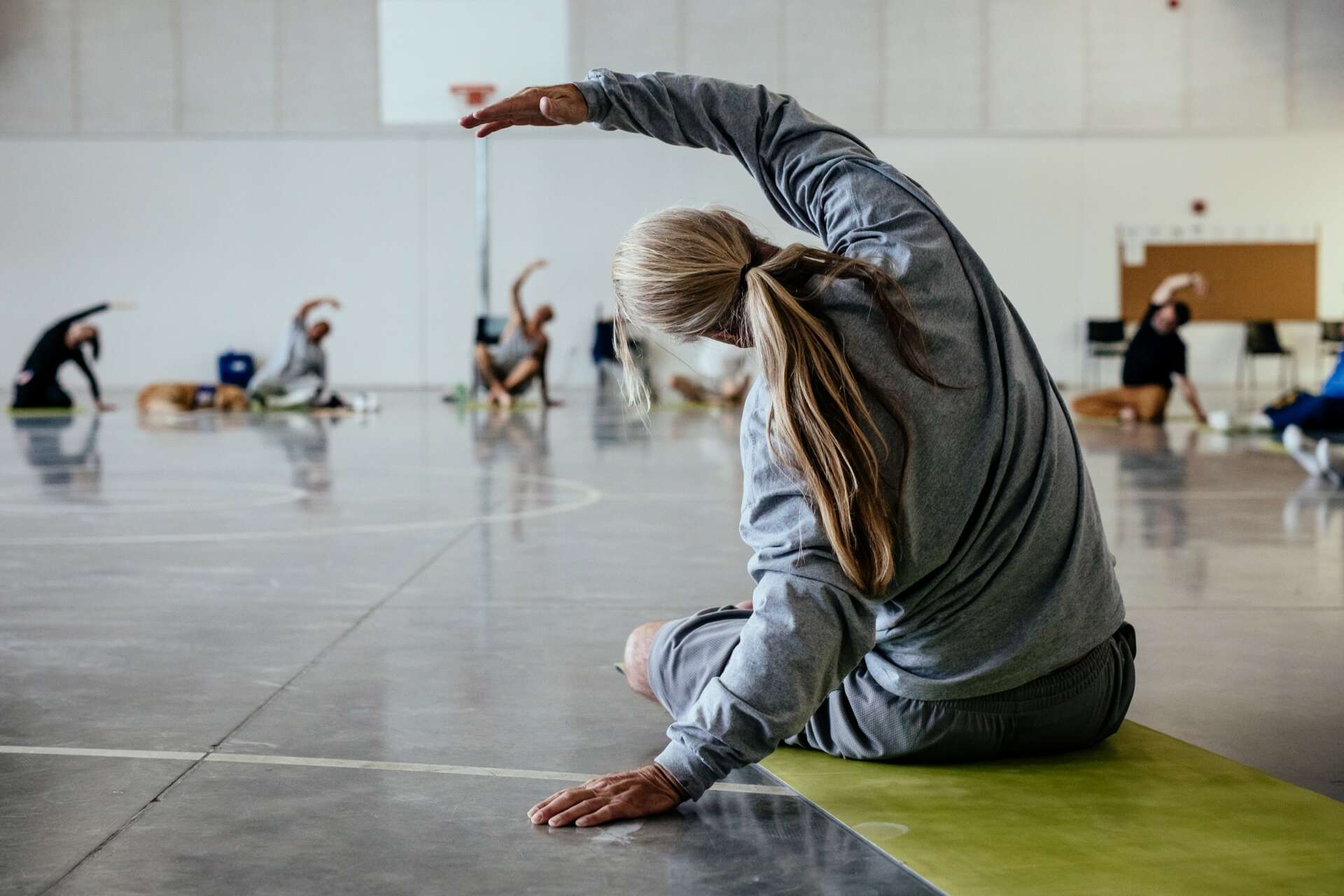
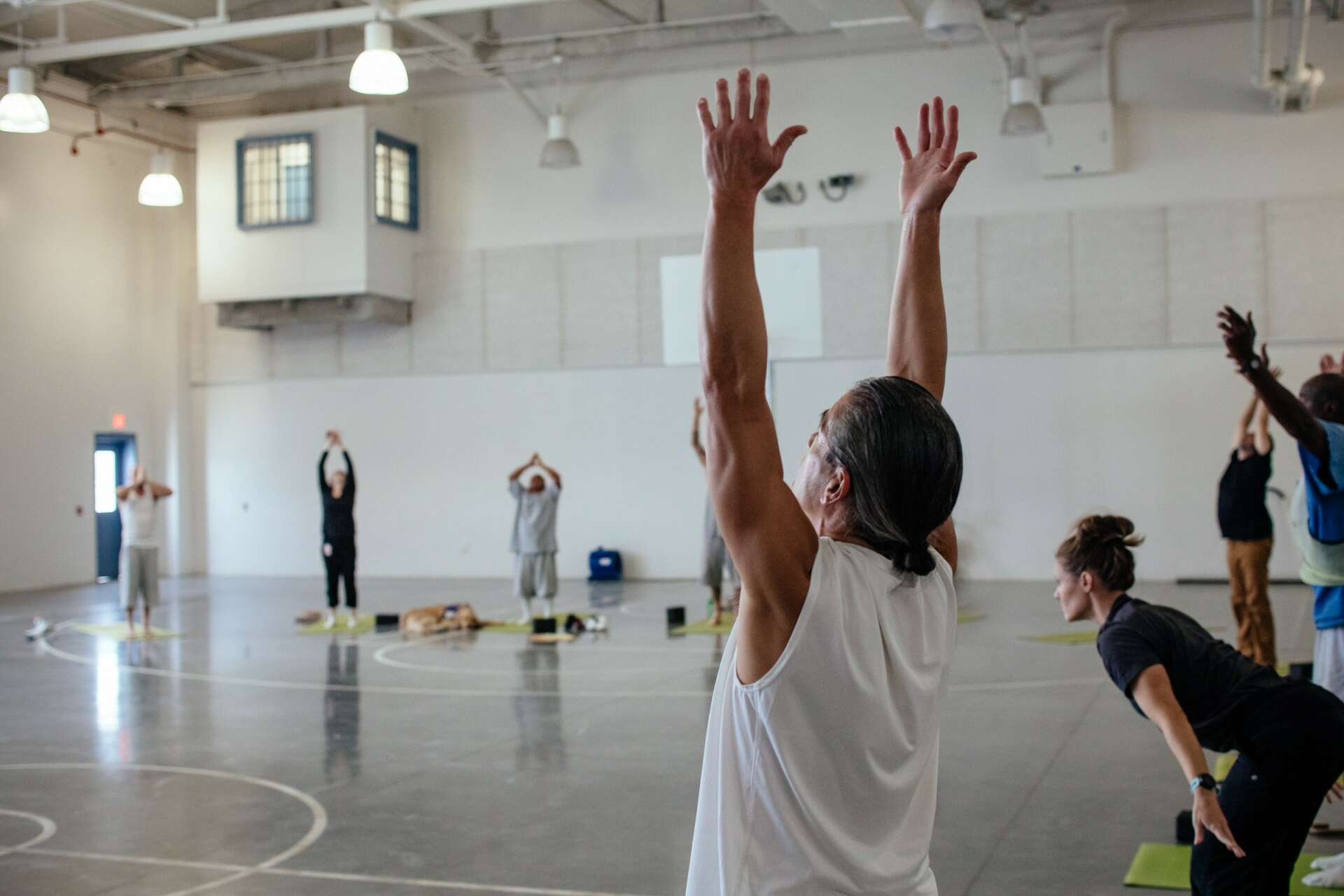
PYP seeks a cultural shift toward a healing-centered approach to addressing crime, addiction, and mental illness through yoga and embodied mindfulness. We promote an approach that starts with yoga and mindfulness as one of the most effective tools for healing trauma and developing resilience to resist further traumatization and the impacts of toxic stress. We have built our programs on research by leaders in trauma research, including Bessel van der Kolk, Peter Levine, Stephen Porges, and Judith Herman.
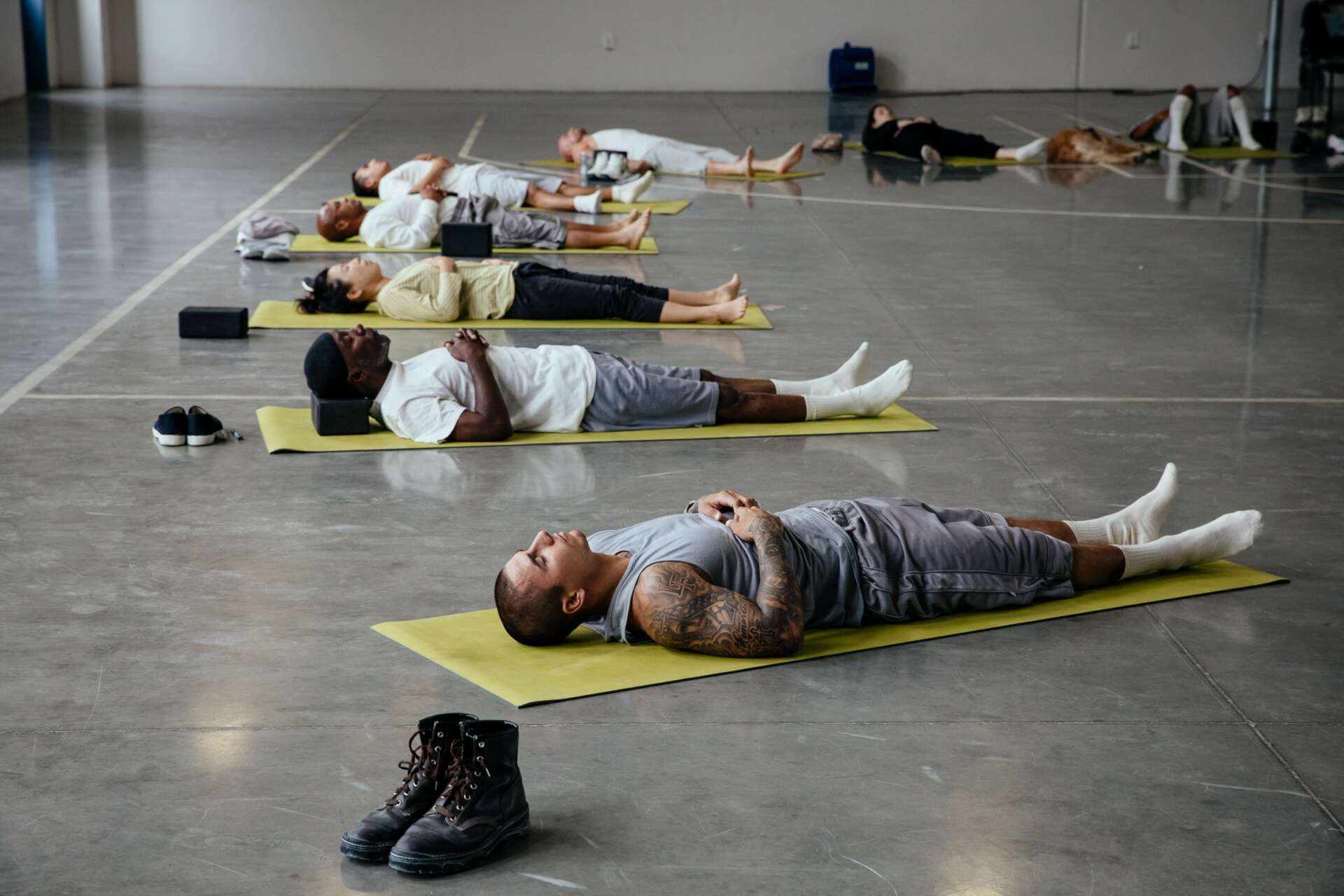
The heart of our program is a trauma-informed approach to yoga and mindfulness that includes practices of movement, conscious breathing, mindfulness of the body, and deep relaxation. When done regularly over time, these activities lead to changes to the brain that safely and effectively result in helping to resolve trauma that has been stored in the body and cultivate resilience. You can read more about our mission and focus areas on our website: http://prisonyoga.org.
As Assistant Director, I work in many areas of the organization, including grant-writing, training and program development, Facilitator onboarding and support, and strategic planning. I also currently facilitate three weekly classes at the local jails in Little Rock for adults and youth. I am most proud of the accessibility of our training and yoga programs and our growing community of global leaders that are all a part of our movement to transform a punitive system into one of healing.
Learning and unlearning are both critical parts of growth – can you share a story of a time when you had to unlearn a lesson?
When you work in public service, it is easy to get trapped in a mindset that your work will always be underpaid and undervalued, so you should accept what you are given. I know I felt this way in education. And I felt I wasn’t doing enough if I wasn’t working myself to exhaustion. I had to unlearn that my impact was tied to my level of burnout.
James and Bill, our Founder and Executive Director, respectively, introduced me to the Buddhist Concept of Right Livelihood, that we should earn a living without harm to others or ourselves. It’s always been easy for me to conceptualize undoing harm to others, but now I know I will have a greater impact by pouring from my own full cup. And this is true for PYP’s core team, Facilitators, and the participants we serve. We first believe in caring for ourselves, which naturally turns into community care. Self-compassion is the very beginning of empathy.
Do you think you’d choose a different profession or specialty if you were starting now?
I wouldn’t choose to do anything different. Getting to practice yoga in jail every week with inspiring folks is the greatest gift, and spending the rest of my time advocating and supporting these programs globally is a dream come true. I believe in every part of my being that yoga and mindfulness can heal trauma and that they are needed in every prison and jail in the world.
Funny enough, I didn’t plan this job. I just knew I was meant to work towards a more just world. And my path led me here.
Contact Info:
- Website: prisonyoga.org
- Instagram: @prisonyogaproject
- Facebook: Prison Yoga Project
- Linkedin: Nicole Hellthaler
- Youtube: Prison Yoga Project
- Other: community.prisonyoga.org
Image Credits
Prison photos- Flavio Scorsato