
Alright – so today we’ve got the honor of introducing you to Nico Sun. We think you’ll enjoy our conversation, we’ve shared it below.
Nico , thanks for joining us, excited to have you contributing your stories and insights. Are you happier as a creative? Do you sometimes think about what it would be like to just have a regular job? Can you talk to us about how you think through these emotions?
The day after my thesis show, I slept deeply and had a vivid dream. In this dream, I was tasked with creating a new artwork for an exhibition within a day. Although I don’t remember the specifics, it involved using a 3D printer. After designing the piece and feeding it into the machine, I discovered it would take 21 hours to complete, making it impossible to finish before the opening…
I woke up filled with anxiety, half awake and still thinking about how I could expedite the process. The early morning light cast a blue and gray hue in my room as I lay in bed, unable to sleep again. This episode highlighted a constant struggle for me—the relentless urge to create, juxtaposed with the perpetual shortage of time and energy.
As my mind wandered, I began to ponder an alternative path. What if I had never pursued art? My love for art began as an act of rebellion against gender and racial stereotypes. Growing up in China, boys were expected to excel in math and science and pursue “masculine” careers like engineering, programming, or finance. However, I always disagreed with this sentiment and desired a different future.
When I moved to the US for high school, I was introduced to new subjects like marching band, musical theater, and visual art. I signed up for them all. It was then that I picked up a pencil and started to draw, marking the beginning of my journey as a creative.
Reflecting on what life might have been like without art, I considered the potential simplicity and lack of the type of pressure I have now. Without the critical lens of a creative, I might focus on more tangible things rather than abstract ideas. However, I realized what I would miss out on—the many unique life experiences I had.
I would miss seeing my friends’ performances, participating in those performances, visiting apartment galleries, and meeting people on the sidewalk. I would definitely miss the feeling I get whenever I turn one of my ideas into an actual artwork.
Life, to me, is like riding a one-way train where you can’t see all the views within one trip. I do wonder about the scenery on the other track, but I have already chosen mine. I may not be “happier,” but I am simply “happy” and appreciate the path I have taken.
Great, appreciate you sharing that with us. Before we ask you to share more of your insights, can you take a moment to introduce yourself and how you got to where you are today to our readers.
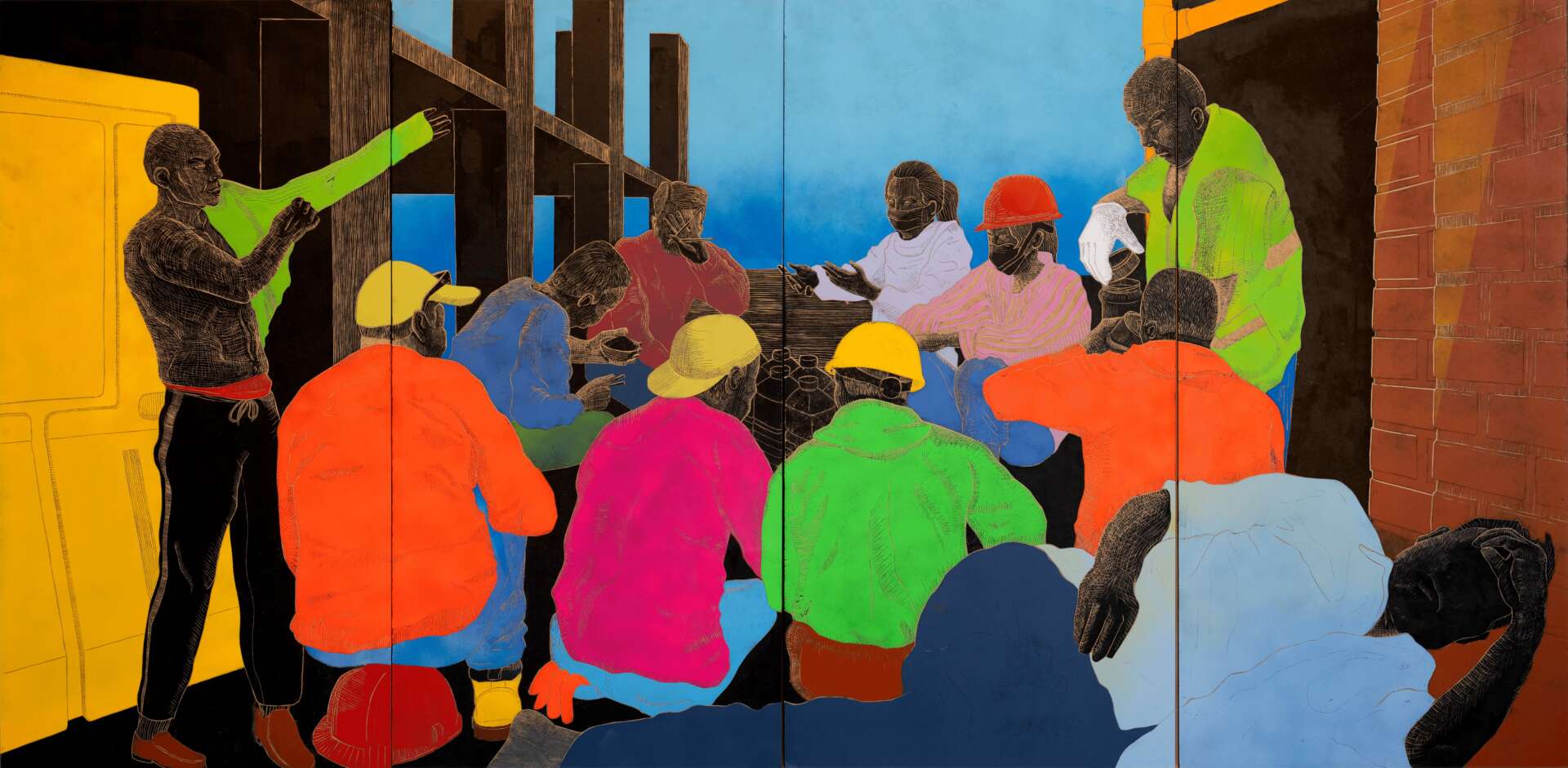
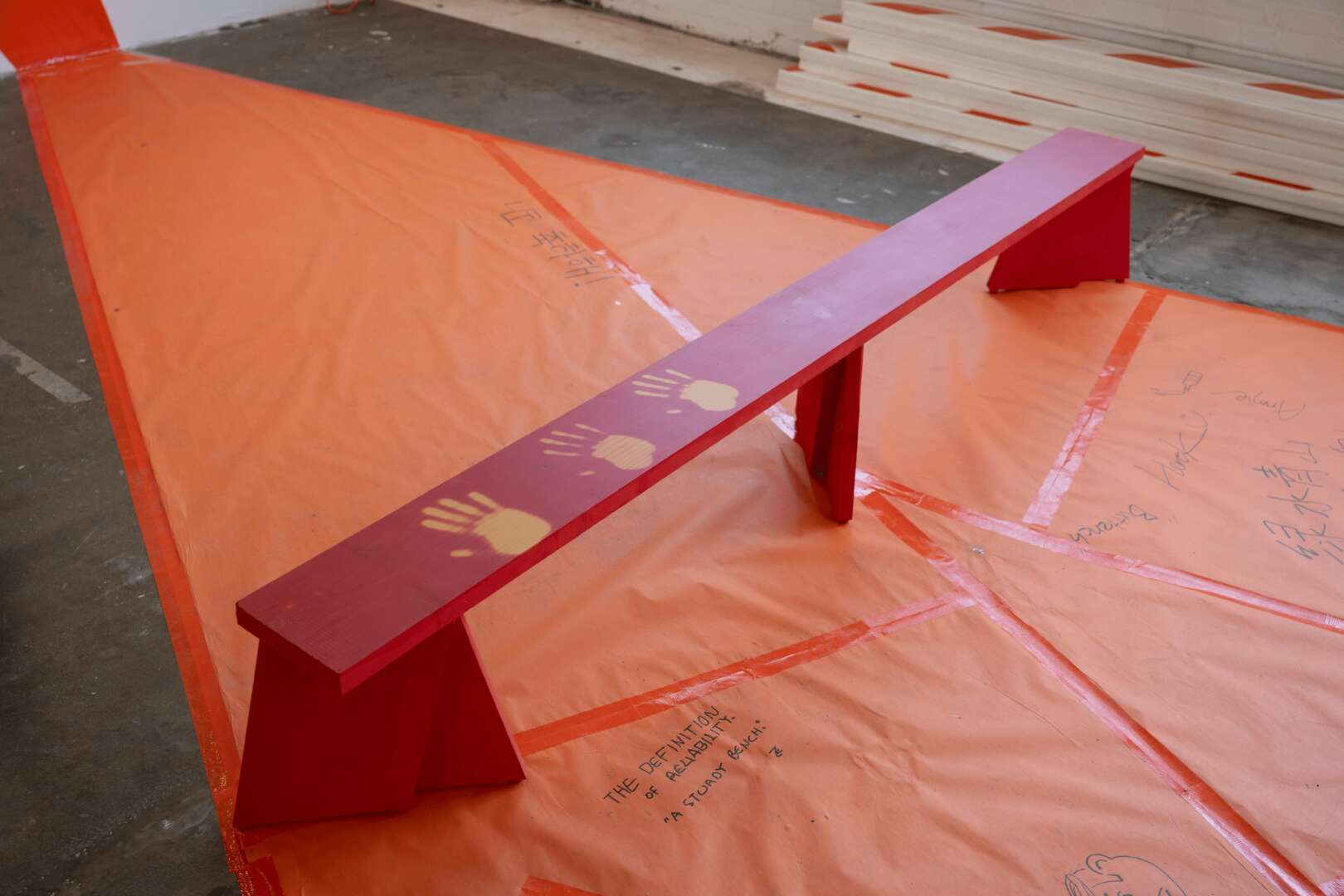
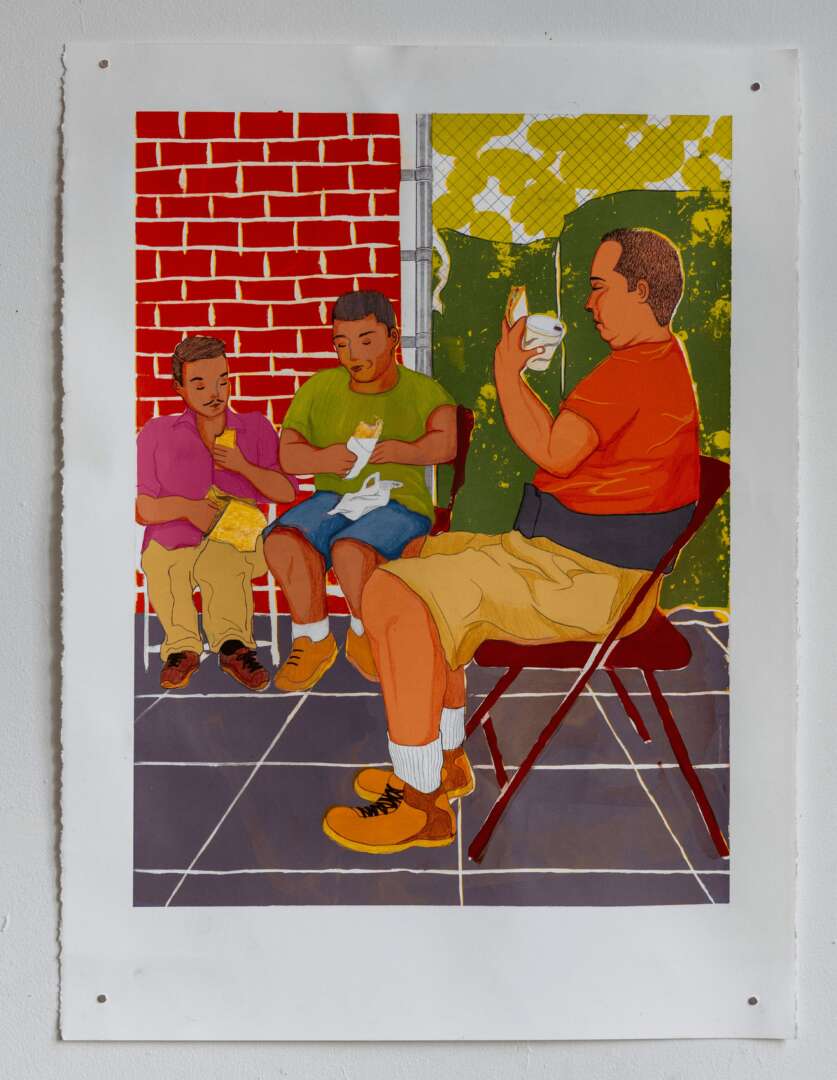
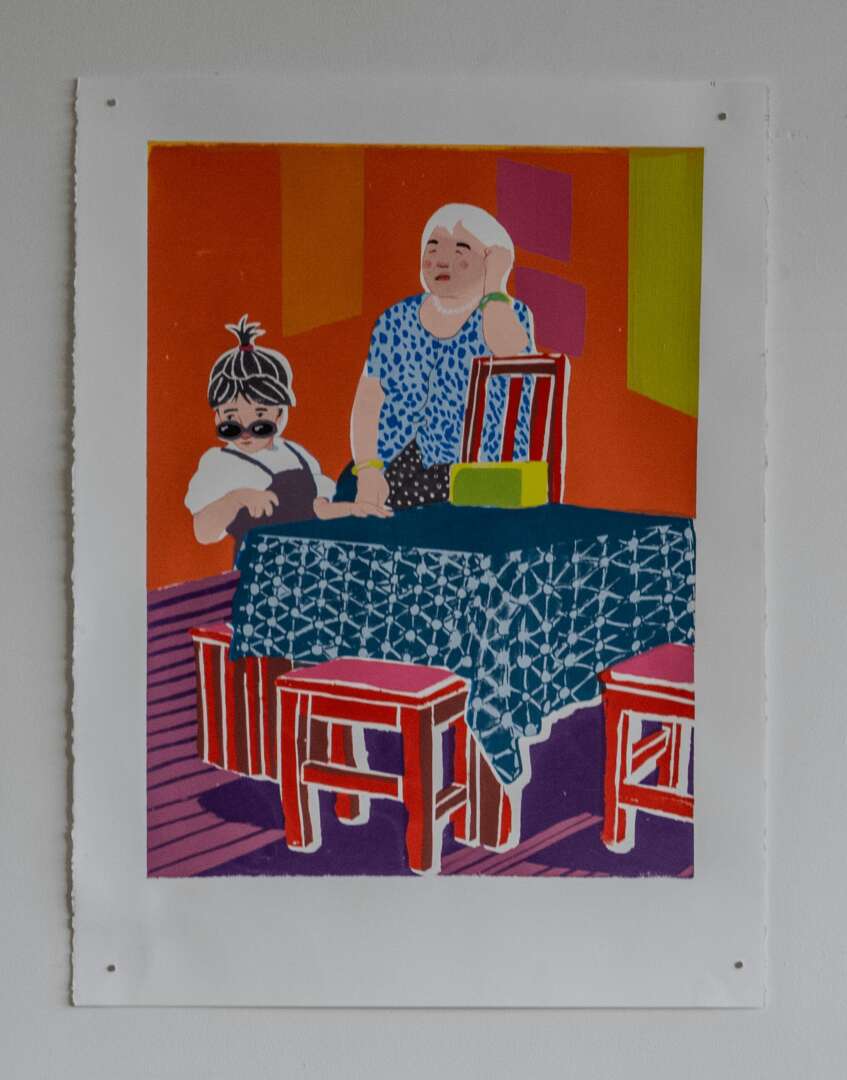
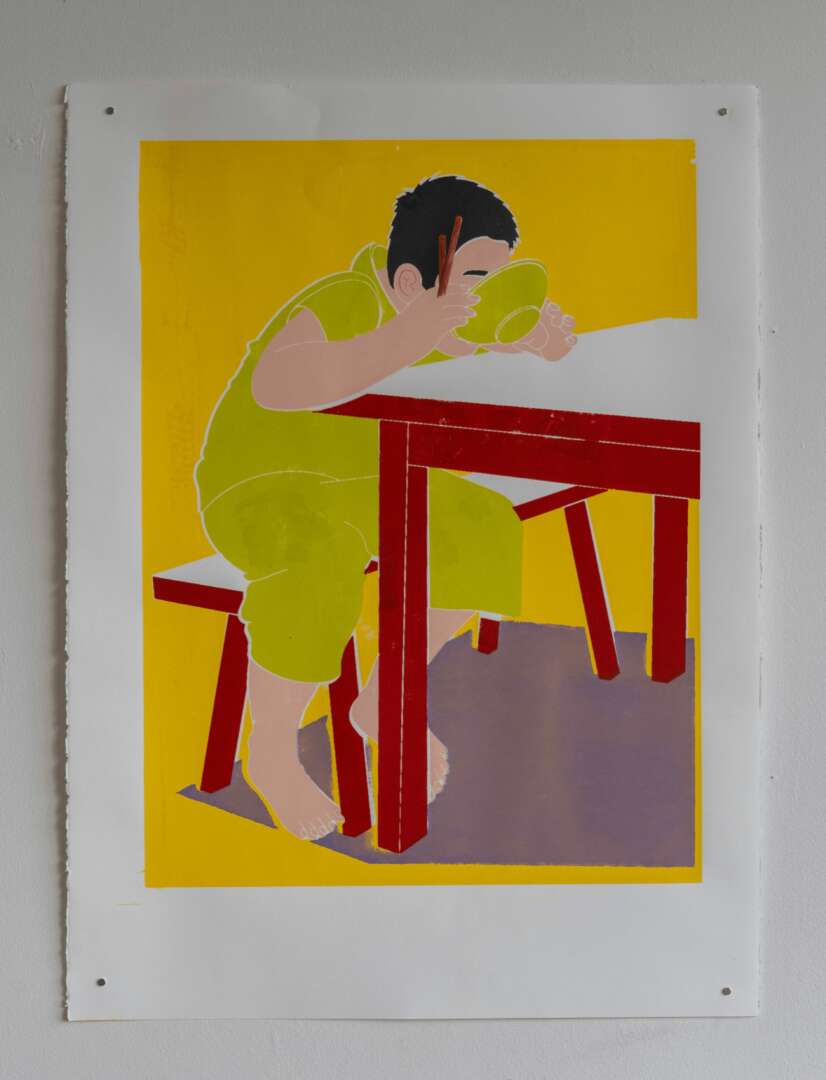
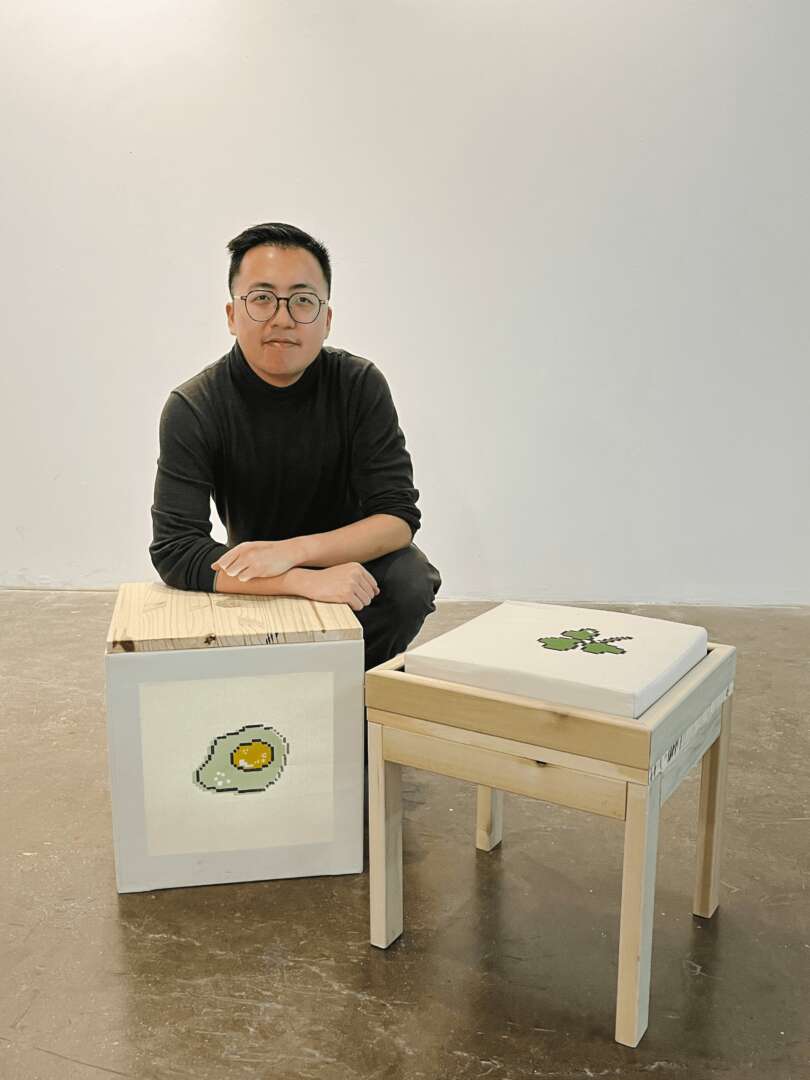
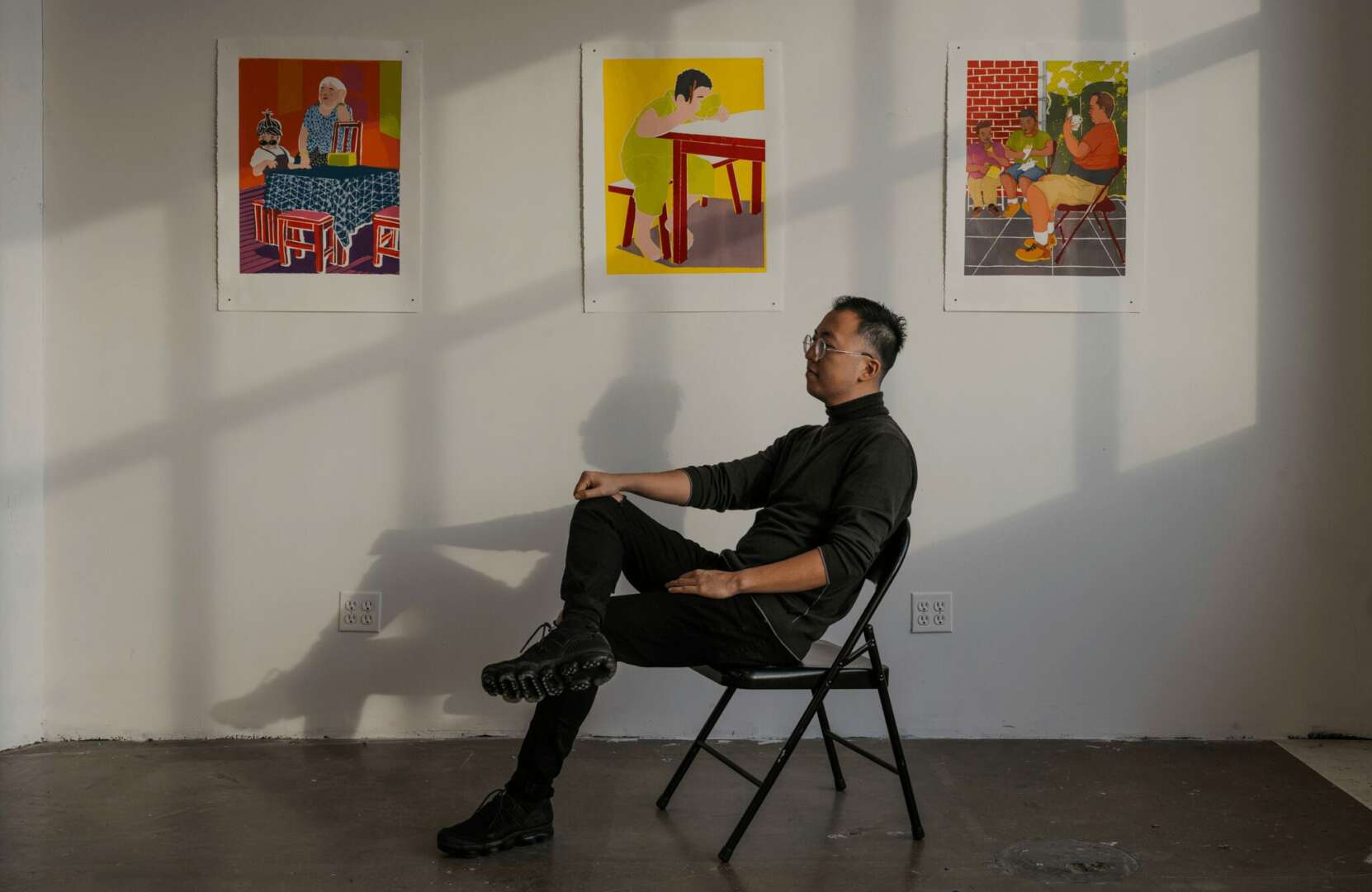
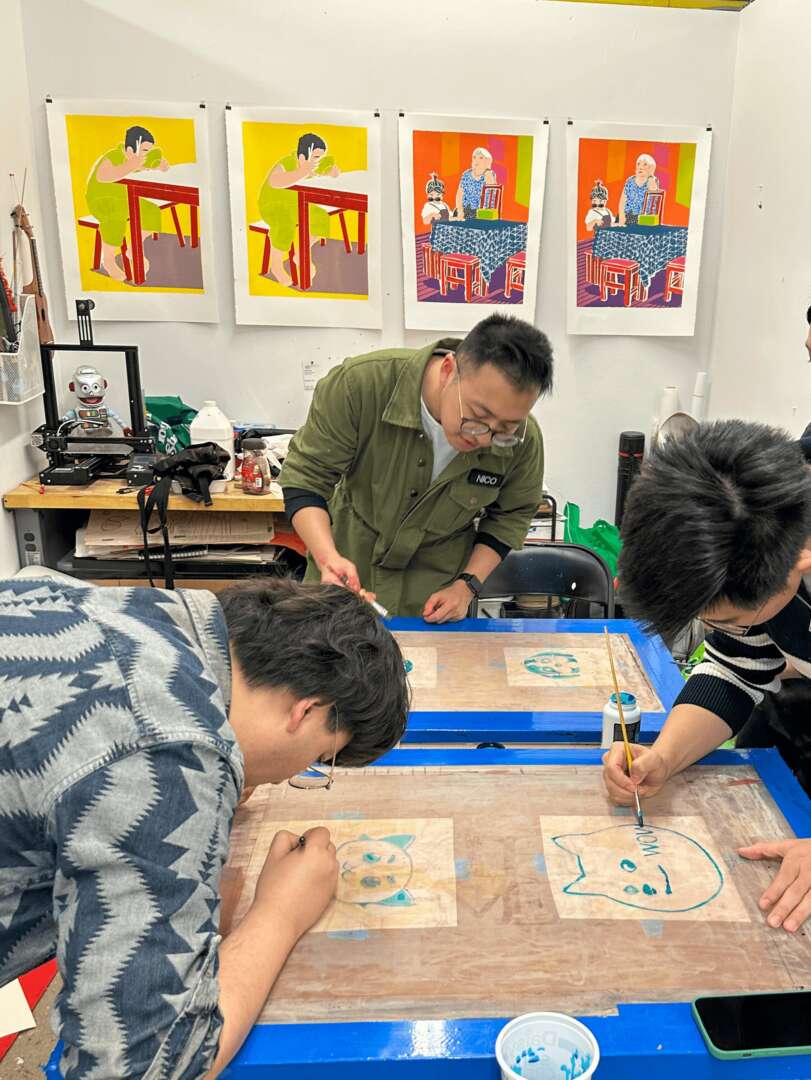
My name is Nico Sun, and I am a New York-based working artist. My artistic background is in illustration and printmaking. Currently, I teach art classes to young students and create art in my studio after hours. My practice involves drawing and printmaking, as well as object-making and community-based projects.
When I graduated from the School of the Art Institute of Chicago in 2019 with my BFA, all I wanted to be was a freelance illustrator, and that was my first job. I did commissions online but soon realized that working in isolation was not ideal for me. I wanted to work with people.
By coincidence, I received a job offer to teach children’s art classes with Korean American artist Injung Oh at her non-profit OH Art Foundation, located in Chicago’s Zhou B Art Center. At the time, I had no prior experience or intention of working with children.
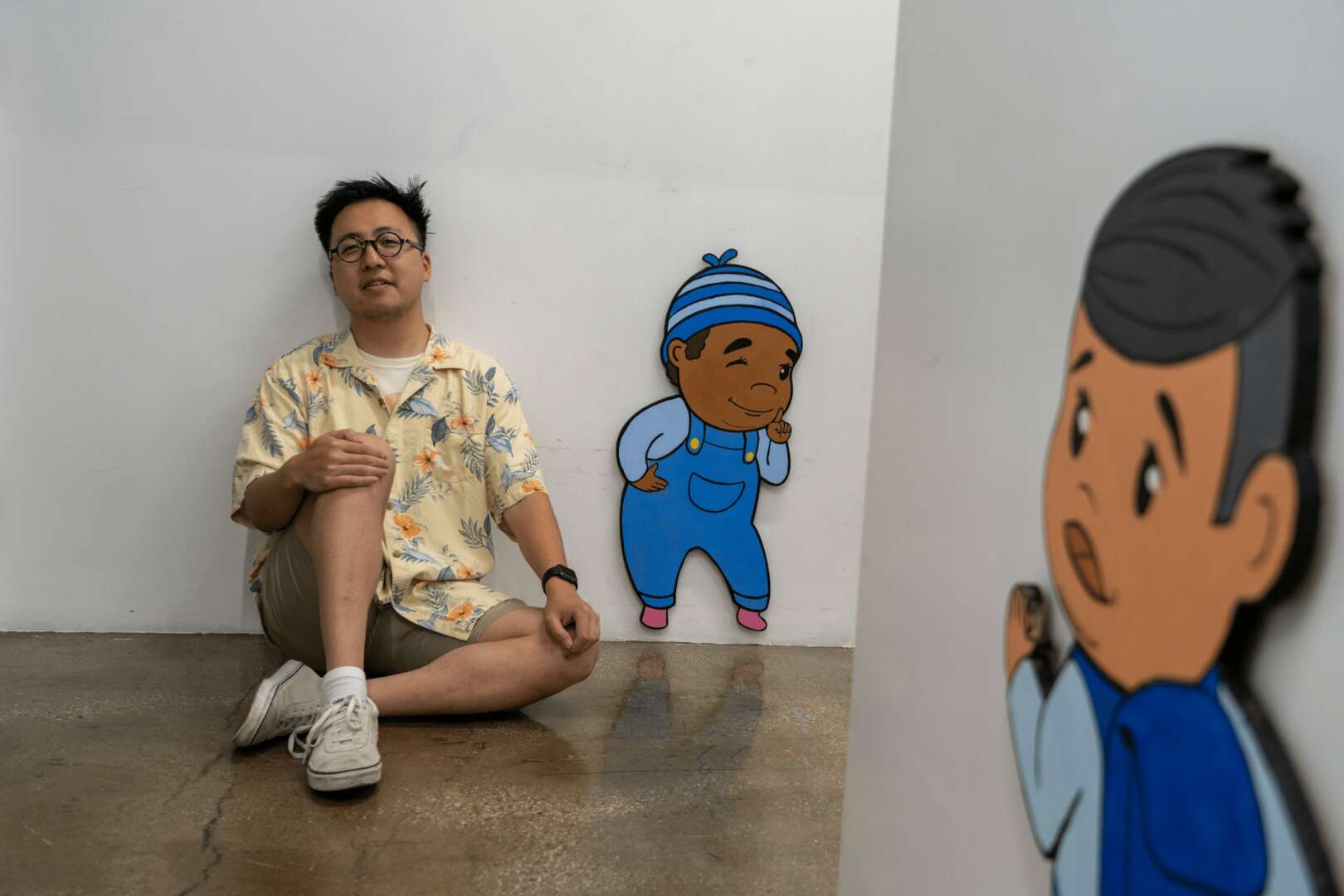
In 2022, I continued my studies in printmaking at Pratt Institute, and once again, I found myself wanting to work with people and communities. I sometimes host printmaking workshops in my studio. During my first year, I participated in a residency program with COPE NYC, through which I created a series of public artworks for Little Flower Family Service. I painted wooden cutouts of my original characters playing hide and seek and placed them in various locations within Little Flower’s space, transforming it into a more family-friendly environment for visitors. I often receive photos of families posing with these artworks, and it makes me happy to know that my work is bringing joy to the community and will continue to do so in the future.
Recently, I earned my Fine Art MFA. Since last year, I have been teaching art classes again to young students here in New York City. My students are primarily Chinese American teens aspiring to pursue art in high school or college. As someone who came to the US alone as a teenager, I believe my experience offers valuable insights both as a first-generation immigrant, like their parents, and as a teenager who navigated a new environment.
I enjoy learning their stories, many of which involve struggles with typical issues such as language barriers, cultural identity, and high family expectations. I encourage them to express themselves through art-making and share my own experiences dealing with similar situations and the mistakes I made. My ultimate goal as an art educator is not to train them to become the next master painters right now but to preserve their passion and appreciation for art.
I am a working artist, and I am glad that my day job involves sharing what I know about art-making. However, I am also very early in my career, still balancing my work and art. One of my upcoming projects will be about the students I have been working with.
What’s the most rewarding aspect of being a creative in your experience?
For me, the most rewarding aspect of being an artist is the simple connection and little sparks of joy my work can bring to others. My art has always been about ordinary people and the community we create together. There is nothing more rewarding than seeing the reaction of my viewers when they recognize themselves in an artwork.
When I was 18, I volunteered at a homeless shelter in Seattle, hosting weekly art workshops and creating art with the residents. Every month, I transformed their living space into a gallery showcasing their artwork as part of the city’s art walk. This experience taught me the power of art to uplift and bring people together.
My first commission was illustrating a series of children’s books written by Larry Span and his mother. Visualizing the memories and stories of this then-stranger’s family was incredibly fulfilling and showed me the deep connections that art can forge.
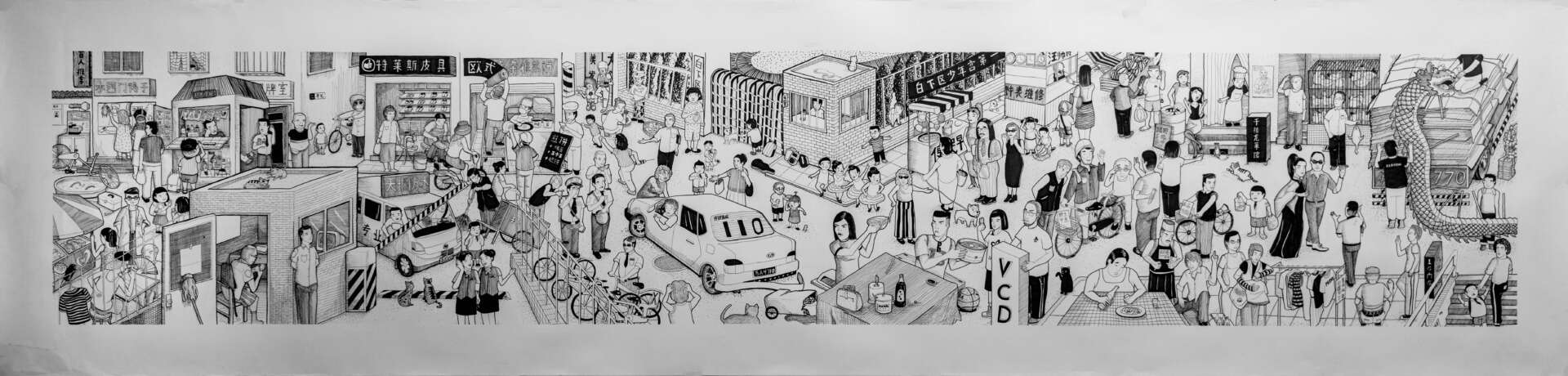
I also gifted a large scroll drawing to my hometown, depicting the alley I grew up in China. I included every store and neighborhood celebrity from two decades ago. This piece was a tribute to my roots and a way to share my personal history with my community.
These projects allow me to explore and express my thoughts, emotions, and experiences in an authentic and meaningful way. They are a form of self-discovery and personal growth, constantly pushing me to see the world from different perspectives and challenge my own boundaries.
Ultimately, the most rewarding aspect is knowing that my art can make a positive impact, bringing people together, sparking conversations, and leaving a lasting impression on those who encounter it.
Learning and unlearning are both critical parts of growth – can you share a story of a time when you had to unlearn a lesson?
The number one thing I have to unlearn is technical rigidity. The younger me just wanted to draw well, so I spent a lot of time honing my craft. During my undergraduate illustration studies, I practiced drawing heads according to the Andrew Loomis book. I would use an empty soda can to trace a page full of circles, then turn them into heads at different angles. It was a very mechanical process, but it gave me the muscle memory to be an efficient illustrator. The downside is, I got so used to it that if I was ever given a pen and paper, I would automatically start to draw that basic ¾ head and nothing else.
Last week, I met a particularly talented and ambitious student. He is only five years old and had wandered from his class to mine for the older students. He insisted on drawing a “3D” plaster head from observation because it was difficult. He didn’t know where to start and soon came to me for help.
I saw what he had on the paper: a contour drawing of a face, with lines following every bump of the surface. It was a little out of proportion, but surprisingly, he had combined the front and the side into one plane. I think this kid just discovered Cubism by himself! He asked me how to draw a “3D” nose, so I told him:
“Of course, I can teach you how to draw a ‘3D’ nose, but not right now. Because you will spend a lot of time drawing many ‘3D’ noses when you are a bit older, and you will be great at doing that. However, what you have here is a beautiful artwork, it’s something I can’t do. I want you to draw that nose your way, draw the whole thing your way. So I can learn from you.”
In my opinion, as artists, we need to unlearn the constraints of technical mastery to embrace and nurture our unique expression. Creativity and innovation often come from breaking free from learned rules and allowing ourselves to see the world through an untinted lens.
Contact Info:
- Website: https://nicosunart.godaddysites.com/
- Instagram: https://www.instagram.com/nniconicon/