
We’re excited to introduce you to the always interesting and insightful Nick Wroblewski. We hope you’ll enjoy our conversation with Nick below.
Nick, appreciate you joining us today. When did you first know you wanted to pursue a creative/artistic path professionally?
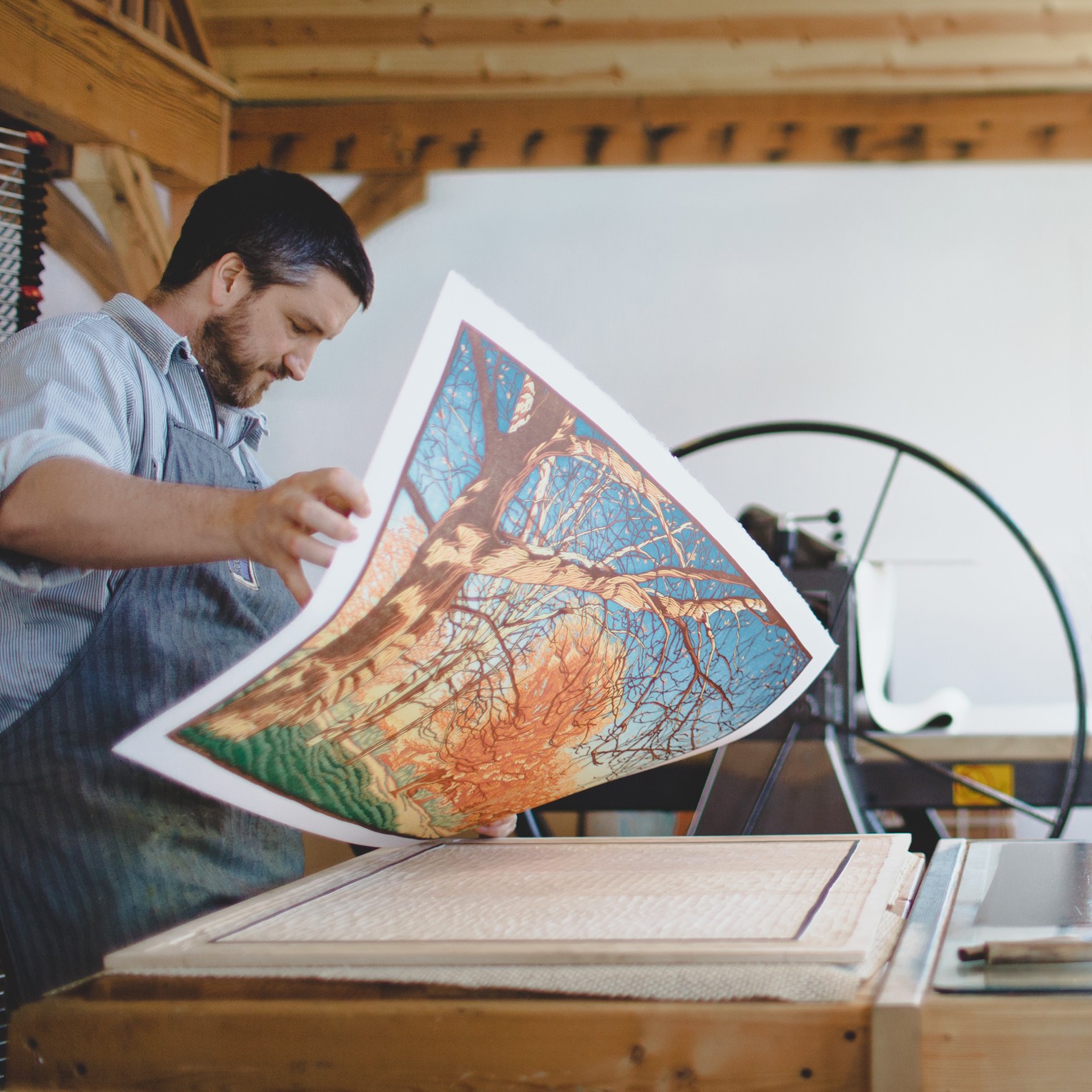
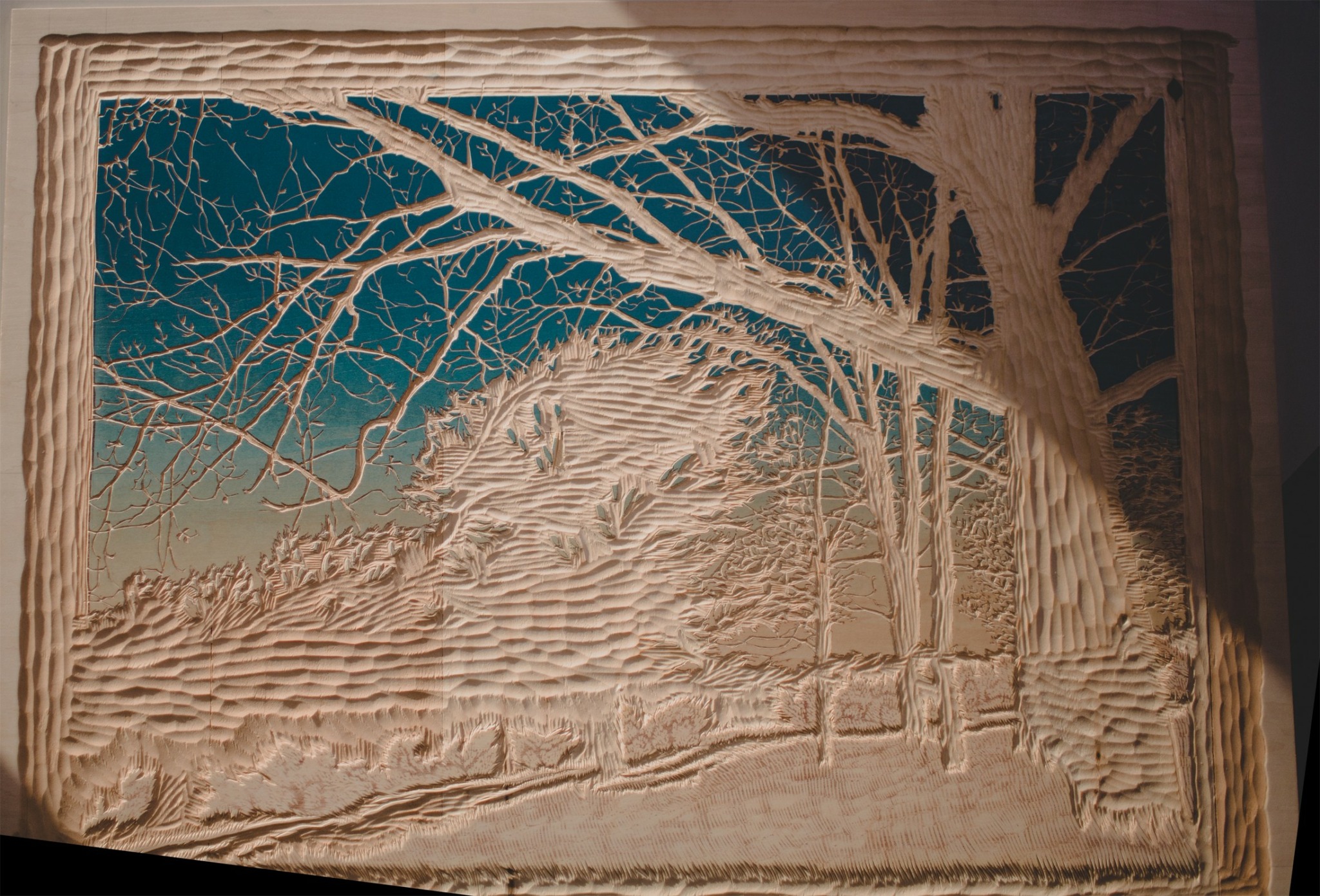
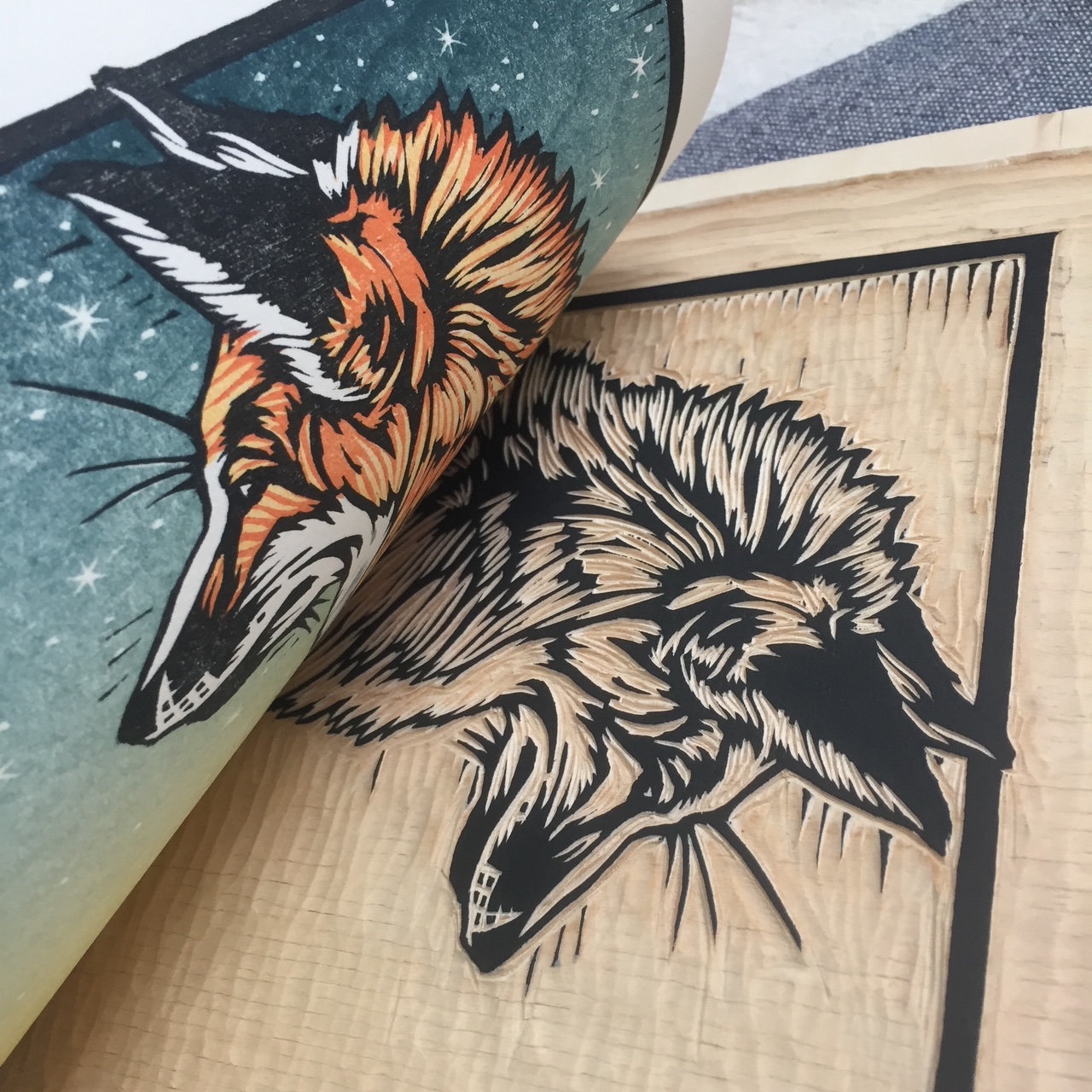
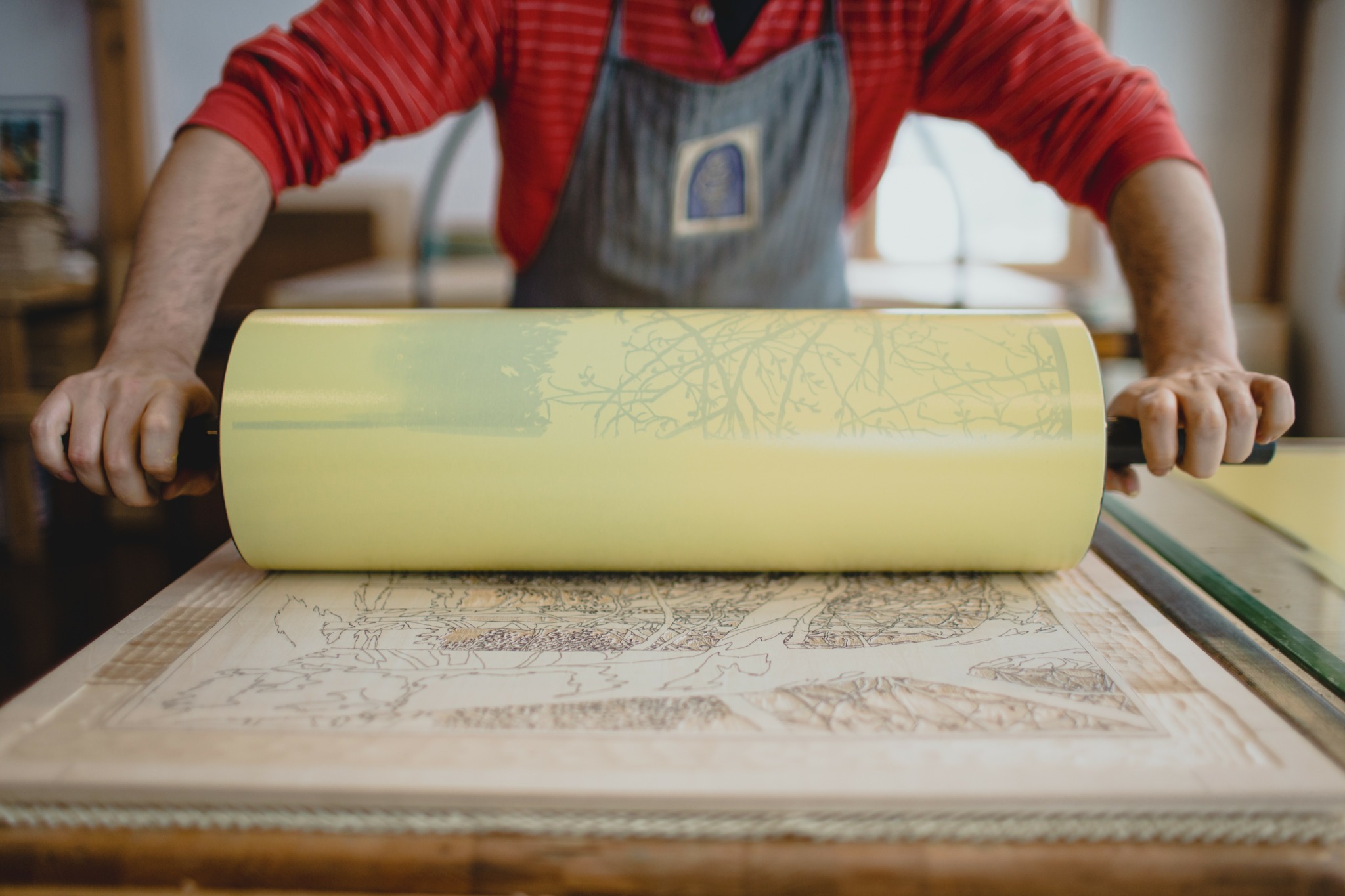
So many things seemed to align in my younger years that the actual decision to make a profession from art felt like it might have been made on its own. I grew up around a lively community of artists and performers which made me take for granted that people made a living with art. I was “one of them” and the question then became which type of artistic expression would I focus on? Would it be theater, puppetry, music, painting, sculpture? This ultimately led me to settle on printmaking as my preferred medium. I enjoy how the process incorporates both drawing, painting, and sculpture. The first time I realized that making a print would be something that would stay with me for my entire life was when I was shown the process in high school. I was loosely familiar with how it worked and had seen some beautiful examples but when I first cut into a block and rolled it with ink, flipping it around and printing the image onto paper, I was spellbound.
Nick, before we move on to more of these sorts of questions, can you take some time to bring our readers up to speed on you and what you do?
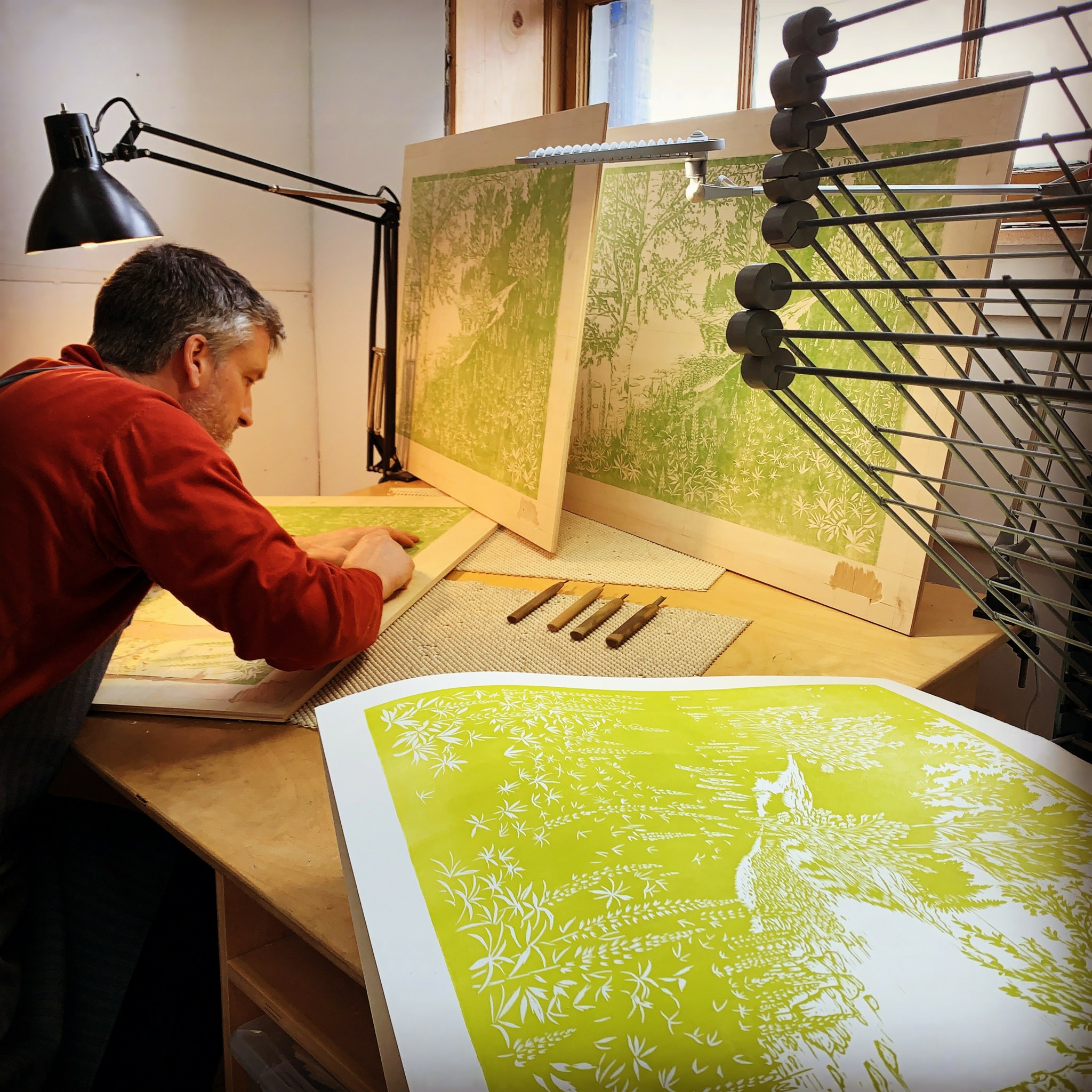
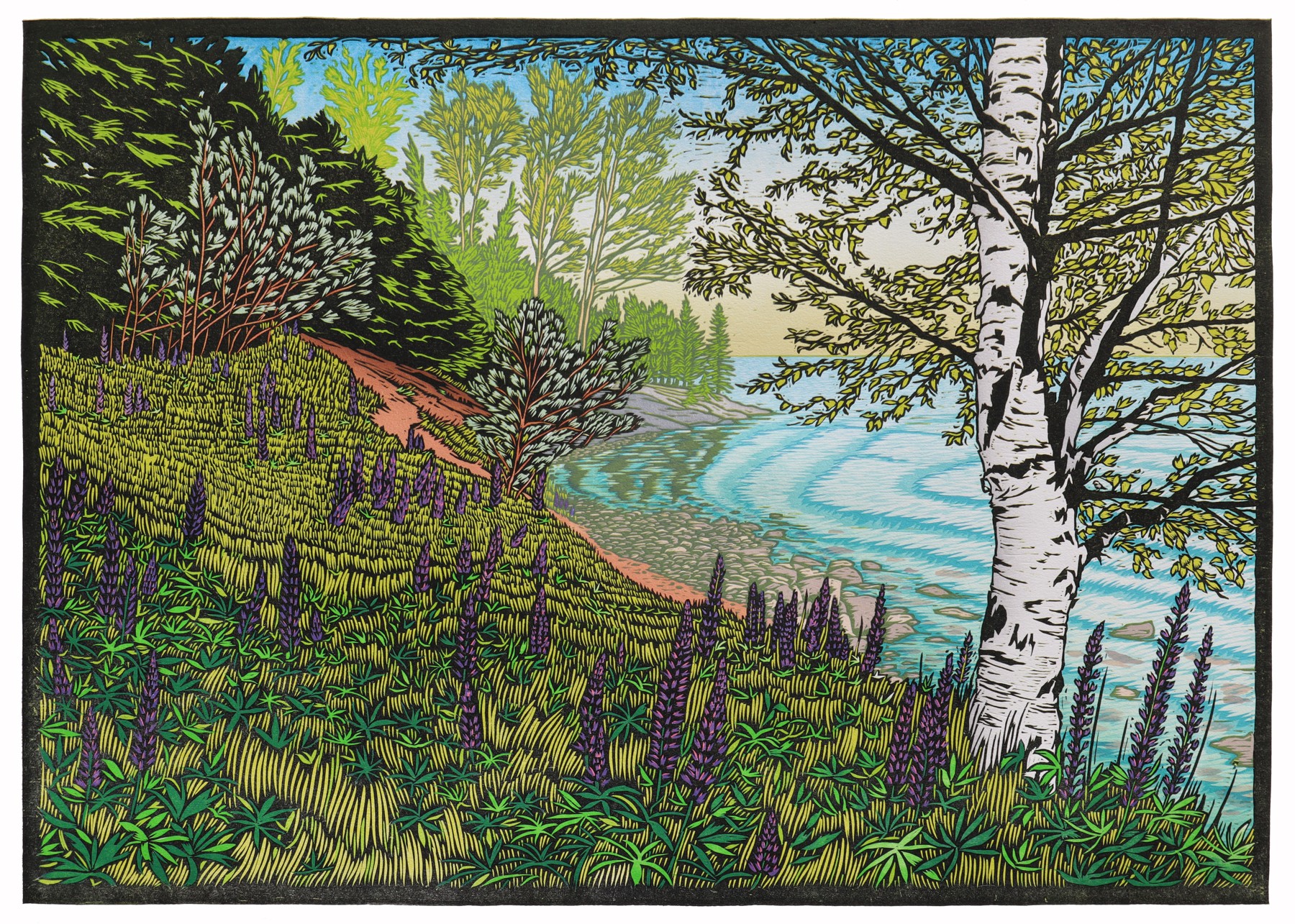
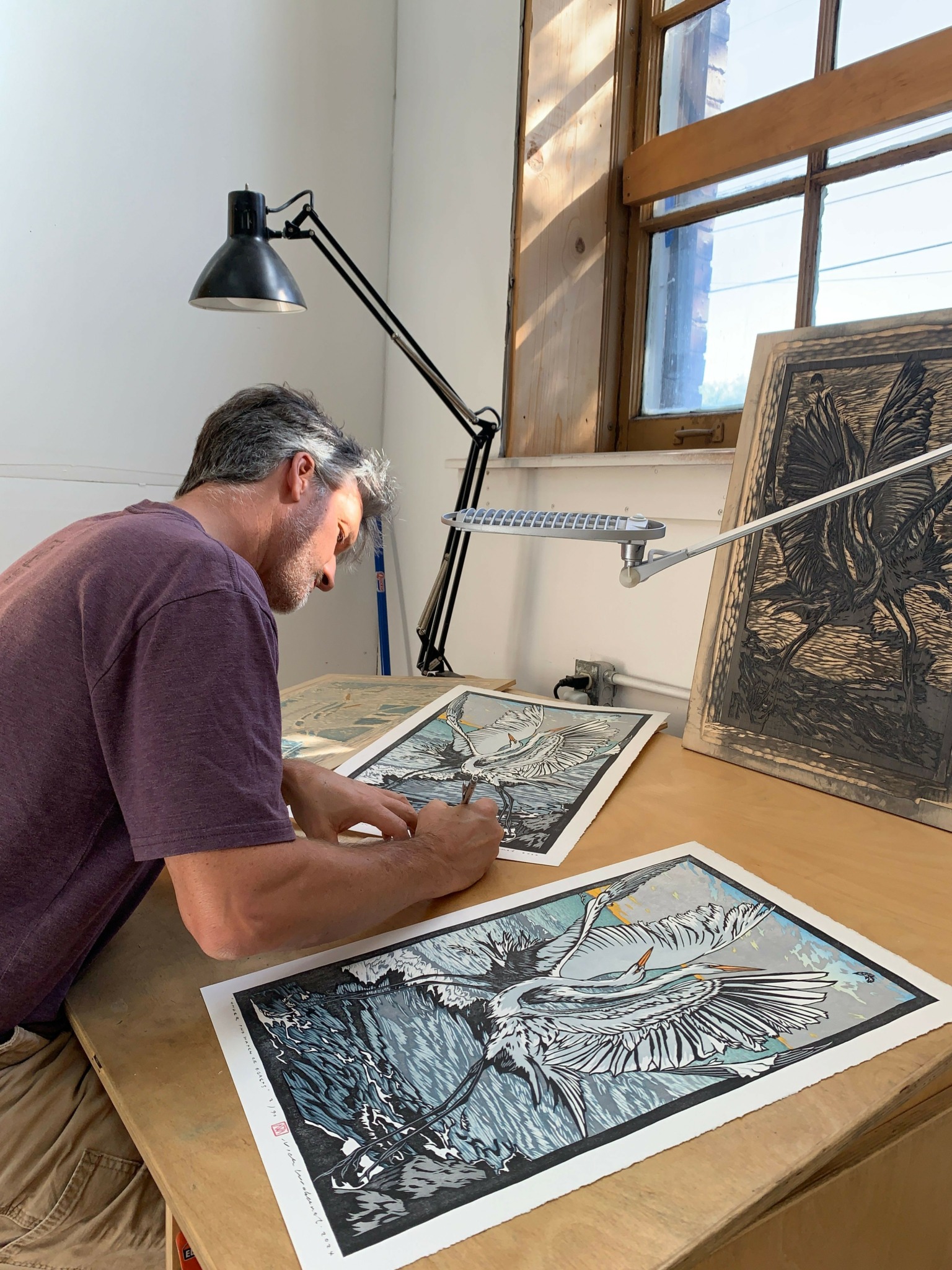
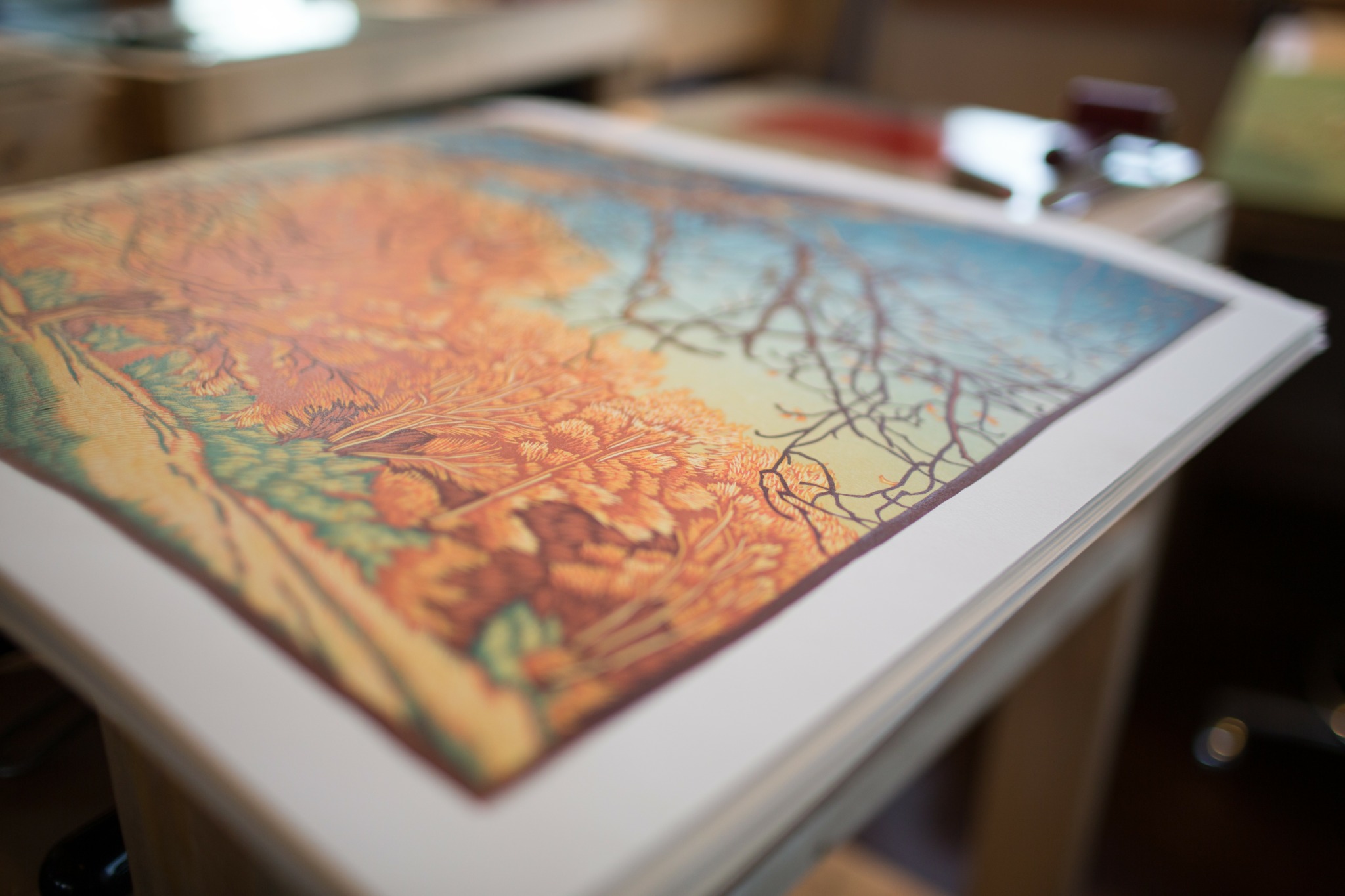
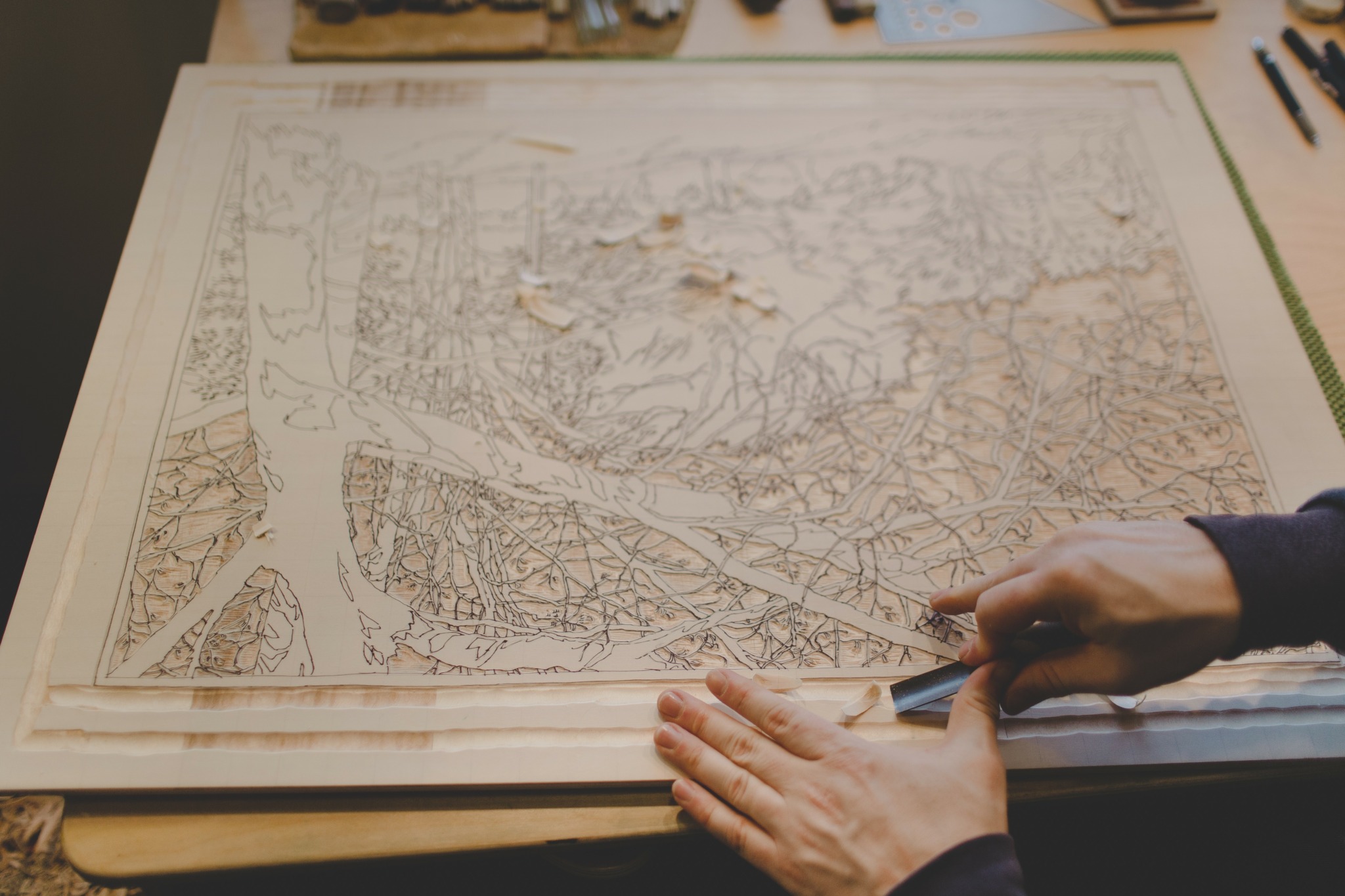
I am a woodcut printmaker. I make two dimensional images printed onto paper from carved and inked woodblocks. I am inspired by the natural world, by the mechanisms of puppetry, by old fashioned ways of making things, slow, well considered, hand crafted, authentic and beautiful objects. I grew up in a community full of artists. Creative expression was ubiquitous and I decided I wanted to make a go at it and dedicate the majority of my time to learning and practicing an old world art form that was very process oriented and technical. Nowadays I make limited edition runs of hand carved and hand printed woodcut prints that depict the natural world. I also use the medium to design, make custom work, and illustrate books and magazines. Sometimes I am commissioned to make a very specific woodcut image or series of images for a commercial application. My approach is unique in that I value the means by which the end is achieved. There are traditions that have been developed with techniques for relief printmaking that may not always be the most efficient or quick. The question then becomes how does one approach the design challenge within the parameters of the medium. For me, the way that something is made can sometimes be as important as the thing itself.
What do you find most rewarding about being a creative?
To fully commit and dedicate one’s efforts to a life of creative expression is a big responsibility. The slow, incremental development of skills and insights that an artist gathers over time usually is only fully appreciated after decades or dedication. This is a long term commitment and one may only make a conclusion after an entire lifetime, but generally speaking it seems like a certain “muscle memory” ability to observe and translate inspiring phenomena is developed. Simultaneously, through the disciplined practice of a specific technique, an artist balances input and output functioning as a conduit for the interpretation of our world. It’s a big responsibility because once the valve is turned on and the ability to translate is well tuned, it is hard to turn off. This is a challenge but also a blessing. The most rewarding aspect of being an artist for me is that once dedicated to the discipline, the inspiration is limitless.
We often hear about learning lessons – but just as important is unlearning lessons. Have you ever had to unlearn a lesson?
Making a living as an artist sometimes requires intense, laser focused dedication. This can mean a lot of other things might get overlooked. Applying this direct, sincere commitment to a task can be extremely powerful and effective for reaching artistic breakthroughs. It also comes with its trade offs. So, the lesson I continually find myself relearning is that sometimes it’s helpful to step back out of the direct art making effort and get a sense of the big picture. Systems in the studio might be the way they are by default, established only because the hierarchy of needs necessitated attention to the making of art and not the organization of art. It has been really helpful to bounce ideas off of other people and be open to input from those not directly involved with the making. It is a lesson in listening to others.
Contact Info:
- Website: https://nickwroblewski.com
- Instagram: @woodcutnick
- Facebook: https://www.facebook.com/woodcutnick