

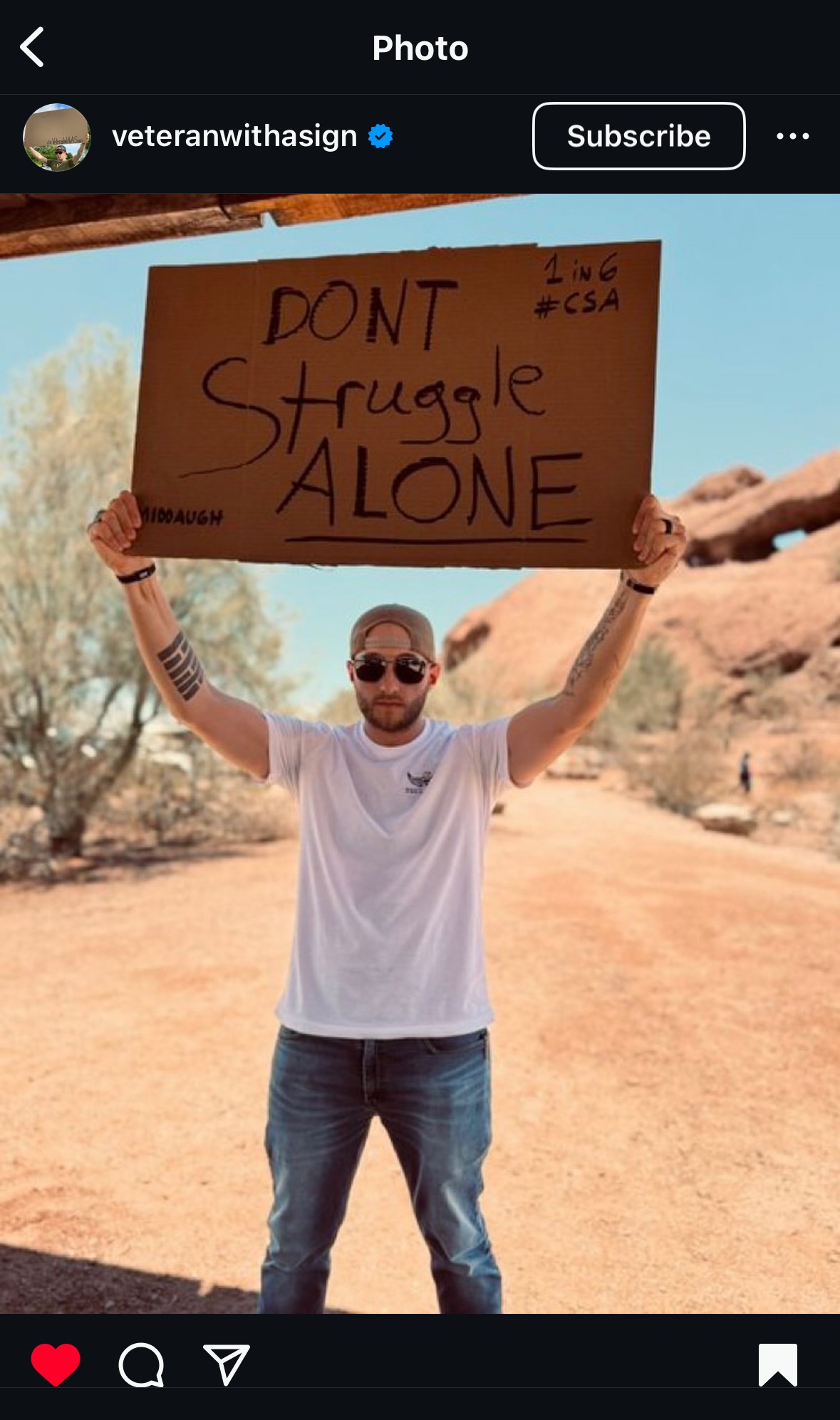

We caught up with the brilliant and insightful Nick Middaugh a few weeks ago and have shared our conversation below.
Nick , looking forward to hearing all of your stories today. Can you talk to us about a project that’s meant a lot to you?
Last year I was the keynote at a local event for the rotary club, great start collaborative, and the child advocacy center. The goal of the event was to garner additional community support and engagement for these vital services. As a male survivor of child sexual abuse (CSA), being involved was incredibly meaningful for me.
A lot of people don’t know what child advocacy centers actually do—they just know a huge amount of their funding was cut last Fall. CACs play an integral role in forensic interviewing and support for children who have been abused/exploited. They go to court, assist law enforcement, and make meaningful impact. Of all the causes or organizations people can donate to, your local CAC probably needs it the most—especially after those cuts.
Being able to humanize a lot of that data with my anecdote meant a lot to me. It felt like I was able to make some legitimate impact in our community. If you’re able, please consider donating to your local child advocacy center and/or great start collaborative.
As always, we appreciate you sharing your insights and we’ve got a few more questions for you, but before we get to all of that can you take a minute to introduce yourself and give our readers some of your background and context?
Hi, I’m Nick Middaugh—husband, father of three, recovering alcoholic, and advocate for male survivors of childhood sexual abuse (CSA). Raised in rural Michigan’s Thumb region, I spent a decade in civil service and first-response roles: firefighting, corrections, public safety, and federal contracting with a security clearance.
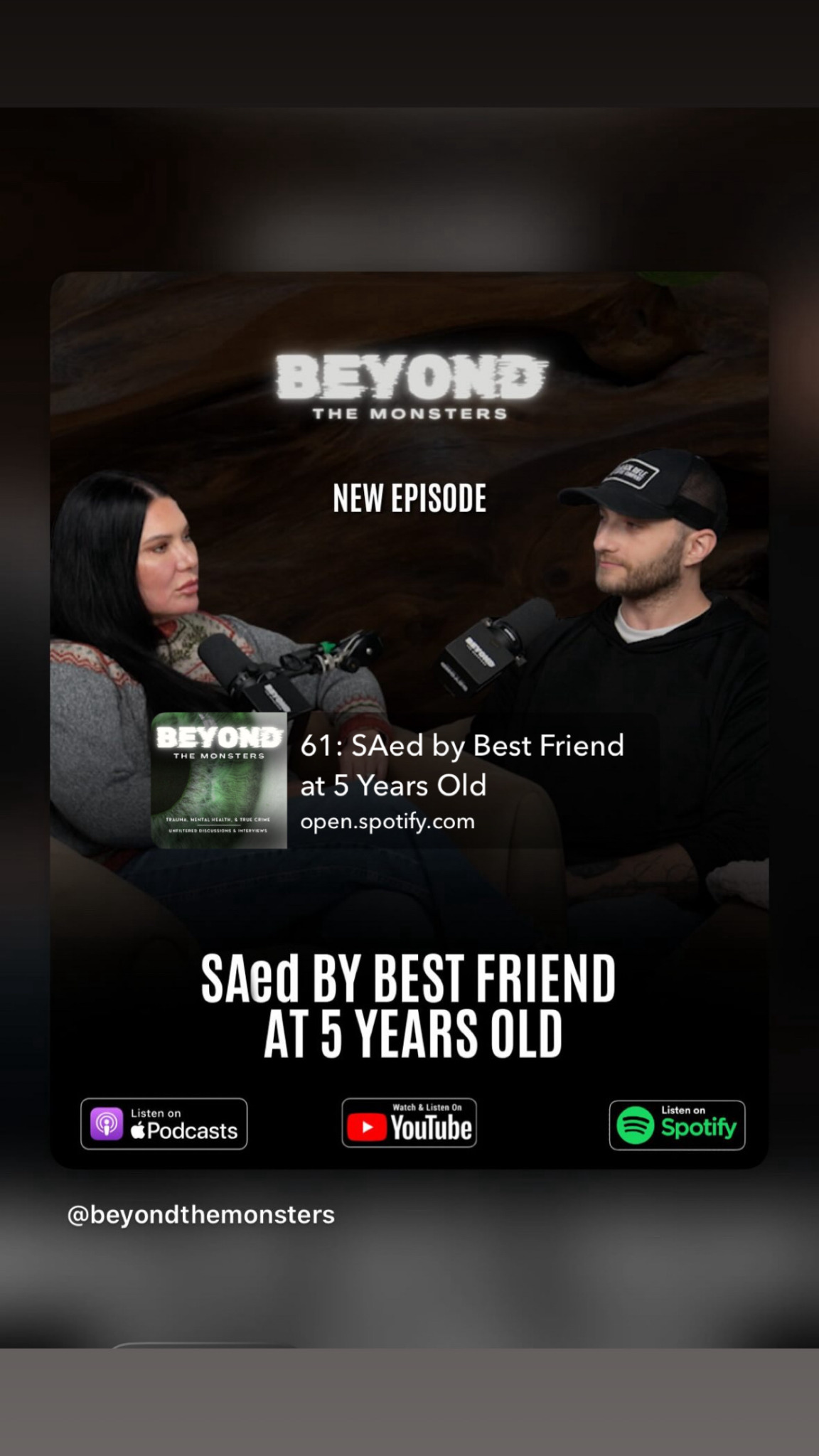
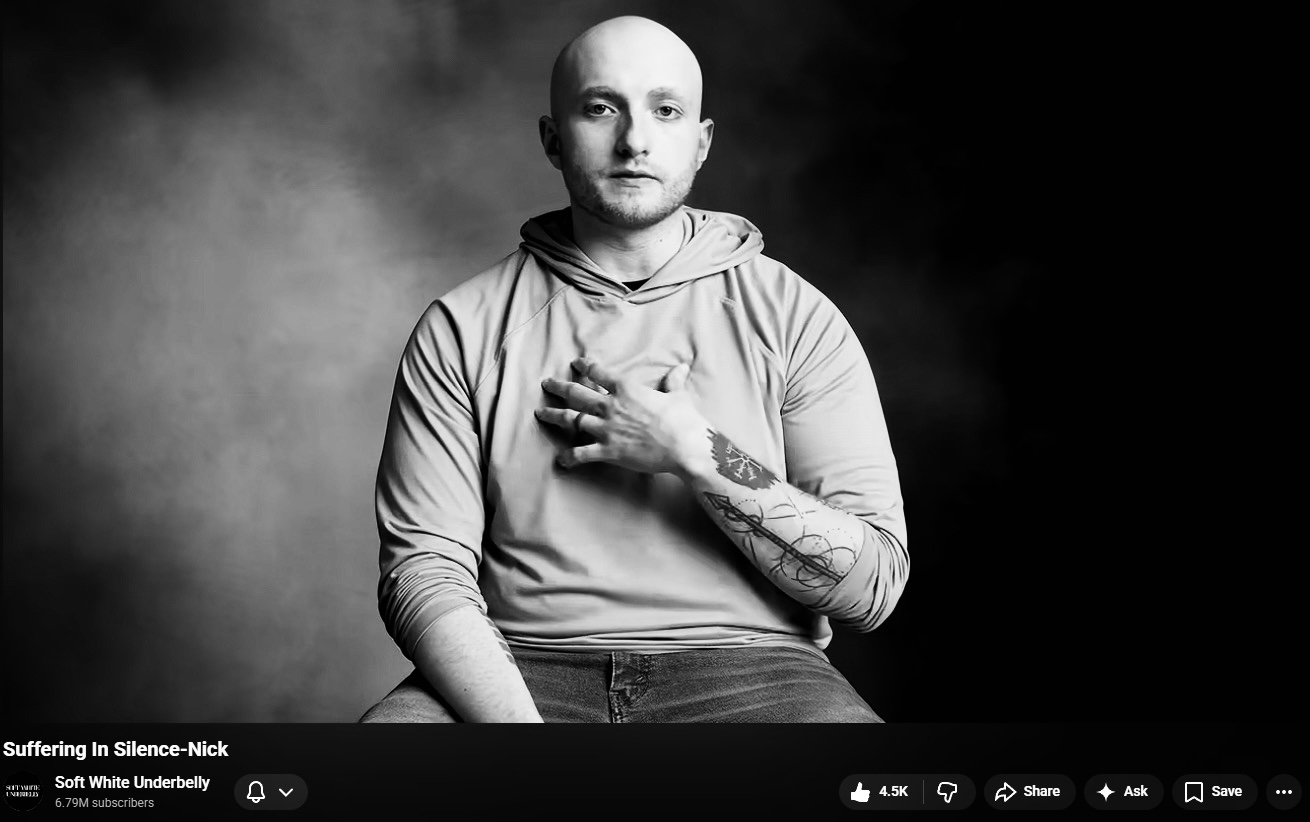
My work stems from my own experience of CSA as a boy, which I carried in silence for nearly two decades amid alcoholism, trauma, and tough choices. Rock bottom led to sobriety, and I began writing my story. I self-published Suffering in Silence: Male Childhood Sexual Abuse Survivorship (available on Amazon in ebook and paperback)—a raw blend of my personal account, research, and insights to show survivors they’re not alone or broken. It’s helped spark conversations on platforms like Soft White Underbelly (“Suffering in Silence – Nick”), Cleared Hot Podcast with Andy Stumpf, and more.
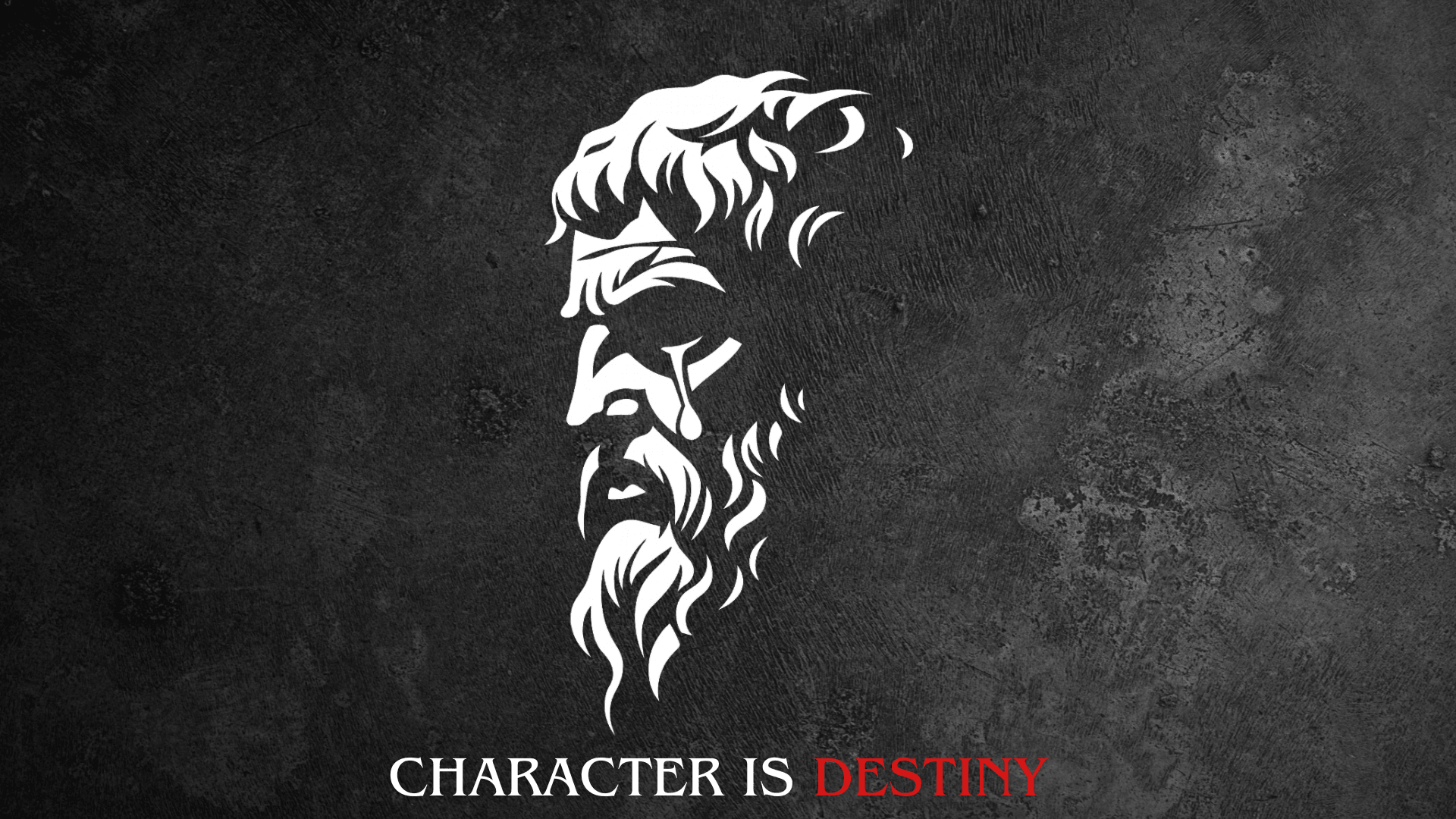
Through my Substack Character Is Destiny, I share weekly essays on recovery, resilience, moral philosophy, sobriety, and turning adversity into strength—practical, lived-experience-driven content. As a speaker, I deliver keynotes and workshops on male CSA awareness, men’s mental health, trauma-informed leadership, and ownership (heavily influenced by Extreme Ownership). I’m geared especially toward first-responders, law enforcement, military, and high-stress groups where stigma runs deep. I also collaborate with organizations like 1in6, MaleSurvivor, and Enough Abuse. On a lighter note, my writing has also taken me to www.rebels-raiders.com where I am the official writer. Come check us out if you’re interested in preparedness.
What I solve: the isolation and shame that keeps men silent. I help survivors disclose, seek help without shame, and rebuild with purpose and ownership. What sets me apart is raw authenticity—I’m not an academic or therapist; I’m the guy who lived it, wore the uniform, fought the bottle, and still shows up as a dad while speaking truth.
I’m most proud of the messages from men saying my book or a talk gave them courage to finally speak up or get help—one life changed makes it all worth it.
Key message: You’re not alone, and healing is possible. Take ownership, ask for help, build a life stronger than the pain. If you’re carrying secret trauma—especially from CSA, addiction, or service—there’s hope and community waiting.
Check out the book, subscribe to Character Is Destiny (nickmiddaugh.substack.com), or reach out at www.nickmiddaugh.com. Let’s break the stigma together.
Can you share a story from your journey that illustrates your resilience?
I dropped out of college the first time—a child on the way, still deep in alcoholism, and suddenly unemployed. I got a full-time job to survive, went back later, and finished an associate’s degree in 2019. I told myself higher education could wait.
That time came in 2021. Newly sober and pivoting from a decade in uniforms to mental health and human services, I enrolled in an online bachelor’s program at Spring Arbor University. Planned for two years; it took four.
On paper, that might look like mixed priorities or underperformance. In reality, I was brand-new in sobriety, in therapy, raising three kids with my wife, and working a demanding full-time job with constant overtime. Roadblocks hit hard—personal and professional crises made me want to quit more than once. As the sole provider, I pushed through full-time school. My internship fell through, leaving me stuck as a senior for nearly a year. I switched from BSW to Human Services (HVSO)—it let me graduate sooner and aligned better with my advocacy focus and practical goals—took the final three courses, and walked in 2025.
I didn’t just graduate. I presented original research on male CSA data at the university’s student symposium, handed a signed copy of my book to the university president, and contributed to social work literature as an undergraduate. Advocacy had already started before graduation, which brought its own extra challenges.
At thirty, I’m set to begin graduate studies this summer with a couple of theses mostly ironed out. We’ll see if they hold up to academic rigor.
Life throws harder curveballs exactly when you start blazing your own trail and refusing to settle—personally, professionally, or academically. Never quit. When one door closes, smile and hunt for the next one.
That’s the story I lean on when things get heavy. It proves you can rebuild, adapt, and rise—even when the timeline and circumstances fight you every step.
For you, what’s the most rewarding aspect of being a creative?
The most rewarding part of what I do comes from the direct connections with people—messages, emails, DMs, phone calls, or in-person conversations after a talk, podcast, or from someone who’s read the book.
Hearing a guy say he finally told his wife about the abuse he’d carried alone for decades, or that he reached out to a therapist for the first time because something in Suffering in Silence clicked and made him feel seen instead of broken—that’s it. Those moments remind me why I keep showing up: one honest story can crack open the silence for someone else.
It’s not about the numbers or the spotlight. It’s the quiet proof that the work matters, that putting my own mess out there helps others start dealing with theirs. Those interactions keep me grounded and motivated, especially on the days when the road feels long.
Contact Info:
- Website: https://linktr.ee/nickmiddaugh
- Instagram: @nmiddaugh018
- Linkedin: https://www.linkedin.com/in/nickmiddaugh
- Twitter: @nmiddaugh018
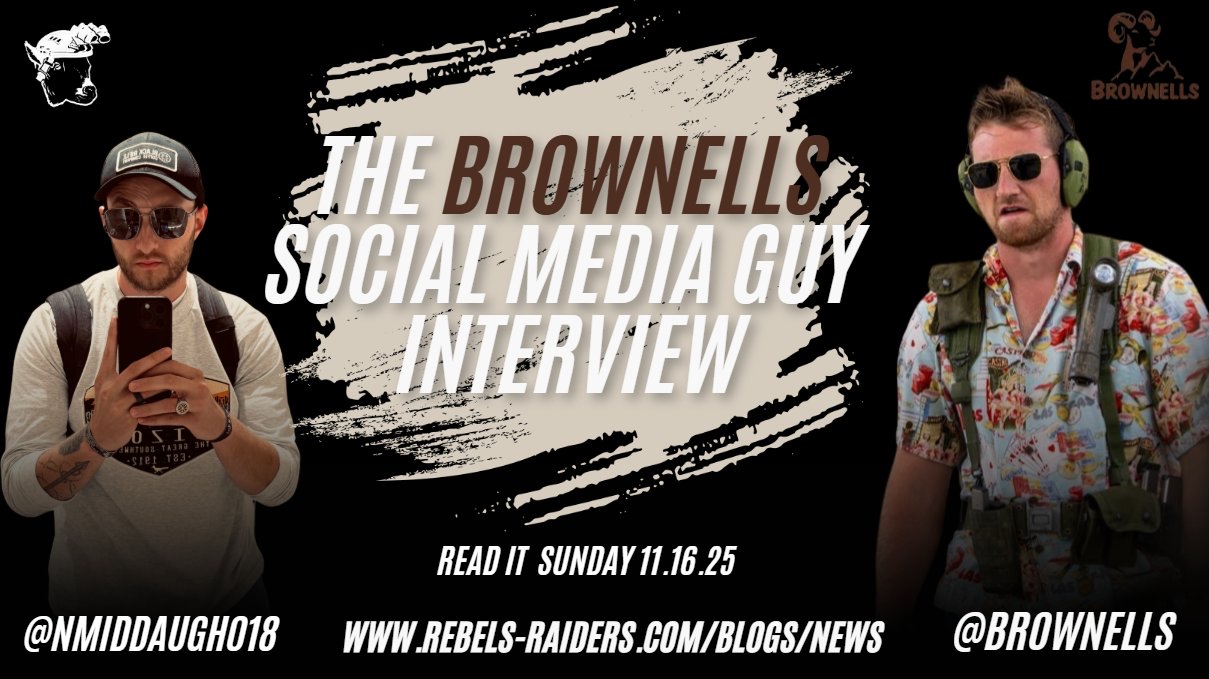
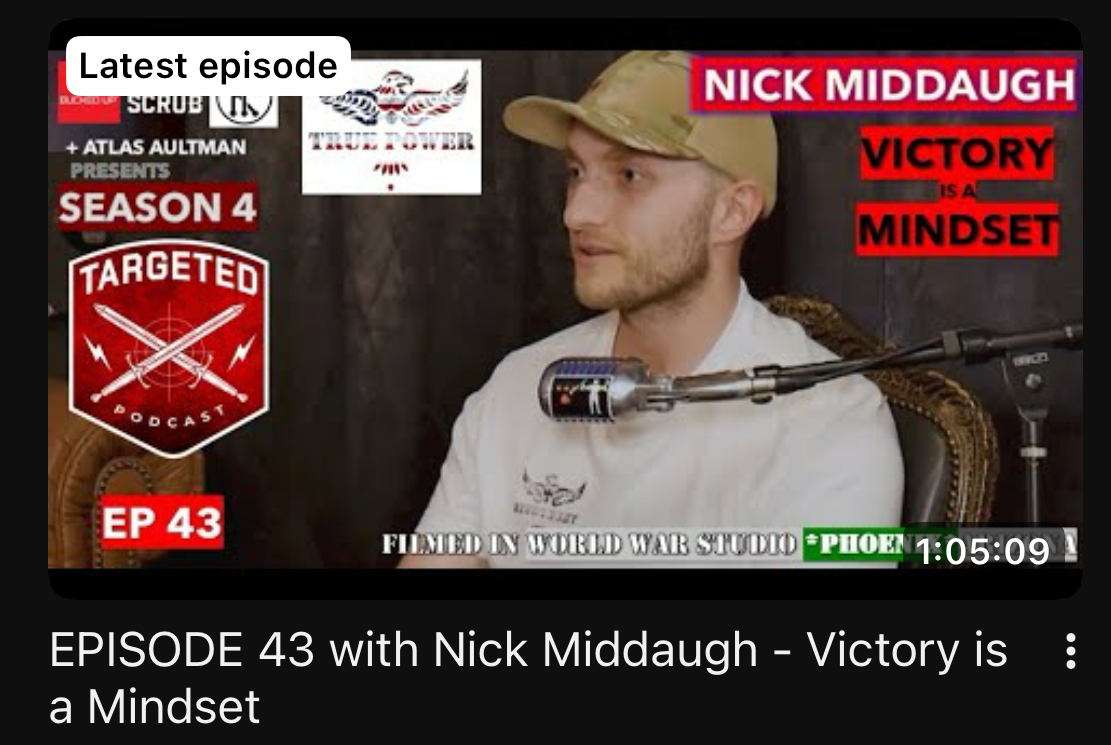
Image Credits
@vetwithasign
Soft White Underbelly YouTube
@beyondthemonsters
@targetedpodcast
www.rebels-raiders.com