

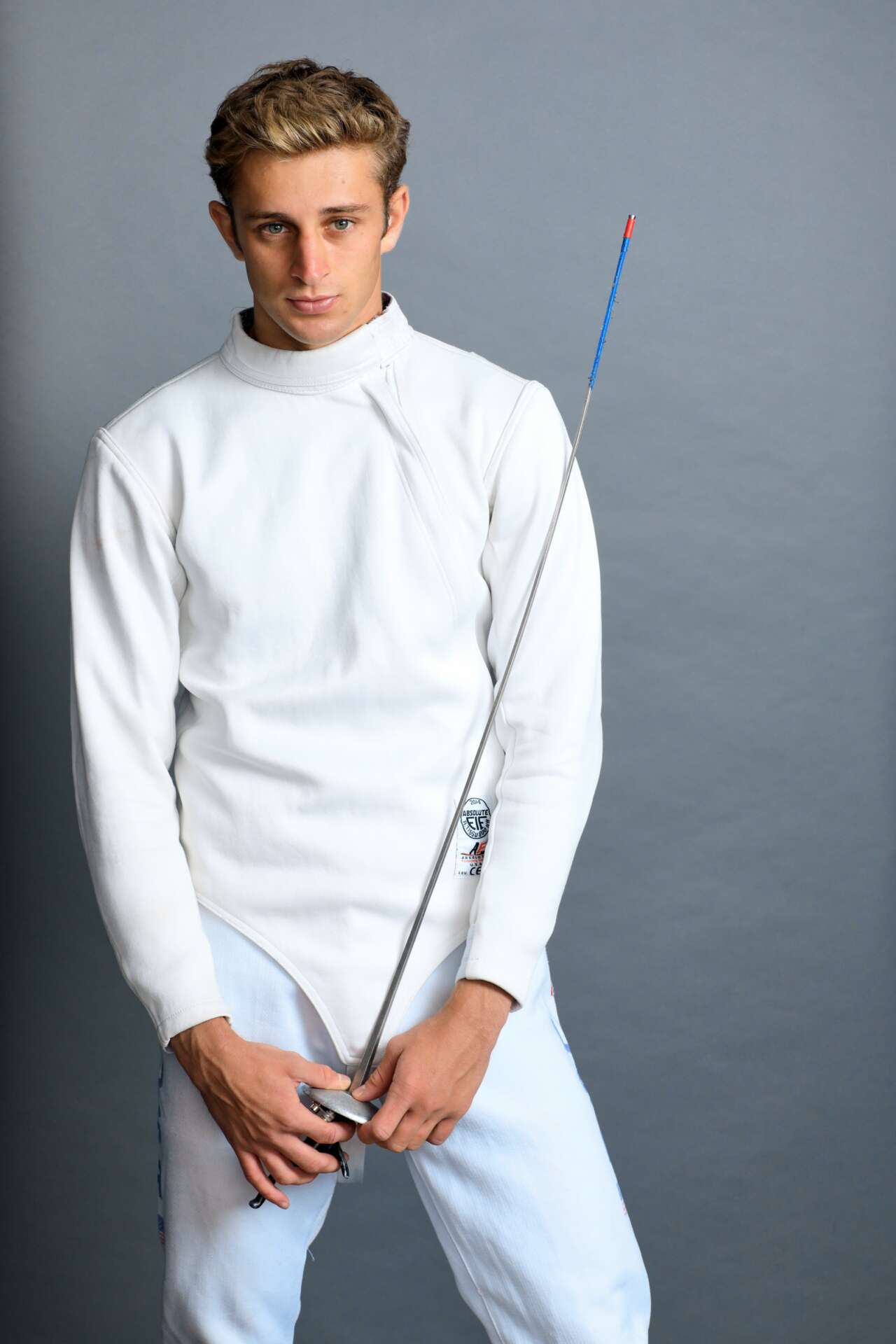

Alright – so today we’ve got the honor of introducing you to Nick Itkin. We think you’ll enjoy our conversation, we’ve shared it below.
Nick , thanks for taking the time to share your stories with us today Can you open up about a risk you’ve taken – what it was like taking that risk, why you took the risk and how it turned out?
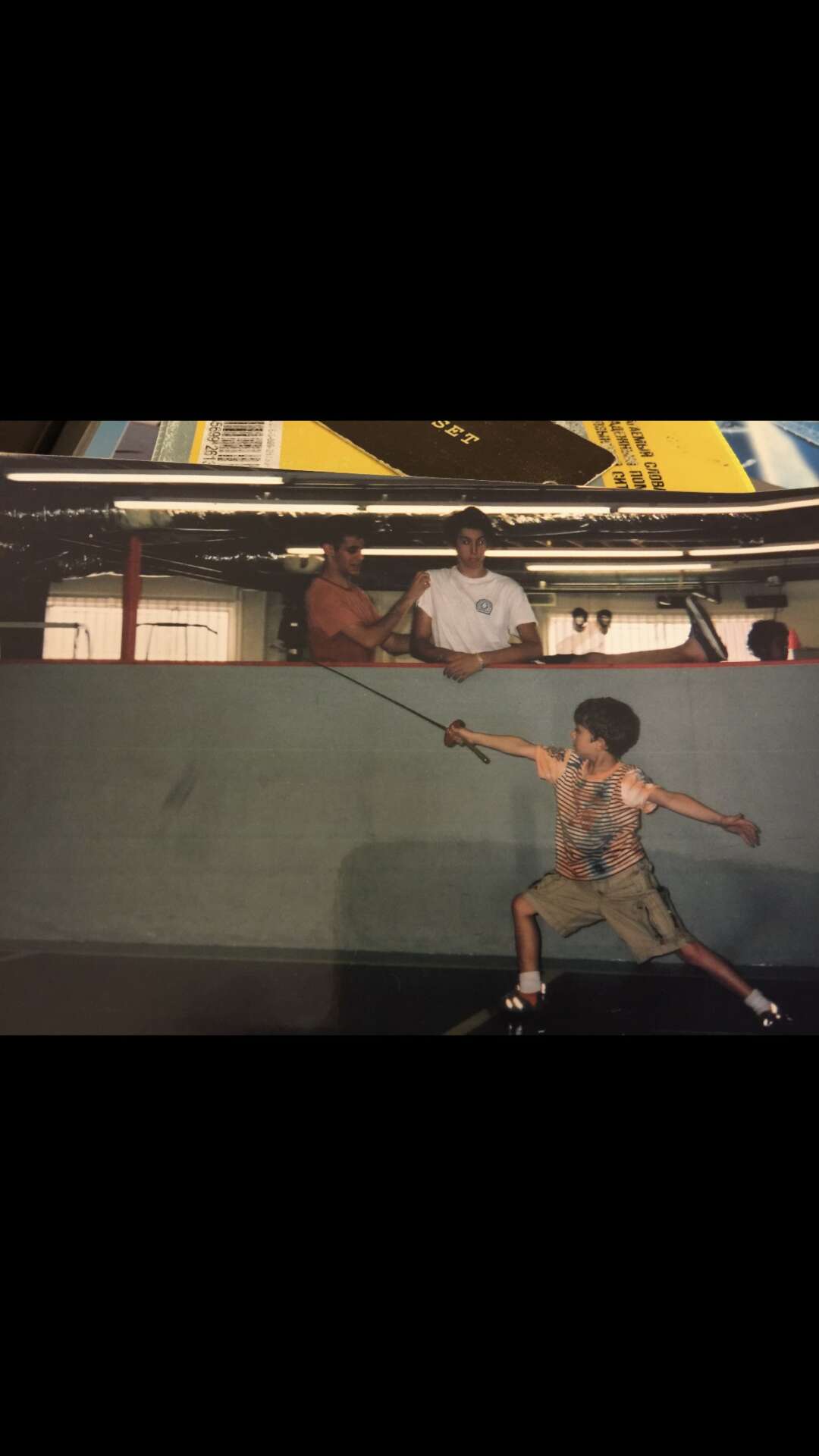
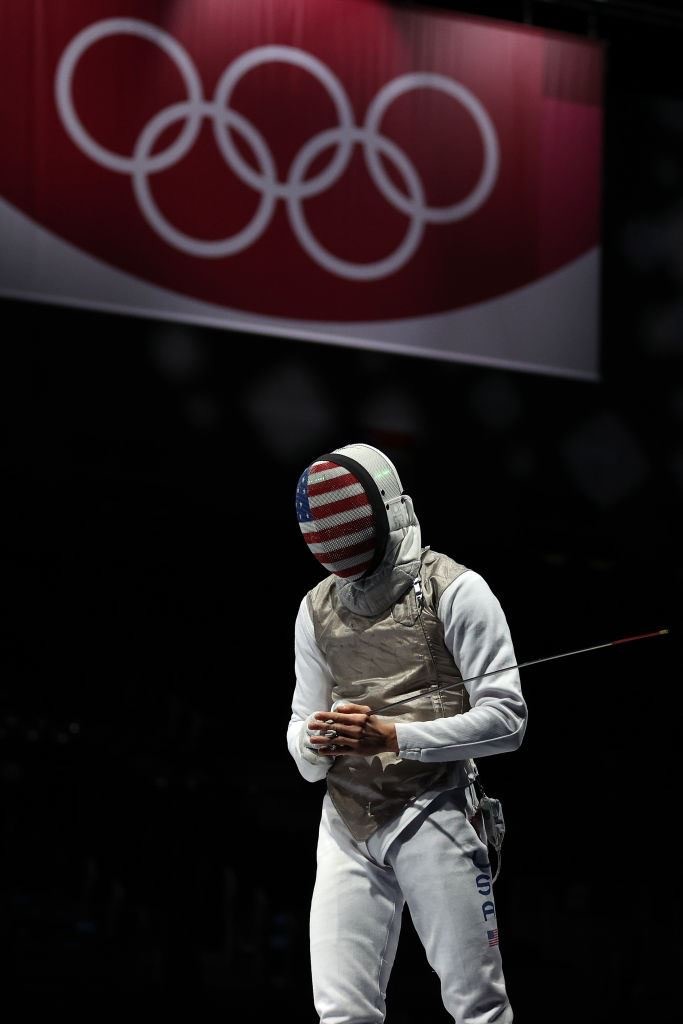
I fell in love with the sport of fencing at the age of seven years old. One of the problems with fencing in the United States is that once someone gets accepted into a University many athletes quit competing professionally. Unless you are on the national team, which is top 4 in USA rankings, then you have to fund yourself completely for all national and international competitions. The top 4 foil fencers at the time was one of the best teams in the world, breaking every record possible. Nobody expected me to beat out any of those guys, many people around my age just focused on collegiate fencing. I was only nineteen years old travelling to every world cup and national tournament while also competing in the NCAA events. I was missing so much class due to travel and my grades suffered a bit that year, but I was locked in and had a powerful dream pushing me. I ended up winning the Paris World Cup and qualifying for the Tokyo Olympics which nobody would have expected. Still to this day I do what I love and compete professionally on the USA team. I could have focused on my education and went to go work a 9-5 and make more money, but I love what I do and one of my major goals in life is to grow the sport in the US.
Awesome – so before we get into the rest of our questions, can you briefly introduce yourself to our readers.
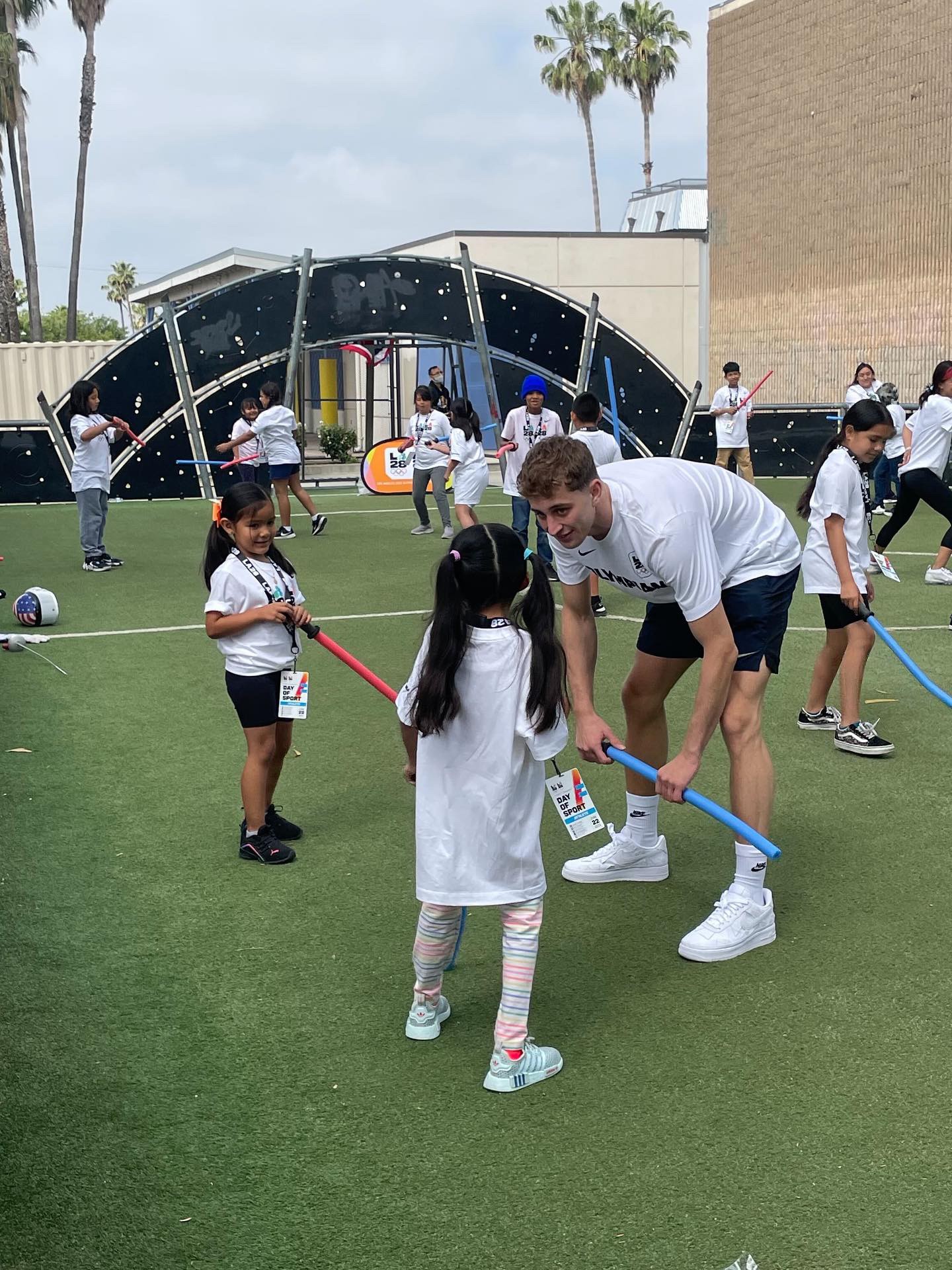
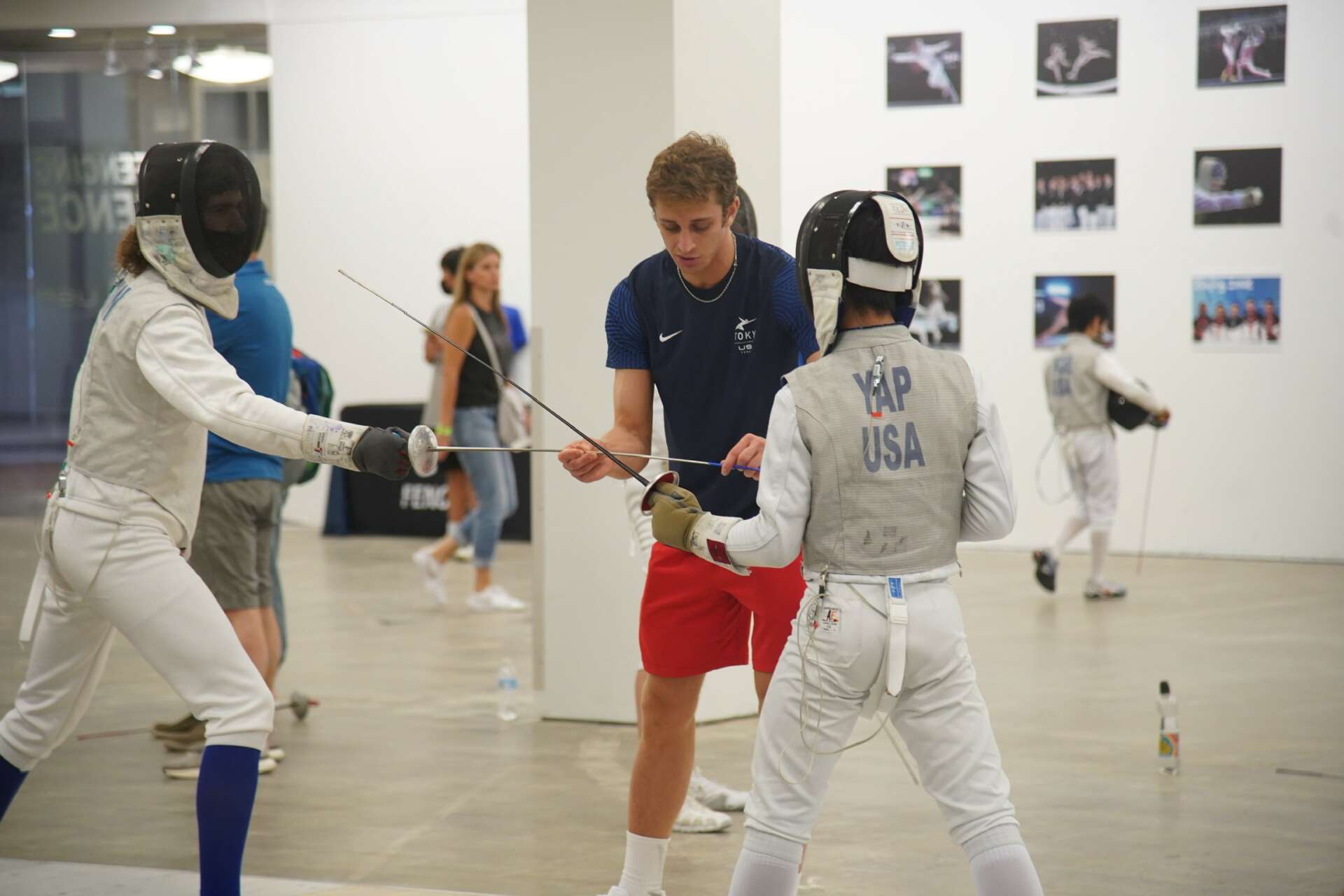
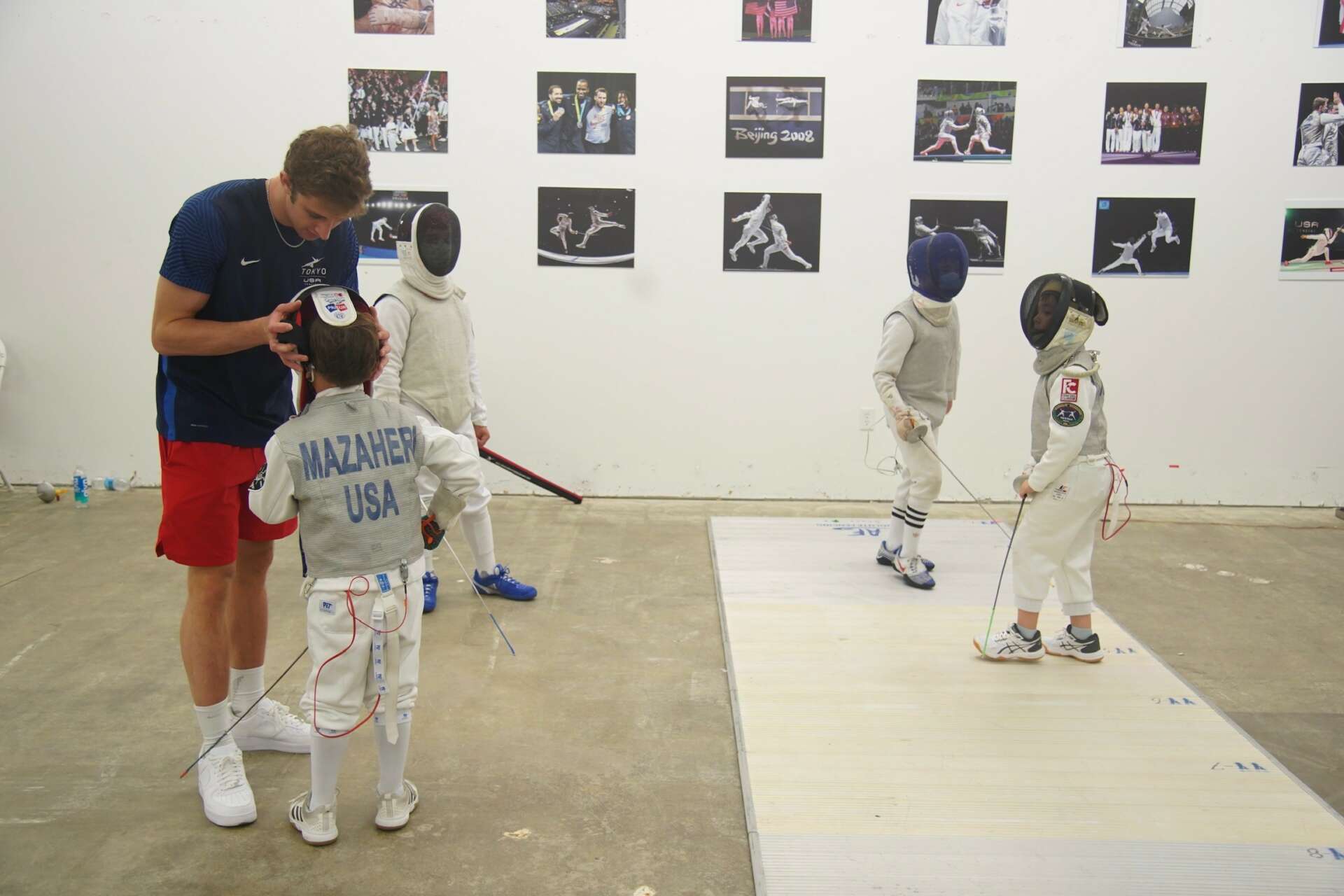
I am an Olympic fencer training in Los Angeles for the 2024 Paris Olympic Games. I train at Los Angeles International Fencing Center in the Los and Orange County locations. I grew up training at this club every since I was seven years old and it is like a second home for me. I love this sport so much and I want to see it grow in the United States as I think it deserves to be more publicly known. I have ran clinics for young fencers to try to grow the sport and inspire them to be the next generation of great fencers. We need the young generation put our own sport on the map. One of my future goals is to make fencing more open to all communities as I think that is one of the limiting factors of our sport.
In your view, what can society to do to best support artists, creatives and a thriving creative ecosystem?
As a society just be opened to trying new things. Fencing is such an unconventional sport. It is also one of the most difficult. Many people call it a game of physical chess. It is one of the first five Olympic sports in history and the speed of the blade is the second fastest Olympic movement after shooting. I recommend going to your local club learning the rules and trying it out for yourself.
Is there a particular goal or mission driving your creative journey?
My goal is for a kid to tell his classmates I want to be a fencer and not be embarrassed by it. As a kid everyone wants to be a basketball, football, or baseball player. That’s what everyone looks up to and sees on TV everyday. When people picture fencing they think of movies like Pirates of the Caribbean. I want to change that narrative and have people know and respect the sport. It is incredibly competitive and athletic. So many kids stop or don’t start fencing because they don’t see it in the public eye. That’s why I want to portray a different image of fencing to the younger generation.
Contact Info:
- Instagram: https://www.instagram.com/nick_itkin/
- Facebook: https://www.facebook.com/NickItkin/
- Linkedin: https://www.linkedin.com/in/nick-itkin-05963a162/
- Twitter: Nick_itkin
Image Credits
TEAM USA