

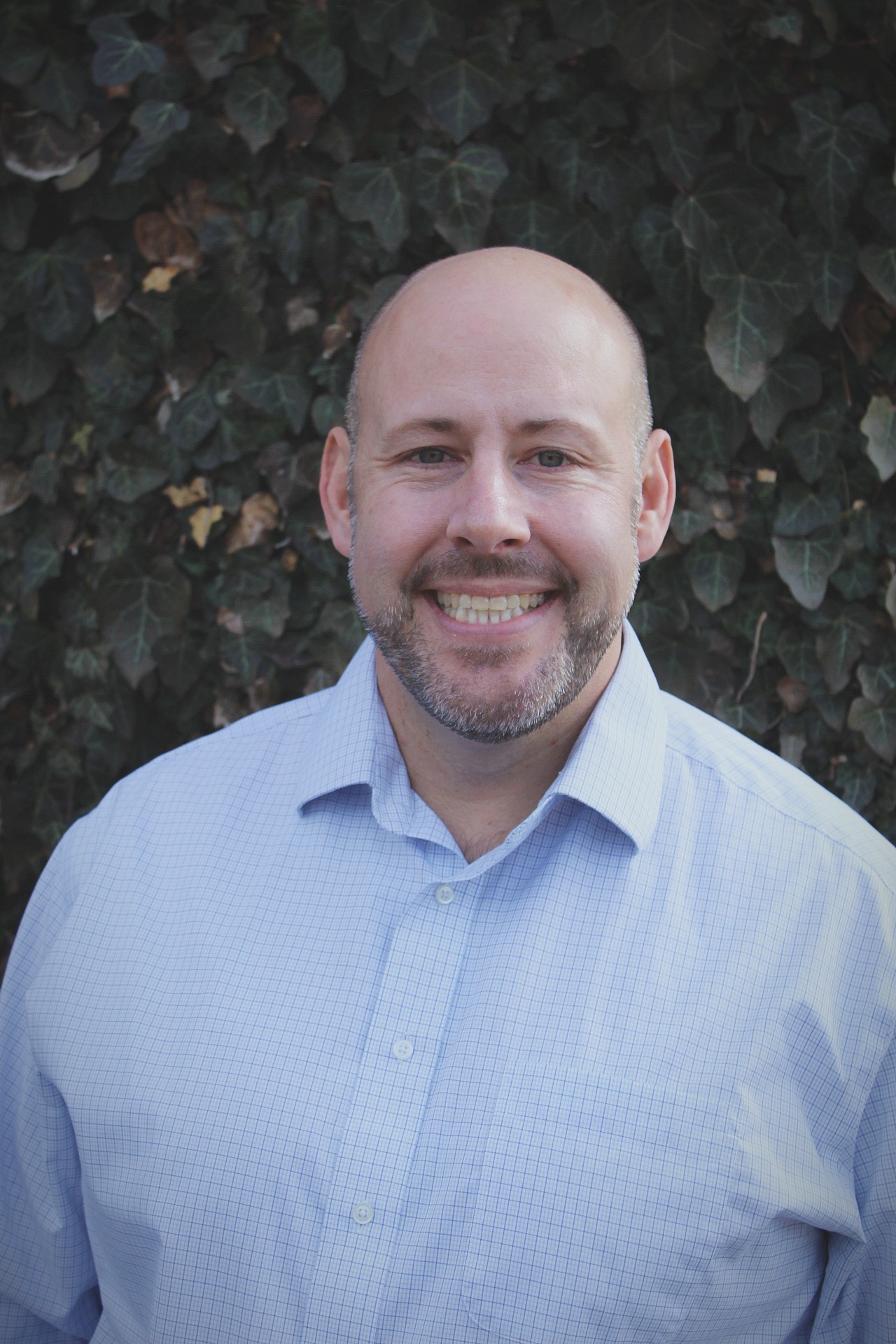

We were lucky to catch up with Nick Hunt recently and have shared our conversation below.
Alright, Nick thanks for taking the time to share your stories and insights with us today. We’d love to hear the story behind how you got your first job in field that you currently practice in.
My first job in the field was as a Wilderness Therapist for a company in Oregon. As a teenager I had dealt with severe depression and got a chance to do a wilderness trip through Outward Bound. I had been completely out of my element on that trip, having to learn new skills, working as a team at times, and challenging my body and mind in ways that were therapeutic. When I was in my last year of graduate school at the University of Texas at Austin, I was allowed to create my own internship. No one at the school had every done an internship in wilderness therapy, so I was a bit on my own having to figure out what an internship in which I would be away from anything man made for three weeks at a time would look like. Especially, because I would need to still finish classes.
I moved to Oregon for my last semester and did several treks with 8-10 teenagers dealing with mental health issues and substance abuse. I knew I could work with teenagers as I had enjoyed doing it in other situations, but this was completely different. Some of the kids that came were brought against their will and often times, parents sent children to this type of program as an absolute last resort.
Essentially, children would come to the headquarters of the company with their parents, there would be a very long session with children, parents and staff in which we discussed history of each teenager. We then outfitted them with gear and set off on about a 14-hour drive to a very remote area. Twice I went to the high desert of Eastern Oregon. Each trek had a guide, that handles logistics, a therapist that did individual sessions and group sessions at night, and an assistant guide or therapist.
Some of these kids had never camped. Rarely any of them had done hard core camping in which you make a fire with flint and steel, set up your own tarp and cook your own food. It was a harsh environment, for campers and staff. I would do individual sessions with kids while we hiked or while camped and then each night I would do a session around a campfire.
One thing that this type of situation created, was that it quickly stripped away the superficial and distracting things we have in our lives that get in the way of dealing with our issues. Drugs, sex, unhealthy people in their lives, etc. were no longer there. I enjoyed building relationships with the kids and loved our group sessions that felt intimate under the stars.
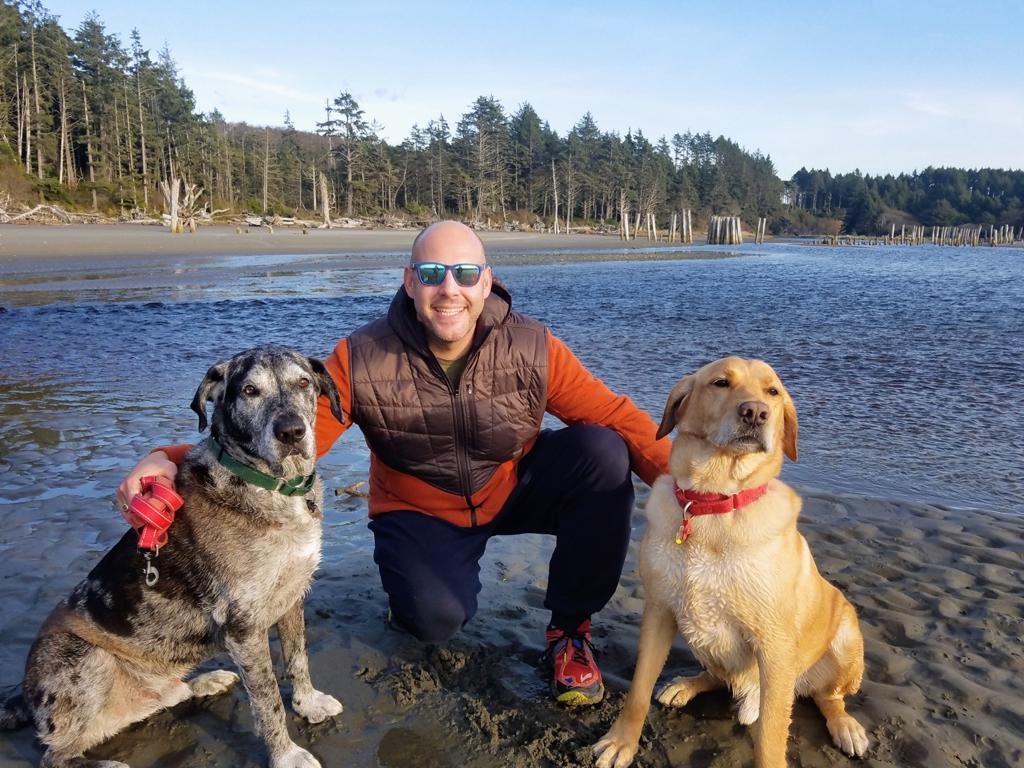
Personally, it really pushed me. All the paperwork you would have for a typical client in an office setting, I carried with in my pack. Also, every four days or so I would have to hike a good way from camp and make a satellite call back to headquarters to speak with a therapist there that was working with each kids’ parents. One time that meant climbing to the top of a mountain in Northern California to get a signal. Staff did not have any luxuries much like the kids, however, I was always able to take my dog which was often helpful in getting kids to open up.
After I graduated, I was hired by the program and stayed another year before moving to the East Coast and working at another program. I learned an incredible amount about building rapport, handling crisis situations without a lot of resources, and how nature can be effective in healing. I also learned a lot about the limits of the programs and many of the flaws. Some challenges the children were dealing with made them not a good fit for that harsh of an environment. Also, requiring someone to go to that type of treatment against their will can be incredibly traumatizing. As a newcomer to the field of social work, I became aware of the lack of resources and options when parents no longer know how to help their child who is in pain and at times unsafe.
I am thankful I did it, though looking back, it was incredibly challenging. Learning to take care of yourself as a therapist, without many regular daily comforts (a shower, toilet paper, etc.) for 23 days, so you could be the best therapist possible demands that you grow as a professional and an individual. I will be forever grateful for that opportunity.
As always, we appreciate you sharing your insights and we’ve got a few more questions for you, but before we get to all of that can you take a minute to introduce yourself and give our readers some of your back background and context?
I entered the mental health field because as a teenager I had several therapists that helped me deal with severe depression and I saw the affect they had on my life, and it seemed like the best way to pay them back was to do the same for someone else. I grew up in a rural town in Iowa and went to Duke University for college. After my junior year, I was fortunate enough to get a job at The Hole in the Wall Gang Camp in Connecticut. I had never worked with children before, but I wanted to do something different than going back to Iowa and working on a maintenance crew. In the 1980’s Paul Newman created The Hole in the Wall Gang Camp for children with chronic and terminal diseases (cancer, HIV/AIDS, Sickle Cell Anemia) could have a camp experience for free in a space that could also cater to their medical needs. My experience there was absolutely life changing. That a place in which all of the campers were dealing with incredible medical challenges including life ending ones, could have so much love, joy and enthusiasm blew my mind. Some of the children were bussed directly from hospitals. Every summer, volunteers of all kinds come and help the staff such as doctors, nurses and other people that just wanted to be a part of it. Everything was catered to allow the children to have a “normal camp experience” from the horses to the pool temperature to the training of the staff. There was so much energy, creativity, laughter and love, all for the purpose to show the kids the best time of their lives. I had never been around such amazing children and staff. Several of the camp year around staff were social workers. I loved their passion and skill set. So, I finished my degree in English and then went and got a master’s degree in social work.
I have tried to carry that with me everywhere I go. After doing wilderness therapy for several years after graduate school, I went backed to Austin, Texas and worked as a crisis counselor for the Austin Police Department. Crisis Counselors were called to scenes of violent crimes and worked with victims and witnesses. After four years at the police department, I worked at an Emergency Room in Austin as a social worker doing psychiatric and suicide assessments.
After doing crisis work for seven years and working nights I wanted new scenery. I happen to receive a call from a friend from The Hole in the Wall Gang Camp. That friend was a schoolteacher at the American School in Doha, Qatar. The school needed a counselor immediately and my friend asked if I wanted to work with children again. I took the job and worked two years as a middle school counselor in Qatar. It was crash course in learning about cultures I knew little about and a fantastic and challenging experience.
Coming back to the United States, I really wanted to begin doing long term therapy. I moved to Colorado and began working and being mentored at a private practice. Eventually, I opened my own practice, Nick Hunt Counseling, LLC, at the beginning of 2020. Professionals take so many different paths to their present moment. One of the things that makes me different is the path I took. All of the things I learned in wilderness therapy, crisis counseling, working in a school with many different cultures and especially my own therapy, I put into my practice with my clients. I think having such a diverse background and seeing struggle in its incredible vastness helps me work with people and let them know that they are not alone, and they can get better.
I still love working with adolescents but now work with a lot of individuals dealing with anxiety, depression, relationships issues, or anyone who is looking to grow in some part of their life. I also have found I enjoy working with couples. I have an eclectic style and I try to laugh as much as possible with my clients. Life is full of serious things and therapy is a serious process, but I certainly try not to take myself too seriously.
I take pride in being allowed into people’s lives and if they’re willing, to allow me to help them shoulder their load for a while and let them know they are not alone.
Putting training and knowledge aside, what else do you think really matters in terms of succeeding in your field?
The most important skill I think a person can have in my field is the ability to build rapport. Personally, I have never gone back to a therapist because of their knowledge. I went back because I felt like they got me. Of course, training and knowledge are important but in the long-term, they will be of little use without the relationship. I think it is typically much easier for someone to learn about a type of therapy or an effective technique than it is to learn how to be your genuine self with someone and to build trust.
Any stories or insights that might help us understand how you’ve built such a strong reputation?
Being in a helping field and balancing that with a business’ goals often feels incongruent. My first job in long-term therapy was for a big private practice that was incredibly money focused. There was a scoreboard that was kept in the office that showed which therapists were doing the most sessions and bringing in the most money. You were encouraged to push clients to do more sessions and things like that. It felt gross being there and makes me sad that there are places like that. I really try to trust that if I do what is best for the client, people will respect my honesty and that it might pay dividends down the line. If I see a client and it doesn’t seem like the right fit or maybe I am not their style, I really try to refer them to someone that might be a great fit for them and their goals. If I want my clients to be comfortable being open and honest with me, it is important that I set that example in all areas of my business even if that means revenue is not as high.
Contact Info:
- Website: www.nickhuntcounseling.com
- Linkedin: https://www.linkedin.com/in/nick-hunt-89314740/
- Other: Email: [email protected]