

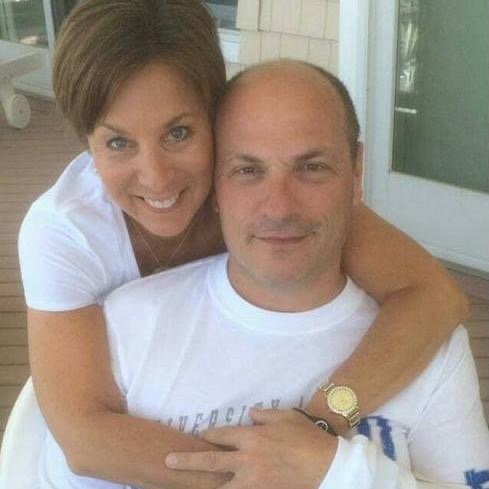

We recently connected with Neal Goldstein and have shared our conversation below.
Neal, thanks for taking the time to share your stories with us today Can you share a story about the kindest thing someone has done for you and why it mattered so much or was so meaningful to you?
When I was 16, I had already dropped out of high school. My father had left years earlier, and my mother’s multiple sclerosis had progressed to the point where she relied on a wheelchair. Life felt heavy, uncertain, and isolating. I wasn’t thinking about the future — just how to get through the day.
One morning, I wandered into a community center where I’d gone to kindergarten. I was just standing there, looking around, when I felt a tap on my shoulder. It was a young social worker named Phill. He asked if I needed help. I told him, “I’m not a school kind of guy.” I expected him to dismiss me, but instead he smiled and said, “That’s OK.”
That small moment turned into a friendship. Phill talked to me like a real person. He gave me a part-time job, introduced me to people who saw potential in me, and encouraged me to join a local youth group — B’nai B’rith Youth Organization (BBYO) — where I found friends and a supportive community, something I desperately needed. His kindness, patience, and belief in me helped turn my life in a more hopeful direction.
Sometimes, the kindest thing someone can do isn’t about solving your problems — it’s about seeing you, believing in you, and standing beside you when you feel invisible.
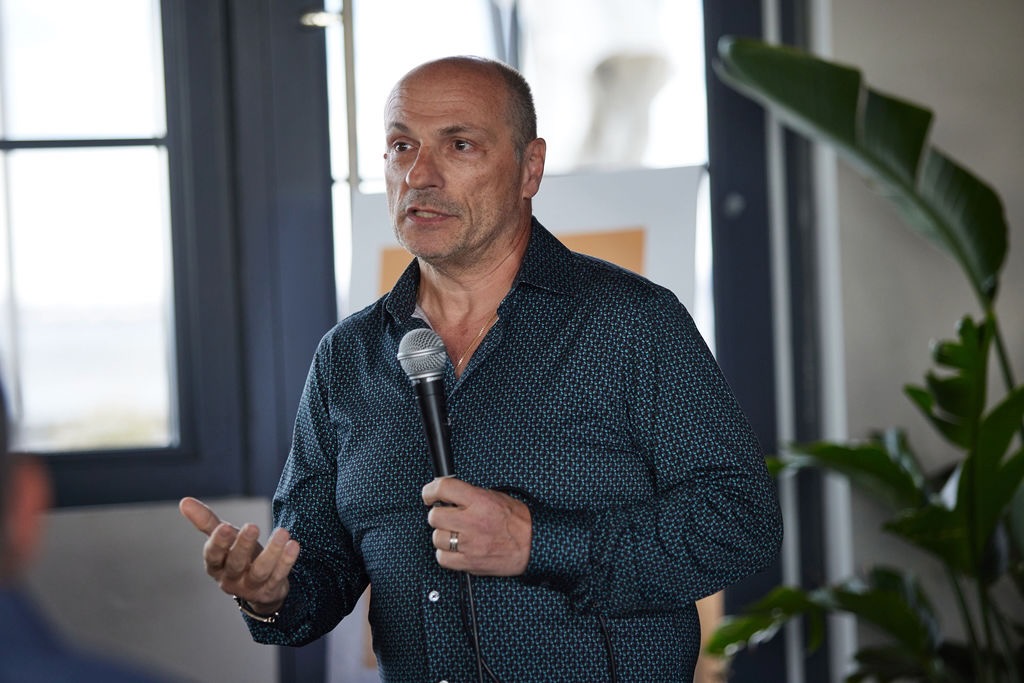
Awesome – so before we get into the rest of our questions, can you briefly introduce yourself to our readers.
I’ve been a personal injury lawyer for 35 of the 40 years I’ve spent in the business of helping people. My firm has always focused exclusively on personal injury law, representing individuals who’ve been injured due to the fault of others. But about five years ago, I felt a shift. I realized I wanted to pivot — not to leave the profession, but to expand on what I’ve learned over three decades about building a practice rooted in something most people don’t associate with law: genuine and authentic relationships.
That philosophy — that relationships, not transactions, are the foundation of long-term success — is what I now teach, write about, and speak on. I’ve authored two books: Who’s in the Waiting Room: Create the Life You Want Through the Power of Authentic Relationships (a memoir), and Who’s in the Waiting Room… For Personal Injury Lawyers Who Refuse to Blend In. Both share the core message that authenticity isn’t just good for business — it’s essential for personal growth and fulfillment.
I’m most proud of the culture I’ve built within my office — one where authenticity and service go hand in hand. That culture has led to strong client relationships, countless referrals, and lifelong connections. I now mentor young lawyers on how to integrate organic growth strategies with modern tools like digital media and AI, always grounded in real human connection.
Over the years, I’ve shared these lessons with countless young attorneys who’ve worked alongside me, and I’ve contributed to the American Association for Justice magazine. Coming full circle, I also serve on the board and as past president of the very community center where a social worker once helped me when I needed it most.
As I continue to evolve, I’m focused on speaking to broader audiences and using my social media platforms to inspire others — not just lawyers — to create success through authenticity. That’s the throughline of my life and my work, and it’s what I want to pass on.
Any advice for growing your clientele? What’s been most effective for you?
The most effective strategy for growing my clientele has always come down to one thing: authentic relationships. I believe we’re not meant to go through life — or business — alone. If you think about the happiest moments in your life, chances are someone else was there. That’s not a coincidence. Relationships matter, and that truth applies whether you’re running a law firm or launching a brand.
In my personal injury practice, we treat every client as a partner. Yes, the legal system calls them “clients,” but we see them as collaborators in their case — real people who deserve respect, transparency, and trust. That level of care isn’t just ethical; it’s strategic. People want to do business with those they like, trust, and genuinely respect.
So how do you build that kind of connection? You show up. You join groups and organizations that align with your values — not because someone told you to, but because you’re truly interested in being there. People can smell inauthenticity from a mile away. When you’re real, it resonates. When you’re transactional, people move on.
Client relationships don’t end when the case does. I make it a point to stay in touch — not with a generic holiday card, but with real connection: a lunch, a phone call, a message that says, “I’m still here.” I show up in person when there’s a potential new client. People don’t want to be passed around — they want to feel seen and heard by the lawyer they’re hiring.
Ultimately, it’s simple: the more you lean into being your authentic self, the more your business grows — not through gimmicks, but through trust that lasts.
Can you open up about a time when you had a really close call with the business?
Many years ago, I was handling a serious construction accident case involving a client who was permanently out of work. As with all my clients, I’d developed a strong relationship with him and his wife — one built on communication, respect, and trust. But one night, I woke up in a cold sweat. I had this gnawing feeling that I had missed a filing deadline. Normally, when this happens, I double-check and everything’s fine. But this time, I hadn’t filed it on time — and my heart sank.
I felt sick — not just because of the potential legal implications, but because I knew how much this case meant to the client and his family. I called them in for a meeting. Sitting beside me were my partner and legal assistant. I told them the truth. I acknowledged my mistake, told them they had the right to bring a claim against me, and let them know that my team and I had carefully studied the issue and had a strategy to move forward that could still lead to success.
Before I even finished my sentence, the client said, “There’s no need to step outside — we already know what we want to do. We’re staying with you.” I got emotional in that moment. I hugged them both and thanked them for their trust. That kind of loyalty doesn’t come from luck. It comes from the relationship we had built up to that point — through honesty, communication, and mutual respect.
I’m proud to say the case ended in a significant recovery that helped the client regain some stability in his life. But more than the result, it reminded me of why relationships matter so much. When you lead with integrity, people don’t just hire you — they believe in you, even when you falter.
Contact Info:
- Website: https://truthInsuccess.com
- Instagram: @nealagoldsteinlaw
- Facebook: https://www.facebook.com/share/1Bjxfmvyu1/?mibextid=wwXIfr
- Linkedin: http://linkedin.com/in/nealagoldsteinlaw
- Other: Bluesky:@nealagoldsteinlaw.bsky.social