

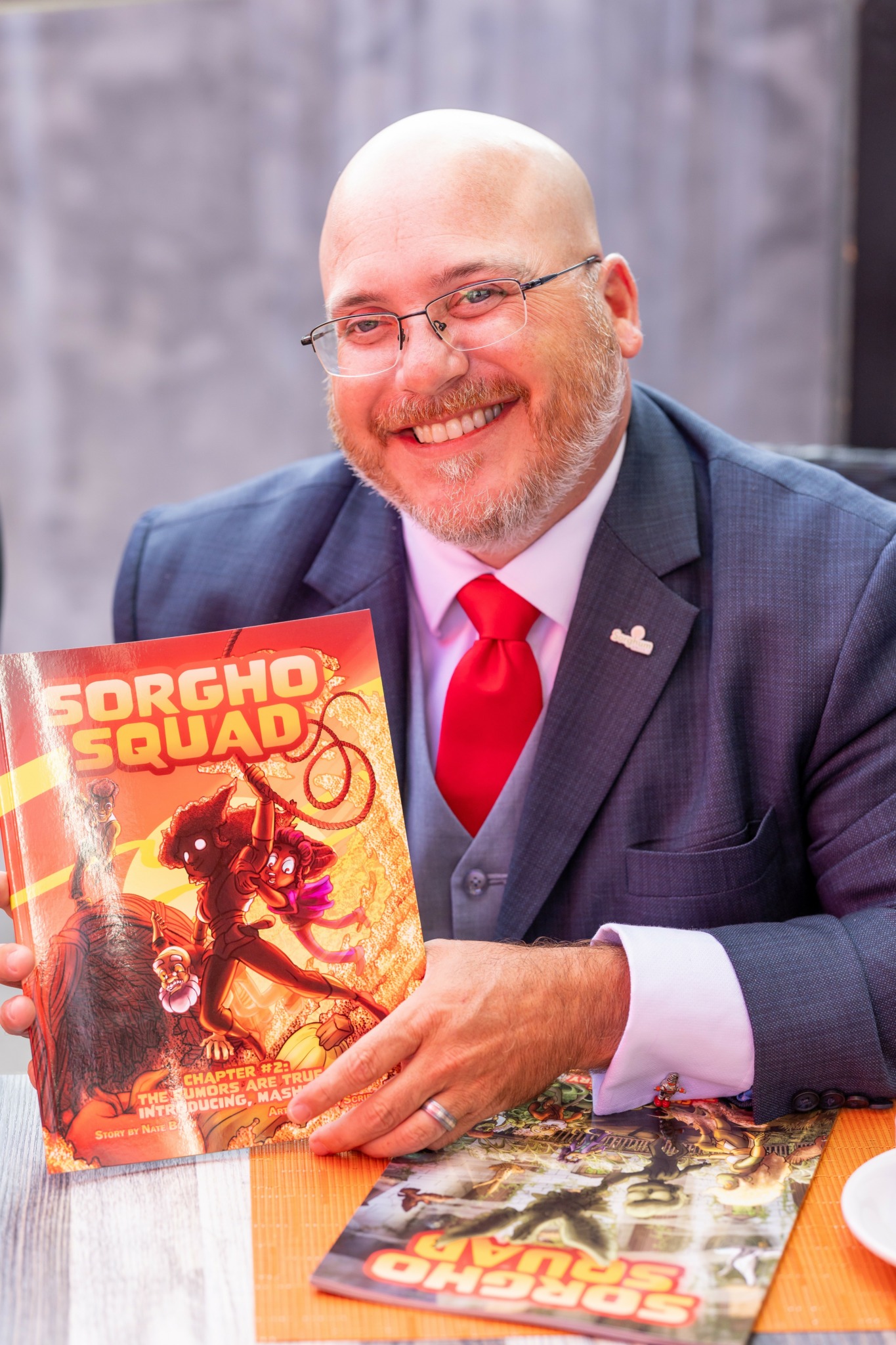

We were lucky to catch up with Nate Blum recently and have shared our conversation below.
Nate, thanks for joining us, excited to have you contributing your stories and insights. To kick things off, we’d love to hear about things you or your brand do that diverge from the industry standard
Sorghum United is unique in the industry of food systems development and the promotion of alternative grains. Notably, most organizations working in these spaces are governmental, academic, or taxpayer-funded in one way or another. In contrast, Sorghum United is self-funded. We believe strongly in private sector solutions to private sector problems.
This is not to say that we do not work in public-private partnership arrangements. We most certainly do. However, being self-funded as an NGO allows us to flexibly serve our thousands of members around the world.
Speaking of members, this is another area in which Sorghum United stands out. We are the only global grassroots organization of our kind. Our mission is to connect stakeholders in all points of the sorghum and millets value-chain around the world for the purposes of knowledge transfer and direct commerce. This approach necessarily means that we are able to connect our over 4,000 members, who are located on every habitable continent, despite geopolitical realities as well as geographic and socioeconomic barriers.
A third way in which Sorghum United differs from the industry standard is seen in our approach to market development. The standard amongst our peer organizations is to create markets primarily through the promotion of bulk commodity trade for sorghum and millets. A method which lends itself to volume over value. We believe the best way to create more value for farmers and processors is through direct consumer outreach.
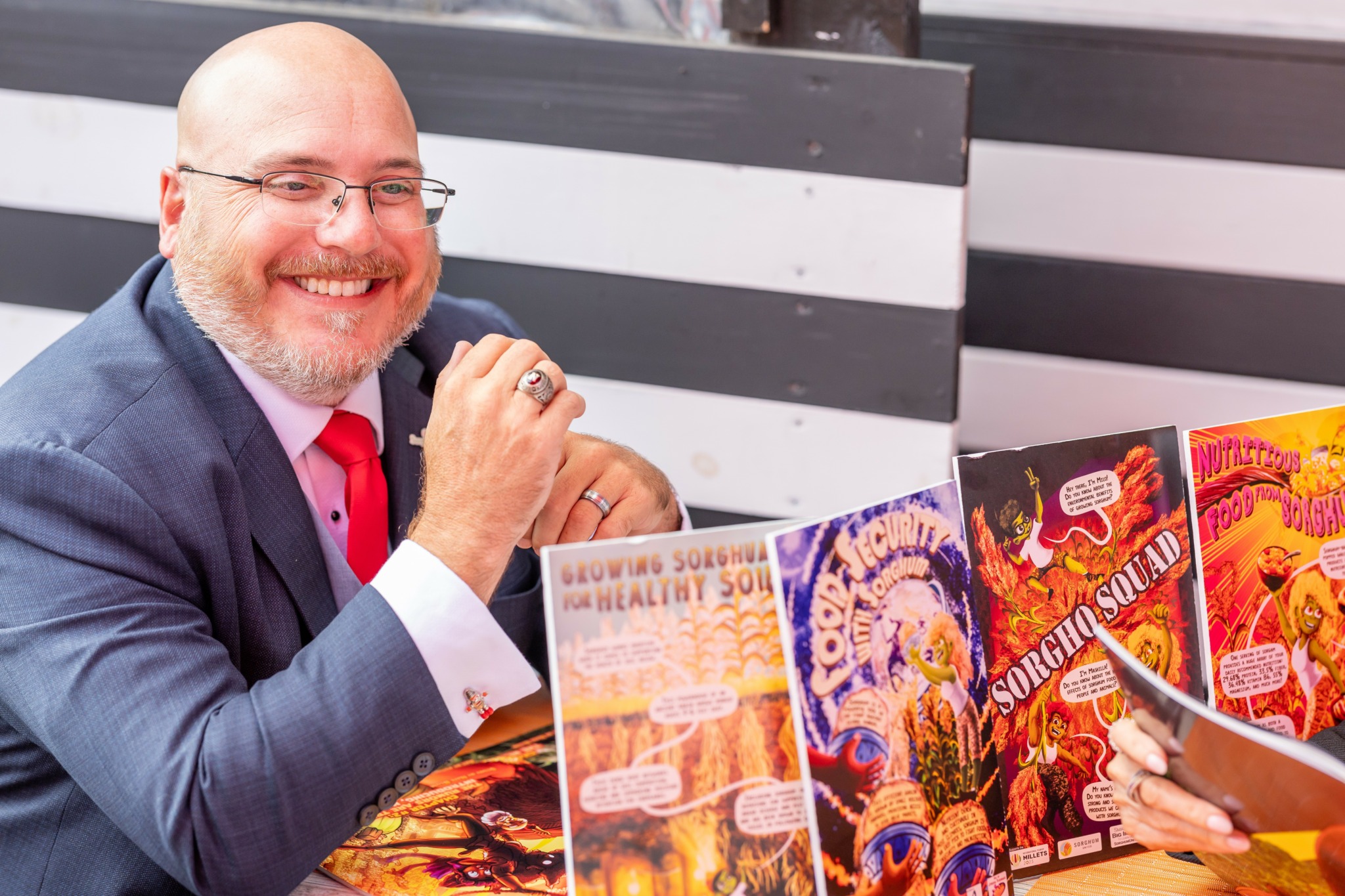
A majority of consumers are unaware of the value of these grains in regard to healthy diets, carbon sequestration, and in addressing climate change challenges. In order to address this, Sorghum United promotes a series of self-published adventure books titled ‘Sorgho Squad’. This comic book-style series is effective in introducing these ancient grains to young people and their parents around the world. We believe that doing so will organically grow consumer demand for food, fuel, and fiber products derived from these grains, thus driving private sector investment and further markets development.
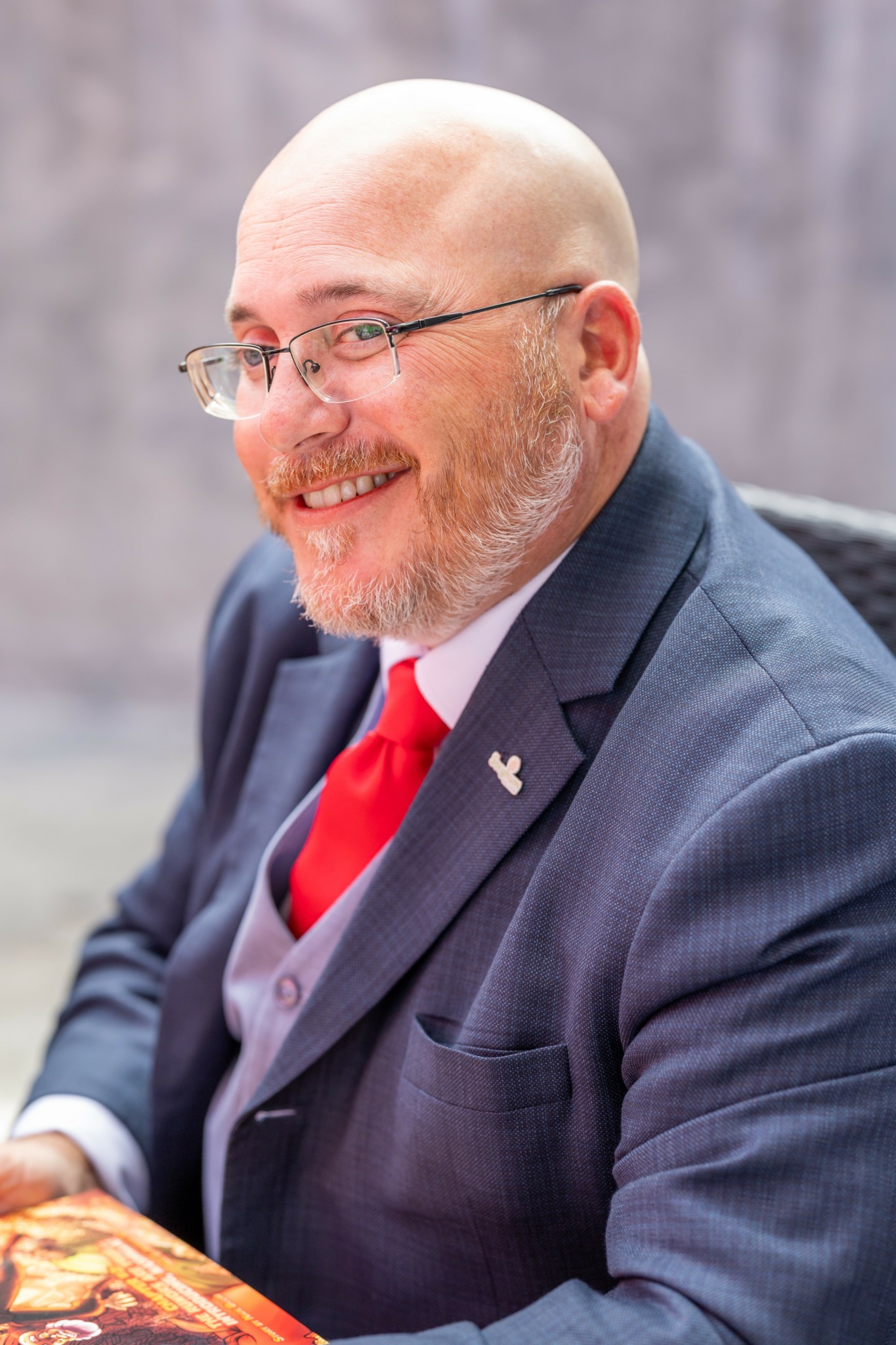
Nate, love having you share your insights with us. Before we ask you more questions, maybe you can take a moment to introduce yourself to our readers who might have missed our earlier conversations?
I was born into a fourth-generation family farm operation in Nebraska. Like many small farms, ours was land rich but cash poor. In fact, a common saying in agriculture is that farmers are the only ones who pay retail and sell wholesale. This is a result of reliance solely on the modern commodity marketing model. This model also discourages biodiversity in cropping systems, creating unsustainable monoculture cropping systems.
I believe that we can do better for our farmers by supplementing that model with local value addition for sorghum and millets. This allows farmers to mitigate the commodity marketing risk through direct contracting with local entrepreneurs. This also results in the inclusion of additional grains in cropping systems, thus increasing the sustainability and productivity of the farm in the long term.
Moreover, the promotion of value-addition located proximately to the production of sorghum and millets encourages economic opportunities for those individuals adjacent to agriculture. Increased entrepreneurial opportunities means additional jobs and the creation of wealth in rural communities. This empowerment is key to improving security and stability at the local level around the world.
The Sorghum United mission is not limited to any one geography. In fact, as I write this, I have just returned from developing projects in India and the Philippines and am on my way next to Zimbabwe, Malawi, South Africa, and Kenya to do the same. We believe in reimagining our global food paradigm for the better.
Readers who want to learn more can follow us on social media. They can also visit www.sorghumunited.com to meet our team.
Readers who want to support our work, and purchase the Sorgho Squad book series and swag can visit www.sorghosquad.com.
Have any books or other resources had a big impact on you?
I am an avid reader. As such, there are many books that have influenced my vision for the impacts that Sorghum United can make. These are supplemented also by my experiences working within the agriculture industry as well as my time working in policy at the federal level. However, only two truly stand out in the formation of our mission at Sorghum United.
The importance of food system diversification is best described in the book, ‘The Food Explorer’ by author Daniel Stone. This work describes the journey of Dr. David Fairchild (1869-1954). Fairchild was curious about the world and determined to bring new, profitable products into the American food basket. He spent his career traveling the world to find species that we find common today but were exotic at the time. Thanks to his pioneering work, we now have avocados in California, mangoes in Florida, hops across the country, Japanese cherry blossoms in Washington D.C., and hundreds of other examples.
More importantly, this biography takes the reader on the developmental journey of Fairchild. From a naive student in Kansas to an unsure and meek scientist to the first Director of the Seed and Plant Division at the United States Department of Agriculture, his journey is truly inspiring. Fairchild’s vision for what could be in a world full of peers who could not see it at the time is another point of inspiration.
The other notable book that inspired me is, ‘Collapse’ by Jared Diamond. Pulitzer-winner for, ‘Guns, Germs, and Steel’, Diamond challenges cultural environmental and food norms throughout various cultures in history in this book. Was a culture able to change their norms to adapt to their environment, or did they slowly succumb to pride over an uncontrollable environ? Two good examples are the Easter Islanders, who cut down every last tree in order to move the prized moai statues around the island and the Vikings in Greenland who recognized that their swine-dependent culture could not be supported by the lands fragile soil and switched to sheep instead. As we all know, the fate of the Easter Islanders was bleak (though the Chilean slave trade also played a part in decimating the population), while descendants of the original Viking families can still be found in Greenland.
As we look at our current global food systems, which favor only a small and undiversified handful of grains while shutting alternatives out of the market, produce monoculture cropping systems, deplete our global water resources, damage the soil microbiology, limit habitats for biodiverse species such as pollinators and birds, and produce unhealthy and overly processed foods at cheap prices, I wonder if there aren’t many lessons to learn from Diamond’s work. Sorghum United has at its core the mission to prevent such a collapse in our global society. Sorghum and Millets are one of the great solutions to this challenge, and the challenges of a warming climate with less reliable and more torrential precipitation events. These grains are highly nutritive, rebalance the human gut microbiome, sequester greater amounts of carbon than peer grains, utilize a fraction of the water resources, thrive in arid and semi-arid regions, promote biodiversity, and rebuild the soil microbiome.
Can you share a story from your journey that illustrates your resilience?
Just as Dr. David Fairchild had to push though with his, at the time, unappreciated vision, so to in Sorghum United in our current journey. The work of challenging established global food systems and promoting regional value addition alongside recognizing the importance of global trade has produced our fair share of skeptics and antagonists. We’re talking about disrupting large budgets, forcing industry change, decreasing middlemen for farmers, and in some cases…even challenging current geopolitical dynamics. Particularly early on in our organizational journey, I took my fair share of arrows.
I have often compared resilience, and my journey, with the Greek mythological story of Sisyphus. A king who challenged the gods, Sisyphus was doomed to roll a boulder uphill for eternity in Hades. Putting ourselves in his shoes, we can imagine that there was one thing he couldn’t ever know and one that he could know: Sisyphus could never know how close he was to a slight reprieve found in a plateau or even the top of the mountain, But he knew for certain that the moment he let go of his task would be the moment he had to start over.
For the first several months, as I endured slander, the loss of trust from some longtime colleagues and even attacks directed at my family, I woke up every morning feeing like Sisyphus. I kept on though with confidence in my vision. Dragging an industry to progress by the nostrils. Now, I no longer feel alone in the task. Sorghum United has a great team helping push that boulder. We have great partners in governments, academia, and private sector around the world. I have seen the positive impacts firsthand of our work at the community level.
And, interestingly enough, the industry has independently begun talking more about value-addition. I am very pleased to see that. To quote Ronald Reagan, “It’s amazing what you can accomplish when you don’t care who gets the credit.”
Contact Info:
- Website: www.sorghumunited.com and www.sorghosquad.com
- Instagram: https://www.instagram.com/sorghumunited/
- Facebook: https://www.facebook.com/sorghumunited and https://www.facebook.com/profile.php?id=100094069813304
- Linkedin: https://www.linkedin.com/in/nate-blum/ and https://www.linkedin.com/groups/9358396/
- Twitter: @Sorghum_United
- Youtube: @sorghumunited
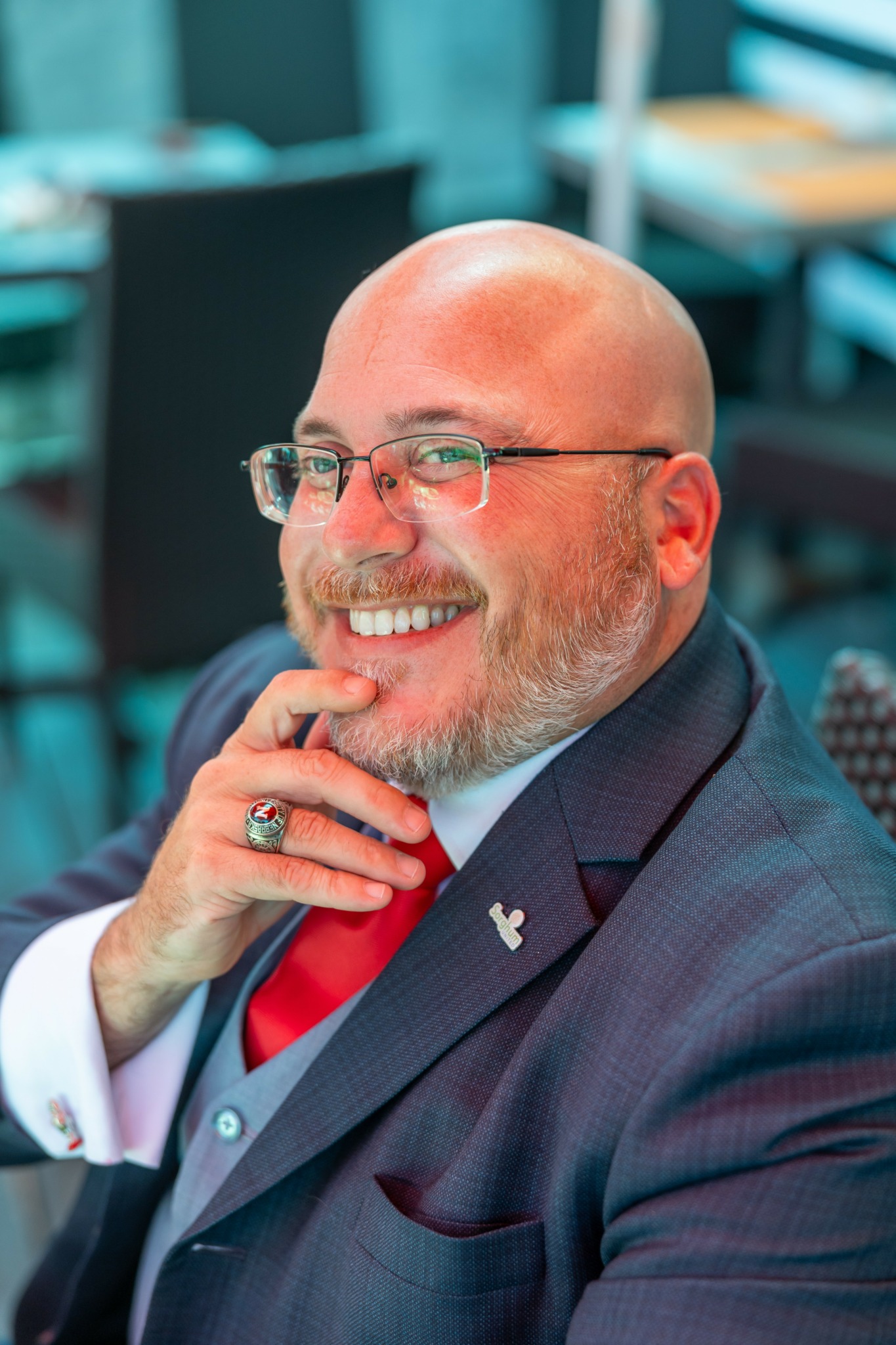
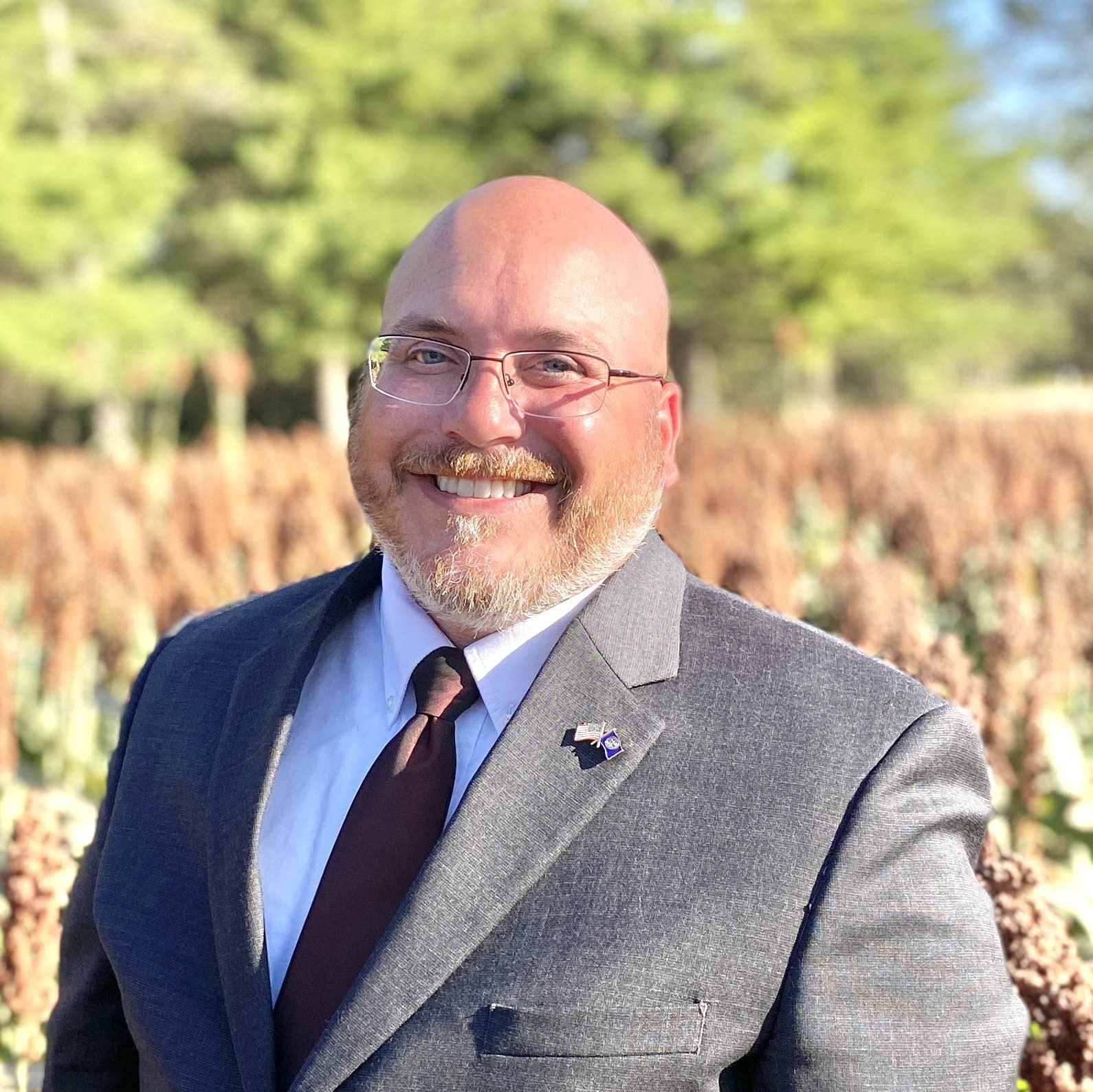
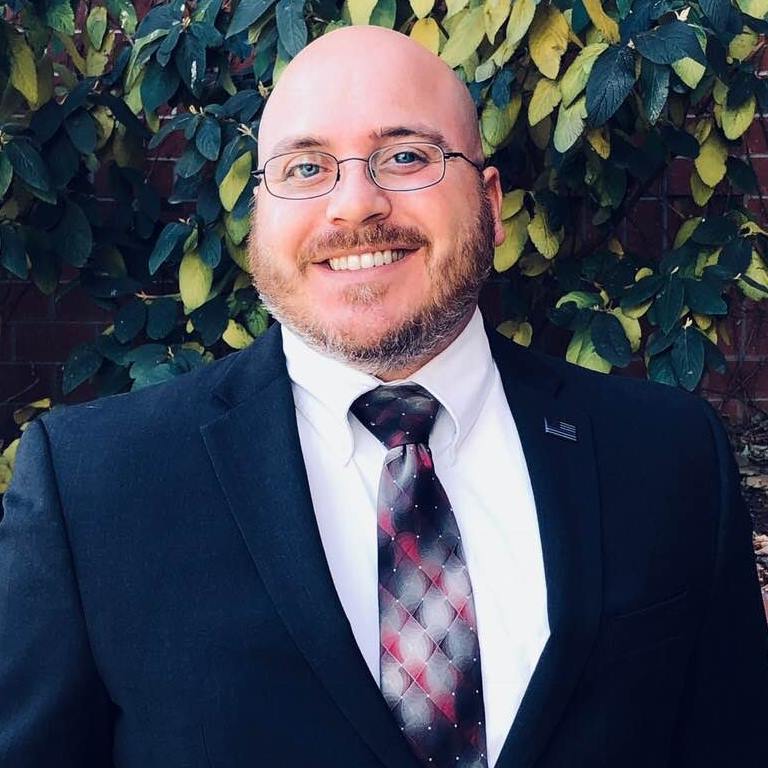
Image Credits
Mr. Jeff Lewis
Jeff@jefflewisphotography.com