



We recently connected with Natasha Case and have shared our conversation below.
Natasha, thanks for joining us, excited to have you contributing your stories and insights. One of the most important things small businesses can do, in our view, is to serve underserved communities that are ignored by giant corporations who often are just creating mass-market, one-size-fits-all solutions. Talk to us about how you serve an underserved community.
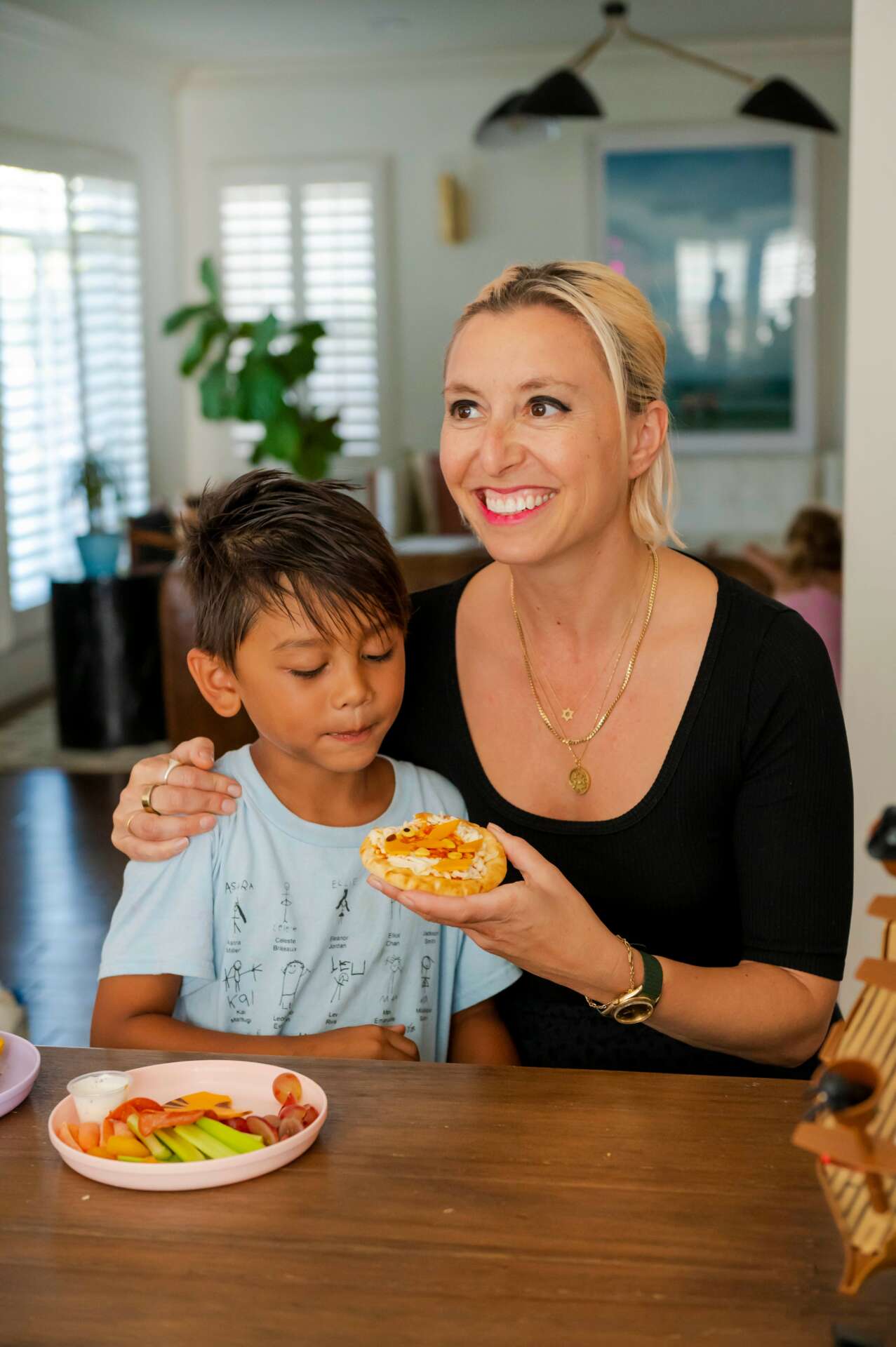
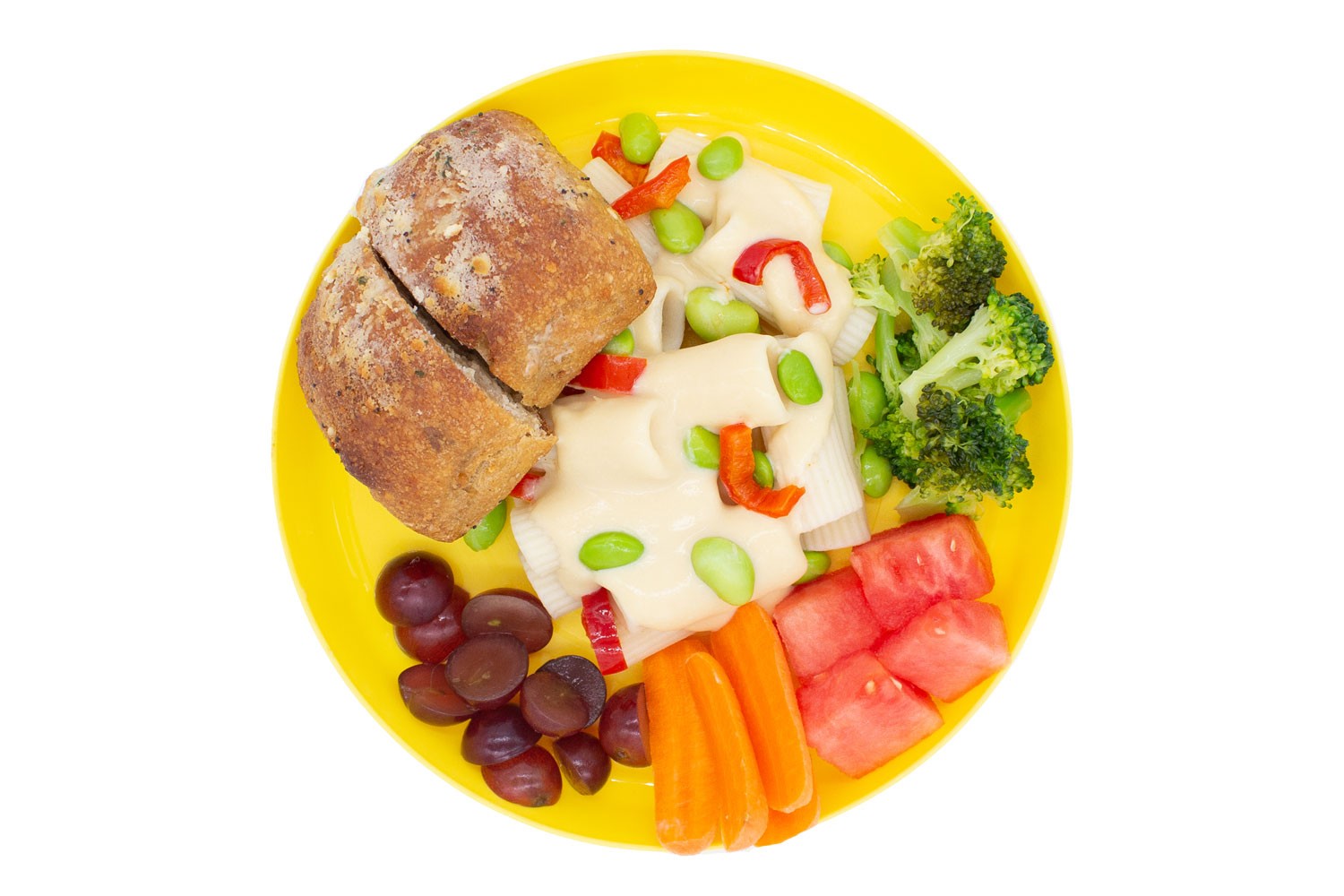
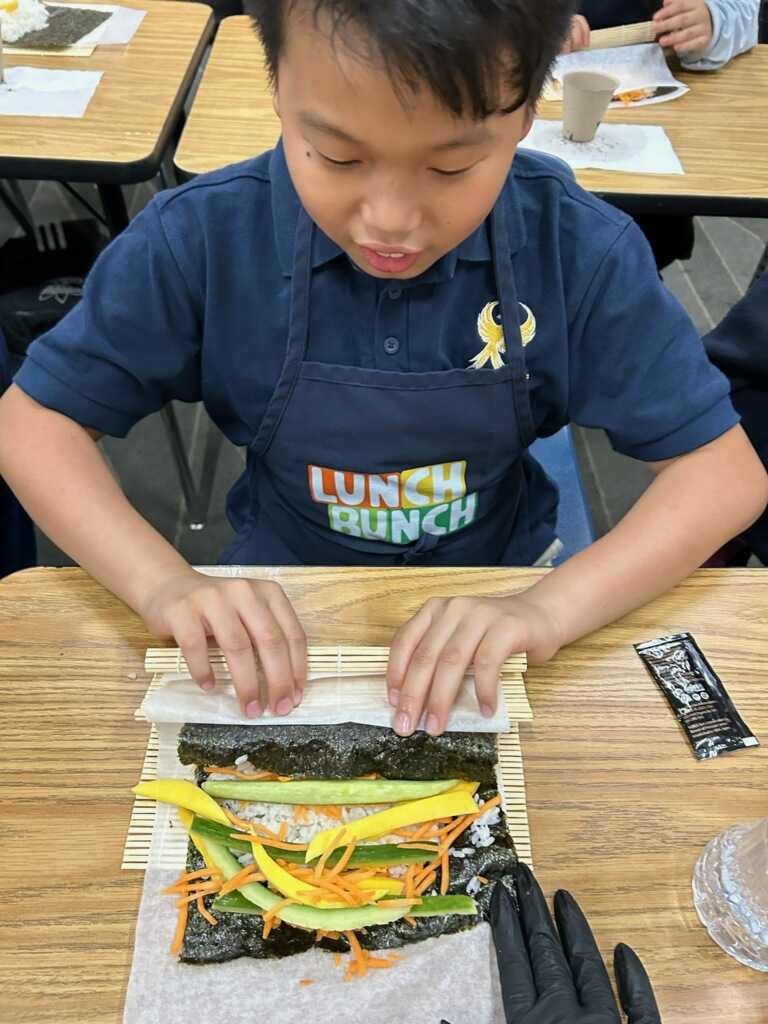
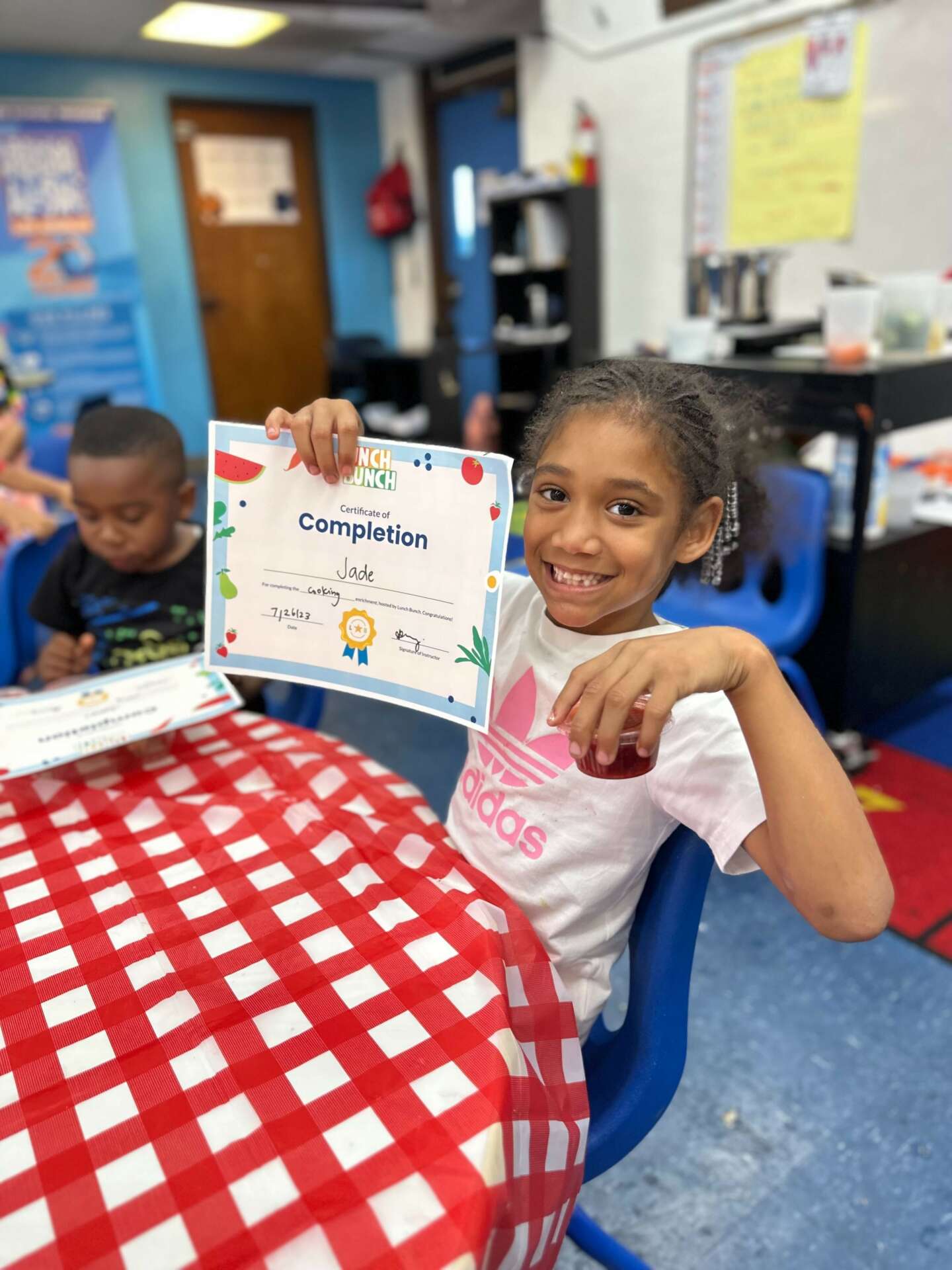
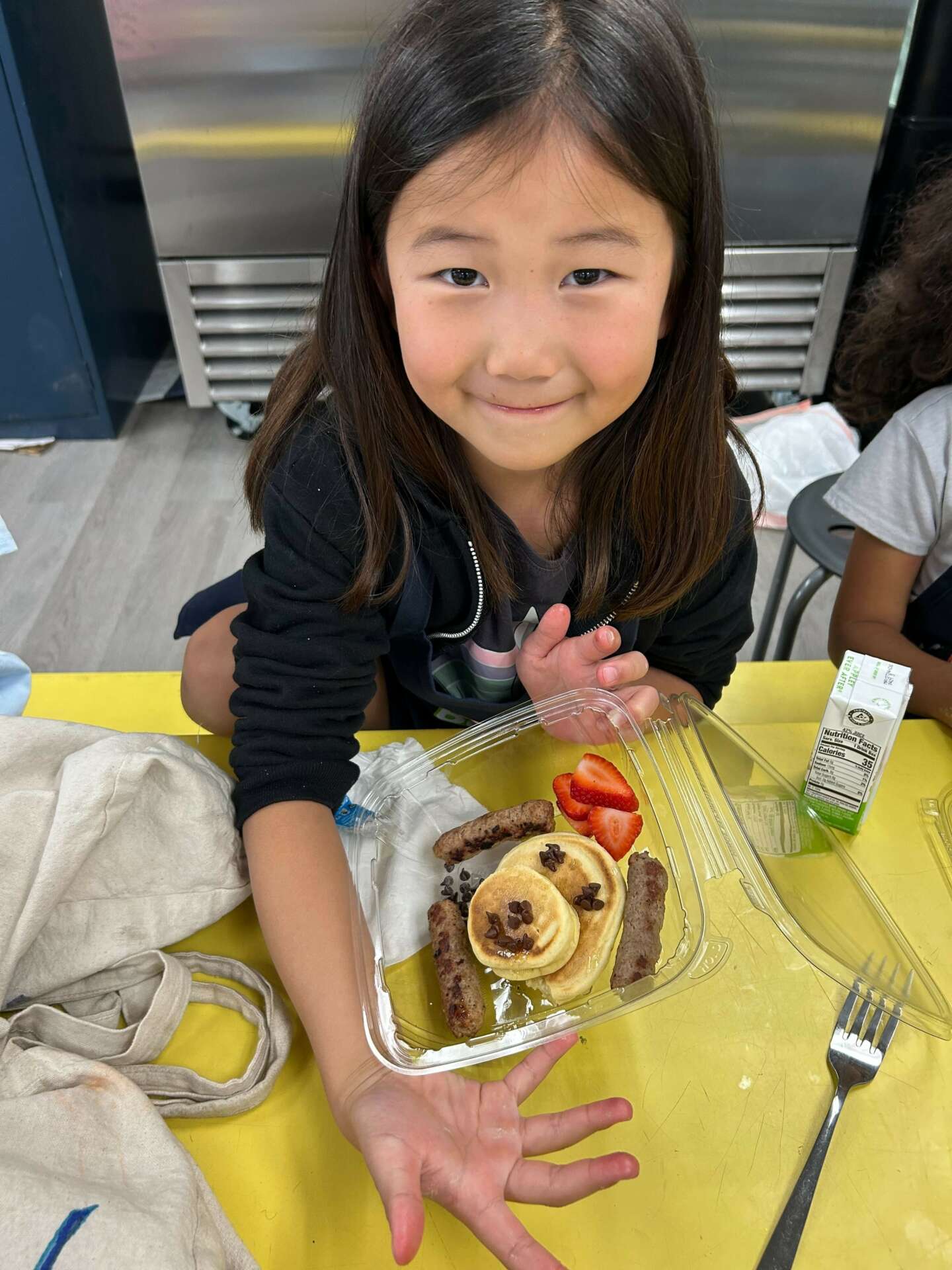
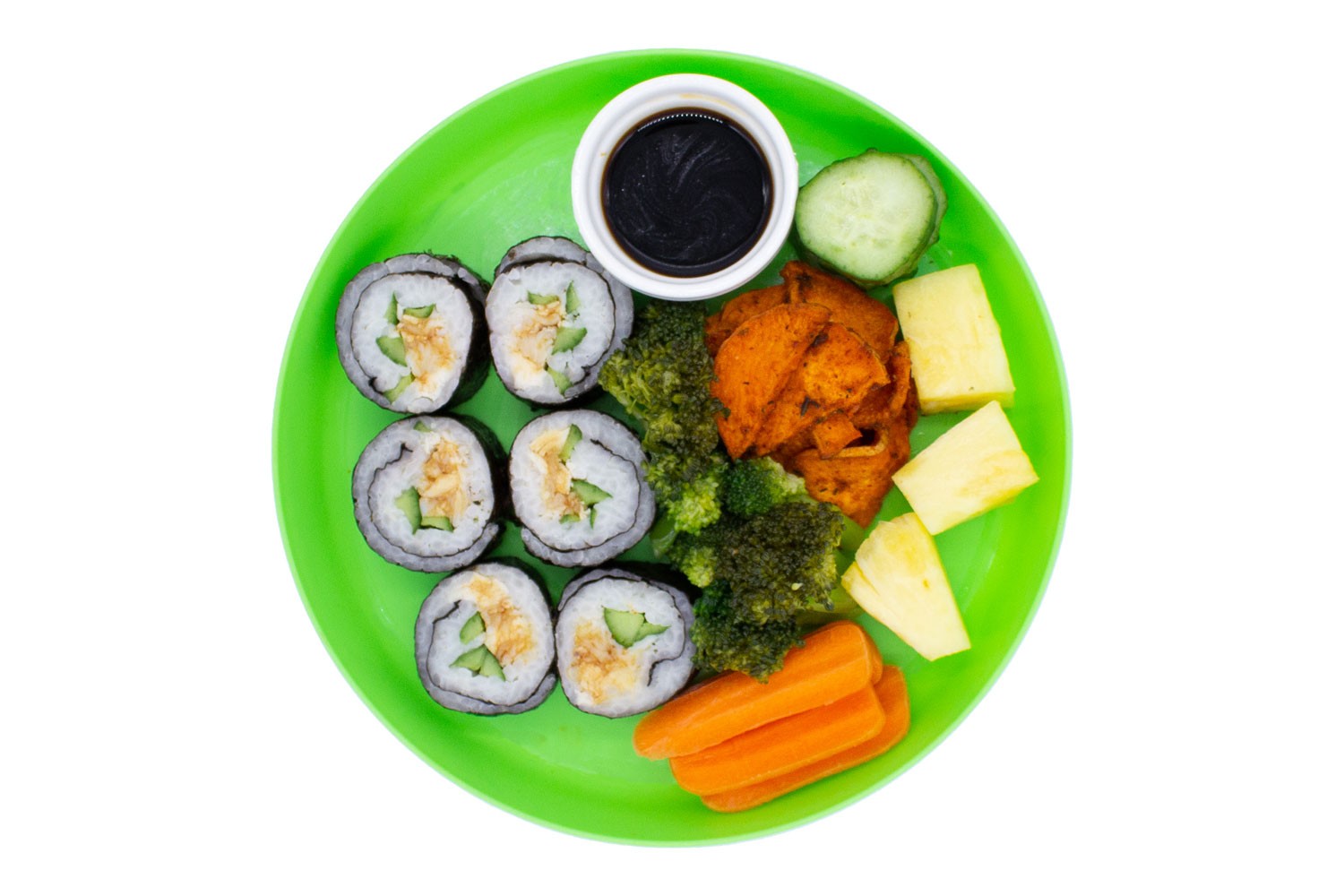
At Lunch Bunch a huge focus for us is how we can holistically solve malnutrition and chronic disease in our society. We have targeted schools and after school programs as places where so much of our connection to forming habits to eat well falls apart – and as an incredible opportunity to make positive change for a kid and their community – changes that can last a life time. It’s an open secret in the US that our kids eat horrible school meals – this has been going on for decades. It’s not that we don’t have the money – we are the richest country, ever, in history. It reflects our culture’s values – and ultimately we are working against ourselves. If we don’t feed our kids great food, we are limiting their ability to reach their potential, and to lead the fullest life possible. It’s not enough to recognize this issue; instead at Lunch Bunch we have created an easy to use platform for excellent, nutritious, balanced, chef-designed nourishing meals with flexibility options (ie family style or bento box options) that can be an easy intervention for kids to eat better. We work with government funded lunch programs and make those funds stretch to every bite (and we also work with Private Schools and Preschools) to ensure kids who need it the most–and often don’t eat anything besides what they eat at school–get great nutrition. We live in the produce capital of our country, and we meet kids often who are 15 years-old and have never seen a blueberry! To take this point further, we believe that feeding kids right is not enough – we must include kids, schools, communities as participants in the process of how food is made, where it comes from, how it is distributed – to really empower them to eat better. So we also offer enrichments where we teach culinary arts, gardening, food entrepreneurship/career training and more – to educate and inspire better eating habits, and it works! We offer our enrichments to preschool-12th grade currently, and we work with government programs/NPO’s (we are in the process of forming our own non-profit to better service under-resourced communities) once again to get this education to kids who need it most (we do once again work with a variety of schools as well). As an example of all of this, we work with a school that is an amazing, therapeutic program for kids with behavioral/social/learning challenges who struggle in and out of LAUSD and have no place to go otherwise. This school had a vendor who was cashing government checks and delivering fast food! These kids have had it tough enough – and the fast food was only deepening their struggles. They wanted to turn things around and so brought us in to serve lunch (and we are now in talks to do enrichments with them and develop an internship program for their kids at Lunch Bunch), and once we started delivering them fresh fruits and veggies daily the kids were discovering strawberries for the first time! Once again always shocking the degree to which food deserts in our city are REAL. I know we have already changed the lives of these kids and they deserve a chance like everyone else.
Awesome – so before we get into the rest of our questions, can you briefly introduce yourself to our readers.
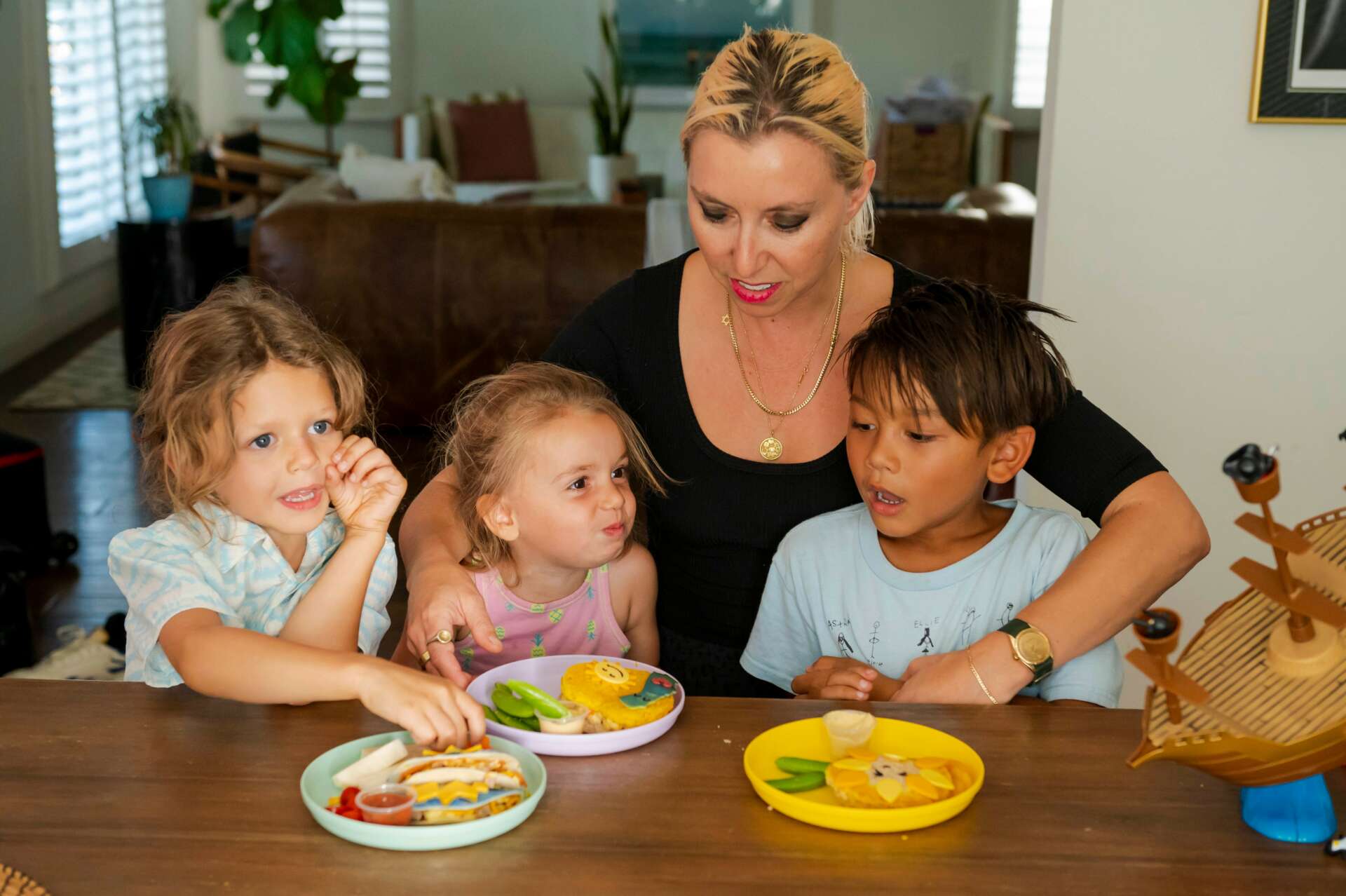
I am a three time entrepreneur and founder. My career really started with Coolhaus Ice Cream, which I co-founded with my wife in 2009. We built that business first through food trucks in cities around the country, then a scoop shop, and then a high-growth grocery business, anchored by Whole Foods, to about 6,000 doors around the country (and more globally today including Hong Kong and Singapore). I was CEO for 13 years – and sold the business to Perfect Day in 2021. The business has actually been sold again to a company called Superlatus, and I’ve now been brought back to advise on Coolhaus alongside the whole portfolio. After selling the business, of course, the entrepreneurial bug did not stay away long… and as a mom of two kids (Remy, 6, and Nico, 3), I became more and more aware of how our kids are eating really poorly – and of course its worse in under-resourced/served communities – but in this country, its pretty bad everywhere. I felt very close to the problem and saw the lack of really value-driven, scalable platforms that could truly partner with the biggest communities where kids eat (schools) to solve the problem. That’s why I created Lunch Bunch. Further, I leaned into my own philosophy about understanding what we are eating in a fun, creative and engaging way will actually drive greater success with inspiring kids to eat better – and making them feel like they are part of the system + have control over their decisions to eat better. This is what led to our enrichments business – which is now the fastest growing part of our business. In terms of what truly sets us apart, like I said we are a platform very much developed to solve a specific problem in a deep and holistic way – I have not seen much else out there like us. But also, for now, we are hyper local – and that makes us very sticky. From our LA Guest Chef program (kicking off with Bricia Lopez, also a mom of two, from Guelaguetza) to being a native myself of LA – so leveraging my personal network of parents, schools, partners (from my Coolhaus days and beyond) – this is a company with big ambitions with a very personal touch. Oh yes, and amidst all of that I started Future Gin, the only queer + women-owned gin brand in the country. I founded Future Gin with Freya and two other friends from the wine/spirits/beverage world. It’s very California-driven and is approachable from a taste and cost perspective.
Does your business have multiple or supplementary revenue streams (like a ATM machine at a barbershop, etc)?
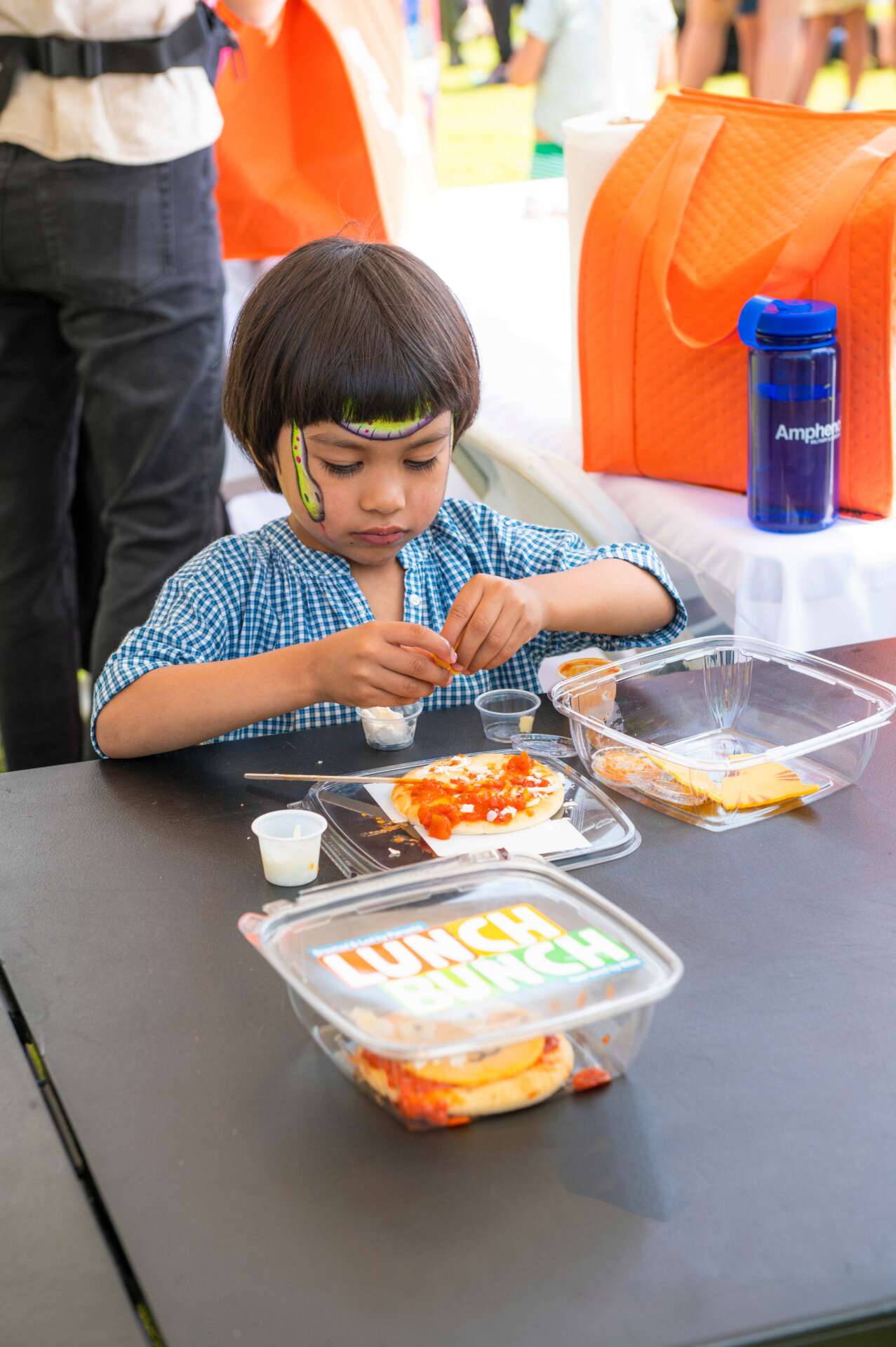
Lunch Bunch has three revenue streams: 1. Meal programs (our original source – although we have pivoted this stream quite a bit – I’ll share more on that) 2. Enrichments 3. School Supportive Services (mainly catering) …our meal programs, which have been around the longest – were formerly delivered directly to customer’s home (DTC business), but we shifted to direct to school partnerships only (B2B) where we can really run and own the food program. We have found much more success with this model – every time we add a school, we are connecting with their entire community (faculty, kids, parents) – aligning with their core values, curriculum and needs. This includes everything from whether individual bento boxes or family style fits best, offering entire vegetarian menus, tailoring menus to age groups, and more. But what we realized in that process is that in order to really succeed with a food program, we must include the kids as participants in the process – where food comes from, how it’s grown, how it’s distributed – and then we see much more buy-in to eating healthy food. So, we started offering expanded learning/enrichment courses in culinary arts, gardening, food entrepreneurship, culinary career-readiness and more. We’ve seen amazing buy-in from schools and aftercare partners from this whole kid model. Lastly, our supportive services complete the holistic needs of a school – we can provide food for everything from Back to School nights to graduations to field trips. We are aiming to be the ‘intuition vendor’ ie go-to partner, for everything involving nutrition in an academic environment.
Can you tell us about a time you’ve had to pivot?
I can get into more details on the pivot from DTC to B2B for our meals. In many ways, I don’t regret that we started with DTC home delivery… and as with any pivot, there is always much to learn from former tactics – and so important to take those lessons forward. I almost look at the DTC stage as a trial period, large scale focus group – in which we could hear from individual families regarding their pain points around packing lunch, their kids eating habits, their own guilt around what they were providing… we learned about favorite dishes, least favorite dishes, portions, colors, how much a kid has to see a meal or individual item to get comfortable with it or how little they do before they get fatigued by it. However, the acquisition costs in the digital space, the difficulty of keeping an individual family happy + inevitably high churn that the entire meal kit delivery business sees, and the cost of delivering door-to-door was not sustainable. At the same time, we had created a very consumer friendly brand with an authentic voice – we had built awareness that we were mom-founded and led – so had a fundamental understanding of core issues arounds kids nutrition, and had started to scale. So, when we turned our focus to school programs, we had strong fundamentals to work with and build from. On top of that, in our B2B business, we have almost no marketing costs, can work with a lean and mean team, and each time we add a school, we add a significant amount of subscribers instead of very slowly when we were going door-to-door. And as I said, a much bigger ability to partner with a community on a deep level.
Contact Info:
- Website: www.lunch-bunch.com, cool.haus
- Instagram: @natashajcase, @joinlunchbunch, @coolhaus
- Facebook: https://www.facebook.com/joinlunchbunch/
- Linkedin: https://www.linkedin.com/in/natasha-case-4508b759/
- Twitter: @coolhaus
- Youtube: https://www.youtube.com/channel/UClLsyX6tCQxaqPiFmQZfGdQ
Image Credits
Lunch Bunch, Miriam Bribiesca