

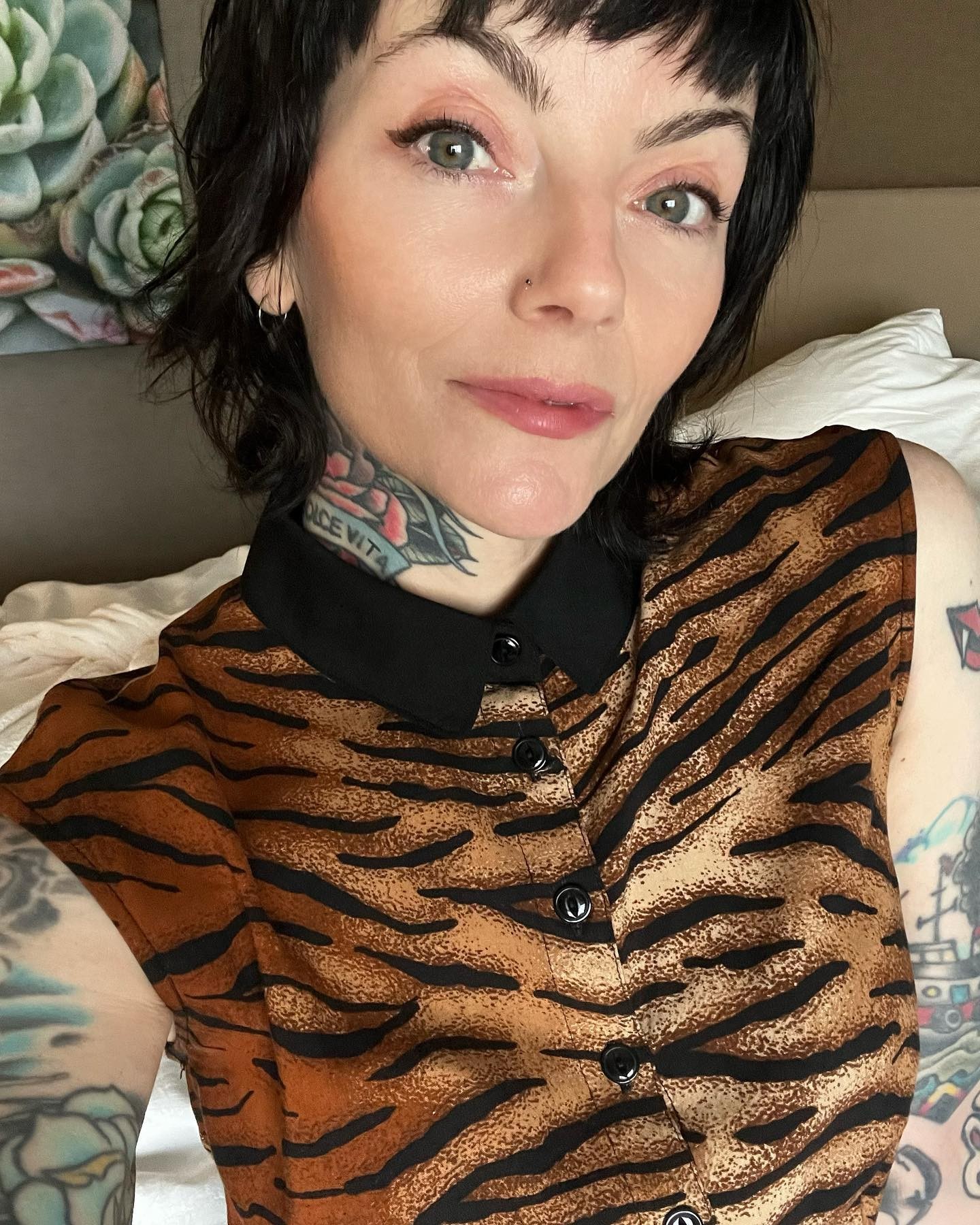

Alright – so today we’ve got the honor of introducing you to Natalie Slater. We think you’ll enjoy our conversation, we’ve shared it below.
Alright, Natalie thanks for taking the time to share your stories and insights with us today. Can you tell us about an important lesson you learned in school and why that lesson is important to you?
I graduated from Columbia College in Chicago where I majored in magazine writing. My professors were all working writers and editors, and our curriculum focused on the art and ethics of crafting a story. We spent years studying the Associated Press Style Book, getting advice on how and where to sniff out a story, learning how to formulate the perfect nut graf (first paragraph)… but we didn’t learn the business of professional writing. We learned some basics about how to write a pitch letter to an editor, but nothing about how to negotiate payment, how and when to invoice, or what to do when a publication didn’t pay what they owed. In fact, a teacher at that very school started her own publication and “hired” students to create much of the content. I was one of them, and after a few months of sending invoices and emails, it became very clear that she had no intention of paying me our agreed-upon rate. I spoke to another professor about the situation, and she interviewed several students who had the same experience. Several interviews with advisory boards later I finally got my paycheck ($450! A fortune for a college student!) and the offending magazine folded.
A few months later, my Trade Magazine professor had concluded a lesson about pitching stories or finding sources, and asked if anyone had any questions. I raised my hand and asked, “How do we get paid?” She spent the rest of class answering questions from senior year journalism students about seemingly one of the most important aspects of any profession – how to make a living doing it.
That was in 2007, and just a few weeks ago that Trade Magazine professor reached out to me to tell me that my question inspired her to add an entire section on how to earn a living as a writer to her lesson plans.
This experience taught me two important lessons: 1) Get paid for your work. 2) Don’t be afraid to ask questions.
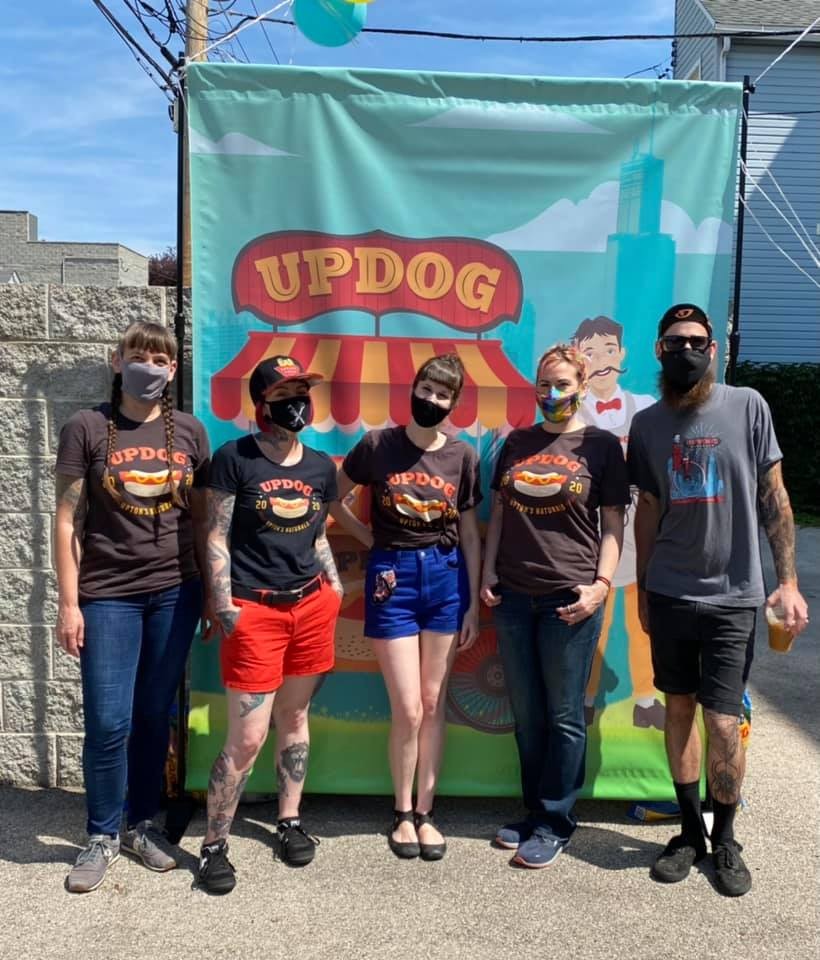
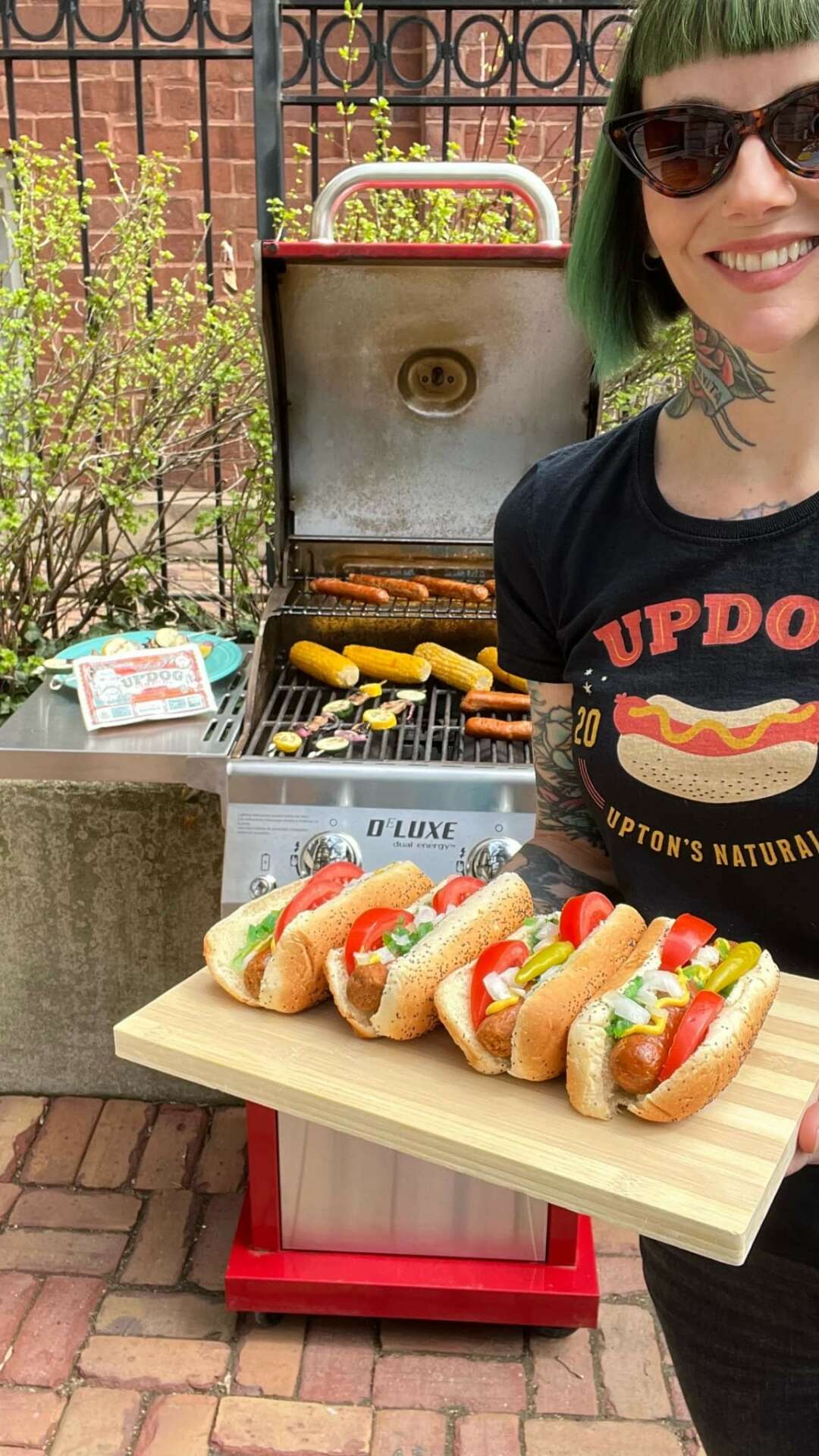
Great, appreciate you sharing that with us. Before we ask you to share more of your insights, can you take a moment to introduce yourself and how you got to where you are today to our readers
Before I decided to go back to school in my mid-twenties, I’d started a baking blog called Bake and Destroy. Subversive recipe blogs are a dime a dozen now, but in 2006 there weren’t many punk rock horror movie enthusiasts blogging vegan recipes and it gained a loyal following. I ended up baking on The Cooking Channel as well as judging the pilot episode of Food network’s Cupcake Wars. I spun this into a successful wholesale baking business, selling vegan desserts to several cafes throughout Chicago.
My true love was writing, though, and I decided to return to college and earn a BA in journalism. I majored in Magazine Writing, but minored in PR Writing. I figured I’d done a decent job of marketing my blog and baking services and it would be an easy A. I’d also served as editor-in-chief of my junior college newspaper several years earlier, and had read a lot of terrible, unengaging press releases in that position. Surely I could do better.
I ended up falling in love with PR writing, trade writing, and my marketing classes. The year I graduated many of the publications I’d hoped to write for folded or downsized, and I took a job in the marketing department of an e-commerce start up. It turned out that writing product copy, corporate blog posts, and consumer email newsletters still scratched my writing itch. It was also a company that sold reusable alternatives for disposable items, and I was interested in our mission to reduce waste.
Over the years I moved from one eco-friendly/natural products brand to the next, taking on various marketing positions with everything from bootstrapped startups to $100,000,000/year legacy brands. When I first started, email newsletters were the king of commerce tools, and no one was worried about competing with Amazon. Over time, social media became more and more relevant, and my own experience of promoting my blog and baking business on social media was crucial to the success of many of the brands I served.
My marketing strategy always starts with authenticity. What is your brand really about? What benefits do your products actually have? How will this improve someone’s life? I don’t buy into fabricated brand voices or wishy washy brand missions. Being authentically myself has always worked for me, and has always worked for the brands I consult with.
Are there any books, videos, essays or other resources that have significantly impacted your management and entrepreneurial thinking and philosophy?
Malcolm Gladwell.’s “The Tipping Point” had a huge impact on me as a marketer. The title refers to the moment when a trend, idea, brand, product, etc,, reaches a point where it goes viral, essentially. His three principles that determine whether or not something will reach this tipping point are: “The Law Of The Few” – social epidemics are created by a small group of people
“The Stickiness Factor” – a phenomenon needs to be memorable to spread quickly and effectively
“The Power of Context” – small changes in the environment can make a big difference in how people act
The Law of the Few portion of the book was particularly eye-opening for me in this age of influencer marketing. It’s really helped me to choose well when I’m looking for folks to help promote my brands.
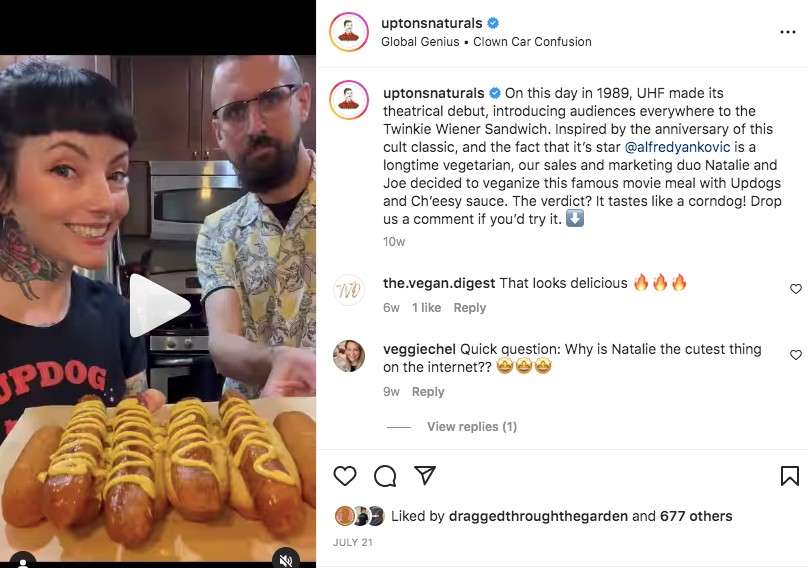
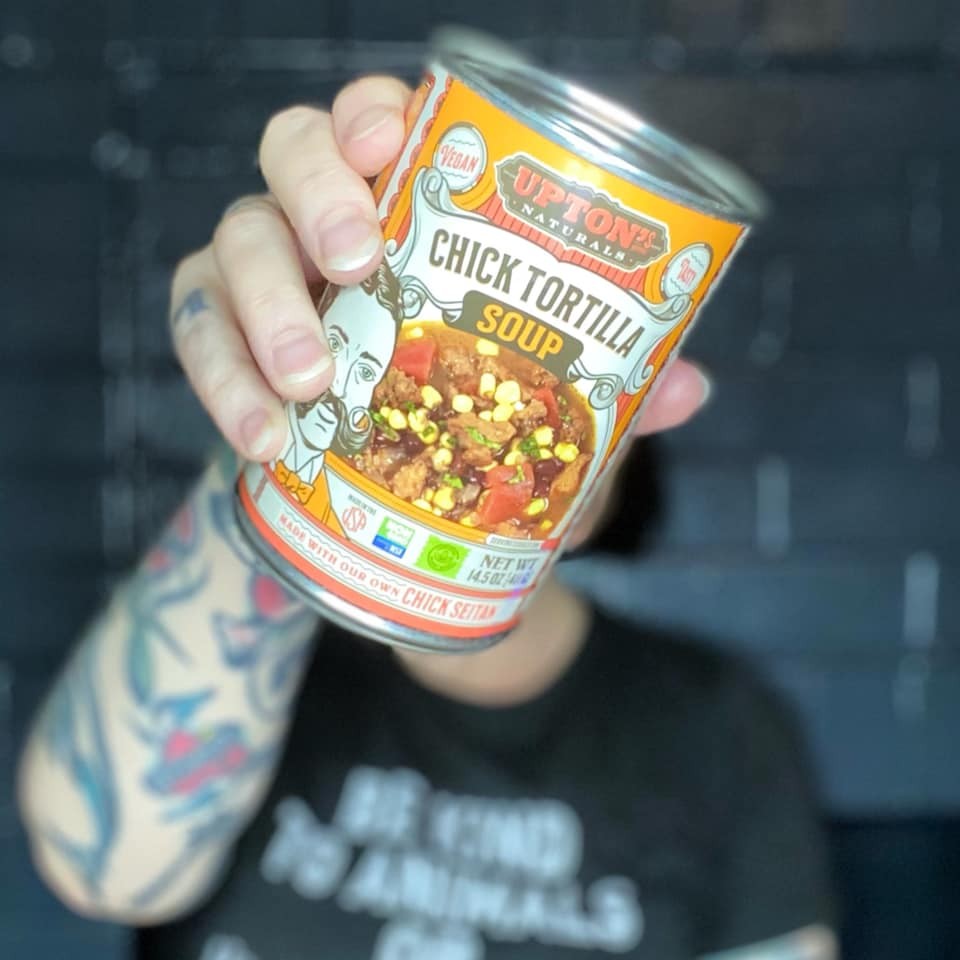
Any insights you can share with us about how you built up your social media presence?
I always encourage brands to keep their audience in mind when creating content – and this includes social media content. What makes you follow a social media account? Probably not posts where they’re constantly trying to sell you something, right? We follow accounts to be entertained, to be inspired to learn something, and sometimes just to feel seen. Treat your audience like you would your friends. Share content that will help them in some way, or make them smile. You wouldn’t stay friends with someone who was constantly trying to get you to join their MLM, so why expect anyone to follow you if all you do is pester them to buy? You won’t always nail it the first time, either. So try a few things, make small adjustments, and when something sticks, keep at it.
Contact Info:
- Website: www.bakeanddestroy.com
- Instagram: bakeanddestroy
- Facebook: facecook.com/bakeanddestroyfans
- Linkedin: https://www.linkedin.com/in/natalieslater/
- Twitter: bakeanddestroy