

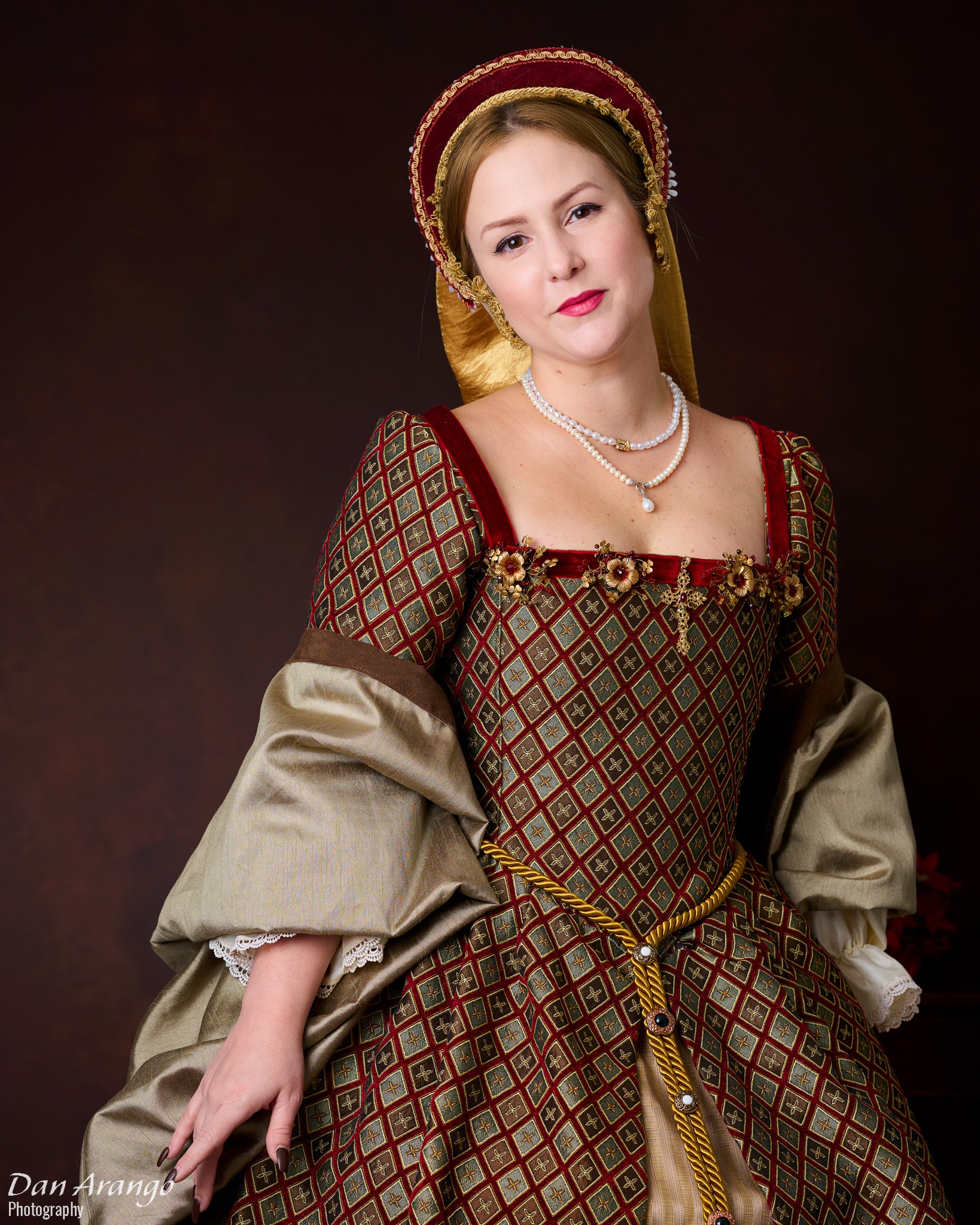

We recently connected with Natalie Hanrion and have shared our conversation below.
Alright, Natalie thanks for taking the time to share your stories and insights with us today. Can you talk to us about how you learned to do what you do?
I began sewing and crafting for as long as I can remember. My grandma used to sew and taught my mother, who in turn taught me. Early on, it was crocheting and needlepoint, and then I remember using my mom’s sewing machine to try making pillows and doll clothes. I didn’t like following patterns and instead liked creating my own designs. In high school, I really enjoyed sewing classes in the home economics offerings and the person who influenced me the most was a sewing teacher who had formerly worked in a blue jeans factory. She taught us how to thread and use sergers and even how to make our own patterns. Before college, the only time I ever dressed up was Halloween, but then once at college, I discovered the world of themed parties (which I took entirely too seriously, spending weeks on a costume). Around this time was also when I started to discover endless Internet resources to help me figure out how to troubleshoot sewing hurdles. After college, I moved to the Washington, D.C. area to work for the federal government, which is where I met friends who were into dressing up for renaissance festivals and comicons. I also think my love of costumes came from my mom making all of our Halloween costumes. She would take us to the fabric store, and my sisters and I would flip through all of the pattern books and pick out what we wanted her to make for us.
To speed up the learning process, I’m not sure there’s much more I could have done, with the exception of more formal training and possibly having pursued a career in sewing early on. Costume design/making had never crossed my mind as possible to do as a full-time career, so instead I went to college for social science with the aspiration to work in federal government. Having grown up in poverty, I was so focused on pursuing a career of financial stability and hadn’t truly given art a chance (although I was a fine arts major my first year of college).
The most essential skills, in my opinion, are knowing how to use a basic sewing machine and understanding how to make patterns, or at least how to modify existing patterns. Making a mock-up, or in other words a “practice garment” with cheap fabric is an essential sewing skill when making clothing. I oftentimes keep many of my mock-ups and use these as patterns for future garments because it saves me all the time I had spent patterning. In my early high school sewing classes, we also learned about different silhouettes that flatter certain body types, as well as colors that enhance certain complexions and hair colors. I think having that knowledge is also important for every project–a good eye for shapes and colors.
As for obstacles in the way of learning more, the main obstacle was that I didn’t originally pursue costume design full time. However, I don’t regret this. Any free time outside of my job for many years, I was sewing and creating. After being asked to do commission work more and more, I started my LLC as a side hustle in 2017. This flexibility of having a dependable full time income allowed me to learn and make mistakes, without it impacting me financially. I left federal government about a year and a half ago for a fully remote healthcare IT job, which allows me even more personal time back to sew. Instead of commuting into the city roundtrip 2-3 hours per day, I get that time back for myself. I’d love to sew full time some day, but for now, scaling up my business a little bit year by year, has been satisfying.

Natalie, before we move on to more of these sorts of questions, can you take some time to bring our readers up to speed on you and what you do?
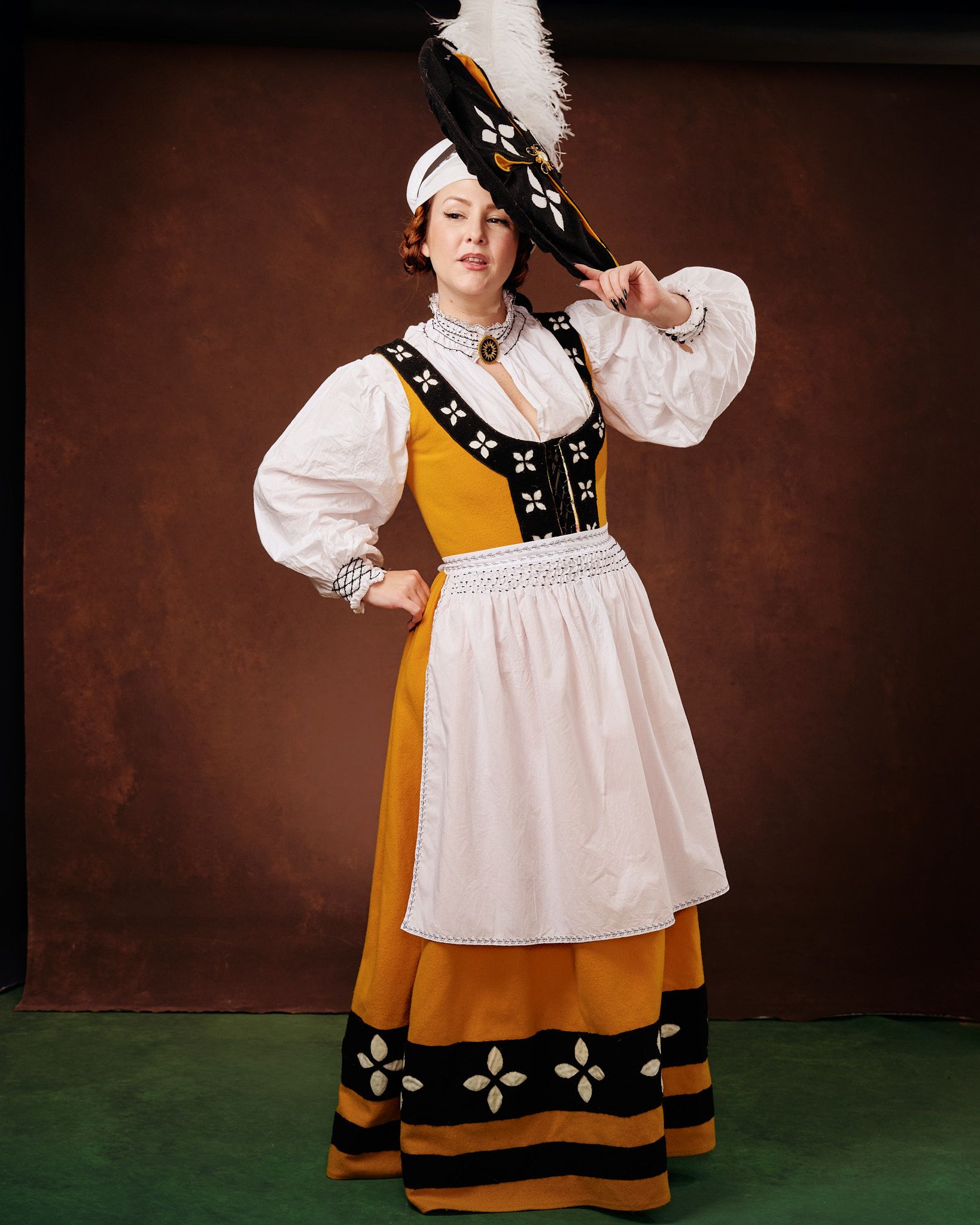
It took me a long time to narrow down my passion. My mother was into sewing and crafting and my biological father was a true Renaissance man–painting, drawing, photography, carpentry, cake decorating, etc. They were both the type of people who could see something and think, “I can make that.” So I think that’s where my art influence came from. In high school, I used to paint murals, which turned into a side gig from my high school teacher recommending me to local residents for their mural needs. But it wasn’t until college that I learned my love for making costumes, and it wasn’t until about 2020 when I finally narrowed down my true passion–making historically-inspired costumes. It was all about trying a little bit of everything and figuring out what brought me the most joy.
I think what sets me apart from other costume makers is that I love finding unique, one-of-a-kind thrifted or vintage items, which inspire my costume designs. I’ll walk into a flea market, see a gaudy costume necklace, and it will instantly inspire a costume in my mind. And then I’ll go home and dismantle the jewelry for my design. Or I’ll go to an estate sale and see a bolt of fabric leaning in the corner of the room and know exactly what kind of costume I’m going to make with it. My materials influence my designs. I also like doing this because I feel good about upcycling items and creating as least waste as possible.
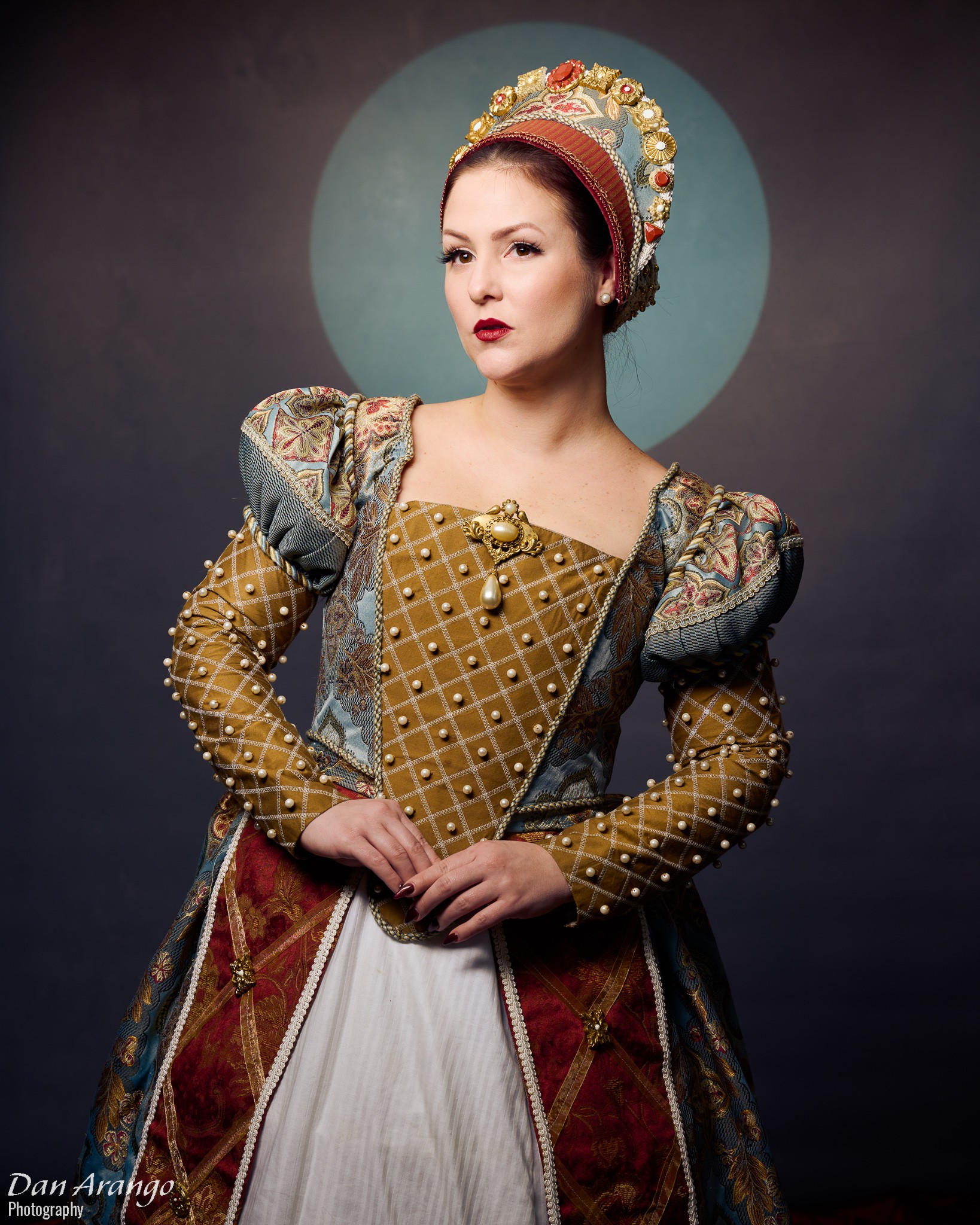
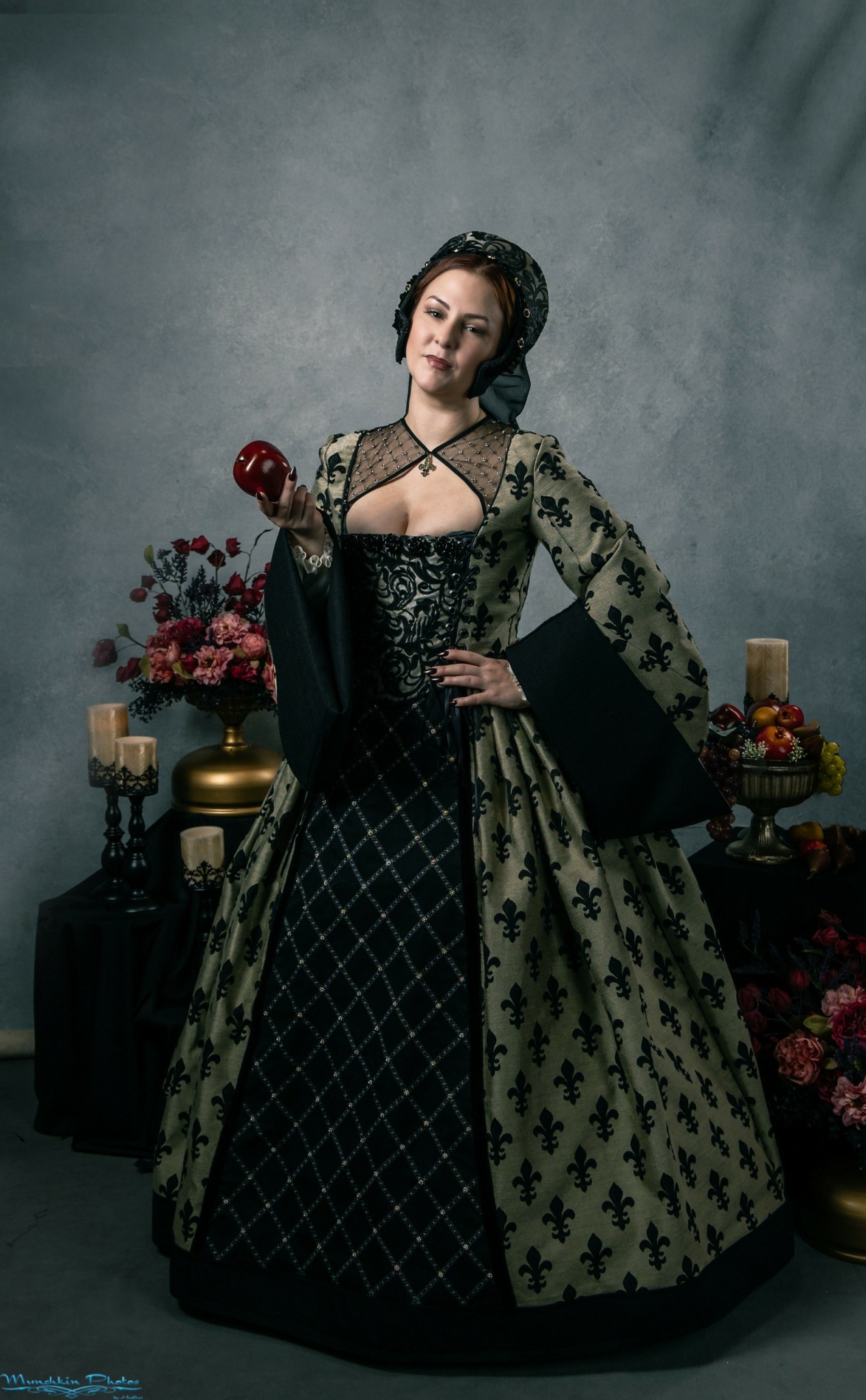
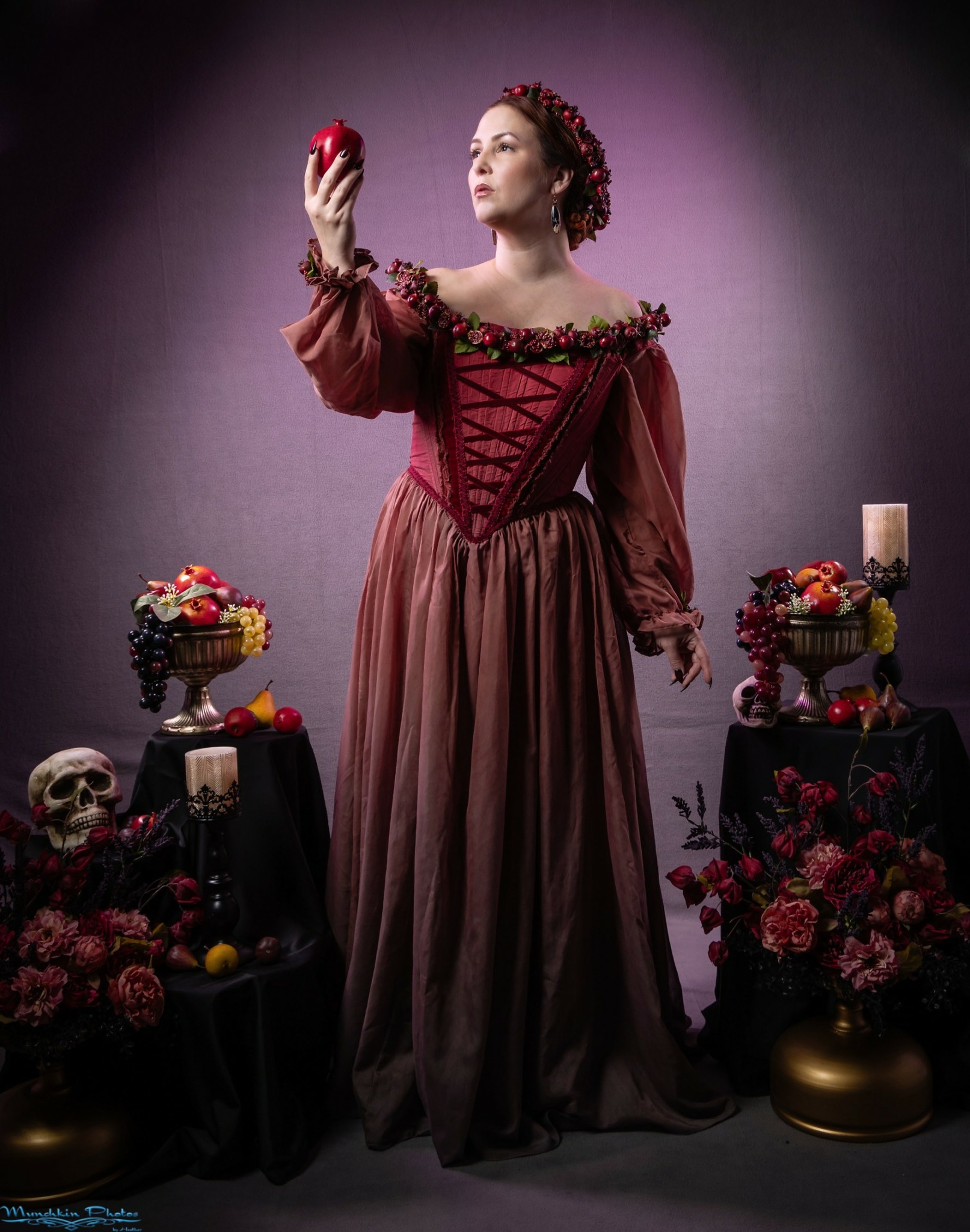
As far as what I’m most proud of, I would have to say that’s my ability to design and make a full look. What I mean by this is that I rarely make and sell individual pieces; I’m delivering a complete look. From the headpiece, to the accessories, to the skirt, and the top–I like to deliver the whole aesthetic and vision. On occasion, there are pieces I don’t part with, which are usually vintage or custom-made hats, but I sell all the hats I make myself with the costume they were designed to be with. I’m also very proud of my ability to match up certain patterns and colors and fabric textures.
How did you build your audience on social media?
I hate to say this, but I started off building my social media audience by chasing what was trending and popular at the time. But it worked really well. In my defense, though, I wasn’t sure who I was and wanted to be as a costume maker, so it was easy to latch onto this as a target. For example, if I knew a bunch of Marvel movies were supposed to come out, I made a bunch of those character costumes and used those soundtracks and hashtags. My social media accounts grew exponentially. However, as I started to figure out what I loved to make most, it was the complete opposite–I lost followers and my accounts stopped growing.
It wasn’t until the past six months that I took a hard look at what I was doing well, and tried to incorporate that into my current original design work. My audience on social media seemed to really like my tutorial videos and “get ready with me” videos (which show all the different layers of a costume). So now I make my own original designs that I love and then I try to do it in the formats that seem the most liked, and then of course try to incorporate trending music (because that actually really does help reach, I’ve experienced).
Can you share one of your favorite marketing or sales stories?
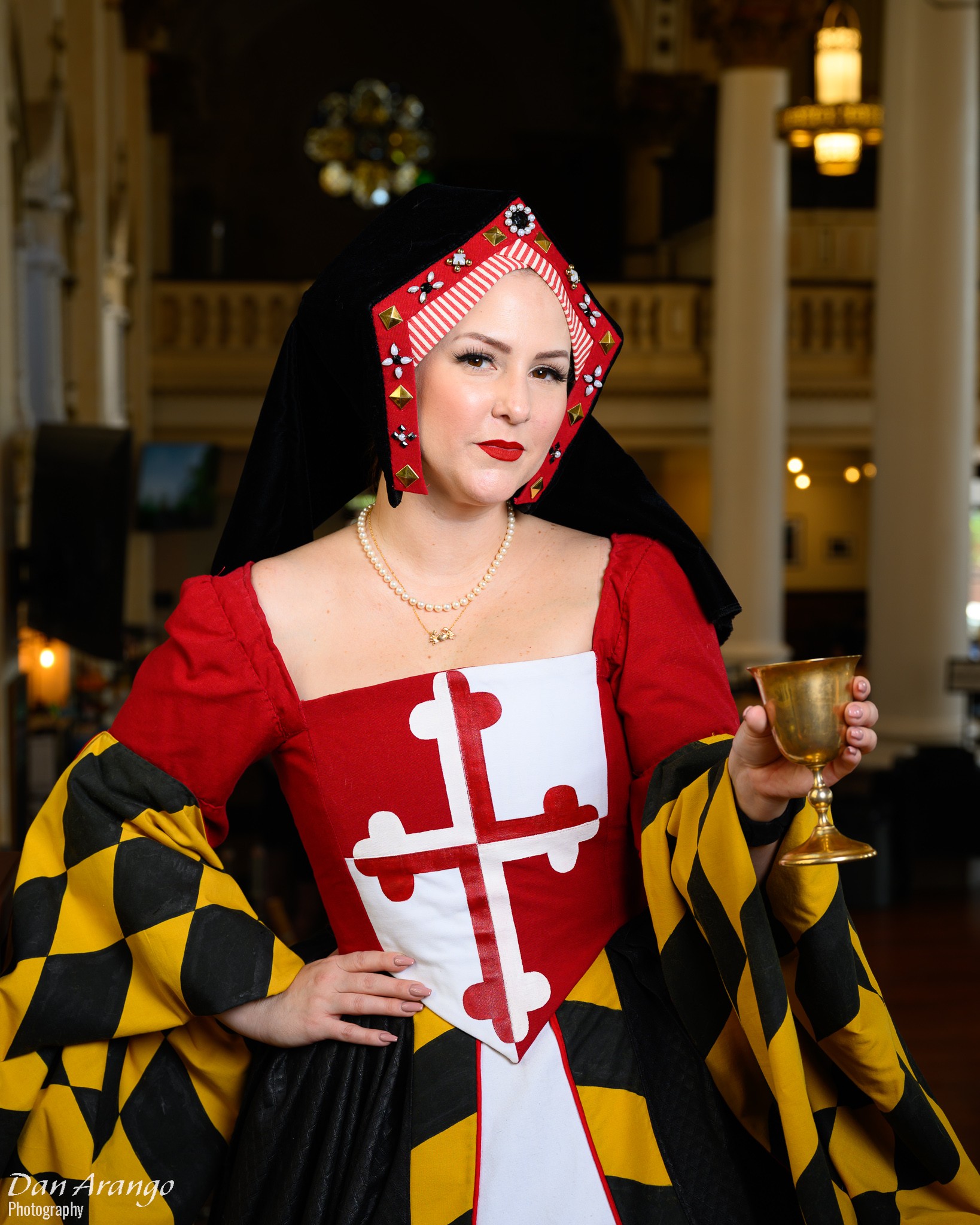
One of my favorite events to attend every year is the Maryland Renaissance Festival (MDRF). Although I live in Virginia, I’ve always loved the design of the Maryland flag, which is featured all over the festival. Even beyond the festival, it is a massive understatement to say that Marylanders love their flag. I decided two years ago that I was going to make a Tudor-style fancy renaissance dress, but do a Maryland flag version. Since it was so unique, I ended up hand painting about 80% of all the fabric before assembling it.
I knew it would be popular, but had no clue how much it would blow up. When you do something, and do it very well, your audience actually helps you amplify it. I posted a picture of it in a Facebook social group that I’d be wearing it that season. From there, people not only shared it in Maryland flag Facebook groups, but also recommended other places I should share it. Then by the time I wore it that season, I was hearing, “I saw you on TikTok,” or “Are you that viral Maryland flag dress girl?” Wait a minute–is my work actually considered viral?
From this experience, I learned to find a fun theme, do it really well, and then figure out advantageous places you could amplify it. From there, the audience amplifies it. That dress resurfaced in popularity the following year when I decided to sell it at a Renaissance garb yard sale. Someone took a photo of it on a mannequin in my booth with words along the lines of, “Can you believe the famous Maryland dress is for sale?” And then there was all sorts of online chatter aghast that I’d sell it or speculation about how much it sold for. That was probably my most memorable project to date.
Contact Info:
- Website: https://www.nataliehanrion.com
- Instagram: https://www.instagram.com/nataliehanrion/
- Facebook: https://www.facebook.com/natarchaic
- Youtube: @nataliehanriondesigns
- Other: https://nataliehanrion.blog
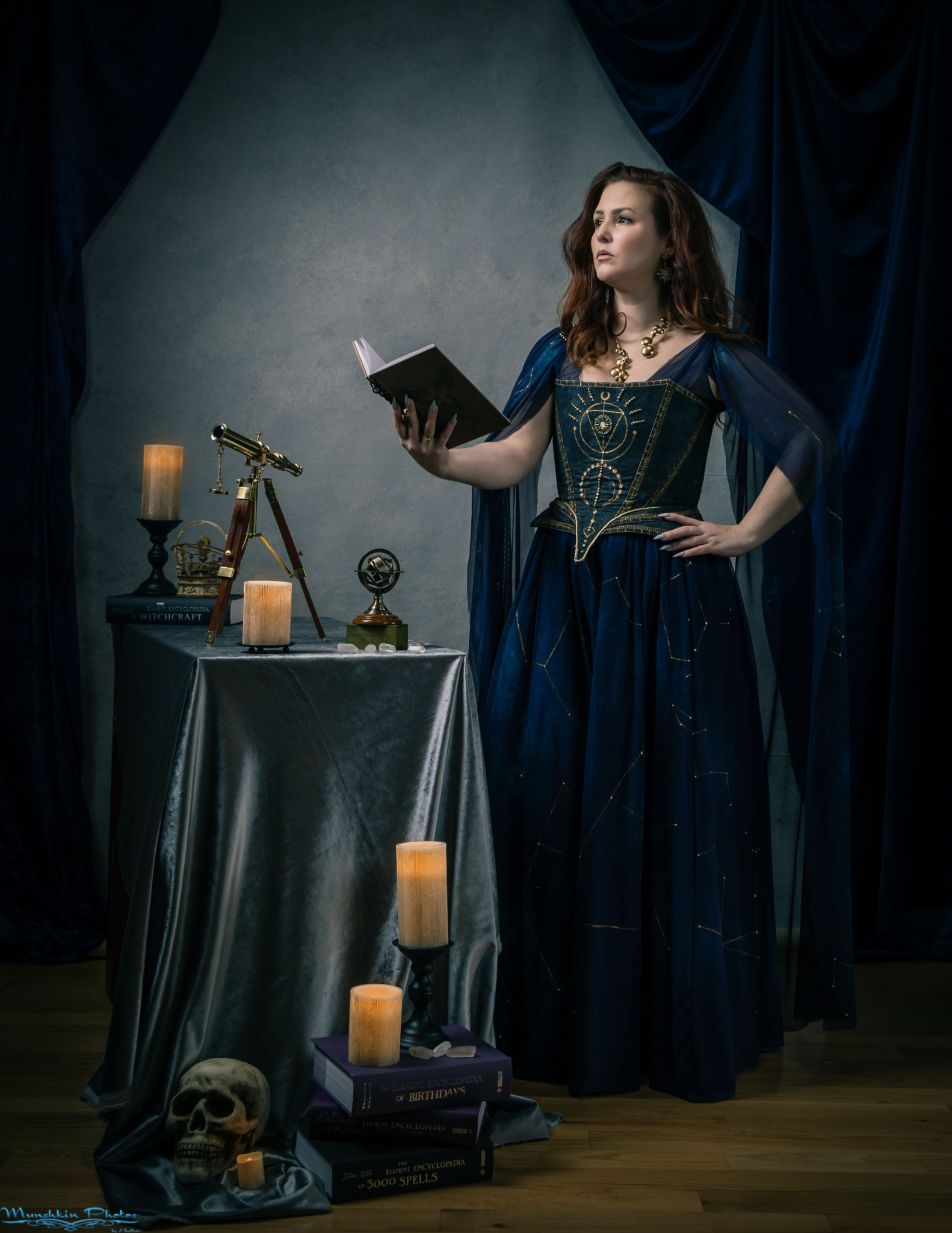
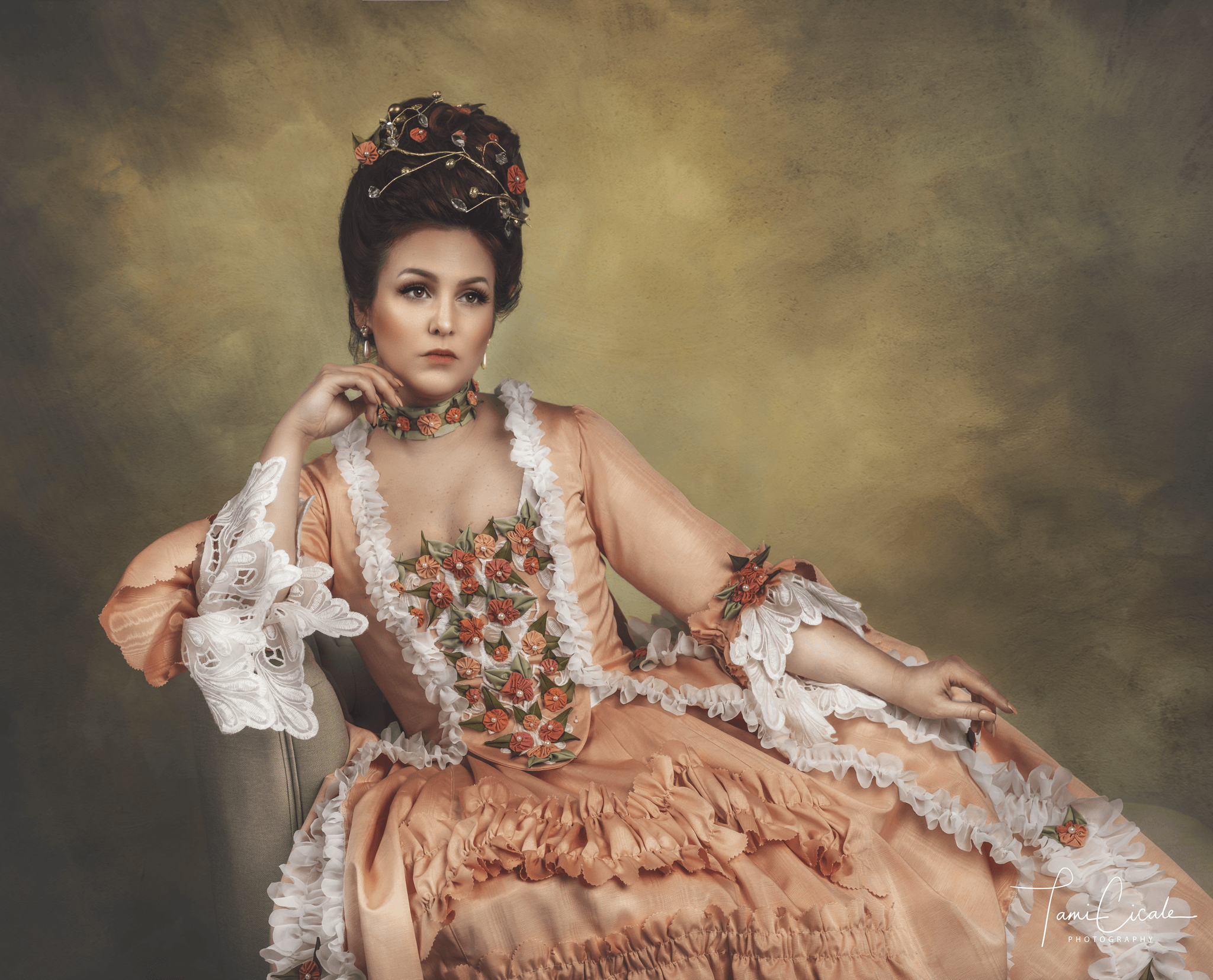
Image Credits
Dan Arango Photography
Munchkin Photos by Heather
Tami Cicale Photography