



We recently connected with Naomi Hattaway and have shared our conversation below.
Naomi, appreciate you joining us today. Let’s start with a fun one – what’s something you believe that most people in your industry (or in general) disagree with?
I believe that board chairs (and other board members of nonprofits who are active voting members) should never serve as an interim executive director of the organization. There are limited situations where I believe it can be helpful and even strategic to ask a *former board member to serve as interim, but I feel strongly about current board members staying out of the role of interim.
Often organizations will suggest the board chair serve as interim, however this leaves the organization at risk for a bifurcated set of responsibilities when the board chair needs to stay consistent with board chair duties at the same time they are leaning into the big role of holding space for the team, the work of the org, and the necessary goals and metrics being reached. These are two very different roles: board chair and executive director.
Inviting a current board member as interim can create the following issues:
– Too many fingers in the pie
– Lack of devotion to the task of interim
– Staff relationships are forever impacted
– Board duties / governance priorities wane
– Too insular / protective (often comms grinds to a halt, no one is focused on ALL aspects of the org)
– Usually TOO focused on just the finances and stability of org – to the detriment of community, staff, and reputation
– Internal document organization system should not be fully accessible to board
It doesn’t matter how lovely and down to earth the board member is, or how much nonprofit expertise they’ve had in the past, a board member still comes with an innate and inherent power structure over the staff.
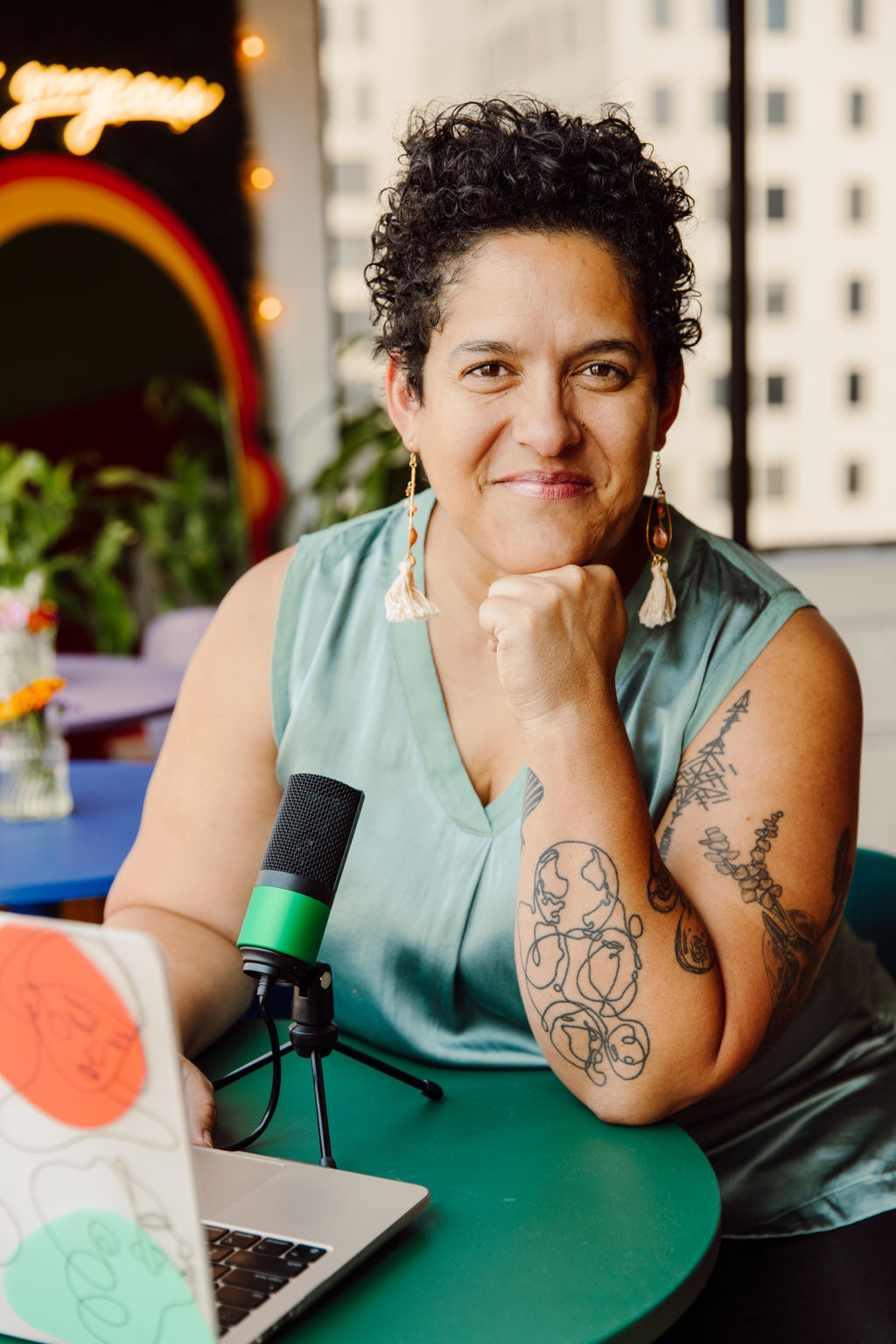
Great, appreciate you sharing that with us. Before we ask you to share more of your insights, can you take a moment to introduce yourself and how you got to where you are today to our readers.
I support organizations to do better about the reality that People Leave™️, primarily through interim executive leadership (supporting organizations who have gaps in leadership due to family leave, sabbaticals, retirement, resignations, terminations, and long-term disability or death), succession planning, and board development.
My love languages are accountability, tattoos, and really good playlists! I also believe the following three cultural practices are the true work of mission-driven orgs and their leaders:
1. Accountability as a gateway to courageous conversations. Accountability is the process of doing what we say we’re going to do, and is also the act of planning and creating space for the courageous conversations we need to have. Conversations around boundaries, about capacity, and how we can create an environment of stability and safety for ourselves and others. My work supports people and organizations to grow into their acceptance and ownership of accountability, so the implementation of radical and necessary leaving well practices can be embedded into organizational culture as a foundational norm.
2. Kindness no longer being conflated with niceness. There’s magic in kindness. We can fix so much both personally and professionally by simply being kind and showing up. But, what if kindness has nothing to do with niceness? And what if in the pursuit of being nice, we’re putting more stress on ourselves and our workplace culture? I believe kindness is about integrity and values, and focuses our actions on impact. Niceness prioritizes self, short-term results, and people-pleasing behaviors. When we (or our team members) focus on niceness, we miss out on the opportunity to stay mission-focused, and bypass the power of collaboration.
3. Replacing the fallacy of “empowerment” with the reality of “quiet power.” Prioritizing “empowering” those around us seems amazing at first, and the heart and intention behind it surely is. But what if I told you that usually when we ‘empower’ others, we are simply trying to bestow “loud power” on others, or minimize the power they already possess? My work helps activate the quiet power of teams, resulting in a major impact on the environment/culture when it comes to workplace transitions and the reality that people leave. Everyone can play a part in creating a healthy workplace transition culture, no matter the job title or level of assumed power they may hold.
How’d you build such a strong reputation within your market?
There are so many components to building trust and reputation. I really prioritize consistency, accountability to my work, a bit of courage, and an intention to always be kind. There is also a lot about reputation that is outside of our control. All we can do is focus on how we show up in the world! However, there is something valuable about boldly asking for business. Go beyond vaguely posting on social media, and let your network know you have upcoming openings or ask for referrals from past clients. Become better at making the ask by practicing!
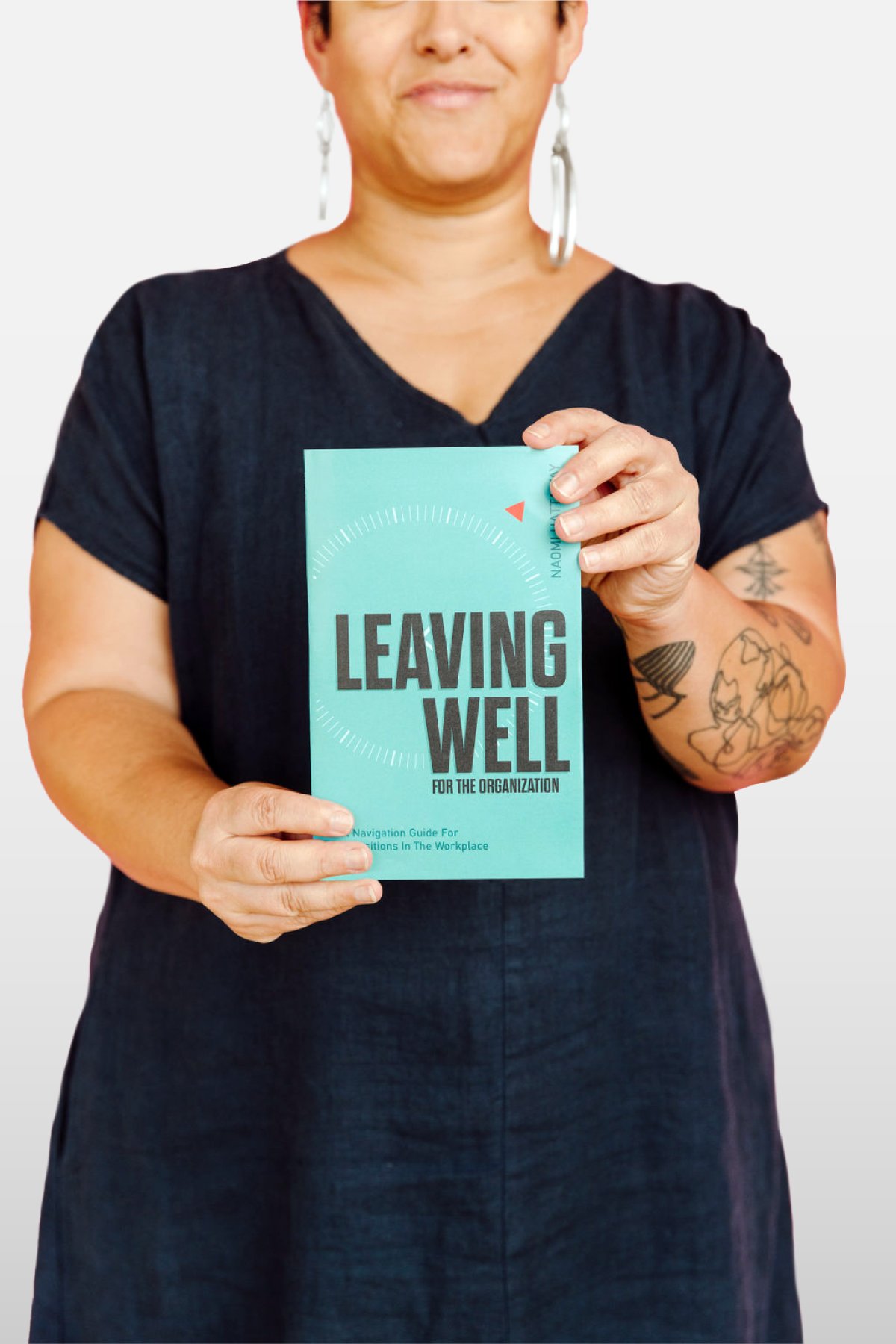
Are there any books, videos or other content that you feel have meaningfully impacted your thinking?
The Power of Onlyness by Nilofer Merchant is such an encouragement, and has been a huge help in my journey of belonging and finding my place. I also very much appreciate the work of Jaiya John.
Contact Info:
- Website: https://naomihattaway.com
- Instagram: https://instagram.com/naomihattaway
- Linkedin: https://linkedin.com/in/naomihattaway
- Youtube: https://www.youtube.com/@LeavingWell
Image Credits
Daniel Patrick Muller