

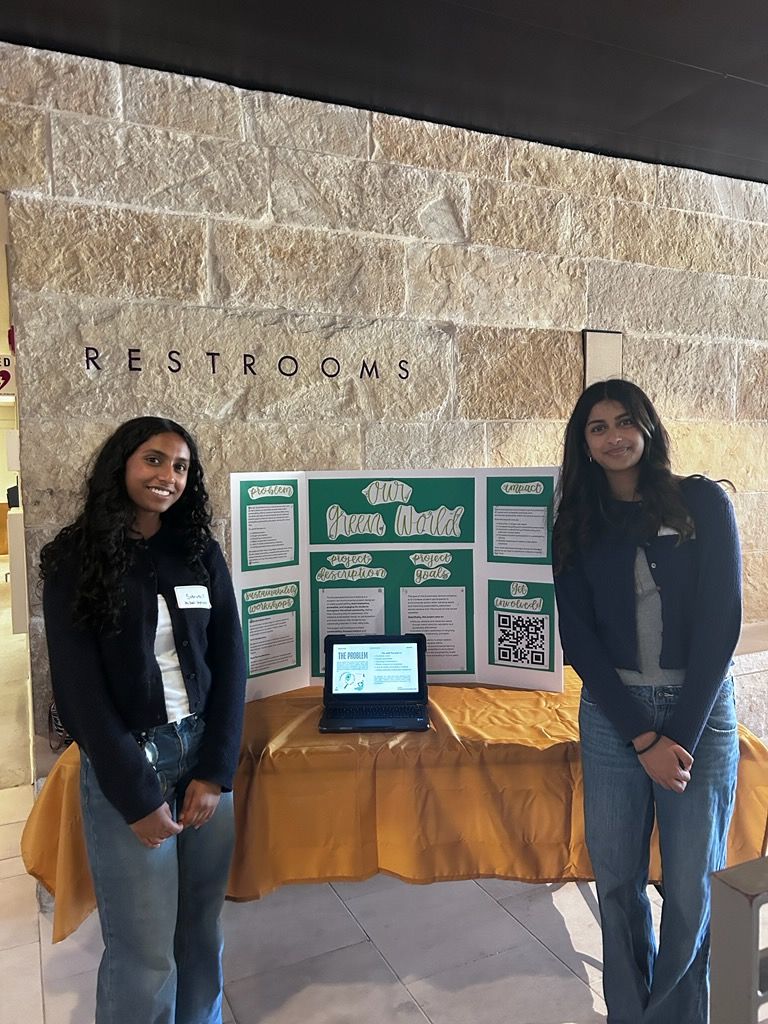

We recently connected with Nanditha Vedula and have shared our conversation below.
Nanditha, thanks for joining us, excited to have you contributing your stories and insights. Coming up with the idea is so exciting, but then comes the hard part – executing. Too often the media ignores the execution part and goes from idea to success, skipping over the nitty, gritty details of executing in the early days. We think that’s a disservice both to the entrepreneurs who built something amazing as well as the public who isn’t getting a realistic picture of what it takes to succeed. So, we’d really appreciate if you could open up about your execution story – how did you go from idea to execution?
Our Green World started from a pretty simple realization: a lot of people care about environmental issues, but many students feel like sustainability is either too overwhelming or too disconnected from their daily lives. I kept seeing conversations around climate change that focused only on massive global problems, and I wanted to create something that made environmental action feel more approachable and community-driven.
At first, it honestly just started as brainstorming ideas and talking with friends about small ways schools and students could get more involved. I began researching youth-led nonprofits, sustainability campaigns, and local environmental initiatives to figure out what was actually effective and what gaps existed. One of the biggest things I realized early on was that people were much more likely to participate when actions felt realistic and collaborative instead of guilt-based.
From there, I started building the foundation piece by piece. I worked on the name, mission statement, branding, and social media presence, while also figuring out how we could turn online awareness into real-world impact. In the beginning, a lot of it was trial and error. Some ideas worked immediately, while others had to be completely redesigned.
As we grew, the focus shifted from just posting environmental content to creating actual systems for involvement. We started developing chapter structures, student ambassador programs, workshops, and community events so students could bring sustainability initiatives directly into their schools and neighborhoods. That also meant learning leadership, outreach, and organization very quickly — everything from communicating with volunteers to reaching out to potential partners and planning events.
One of the biggest turning points was realizing that growth came from empowering other students to lead. Instead of trying to do everything ourselves, we focused on creating resources and opportunities that made it easier for other people to take initiative in their own communities. Over time, that helped Our Green World expand beyond just a small idea into a larger student-led movement focused on making sustainability feel accessible, practical, and community-centered.

As always, we appreciate you sharing your insights and we’ve got a few more questions for you, but before we get to all of that can you take a minute to introduce yourself and give our readers some of your background and context?
My name is Nanditha Vedula, and I’m the founder of Our Green World, a student-led organization focused on making sustainability more accessible, practical, and community-driven. I’ve always been interested in the intersection of environmental science, health, and education, and over time I realized that many students care about environmental issues but often don’t know how to turn that concern into action. A lot of sustainability messaging can feel overwhelming or unrealistic, especially for younger people, which inspired me to create something that focused on small, achievable actions that people could actually incorporate into their daily lives.
What started as a simple idea gradually grew into a larger initiative involving sustainability workshops, student-led projects, school outreach, and community engagement. Through Our Green World, we work to provide students with opportunities to take part in environmental action in ways that feel collaborative and approachable. We’ve focused on initiatives like educational campaigns, sustainability challenges, community events, thrift-flip workshops, and chapter-based leadership opportunities that encourage students to bring environmental initiatives into their own schools and communities.
I think what sets our organization apart is the way we frame sustainability. Instead of focusing only on large-scale problems, we emphasize consistency, accessibility, and community impact. We want people to understand that sustainability is not about being perfect, rather it’s about making intentional choices and building habits over time. A major part of our mission is creating an environment where students feel empowered rather than intimidated by environmental action, because long-term change happens when people feel like they can genuinely participate and make a difference.
One of the things I’m most proud of is seeing other students step into leadership roles and create change within their own communities. Watching ideas that started as conversations grow into real initiatives, events, and collaborations has been incredibly rewarding. More than anything, I want people to know that both my work and Our Green World are rooted in the belief that meaningful impact often starts with small actions, strong communities, and people who are willing to take the first step toward change.

Any insights you can share with us about how you built up your social media presence?
Building the social media presence for Our Green World was honestly a gradual process of experimentation, consistency, and learning what actually connected with people. In the beginning, we started by sharing simple sustainability content and educational posts, but over time I realized that people engage much more with content that feels practical, relatable, and community-oriented rather than overly polished or fear-driven. A lot of our growth came from focusing on accessible environmental actions, interactive challenges, student involvement, and content that encouraged people to participate instead of just observe.
One of the biggest things that helped us grow was consistency. Even when engagement was slow at first, we kept posting regularly, trying different formats, and paying attention to what resonated with people. We also focused heavily on creating content that was visually engaging and easy to share, especially on platforms like Pinterest and Instagram. Collaborating with students, organizations, and local initiatives also played a huge role because it helped us build a stronger sense of community rather than treating social media as just a numbers game.

How do you keep your team’s morale high?
One of the biggest things I’ve learned while leading Our Green World is that people are much more motivated when they feel genuinely valued and included in the mission. Managing a team is not just about assigning tasks, instead it’s about creating an environment where people feel comfortable sharing ideas, taking initiative, and knowing their work matters. Especially in student-led organizations, everyone is balancing school, extracurriculars, and personal responsibilities, so flexibility and understanding are really important.
I also think communication plays a huge role in maintaining morale. Clear expectations, regular check-ins, and making sure people feel heard can prevent a lot of stress and confusion. Something I’ve found helpful is giving team members ownership over projects they are passionate about rather than micromanaging every detail. When people feel trusted and connected to the work they are doing, they become much more invested in the organization as a whole.
Contact Info:
- Website: https://ourgreenworld.wixsite.com/earth
- Instagram: https://www.instagram.com/_ourgreenworld/?hl=en
- Linkedin: https://www.linkedin.com/company/our-green-world
