

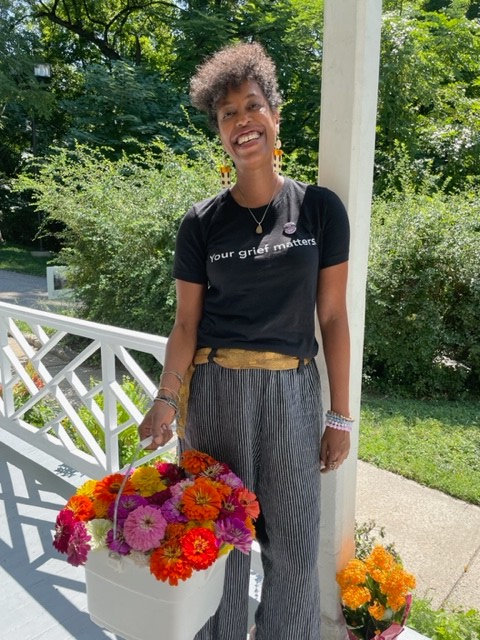

We were lucky to catch up with Naila Francis recently and have shared our conversation below.
Naila, thanks for joining us, excited to have you contributing your stories and insights. We’d love to hear the backstory behind a risk you’ve taken – whether big or small, walk us through what it was like and how it ultimately turned out.
I got my degree in journalism. It’s the only thing I ever thought of doing given my love of writing. I spent most of my career writing for daily newspapers in the Philadelphia area. My last job was as an arts & entertainment reporter interviewing artists, creatives and performers from all walks of life, including Pink, James Earl Jones, Elizabeth Gilbert, Idina Menzel, India.Arie, Brandi Carlile and more. I also had my own column called Life in LaLa Land, which was such a gift to write. One day, one of our municipal/school board reporters quit and rather than hire someone to fill the position, I was asked to “temporarily” step into his vacated position. Everything in me rebelled at the thought. I had done that kind of reporting earlier in my career and it had made me think I should leave journalism altogether. There was no way I was returning to covering school board and township meetings, working late-night shifts writing stories about taxes and development plans.
So I quit. I didn’t have a plan. I didn’t even have an updated resume. But what I did know, and what I did say to my editor when he told me the news was, “this will make my soul wither.” It was time for a change. I found rather quickly and surprisingly what I called my “temporary parking spot job,” writing e-commerce copy for a party goods supplier. After a year, I was hired as a greeting card writer by a woman I’d long admired who ran her own studio in the Philly area. It was while there, working around creative individuals every day, people who weren’t afraid to dream, who celebrated risks, who unapologetically claimed themselves as artists, that I stumbled into the world of grief and death care. I became certified as a grief coach and death midwife while still working full-time as a greeting card writer. The more time I spent holding space for grieving individuals, the more that felt like a true calling. I knew I had to make another leap, to leave the safe and familiar world of working for someone else to do what lit me up on my own terms.
I struck out on my own, with so much affirmation and encouragement from loved ones. Their belief in me and certainty I was doing what I was meant to do empowered me for the road ahead.
Great, appreciate you sharing that with us. Before we ask you to share more of your insights, can you take a moment to introduce yourself and how you got to where you are today to our readers
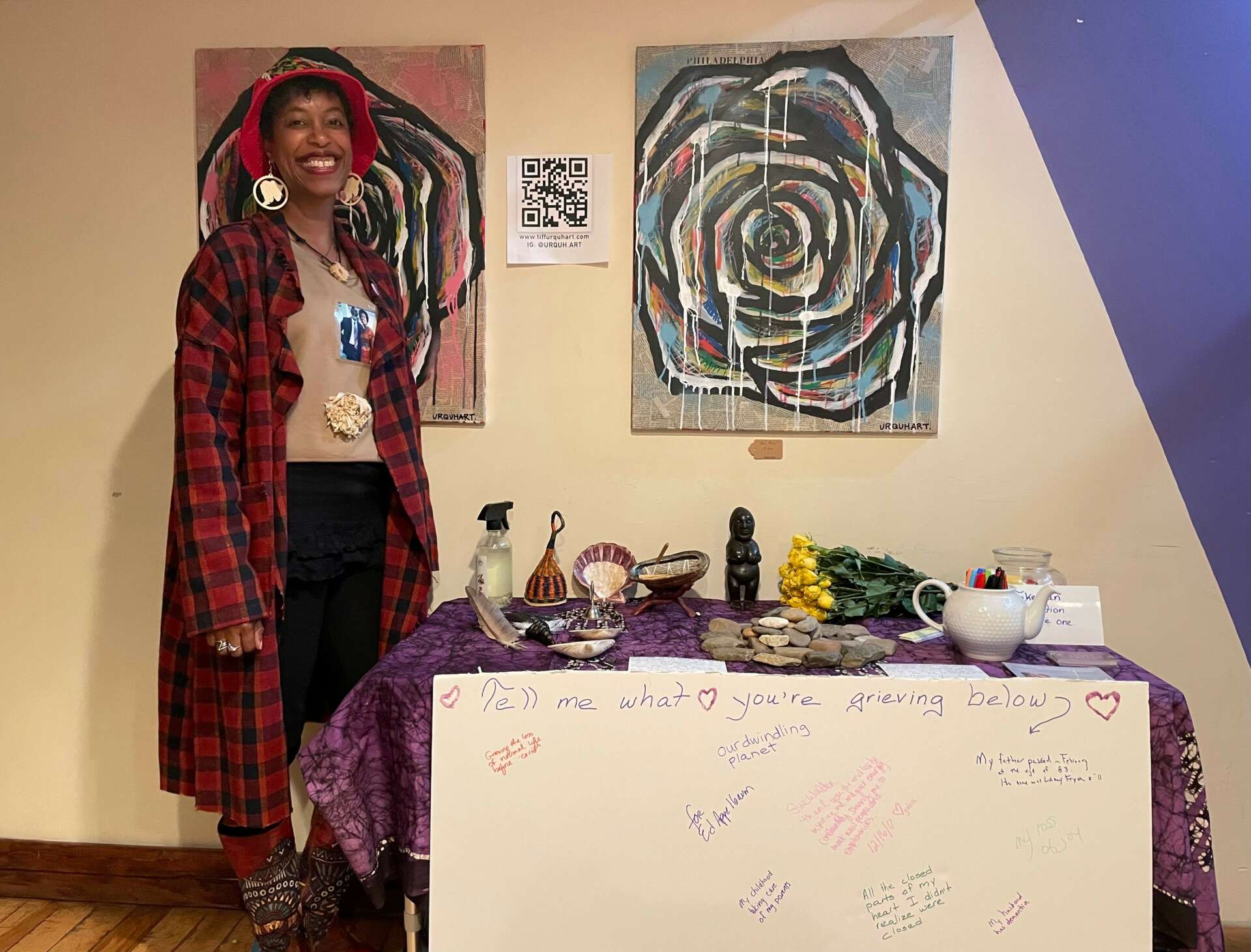
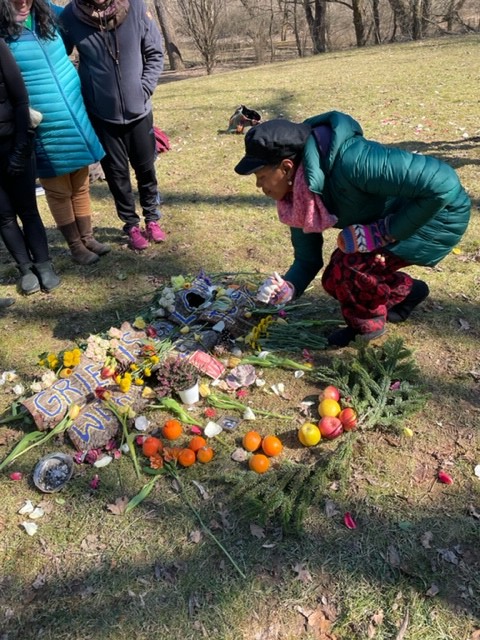
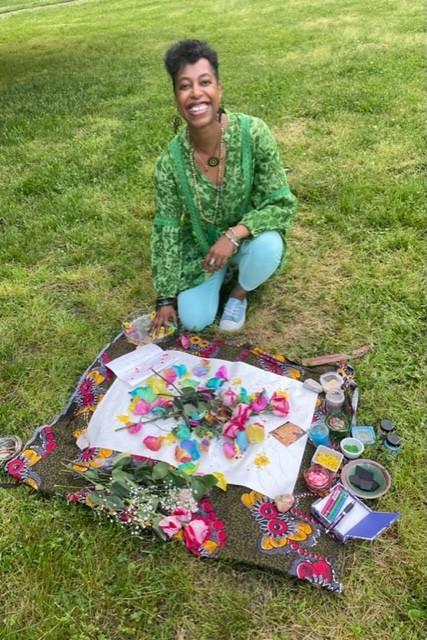
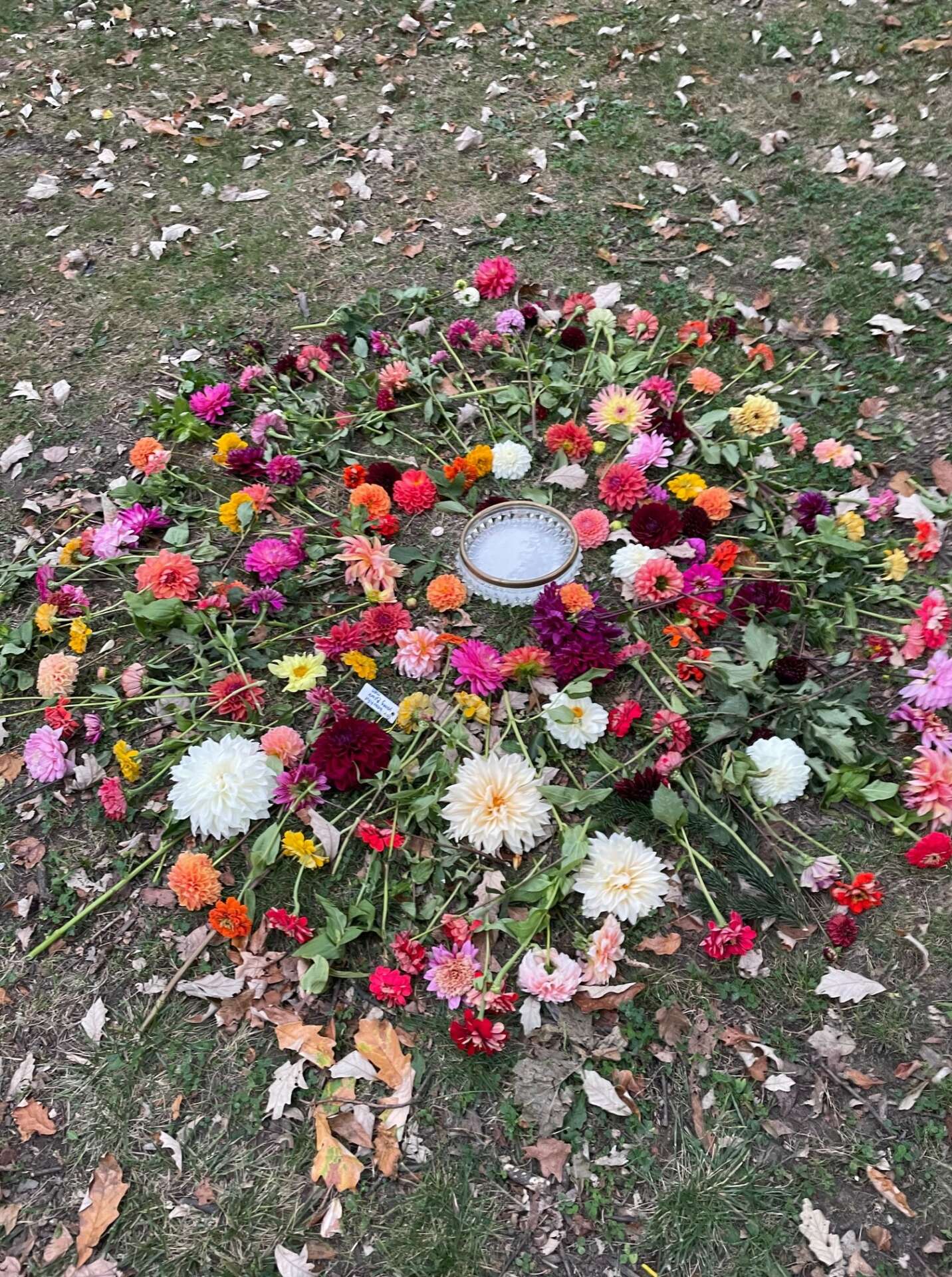
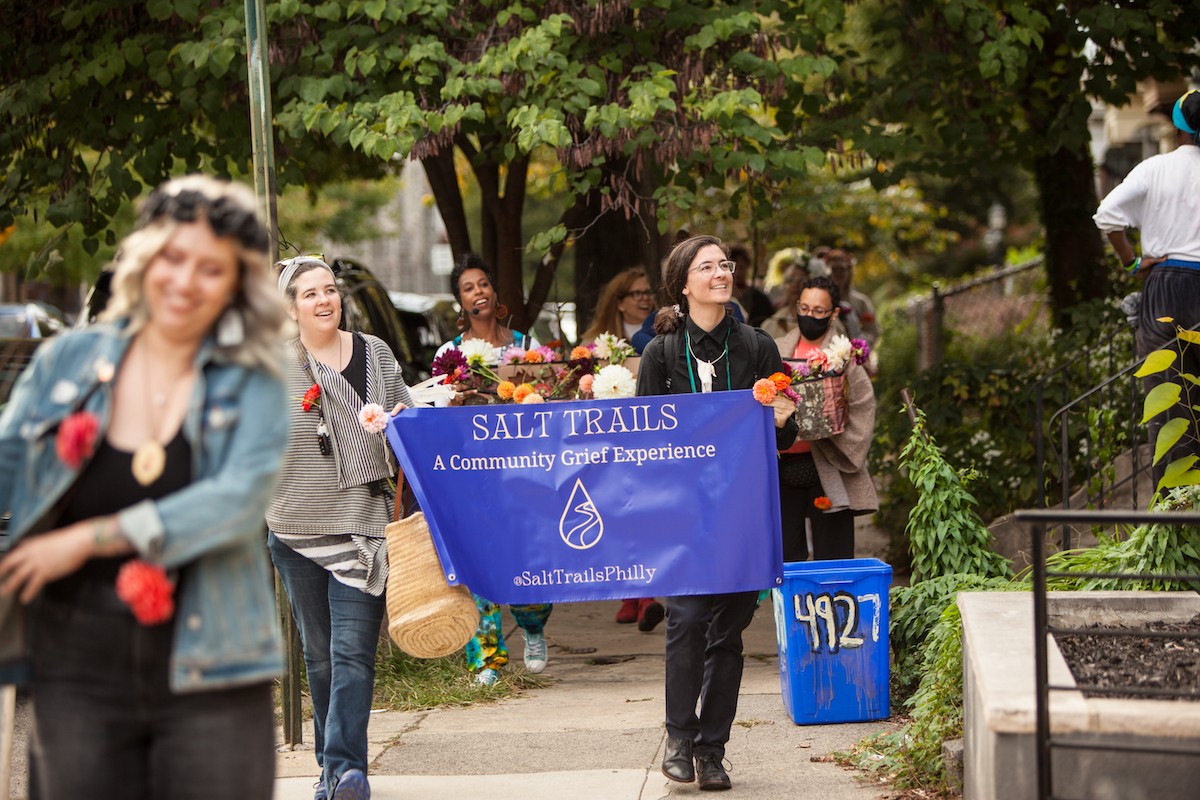
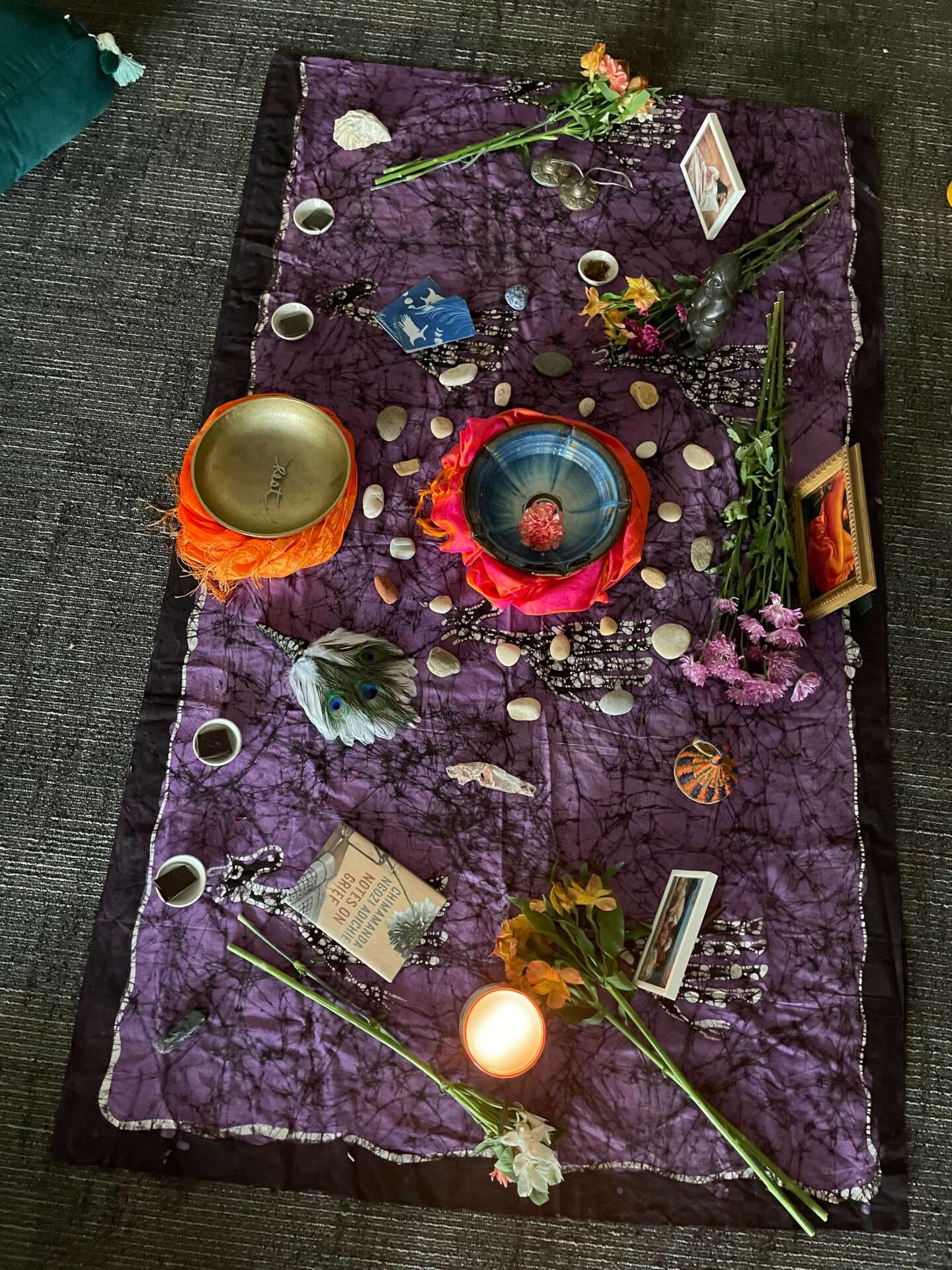
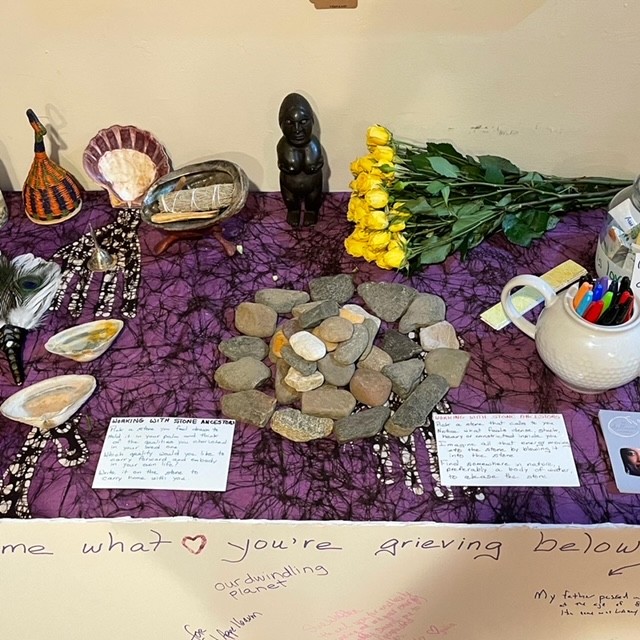
I wear many hats. I’m a writer and poet, an interfaith minister, a podcast co-host and a grief coach and death midwife. I’m also the founder of an interdisciplinary collective called Salt Trails that offers free community grief rituals to the public to help grievers feel less alone and work toward destigmatizing the very normal experience that is grief. Most of my time and energy is spent with This Hallowed Wilderness, my grief practice, where I offer one-on-one coaching sessions (virtually, by phone and in person), including customized rituals and grief walks, as well as workshops, classes and presentations.
Though I could not know it at the time, the death of two very significant people in my life — my mom’s partner, followed the next year by my dad — led me to this work of holding space for those journeying through grief, loss and dying. I had been drawn to being a hospice volunteer before I experienced those losses (something about being at the bedside to offer comfort at such a tender, transitional time spoke deeply to me), but I never imagined I’d actually one day have a practice where I guided people through grief and end-of-life planning.
Years ago, I saw an ad for a grief retreat that sounded amazing, but when I went to sign up, it was sold out. I ended up messaging one of the teachers asking her to let me know of upcoming offerings and through our communication found out she was a grief coach. I never knew there was such a thing as grief coaching! I looked up the program she’d been certified through and signed up. Around that same time, I started hearing about death midwives/doulas. In a culture that’s incredibly death-phobic, working to bring greater awareness to end-of-life care felt sacred and also exhilarating to me. It seemed natural to pursue both paths, though I wasn’t sure what I would do with either certification. When I saw that a death midwife training was coming to my city of Philadelphia, that seemed like a sign I was meant to contribute to this work in some way.
I started my practice on the side while I worked full time. But now this is what I do, hold space for people to share their grief and offer guidance to help them move through it in a way that invites new possibilities and perspectives into their lives. Just as we’re death-phobic in this society, we’re also grief-avoidant. Grievers are often told to move on and get over it. They’re accused of being too emotional and overreacting, or people are constantly trying to cheer them up. I offer a gentle, nonjudgmental space for them to be with the messiness of their grief, however it shows up, helping them to see that it’s not about moving on but learning to live a life alongside the grief we carry. I affirm their grief matters — all kinds of grief, from mourning the death of a loved one to a breakup, a move, a career change, living with climate change and simply being human in a world that can be so heartbreaking.
Grief and death are unavoidable parts of life. But we never talk about either and we’re never given tools or practices to enter these natural life passages. Whether it’s co-hosting the podcast Breathing Wind, working with clients or curating unique grief spaces for groups and organizations, I want us to all become more grief- and death-literate.
It definitely serves me in my work that I am a griever myself and was at my dad’s beside when he died. There are many who work with the grieving who have not experienced significant loss, and it’s not unusual for clients to have a therapist but still seek me out because they want a dedicated space to tend to their grief with someone who’s been on that journey.
I’m so proud when clients say things like “My grief feels softer,” or “I’m starting to feel more like myself,” or “I know this sadness will always be a part of my life but it feels good to know I can have joy, too.” I want to stand up and cheer when they start prioritizing their self-care and letting go of patterns and behaviors and sometimes relationships that don’t support their journey. I’m also incredibly proud of Salt Trails. To be building community around grief by holding the rituals we do reminds me again and again of how powerful it can be when we come together to grieve.
We’d love to hear a story of resilience from your journey.
In 2011, my mom’s partner, who’d been in our lives for 18 years, died suddenly of pancreatic cancer. My dad died the following year of esophageal cancer. The year after that, my long-term relationship with the man I thought I’d marry ended. And then a year later, I left the journalism career I thought would be my life’s work. Those years were steeped in grief and change. They were tumultuous, uncertain, exhausting, infuriating, bewildering…and also some of the most expansive of my life. Allowing myself to be broken open by grief opened me to let in more of the world, to make braver choices, to seize the moment in front of me and let myself be led by joy, curiosity and passion. I had a lifelong dream to work with kids in Africa in some capacity. Three years after my dad died, I went to Tanzania for the first time to volunteer at an orphanage. I’ve since been back two more times. There’s so much I’ve done, including venturing far afield from my original career, that I’m not sure I would have had I not experienced deep loss. There’s something, for me, about being present to grief that invites a greater sense of aliveness and a greater capacity for joy. I live my life with both though when I would look in the mirror at the sad girl I’d become after my dad died, I never could have seen this future for myself.
We often hear about learning lessons – but just as important is unlearning lessons. Have you ever had to unlearn a lesson?
I’m still working on this, and honestly still surprised by it, but I’ve had to slow down. This is not my MO. As a journalist, I was used to working at a frenetic pace to meet deadlines. As a greeting card writer, I moved from one program to the next at a clip, jumping from Mother’s Day to Christmas to Valentine’s Day and every holiday in between with barely a moment to clear my head. My natural inclination as part of my personality and abundant energy is to always be juggling multiple things at once, going from one thing to the next. I’m a chronic doer. But running my own business has required so much more intention and thoughtfulness. Every day I have to decide where to give my time and energy. What do I want to create? What do I think will best serve my clients? Where and how can I expand? Is meeting with this person or exploring this collaboration aligned with my vision and purpose? I don’t want to burn myself out working at an unsustainable pace or overcommitting. I need to have space in my day to think, to strategize, to plan and, yes, to dream. When I’m chronically busy, my creativity suffers. I’m unlearning modes of working that have always centered productivity and performance to find my own rhythm and that’s definitely an unfolding process.
Contact Info:
- Website: https://www.thishallowedwilderness.com
- Instagram: @ThisHallowedWilderness
- Facebook: @ThisHallowedWilderness
- Linkedin: https://www.linkedin.com/in/naila-francis-9793182/
- Other: https://www.breathingwind.com
Image Credits
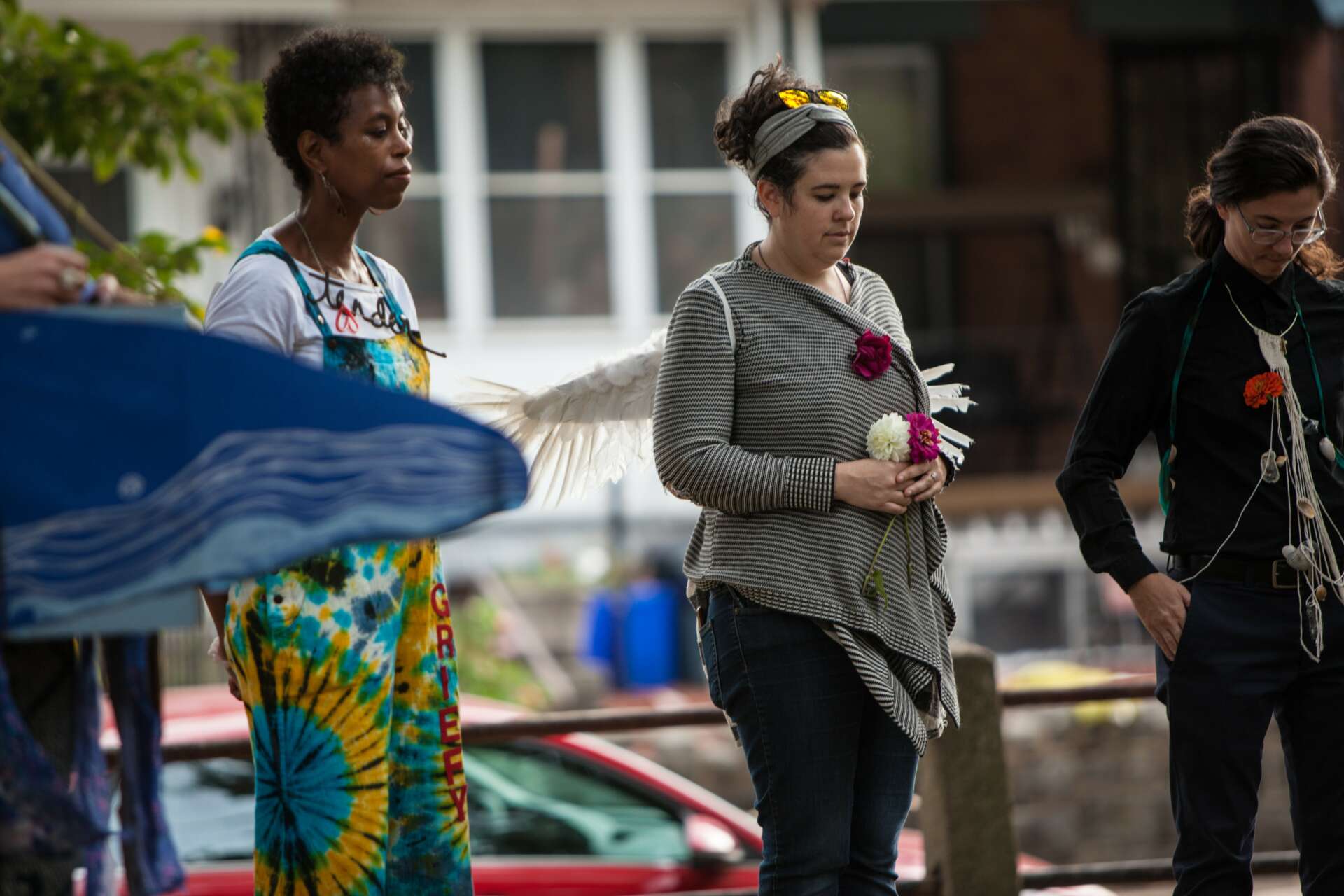
Image of me standing next to the woman with the whale and another with wings is from iMatterphotography