

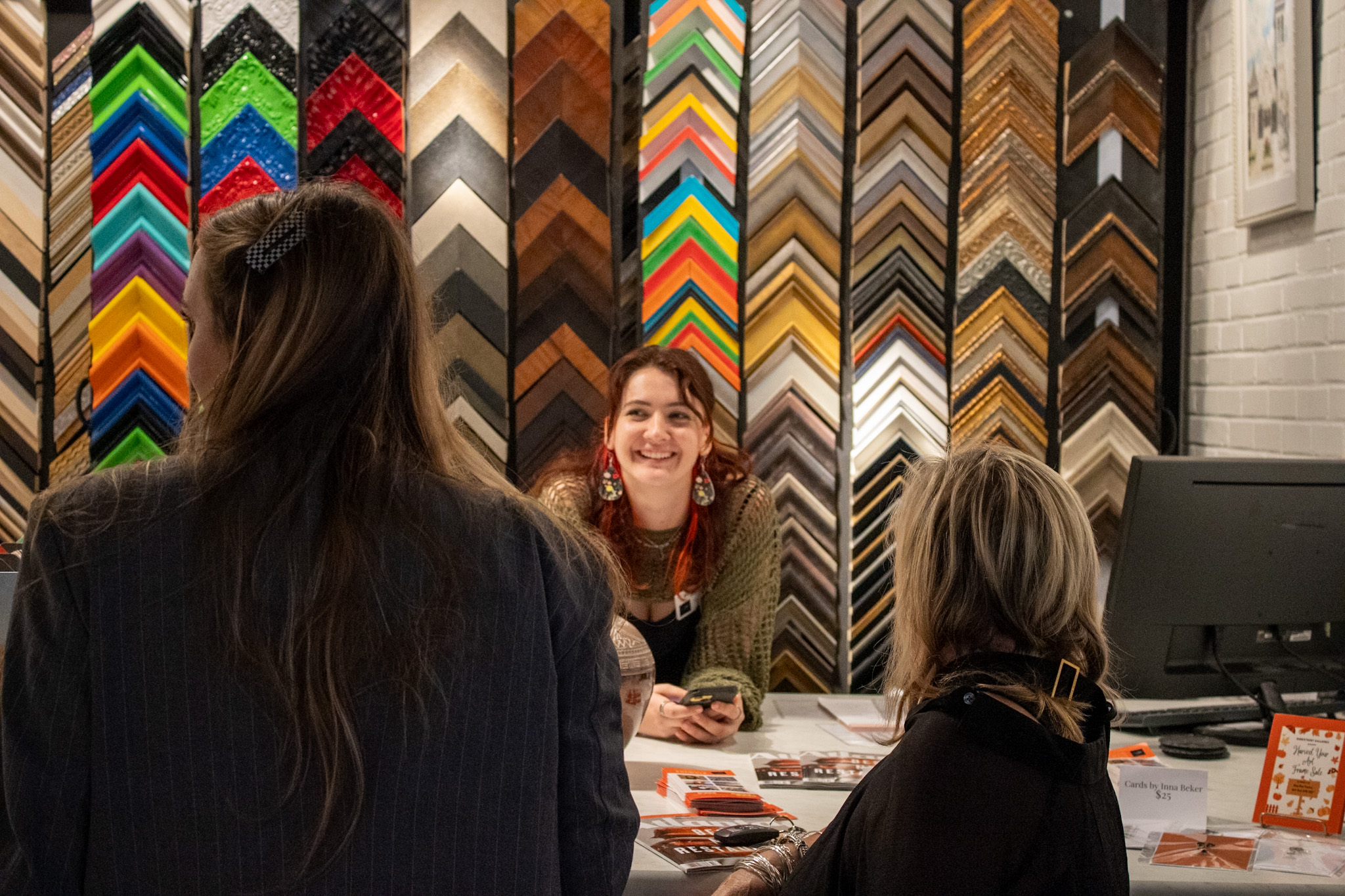

Alright – so today we’ve got the honor of introducing you to Morgan Godbee. We think you’ll enjoy our conversation, we’ve shared it below.
Hi Morgan, thanks for joining us today. It’s always helpful to hear about times when someone’s had to take a risk – how did they think through the decision, why did they take the risk, and what ended up happening. We’d love to hear about a risk you’ve taken.
I would say leaving a salaried position to become self-employed/an entrepreneur was a big risk for me. I had been so lucky to basically stumble into full-time work after being laid off from another salary job just 10 months prior, but I knew that there was more out there for me professionally. Maybe it’s a holdover from my time in the film industry (or perhaps this quality is what drove me to film and video in the first place), but I craved the idea of working with different people in different environments, and letting creativity take the wheel more often each day in the form of storytelling through marketing. I missed being able to structure my own days and creating work that was professionally and creatively satisfying, whether it be a unique strategy for a niche business or a an original idea for an ad or social media content. In a way, I think it would have been the bigger risk to stay in that job, but I am glad that I took the risk that I did when I did. It has not always been smooth sailing and there have been moments where I question whether or not this is what I should be doing, but carving your own way in the world is always going to be a more difficult path. I wouldn’t change the work I do and the life I live now for the world.
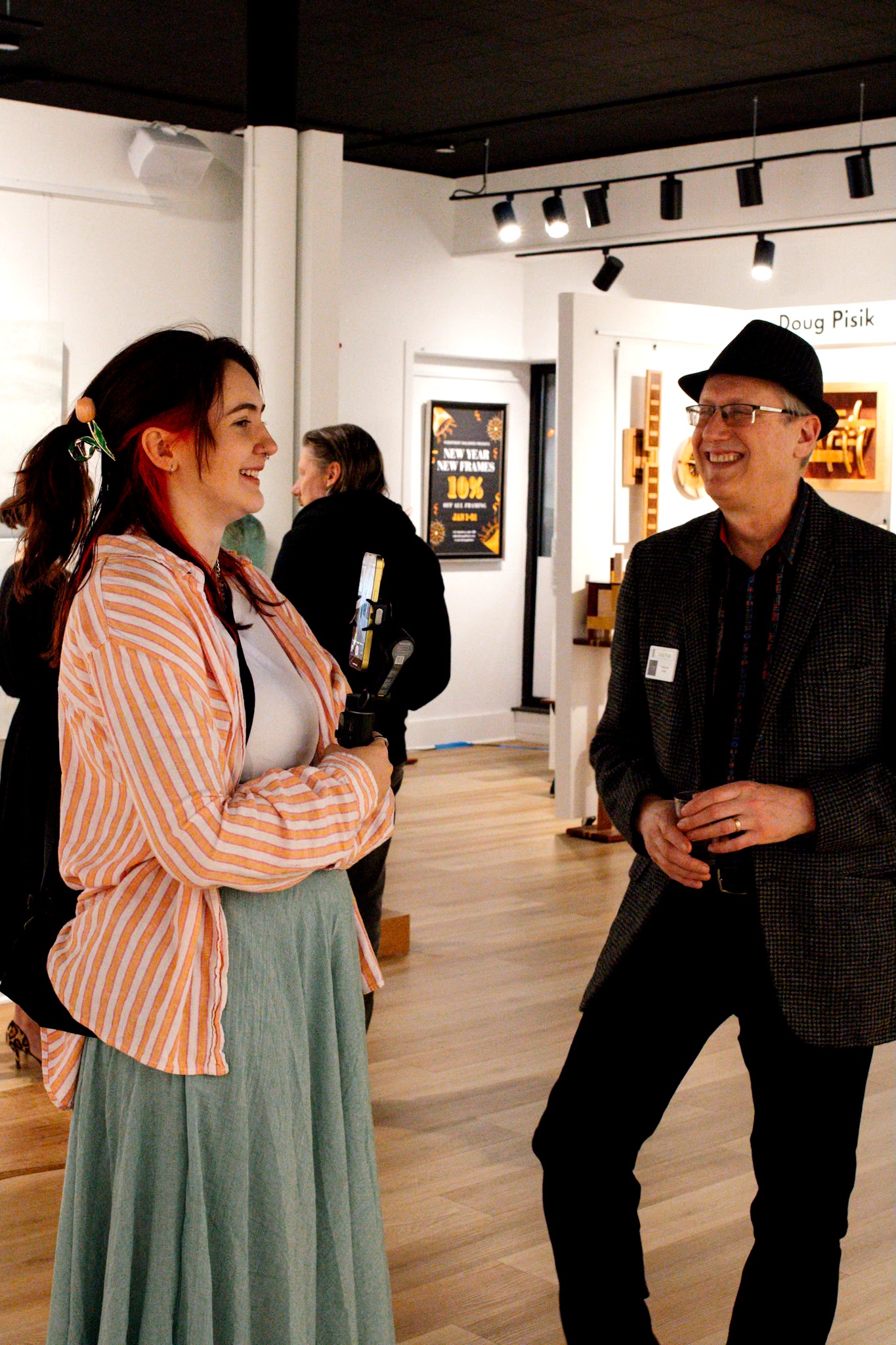
Morgan, before we move on to more of these sorts of questions, can you take some time to bring our readers up to speed on you and what you do?
Around three years ago, I made the decision it was time to leave the film industry. After three years in the industry, I was grateful for the experience and the chance to try out an untraditional career, but it had become clear to me that the constant, on-the-go set life was not what I wanted for myself going forward. Since then, I have pivoted my production skills to serve more “civilian” industries, whether as a production coordinator or producer for video marketing campaigns, to now creating strategies and producing content for various small businesses. I offer everything from consulting on strategy, to social media management, email marketing, and produce both organic and paid marketing assets for businesses of various sizes. I fill a need for many businesses with my history in film and video production in that I know all of the principles of design and editing, a skill that is often burdensome and time-consuming for businesses that are just getting started or require small teams to function. I think my goals for my clients set me apart from others who offer this service in that I always aim to present businesses and individuals in an authentic, real way. In a world where AI is taking over everything, more than ever people are craving real, human connection in all things. My goal is to help businesses not only market themselves in an effective way, but also in a real, authentic way that allows them to connect with their customers and their communities in real time.
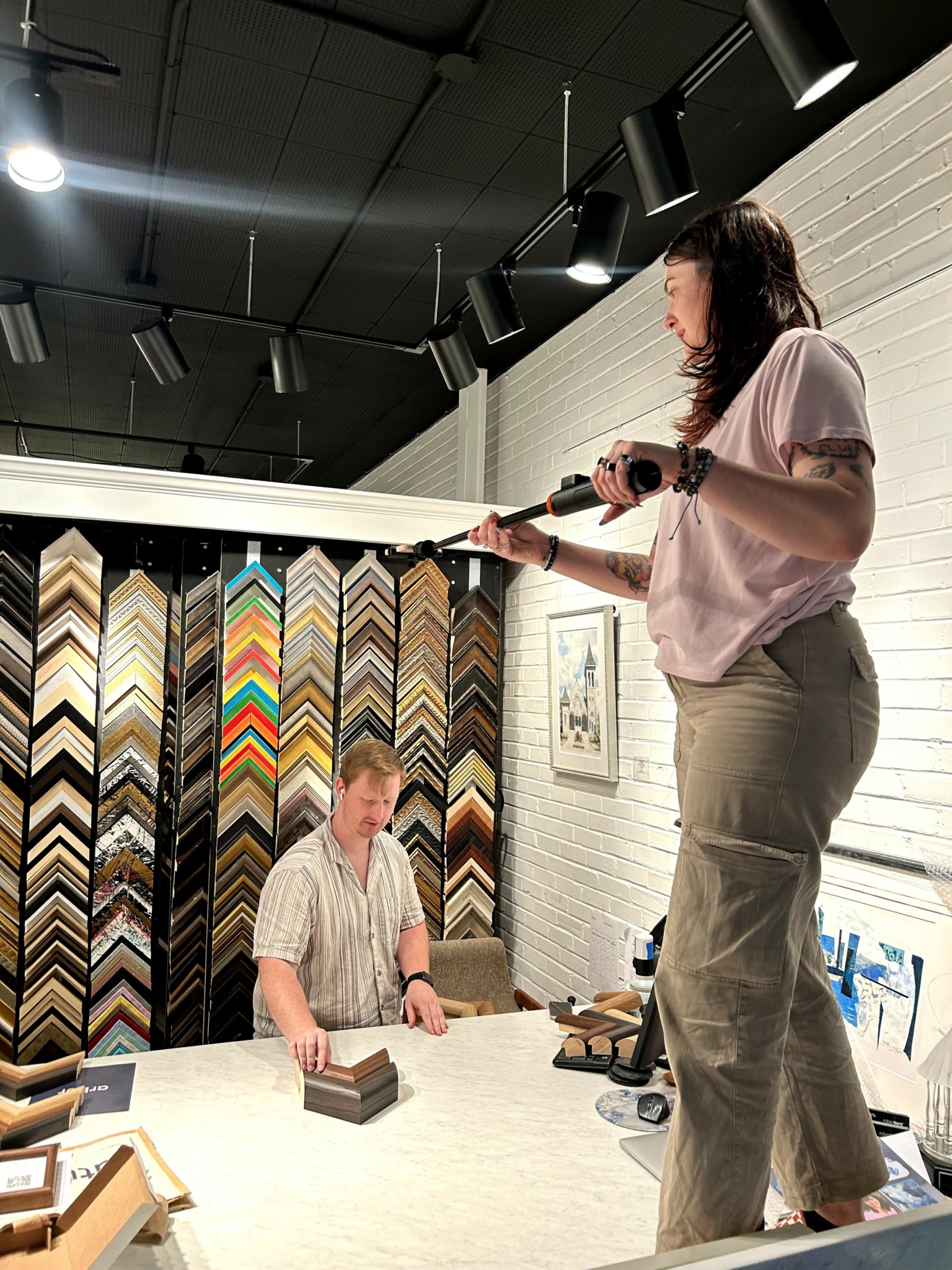
What’s been the most effective strategy for growing your clientele?
Word of mouth has been a huge driver of my business success in the last two years. I haven’t needed to rely on traditional advertising because nearly every client has come through personal referrals, networking, or someone seeing my work in the wild. Working in a field where the output is public-facing- social media campaigns, video content, brand storytelling, and gallery promotions- means my work circulates organically. Clients often discover me through something I produced, whether it’s a short-form video, a marketing campaign, or a creative asset that resonated with them.
What’s made this especially effective is how relationship-driven my work is. When clients feel taken care of and see measurable results from the content we create together, they naturally become advocates. That trust has opened more doors than any formal marketing strategy. At this stage in my business, leaning into authentic connections, high-quality work, and consistent follow-through has proven to be the most reliable and sustainable way to grow.
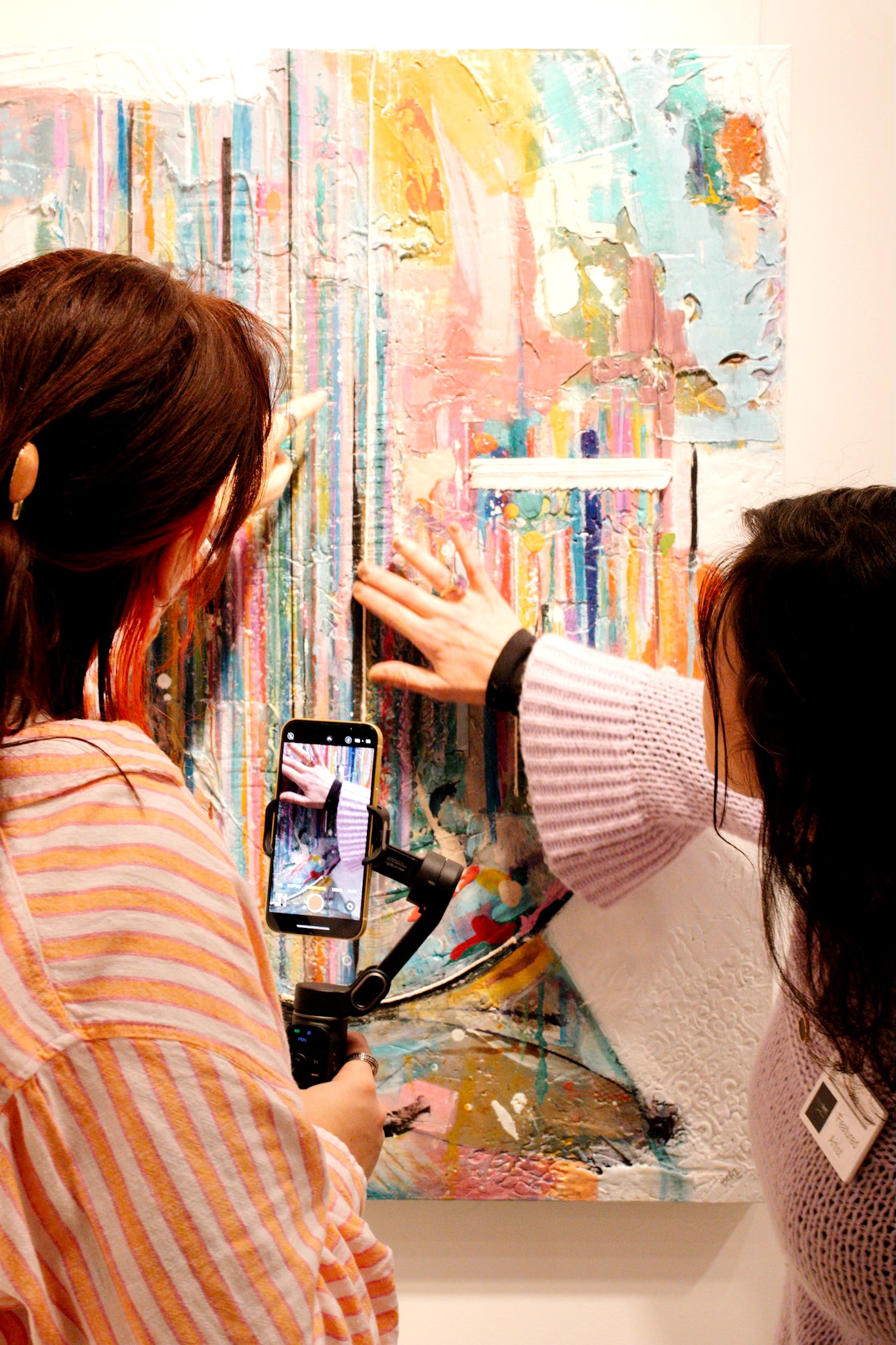
Do you think there is something that non-creatives might struggle to understand about your journey as a creative? Maybe you can shed some light?
One thing non-creatives often struggle to understand is that the creative process isn’t linear. Yes, there’s a physical deliverable at the end, but a huge portion of the work happens long before anything is produced. Brainstorming, concepting, researching, and experimenting often look like “doing nothing” from the outside, yet they make up half the project.
By the time I’m actually creating the final asset, so much of the heavy thinking has already taken place. I’ve found that some non-creatives don’t always realize how essential it is to schedule this part of the process into my workload. The strategic thinking behind marketing- those early ideas and decisions- is what shapes every social post, every caption, every blog, and every event listing. So much about marketing is creating a story to tell about your business. Without that foundation and consistency, the final product simply wouldn’t work.
Contact Info:
- Website: https://www.sagebeemediaconsulting.com
- Instagram: https://www.instagram.com/thesagebeemediaconsulting/
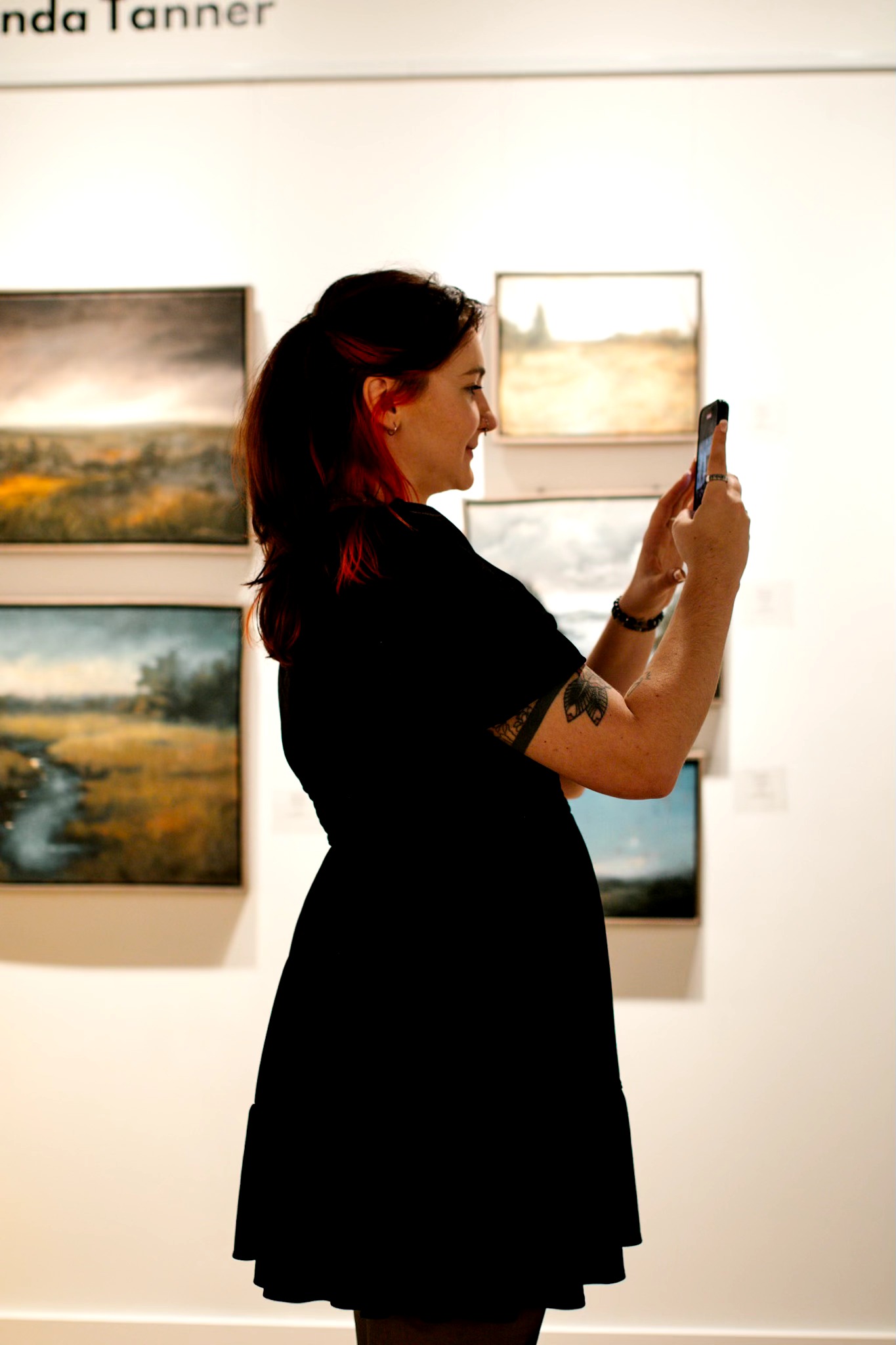
Image Credits
Zoe Peyton Photography for all