

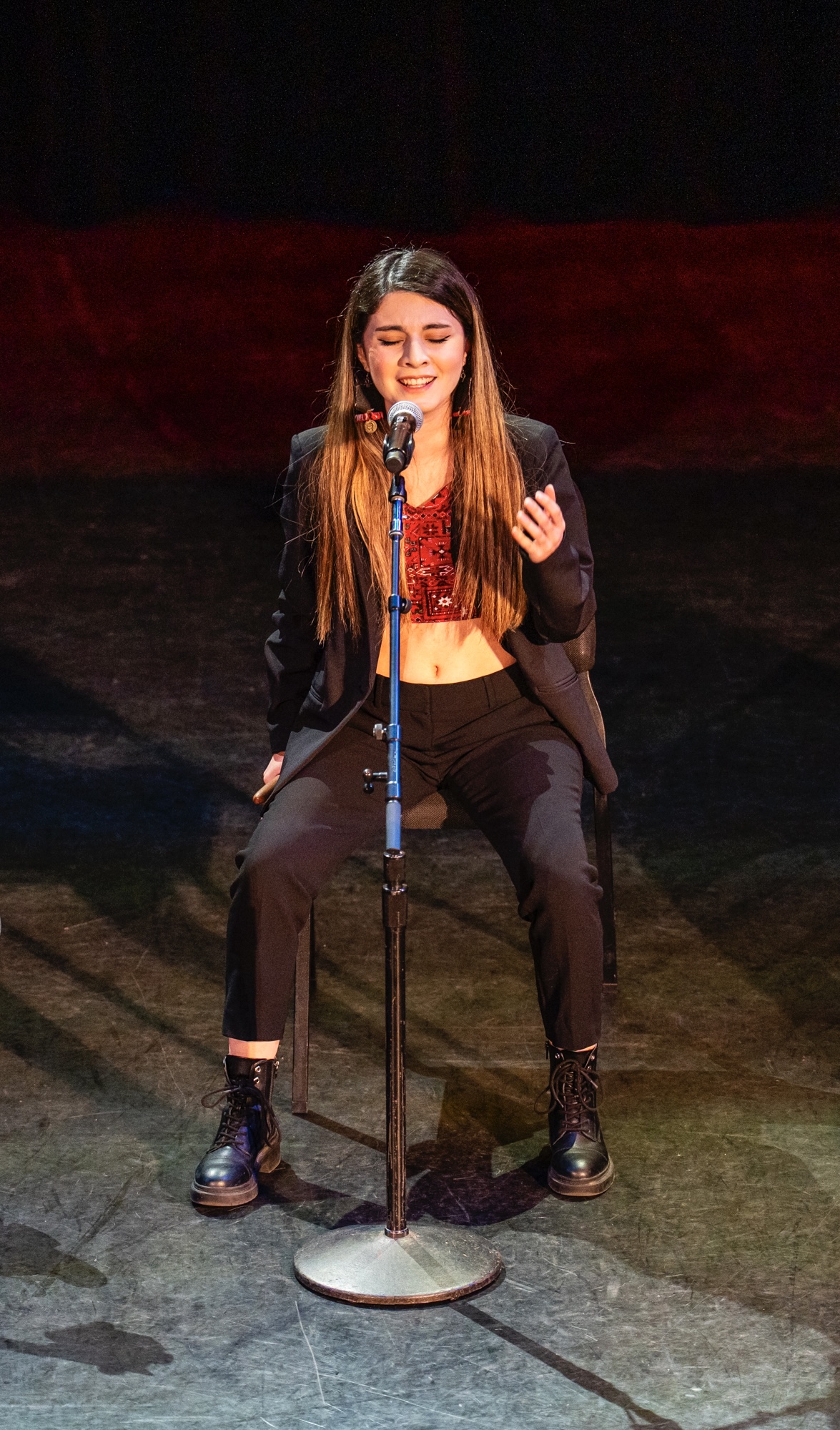

We’re excited to introduce you to the always interesting and insightful Monicki Firouzmand. We hope you’ll enjoy our conversation with Monicki below.
Monicki, thanks for joining us, excited to have you contributing your stories and insights. We’d love to hear the backstory behind a risk you’ve taken – whether big or small, walk us through what it was like and how it ultimately turned out.
Music has been an undeniable part of my daily life since childhood. I was fortunate to be born into an art-loving family and immersed in music from the age of four. However, due to the significant restrictions on female musicians in Iran, particularly female singers, I never seriously considered pursuing music as a university major or a professional career, despite my deep love for it.
At the same time, I had a strong aptitude for mathematics and science in school. Encouraged by my teachers and family, I chose the experimental sciences track in high school. In Iran, university admissions—especially in this field—are highly competitive. There is a nationwide entrance exam known as the Konkur, which determines both the university and the major a student can pursue. The more prestigious and financially rewarding the field, the higher the required score. Given the constant encouragement from my teachers, my father’s emphasis on my abilities in science and mathematics, and the dominant societal belief that happiness, wealth, and success are tied to careers in medicine or dentistry, I was conditioned to believe that music could never provide a stable or prosperous future.
The first two years of high school were incredibly challenging. I studied for nearly 8 to 12 hours a day, and my entire life revolved around succeeding in the Konkur. My only form of social interaction was attending classes, where I could briefly see my friends. This immense pressure to excel in an exam that I wasn’t even passionate about gradually led to severe anxiety—an experience shared by many Iranian students. Every year, thousands of students dedicate three years of relentless effort to an exam that determines their future in just a few hours. An exam that, at times, is plagued by leaked questions, quota systems based on gender, residency, and family background, and, in the fairest scenario, can be completely derailed by something as simple as a headache on test day. The top scorers in this exam typically study for 10 to 14 hours a day, sacrificing their teenage years and enduring immense familial and societal pressure to meet expectations.
I was no exception. Two years of non-stop studying for a field I didn’t love left me feeling empty. I imagined myself as a doctor in my own practice. Would my father be proud? Certainly. Would society recognize me as an intelligent, accomplished woman? Absolutely. Would I be financially successful? Most likely. But would I be happy? Would I truly enjoy the daily work that came with such a career? The answer to that question became a turning point in my life.
I thought back to every moment I had performed on stage, every late-night rehearsal, every jam session, and even the simple excitement of preparing for a performance. Those were the happiest moments of my life—moments that made me feel truly alive. I knew about Berklee—my dream university, a globally renowned institution for music—but its tuition was far beyond what my family could afford given Iran’s economic conditions. Attending Berklee was only possible if I secured a full scholarship. Looking back now, I realize I took the biggest gamble of my life.
In my final year of high school, with less than a year until the Konkur, I made the bold decision to abandon two years of relentless academic preparation and follow my heart. It was an incredibly risky choice because I knew that merely being admitted to Berklee would not be enough—I had to earn a full scholarship, something granted to only a handful of students each year. In that moment, I stepped away from a secure and predictable path, one that I was close to completing, and chose a road filled with uncertainty. The odds were not in my favor, but my heart was.
Today, nearly three years after making that decision—a decision that shocked my family, friends, and even my teachers—I am living in Boston, studying at Berklee, and doing what I love every single day. When I look back at my 17-year-old self, I feel nothing but pride in her courage, determination, and unwavering belief in her dreams.
Awesome – so before we get into the rest of our questions, can you briefly introduce yourself to our readers.
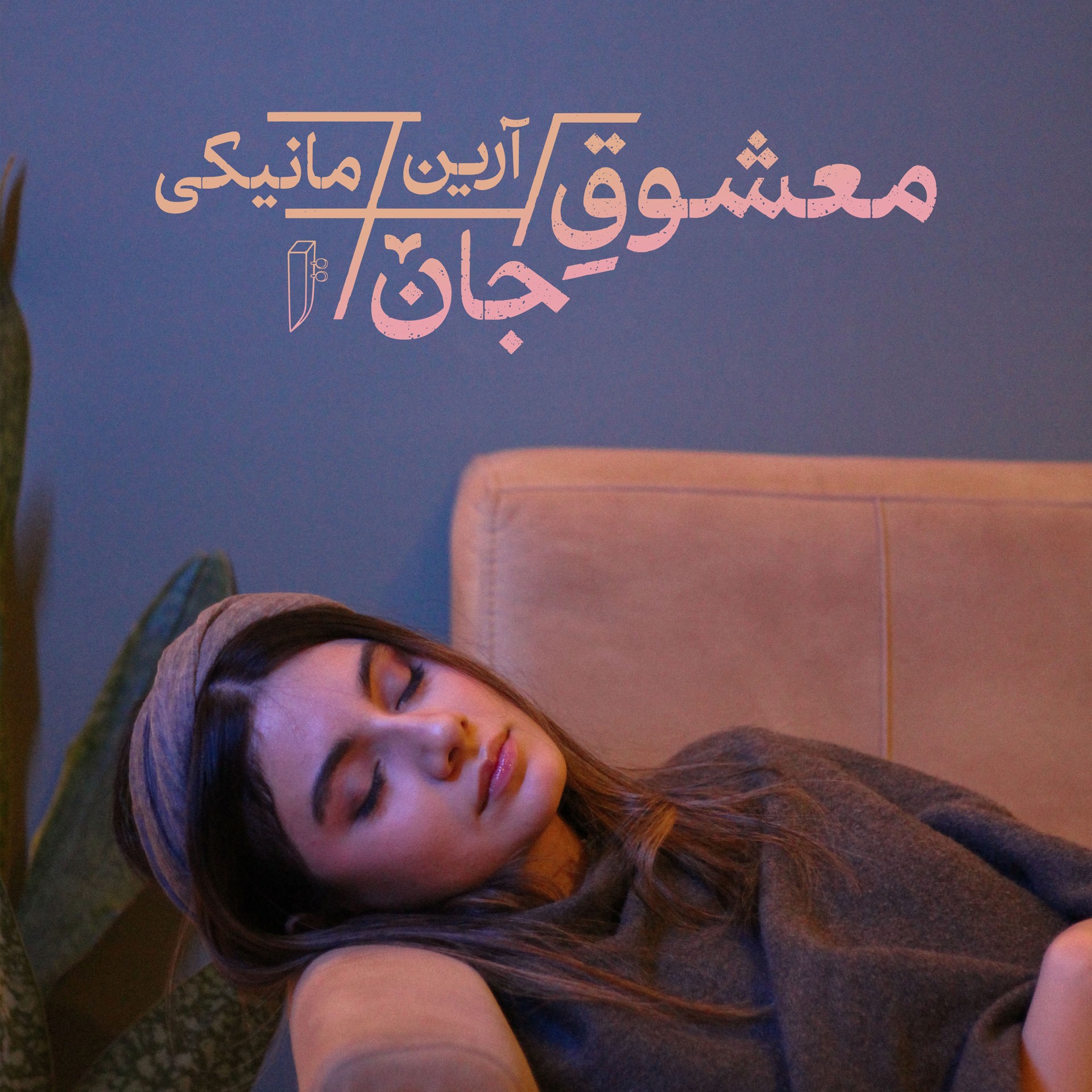
Music has been an integral part of my life since childhood. I started my journey studying and performing Persian classical music, but over time, my passion led me to explore a broader musical landscape. Today, I’m pursuing a Bachelor of Music in Contemporary Writing and Production at Berklee College of Music, where I’m constantly refining my skills as a vocalist, songwriter, composer, and Tar player.
What excites me most is the fusion of different musical styles. While my roots are in Persian music, I’ve been deeply drawn to jazz and contemporary sounds. My goal is to create music that blends the richness of Middle Eastern traditions with the expressive freedom of jazz and the accessibility of pop. I want my work to feel fresh yet familiar, bridging cultures and emotions in a way that resonates with people from all backgrounds.
Beyond my own artistry, I’m also passionate about arranging, producing, and collaborating with other musicians to bring unique projects to life. Whether through my own songs or through the artists I work with, I strive to craft music that is both innovative and emotionally powerful.
What I’m most proud of is the journey that brought me here—the risks I took, the challenges I overcame, and the fact that I get to dedicate my life to something I truly love. My hope is that my music not only reflects my diverse influences but also connects with listeners in a meaningful way.
How did you build your audience on social media?
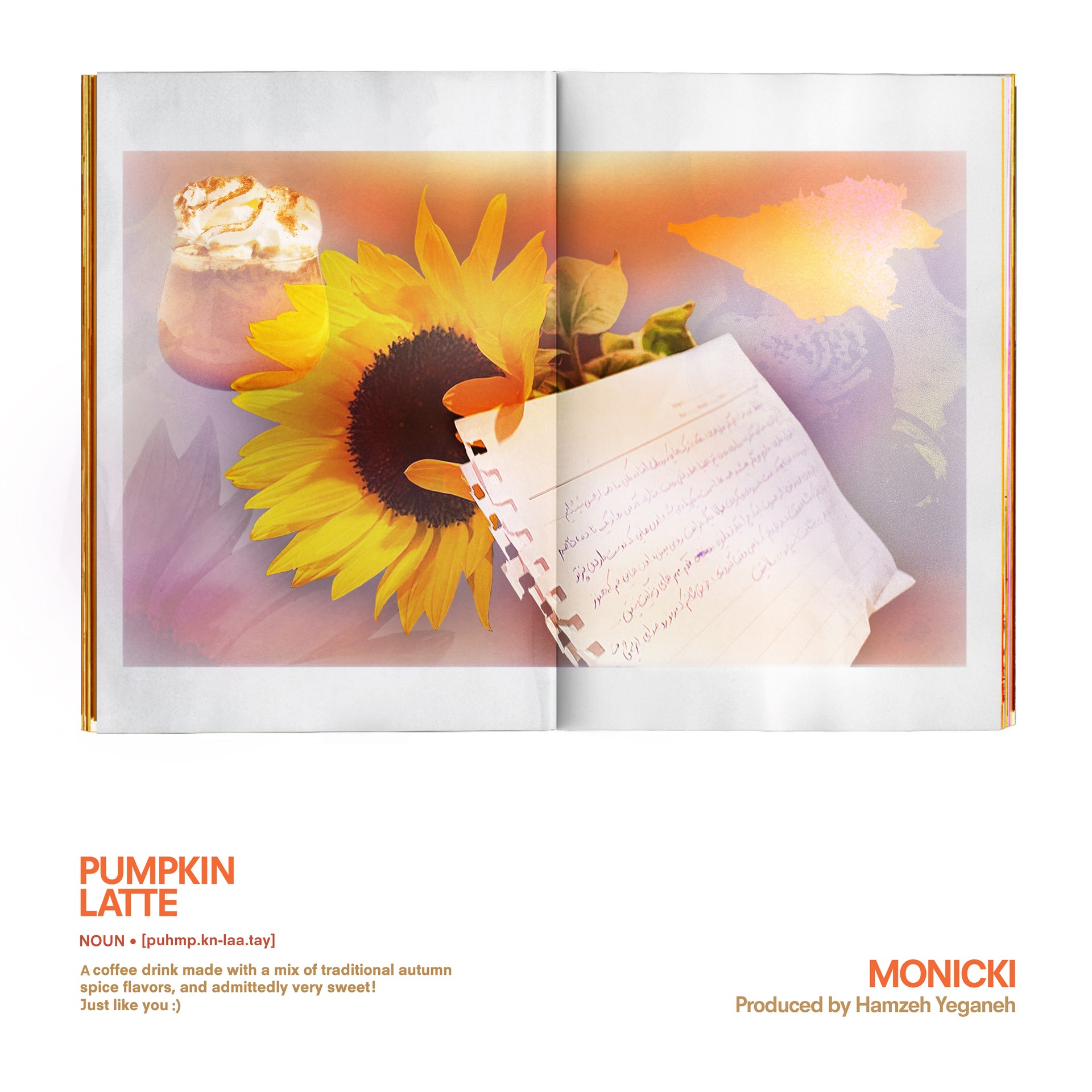
I believe the first and most important step in building a strong social media presence is understanding your audience. Decide how you want to present your content, how you want to express yourself, and what type of people you aim to attract. While gaining a large following can be exciting for any artist, I’ve always prioritized attracting a loyal, art-loving audience over simply chasing numbers. There were many viral trends that could have boosted my visibility, but they never aligned with the way I wanted to grow as an artist.
As a singer, I’ve always believed that any cover I share should first and foremost resonate with me. While I’ve occasionally made mistakes in song selection in an attempt to gain more followers, I can confidently say that most of the songs I’ve shared are ones I personally love performing.
Once you define your artistic style and target audience, it’s essential to understand the platform you’re working with. Learn from experienced creators about optimal posting times, video editing techniques, captions, and content length to maximize engagement. Even though music is primarily an auditory art form, visual aesthetics play a crucial role in drawing in an audience.
My advice to fellow musicians is simple: Respect your audience’s time and attention. Create content that not only sounds great but is also visually and creatively engaging. If you value your fans, invest in quality content that reflects that appreciation.
What’s the most rewarding aspect of being a creative in your experience?
I believe in the limitations of language. As someone fluent in two languages and conversational in two others, I’ve often found that words fail to fully express certain emotions. Music, however, has no such limits. It is a universal language—one that carries pain and joy, longing and reunion, hope and despair, love and hate—all in ways that words sometimes cannot.
Some of the most powerful musical moments happen between artists who don’t even share a common spoken language, yet through music, they create something deeply understood by all. For me, music represents equality. It is a space where people of all backgrounds, identities, and nationalities can connect, expressing themselves in a language that transcends borders. Music dissolves barriers, uniting hearts across the world.
Contact Info:
- Instagram: https://www.instagram.com/imonicki?igsh=MzZjaXJiZ3VoOXh4&utm_source=qr
- Youtube: https://youtube.com/@imonicki?si=6a25rzva8en02QrK
- Soundcloud: https://on.soundcloud.com/NchUz7echeFTzFJe7
- Other: https://open.spotify.com/artist/4GfhS7nDkMcjZBgU8B8EpM?si=k05wJ7umQz24IFPPGpbYHg
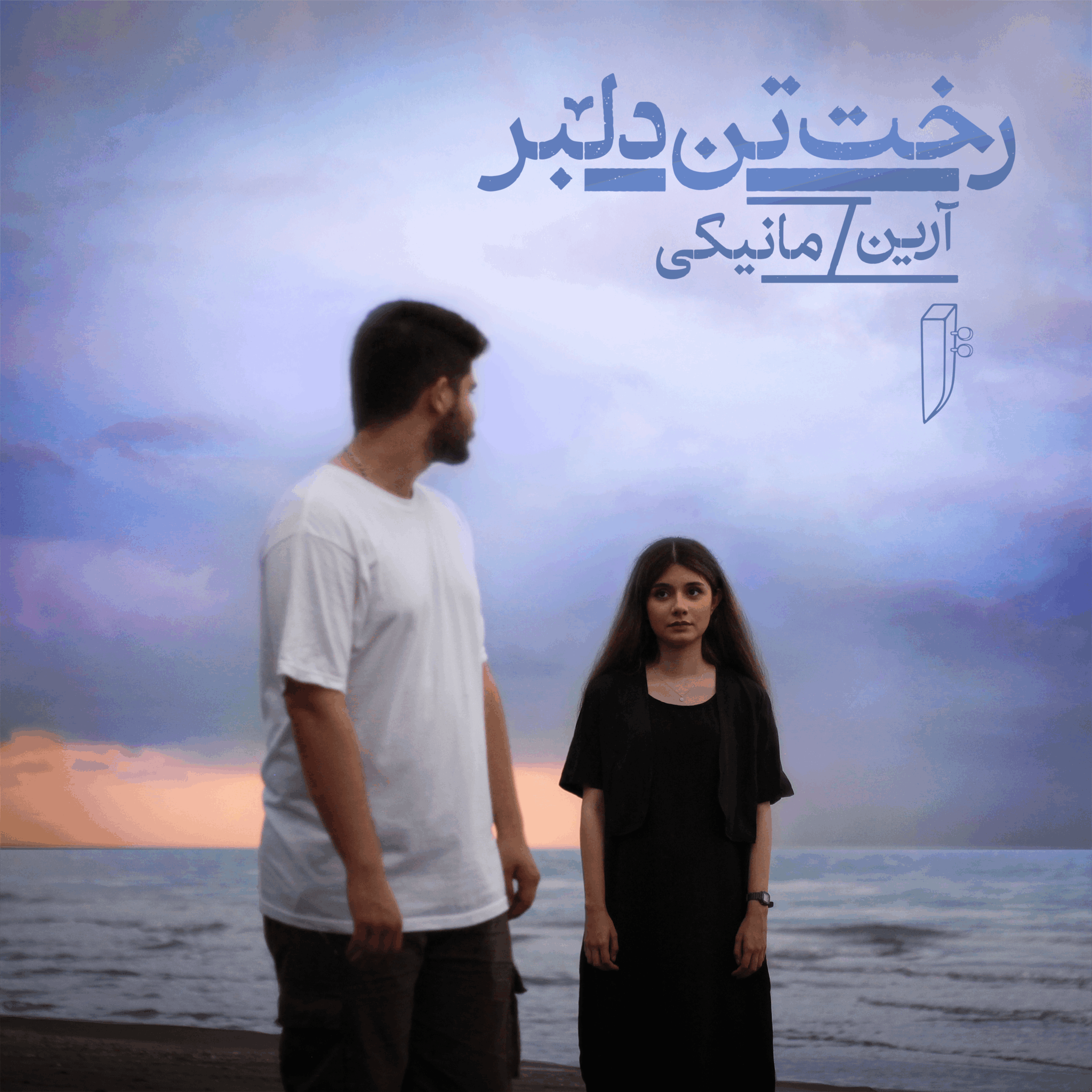
Image Credits
Mahan Haseli
Ghazal Foroutan