

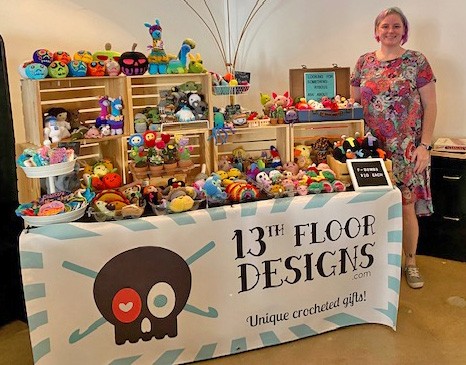

We’re excited to introduce you to the always interesting and insightful Monica Moszkowicz-Simms. We hope you’ll enjoy our conversation with Monica below.
Monica, looking forward to hearing all of your stories today. How did you learn to do what you do? Knowing what you know now, what could you have done to speed up your learning process? What skills do you think were most essential? What obstacles stood in the way of learning more?
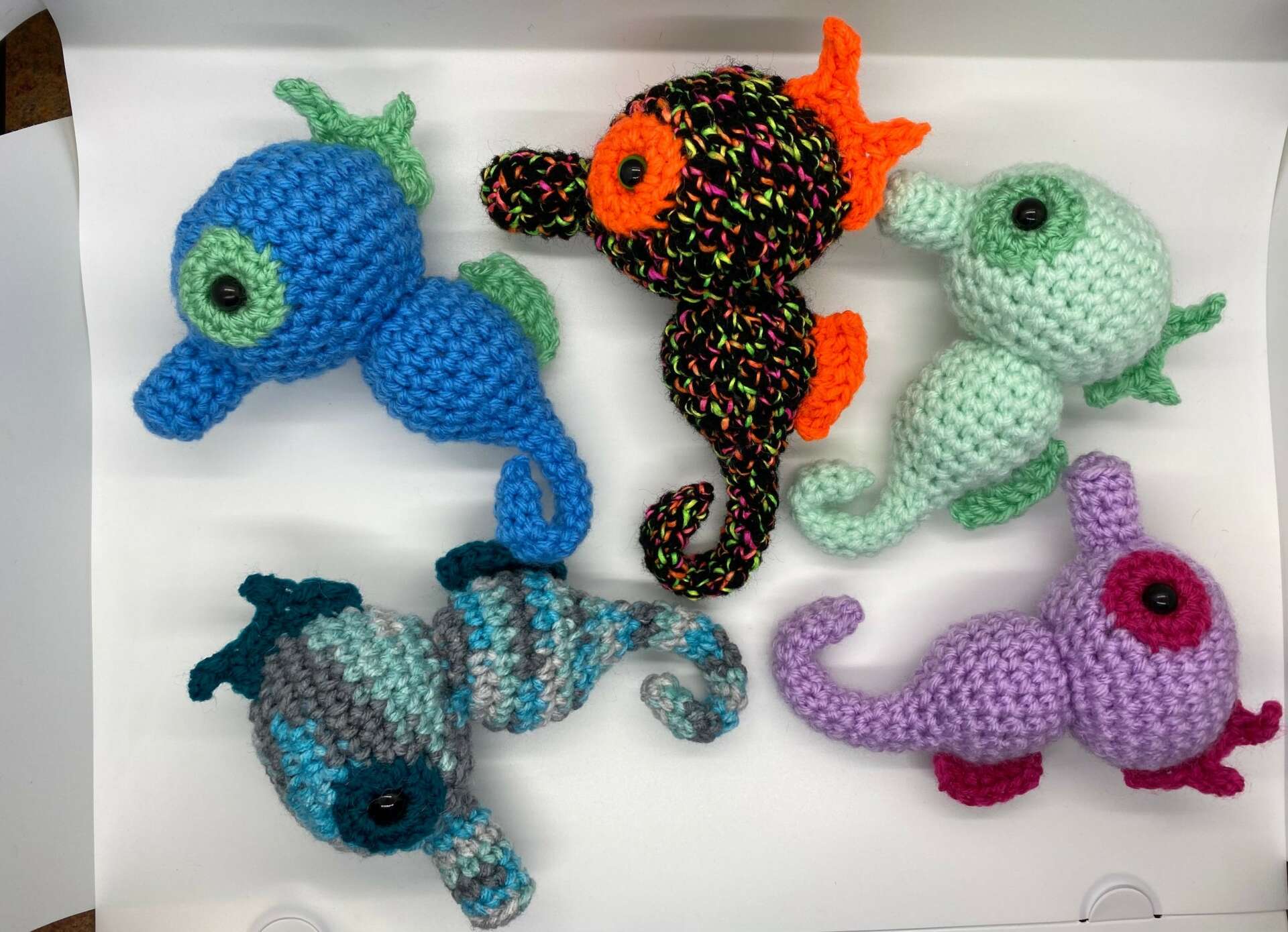
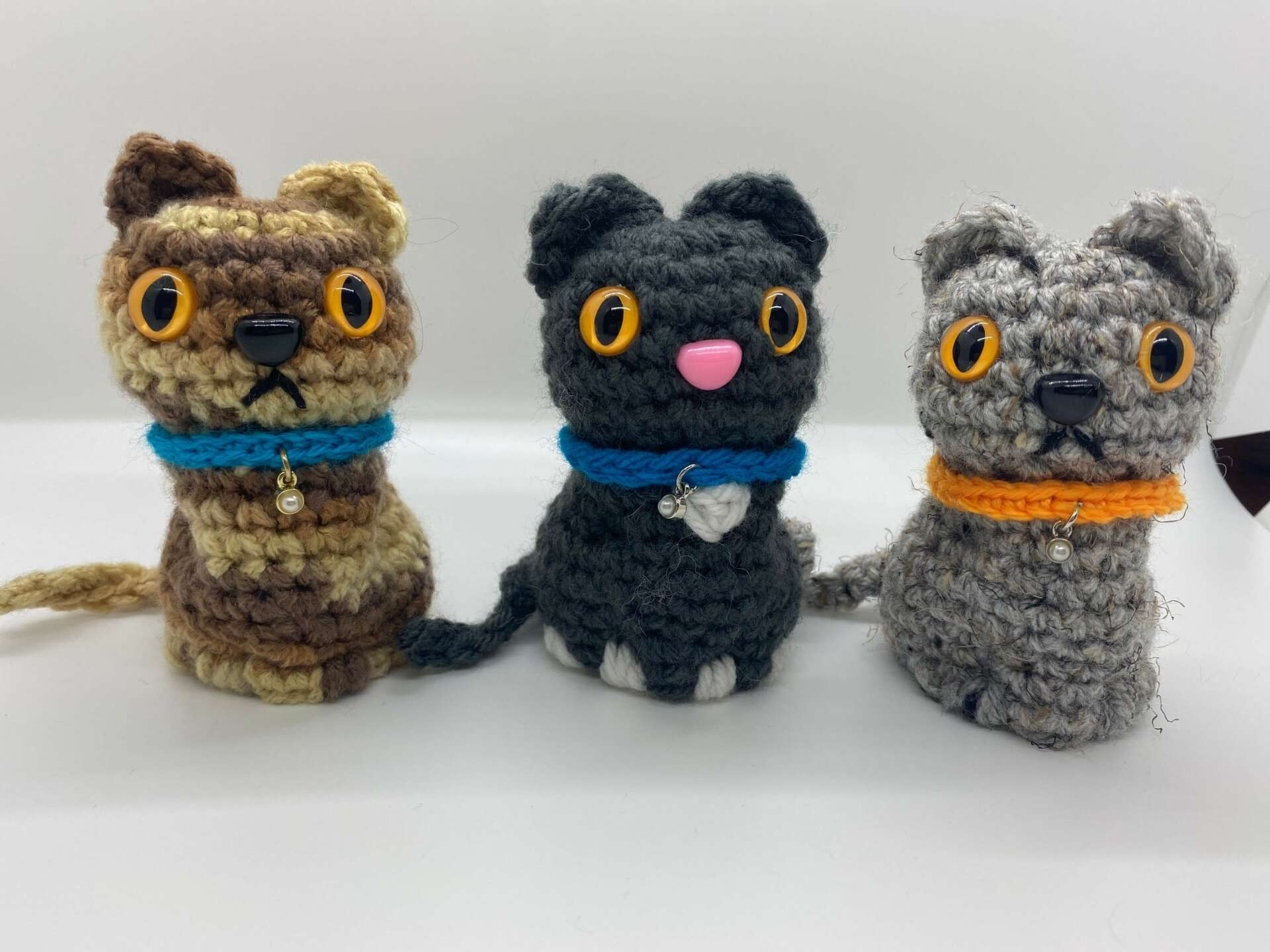
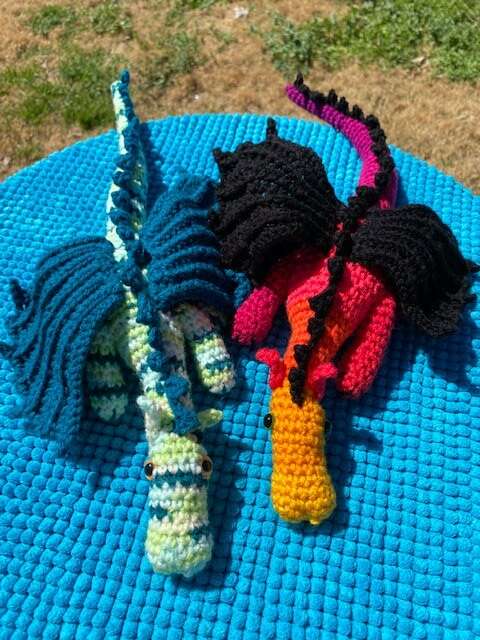
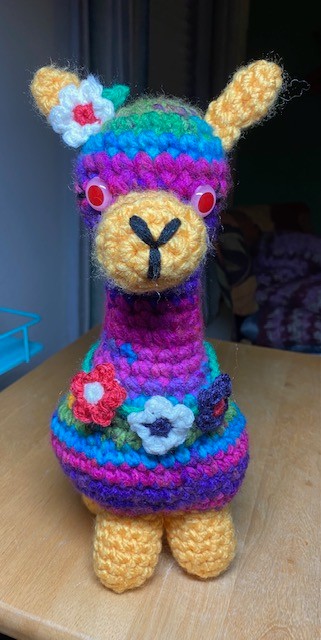
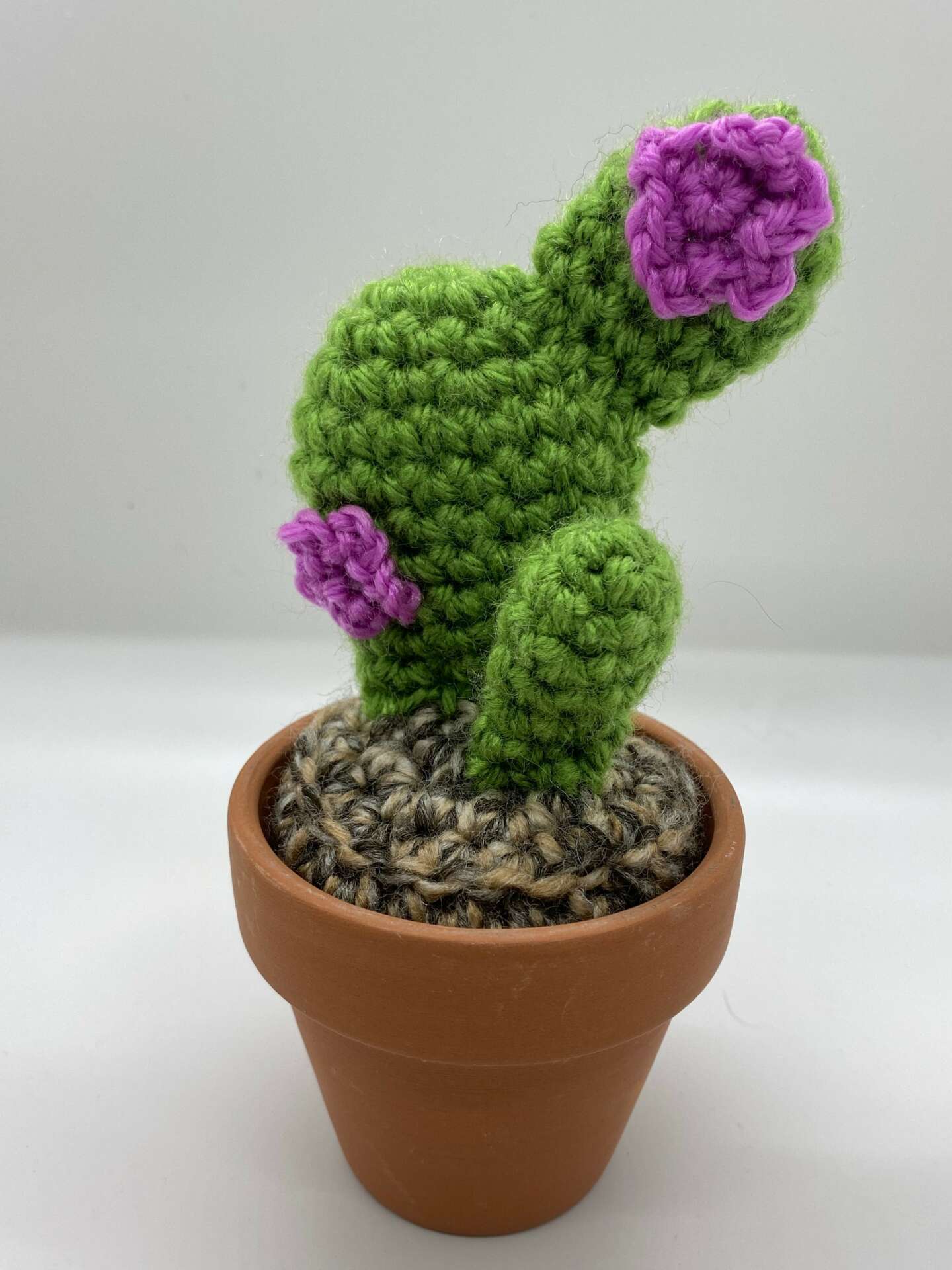
I branched out to amigurumi after finding a book at work with crocheted animals. “Amigurumi” is the Japanese art of crocheting or knitting stuffed toys – also called “ami” for short. I quickly learned a lot of different stitches and skills required to make these creations.
I wish I would have tried harder to learn crochet at a younger age when my mother tried to teach me. I could have been creating amis through most of my life! Time is one obstacle that gets in the way of learning this art. You need to allow for time to make mistakes, to undo it, and re-work it correctly. It’s the only way to learn. You HAVE to make mistakes to learn and fine-tune your skills. Patience is tested, and you need to have good hand-eye coordination. Reading patterns requires some math and problem-solving skills, and it is imperative to count your stitches! That is something I learned the hard way by thinking I could just “eyeball” it.
As always, we appreciate you sharing your insights and we’ve got a few more questions for you, but before we get to all of that can you take a minute to introduce yourself and give our readers some of your background and context?
My mother has been a knitter and crocheter her entire life, and much to her chagrin, I was never able to pick it up despite her attempts at teaching me. It just never stuck. She has made countless afghans, and thousands of dish clothes that she literally GIVES away to anyone and everyone. I always admired her talents. I grew up in Ohio, and crocheted afghans were a staple in most every household.
I’ve always been involved in the arts in some way, but didn’t learn to crochet (finally!) until 2013 when I started working for a large arts & crafts retailer. At work, we had a group that met during lunch and created blankets, hats, and scarves to donate to hospitals and those in need. After a lot of practice, plenty of frustration, and a little help from the members of the group, I successfully mastered the art of crochet.
But what else could I create besides hats, scarves, and blankets? While those are fun to make, I longed for something more.
At work, I stumbled upon a crochet pattern book of some simple stuffed animals. My first crocheted animal was a straight-legged octopus. It wasn’t perfect, but I did it! And my husband (boyfriend at the time) thought it was adorable. That lead me to try another animal, and I quickly learned the stitches and skills to perfect my craft of creating Amigurumi (which is the Japanese art of crocheting or knitting stuffed toys – also called “ami” for short).
One thing led to another, and I had friends and coworkers requesting specific animals, and before I knew it, I had a zoo on my hands.
During this time, I also learned how to use Knitting Looms. I had recently adopted my first dog – a Chiweenie named “Pearl”, and was having trouble finding her clothes that fit her long skinny body. So I played around and figured out how to create dog sweaters using the knitting loom. I was pumping out all sizes of dog sweaters.
Someone saw my work and encouraged me to sell my handmade dog sweaters and animals at an art show. I thought “what the heck?” And gave it a shot.
It’s been 8 years since my first show, but one thing has not changed – I absolutely ADORE creating unique handmade items for others. My business has grown, and while it is still a “side gig,” I’m always busy with orders. I love watching others discover my items and the smiles they bring.
Some of my favorite crochet memories include:
– A friend having their newborn’s pictures taken with a stuffed pink panda I made for her baby shower. It was the first time someone used something I made as a prop in a photo, and I teared up when she showed me the picture.
– Crocheting a “mini-me” figure of one of my favorite artists – Ben Folds – and gifting it to him in person before one of his concerts.
– Meeting and chatting with Jonah Larson, who is a crochet prodigy, as well as an intelligent, selfless, and giving young man. Check out his work and charity at www.jonahhands.com. He’s such an inspiration!
– Receiving a video on Christmas from a friend (who started out as a customer) that showed her young son squealing with delight at the gifts she commissioned me to make. I created two custom dogs to look like their two pet dogs. Having already owned several of my items, he first noticed my “13th Floor” tag sewn on the bottom of the dogs, and shouted out “And they are 13TH FLOOR!!!” Seeing someone so excited to receive something I made AND recognizing the name was such a gift.
What’s the most rewarding aspect of being creative in your experience?
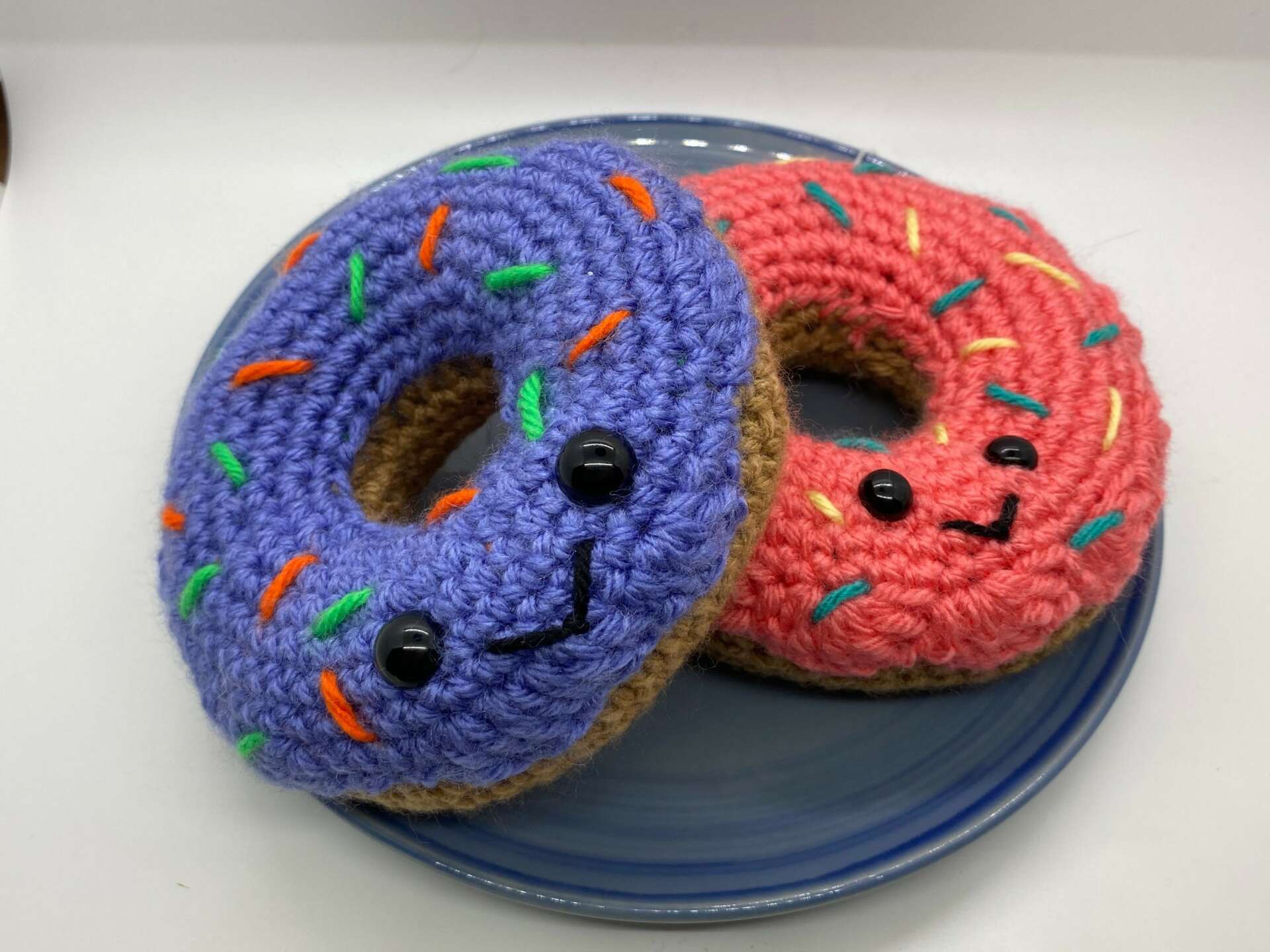
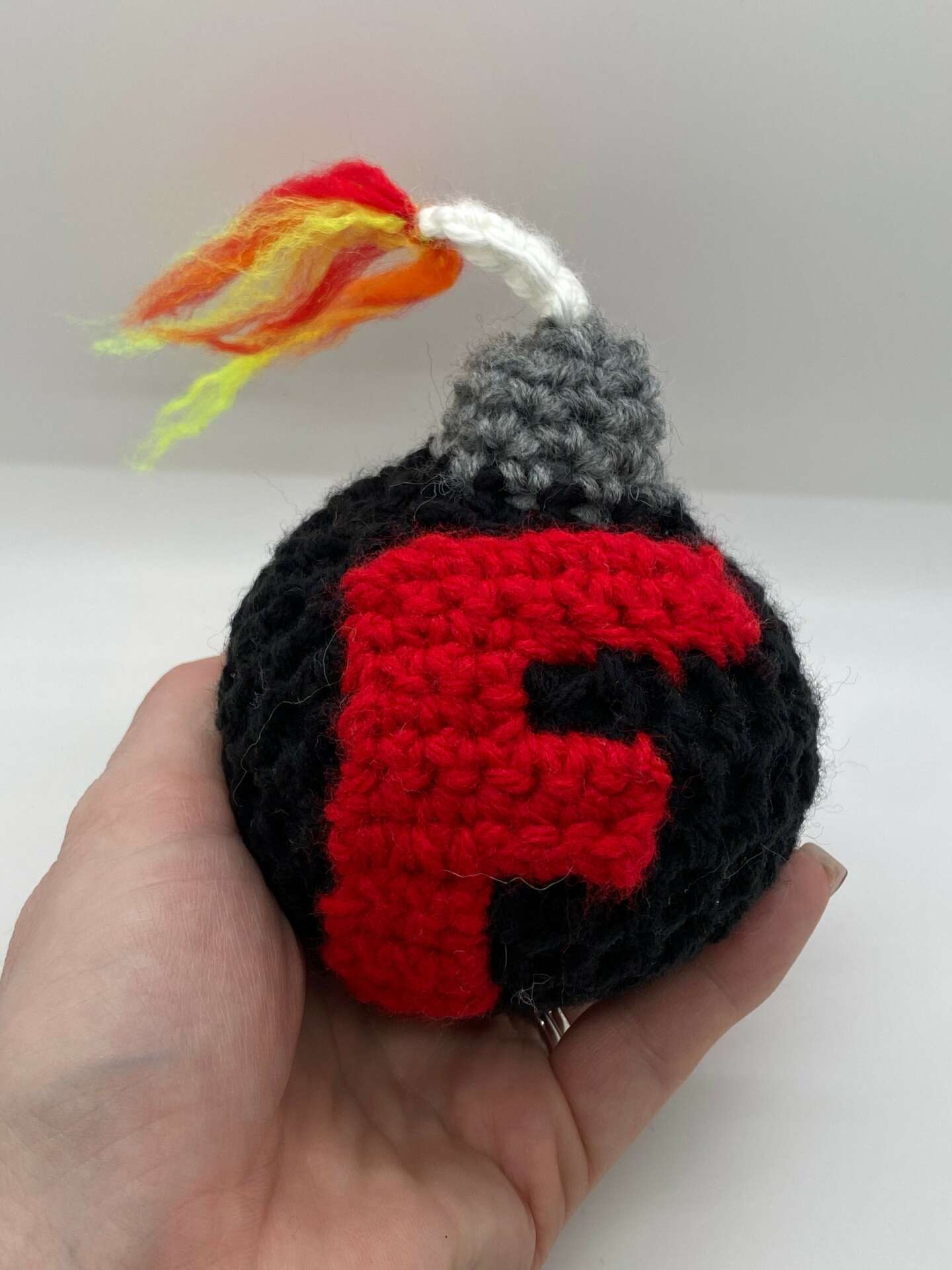
The most rewarding aspect for me is when I see someone visiting my booth at a pop-up market or arts fest “connect” with one of my amigurumi creations. I’ve seen adults and children alike make bee-lines right to a particular item that makes them smile or they feel a connection with. It might be something they collect, a character they like, or it may be the “perfect” gift for someone in their life. Knowing that they appreciate a unique, handmade item to take home or gift means so much. It shows they value what I do and the time I spend creating each item. It is very fulfilling.
What can society do to ensure an environment that’s helpful to artists and creatives?
More than anything, society needs to continue to value art, and handmade items. Big box stores and internet retailers, while offering discount prices on items, often “cheapen” what we as artists create.
It is often difficult to justify to a bargain hunter that $25 is more than fair for a one-of-a-kind handmade 7-inch crocheted animal when they can go to a big box store and buy a mass-produced item for less than half that cost.
It is important that we distinguish the value of owning/gifting something that someone put time, skill, and effort in to making. Every item I make is unique. When I sell an item, I cannot simply make a “copy” or print of it, or start up an assembly line to produce a replacement. I have to spend hours to make a new one, and there will always be some difference between the two…making each item unique.
Visit pop-up markets and artist fairs to find special gifts at holidays, and commit to shopping a small business where your dollar and support really make an impact.
Contact Info:
- Website: www.13thfloordesigns.com
- Instagram: @13thfloordesignscrochet
- Facebook: @13thFloorDesigns
- Other: [email protected]