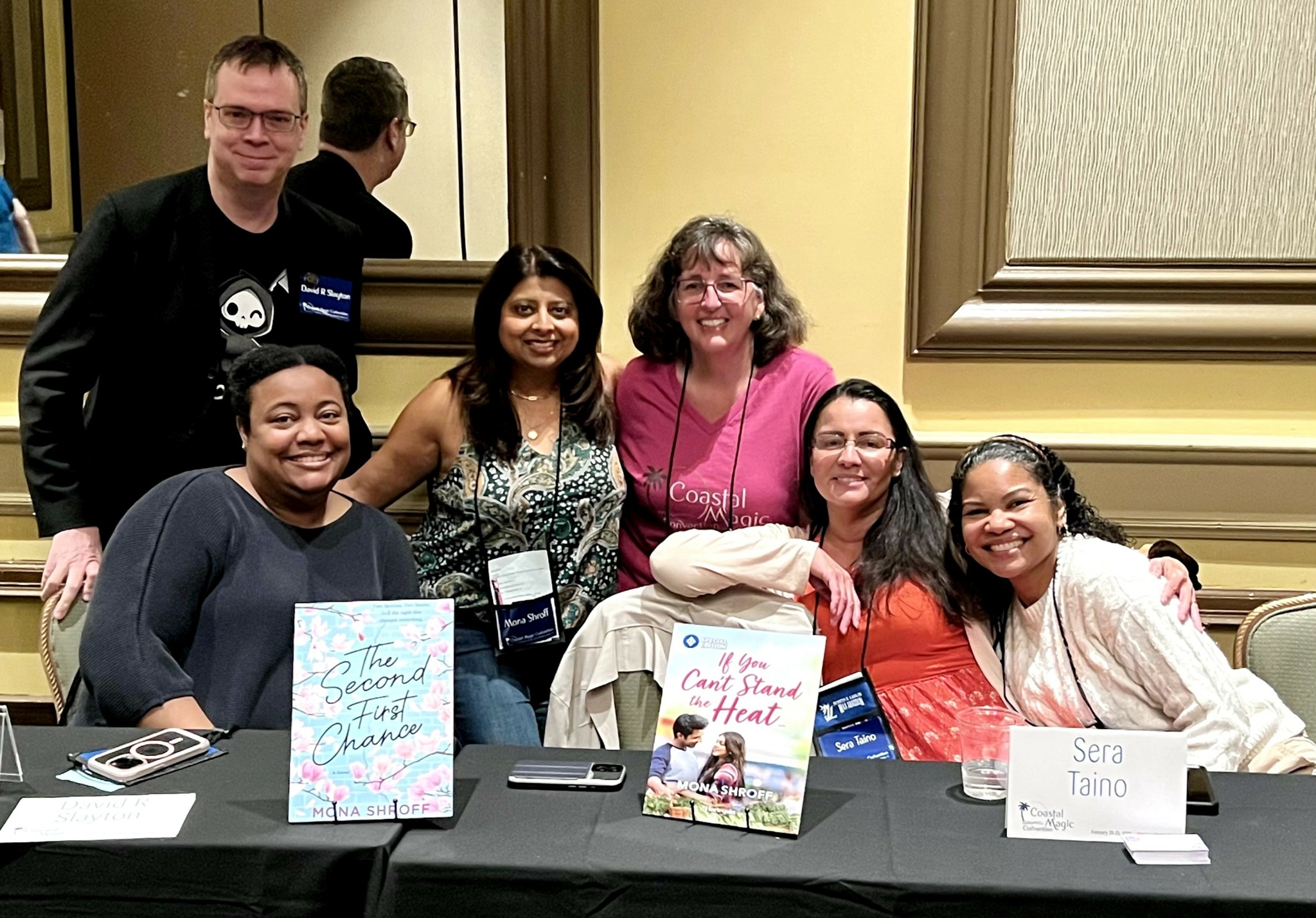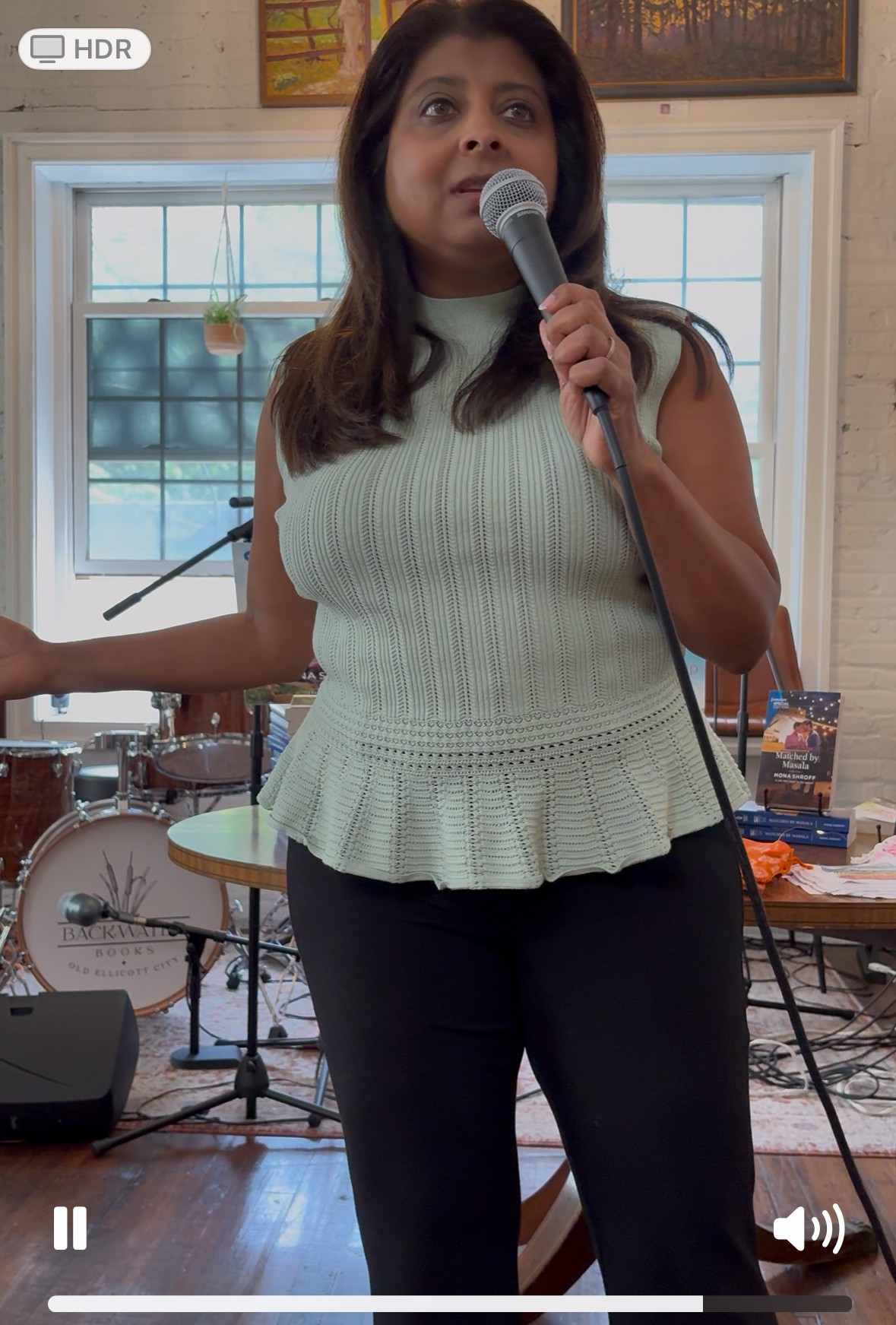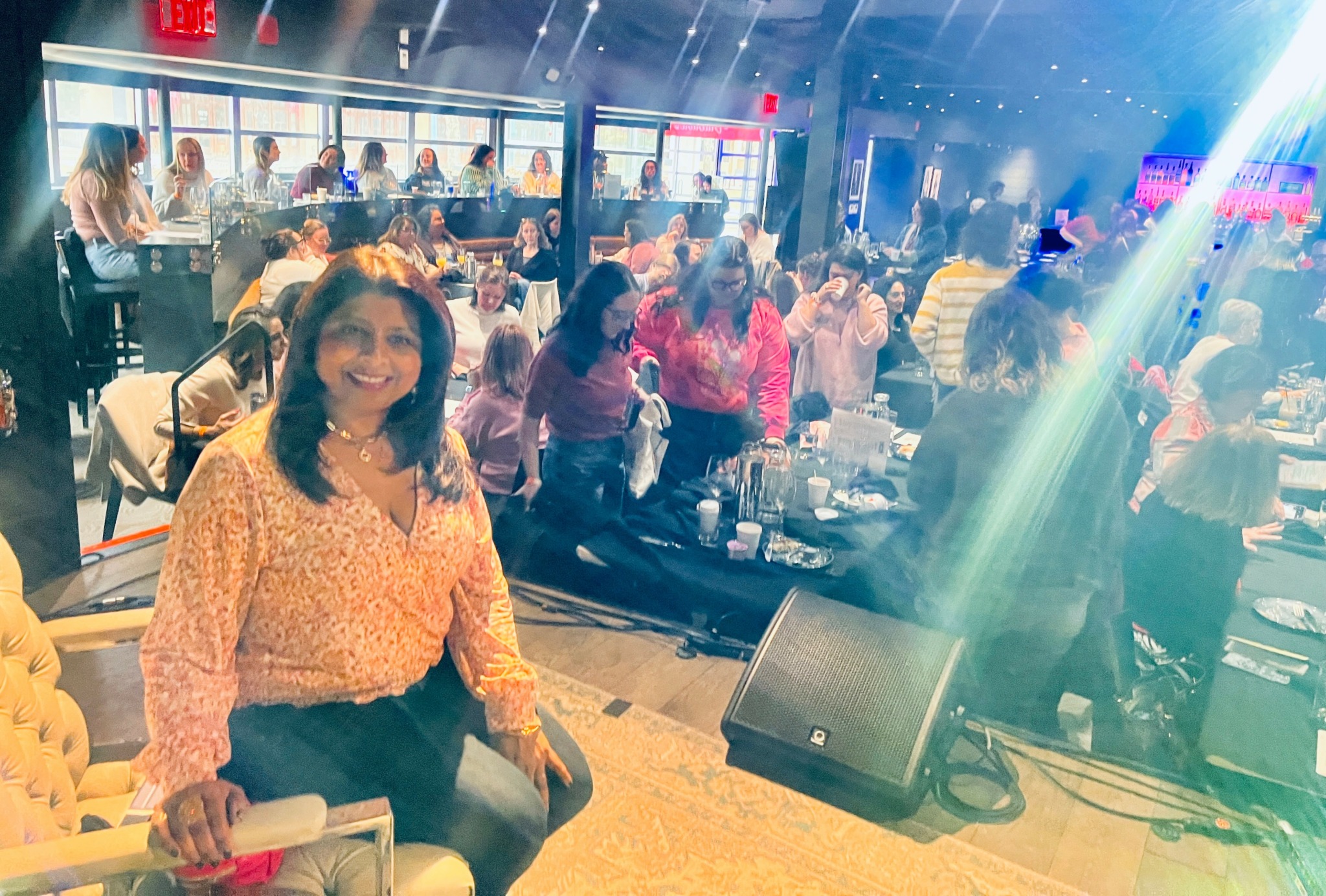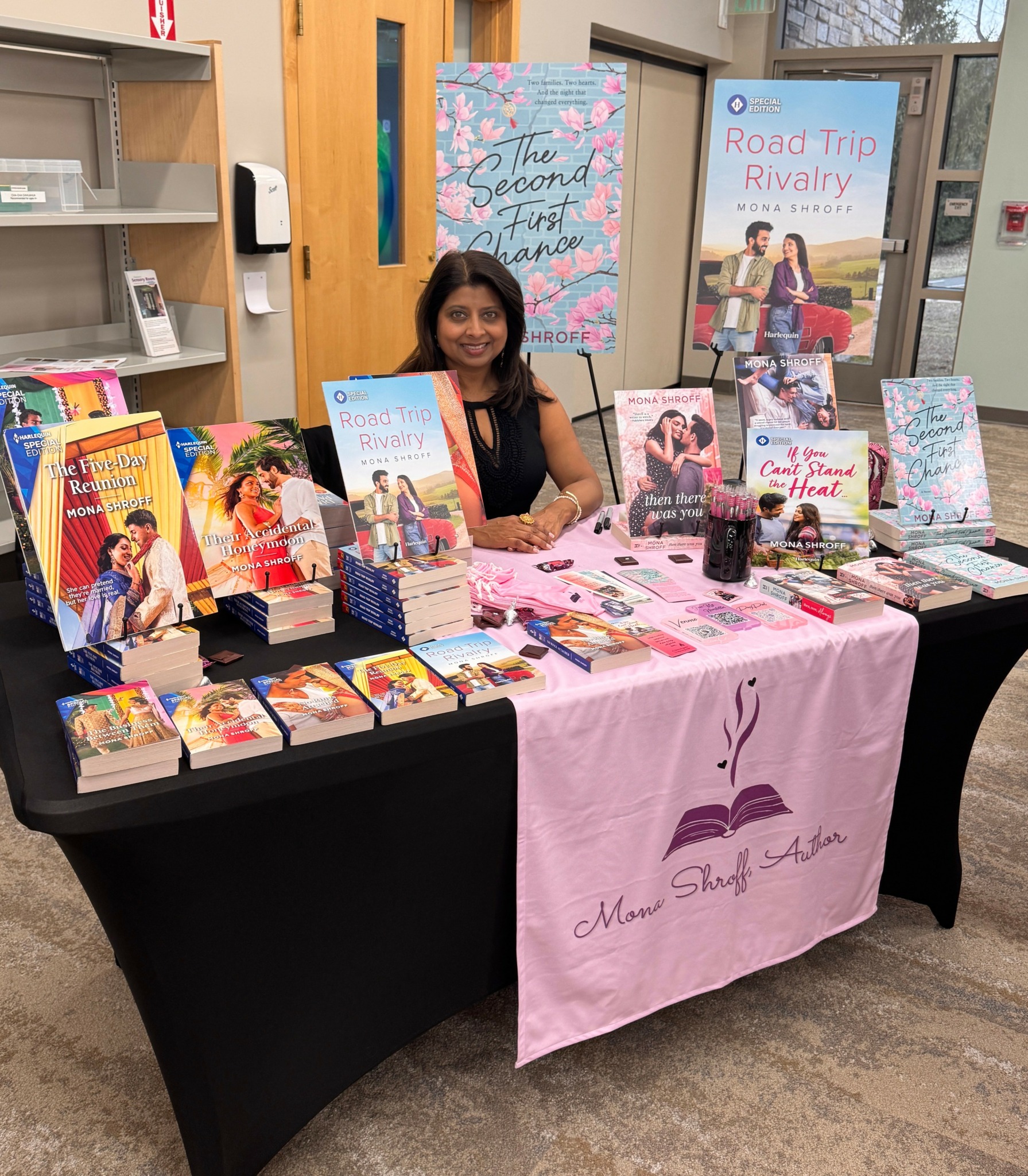

We’re excited to introduce you to the always interesting and insightful Mona Shroff. We hope you’ll enjoy our conversation with Mona below.
Mona, thanks for joining us, excited to have you contributing your stories and insights. Before we talk about all of your success, let’s start with a story of failure. Can you open up about a time when you’ve failed?
As a high-schooler, I tried out for just about every extra-curricular activity there was. I tried out for the JV Softball team. I tried out for debate team. I tried out for cheerleading. I tried out for the marching band…I believe there were a few more.
And I did not make even one of them.
Each rejection stung. After all, I put myself out there, and failed. I eventually ended up as the editor of the sports page of the school newspaper because no one else wanted to do it, and some friends felt sorry for me. I probably moped after each rejection, but over time, I realized something that became a part of me, without my conscious knowledge of it. That lesson served me well in my journey to become a published author.
I learned that those rejections did not define me. The sun still came up everyday, and I still went to school, and life continued on. It might not have felt great, but that feeling passed as I reveled in the things I could do. I was a good student. I worked hard. I learned that putting yourself out there and failing did not have to define you. As an extension, I also knew that my achievements would not define me either. I defined me, and who I was.
Mona, before we move on to more of these sorts of questions, can you take some time to bring our readers up to speed on you and what you do?
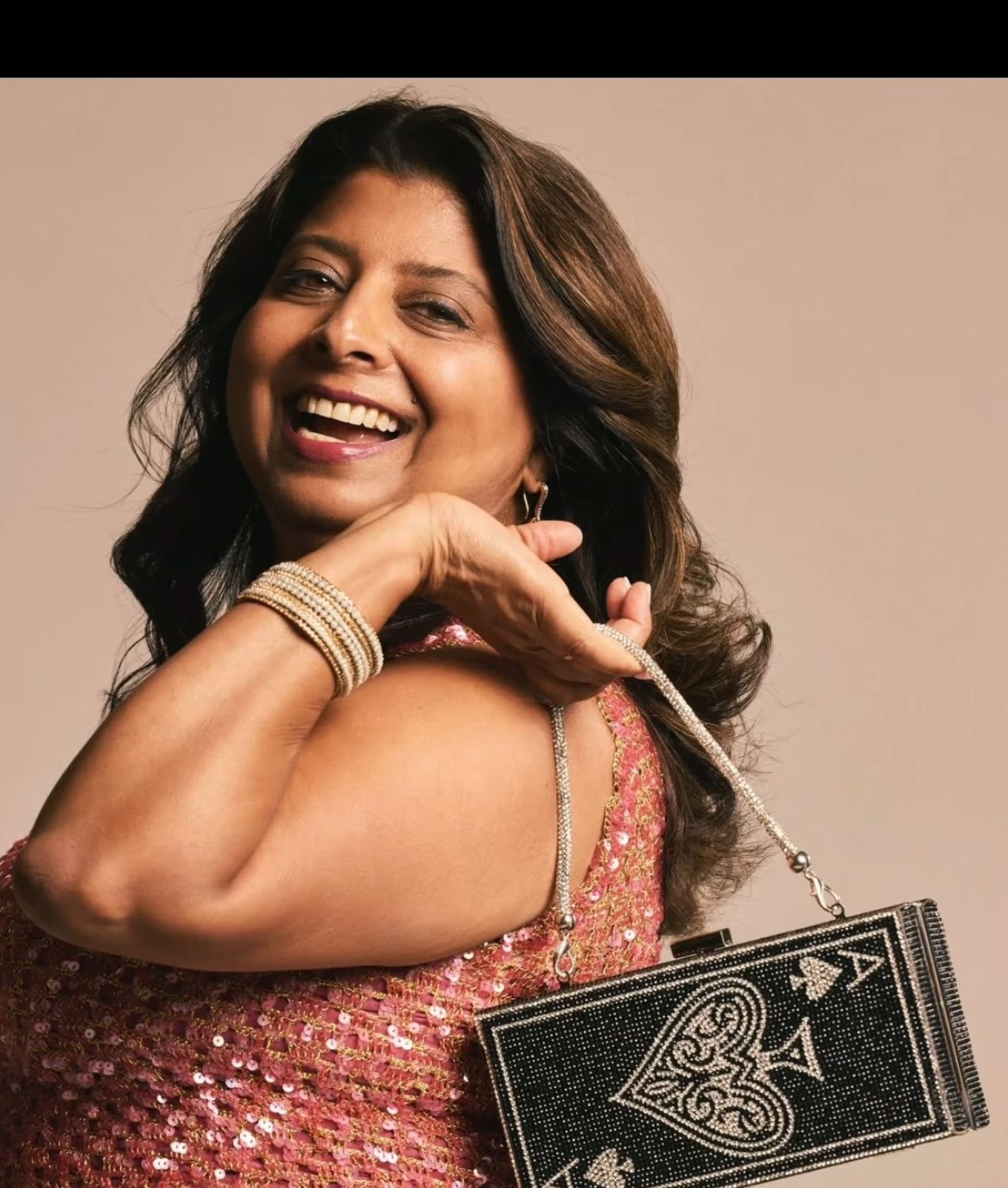
I am an American of South Asian heritage and I am a published author. (I’m also an optometrist – but that’s another story!) I currently write romance novels for Harlequin. My stories feature heroes and heroines who look like me. I was born and raised in the United States and straddled two cultures growing up, during a time when no one really seemed to understand what that meant. My favorite thing to do was read. I read everything I could get my hands on – and I loved it.
What I didn’t see in the books I read was anyone who looked like me, anyone who ate the same food as me, or celebrated the same holidays, or was one person at school and someone else at home. I thought I was the only one. When I started writing, I naturally put those experiences in my books. It was what I knew. Readers, young, South Asian readers responded. They loved seeing themselves in a book! The cover of my debut features a South Asian woman wearing jeans. This was close to revolutionary in that no one had ever seen a South Asian woman on the cover of book, wearing jeans. This was in 2020. Representation matters.
I have watched people connect with vampires, werewolves and fairies. I have seen them cry over the death of spider and cheer for a pig (Charlotte’s Web). I have experienced readers cheering for dystopian murderous teenagers. I am confident that if readers can connect with all those characters, they can also connect with brown charcters, Black Characters and LGBTQ+ characters as well.
Let’s talk about resilience next – do you have a story you can share with us?
Resilience is a must for an author. I had learned as a teenager not to let failure define me, and that lesson was crucial to becoming a traditionally published author. I received at least 50, if not 100 rejections when I was looking for an agent. Some were canned letters. Some were ‘lovely, but not for me’. None were great, but the worst were the ones that spoke about how beautiful my writing was, how real my characters were, and how engaging my story was. And in spite of all that, I was being turned down. They were basically saying that they didn’t think anyone would want to read about South Asian people falling in love. So they turned me down, because there wasn’t any money to be made.
It was at these times that I had to dig deep into that resilience, into what it was that made me want to write, to remember that those rejections did not define me. To understand in my core, that I was not a failure. I kept querying until I found someone who believed in my stories as much as I did. And I do believe in my stories. If I didn’t think my stories were good and worthy – for sure no one else would. Resilience is how we make our dreams come true.
What’s the most rewarding aspect of being a creative in your experience?
The most rewarding part of writing is being able to have people feel seen. South Asian people, of course – with the food, the holidays, the culture. But also people who love, love. Writing romance stories, writing about people allowing themselves to be vulnerable enough to share their lives with someone else, helps all people be seen. Most people want to fall in love, or have fallen in love. We are social animals, we need each other, and falling in love and being in love is part of that.
I also love making people feel something. Whether it’s love or sadness or happiness or even frustration. The power of words to paint not just a picture, but an emotion. If people feel something, it makes them think. That’s a bonus.
I love writing about falling in love. I love writing stories about South Asian characters falling in love. Our stories are not ALL, all about arranged marriages. Our stories, like all stories, are as unique and nuanced as the person who writes them.
Contact Info:
- Website: http://monadshroff.com
- Instagram: http://monadshroff.com
- Facebook: Mona Shroff, Author
- Other: threads: https://www.threads.com/@monashroffauthor