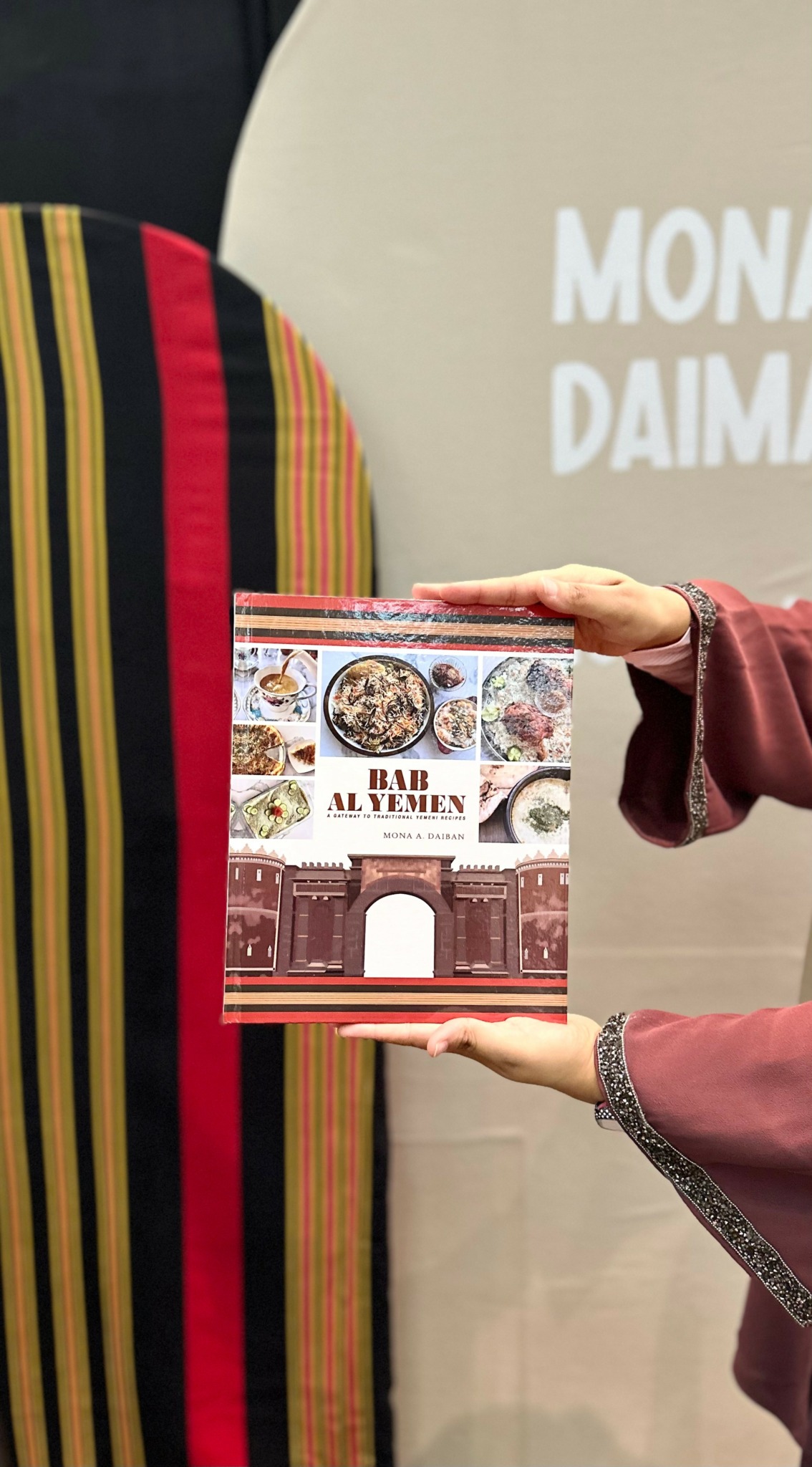

We were lucky to catch up with Mona Daiban recently and have shared our conversation below.
Mona, thanks for joining us, excited to have you contributing your stories and insights. How did you come up with the idea for your business?
The idea for my business grew from a lifelong connection to my Yemeni heritage, even though I was born and raised far from Yemen (in Hawaii). Growing up, Yemeni food was the thread that tied me to my culture. It was the way my family kept our traditions alive, the way stories were passed down, and the way I learned who I was. Every dish carried the warmth of home, even if “home” was an ocean away from the land our recipes came from.
As I got older, I noticed how rarely Yemeni cuisine appeared in mainstream cookbooks, media, or food conversations. Whenever I shared Yemeni dishes with others, the reaction was always the same: surprise, curiosity, and the question, “Why have I never heard of this before?” It made me realize that Yemeni food wasn’t just underrepresented, it was almost invisible despite how rich, flavorful, and historically significant it is.
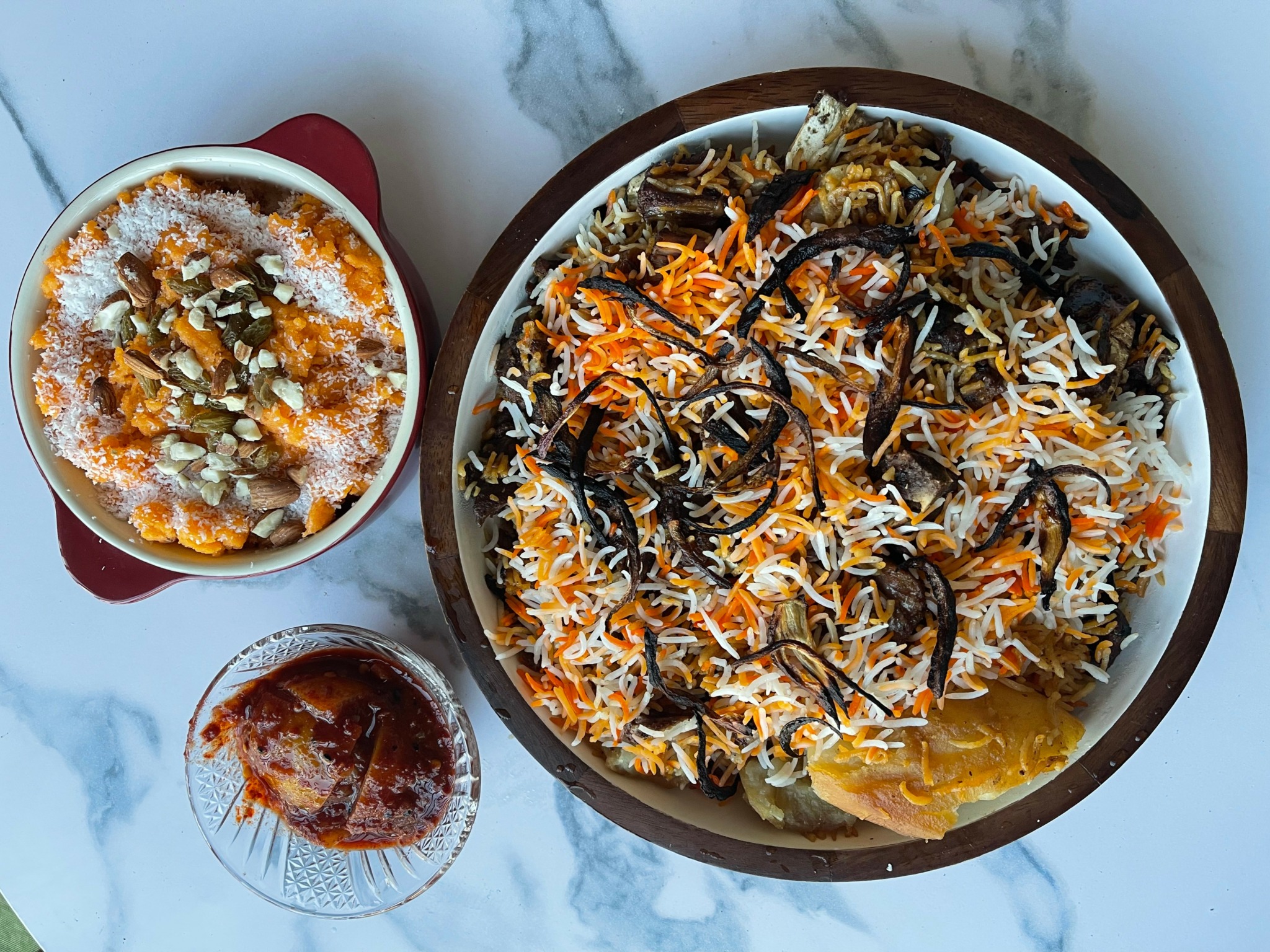
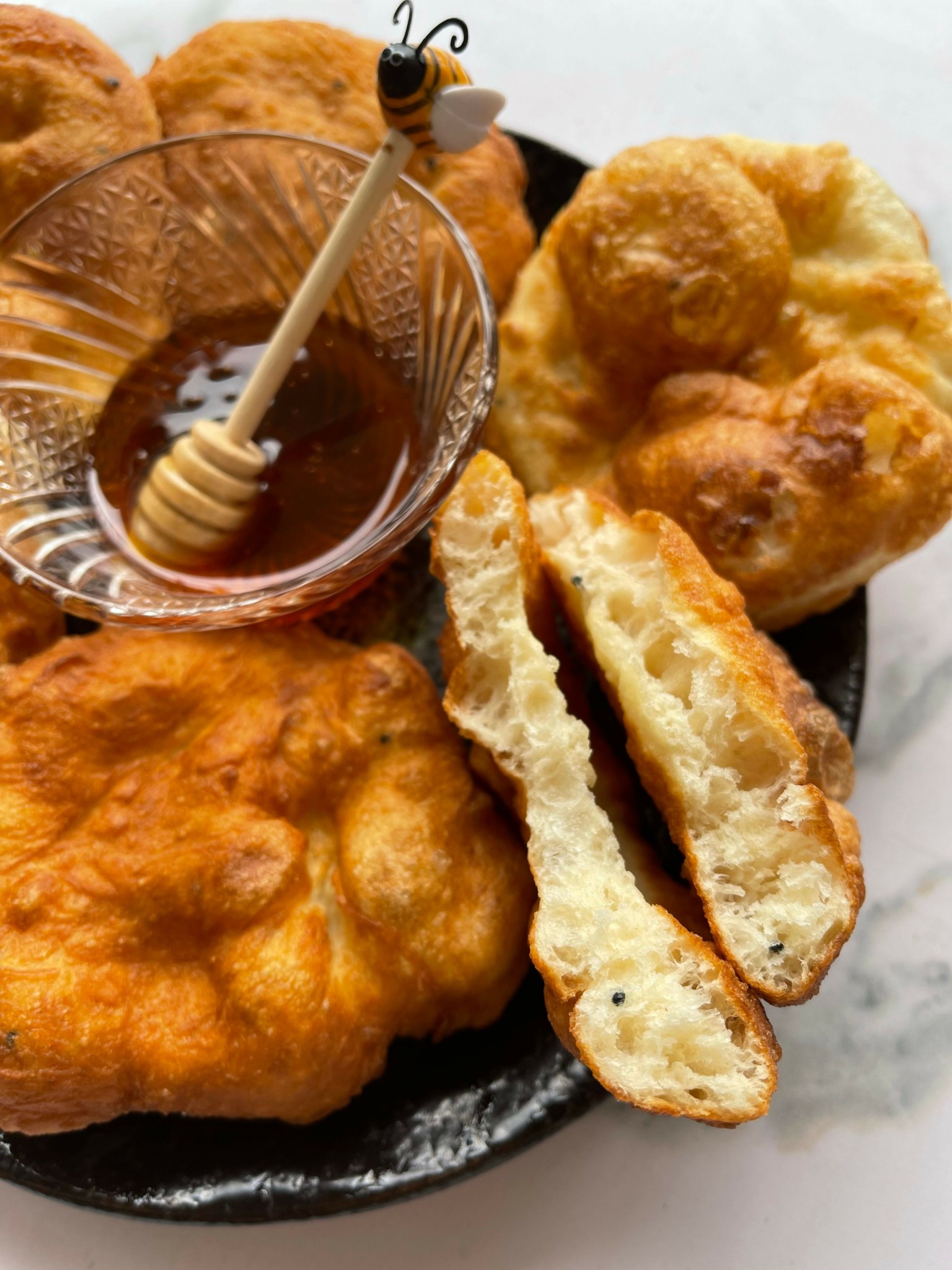
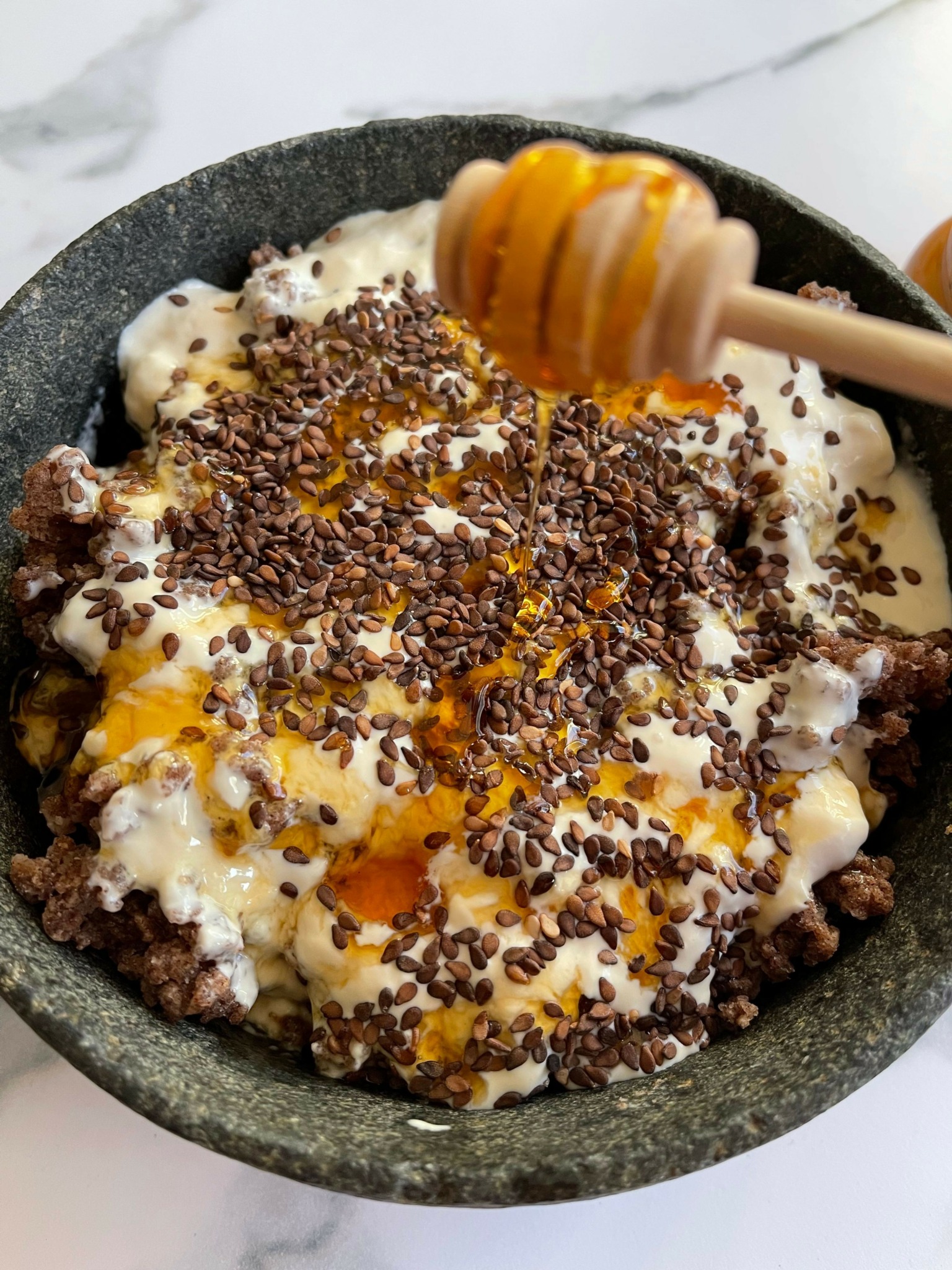
That’s when the idea for Bab Al Yemen: A Gateway to Traditional Yemeni Recipes began forming. At first, I simply wanted to document family recipes and preserve them. I would check measurements with relatives, write down memories tied to each dish, and recreate flavors I grew up with. The more I wrote, the more I realized that I wasn’t just making a cookbook, I was creating a cultural bridge.
I knew this was a worthwhile endeavor because there was a clear gap no one was filling. People were increasingly craving authentic global cuisine, meaningful stories, and recipes rooted in tradition. But Yemeni food had almost no representation, and certainly not in a way that balanced authenticity and accessibility. I saw an opportunity, not just to share recipes, but to shift perceptions about Yemeni culture in a positive and heartfelt way.
What excited me most was the chance to tell a different story about Yemen. To highlight its beauty, its hospitality, its deep culinary traditions. To give people a way to connect to a culture often misunderstood or overlooked. And to create something that was both personal and universal.
My cookbook started as a way to honor my heritage, but it grew into a mission to bring Yemeni cuisine into kitchens around the world. Seeing readers embrace the recipes and share their experiences confirmed what I felt from the beginning: this was a story worth telling, and a journey worth building a business around.
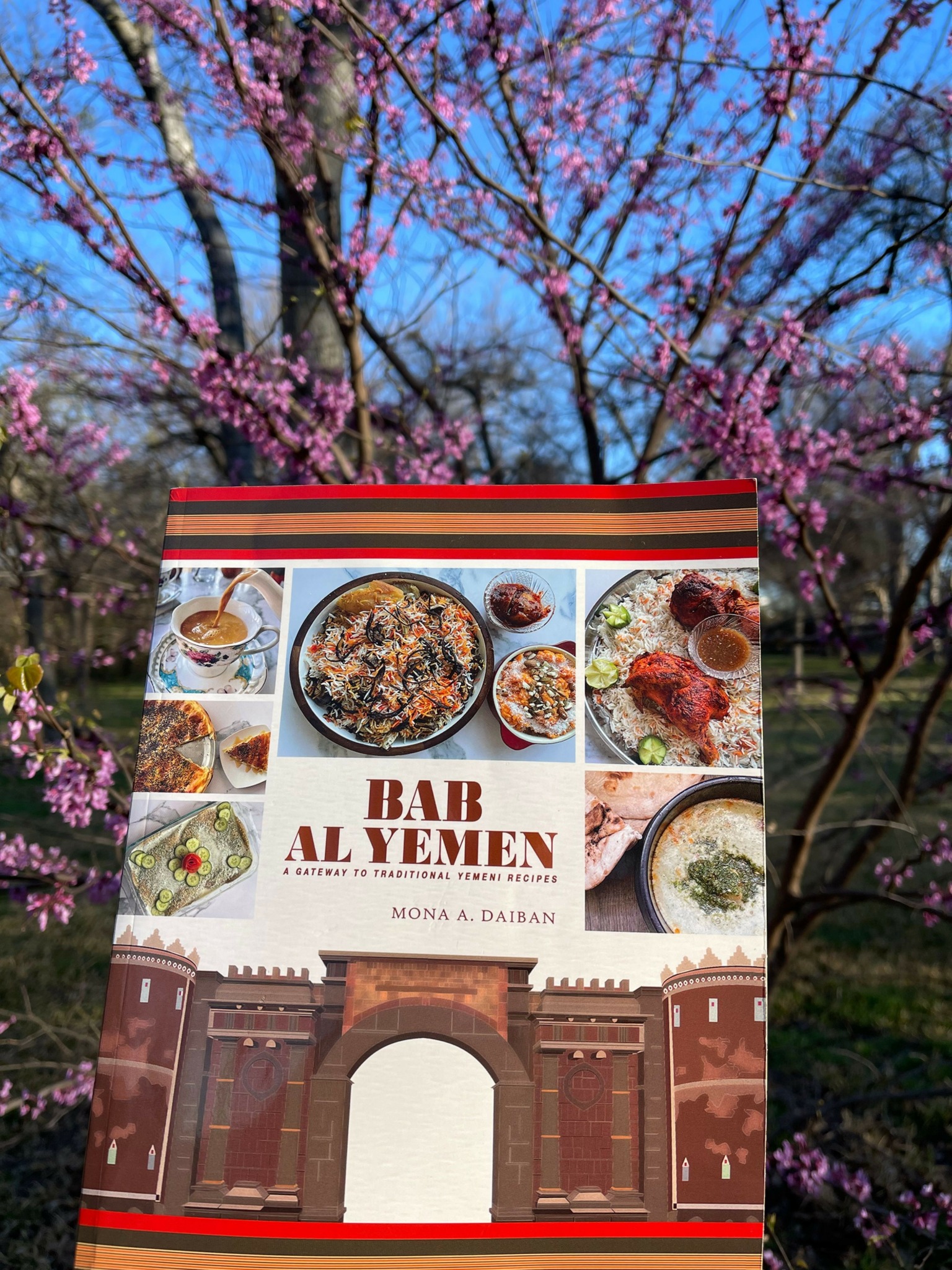
As always, we appreciate you sharing your insights and we’ve got a few more questions for you, but before we get to all of that can you take a minute to introduce yourself and give our readers some of your back background and context?
My name is Mona, and I’m a software content analyst, but I’m also a food storyteller at heart. I was born in Hawaii and raised deeply connected to my Yemeni roots, and that blend of cultures shaped both my identity and my work. On one side, I have a strong analytical, technical background where I solve problems, create systems, and think in terms of structure and logic. On the other side, I have a lifelong passion for culture, food, and storytelling, especially representing Yemeni traditions in a positive, authentic way.
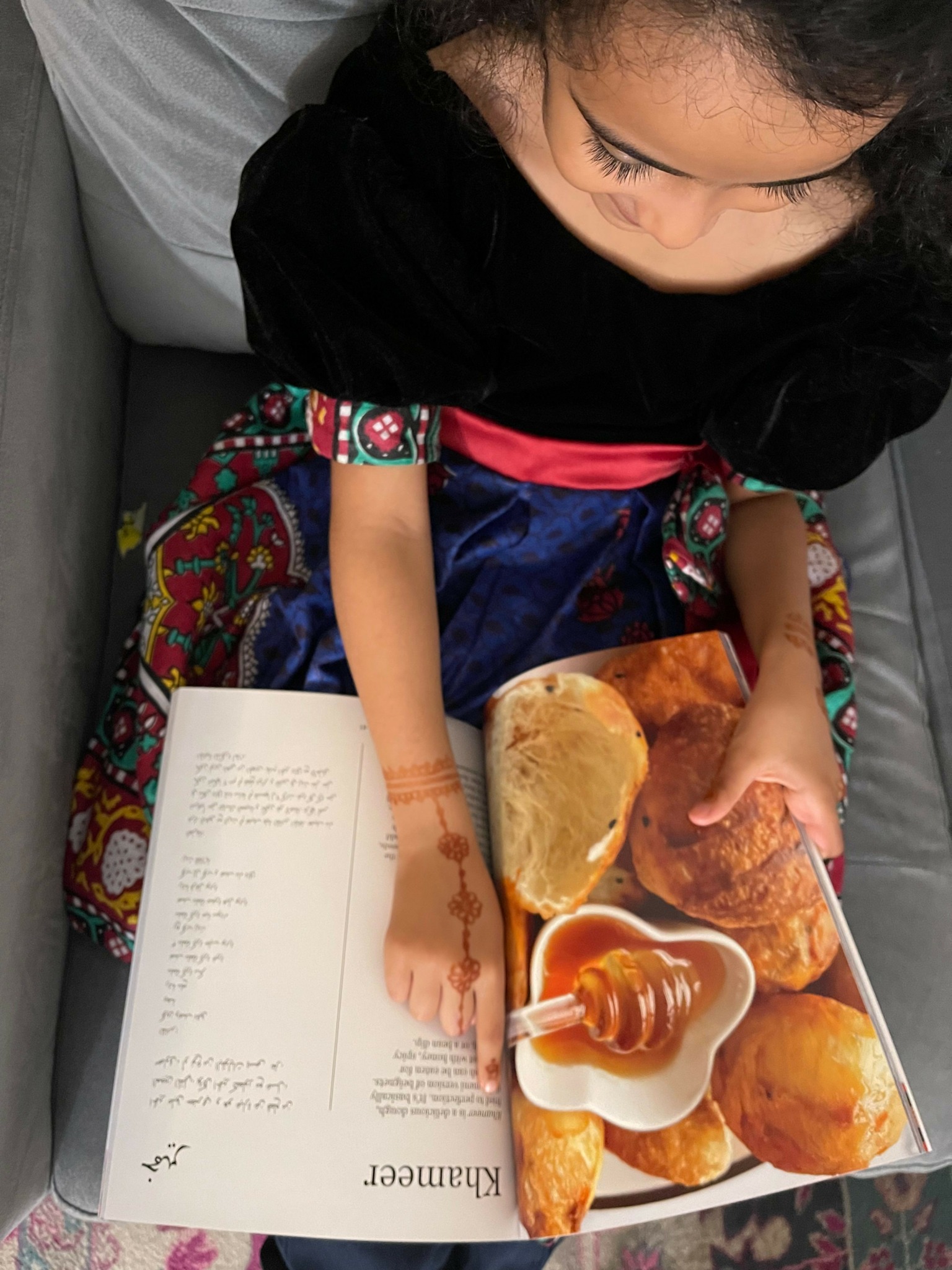
My journey into the culinary world began naturally. Yemeni food played a huge role in my childhood. As I grew older, I realized how underrepresented Yemeni cuisine was in mainstream food media, despite its depth, beauty, and cultural significance. That gap is what inspired my cookbook, Bab Al Yemen: A Gateway to Traditional Yemeni Recipes.
Combining my technical mindset with my cultural passion, I approached the cookbook the way I approach software projects: with structure, clarity, precision, and purpose. I documented recipes meticulously, researched historical context, and designed the book so it would feel both accessible to beginners and meaningful to those familiar with Yemeni food.
I want people to know that everything I create is built on intention. Whether it’s a cookbook, a digital product, or a piece of content, my goal is always the same: to educate, inspire, and preserve. I’m here to amplify Yemeni voices, elevate Yemeni cuisine, and create meaningful resources that blend cultural authenticity with modern accessibility.
I’m proud of creating something that honors my culture and resonates with people around the world. Bab Al Yemen started as a personal project, but now it’s a doorway through which people can experience Yemeni hospitality, flavor, and history, often for the very first time. Seeing readers recreate my recipes and connect with the culture behind them is one of the most rewarding experiences of my life.
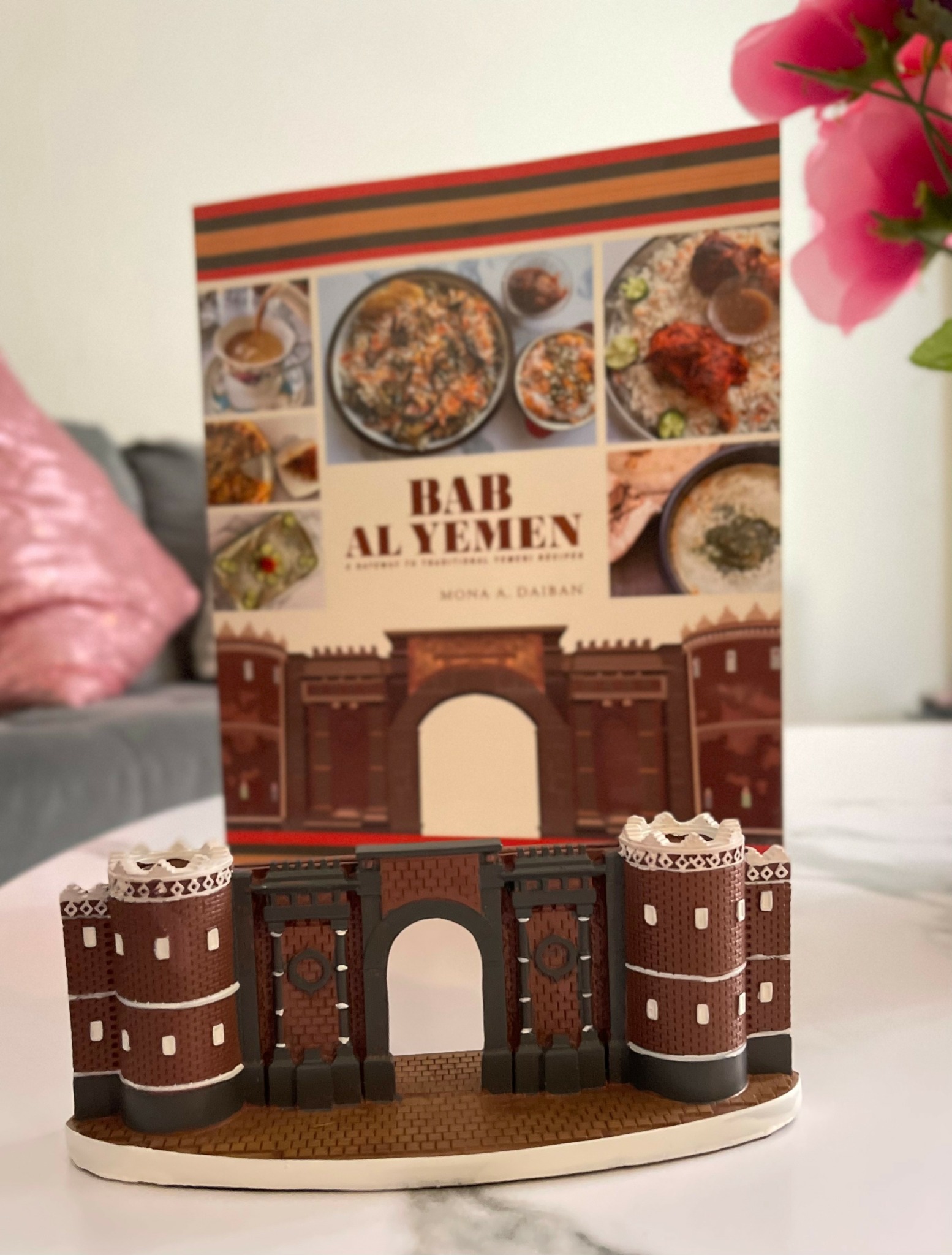
Let’s talk about resilience next – do you have a story you can share with us?
One of the biggest examples of resilience in my journey came while creating my cookbook. I had to restart the entire project about four times because I encountered some hurdles along the way and every time that happened, I had to remake every single dish, retest recipes, restyle plates, and retake all the photos, completely on my own. It was exhausting, and there were many moments when I wanted to quit, but I refused to compromise on quality or walk away from something so meaningful.
I also pushed myself out of my comfort zone by participating in cultural bazaars to share my cookbook with the community. I’m naturally not someone who likes being in the spotlight, but showing up, talking to people, and representing my culture was worth every moment of nervousness.
Those experiences taught me that resilience isn’t loud, it’s the quiet decision to start again, to show up, and to keep going even when it’s hard.
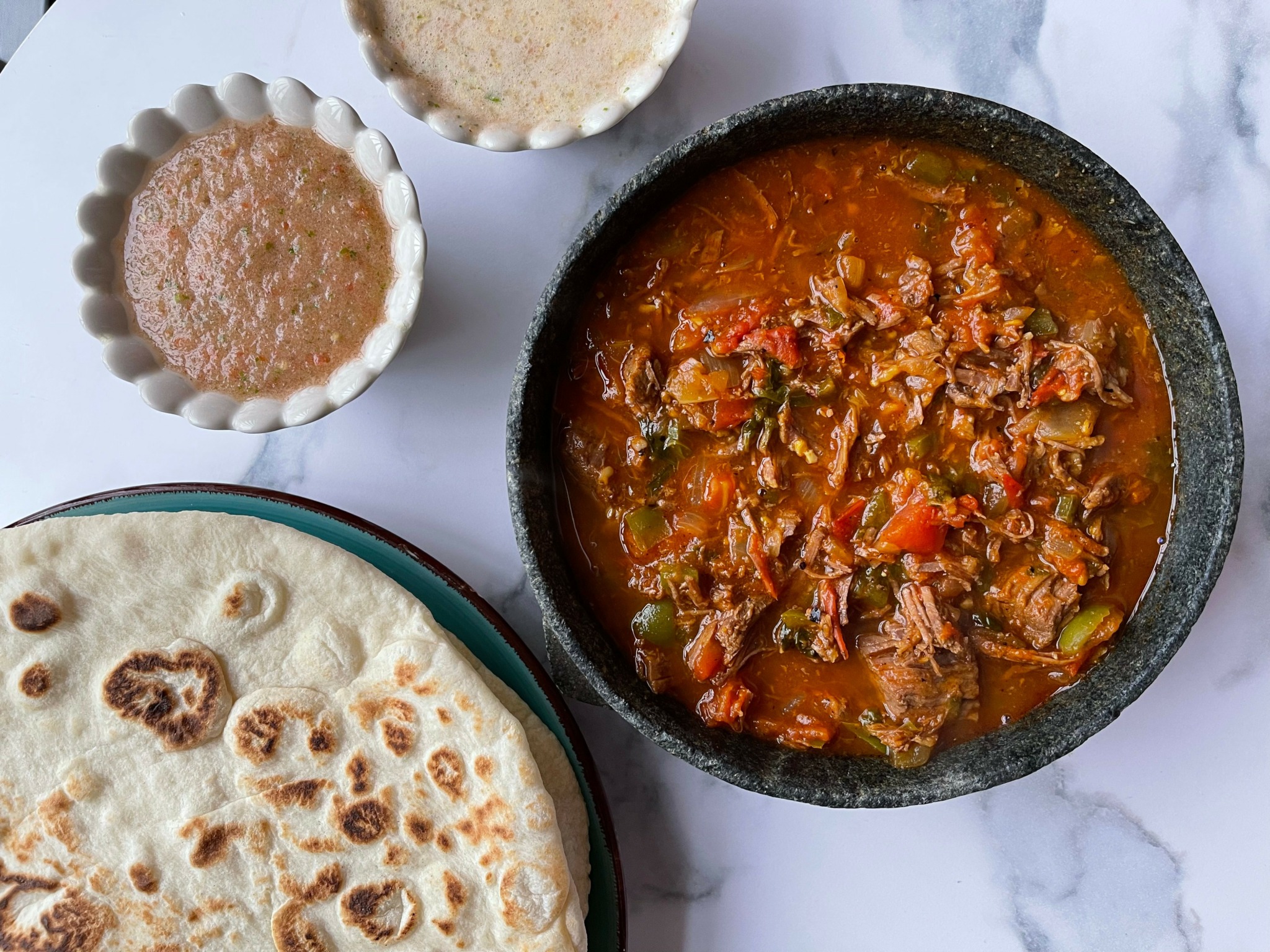
We’d really appreciate if you could talk to us about how you figured out the manufacturing process.
For my cookbook, I don’t manufacture the product myself, but I do handle every part of its creation – from recipe development to design – before partnering with printing vendors. When I first started producing Bab Al Yemen: A Gateway to Traditional Yemeni Recipes, I knew that the quality of the physical book was just as important as the content inside it. So I took a very hands-on, research-driven approach to finding the right printer.
I reached out to multiple printing companies both locally and nationally and ordered physical samples from each one. I compared paper weights, colors, binding, texture, and overall durability because I wanted readers to experience the book the way I envisioned it. But beyond quality, price was also a major factor; I wanted the book to be beautiful and reasonably priced for readers.
After extensive testing, I found an overseas printer whose quality exceeded many of the domestic options, and even though they had a U.S. branch, the overseas pricing allowed me to offer a premium product at an accessible price. It was a learning curve but it taught me the importance of patience, sampling, and not settling for the first vendor that seems “good enough.”
As their U.S. branch improved, and as their print-on-demand services evolved, I eventually switched to their US branch. That transition has been smooth, cost-effective, and aligned with my goal of making the book easy to access globally without sacrificing quality.
Contact Info:
- Website: https://beacons.ai/monasdaimah
- Instagram: @monas_daimah
- Other: Tiktok: @monas_daimah