

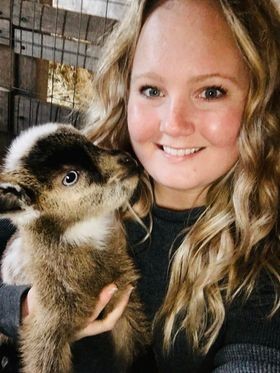

We recently connected with Molly Jones and have shared our conversation below.
Molly, looking forward to hearing all of your stories today. Let’s start with what makes profitability in your industry a challenge – what would you say is the biggest challenge?
The rising cost of supplies, feed, veterinarian costs, and overall strained incomes are some of the top challenges to profitability in small livestock farming. More often than not, small farmers are considered “hobby farmers” because they have to work a full-time position to supplement the cost of supporting their farm. Due to new laws put in place, small farmers now have to rely on a veterinarian to supply needed antibiotics and other medications that were once available at local feed stores to treat sick animals. Due to this change, farmers are now faced with veterinarian visit costs and increased medication costs. With the rising cost of feed due to increases across the board in the feed industry, small farmers are spending more monthly on the basics to sustain the health of their animals. Ultimately this results in an increased price for livestock sales and with strained incomes in households and farms, families are not buying as many animals.
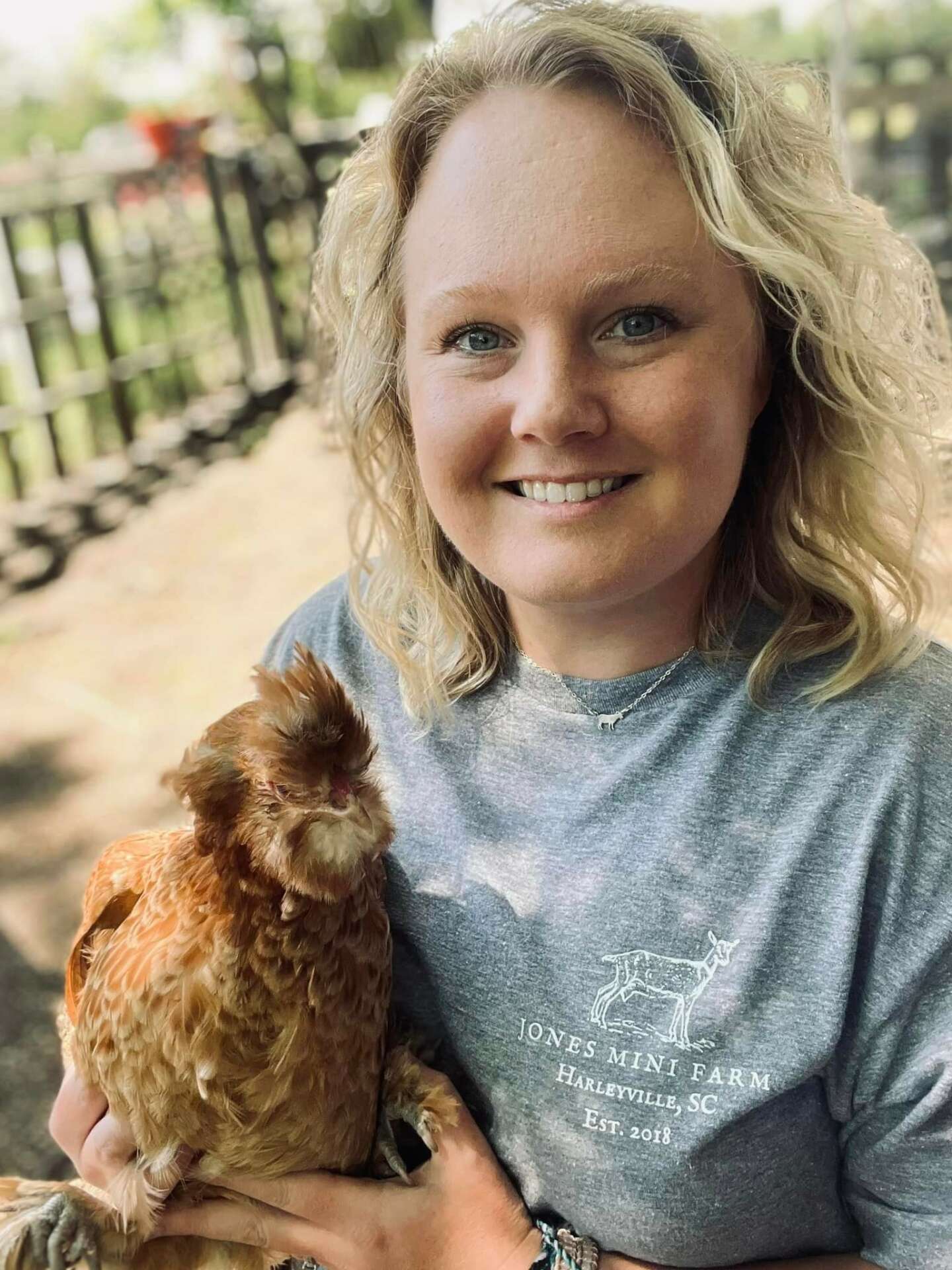
Molly, before we move on to more of these sorts of questions, can you take some time to bring our readers up to speed on you and what you do?
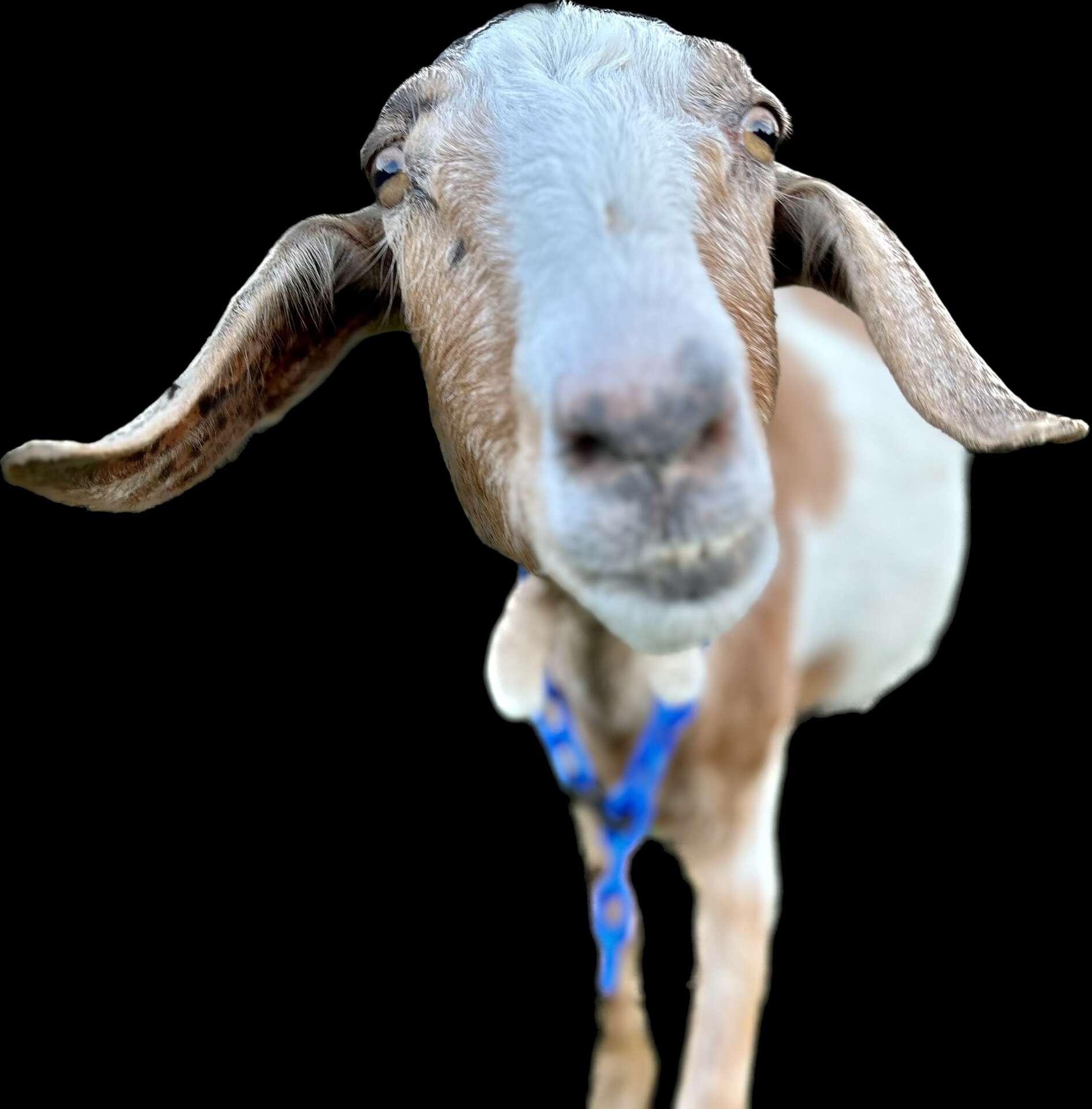
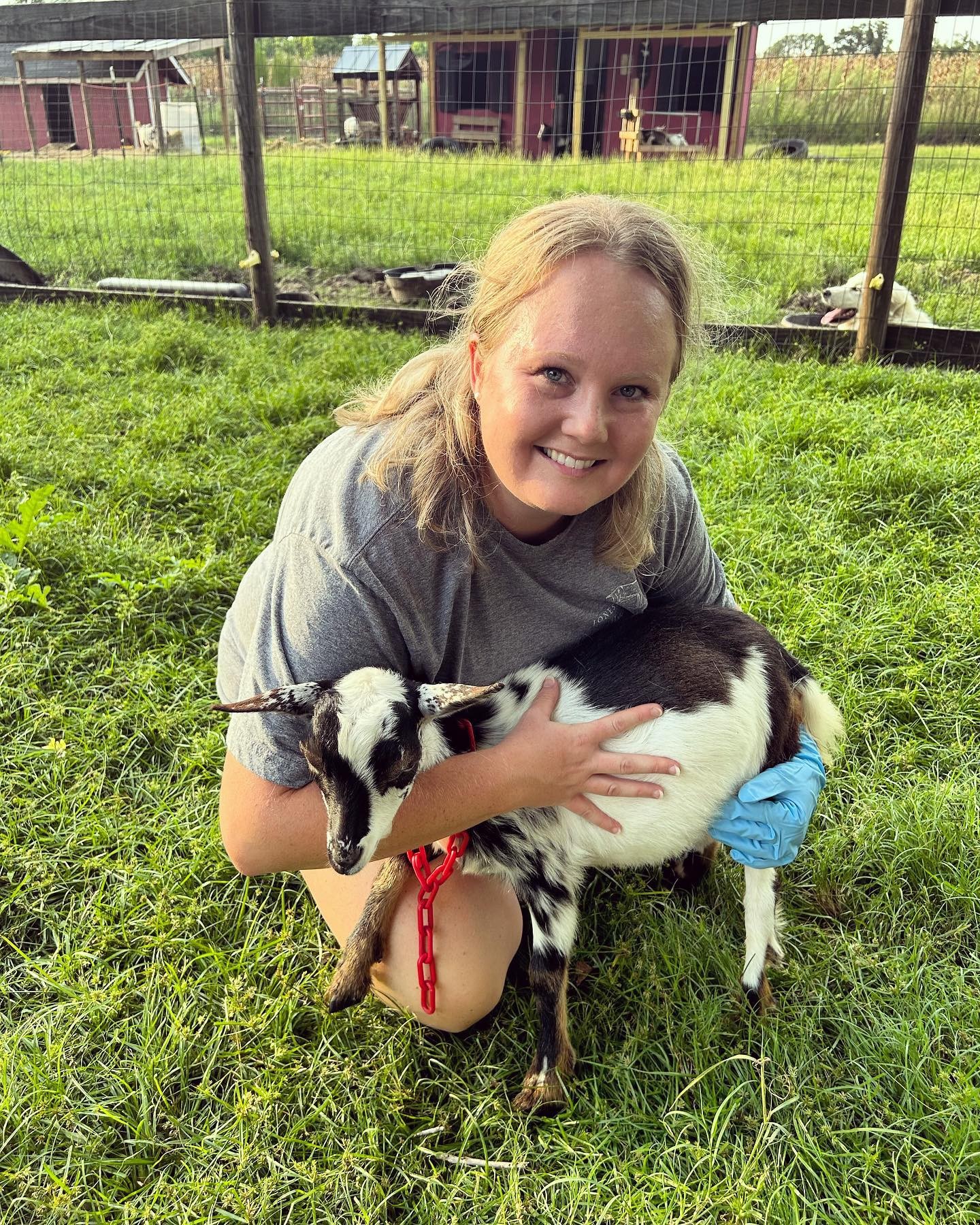
My journey into becoming a small livestock farmer began as a child who loved animals. I am an only child and grew up with animals as my playmates in the home. I always felt a connection to working with animals and caring for them. My goals were once to go into veterinary medicine but my life took me in another direction. I have always been drawn to those in need, especially animals. I was facing a tough time in my life during a transition in my career and moving to a new area. I began spending time at my husband’s family’s farm and was befriended by a very unfortunate-looking goat without a name. I nicknamed her pig. She consistently followed me around searching my pockets for food. My husband and I were house hunting at the time and we knew we wanted a little land. Pig became a comfort in a stressful time. My husband’s uncle had attempted to breed her and she did not get pregnant so he decided he wanted to take her to auction or have her sold. I begged my husband to allow me to buy her. At the time I knew nothing about caring for a goat and figured it couldn’t be too difficult with my background in working at veterinary hospitals and being a member of the FFA in high school. I did not expect the amount of a learning curve it would be for me. I discovered goats need a companion so we purchased an additional goat from his uncle and started our herd. House hunting landed us in Harleyville, SC a small town about an hour from Charleston, SC. I never intended to get into breeding and raising goats. I assumed Pig was unable to have kids. Goat care was my focus. I wanted to get Pig healthy. I introduced a buck into the herd but assumed Pig would never get pregnant. Pig began to put on a lot of weight and I thought how wonderful! She was getting healthier, I noticed she started getting a milk udder and less than 24 hours later I was delivering my first goat kid with the assistance of our veterinarian over the phone. I had never witnessed anything being born before. After the experience, I was hooked. I wanted to learn more about breeding and raising healthy goat kids. Our herd went from 3 to 19 and 2 different breeds. We breed Nigerian Dwarfs and Mini Nubian goat kids. Both of these breeds are dairy goats. Our focus has been primarily on breeding parasite-resistant, well-built, and overall healthy kids to families/farms. We have been selling kids to supplement the cost of keeping the herd. This year we have expanded our barn to include a milking room to allow me to begin making products including soaps, lotions, body wash, and bath bombs using the goat’s milk we produce. I am still working on researching the processes and formulas for these products. We have created a website in which we list our available goats and breeding plans, poultry for sale, farm products, and apparel. It is my dream to eventually focus fully on the farm and sustain through our sales and profits. I am proud of the knowledge I’ve gained along the way and the network of goat producers I have made over the last few years. The friendships I have formed through this venture have been such a blessing. I am so thrilled with the number of supporters and fans we have gained through our journey on the farm. I am proudest of Pig and how she has influenced our goals and supervised all of our additions to her barnyard.
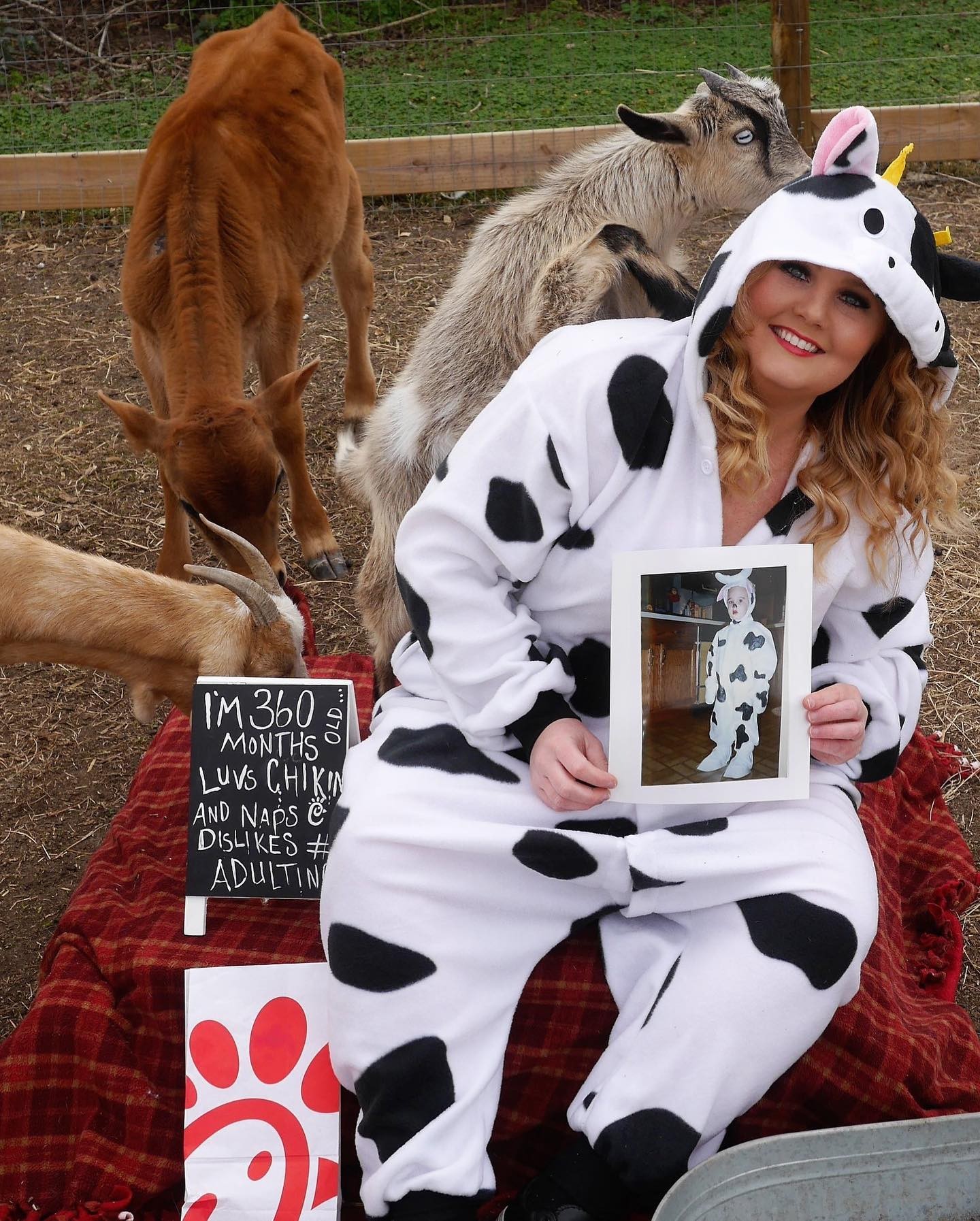
We’d love to hear about how you keep in touch with clients.
Every time we sell a “Jones Mini Goat” we provide information to the purchasing family or farm on how to care for and maintain a healthy goat. We want our animals to be successful and bring their families the same joy they bring us. We try to remain connected with our families to get updates on how the kids are growing. I want to be a trusted resource for goat care questions and give the families the security of having a mentor to turn to.
Let’s talk about resilience next – do you have a story you can share with us?
About 2 years into breeding we had two tragic losses in one week due to pregnancy complications. Both of these young females were in labor with their first kids when their deliveries did not go as planned. Our first girl went into labor and was not progressing properly. We made an emergency call to the veterinarian in Charleston and made the drive down to him for an emergency C-section. Daisy did wonderfully through the entire surgery. Unfortunately, both kids had passed. Daisy was recovering but crashed 10 minutes after the surgery and we lost her. This was devastating to lose 3 lives and the cost of the care was close to $1,000. 3 days later our sweet Ellie went into labor and again was not progressing as she should have. We thought this could not be happening twice in a row. We must be missing something. We stayed up all day and night with Ellie praying and trying our hardest to deliver her kids. The next morning we made another call to our veterinarian and rushed Ellie into him. Ellie’s uterus had torn and there was nothing that could be done for her. We had to make the heartbreaking decision to humanely euthanize her. My husband and I were devastated. We discussed the events with our veterinarian to try and determine if there was anything we had done wrong. He assured us we had not done anything wrong but that these two events were separate from each other and just very terrible luck. At points like this, you will find yourself questioning if your heart can take any more. We took a year off from breeding to try and recover from the losses. It was tough financially and almost caused us to discontinue our breeding program. Many tears were shed and a lot of questioning was done but we spoke to our network of goat breeders, veterinarians, and family to help us get through the tough time and learn.
Contact Info:
- Website: https://www.jonesminifarm.com/
- Instagram: https://www.instagram.com/jonesminifarm
- Facebook: https://www.facebook.com/thejonesminifarm