

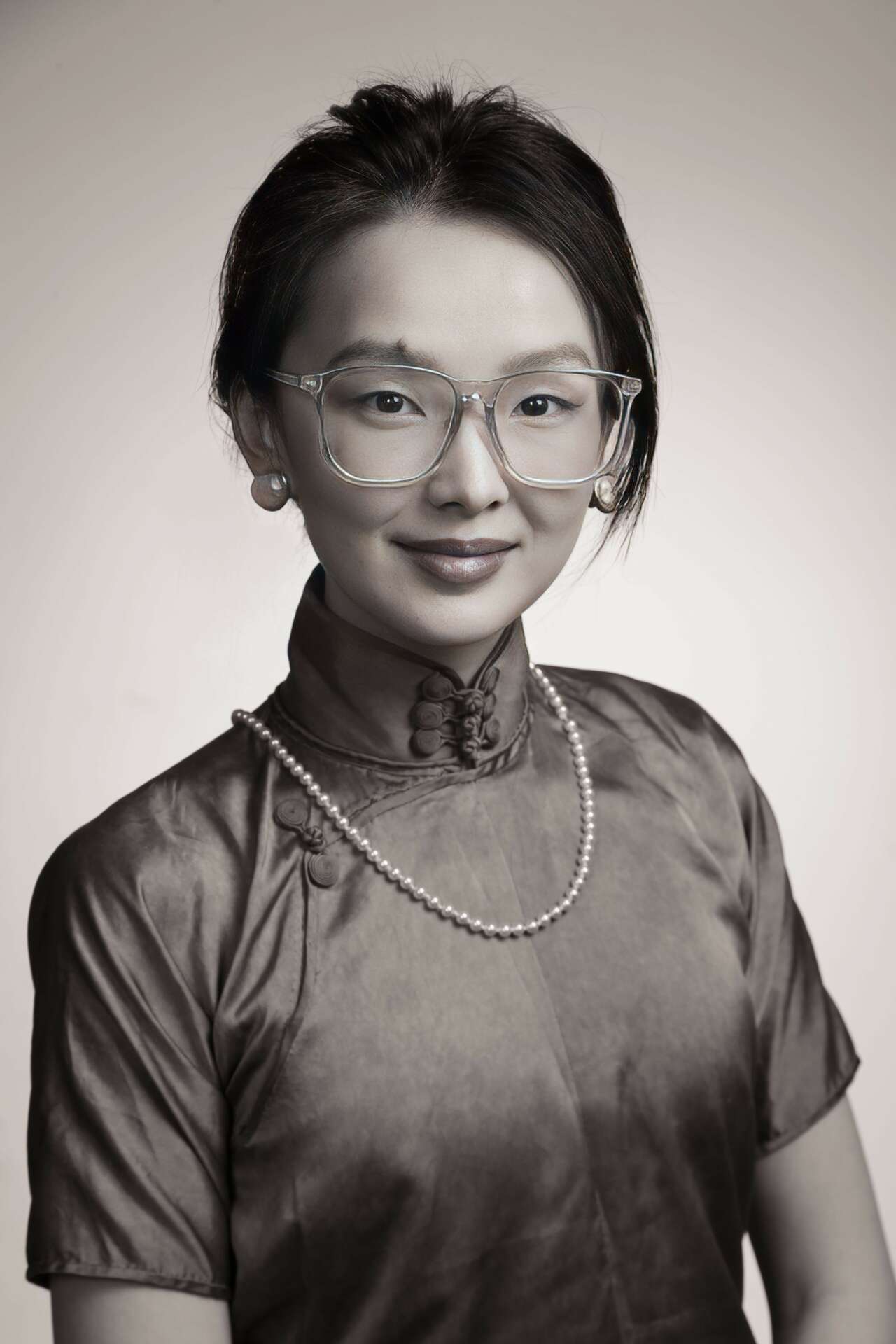

We caught up with the brilliant and insightful MJ Chen a few weeks ago and have shared our conversation below.
Hi MJ, thanks for joining us today. Did you always know you wanted to pursue a creative or artistic career? When did you first know?
Looking back, my journey towards a creative and artistic career began long before my professional stint in the banking sector. As early as middle school, I was drawn to the world of fashion design, spending countless hours sketching clothing designs. This early passion for art was more than just a pastime; it was a clear indication of where my true interests lay.
During my university years, this artistic inclination took a new turn when I started working as a part-time model. This experience was not just a job, but a gateway to understanding the intricacies of fashion and art from a different perspective. Being up close with designers and witnessing the transformation of sketches into tangible fashion pieces was deeply inspiring. It gave me a firsthand look at the creative process, fueling my passion even more.
However, despite these early signs, I initially chose a more conventional path by entering the banking industry, following my family’s legacy. But deep down, I knew that my heart belonged to the arts. Eventually, I reached a pivotal moment where I decided to honor my true passion. Resigning from the bank and leaving China to study art in the United States was more than a career change; it was a commitment to the artistic calling that had been a part of me since my teenage years. This journey, from sketching designs in middle school to embracing art fully, has been a testament to following one’s passion despite the odds.
MJ, love having you share your insights with us. Before we ask you more questions, maybe you can take a moment to introduce yourself to our readers who might have missed our earlier conversations?
After graduation, my journey took me to Eden Fine Antiques Galleries, the largest auction house specializing in Chinese antiques in the southern United States. Here, I worked as a client strategist and period fashion consultant, a role that allowed me to delve deeper into the nuances of antiquities and luxury.
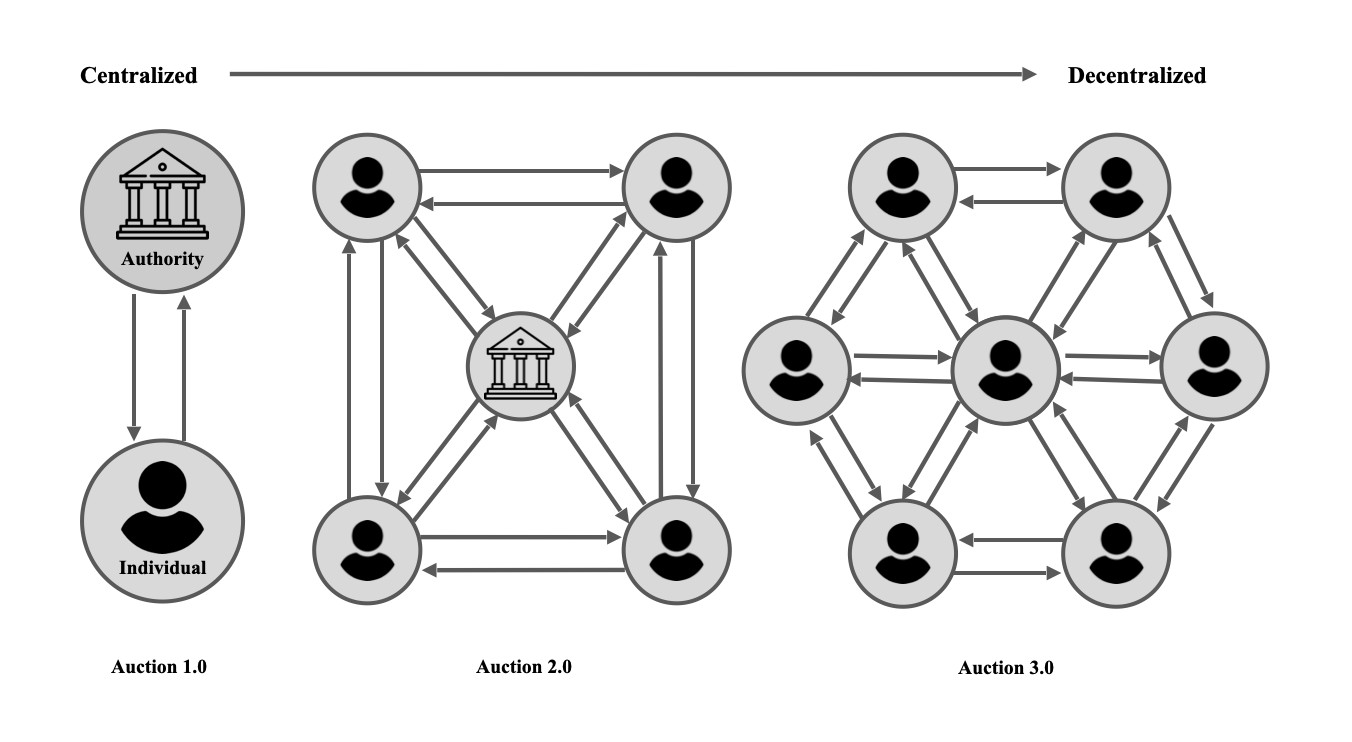
Yet, my quest for knowledge was far from over. I returned to academia to pursue an MFA degree in luxury and brand management. My thesis research, focusing on the decentralization of the art auction market, reflects my commitment to understanding the evolving dynamics of art and luxury. In November 2023, I graduated from the Savannah College of Art and Design, marking another milestone in my academic and professional journey.
My experiences have taught me to see the world through a lens that combines Eastern heritage with Western progress. I believe in bridging gaps, finding unity in diversity, and merging logic with creativity. My approach is not just about combining disciplines; it’s about creating a harmonious blend that reveals new insights and perspectives.

We’d love to hear your thoughts on NFTs. (Note: this is for education/entertainment purposes only, readers should not construe this as advice)
My perspective on NFTs (Non-Fungible Tokens) is nuanced, especially given my thesis work on the decentralization of the art auction market. While I recognize NFTs as a groundbreaking development in the digital art sphere, I firmly believe in the irreplaceable value of physical art. The tangible experience of physical artworks offers a sensory and emotional depth that is integral to the appreciation of art.
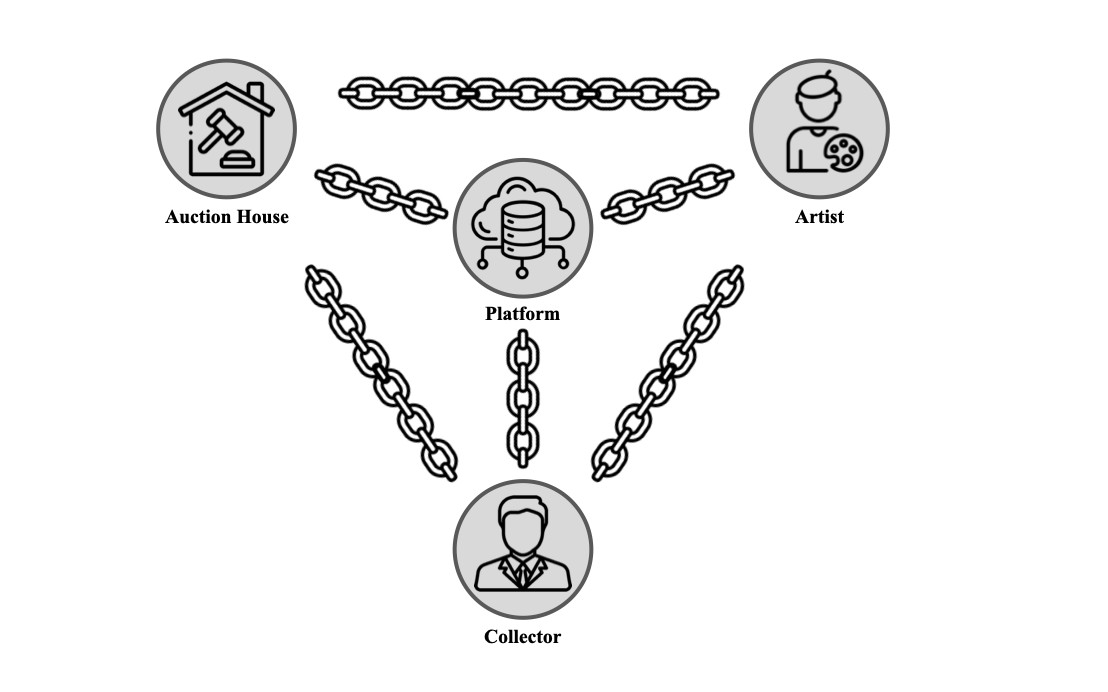
However, I see great potential in merging some aspects of NFT technology with physical art, particularly regarding authentication and provenance. NFTs, with their blockchain backbone, provide a robust framework for verifying the authenticity and ownership history of digital artworks. This same technology could be a valuable tool for the physical art world, where issues of authenticity and provenance have long been challenges.
Integrating NFT technology into the realm of physical art could revolutionize how we authenticate artworks. By creating a digital counterpart or certificate for physical artworks on the blockchain, we can enhance the trustworthiness and transparency of art transactions. This hybrid approach would not only safeguard the integrity of physical artworks but also bridge the gap between traditional and digital art markets.
Such integration could offer a new layer of security and confidence for collectors and artists alike, ensuring that the art’s history and authenticity are preserved and easily verifiable. This approach respects the unique qualities of physical artworks while leveraging the technological advancements of the digital age.
In conclusion, while I advocate for the continued appreciation and dominance of physical art in our lives, especially in personal and shared spaces, I also support the thoughtful integration of NFT technology to enhance and protect the value of these artworks. It’s a way of harmoniously blending the old with the new, ensuring that art, in all its forms, remains a vital and protected part of our cultural heritage.
Have you ever had to pivot?
Finding the Balance Point
The pivot in my career from finance to the world of art and design was not just a transition; it was a journey towards finding a balance point. This balance point represents the sweet spot where my complex background in finance and my passion for art and design intersected. It was at this juncture that I could leverage my comprehensive understanding of both fields to forge a unique path.
Utilizing Business Acumen in Art
My background in business and finance wasn’t left behind when I entered the art world. Instead, I used it as a cornerstone upon which I built my new career. This was most evident in my graduate thesis at the Savannah College of Art and Design. Here, I drew upon my financial knowledge and experience to develop a new business model for the art auction sector.
Innovative Business Model in Art Auctions
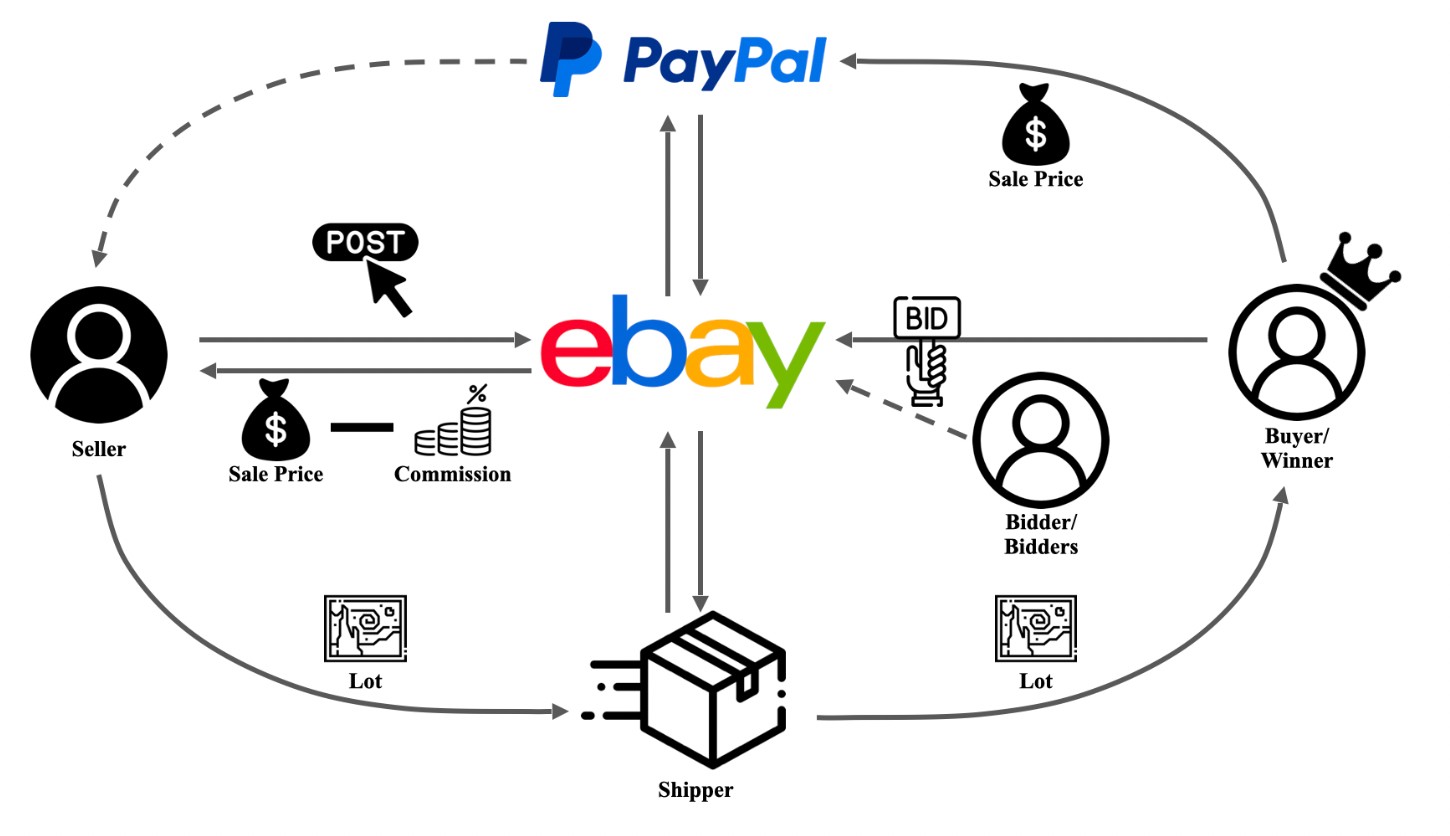
The business model I proposed in my thesis was innovative, blending the traditional art auction methods with contemporary approaches. It was designed to address some of the inherent challenges in the art auction market, such as accessibility, transparency, and efficiency. The model took inspiration from decentralized systems, perhaps influenced by my research into NFTs and the blockchain, applying these principles to the physical art auction world.
Impact of the Business Model
This new business model was not just a theoretical exercise; it had practical implications for how art could be traded and valued in the future. It proposed a system that could potentially democratize access to art auctions, allowing a broader range of participants to engage in the art market. This approach could revolutionize the way art is bought and sold, making it more accessible, transparent, and fair.
Reflection and Future Directions
Reflecting on this pivot and the development of the business model, I see it as a testament to the power of interdisciplinary thinking and the importance of finding one’s balance point. By combining my finance background with my passion for art, I was able to offer new insights into an established industry. Looking forward, I am excited about the potential of this model to influence the art auction market and my continued journey at the intersection of finance and art.
In summary, the concept of the balance point was key in my career pivot. It allowed me to craft a unique niche for myself, blending my diverse skill sets and interests to create innovative solutions in the art and finance sectors.
Contact Info:
- Website: www.mj-chen.com
- Instagram: studio.artemis
- Linkedin: https://www.linkedin.com/in/mj-chen/
Image Credits
MJ Chen