


Alright – so today we’ve got the honor of introducing you to Mitchell Schaps. We think you’ll enjoy our conversation, we’ve shared it below.
Mitchell, appreciate you joining us today. It’s always helpful to hear about times when someone’s had to take a risk – how did they think through the decision, why did they take the risk, and what ended up happening. We’d love to hear about a risk you’ve taken.
In the winter of 2022, COVID had dragged into its second year, and I had been working remotely that entire time. For the first time in years, my wife and I were living alone—no roommates, no built-in social circle—just the two of us in a new house in Burnsville. We didn’t have family nearby, and the few friends we had were at least a 20-minute drive away in Minneapolis.
Day after day, for eight or more hours, I was alone in that house with just my cat. What initially felt like independence quickly became isolation. The quiet started to weigh on me in a way I hadn’t experienced before.
As COVID restrictions began to ease, I started actively searching for connection. I tried apps designed for friendship, joined online groups, and pushed myself to show up to events. I met people through Bumble BFF and joined a Discord-based meetup group. Later, my wife and I connected with people through a Facebook group called “Making Friends Minnesota.” While these experiences weren’t bad, they never led to anything that felt meaningful or lasting. I also began to notice a pattern—people would try, not find connection, leave, and then return months later out of a sense of having no other options. It reinforced how difficult it can be for adults to build real friendships, especially when you don’t fit easily into typical social spaces.
Then in April of 2022, I came across a post that changed everything. A woman named Emily Johnson shared an idea: she wanted to create a friendship group specifically for neurodivergent people.
For context, I had been diagnosed with ADD in 2011. I understood, on a personal level, how different social environments can feel when they aren’t built with neurodivergent people in mind. But even with that awareness, reaching out to her felt like a risk. I didn’t know her. There was no guarantee anything would come of it. After multiple attempts to find connection that hadn’t worked, it would have been easy to scroll past and assume this would be the same.
Instead, I chose to say yes. I reached out and told her I was interested.
The next biggest risk I took, after that initial message, was deciding to start holding events in person—despite having no prior experience planning or hosting anything like that.
After connecting, Emily and I began building out what this group could look like. She created a Facebook group, and we both started inviting people from anywhere we could think of. Around this time, the first version of a name began to take shape: “MNeurodivergent,” pronounced like “I am neurodivergent.” That name carried meaning—it was about identity, ownership, and belonging.
The group started growing quickly.
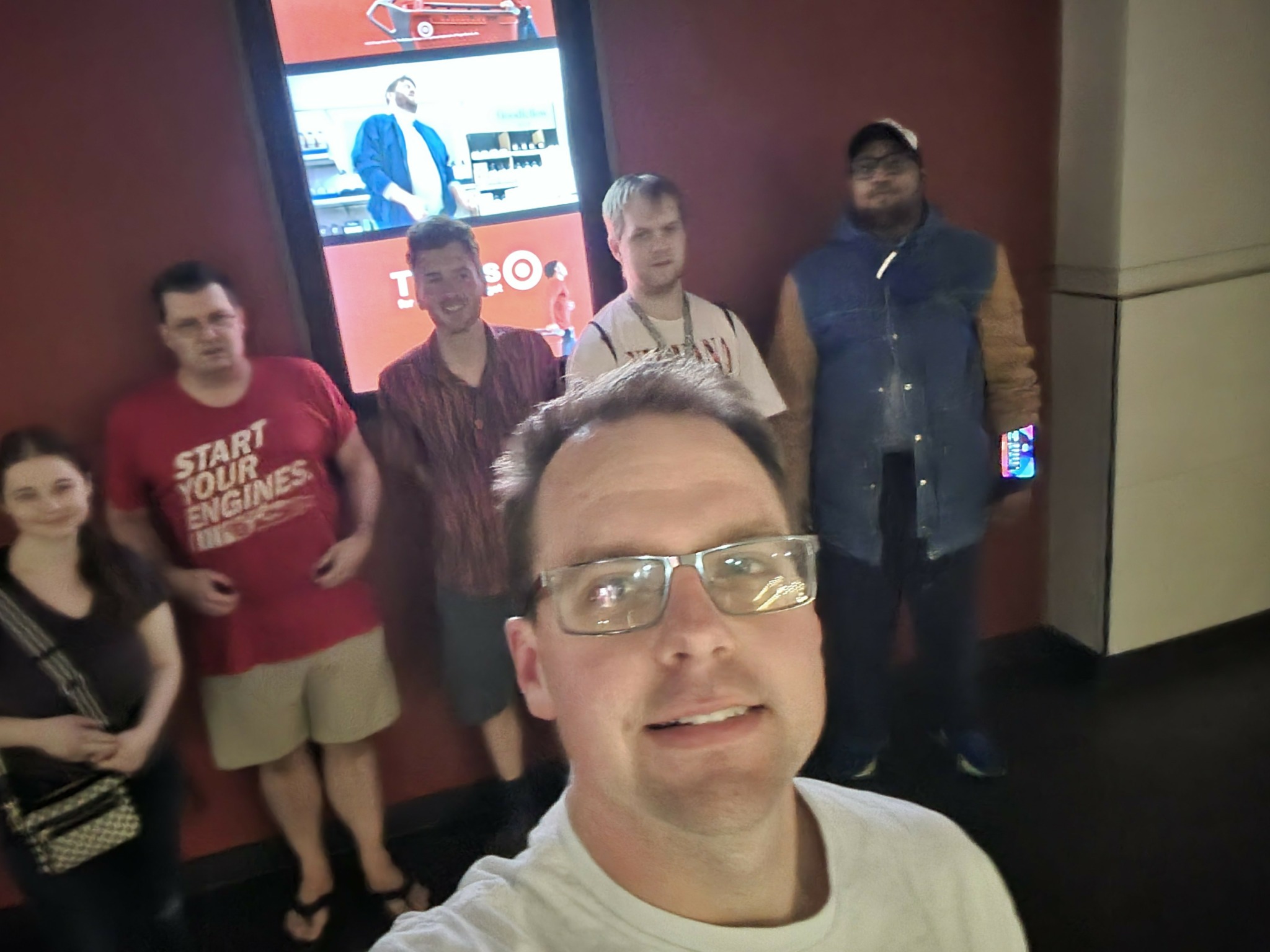
In addition to Facebook, I created a group on Meetup called “MNeurodivergent Twin Cities Events.” In July of 2022, I took another major risk: I hosted our first in-person event—a movie outing at a theater I had never been to before.
This felt like a real leap for me. Growing up, I hadn’t had much success making friends, and in many ways, I didn’t see myself as someone people would naturally be drawn to. Putting myself in a position to host—to be the person others would show up for—felt incredibly uncertain.
But when I posted that first event and two people RSVP’d, something shifted.
It wasn’t a huge number, but it was enough. Enough to challenge the story I had been telling myself. Enough to show me that maybe I could create something people would want to be part of.
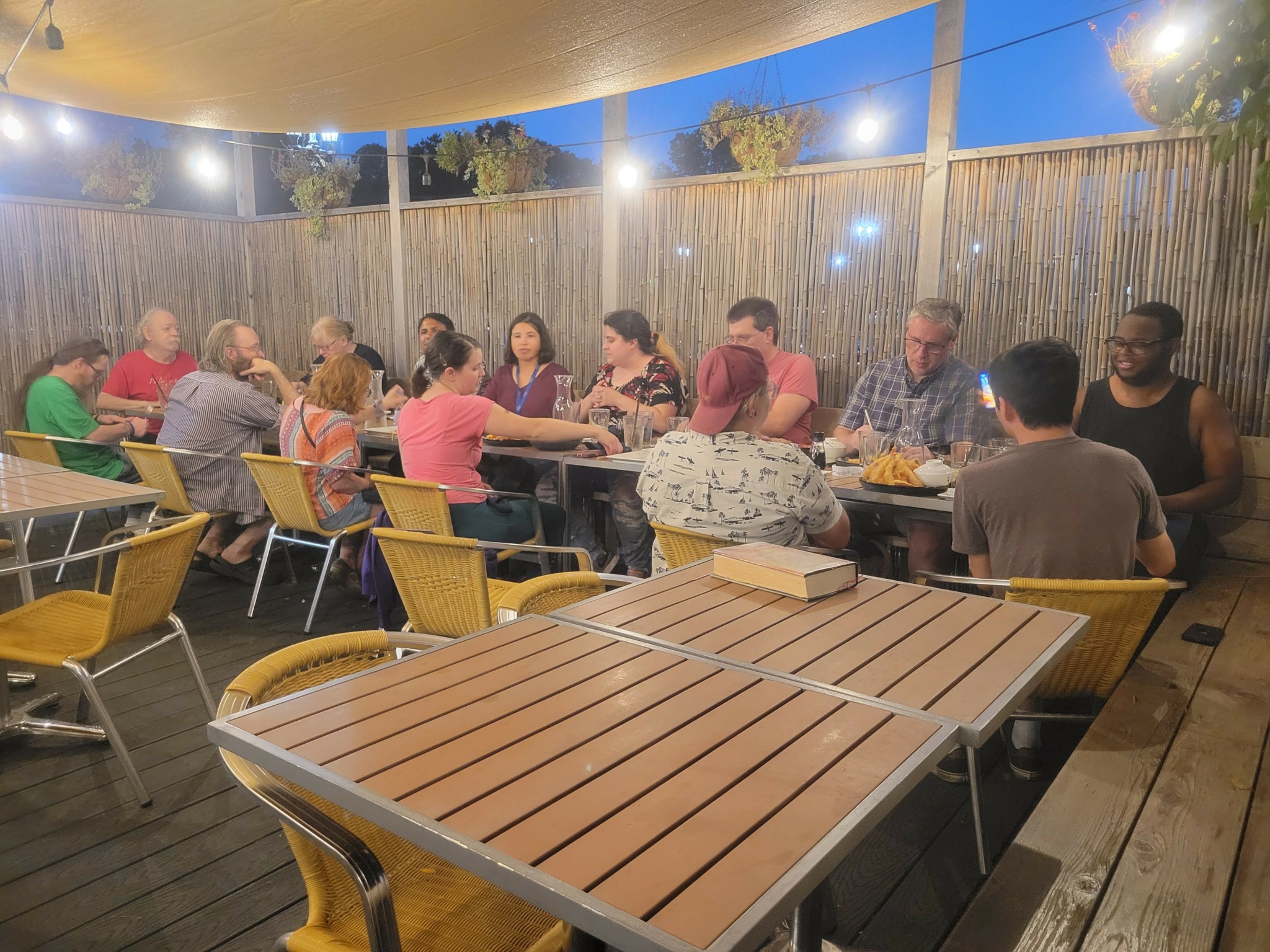
That belief was reinforced just a few weeks later when we planned our first major event—a picnic and potluck at the end of July. This was being organized by two people with no formal organization, no funding, and no track record.
And yet, 30 to 40 people showed up.
That moment changed everything.
It made something very clear to both of us: this wasn’t just a good idea—it was a needed one. And not on a small scale. The level of response showed us that there were far more people looking for this kind of connection than the two of us could support casually.
While building our presence on Meetup, I became aware of another group in the Twin Cities with a very similar mission. The group was called “MN Autism Friends United,” run by Theresa Nami. Like ours, they hosted social events for autistic and neurodivergent individuals. But there was one key difference—their events were supported and funded by an established nonprofit organization called ANSWER.
That was the missing piece.
Up until that point, everything we were doing was informal. We had momentum, we had people, and we had clear demand—but we didn’t yet have structure or sustainability. Seeing how their model worked helped me realize what it would take to turn what we had started into something lasting.
Over the next few months, I made it a point to learn everything I could. I attended their events, met with Theresa, and asked questions about how their organization operated. I was trying to understand not just what they were doing, but how they made it sustainable.
Then, in November of 2022, I made what was likely the most consequential decision of this entire journey: I formally incorporated MNeurodivergent as a nonprofit in the State of Minnesota and registered it with the IRS. I also assembled our first board of directors, stepping into the role of Board President.
This was a different kind of risk. It wasn’t just social or personal—it carried legal, financial, and organizational responsibility. There were no guarantees of funding, no certainty that we could maintain momentum, and no roadmap for how big this could become. But by that point, it was clear to me that this wasn’t something that should stay small or informal. Too many people needed it.
The truth is, I could write an entire book about the risks involved in building this organization—financial uncertainty, scaling challenges, navigating partnerships, and continuously stepping into roles I had never held before. Many of the most consequential moments came with real stakes and the possibility of failure.
But each time, the same pattern held true: the risk was necessary to move forward.
What started as a response to personal isolation has grown into a statewide organization creating welcoming, inclusive spaces where neurodivergent adults can connect and belong.
Looking back, the biggest lesson I’ve learned is that meaningful impact almost always sits on the other side of uncertainty. The question isn’t whether risk is involved—it’s whether or not the risk is worth it, and if you trust yourself to roll with the punches of what those risks might be. I trusted myself, and I took those risks, and I am so glad I did
Mitchell, love having you share your insights with us. Before we ask you more questions, maybe you can take a moment to introduce yourself to our readers who might have missed our earlier conversations?
My name is Mitchell Schaps, and I’m the Board President and founder of MNeurodivergent, a Minnesota-based nonprofit organization built by and for neurodivergent people. Our mission is simple but deeply important: to reduce isolation by creating welcoming spaces where neurodivergent adults can form meaningful connections.
I didn’t come into this work through a traditional path. I got here because I experienced the problem firsthand.
In 2022, after years of remote work and social isolation during COVID, I found myself in a position where I had very few meaningful connections nearby. Like many neurodivergent adults, I discovered that most social environments aren’t designed with us in mind. They can feel overwhelming, unstructured in the wrong ways, or simply not built for how we communicate and connect. I tried existing apps, groups, and events, but nothing really stuck.
That changed when I came across the idea of creating a neurodivergent-focused social group. What started as a small, informal effort quickly revealed something much bigger: there was a large, underserved community of people who were looking for exactly this kind of space.
From there, I began organizing events—initially with no experience, no funding, and no formal structure. But people showed up. And they kept showing up.
Today, MNeurodivergent operates across multiple communities throughout Minnesota, offering regular in-person events, sensory-friendly spaces at conventions and festivals, and opportunities for neurodivergent individuals to connect, volunteer, and even sell their own products. One of our unique programs includes supporting neurodivergent creators through consignment-based sales of items like 3D-printed fidgets, helping people not just connect socially, but also participate economically.
At its core, the problem we solve is isolation—but it goes deeper than that. We create environments where people don’t have to mask, where communication styles are respected, and where “belonging” isn’t something you have to earn. That’s a very different experience from most traditional social or networking spaces.
What sets us apart is that everything we do is designed with lived experience at the center. This isn’t a program built for neurodivergent people by outsiders—it’s built by neurodivergent people who understand the nuances of what actually makes a space feel safe, accessible, and welcoming. That shows up in everything from how we structure events, to the inclusion of sensory spaces, to the way we approach communication and community-building.
What I’m most proud of is the impact we’ve had on individuals. Seeing someone walk into an event unsure or anxious, and then gradually open up, make connections, and come back again—that’s what this is all about. We’ve created something that didn’t really exist before, and it’s now a consistent part of people’s lives across the state.
For anyone learning about MNeurodivergent for the first time, the most important thing to know is that this is a community first. Whether someone is looking for friendship, a place to feel understood, opportunities to get involved, or even a platform to share their own work, we’re building something that meets people where they are.
And we’re just getting started.
What do you think helped you build your reputation within your market?
Honestly, just being me. Being my genuine, unedited, ADD self.
Training and knowledge matter of course, but beyond that what do you think matters most in terms of succeeding in your field?
Patience. And Determination. Never giving up when things look hard
Contact Info:
- Website: https://mneurodivergent.org/
- Facebook: https://www.facebook.com/groups/mneurodivergent
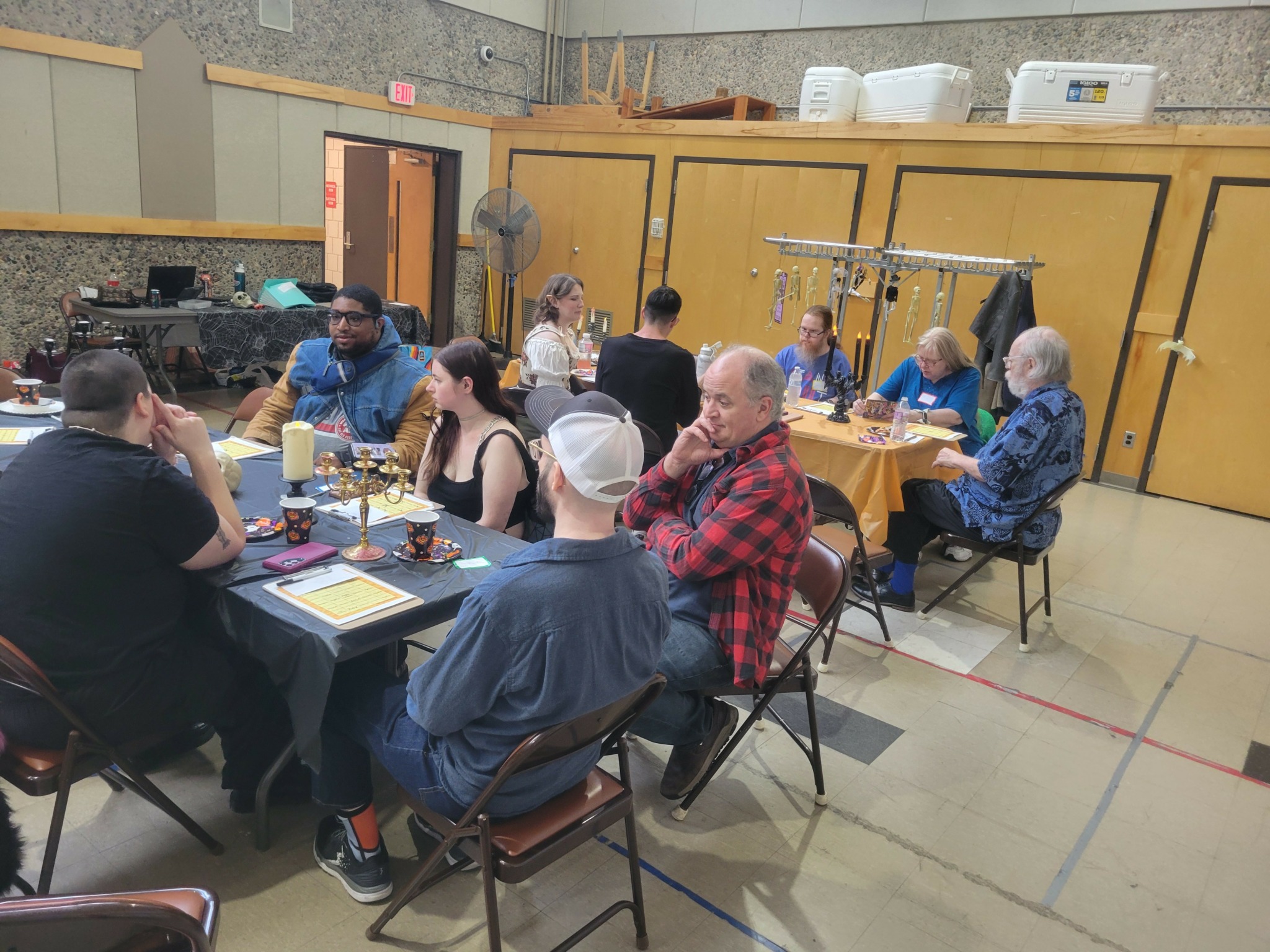
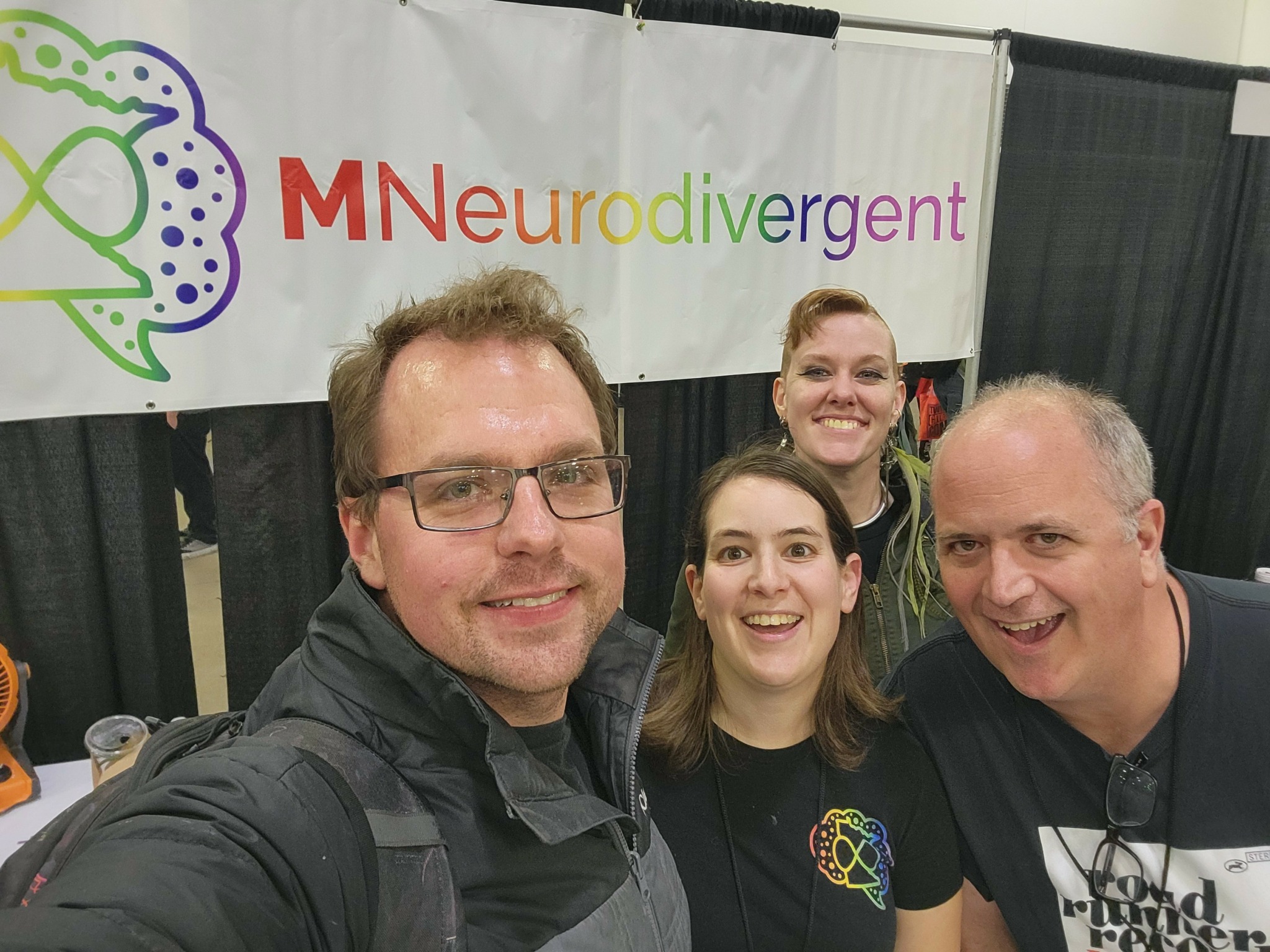
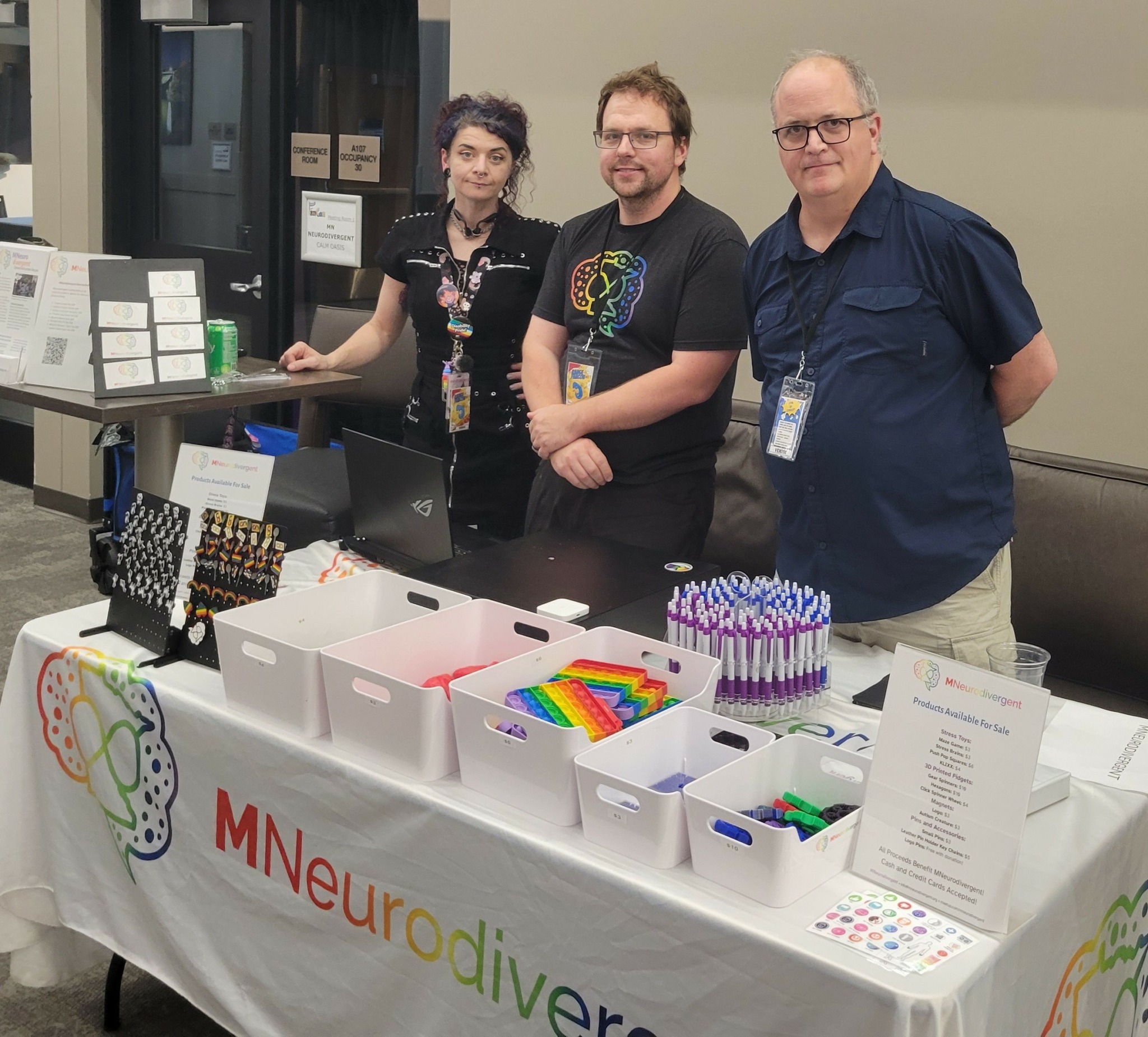
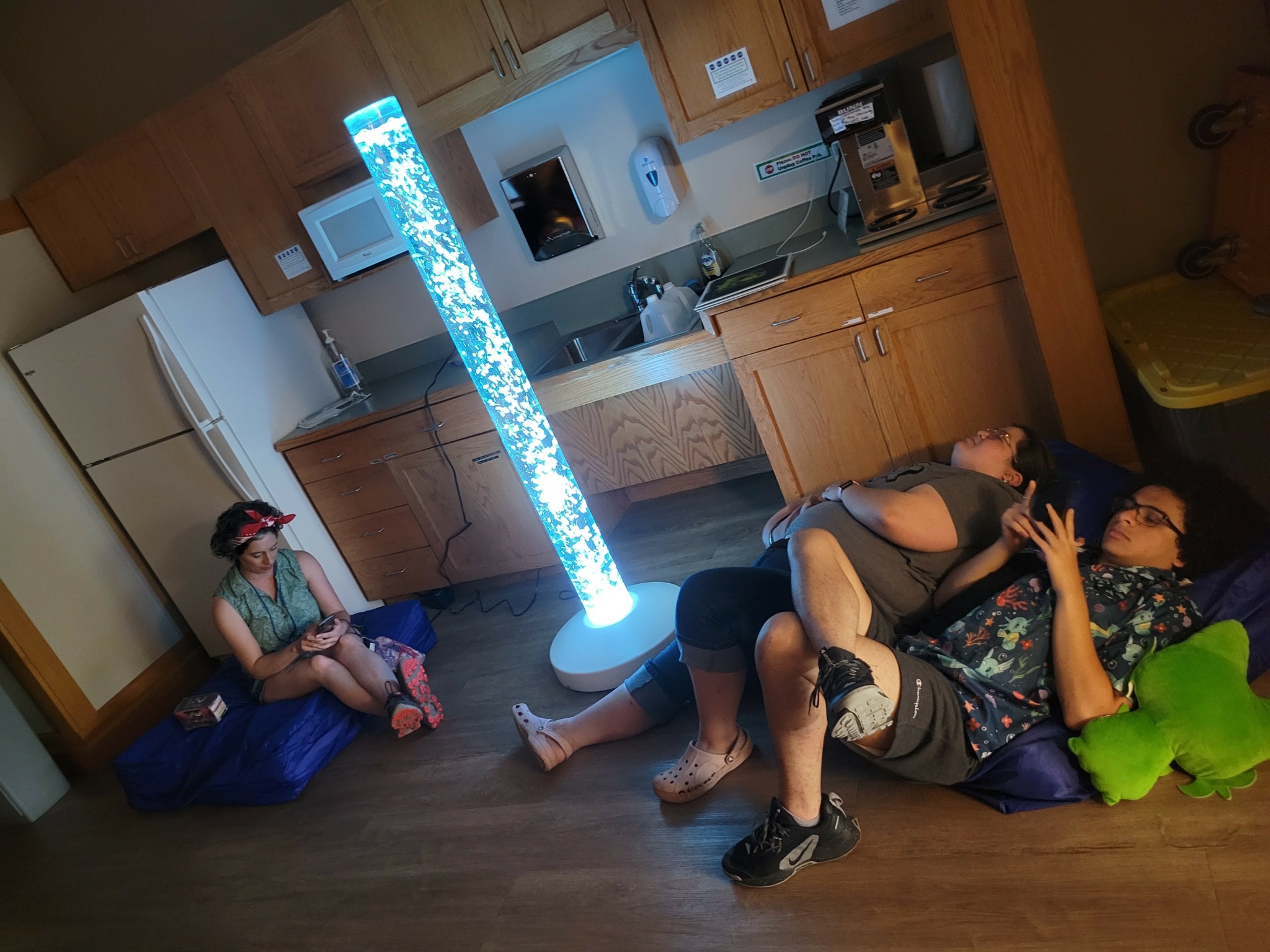
Image Credits
Mitchell Schaps